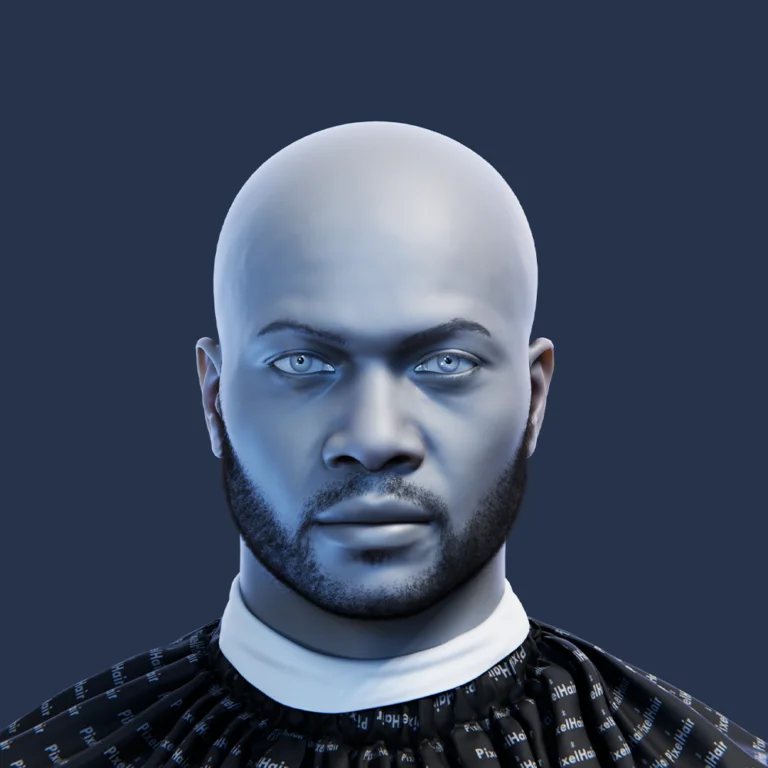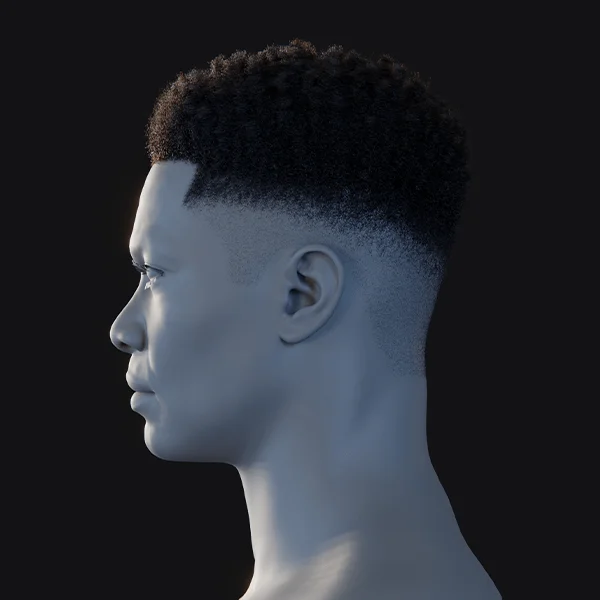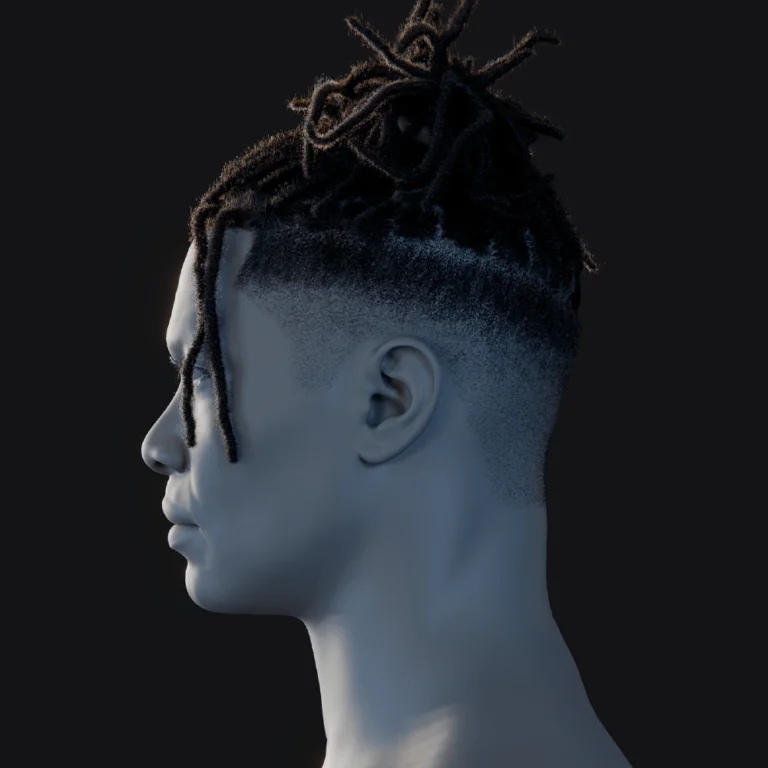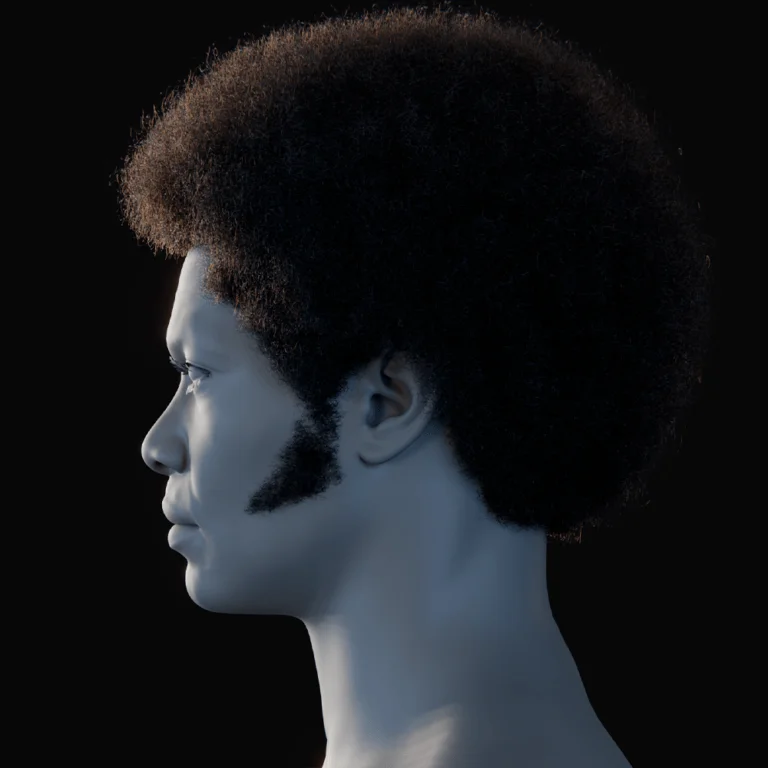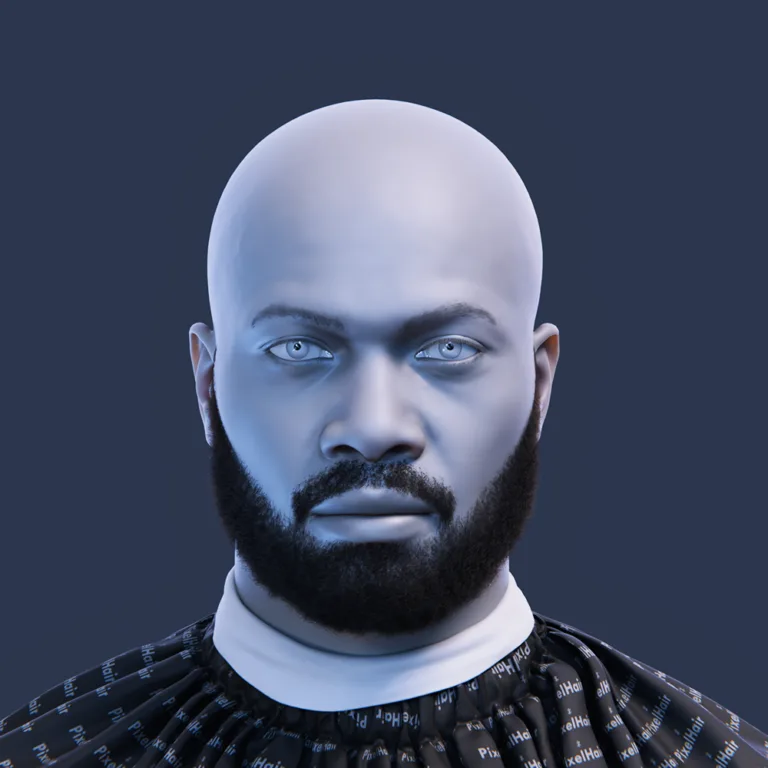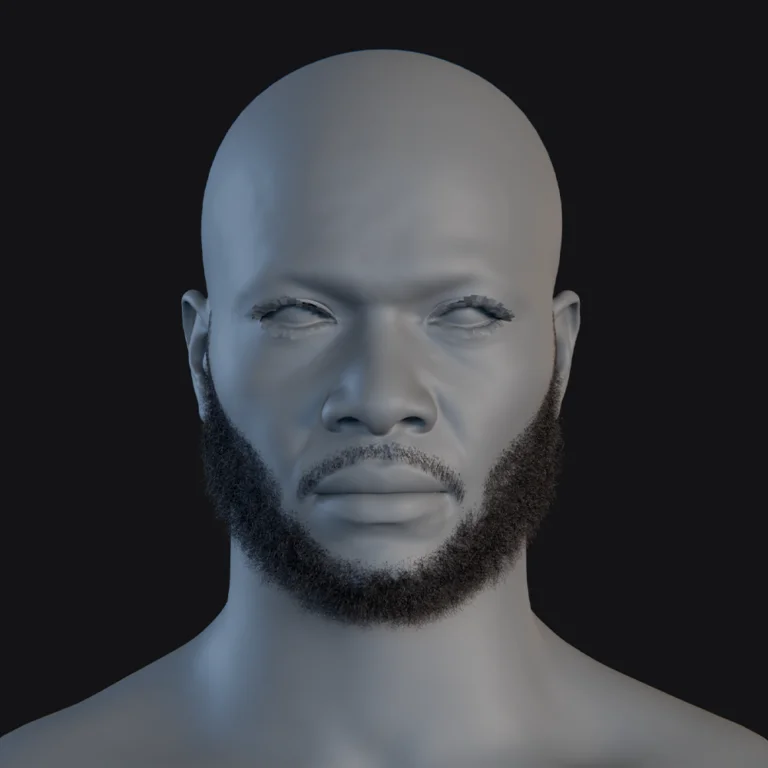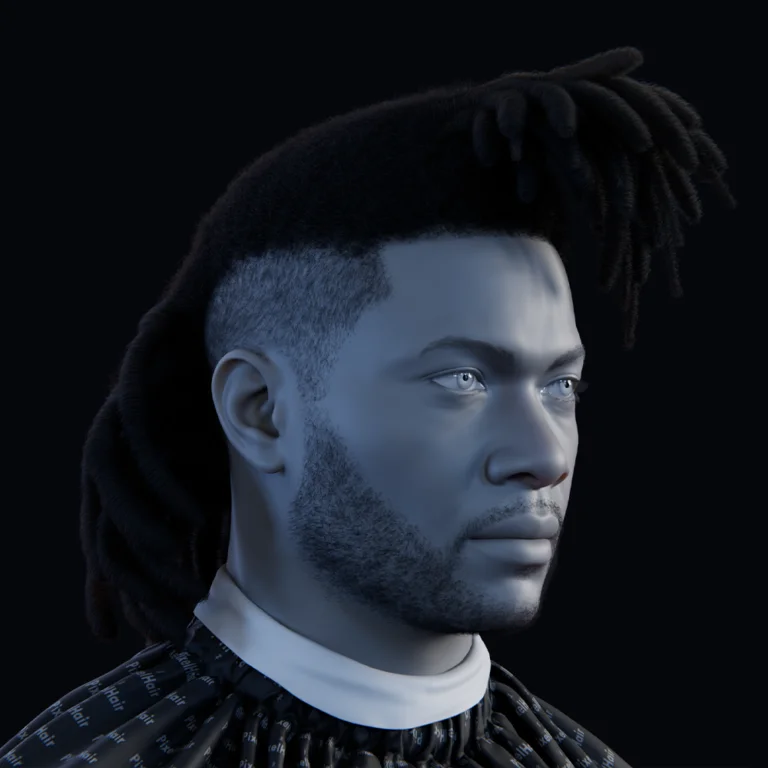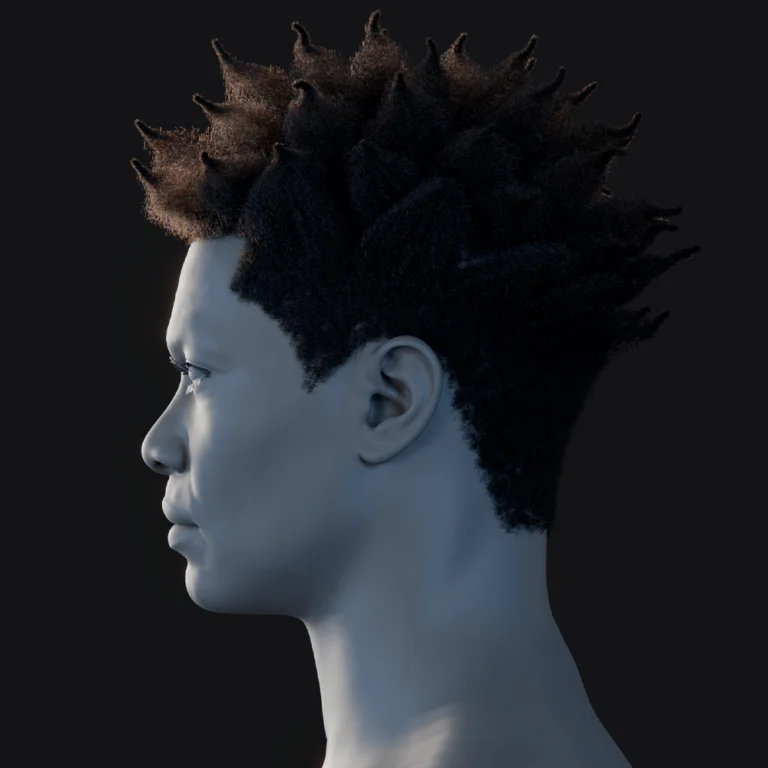









Cascadeur 2026.1 arrived on April 9, 2026, and the official announcement frames it as one of the software’s biggest recent workflow and technology upgrades. The release fully transitions Cascadeur to the Filament Rendering Engine, adds a rebuilt Unreal Engine Live Link workflow, introduces a new AI-assisted Root Motion tool, and expands cleanup and physics-adjacent animation tools such as Collision Penetration Cleaning and Point Constraints integration.
Cascadeur 2026.1 release date, download size, and where to get it
The official Cascadeur download page lists version 2026.1 with a release date of 09 Apr, 2026. On that page, the Windows installer is listed at 373.39 MB, the Linux build at 468.49 MB, and the Mac build at 404.34 MB. The same page identifies the official download location as Cascadeur’s own download section, with builds published for Windows, Linux, and Mac rather than through a third-party launcher.
Cascadeur 2026.1 release notes: what’s new in this update
The official 2026.1 release materials show that this update is not a small maintenance patch but a feature-heavy release built around three headline additions: Filament Rendering, New LiveLink, and Root Motion. Beyond those, the release notes add Collision Penetration Cleaning, improved AutoPosing for Quadrupeds, Point Constraints support inside AutoPosing, and Point Constraints being taken into account in AutoPhysics and Ragdoll. The same notes also mention practical additions such as the ability to add light sources to scenes, a special Spline IK variant for necks, and several bug fixes including constraints importing correctly between scenes and improved Inbetweening behavior around surrounding interpolation.

Filament rendering in Cascadeur 2026.1: what changed in the viewport renderer
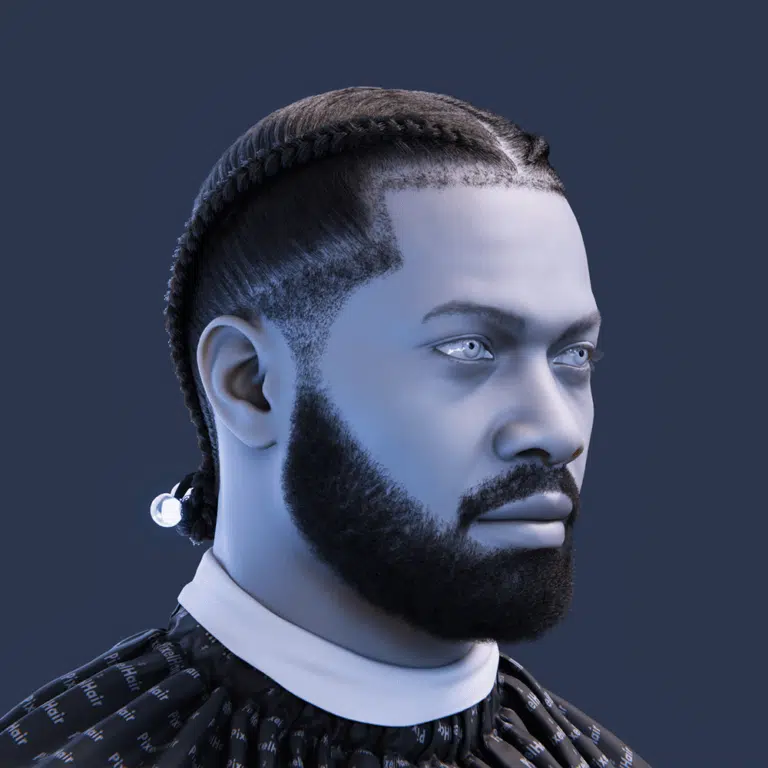
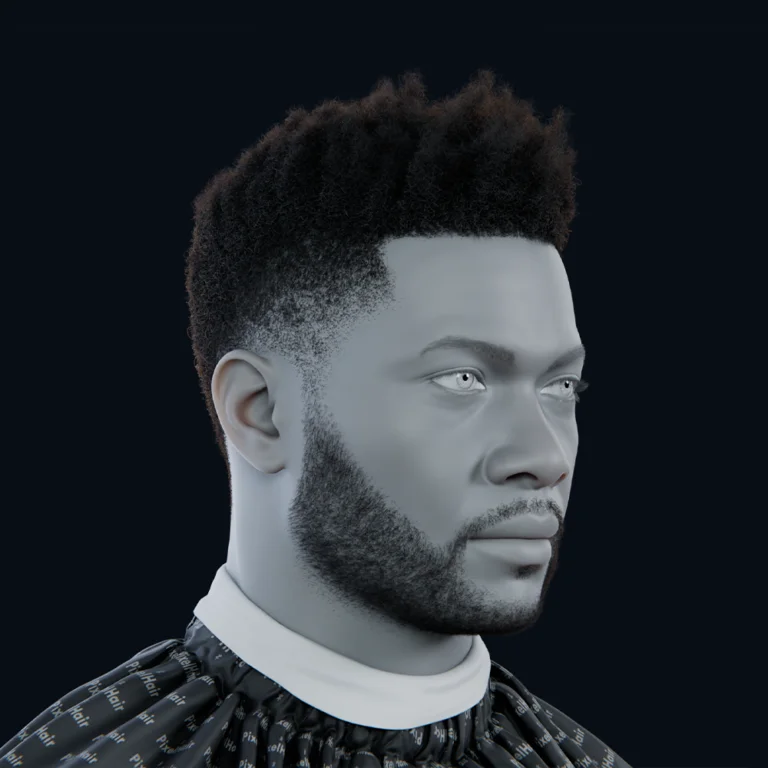
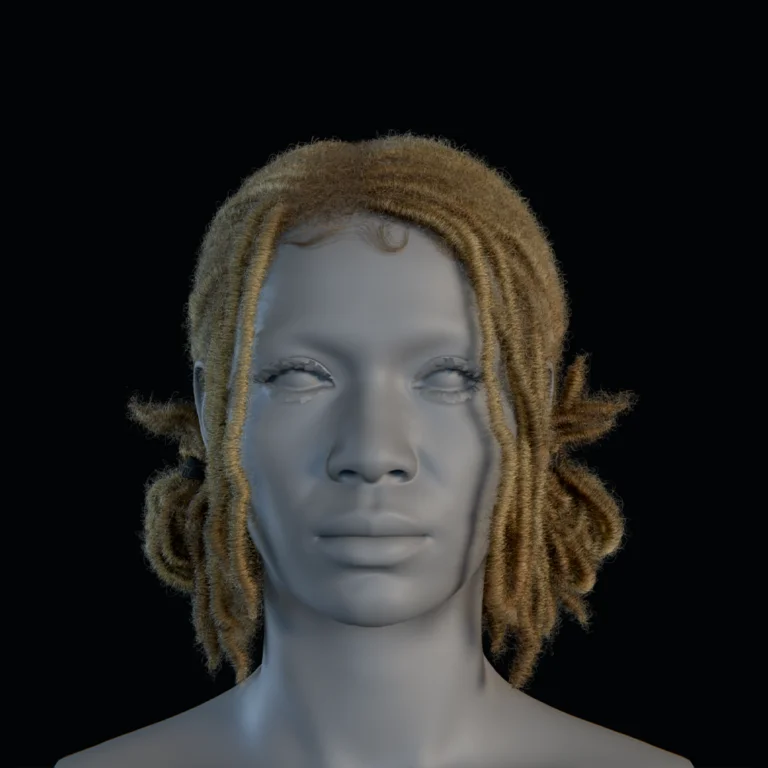
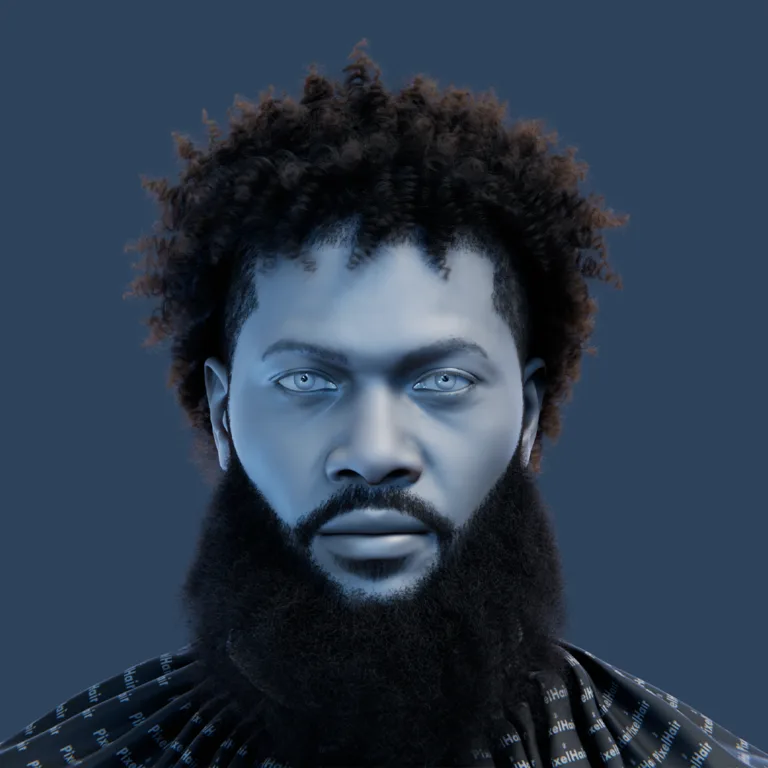
The biggest visual change in Cascadeur 2026.1 is that Filament is now the renderer used to visualize scenes in Cascadeur. The official documentation describes Filament as a modern real-time engine using a physics-based approach to rendering materials and effects, while the 2026.1 announcement says the software has now fully migrated from the earlier experimental preview to full integration in the main release. In practical terms, that means the viewport now supports environment lighting, PBR-style material response, shadows, dynamic lights, ambient occlusion, and bloom as first-class scene visualization features instead of a separate preview branch.
That matters because Cascadeur is primarily an animation tool, so viewport quality is less about final-frame rendering and more about readability while animating. The official blog explicitly says lighting, shading, materials, and overall scene readability are significantly improved in 2026.1, helping animators and technical artists judge poses, silhouettes, and motion more comfortably inside the viewport.
How to get better lighting and materials with Filament in Cascadeur
The most effective way to get better-looking previews in Cascadeur 2026.1 is to treat Filament as a scene-visualization toolkit rather than a simple shaded viewport. The Filament documentation says users can combine environment lighting, shadows, dynamic lights, ambient occlusion, and bloom, then refine mesh response through material settings. The Meshes documentation adds that materials expose controls such as Base Color, Emissive Color, Roughness, Metallic, Reflectance, Ambient Occlusion, Sheen, Clear Coat, and multiple texture maps including normal, roughness, metallic, and AO maps.
A strong practical workflow inside 2026.1 is therefore to start with an HDR environment, enable shadows and ambient occlusion for better form separation, and then use materials to make surfaces read correctly. Roughness and metallic values affect how broad or sharp highlights appear, ambient occlusion helps surface contact feel more grounded, and clear coat or sheen can make cloth, lacquer, or polished assets read more believably in motion previews. For imported FBX assets, Cascadeur says materials are created automatically, and outdated scenes can be updated with the Fix Scene option so those material controls are available in the newer Filament-based workflow.
HDRI environment lighting in Cascadeur: what Filament enables
Filament gives Cascadeur a more modern HDRI-style environment workflow through the Environment section of Scene Settings. The documentation states that the Equirectangular Map field accepts a texture in .hdr format and uses it as both the scene background and a lighting contributor. In other words, the environment is not just a backdrop; it also changes how the character is lit.
That setup becomes especially useful for animation review because the same panel also exposes Environment Rotation, Light Color, Light Intensity, and Light Direction. Rotating the map changes where the dominant lighting appears to come from, intensity changes the power of the environment light, and light color can shift the mood of the entire preview. This gives Cascadeur 2026.1 a much more flexible way to light characters for silhouette checks, contact readability, and shot blocking without leaving the animation app.

Cascadeur 2026.1 Unreal Engine Live Link: what it does and who gets it
Cascadeur 2026.1’s rebuilt Unreal workflow is centered on a new Unreal Engine Live Link that streams animation from Cascadeur into Unreal in real time. The official 2026.1 announcement says this is meant to make it easier to preview motion in a UE scene, judge timing and staging in context, and iterate without repeated manual export cycles. The same announcement frames the feature as a major workflow upgrade for game developers, technical artists, and animation teams working inside Unreal Engine pipelines.
From a compatibility standpoint, the Live Link documentation says the Cascadeur Live Link plugin is required for Cascadeur 2026.1 and later and can be used with Unreal Engine 5.5, 5.6, and 5.7. Older versions of Cascadeur, from 2024.3 through 2025.3, can still stream with more limited Live Link functionality, but the rebuilt 2026.1 workflow depends on the plugin. The docs also state that, at release, plugin installation is manual and FAB publishing is planned later.
How to stream Cascadeur animation to Unreal Engine in real time (Live Link workflow)
The official 2026.1 workflow starts by installing the correct Cascadeur Live Link plugin build for Unreal 5.5, 5.6, or 5.7, unpacking it into the Unreal Engine plugins directory, enabling it in Edit → Plugins, and restarting Unreal. After that, the user launches Unreal, opens the target project, launches Cascadeur, opens the animation scene, and activates Live Link from Cascadeur’s Synchronization menu. On the Unreal side, the connection is added from Window → Virtual Production → Live Link, then Add Source → Casc Live Link → Cascadeur.
Once the connection is active, Cascadeur exposes an Unreal Engine Link window where the user picks a Cascadeur Root, a matching UE Skeleton, and a target UE Animation Sequence. The documentation says the streamed animation data is written into the selected Animation Sequence, and users can even create a new animation asset directly from that window.
The same docs emphasize that joint names and skeleton hierarchies must match between Cascadeur and Unreal, because the system applies streamed transforms by name-matching joints. Cascadeur also documents two consumption paths in Unreal: viewing the streamed sequence in Sequencer or piping the stream through a Live Link Pose node inside an Animation Blueprint. It is also explicitly described as a one-way link from Cascadeur to Unreal, not the reverse.
Cascadeur 2026.1 Root Motion tool: how AI generates motion from a trajectory
The new Root Motion tool in Cascadeur 2026.1 is described in the documentation as a tool that produces animation based on the trajectory of the character. To use it, the official workflow is to create at least two keyframes—one at the start and one at the end—select the interval on the timeline, and press Run Root Motion on the toolbar. Unlike Inbetweening, the docs say Root Motion does not fully adhere to the user’s keyframes, which makes its results more varied but also harder to control if the goal is strict pose preservation.
The available controls explain how the tool balances user intent and generated motion. Trajectory Force adjusts how strongly the initial trajectory is preserved, Head Direction Force affects head-direction behavior, Keyframes Force sets how strongly keyframe poses are preserved, Styles selects motion types such as walk, run, or acrobatic motion, and Style Force controls how strongly that style influences the result. The docs also note that Root Motion outputs Fixed interpolation, meaning every frame stores a full pose, and they explicitly recommend using it together with Physics Tools because the generated motion is not inherently physically accurate. The 2026.1 blog further describes the tool as an AI-assisted method for motion style transfer and generation.

Root Motion Reference Mode in Cascadeur: using an existing animation as a style guide
Reference Mode is the part of Root Motion that turns the feature from a trajectory generator into a style-guided motion tool. The Root Motion documentation says that when Reference Mode is enabled, Cascadeur uses another animation as a reference for its output, and that reference animation must first be chosen with Edit → Select Root Motion Reference. Once a reference is active, Reference Force controls how strongly that source animation influences the final result, and the documentation notes that Keyframe Force is ignored when a reference is used.
The official 2026.1 announcement adds the deeper technical framing: Cascadeur describes the tool as using a diffusion model that can analyze motion signatures from reference animation and apply their movement character to new clips. That is a more ambitious use case than simply matching poses. In practice, it means an animator can sketch the broad trajectory of a new move, then bias the generated result toward the feel of an existing performance, preserving the “how” of the motion rather than only the “what.”
Collision Penetration Cleaning in Cascadeur 2026.1: fix self-collisions and intersections
Collision Penetration Cleaning is one of the most practically useful additions in 2026.1 because it attacks a common polish problem: body parts intersecting each other or clipping through the floor or props. Cascadeur’s documentation says the tool analyzes an animation and removes intersections by identifying the frame where the collision is deepest, fixing that collision across the selected interval, and then blending the result so the cleanup does not create an abrupt pop.
The official workflow is to select the Point Controllers associated with the intersecting body parts, open the Object Properties panel, adjust the Muscle stiffness value, select the interval on the timeline, and run the tool from the toolbar. By default, Muscle stiffness is 100, which means no change; lowering the value allows stronger cleanup. Scene-level settings also let users decide whether to clean floor collisions, kinematic collisions, and dynamic collisions, and they can adjust Penetration Offset if collisions are not detected properly. A separate Blending Window Size setting controls how many frames are used to smooth the cleanup, with a documented default of 5 frames. For older scenes, Cascadeur says the character rig must be regenerated first.
Cascadeur 2026.1 quadruped improvements: AutoPosing updates explained
Quadruped animation is one of the areas Cascadeur has been pushing forward across recent versions. The 2025.3 release introduced quadruped support for AutoPosing and Quick Rigging in alpha form, while the 2026.1 announcement says AutoPosing for four-legged characters now feels more natural, more intuitive, and better adapted to creatures such as cats and horses. That framing matters because quadrupeds usually expose weaknesses in posing systems built primarily around bipeds.
The 2026.1 release notes specify what changed underneath that improved feel. They state that Point Constraints now work in AutoPosing, that AutoPosing points no longer pull other rigs in multi-character scenes, and that AutoPosing direction vectors now scale based on the length of the Additional Point vector. The notes also add a new Quadruped Spine Forward/Backward Switching Angles setting, suggesting that Nekki is still refining the body mechanics and usability of non-biped rigs rather than treating quadruped support as a one-off feature.

Point constraints in Cascadeur 2026.1: AutoPosing, AutoPhysics, and Ragdoll support
Cascadeur’s Constraints documentation explains that Constrain Points attaches selected Point Controllers to a transform object such as a joint, mesh, locator, or group. In a character-animation pipeline, that matters whenever hands, props, or secondary animation controls need to stay attached to something while the rest of the body is being solved or simulated.
What changes in 2026.1 is that these Point Constraints are no longer isolated from the AI and physics layers. The release notes say they now work in AutoPosing, and are also taken into account in AutoPhysics and Ragdoll. The official blog explains why that matters by giving the example of weapons, props, or tools that need to stay locked to a character’s hand during physically assisted animation. This substantially improves reliability for action animation, gameplay prototyping, and any workflow where constrained object relationships must survive simulation rather than being repaired afterward.
Adding light sources in Cascadeur 2026.1 scenes: how it affects previews
Before 2026.1, Cascadeur’s lighting controls were much more limited. With the Filament-based workflow, the release notes explicitly say users can now add light sources to the scene, and the Filament documentation explains that these are user-created dynamic lights separate from environment lighting. They are added through Add → Lights, appear in the Outliner, and can be moved with manipulators in the viewport.
These lights directly affect how previews look. If Dynamic Lights is enabled, user-added lights contribute to the scene; if Shadows is also enabled, those lights cast shadows along with the environment light. Cascadeur provides two light types: Point Light, which emits equally in all directions, and Spot Light, which emits through a cone and exposes inner and outer cone angles for tighter control. Light geometry is hidden by default, so the viewport stays clean unless the user turns on the visibility option for light geometry. The result is a far more art-directable preview workflow for checking contacts, faces, silhouettes, and mood without leaving Cascadeur.
Cascadeur 2026.1 system requirements (Windows, macOS, Linux) and GPU recommendations
Cascadeur’s official system requirements page lists support for Windows 10 (version 1809 or later), Windows 11, Ubuntu 20.04 or later, and macOS 13.3 or later. The FAQ adds that Mac support is specifically for ARM-based Macs and that Intel Macs are not supported, while Linux support is limited to Ubuntu rather than a broad promise across other distros.
For hardware, the minimum requirements page lists a 64-bit Intel or AMD multi-core processor for Windows and Linux, an M-series ARM-based processor for macOS, SSE4.1 support, 2.4 GHz or higher, 4 GB of memory, and an NVIDIA GTX 550 Ti or better with OpenGL 4.1 support. Recommended hardware for more complex scenes is a 64-bit Intel or AMD multi-core processor with AVX support, 3.5 GHz or higher, 8 GB of memory, and an AMD HD7000+ or NVIDIA GTX 650 or better. For animators working with larger characters, longer shots, or heavier preview lighting, the recommended tier is the more realistic target for smooth 2026.1 use.

Cascadeur export pipeline in 2026.1
Cascadeur 2026.1 supports both FBX/DAE export and USD export, giving it a flexible handoff path for Unreal and for DCC tools such as Blender. The FBX/DAE export workflow is still the main route for Unreal import, and Cascadeur’s Unreal documentation explicitly says Unreal expects binary FBX during import. The general FBX/DAE export page notes that the export dialog can be configured with presets such as Scene, Animation, Model, and Scene from selected object, while the Meshes documentation adds lower-level controls for whether translate, rotate, and scale animation are exported and which rotation order is used.
USD remains important in 2026.1 because Cascadeur’s USD exporter supports both Model export and Scene export, with Scene including character models, animation, and additional objects. For Blender and similar DCCs, Cascadeur’s own Blender documentation says FBX is the best choice for most cases because it is less likely to introduce issues, but USD is also supported and Blender’s default USD import settings should generally work.
The same docs warn against relying on GLB/GLTF for Blender scene export because Blender does not fully support that route yet. For production compatibility, Cascadeur also recommends a game-engine-centric loop when animating for engines: Blender → Game Engine → Cascadeur → Game Engine, because exporting the model from the target engine first improves the chance that the animation will round-trip back correctly.
Frequently Asked Questions (FAQs)
- When was Cascadeur 2026.1 released?
Cascadeur 2026.1 was officially posted on the download page on April 9, 2026. - Does Cascadeur 2026.1 fully replace the experimental Filament preview from 2025.3?
Yes. The official announcement says the software has now fully migrated to Filament, and what had been an experimental preview in 2025.3 is now part of the main release. - Does Unreal Live Link require a separate plugin in 2026.1?
Yes. Cascadeur’s Live Link documentation says the Cascadeur Live Link plugin must be installed in Unreal Engine for the 2026.1-and-later workflow. - Which Unreal Engine versions work with the Cascadeur 2026.1 Live Link plugin?
The official documentation states that the plugin can be used with Unreal 5.5, 5.6, and 5.7 together with Cascadeur 2026.1 or later. - Can Root Motion use an existing animation as a style reference?
Yes. Reference Mode lets Root Motion use another animation as reference after the user selects it through Edit → Select Root Motion Reference, and Reference Force controls how strongly it affects the output. - Are Root Motion results physically accurate by default?
No. The Root Motion documentation explicitly says the generated animation is not physically accurate, which is why Cascadeur recommends pairing it with Physics Tools. - Can Collision Penetration Cleaning fix floor penetration as well as self-intersections?
Yes. The Scene Settings for the tool include Clean Floor Collisions, which determines whether ground-level collisions are taken into account. - What kinds of custom lights can be added in Cascadeur 2026.1?
Cascadeur’s Filament documentation lists Point Lights and Spot Lights as the two available user-created light types. - Does Cascadeur 2026.1 support USD export?
Yes. Cascadeur supports exporting to USD, with separate Model and Scene export options. - Which operating systems are officially supported by Cascadeur 2026.1?
The official documentation lists Windows 10 (1809+), Windows 11, Ubuntu 20.04+, and macOS 13.3+, with Mac support limited to ARM-based Apple Silicon systems.

Conclusion
Cascadeur 2026.1 is a meaningful upgrade because it improves both ends of the animation process at once: it makes the viewport more believable and readable through the Filament renderer, and it makes animation handoff faster through the rebuilt Unreal Live Link and stronger FBX/USD workflows. The Root Motion tool adds a more experimental AI-assisted layer for motion generation and style transfer, while Collision Penetration Cleaning, Point Constraint integration, and quadruped AutoPosing refinements focus on day-to-day production friction. Taken together, the update makes Cascadeur feel less like a specialized pose tool and more like a fuller animation workstation that can sit comfortably between DCC creation, engine preview, and export-based finishing pipelines.
Sources and Citations
- Cascadeur official download page.
https://cascadeur.com/download - Cascadeur 2026.1 official announcement blog post.
https://cascadeur.com/blog/cascadeur-2026-1-release - Cascadeur 2026.1 release notes.
https://cascadeur.com/help/release-notes - Cascadeur Filament Rendering documentation.
https://cascadeur.com/help/filament-rendering - Cascadeur Meshes and Materials documentation.
https://cascadeur.com/help/meshes-and-materials - Cascadeur Live Link for Unreal Engine documentation.
https://cascadeur.com/help/live-link-unreal-engine - Cascadeur Root Motion documentation.
https://cascadeur.com/help/root-motion - Cascadeur Collision Penetration Cleaning documentation.
https://cascadeur.com/help/collision-penetration-cleaning - Cascadeur system requirements page.
https://cascadeur.com/help/system-requirements - Cascadeur export documentation for FBX/DAE workflows.
https://cascadeur.com/help/export-fbx-dae - Cascadeur export documentation for USD workflows.
https://cascadeur.com/help/export-usd - Cascadeur export documentation for Unreal workflows.
https://cascadeur.com/help/export-unreal - Cascadeur export documentation for Blender workflows.
https://cascadeur.com/help/export-blender
Recommended
- The Unity Engine Has Officially Started Supporting Steam: What It Means for Developers and Game Distribution
- Love Death and Robots on Netflix: Everything You Need to Know About the Groundbreaking Animated Anthology Series
- God of War Trilogy Remake Announced: Original Kratos Voice Actor TC Carson Returns — Fan & Community Reaction
- Why the Internet Reacted So Hard to OpenAI Killing Its Sora Video Slop Farm
- How to Create Your Alter Ego with Metahuman for the Metaverse: A Guide to Building Digital Identity in Unreal Engine 5
- Koshmar: The Last Reverie Preview – Fast-Paced Action-Adventure With a Mass Effect-Like Morality System
- FBC: Firebreak just got its last ever major update (Open House), plus a permanent price drop and free Friend’s Pass
- Stylized Water Shader in UE5: Complete Guide to Creating Real-Time Cartoon Water Effects
- Sin & Siege, a New Heaven-Vs.-Hell Strategy Game, Revealed for PC
- Plasticity 2026.1 Adds New Commands & Improves Old Ones: PolySplines, Slot, and Hidden Line Export