

The recent trademark activity tied to Taylor Swift reflects a broader shift in how high-profile artists approach intellectual property in the age of artificial intelligence. As generative AI tools rapidly improve, the ability to replicate a celebrity’s voice, likeness, and identity has become widely accessible. Swift’s filings are designed to secure exclusive legal control over these personal assets, ensuring that unauthorized parties cannot commercially exploit AI-generated imitations.
At its core, trademark protection allows Swift to claim ownership over distinctive elements associated with her brand. By extending that protection to her voice and visual identity, she is proactively addressing risks that did not exist at this scale even a few years ago.
Why Taylor Swift is taking legal action against AI deepfakes in 2026
By 2026, AI-generated deepfakes have reached a level of realism that makes them difficult for the average viewer or listener to distinguish from authentic content. This has resulted in viral fake songs, manipulated videos, and misleading endorsements circulating online.
Swift’s legal approach is driven by three key concerns: reputational damage, loss of creative control, and financial exploitation. Deepfakes can associate her with messages, products, or content she never approved. Without legal safeguards, these uses could dilute her brand and undermine trust with her audience.
What trademarks Taylor Swift filed for her voice and likeness
Swift’s filings reportedly cover a range of protections tied to her identity. These include:
- Use of her name and signature branding
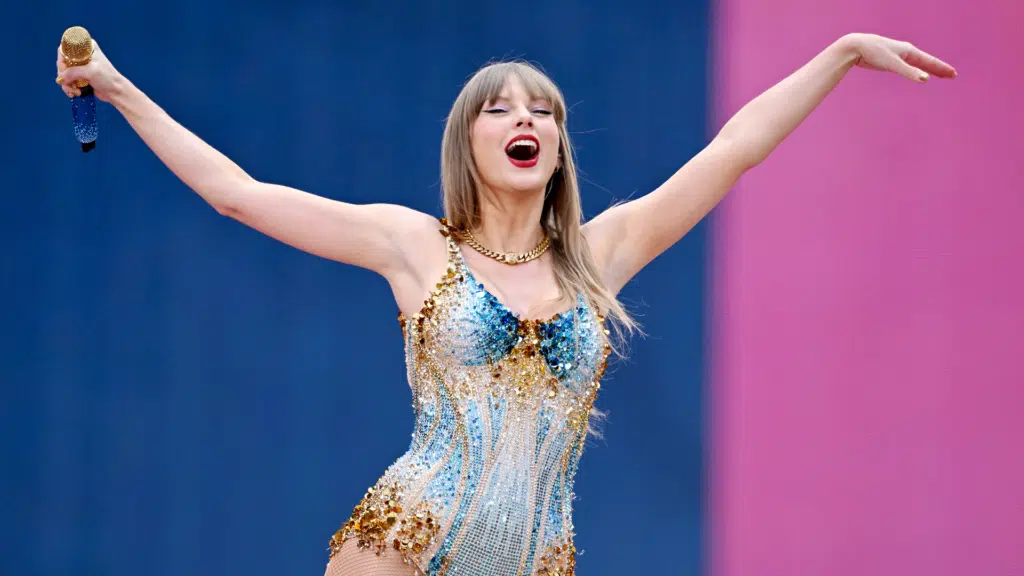
- Visual likeness tied to specific performances and appearances
- Potential sound-based identifiers linked to her voice
Such filings are structured to prevent unauthorized commercial use, particularly in digital environments where AI-generated replicas can be monetized quickly through streaming platforms, social media, and advertising.
How AI-generated content is threatening celebrities like Taylor Swift
AI tools can now synthesize voices with minimal input data, often requiring only a few minutes of audio. For global figures like Swift, whose voice is extensively documented, the barrier to creating convincing clones is extremely low.
This creates multiple risks:
- Fake music releases attributed to the artist
- Fraudulent endorsements
- Manipulated political or social statements
- Loss of control over artistic output
These threats extend beyond Swift and affect actors, musicians, and public figures across industries.
Taylor Swift AI controversy: fake images, voice clones, and online misuse
Swift has already been at the center of multiple AI-related controversies, including viral deepfake images and synthetic voice clips. These incidents highlighted how quickly fabricated content can spread and how difficult it is to remove once it gains traction.
The controversy underscores a structural issue: existing legal frameworks were not designed to handle AI-generated identity replication at scale. Swift’s trademark strategy is one attempt to close that gap.
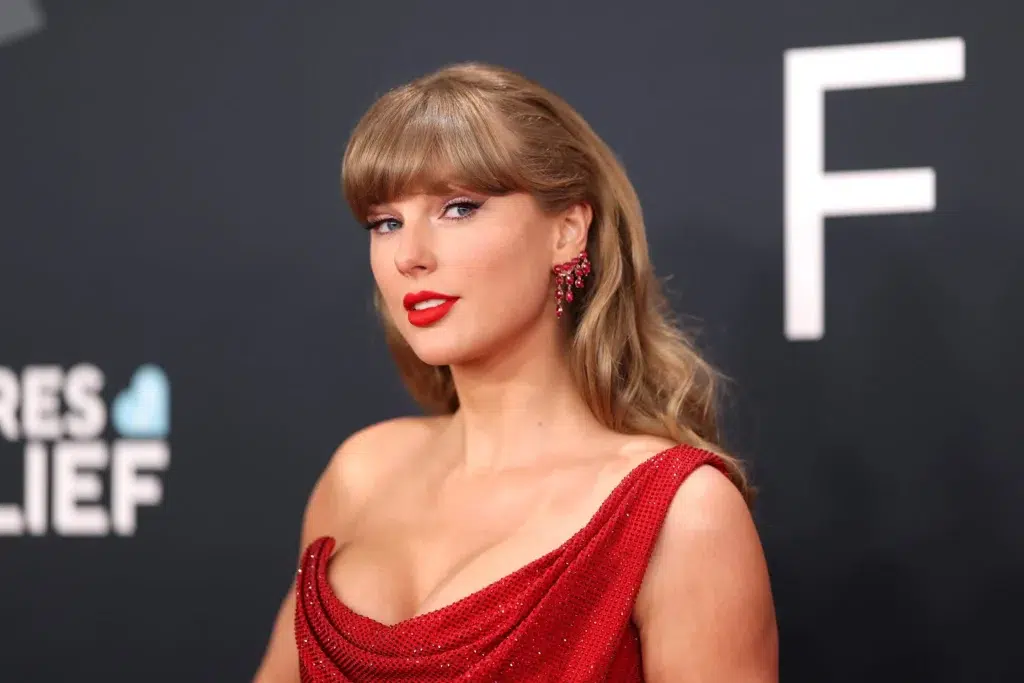
What are sound trademarks and how do they protect Taylor Swift’s voice
Sound trademarks protect distinctive audio elements that are uniquely associated with a brand or individual. Traditionally, these have included jingles or short audio cues, but the concept is evolving.
In Swift’s case, the idea is to establish her voice—or identifiable aspects of it—as a protected asset. If successful, this could allow her to challenge unauthorized AI-generated voice content on the basis of trademark infringement, rather than relying solely on copyright or defamation laws.
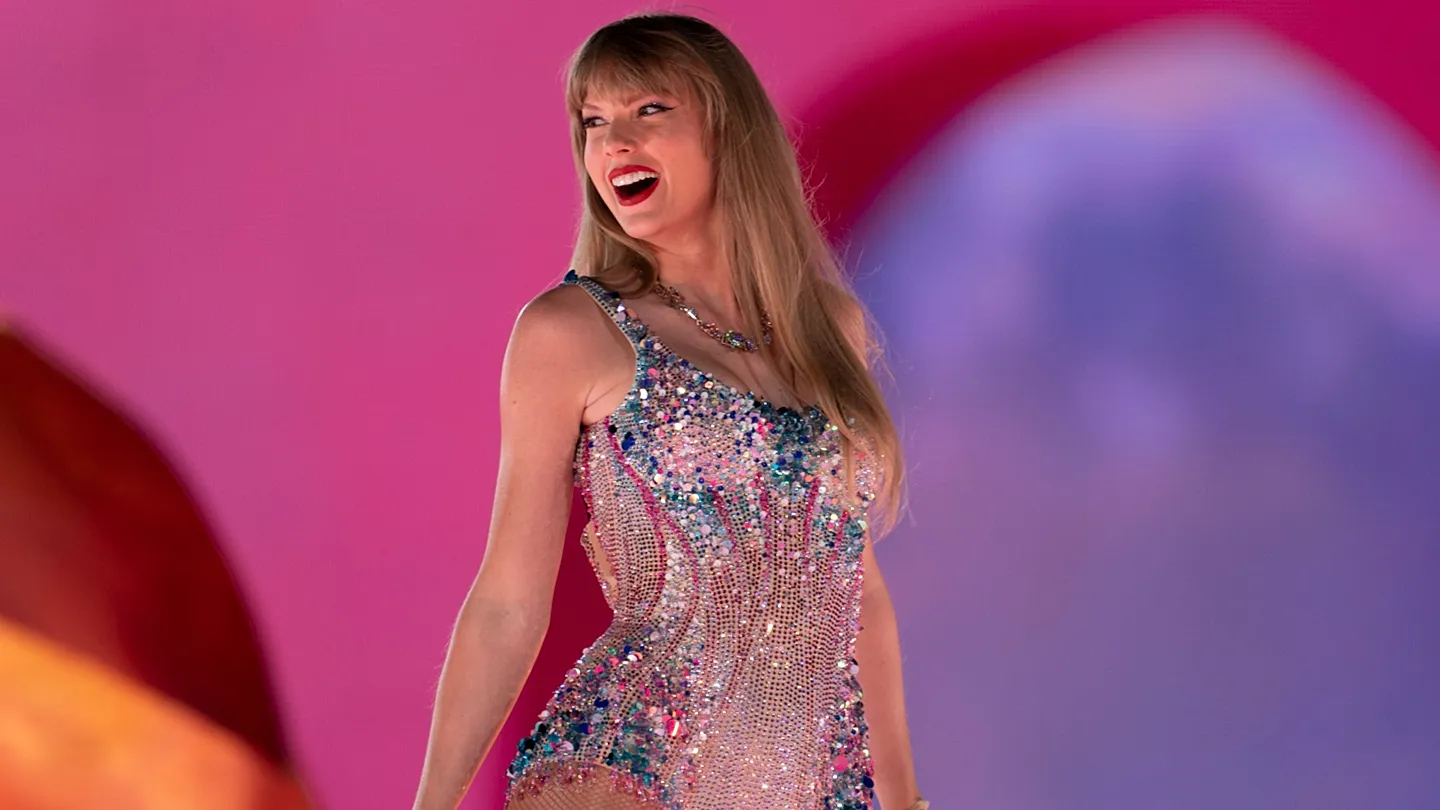
How Taylor Swift’s Eras Tour image became part of her trademark strategy
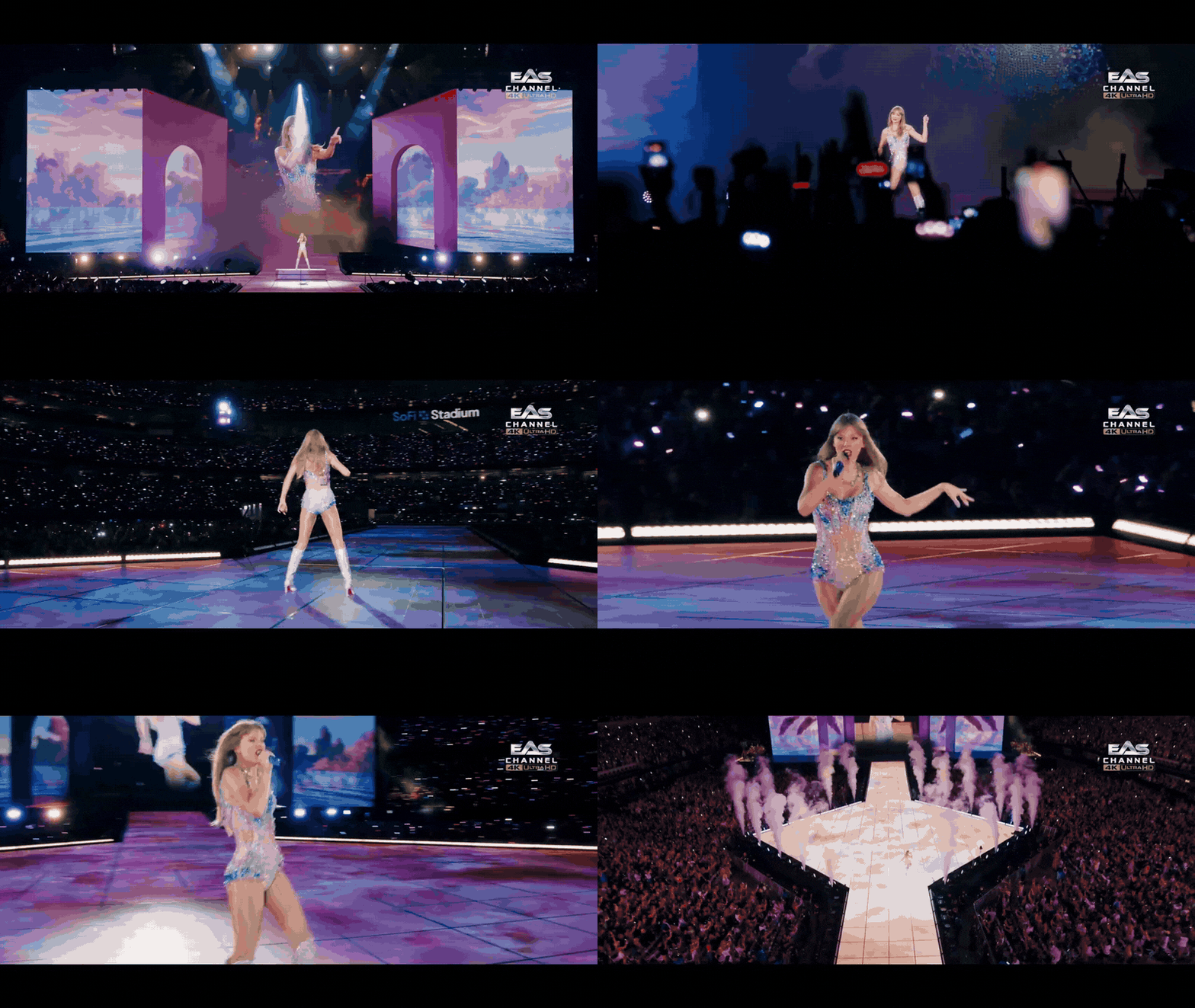
The Eras Tour has become a defining visual and cultural moment in Swift’s career. Its imagery—costumes, stage design, and performance aesthetics—forms a recognizable brand identity.
Incorporating these elements into trademark filings strengthens her ability to control how they are used. AI-generated images that mimic Eras Tour visuals could potentially be challenged if they infringe on protected trademarks.
The role of TAS Rights Management in Taylor Swift’s trademark filings
TAS Rights Management plays a central role in overseeing Swift’s intellectual property portfolio. The organization handles licensing, enforcement, and strategic filings related to her brand.
In the context of AI, TAS Rights Management is responsible for identifying infringements and initiating legal action where necessary. This centralized approach allows Swift to respond more efficiently to unauthorized uses of her identity.
Can trademarks stop AI voice cloning and deepfake impersonations?
Trademarks alone are not a complete solution, but they provide a powerful legal tool. They are particularly effective when AI-generated content is used commercially, such as in advertising or paid media.
However, challenges remain:
- Enforcement across jurisdictions
- Non-commercial uses that fall into legal gray areas
- Rapid content dissemination online
Despite these limitations, trademarks significantly strengthen an artist’s position when pursuing legal remedies.
Taylor Swift vs AI: legal strategies celebrities are using to fight back
Swift’s approach is part of a broader trend among celebrities adopting multi-layered legal strategies. These include:
- Expanding trademark coverage
- Leveraging publicity rights laws
- Filing lawsuits against platforms hosting harmful content
- Partnering with tech companies to detect AI misuse
The goal is not just reactive enforcement but proactive deterrence.
Matthew McConaughey and other celebrities protecting their voice from AI
Matthew McConaughey and other public figures have also taken steps to protect their vocal identity. Voice-based branding is increasingly recognized as a valuable asset, particularly in industries like film, advertising, and audiobooks.
As AI voice synthesis improves, more celebrities are expected to pursue similar protections, either through trademarks or other legal mechanisms.
Why trademarking a voice is a new legal trend in the AI era
Historically, voices were not treated as standalone trademarks. The rise of AI has changed that by making voice replication both scalable and commercially viable.
This shift has prompted legal systems to adapt. Trademarking a voice is now seen as a forward-looking strategy to address a rapidly evolving technological landscape.
How AI deepfakes impact music, branding, and artist identity
Deepfakes disrupt multiple aspects of the entertainment industry:
- Music: Unauthorized releases and stylistic imitations
- Branding: Dilution of carefully curated public images
- Identity: Blurring the line between authentic and synthetic content
For artists like Swift, maintaining a clear boundary between real and AI-generated content is critical to preserving artistic integrity.
Taylor Swift’s history of trademarks and brand protection strategy
Swift has long been proactive in managing her intellectual property. She has previously trademarked song lyrics, album titles, and brand-related phrases.
This history demonstrates a consistent strategy: anticipate potential misuse and secure legal protections early. The AI-related filings are a continuation of that approach, adapted to new technological risks.
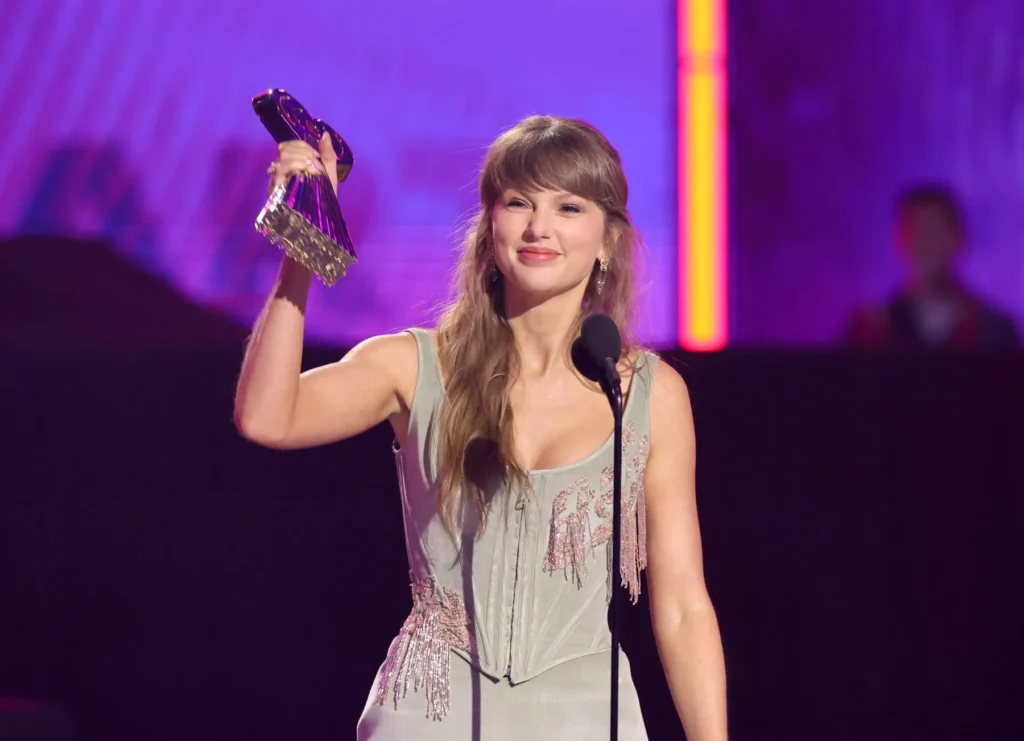
What Taylor Swift’s AI trademark filings mean for the future of digital rights
Swift’s actions may set a precedent for how digital identity is protected in the future. If her filings prove effective, they could influence:
- Legal standards for AI-generated content
- Industry norms around celebrity rights
- Platform policies for synthetic media
This could lead to more robust frameworks governing the use of AI in creative industries.
Frequently Asked Questions (FAQs)
- Why is Taylor Swift trademarking her voice?
To prevent unauthorized AI-generated use of her vocal identity. - What are AI deepfakes?
Synthetic media that convincingly imitates real people’s appearance or voice. - Can trademarks fully stop deepfakes?
No, but they provide a strong legal basis for action against commercial misuse. - What is TAS Rights Management?
An organization managing Swift’s intellectual property and brand rights. - Are other celebrities doing this?
Yes, including figures like Matthew McConaughey. - What is a sound trademark?
A legal protection for distinctive audio elements linked to a brand or individual. - Why are deepfakes dangerous?
They can spread misinformation and damage reputations. - How does AI clone voices?
By training models on recorded audio to replicate speech patterns. - Does this affect the music industry broadly?
Yes, it raises concerns about ownership and authenticity. - Will laws change because of AI?
Likely, as governments respond to new technological challenges.

Conclusion
Taylor Swift’s trademark filings represent a calculated response to the rapid rise of AI-generated content. By extending legal protection to her voice and image, she is addressing a fundamental shift in how identity can be replicated and exploited online. While trademarks are not a complete solution, they mark a significant step toward redefining digital rights in the AI era. As more celebrities adopt similar strategies, these efforts may shape the legal and technological frameworks that govern creative ownership in the years ahead.
Sources and Citations
- United States Patent and Trademark Office (USPTO)
https://www.uspto.gov - World Intellectual Property Organization (WIPO)
https://www.wipo.int - Electronic Frontier Foundation – Deepfakes and AI Policy
https://www.eff.org - Harvard Law Review – AI and Intellectual Property
https://harvardlawreview.org - MIT Technology Review – AI Deepfakes Analysis
https://www.technologyreview.com
Recommended
- The Outer Worlds Companions – How to Recruit, Abilities, and Best Combinations
- AionGuard Was Supposed To Be The Crimson Desert Of 15 Years Ago, But Was Canceled In A Text
- How do I set up a VR camera in Blender?
- Skin Texturing in Substance Painter: How to Create Realistic Digital Skin Step by Step
- Clayface Teaser Breakdown: DC’s Body Horror Take on the Shapeshifting Villain Explained + Fan Reactions
- Camera Switching in Blender Animations: Mastering The View Keeper
- Meta Is Shutting Down Horizon Worlds on Quest and Separating Worlds in the Mobile Store: What It Means for VR Users and Creators
- Nintendo Confirms a Summer Release Date for Rhythm Heaven Groove / Rhythm Paradise Groove (July 2, 2026)
- How to Make Blender Hair Work with Unreal Engine’s Groom System
- A Star Wars Expansion Is Coming to PowerWash Simulator 2: Everything You Need to Know About the Galactic Cleaning Adventure