









In This Article (8 sections)
Orbitals Co-Op Gameplay, Retro Anime Style, and Nintendo Exclusivity
Orbitals is a cooperative puzzle platformer built around synchronized movement, environmental manipulation, and narrative-driven progression. Its core design requires two players to navigate interconnected environments where gravity can shift, platforms respond to timing, and puzzle solutions often depend on mirrored coordination. Timing, communication, and spatial awareness are therefore central to progression, with actions performed in one area directly affecting another and encouraging both players to work together rather than advance independently.
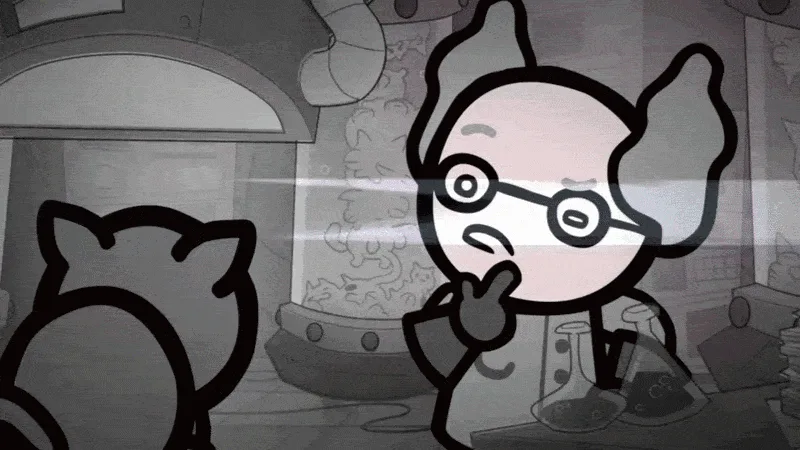
The game’s visual identity draws heavily from 1990s and early 2000s science-fiction anime, using thick outlines, grain-filtered backgrounds, and expressive character animation to create a nostalgic presentation reminiscent of late-night anime programming. This influence extends beyond the surface-level art style, shaping pacing, scene transitions, and the way gameplay challenges are introduced. Cutscenes and interactive sequences are designed to blend into one another, making the retro anime presentation part of the overall experience rather than simply a cosmetic choice.
Within Nintendo’s 2026 lineup, Orbitals fits the company’s broader expansion of indie and experimental exclusives while standing apart through its emphasis on artistic storytelling and cooperative mechanics rather than established franchise recognition. Its focus on emotional, two-player experiences gives it a distinct identity and positions it as a more niche but potentially impactful release for players interested in stylized presentation, shared puzzle-solving, and cooperative progression.

Orbitals Retro Anime Style, Co-Op Mechanics, and Indie Appeal
Orbitals draws heavily from retro animation culture, particularly the Adult Swim era that introduced many Western audiences to experimental Japanese animation. Its storytelling rhythm reflects that influence by shifting between quieter reflective moments and sudden bursts of action, creating a nostalgic viewing style translated into an interactive format. The game reinforces this identity through hand-drawn animation combined with retro visual effects such as scanline textures and color grading inspired by older Japanese broadcasts. Although it is not strictly a pixel art game, this hybrid approach gives Orbitals a nostalgic look without restricting it to purely retro visual techniques.
The cooperative gameplay centers on two players using distinct abilities to interact with the environment and solve interconnected puzzles. Gravity switches, energy paths, synchronized triggers, and mirrored movement patterns form the foundation of many challenges, making communication essential to progression. Numerous puzzles require both players to act at the same time or coordinate movement across different areas, ensuring that cooperation is built into the level design rather than functioning as an optional feature.
Compared with many other Nintendo indie exclusives, Orbitals places greater emphasis on narrative cohesion, emotional pacing, and cooperative immersion. Instead of focusing primarily on replayable loops or roguelike systems, it uses structured storytelling and synchronized gameplay to create a more guided experience. This combination of retro anime presentation, environmental puzzle-solving, and story-driven co-op gives Orbitals a distinct identity for players interested in nostalgic animation styles and shared narrative progression.

Orbitals Couch Co-Op, Retro Sci-Fi Story, Audio, and Early Reception
Orbitals places a strong emphasis on couch co-op, encouraging two players to experience the game together in the same physical space rather than relying entirely on online interaction. This approach makes direct communication and real-time coordination important parts of the multiplayer experience. Sharing the same space can also strengthen the emotional connection between players as they react to story moments and solve challenges together. The cooperative structure supports the game’s broader focus on synchronized gameplay and shared progression. As a result, multiplayer interaction becomes closely connected to both its puzzle design and emotional presentation.
The narrative explores themes of memory fragmentation, space exploration, and identity within abandoned orbital structures, using environmental details and visual symbolism rather than relying primarily on direct exposition. This allows players to discover aspects of the world and its story while moving through the environments instead of receiving every explanation through dialogue or lengthy cutscenes. The retro science-fiction setting reinforces the game’s nostalgic animation influences while providing a backdrop for its more reflective themes. Its soundtrack complements this atmosphere by blending ambient electronic music with jazz-inspired compositions reminiscent of late-night anime broadcasts. Carefully layered audio supports the emotional tone of individual scenes without overwhelming the gameplay or distracting players from cooperative challenges.
Early impressions of Orbitals have highlighted its distinctive visual identity, nostalgic atmosphere, cooperative mechanics, and emotional pacing. Players have frequently pointed to the combination of retro anime influences and coordinated two-player gameplay as some of its most recognizable qualities. The couch co-op focus further distinguishes the experience by encouraging players to communicate directly while progressing through its story and puzzles. Together with its environmental storytelling and anime-inspired audio design, these elements give Orbitals a cohesive identity rather than presenting its nostalgic influences as isolated stylistic choices. The early response therefore reflects interest in how the game combines shared play, atmospheric storytelling, and retro science-fiction presentation into a single cooperative experience.

Potential Orbitals Updates and DLC on Nintendo Platforms
Although no post-launch expansions have been confirmed, Orbitals could potentially grow through additional orbital environments, new puzzle systems, or expanded narrative paths. Future content could build on the game’s existing cooperative structure by introducing new challenges that require different forms of coordination while extending its retro science-fiction world. Continued support would also fit Nintendo’s increasing emphasis on indie-focused exclusive content, although any specific DLC plans or long-term update schedule remain unconfirmed.
Frequently Asked Questions (FAQs)
- What is Orbitals on Nintendo?
Orbitals is a cooperative puzzle platformer built around two-player coordination, environmental interaction, and story-driven progression. Players work together to navigate interconnected environments, manipulate puzzle elements, and overcome challenges that often depend on synchronized actions. Its distinctive presentation draws heavily from retro science-fiction anime, combining cooperative gameplay with a stylized visual and narrative identity. - Is Orbitals Single-Player or Multiplayer?
Orbitals is primarily designed as a multiplayer cooperative experience centered on two-player collaboration. Many puzzles require both players to communicate, coordinate their timing, and perform actions in different areas that affect one another. Cooperation is therefore fundamental to how the levels are designed rather than being an optional multiplayer feature added to an otherwise single-player structure. - Why is Orbitals Compared to Retro Anime?
Orbitals is compared to retro anime because its visual presentation, pacing, scene transitions, and storytelling take inspiration from science-fiction animation associated with the 1990s and early 2000s. Expressive character animation, grain-filtered imagery, scanline effects, and nostalgic color grading contribute to that appearance. The game also shifts between quieter emotional scenes and more energetic sequences, giving its storytelling a rhythm reminiscent of older anime broadcasts. - Does Orbitals Support Couch Co-Op?
Yes, couch co-op is an important part of the Orbitals experience. Two players can share the same physical space while solving puzzles, coordinating movements, and experiencing the story together. This approach makes direct communication easier and reinforces the game’s emphasis on cooperation, particularly during challenges that require simultaneous or carefully timed actions. - What Kind of Puzzles Are in Orbitals?
Orbitals uses environmental puzzles built around coordination between two players. Challenges can involve gravity changes, energy paths, synchronized triggers, moving platforms, and mirrored movement patterns that require both players to understand how their actions affect the environment. Many puzzles cannot be solved efficiently by one player acting independently, making communication and timing central to progression. - Is Orbitals a Nintendo Exclusive?
Yes, Orbitals is positioned as a Nintendo exclusive title. Its focus on cooperative gameplay, distinctive artistic presentation, and experimental storytelling gives it a specific place within Nintendo’s lineup of creatively focused releases. Rather than relying on an established franchise, the game attempts to stand out through its combination of retro anime influences and synchronized two-player gameplay. - Will Orbitals Have DLC?
Additional DLC is possible, but no expansion has been officially confirmed. Future content could potentially introduce new orbital environments, additional puzzle mechanics, or further narrative material that expands the existing cooperative experience. Until the developers announce specific post-launch plans, however, any DLC, expansion, or long-term content schedule should be considered unconfirmed. - What Type of Game is Orbitals?
Orbitals is a cooperative puzzle platformer that combines environmental problem-solving, synchronized two-player mechanics, narrative progression, and anime-inspired presentation. Players must coordinate movements and interact with systems such as gravity changes, timed triggers, and energy paths to advance. The game places greater emphasis on structured storytelling and shared progression than on repetitive or roguelike gameplay loops. - Who is Orbitals For?
Orbitals is aimed primarily at players who enjoy cooperative puzzle-solving, retro science-fiction anime aesthetics, and story-driven experiences. It may particularly appeal to people who prefer working closely with another player rather than progressing independently. Its combination of couch co-op, nostalgic presentation, environmental storytelling, and emotional pacing also makes it suitable for players interested in more cinematic cooperative games. - What Makes Orbitals Different From Other Cooperative Puzzle Games?
Orbitals distinguishes itself by combining synchronized two-player puzzle platforming with a strong retro anime-inspired visual and narrative identity. Cooperation affects not only how puzzles are solved but also how players experience the environments and story together. Its hand-drawn presentation, nostalgic visual effects, atmospheric soundtrack, and emphasis on emotional pacing give it a more cinematic character than cooperative games focused primarily on mechanical challenges or replayability.

Conclusion
Orbitals represents a blend of nostalgic anime inspiration and modern cooperative game design. By combining emotionally driven storytelling with synchronized puzzle mechanics, it stands out as a distinctive Nintendo exclusive aimed at players who value shared experiences and retro-inspired aesthetics.
Sources and Citations
- Nintendo Official Site: Official source for Nintendo games, hardware, announcements, development updates, and the company’s creative and design history.
Citation: Nintendo - Adult Swim: Programming History: Background on Adult Swim’s animated programming, experimental comedy, distinctive visual styles, and influence on adult-oriented animation.
Citation: Adult Swim - Game Developer (formerly Gamasutra): Indie Game Design Trends: Industry coverage of independent game development, experimental mechanics, creative design approaches, and emerging trends in game production.
Citation: Game Developer - IGN: Retro Anime Influence in Games: Gaming news, features, and retrospectives that can provide context on anime-inspired aesthetics, retro animation, and their influence on video game design.
Citation: IGN - Polygon: Narrative Systems in Games Research: Features and analysis covering interactive storytelling, narrative design, character development, and storytelling techniques in video games.
Citation: Polygon
Recommendations
- How Silent Hill: Townfall Brings a New Perspective to the Horror Series
- Ark Developer Breaks Down Unreal Engine Upgrades and In-Game World Creator for ARK: Survival Ascended
- New Metal Gear series 65.5 million sales milestone explained
- Steam Deck Vs Nintendo Switch 2: Which Handheld Is Worth Buying?
- The Animal Crossing Where Villagers Bully You Is Now (Unofficially) Available On PC: How It Works, Download Guide, and What’s Different
- Alex Stamos Warns Open-Weight AI Could Bring a Multi-Year Cybersecurity Dark Age
- Fortnite Is Adding Iconic Game Of Thrones Characters Soon: Release Date, Skins List, and How to Get the Ice and Fire Bundle
- SpeedRunners 2: King of Speed Launches September 3, 2026: Platforms, Crossplay, Gameplay and What’s New
- Trump’s Anime Posts Spark Backlash in Japan Over Naruto and Pokémon Imagery
- Steam Adds Interactive Daily Sales and Revenue Charts With Discount Performance Reports for Developers



































































































