







In This Article (8 sections)
How Netflix’s Avatar Season 2 Reworks the Original Without Replacing It
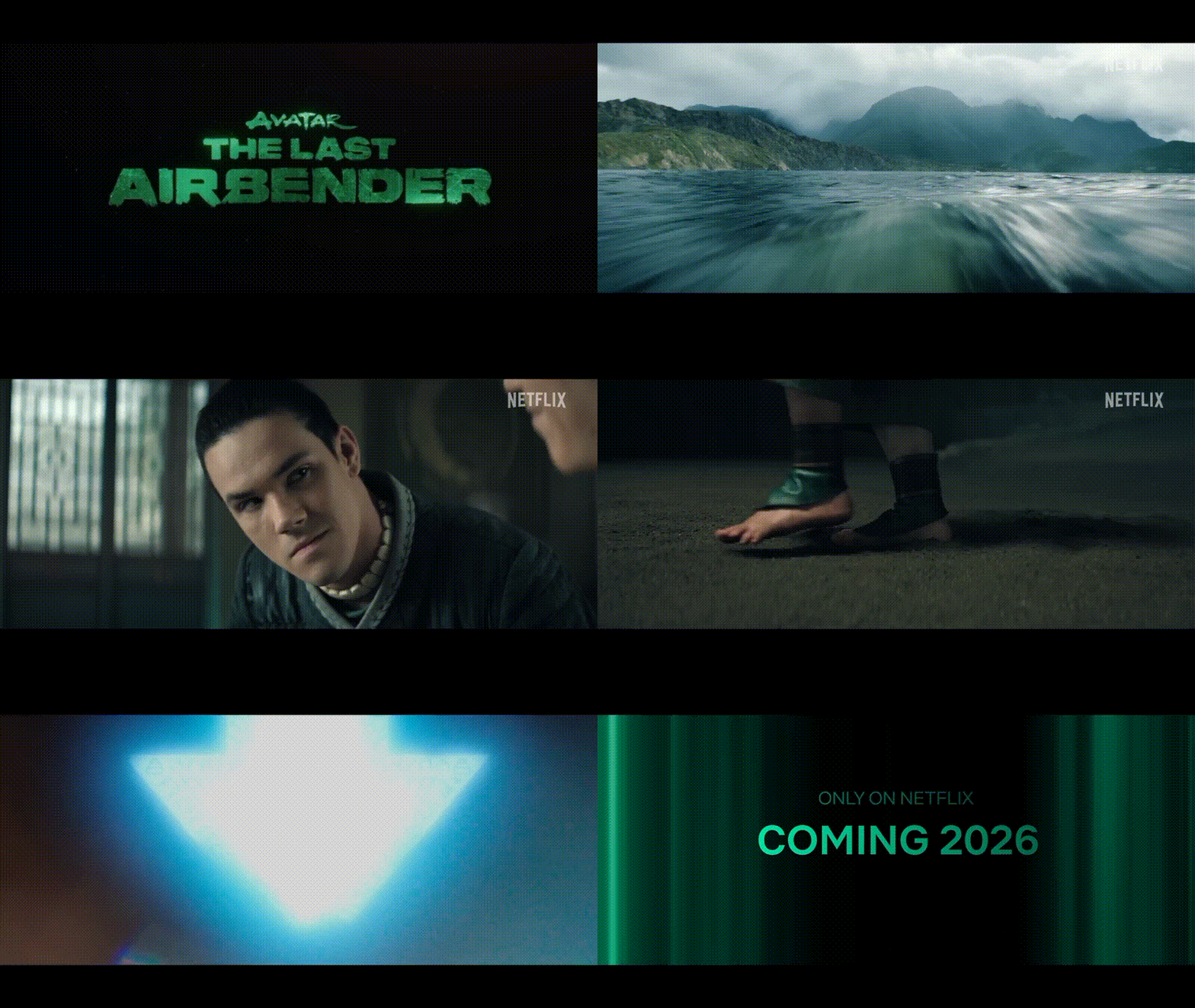
Avatar Netflix Season 2 reworks the beloved animated classic by adapting Book 2: Earth with a more serialized live-action structure. The Season 2 represents a major evolution from the live-action show’s first season. While Season 1 focused on introducing audiences to Aang, Katara, Sokka, the Fire Nation, and the wider world of bending, Season 2 moves into more complex territory. It expands the political stakes, deepens character conflicts, and adapts the broader Earth Kingdom storyline from the original animated series with a more serialized structure.
The changes are not presented as random departures from the source material. They reflect the challenge of adapting an animated classic into live action, where pacing, tone, visual style, and episode count all work differently. Instead of following the original show’s more episodic format, Netflix’s version consolidates smaller storylines into fewer, more connected arcs. This gives the season a tighter narrative shape and allows each episode to contribute more directly to the larger conflict.
That restructuring is one of the biggest differences between the live-action version and the Nickelodeon animated series. The original could spend individual episodes on side adventures, comic detours, or smaller character moments. The Netflix adaptation has less room, so it focuses more heavily on the central journey, major emotional beats, and the political tension surrounding the Earth Kingdom. As a result, the season feels more streamlined, even when it is adapting familiar material.
Character arcs are also adjusted to fit the show’s more grounded tone. Emotional conflicts receive more direct attention, and relationships are given additional room to develop within the main plot. This is especially important for a live-action adaptation, where performances, dialogue, and realism carry more weight than stylized animation. The goal is to make the characters feel believable to new viewers while still recognizable to longtime fans.
The showrunners have repeatedly emphasized that the Netflix adaptation is not meant to replace the original animated series. That point is central to understanding the creative approach. The animated version remains widely regarded as one of the greatest animated shows ever made, with strengths that live action cannot simply duplicate. Its humor, visual freedom, expressive animation, and episodic range are all tied to its original medium.
Rather than trying to overwrite that version, the live-action series aims to complement it. The showrunners treat the original as a foundation, not a strict shot-for-shot blueprint. Their version highlights realism, emotional nuance, cinematic spectacle, and a more continuous narrative. That philosophy affects everything from casting and costume design to dialogue, bending choreography, and world-building. The result is an adaptation that tries to honor the source while accepting that a new medium requires a different approach.

How Season 2 Adapts Book 2: Earth, Toph, Ba Sing Se, and Major Story Changes
Season 2 primarily adapts Book 2: Earth, one of the most important and beloved arcs in Avatar: The Last Airbender. This part of the story expands the world beyond the initial journey, introduces key Earth Kingdom locations, and brings major political and emotional developments into focus. In the live-action version, the journey to Ba Sing Se becomes a central narrative spine, with other events woven into that larger arc.
This approach differs from the animated series, where many episodes could function as standalone adventures while still contributing to character growth. Netflix’s Season 2 instead reshapes the material into a more continuous story. The benefit is stronger momentum and clearer progression toward major destinations and conflicts. The tradeoff is that some smaller adventures, side characters, or lighter moments must be reduced, merged, or removed.
Toph’s introduction is one of the most anticipated parts of Season 2, and the adaptation treats her role as essential to the main narrative from the beginning. Her core traits remain intact: confidence, independence, strength, and a distinctive relationship with earthbending. However, aspects of her portrayal are adjusted for live action. Her fighting style is designed to appear more physically grounded while still capturing the force and creativity of her bending.
The adaptation also gives more attention to Toph’s backstory and relationships, helping explain her motivations within the season’s more character-driven structure. Her personality may be slightly toned down compared with the animated version to fit the live-action show’s more mature atmosphere, but the central idea of Toph as a powerful, self-defined character remains the same.
Ba Sing Se also receives significant attention. In the animated series, the city is already one of the franchise’s most important settings, known for its secrecy, class divisions, propaganda, and political control. The Netflix version leans further into those ideas by presenting the city with more realism and political complexity. Corruption, social divisions, and the tension between public stability and hidden control are emphasized more directly.
Several major changes separate Season 2 from the original animated series. The pacing is faster, with events that once unfolded across multiple episodes sometimes condensed into single episodes or combined into larger arcs. The tone is more serious, with humor used more selectively and often in a more character-driven way. Relationships and motivations are explored with more emotional detail, making the story feel more introspective.
Some storylines are cut or changed because the live-action version has a limited episode count and needs a cohesive season-long structure. Episodic adventures that do not directly support the main plot are often minimized so the season can focus on Aang’s journey, the Earth Kingdom, Toph’s arrival, Zuko’s development, and the growing political threat. These decisions may disappoint fans attached to specific episodes, but they are part of the adaptation’s attempt to create a focused live-action experience.

How Iconic Avatar Moments Are Recreated Through Live-Action Storytelling
The showrunners’ approach to iconic moments is based on emotional accuracy rather than exact duplication. In interviews, they have explained that the goal is not to recreate every famous scene shot-for-shot, but to capture why those scenes mattered. This is especially important because moments that worked through animation, exaggerated expression, or stylized timing may need a different rhythm in live action.
Scenes involving Zuko’s internal struggle are a clear example. In the original series, Zuko’s arc is one of the emotional pillars of the story, and Season 2 contains some of his most important development. The live-action version explores that conflict with greater emphasis on emotional realism, allowing his self-doubt, anger, shame, and search for identity to unfold in a more grounded way. Rather than simply repeating the animated version, the adaptation tries to make his journey feel immediate through performance and dramatic pacing.
Fan-favorite arcs such as Zuko Alone and Ba Sing Se are especially important because they carry much of Book 2’s emotional and thematic weight. Zuko Alone is expanded in the live-action version to provide deeper insight into Zuko’s past and his struggle to define himself outside the expectations of the Fire Nation. The Ba Sing Se storyline is handled as a major political arc, with themes of control, deception, silence, and resistance presented through the city’s structure and atmosphere.
Bending is another major challenge. In animation, bending can be expressive, exaggerated, and highly stylized without needing to obey the physical limits of real-world movement. In live action, it must feel both visually impressive and physically believable. The show uses choreography, performance, practical staging, and visual effects to make elemental powers feel grounded while preserving their spectacle. This balance is crucial because bending is not just action in Avatar. It is tied to culture, identity, discipline, and character.
The lower episode count also affects how iconic moments are placed. Season 2 cannot adapt every event at the same pace as the animated series, so it uses a more serialized structure where each episode pushes the central story forward. This creates a more cinematic flow, but it also changes how viewers experience the journey. Some fans may miss the slower build and tonal variety of the original, while others may appreciate the tighter momentum.
The live-action version also feels different because it places greater emphasis on realism and emotional depth. The Nickelodeon series balanced comedy, adventure, philosophy, and tragedy with remarkable flexibility. Netflix’s version keeps some humor but reduces the more exaggerated comedic energy in favor of drama and character conflict. That difference is intentional, reflecting the demands of live action and the creative team’s desire to reinterpret the story for a new format.
These changes show the adaptation’s larger philosophy: recognizable moments should still feel meaningful, but they do not need to look exactly the same. A successful live-action version must understand the purpose of the original scene and then find the best way to express that purpose through actors, sets, pacing, and cinematic design.

Why the Live-Action Adaptation Feels Different and How Fans Are Responding
Adapting Avatar: The Last Airbender into live action comes with major challenges. The original animated series has a distinct visual style, a carefully balanced tone, and a passionate fanbase with strong expectations. Translating that into a live-action format means making difficult decisions about what can be preserved exactly, what must be reimagined, and what may need to be removed.
One of the hardest tasks is balancing humor and drama. The animated series is known for its lighthearted moments, expressive comedy, and emotional seriousness. In live action, some of that humor can feel different, especially when the overall tone is more grounded. The Netflix version therefore leans more heavily into dramatic stakes, political conflict, and emotional realism, while using humor in a more restrained way.
The storytelling structure is also different. The original cartoon often used an episodic format that allowed the characters to encounter new communities, moral lessons, and small adventures on the way to larger goals. The Netflix adaptation uses a serialized approach, which creates a more cohesive season but reduces some of that variety. This makes the live-action version feel more focused, but also less flexible than the original.
The showrunners have said they are committed to respecting the original series by preserving its core themes, characters, and emotional arcs. Respecting the original does not mean copying every detail. It means understanding what made the story powerful: the burden of responsibility, the trauma of war, the importance of friendship, the abuse of power, the search for identity, and the hope of balance. The adaptation tries to carry those ideas into a new medium while making changes required by live-action storytelling.
Fan reactions to Season 2’s changes have been mixed, which is expected for an adaptation of a beloved series. Some viewers appreciate the deeper character development, more mature tone, and stronger focus on political drama. Others miss the humor, pacing, and episodic charm of the animated version. The changes to structure, removed episodes, and condensed arcs have become major discussion points among fans.
This divided response reflects the central difficulty of the project. If the Netflix version follows the original too closely, it risks feeling unnecessary. If it changes too much, it risks alienating fans who love the animated series. Season 2 tries to find a middle path by preserving the main emotional and narrative shape of Book 2: Earth while reworking the details for live action.
The key difference between the Netflix adaptation and the original cartoon is not simply quality or faithfulness. It is storytelling purpose. The animated series uses visual freedom, episodic variety, and tonal flexibility to create its impact. The live-action series uses serialization, realism, performance, and cinematic scale. Each format has different strengths, and Season 2 shows how the adaptation is trying to build its own identity without claiming to replace the original.

Frequently Asked Questions (FAQs)
- What is different about Avatar Netflix Season 2 compared to the original?
Season 2 differs primarily in pacing, tone, and structure. It condenses multiple storylines into a more serialized format and adopts a more grounded, mature approach. The main emotional beats and major arcs are still recognizable, but the live-action version reshapes events to fit a shorter episode count and a more continuous season-long narrative. - Why did Netflix change the Avatar storyline?
Changes were made to fit the constraints of live action, including limited episodes and the need for a cohesive narrative. Some storylines from the animated series work well as standalone adventures, but the Netflix version has to prioritize major character arcs, political conflicts, and key plot developments. The changes are intended to make the season function as a focused live-action drama. - Is Toph different in the Netflix adaptation?
Toph retains her core traits but is slightly adjusted in tone and backstory to align with the live-action format. Her confidence, independence, and earthbending identity remain central to her character, but her introduction and role are integrated more directly into the main story. Her fighting style is also adapted to look more physically grounded while preserving the essence of her bending. - Does Season 2 follow Book 2 Earth closely?
It follows the main arc but restructures events and condenses certain storylines. The journey through the Earth Kingdom, the introduction of Toph, and the importance of Ba Sing Se remain central, but the adaptation does not recreate every episode exactly. Instead, it reorganizes the material into a more serialized version of the Book 2 storyline. - Why were some episodes removed in the adaptation?
Episodes that did not contribute directly to the main narrative were removed to maintain focus and pacing. With fewer episodes than the animated season, the live-action version has less room for side adventures. The adaptation therefore prioritizes the storylines most connected to character development, the Earth Kingdom arc, and the larger war between the nations. - How is Zuko portrayed differently in Season 2?
Zuko’s character is explored in greater emotional depth, with more emphasis on his internal struggles. The live-action version spends more time on his identity crisis, his relationship with the Fire Nation, and his personal conflict between duty, anger, and self-discovery. His arc remains familiar, but the tone is more grounded and introspective. - Is Ba Sing Se different in the Netflix version?
Ba Sing Se is depicted with more political complexity and realism. The live-action version emphasizes corruption, propaganda, social division, and control more directly. While the city’s central role remains the same, its atmosphere is shaped to fit the adaptation’s more mature and grounded style. - Will Season 3 follow the original ending?
It is expected to follow the general arc but may include changes to fit the adaptation. Based on the approach used in Season 2, the live-action version is likely to preserve the major emotional and narrative direction while restructuring certain events for pacing, tone, and episode count. - Why does the Netflix version feel more serious?
The live-action format encourages a more grounded and mature tone. Some of the animated series’ exaggerated humor and episodic lightness are harder to translate directly, so the Netflix version places more emphasis on emotional realism, political conflict, and character drama. Humor is still present, but it is generally more restrained. - Is the Netflix adaptation meant to replace the original?
No, it is intended to complement the original, not replace it. The showrunners have emphasized that the animated series remains its own definitive work. The Netflix version offers a different interpretation designed for live action, focusing on realism, performance, and serialized storytelling while honoring the source material’s core themes and characters.

Conclusion
Avatar: The Last Airbender Netflix Season 2 demonstrates the complexities of adapting a beloved animated series into live action. Through careful restructuring, tonal adjustments, and a focus on character-driven storytelling, the showrunners have created a version that both honors and reinterprets the original. While not without its challenges and controversies, the adaptation offers a fresh perspective on a timeless story, ensuring its relevance for a new generation of viewers.
Sources and Citations
- Information synthesized from production interviews with the cast and creative team for Netflix’s live-action adaptation.
https://about.netflix.com/en/news/bringing-avatar-into-the-live-action-realm-for-fans-old-and-new - Entertainment Weekly production interviews and franchise coverage.
https://ew.com/tv/avatar-the-last-airbender/ - TheWrap interviews with the producers and creative team.
https://www.thewrap.com/creative-content/tv-shows/avatar-the-last-airbender-netflix-season-2-premiere-interviews/ - IGN interviews and feature coverage on the live-action adaptation.
https://www.ign.com/articles/avatar-the-last-airbender-live-action-preview - Nickelodeon official Avatar: The Last Airbender franchise information.
https://www.nick.com/shows/avatar-the-last-airbender - Avatar Studios official franchise announcements.
https://avatarstudiosofficial.com/ - Netflix Tudum behind-the-scenes coverage for Avatar: The Last Airbender.
https://www.netflix.com/tudum/avatar-the-last-airbender
Recommendations
- The Dragon Age: Inquisition Servers Are Finally Going Offline Over A Decade Later – What It Means for Players
- If I Only Do Game Adaptations, I’m the ‘Games Guy’” After Iron Lung’s Huge Success
- How to Make a MetaHuman Talk: Ultimate Guide to Voice and Facial Animation
- Lego Batman: Legacy of the Dark Knight PC Requirements Demand Lots of RAM (Minimum & Recommended Specs Guide)
- Soft Body Physics Simulation: Techniques, Algorithms, and Real-Time Workflows
- LEGO Batman: Legacy of the Dark Knight, Complete Batsuit and Outfit Guide (All Suits, Unlock Methods, and Best Costumes Explained)
- Realistic Character Creation Process in Blender: Step-by-Step Workflow for Artists
- Ubisoft’s R.U.S.E. Has Returned from the Dead: Definitive Edition on Steam, All DLC Included, and Steam Deck Support
- How to Turn Off Car Damage in Forza Horizon 6 (step-by-Step Guide to Disable Damage Settings Easily)
- New Xbox CEO is Canceling Copilot on Consoles: Why Xbox Pulled the Plug and What Happens Next



































































































