









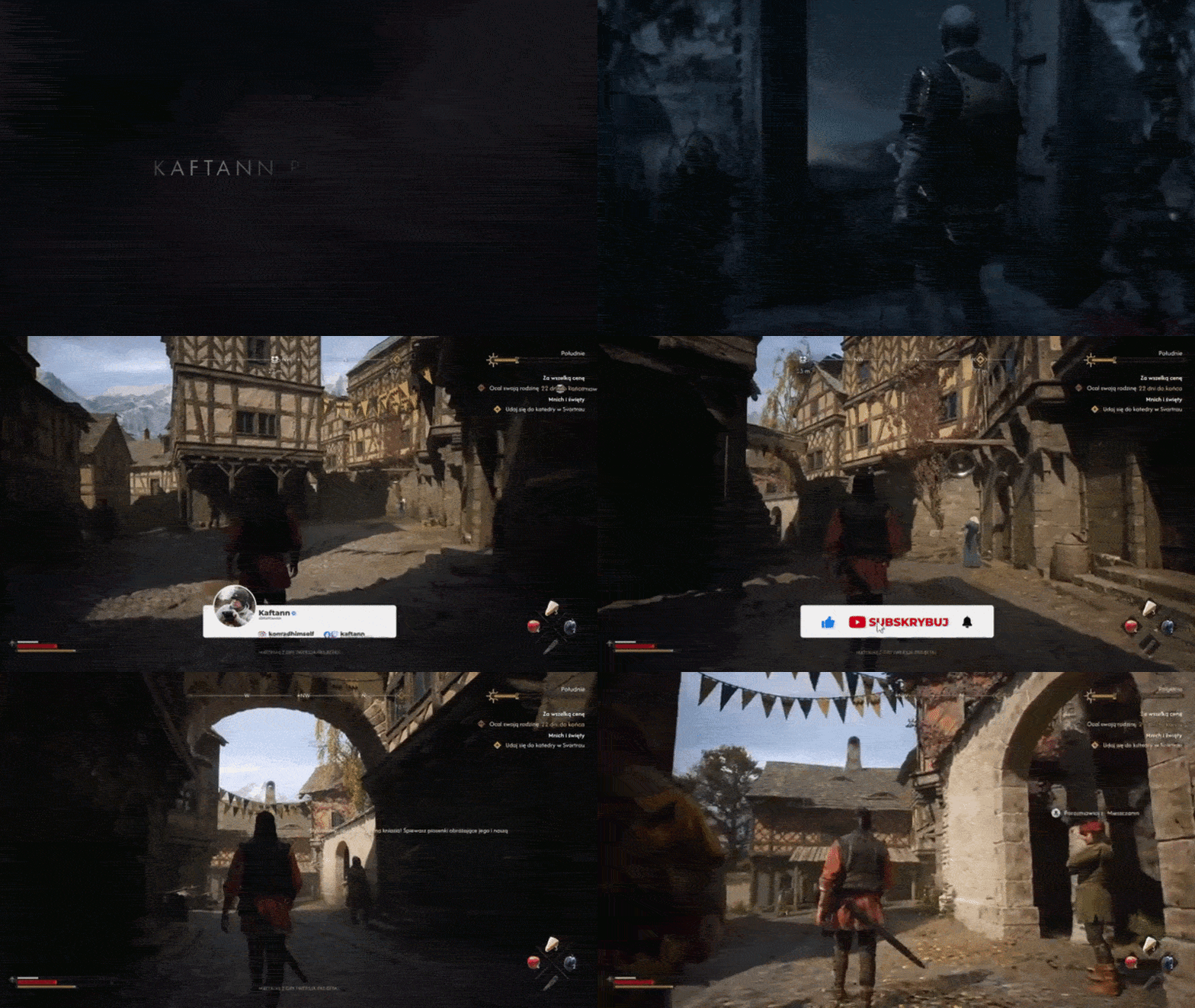
At Rebel Wolves, game director Konrad Tomaszkiewicz says The Blood of Dawnwalker used AI-generated placeholder voices only during early development, primarily to test dialogue, story flow, and multilingual voice planning before spending money on full actor recordings. The studio’s publicly stated position, however, is that those temporary assets are not meant to be part of the shipped game. As of May 6, 2026, the title is officially scheduled for September 3, 2026 on PC, PlayStation 5, and Xbox Series X|S.
That distinction is the center of the controversy. Tomaszkiewicz said early AI voice use was meant to reduce re-recording costs and avoid putting extra pressure on staff when scripts changed, while co-founder Tomasz Tinc said no content in the final game was created with generative AI. Tomaszkiewicz also later said the game’s lines had already been recorded with actors and that the only remaining work was fixing a small number of incorrect lines, alongside internal quest-and-dialogue checking systems that support QA.
Who is Konrad Tomaszkiewicz and What is the Blood of Dawnwalker
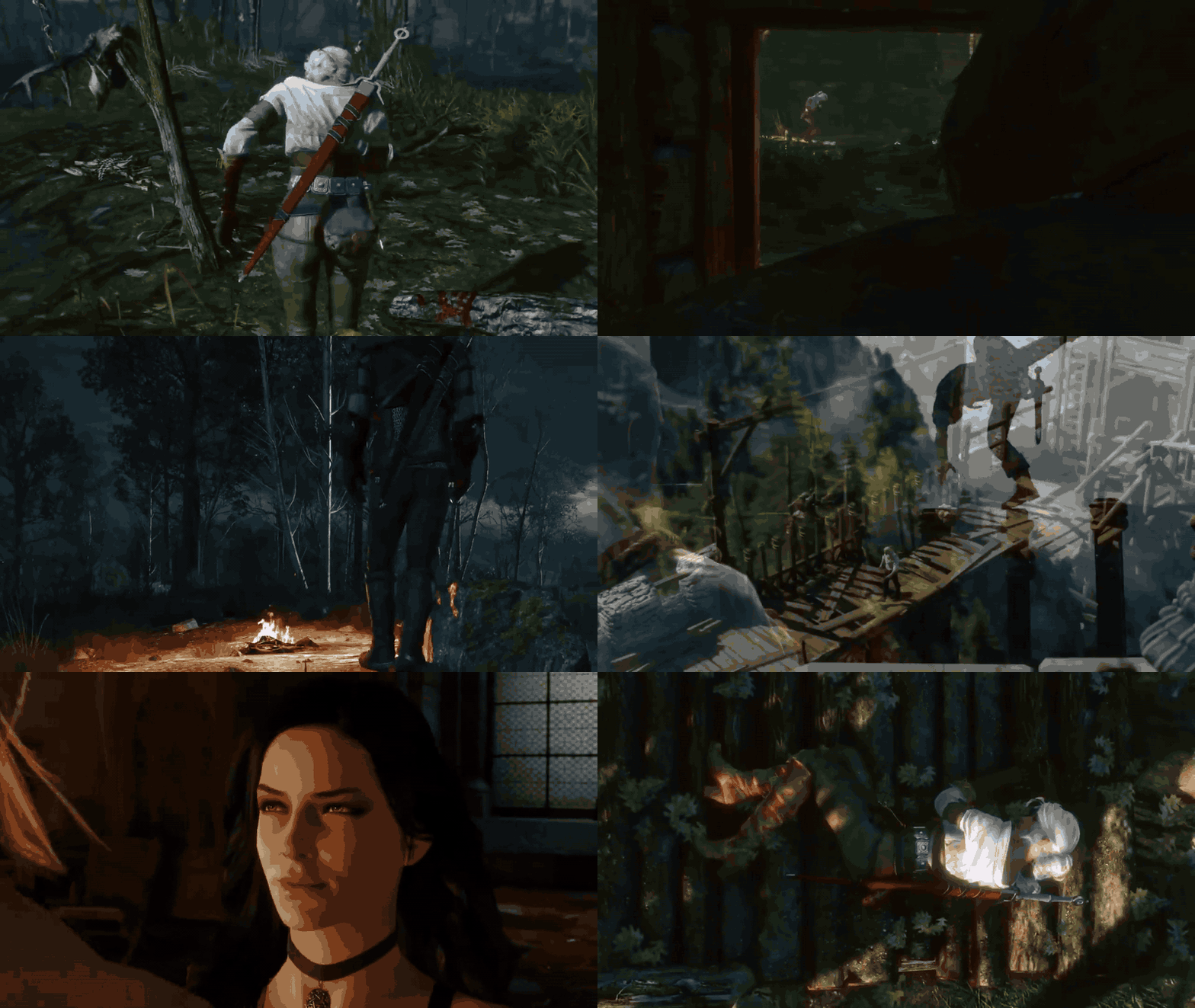
Tomaszkiewicz is best known as the game director of The Witcher 3: Wild Hunt and is described by Bandai Namco Entertainment as an industry veteran who co-founded the studio in 2022. Official materials describe The Blood of Dawnwalker as the first chapter of a new single-player open-world dark fantasy RPG saga, set in 14th-century Europe, with protagonist Coen split between human life by day and vampiric existence by night. The official site also frames it as a “narrative sandbox,” meaning story progression is shaped heavily by player choices rather than a strictly linear quest sequence.
That background matters because the AI discussion is not happening around a small experimental project. It is happening around Rebel Wolves’ debut AAA-style RPG, built with major publishing support, a large branching narrative, and a production scope broad enough to require multilingual planning, motion capture, extensive quest implementation, and long certification lead times. In other words, the studio’s AI comments came out of a conventional large-scale RPG pipeline, not an “AI game” pipeline.

The Blood of Dawnwalker Release Date and Platforms (PS5, Xbox Series X|S, PC)
The official release date is September 3, 2026. Bandai Namco’s April 28, 2026 announcement states that the game launches on PC, PlayStation 5, and Xbox Series X|S, and the official game site repeats that date.
Microsoft’s Xbox Wire added that the release also covers Xbox on PC and Xbox Cloud, with Xbox Play Anywhere support on that ecosystem. The most important SEO takeaway is straightforward and current: The Blood of Dawnwalker is a September 2026 release for PC, PS5, and Xbox Series X|S, with the date and platforms confirmed by official publisher and platform sources.
Rebel Wolves Studio Size and Why They Want to Stay Mid-Sized
Rebel Wolves originally said it wanted to remain a medium-sized studio, with a maximum headcount of 80 people, while also emphasizing creative freedom and work-life balance. That was part of the studio’s founding philosophy in 2022, and it helps explain why Tomaszkiewicz talks about pressure on staff so explicitly. The company’s stated goal was never just to build a big RPG; it was to build one without reproducing the structural problems of very large AAA organizations.
By April 2026, Tomaszkiewicz said Rebel Wolves had grown to 160 people including administration and publishing. Even so, he said he still wanted the studio to stay roughly at that size because growth beyond that point could damage communication, ownership, and day-to-day creative collaboration. His argument was not that small automatically means better, but that once teams become too large, management layers expand, direct contact erodes, and the creative process becomes less human and less fun.
Did the Blood of Dawnwalker Use Generative AI During Development
Yes, according to Tomaszkiewicz’s April 2026 comments reported by GameSpot, Rebel Wolves used generative AI during early development to create temporary voices for the game. GameSpot’s report is explicit that this happened “in the early stage” and that the studio does not expect AI-generated assets to appear in the final release.
That means the accurate answer is neither “Rebel Wolves never used AI” nor “The game is AI-made.” The narrower and better-supported answer is that generative AI was used for internal placeholder voice work during production, while the public position from the studio is that shipped content will be actor-recorded and not AI-generated.

Why Rebel Wolves Used AI Voice Lines to Avoid Pressure on Staff
Tomaszkiewicz said the core reason was cost and revision pressure. In his explanation, a branching RPG like The Blood of Dawnwalker must support multiple languages, and once real actor sessions have happened, late script changes become expensive. He said making those changes after early recording would be inefficient and would create extra pressure on the team.
That is an important nuance in the current AI debate. Rebel Wolves did not describe AI voice generation as a shortcut to remove actors from the pipeline. It described it as a way to delay expensive, labor-intensive recording until the script, quest logic, and scene structure were stable enough that staff would not have to keep reworking the same material under deadline pressure.
Temporary AI Voice Acting in Games Explained (placeholder Dialogue Workflow)
The workflow described by Tomaszkiewicz is best understood as placeholder dialogue production rather than final performance creation. In practice, his comments point to a pipeline like this: writers and quest designers prepare draft scenes, the studio generates temporary voices so the team can hear pacing and interactions inside the playable build, developers revise story beats and quest logic while those assets are still cheap to change, and only then do actor recording sessions begin. That sequence is an inference from his description of early-stage temp voices followed by full actor recording.
Seen that way, temporary AI voice acting functions like an internal rehearsal layer. It allows a studio to judge whether a cutscene drags, whether a line reads naturally in context, whether a quest blocker exists, or whether a character’s emotional timing feels wrong before expensive final audio sessions lock in the content. The key distinction is that placeholder dialogue is a production tool, while shipped voice acting is the commercial creative asset. Rebel Wolves says the former was used, and the latter will remain human-performed.
How AI Helps RPG Localization and Multi-Language Voice Planning
Tomaszkiewicz explicitly linked the decision to the realities of multi-language RPG production. His point was that a game like The Blood of Dawnwalker has to account for many different language versions, and recording those versions too early makes later revisions costly. Temporary generated voices give narrative teams and production teams a way to hear whether scenes work before finalizing language-specific recording schedules.
That does not mean Rebel Wolves said it would ship AI-localized voices. The public statements support a narrower conclusion: AI was useful during planning because it let the studio audition line timing, role coverage, and scene flow before booking or revising expensive actor sessions across multiple languages. Final recording, by Tomaszkiewicz’s account, still happens with actors, not synthetic stand-ins.

What “we Remove All Those Voices and Record Everything with the Actors” Means
In plain production terms, it means the AI voice files were never intended to be the final voiceover package. Tomaszkiewicz said the team uses those tools to iterate the story, and once the team is confident it has reached the right version, it removes the temporary voices and records the real performances with actors. That is the clearest public description of Rebel Wolves’ internal handoff from temporary assets to final audio.
GamingBolt’s April 17, 2026 report strengthened that point by quoting Tomaszkiewicz saying the game already had everything recorded “for some time,” with only small fixes remaining and “no AI” in the finished lines. Together, those comments indicate a completed replacement process rather than an intention to mix AI lines into the launch build.
Will the Blood of Dawnwalker Ship with Any AI-Generated Content
Based on the studio’s current public statements, the answer is no. GameSpot reported on April 29, 2026 that no AI-generated assets should be in the final game, and Tomasz Tinc said he wanted to make it “1000% clear” that nothing in The Blood of Dawnwalker was created using generative AI.
The most precise way to phrase the situation, because the game has not released yet, is this: Rebel Wolves says the commercial release is not intended to contain AI-generated creative assets. Tomaszkiewicz’s April 17 remarks about actor-recorded lines already being in place support that claim, though he also acknowledged internal automated checking tools tied to quest and dialogue implementation. Those tools fit the category of back-end production support, not shipped creative content.
Rebel Wolves’ Stance on AI in Games: “help People, Not Replace People”
Tomaszkiewicz’s public line has been consistent: AI should assist developers, not replace them. In the April 2026 discussion reported by GameSpot, he argued that companies should use AI in ways that make staff work easier and remove repetitive or frustrating tasks, while preserving human creative labor.
That position also matches his later comments from late 2025 that games made solely with AI would not have “soul.” In other words, his stance is not anti-tool but anti-substitution. Rebel Wolves is publicly arguing for AI as production support under human direction, not as a replacement for writers, actors, or designers.
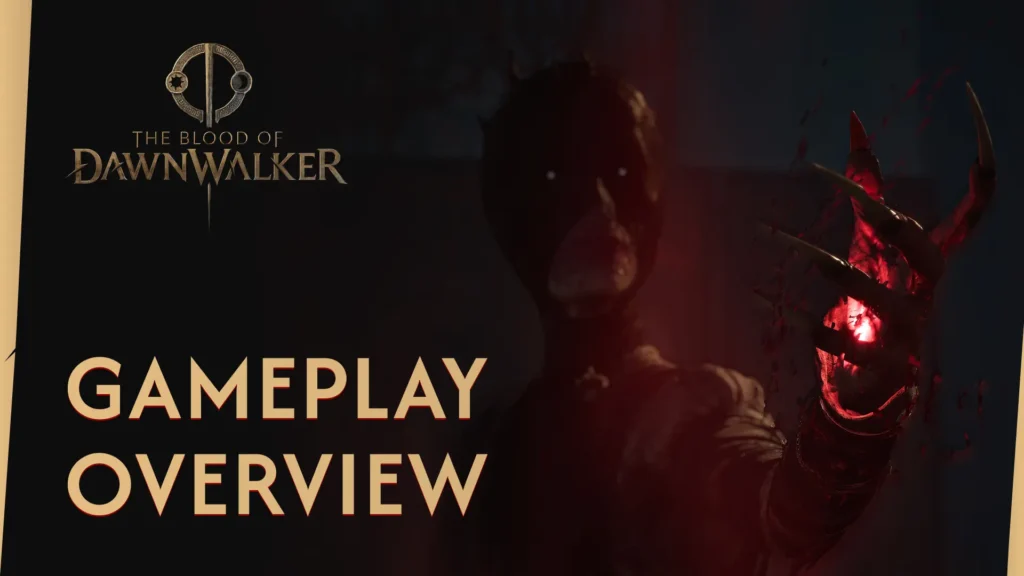
How Game Studios Use AI for Iteration Without Replacing Voice Actors
Rebel Wolves offers a clear example of a broader distinction many studios are now trying to make in public. AI can be used during iteration for temporary voices, rough testing, internal previews, and support systems, while final performances and creative decisions remain human. That distinction matters because it separates AI-assisted development from AI-generated game content.
That same split is increasingly visible in platform policy. In January 2026, Valve clarified that AI-powered tools used for efficiency gains do not require disclosure on Steam, while AI used to generate content for the game, its store page, or its marketing does. Rebel Wolves’ explanation fits neatly into that emerging industry line: AI for internal iteration is treated differently from AI in the shipped player-facing product.
AI in Game QA: Using AI to Find Bugs vs Human Playtesting
Tomaszkiewicz said AI can help QA by spotting bugs while human testers spend more time playing the game like actual players and judging whether it is fun, readable, and emotionally effective. GamingBolt also reported his description of an internal checking system that scans quest and dialogue implementation for blockers, which is especially useful in a branching RPG where one choice can break or lock another path.
That idea has wider support in the industry. Electronic Arts has published research on using deep convolutional neural networks to detect rendered glitches in games, explicitly framing it as partial automation of graphical testing. Meanwhile, Razer markets QA Companion-AI around vision-based bug detection, automated test-case generation, and report drafting, while explicitly stating that it does not replace testers and leaves analysis and decision-making to humans. The pattern is the same one Rebel Wolves describes: automation helps find issues faster, but people still decide what matters and whether the game actually works as entertainment.
AI Backlash in Gaming Explained: Why Studios Avoid “AI Content” Shipping
The backlash has three main drivers: labor rights, transparency, and trust. On labor, SAG-AFTRA’s 2025 Interactive Media Agreement added AI-related guardrails including consent and disclosure requirements, and the union’s negotiators said the deal was necessary to defend performers’ livelihoods in the AI age. In May 2025, the union also filed an unfair labor practice charge over an AI-generated Darth Vader voice in Fortnite, accusing a subsidiary of Epic Games of replacing human performers with AI technology without first bargaining with the union. That episode made the issue tangible for players and studios alike.
On transparency, Valve’s rules now require developers on Steam to disclose AI-generated game content, while clarifying that internal AI-powered dev tools are a different category. On trust, the official 2025 survey from Game Developers Conference said more studios are adopting generative AI even as it becomes increasingly unpopular among developers, and 11% of respondents reported being laid off in the preceding year. In that environment, it is easy to see why studios increasingly stress that AI was used only internally, only temporarily, or only for support work. Saying “no AI content ships” is no longer just a production detail; it is a reputational and labor-relations signal.
The Blood of Dawnwalker Development Tools: Unreal Engine 5 and Production Pipeline
Official publisher materials say The Blood of Dawnwalker is powered by Unreal Engine 5, and earlier reporting on Tomaszkiewicz’s plans said Rebel Wolves chose UE5 because using a strong third-party engine was more convenient and better for the project than building new in-house tech. The official game site also emphasizes that the game’s world is “powered by the next-gen Unreal Engine 5.”
The April 2026 Gamereactor interview with environment art director Adam Payet adds useful technical detail. Payet said the team is using Lumen and Nanite, but stressed that neither is a magic button. He described Nanite as a major time saver because it removes older steps such as making multiple lower-detail mesh versions, while Lumen helps teams think about lighting in a more natural way and reduces the need for manually placing many fake lights just to achieve believable bounce and glow.
Bandai’s April 28 announcement also highlighted motion-capture work with Jan Błachowicz and described the Road to Launch event as showing story, gameplay, system requirements, and behind-the-scenes development material. Alongside Tomaszkiewicz’s comments about strong focus-test results, the visible production pipeline looks like a modern UE5 RPG workflow built from environment iteration, mocap, branching quest implementation, QA checking, and late-stage certification. The final sentence is an inference from those sources.
What this AI Debate Means for Game Development Jobs and Studio Policies in 2026
The Dawnwalker case shows where studio policy appears to be heading in 2026: internal AI assistance is becoming easier to defend, while shipped AI-generated content faces much heavier scrutiny. Valve’s Steam policy now draws a bright line between internal AI-powered tools and AI-generated game content that must be disclosed. SAG-AFTRA’s 2025 game agreement added consent and disclosure protections around AI uses affecting performers. Rebel Wolves, for its part, is presenting a human-first model in which AI can reduce repetitive production work but should stop short of replacing actors, writers, and designers.
That does not mean job anxiety is misplaced. GDC’s 2025 survey said more studios are adopting generative AI even though developers are increasingly unhappy about it, and narrative workers were the most affected category in reported layoffs. The likely policy baseline for 2026, inferred from current platform rules, labor agreements, and studio messaging, is this: disclose player-facing generative content, secure performer consent where likeness or voice is implicated, use AI mostly for prototyping and QA support, and keep humans in charge of creative judgment and final authored performance. Rebel Wolves’ messaging fits that baseline almost perfectly.
Frequently Asked Questions (FAQs)
- Did Rebel Wolves use AI for final voice acting in The Blood of Dawnwalker?
No. Tomaszkiewicz said the AI voices were used in early development for iteration, and later those voices were removed and recorded with actors. He also later said actor-recorded lines had already been in place for some time. - Will The Blood of Dawnwalker launch with AI-generated content?
Rebel Wolves’ current public position is no. GameSpot reported that no AI-generated assets should be in the final game, and Tomasz Tinc said nothing in the final product was created with generative AI. - Why did the studio use AI at all?
Tomaszkiewicz said early actor recording in a multilingual RPG is expensive to revise, and redoing it too soon would create extra pressure on the team. Temporary generated voices were a cheaper way to test what worked before final recording. - Was AI used for localization itself?
Public comments do not say Rebel Wolves will ship AI-localized performances. What Tomaszkiewicz described was using temporary voices to help with story iteration and multilingual planning before final actor sessions. - Does Rebel Wolves use AI in QA?
Tomaszkiewicz said AI can help spot bugs while human QA focuses on whether the game feels good to play, and a reported internal system checks quest and dialogue implementation for blockers. - What engine is The Blood of Dawnwalker built on?
Unreal Engine 5. Official materials confirm UE5, and Rebel Wolves has also discussed using Lumen and Nanite in its environment workflow. - When does The Blood of Dawnwalker release, and on what platforms?
The official date is September 3, 2026 for PC, PlayStation 5, and Xbox Series X|S. Xbox Wire also notes Xbox on PC and Xbox Cloud support. - How large is Rebel Wolves now?
Tomaszkiewicz said in April 2026 that the studio had 160 people including administration and publishing, even though the founding ambition was to stay medium-sized. - Why are players and performers so sensitive to AI in games?
Because the issue is tied to jobs, consent, disclosure, and trust. SAG-AFTRA negotiated AI protections into its 2025 deal and publicly challenged the AI Darth Vader voice in Fortnite, while Steam requires disclosure for AI-generated game content. - What is the biggest takeaway from the Dawnwalker AI story?
It is a story about internal production support, not an AI-made game. Rebel Wolves’ own explanation draws a hard line between temporary generated voices used for iteration and the actor-recorded content meant for release.

Conclusion
The strongest evidence available as of May 6, 2026 points to a narrow and disciplined use of AI on The Blood of Dawnwalker. Rebel Wolves says it used temporary generated voices early to test dialogue, reduce costly rewrites, and avoid unnecessary strain on staff, then replaced that material with actor-recorded performances. That places the game on the “assistive internal tool” side of the 2026 AI divide, not the “AI-generated shipped content” side. In an industry now shaped by Steam disclosure rules, union guardrails, and intense developer skepticism, that distinction is no longer semantic. It is rapidly becoming the rule by which studios are judged.
Sources and Citations
- Rebel Wolves Official Site
https://rebel-wolves.com/ - The Blood of Dawnwalker Official Site
https://dawnwalkergame.com/ - Bandai Namco Europe October 2024 Rebel Wolves Announcement
https://en.bandainamcoent.eu/the-blood-of-dawnwalker/news/rebel-wolves-and-bandai-namco-entertainment-europe-announce-global-publishing-agreement-for-the-blood-of-dawnwalker - Bandai Namco Europe April 28 2026 Release Date Announcement
https://en.bandainamcoent.eu/the-blood-of-dawnwalker/news/the-blood-of-dawnwalker-launches-february-2027 - GameSpot April 29 2026 Generative AI Voice Use Interview
https://www.gamespot.com/articles/blood-of-dawnwalker-dev-explains-why-it-used-generative-ai-during-development/1100-6530123/ - GamingBolt April 17 2026 Tomaszkiewicz AI Comments
https://gamingbolt.com/the-blood-of-dawnwalker-has-no-ai-in-recorded-lines-says-director - The Game Business April 14 2026 Rebel Wolves Studio Size Interview
https://www.thegamebusiness.com/p/keeping-game-studios-smaller-is - Game World Observer May 31 2022 Rebel Wolves Founding Report
https://gameworldobserver.com/2022/05/31/rebel-wolves-new-studio-konrad-tomaszkiewicz - Gamereactor April 2026 Unreal Engine 5 Pipeline Details
https://www.gamereactor.eu/the-blood-of-dawnwalker-devs-talk-about-using-unreal-engine-5-1534213/ - Xbox Wire April 30 2026 The Blood of Dawnwalker Feature
https://news.xbox.com/en-us/2026/04/30/the-blood-of-dawnwalker-xbox-wire/ - GDC 2025 State of the Game Industry Report
https://gdconf.com/state-game-industry/ - Valve Steam AI Disclosure Policy via VGC January 17 2026
https://www.videogameschronicle.com/news/valve-details-how-developers-should-disclose-ai-generated-content-on-steam/ - SAG AFTRA Video Game AI Agreement Information
https://www.sagaftra.org/contracts-industry-resources/contracts/video-game-strike/video-game-ai-proposal - Associated Press Fortnite Darth Vader AI Complaint Report
https://apnews.com/article/fortnite-darth-vader-ai-sag-aftra-complaint - Reuters July 10 2025 Game Actor AI Agreement Report
https://www.reuters.com/world/us/video-game-performers-ratify-new-contract-with-ai-protections-2025-07-10/
Recommended
- The Christophers Review (2026): Cast, Plot, Ending Explained & Why Steven Soderbergh’s Art Drama Is a Must-Watch
- Blender 3D: How to Make a Character from Scratch – The Ultimate Step-by-Step Guide
- Neon Genesis Evangelion Gets Brand New Anime Penned by Nier Automata’s Yoko Taro: What We Know So Far
- How to Make Stylized Anime Hair Naturally in Blender
- Dead By Daylight Anime Is Reportedly On The Way: What We Know About the Animated Series
- Free Maya Character Rigging Toolset mGear 5.3: Download, Features, and Setup Guide
- Godot 4.7’s Final Development Snapshot (Dev 5): Asset Store Overhaul, Rectangular Area Lights, and Inline Shader Previews
- 28 Years Later: The Bone Temple Is Coming to Netflix on March 31, 2026 in the US: Release Date, Cast, Plot, and Streaming Details
- How to Render Anime Style Art in Blender: A Complete Guide for Stylized 3D Renders
- The Original Final Fantasy 7 Gets a New Re-release for PC on Steam: New Features, Free Upgrade, and Known Issues