







The Bombchu Bowling Alley operator has returned in Nintendo’s upcoming Nintendo Switch 2 remake of The Legend of Zelda: Ocarina of Time, but her redesigned appearance has divided longtime fans. Images shared during the game’s preview period reveal a refreshed version of the familiar character, retaining her signature short blue hair while introducing more detailed facial features, visible black nail polish, dark wrist cuffs and a pink and purple cropped top. The changes highlight the challenge of bringing a beloved character design into a modern visual style while preserving the personality that made the original memorable.
The redesigned character has received mixed reactions from the Zelda community. Some players appreciate the updated appearance, particularly its gothic touches and additional details that give her a more contemporary look. Others argue that the redesign lacks some of the exaggerated makeup, expressive features and distinctive personality associated with her Nintendo 64 counterpart. These fans believe the original character’s unusual appearance contributed significantly to her appeal and that the newer model looks softer or less recognizable.
Discussion intensified after preview footage and screenshots circulated on October 14, 2026, with reports highlighting both positive and negative reactions the following day. The disagreement focuses on the character’s visual presentation rather than changes to her role in the game. There is no indication that Nintendo has removed the Bombchu Bowling Alley operator or substantially altered her purpose within the adventure.
The Bombchu Bowling Alley host is a minor non-playable character who operates the bowling minigame in Hyrule Castle Town Market. She is commonly referred to as the Bombchu Bowling Lady, Bombchu Girl or Bombchu Bowling Alley operator because the original game does not establish a widely recognized personal name for her.
Players encounter her behind the bowling alley counter while exploring the Market as young Link. She introduces the activity, collects the entry fee and allows players to participate in a minigame that involves directing explosive Bombchus toward targets positioned at the opposite end of the lane. The challenge requires players to navigate obstacles and carefully time their attempts to reach the designated targets.
Although the character has only a limited role in Link’s larger adventure, her distinctive appearance and personality have made her one of the game’s recognizable supporting characters. Her original design featured several memorable characteristics:
- Short blue hair: Her distinctive hairstyle made her immediately recognizable among the residents of Hyrule Castle Town.
- Exaggerated makeup: Bold facial details contributed to the expressive appearance that fans associate with her Nintendo 64 design.
- Colorful clothing: Her outfit complemented the playful atmosphere of the bowling alley and helped distinguish her from other non-playable characters.
- Relaxed personality: Her sleepy demeanor provided an amusing contrast to the lively music and explosive activity taking place around her.
- Memorable role: Although she appeared primarily during an optional minigame, her interactions with players helped establish her lasting popularity.
The contrast between her relaxed appearance and the energetic nature of Bombchu Bowling contributed to her appeal. While players were tasked with navigating explosive devices through a challenging course, the operator maintained an unusually calm presence behind the counter. This combination helped transform what could have been an easily overlooked interaction into a memorable part of the original game’s atmosphere.
Over the years, the Bombchu Bowling Lady has developed a following beyond her limited appearance in Ocarina of Time. She has appeared in fan art, cosplay, memes and discussions celebrating memorable characters from the Nintendo 64 era. Her unusual design and recognizable hairstyle have helped maintain that popularity, even though she plays no major role in the central storyline.
Interest in the character increased again when players began examining previews of the Nintendo Switch 2 remake. Fans who remembered her original appearance were particularly interested in seeing how Nintendo would reinterpret her design using more detailed character models and updated visual techniques.
The resulting reactions demonstrate how strongly players can associate a character’s identity with specific artistic choices. For supporters of the redesign, the additional details and revised clothing represent a natural modernization of the original concept. For critics, the exaggerated facial expressions and distinctive makeup of the Nintendo 64 model were essential elements that should have been preserved more closely.
However, the debate does not necessarily indicate widespread dissatisfaction with the remake itself. The discussion concerns one supporting character and how successfully her updated appearance communicates the personality players remember. Different reactions also reflect the difficulty of adapting stylized designs created under older hardware limitations into a more detailed visual presentation.
The Bombchu Bowling Alley operator’s return remains significant because it preserves one of Hyrule Castle Town’s distinctive residents and an optional activity associated with the original adventure. Her continued presence demonstrates how even minor characters can become important to a game’s identity through memorable designs, unusual personalities and repeated interactions with players.
Ultimately, the conversation surrounding the Bombchu Bowling Lady highlights the importance of visual familiarity in remakes of beloved games. Some fans welcome her refreshed appearance, while others prefer the expressive qualities of the Nintendo 64 original. Regardless of those preferences, the attention surrounding her redesign shows how a character with relatively little screen time can remain an enduring part of The Legend of Zelda: Ocarina of Time and its community.
In This Article (8 sections)
Why Is the Bombchu Bowling Lady’s Remake Design Controversial, and How Does She Compare to the Nintendo 64 Original?
The Bombchu Bowling Lady’s redesigned appearance in the Nintendo Switch 2 remake of The Legend of Zelda: Ocarina of Time has divided fans, particularly those who remember her distinctive Nintendo 64 design. While some players appreciate the updated character model, improved textures and darker fashion details, others believe the remake has softened her facial features and reduced the exaggerated expressions that originally made her memorable.
The controversy primarily concerns how the remake translates a recognizable character into a more detailed visual style. The Nintendo 64 version relied on exaggerated facial proportions, prominent makeup and a distinctive expression to communicate personality despite the hardware’s technical limitations. The remake introduces smoother modeling, clearer facial features and more realistic proportions, creating a different impression even though the character remains recognizable.
Dexerto documented mixed reactions to the redesign, including praise for her updated hands and black nail polish alongside criticism from players who preferred the original model. One commenter compared the remake’s character style to a puppet-like appearance, noting a similar impression in the updated design for Link. Kotaku also offered a mixed assessment, appreciating the darker fashion details while suggesting that the Nintendo 64 version had stronger facial expressions and a more distinctive presence.
These reactions highlight differences in artistic preference rather than confirmed problems with the game’s mechanics. Social media discussions and individual reviews demonstrate that opinions vary, but they do not establish how most Zelda players feel about the redesign. Some fans are influenced by nostalgia, while others focus on differences in facial structure, character expression and visual presentation.
The original Bombchu Bowling Lady was created using the Nintendo 64’s limited polygon counts and relatively simple textures. Her design compensated for those restrictions through recognizable features that could communicate personality immediately. Her short blue hair, colorful outfit, striking makeup and relaxed expression helped distinguish her from other residents of Hyrule Castle Town.
In contrast, the remake introduces more detailed geometry, smoother surfaces, updated lighting and improved clothing textures. These changes allow players to notice features that were difficult to represent on the original hardware, including individual fingers, fabric details and dark nail polish. However, greater technical detail does not automatically preserve the same artistic impression. Changes to facial proportions, expressions and color balance can make a familiar character feel different even when the overall design remains recognizable.
The main differences between the two versions include:
- Facial design: The Nintendo 64 model emphasizes exaggerated proportions and prominent makeup, while the remake introduces smoother features and more detailed facial modeling.
- Character expression: The original communicates personality through a distinctive, relaxed expression, whereas some fans believe the updated face appears softer and less expressive.
- Hair and clothing: Both versions retain the character’s short blue hair and colorful cropped outfit, preserving important elements of her identity.
- Hands and accessories: The remake makes individual fingers, dark wrist cuffs and black nail polish more visible.
- Textures and lighting: The original relies on simple shapes and textures, while the remake uses improved materials and lighting to create a more detailed appearance.
- Overall visual style: The Nintendo 64 design reflects the exaggerated character artwork of its era, while the remake adapts those features to a more extensively rebuilt version of Hyrule.
Comparing the two versions also requires considering the different technical environments in which they were created. Nintendo 64 characters were designed for older hardware and displays, meaning their shapes, proportions and textures were developed to remain recognizable under specific visual limitations. Viewing enlarged screenshots of those models beside modern promotional footage can emphasize differences that might feel less pronounced during normal gameplay.
The remake’s preview footage and screenshots provide a useful indication of the character’s updated appearance, but they do not necessarily reveal every animation, expression or interaction in the finished game. A still image captures only one moment under particular lighting conditions, while the character’s full personality may also depend on movement, posture, dialogue and timing.
For this reason, the debate should not be reduced to whether the newer model contains more technical detail. The central disagreement concerns whether the redesign successfully preserves the personality and visual identity players associate with the original character.
Some fans believe the updated appearance offers a fresh interpretation that fits the remake’s visual direction. Others argue that the older model’s stronger makeup, exaggerated proportions and relaxed expression remain more effective. Both interpretations reflect differences in artistic preference rather than evidence that the character’s underlying role has changed.
How Does the Bombchu Bowling Lady’s Remake Design Compare to the 3DS Version, and Why Do Some Fans Prefer Her Original Appearance?
The Bombchu Bowling Lady’s appearance in the Nintendo Switch 2 remake can also be compared with her design in The Legend of Zelda: Ocarina of Time 3D, which updated the original Nintendo 64 game for the Nintendo 3DS. The 3DS version introduced revised environments and character models while preserving many of the visual characteristics associated with the original adventure.
In Ocarina of Time 3D, the Bombchu Bowling Alley operator retained her recognizable short blue hair, distinctive clothing and position behind the bowling alley counter. Her model featured cleaner visual details than the Nintendo 64 version, but the overall presentation remained closely connected to the established character design.
The Switch 2 remake takes a different approach by presenting the character within a more extensively rebuilt version of Hyrule. Rather than simply improving the clarity of the original model, the updated presentation introduces more detailed facial features, revised clothing textures and accessories that contribute to a somewhat different appearance.
The three versions demonstrate different approaches to presenting the same character:
- Nintendo 64 original: Uses exaggerated facial features, prominent makeup, simple textures and distinctive proportions to establish the character’s personality.
- Nintendo 3DS version: Updates the original appearance with cleaner character modeling while retaining recognizable elements of the earlier design.
- Nintendo Switch 2 remake: Introduces more detailed geometry, revised facial proportions, richer clothing textures and darker accessories within a significantly updated visual style.
The differences are particularly noticeable in the character’s outfit. The Switch 2 remake preserves her cropped-top design but presents it with deeper pink and purple tones, more visible texture and clearer material details. Dark wrist cuffs and black nail polish create additional contrast against her bright hair and colorful clothing.
Kotaku described the updated top as having a knitted appearance and highlighted the wrist cuffs and nail polish as notable elements of her refreshed style. These details contribute to the darker fashion influences that some players have praised.
However, the cropped outfit itself is not entirely new. Earlier versions of the Bombchu Bowling Lady already featured similar clothing, meaning the remake is primarily changing how those elements are rendered rather than introducing a completely different costume. Improved character modeling allows fabric textures, edges and accessories to become more noticeable, giving familiar design choices greater visual emphasis.
The updated clothing has received positive reactions even among some players who dislike other aspects of the redesign. This distinction matters because criticism of the character’s face does not necessarily extend to her entire appearance. A fan may appreciate her new outfit and accessories while still believing that the original facial design communicated more personality.
For players who prefer the Nintendo 64 version, the character’s exaggerated makeup, relaxed expression and unusual proportions are central to her appeal. These features helped make her recognizable despite her relatively minor role in the adventure. Her appearance also contrasted with the lively atmosphere of the Bombchu Bowling Alley, creating a memorable combination of visual design and personality.
Nostalgia contributes to these preferences because many players associate the original character with their experiences exploring Hyrule Castle Town and discovering its optional activities. However, nostalgia is not the only reason for the criticism. The original and remake models use noticeably different artistic approaches, meaning players may reasonably prefer one over the other based on facial expressions, proportions or overall presentation.
Older game graphics also leave certain visual details open to interpretation. With fewer polygons and simpler textures, players often developed their own understanding of what characters were supposed to look like beyond the information shown on screen. A modern remake provides a more defined interpretation, which may not always match the appearance players imagined or remembered.
The Nintendo 3DS version occupies a middle position in this comparison. Its updated modeling offers greater clarity than the Nintendo 64 original without departing as extensively from the established presentation. Fans who favor that version may appreciate its balance between recognizable character design and improved graphics.
Meanwhile, supporters of the Switch 2 remake may prefer the additional detail, richer materials and darker fashion elements. The updated accessories help give the character a more individual appearance, while the remodeled features bring her presentation closer to the remake’s broader artistic direction.
The available preview material also leaves room for further evaluation. Screenshots can show clothing, facial proportions and textures, but the complete impression of a character depends on how those features appear during actual gameplay. Animations, expressions, dialogue and interactions may influence whether players ultimately find the redesigned Bombchu Bowling Lady as memorable as her earlier versions.
Ultimately, the disagreement reflects the challenges involved in updating recognizable characters from classic games. The Nintendo 64 original established the Bombchu Bowling Lady’s distinctive identity, the 3DS version refined that presentation, and the Switch 2 remake offers another interpretation with more visible details and revised artistic choices.
Although fans remain divided over which appearance best captures her personality, all three versions preserve the essential identity of the Bombchu Bowling Alley operator. Her short blue hair, colorful clothing and familiar role continue to connect the character to the original adventure, demonstrating how even a minor supporting character can remain memorable across multiple generations of Zelda games.
What Do Fans Like About the Remake’s Bombchu Bowling Lady, and Why Is Her New Look Considered Gothic?
The redesigned Bombchu Bowling Lady in the Nintendo Switch 2 remake of The Legend of Zelda: Ocarina of Time has received positive reactions from fans who appreciate how Nintendo has preserved her recognizable appearance while introducing more detailed clothing, accessories and character modeling. Although some players prefer her original Nintendo 64 design, others welcome the updated presentation, particularly the additional details that give her outfit a more distinctive appearance.
Her signature short blue hair remains an important part of her design, while the familiar cropped top now features richer pink and purple tones and more visible fabric textures. The remake also introduces clearer details around her hands, including individual fingers, black nail polish and dark wrist cuffs. These additions have attracted attention because they give the character a slightly different fashion identity without completely abandoning her original appearance.
Dexerto highlighted several favorable reactions to the redesign, including comments praising her newly visible fingers and dark nail polish. Other players welcomed the overall character model and Nintendo’s approach to updating the game’s visual presentation. These responses demonstrate that the discussion has not been entirely negative, even though criticism of her facial features has received considerable attention.
Some fans are also pleased simply to see the Bombchu Bowling Alley operator return. Unlike central characters such as Link, Zelda and Ganondorf, she plays a relatively small role in the adventure and does not receive the same level of promotional attention. Her appearance in preview footage therefore became an exciting discovery for players who remembered visiting her minigame in Hyrule Castle Town.
Preview attendees actively searched for the character, and confirmation of her return generated discussion among fans. This response reflects the lasting appeal of Ocarina of Time’s smaller details, including optional activities, unusual supporting characters and memorable locations that contribute to the game’s atmosphere.
One of the most discussed aspects of the redesign is its gothic influence. Some fans and commentators have described the Bombchu Bowling Lady’s new appearance as gothic because of her black nail polish, dark wrist cuffs and deeper clothing colors. These elements contrast with her bright blue hair and colorful outfit, giving her a slightly darker visual identity.
Kotaku described the updated appearance as having a goth influence, particularly because of the darker accessories and knitted crop top. However, this description reflects an interpretation of the character’s fashion rather than an official statement from Nintendo. There is no indication that the company has formally assigned the Bombchu Bowling Lady a gothic identity or changed her background to reflect a particular subculture.
The main design elements contributing to this interpretation include:
- Black nail polish: The character’s more clearly defined hands make her dark nails especially noticeable, adding a distinctive detail to her appearance.
- Dark wrist cuffs: These accessories contrast with the brighter parts of her outfit and contribute to the gothic impression.
- Deeper clothing colors: Her pink and purple cropped top features richer tones that complement the darker accessories.
- Improved fabric textures: The knitted appearance of her top makes the clothing feel more detailed than the simpler textures used in earlier versions.
- Recognizable blue hair: Her familiar hairstyle preserves an important connection to the original character while contrasting with the updated accessories.
For some players, these changes strengthen the character’s personality and complement the unusual setting of a bowling alley built around explosive devices. Others enjoy the clothing details but remain less enthusiastic about her updated facial proportions and expressions. The positive and negative reactions are therefore not necessarily contradictory, as individual players may appreciate certain elements while preferring the original treatment of others.
The Bombchu Bowling Lady’s redesign is also part of a broader visual overhaul of Ocarina of Time. Nintendo has described the Switch 2 remake as featuring completely updated visuals, voiced cutscenes, expanded dialogue, symphonic orchestral music and reworked controls and camera movement. The game retains the central adventure of Link traveling between two eras to confront Ganondorf, while reimagining familiar characters and environments for modern hardware.
This approach allows characters to feature more detailed faces, clothing, lighting and animations than their Nintendo 64 counterparts. However, it also creates challenges when translating exaggerated designs into a more detailed visual style. A character’s identity depends on more than technical improvements, with facial expressions, color choices, silhouettes and movement all contributing to how players remember them.
The Bombchu Bowling Lady illustrates this challenge particularly well. Her updated accessories fit the remake’s visual direction, but some fans believe her softer facial features do not fully preserve the attitude associated with the original model. Similar discussions have surrounded Link’s updated appearance, which some viewers have compared to a puppet-like style.
Because the remake had not yet launched when these preview reactions appeared, screenshots and short clips could not provide a complete assessment of every character’s presentation. Facial animations, dialogue, posture, lighting and interactions during gameplay may influence how players respond to the designs in the finished game.
Ultimately, the positive response to the Bombchu Bowling Lady shows that fans appreciate both the preservation of familiar characters and the opportunity to see them reimagined with greater detail. Her darker accessories, colorful clothing and recognizable appearance have given players new reasons to discuss a character who originally had only a minor role in the adventure. Whether fans prefer the Nintendo 64 original or the updated model remains a matter of artistic taste, but the attention surrounding her return demonstrates her lasting popularity.
Where Is the Bombchu Bowling Alley in Ocarina of Time, How Does the Minigame Work, and What Rewards Can Players Win?
The Bombchu Bowling Alley is an optional minigame located in Hyrule Castle Town Market in the original The Legend of Zelda: Ocarina of Time. Players can find it on the western side of the central Market area while exploring the town as young Link. The attraction is operated by the Bombchu Bowling Lady, who welcomes players, collects the entry fee and introduces the challenge.
To reach the Market, Link must travel across Hyrule Field toward Hyrule Castle Town. Once inside, players can locate the building associated with Bombchu Bowling and enter when the activity becomes available. However, the minigame is not accessible immediately upon reaching Castle Town for the first time.
In the original game, Link must first complete Dodongo’s Cavern, including defeating King Dodongo. After finishing that part of the main adventure, young Link can return to the Market and participate in Bombchu Bowling. Because Dodongo’s Cavern is part of the main storyline, players do not need to complete a separate optional quest specifically to unlock the attraction.
The distinction between young and adult Link is important because Hyrule Castle Town changes considerably between the game’s two eras. Players seeking the original bowling minigame should visit the Market during Link’s childhood.
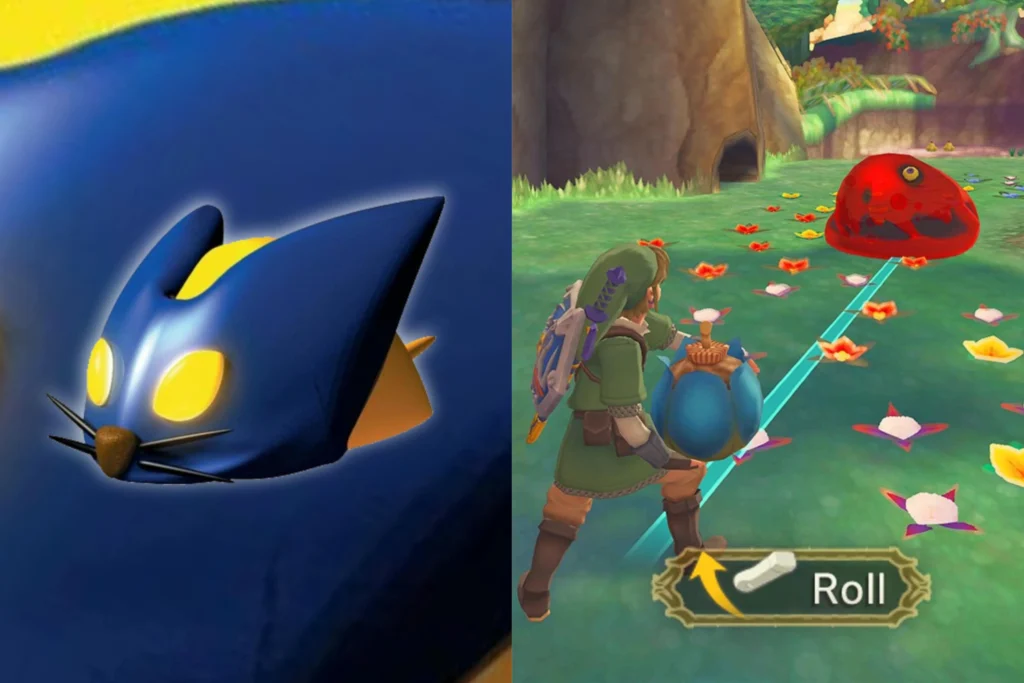
Once inside the alley, players can participate in a challenge that involves launching Bombchus toward targets at the far end of a lane. Bombchus are small explosive devices that travel along surfaces after being released, making them different from ordinary Bombs. Rather than directly controlling their movement after launch, players must aim carefully and choose the appropriate timing.
In the original Ocarina of Time, each round costs 30 Rupees and provides Link with 10 Bombchus. The objective is to successfully reach three targets before exhausting the available supply. After each successful attempt, the next stage is revealed, introducing a different target position or additional obstacles.
The challenge becomes progressively more difficult because players must account for moving hazards and changes in the target’s location. Blade traps cross the bowling lane, while Cuccos can interfere with the Bombchus’ paths during later stages. The middle target can also appear in different positions, requiring players to adjust their aim rather than repeatedly using the same approach.
The basic mechanics involve several important steps:
- Pay the entry fee: Speak to the Bombchu Bowling Lady and spend 30 Rupees to begin a round.
- Check the available prize: The reward is revealed after Link pays, allowing players to see what they can win by completing the challenge.
- Aim the Bombchu: Position Link and choose the direction in which the explosive device will travel.
- Watch the obstacles: Observe moving blade traps and Cuccos before launching to reduce the risk of collisions.
- Complete three stages: Successfully reach each target before using all 10 Bombchus.
- Collect the reward: Finishing the final stage awards the prize displayed at the beginning of the round.
Because players cannot steer Bombchus once they have been launched, patience and timing are essential. Watching the movement of obstacles before releasing a Bombchu can improve the chances of success. A missed attempt does not immediately end the round, but every unsuccessful launch reduces the remaining opportunities to complete the challenge.
The Bombchu Bowling Alley offers five possible prize types in the original game: a Bomb Bag upgrade, a Piece of Heart, Bombchus, Bombs and a Purple Rupee worth 50 Rupees. Each reward provides a different benefit, although the Piece of Heart and Bomb Bag upgrade are particularly valuable for players seeking permanent improvements.
The Piece of Heart contributes toward increasing Link’s maximum health. Collecting four Pieces of Heart creates an additional Heart Container, making Link more resilient during combat and exploration. Because the bowling alley offers one of these pieces, it is a useful destination for players attempting to collect every available health upgrade.
The Bomb Bag upgrade increases Link’s capacity for carrying ordinary Bombs. The specific capacity improvement depends on which Bomb Bag upgrades have already been collected elsewhere in the adventure. Players who have not obtained the other upgrade first receive the smaller capacity increase, while those who already possess it can receive the larger one.
The prizes available in the original game include:
| Prize | Benefit | Availability |
|---|---|---|
| Piece of Heart | Contributes toward increasing Link’s maximum health | Once per save file |
| Bomb Bag upgrade | Increases the number of ordinary Bombs Link can carry | Once per save file |
| Bombchus | Provides additional explosive devices for use elsewhere | Repeatable |
| Bombs | Replenishes ordinary Bomb ammunition | Repeatable |
| Purple Rupee | Awards 50 Rupees | Repeatable |
The Piece of Heart and Bomb Bag upgrade are permanent rewards that can each be collected only once per save file. Bombs, Bombchus and Purple Rupees can appear again during subsequent rounds, giving players reasons to revisit the attraction even after obtaining the unique upgrades.
The Purple Rupee is worth more than the 30 Rupees required to enter a single round, meaning a successful attempt can provide a small financial gain. However, repeated failures and previous entry fees can reduce or eliminate that profit. Bombs and Bombchus are also useful rewards because they replenish items that Link can use throughout his adventure.
Players cannot directly choose the prize before paying the entry fee. The Bombchu Bowling Lady reveals the reward after payment, and Link must successfully complete all three stages to claim it. This arrangement means players seeking the unique rewards may need to participate in multiple rounds before receiving the prizes they want.
For completion-focused players, the main objective is generally to obtain both the Piece of Heart and the Bomb Bag upgrade. These rewards provide lasting benefits, while the repeatable prizes primarily supply ammunition or Rupees.
Beyond its rewards, Bombchu Bowling remains memorable because of its unusual combination of explosive projectiles, moving obstacles, energetic music and the relaxed personality of its operator. The activity offers a different challenge from the game’s main dungeons, encouraging players to practice their timing and precision while exploring Castle Town.
The Bombchu Bowling Lady’s appearance in Nintendo Switch 2 remake previews confirms that the character remains part of the reimagined adventure. However, the mechanics, unlock requirements, entry fees and rewards described above are established details from the original game and its existing versions. Preview footage alone does not confirm that every element will function identically in the remake.
Until the finished version establishes those details, players should treat the original mechanics as a guide rather than a guarantee. Nintendo may preserve the minigame’s established structure or adjust certain elements as part of its broader modernization of Ocarina of Time.
Regardless of potential changes, the Bombchu Bowling Alley remains an important example of the optional activities that helped make Hyrule Castle Town memorable. Its unusual gameplay, valuable rewards and recognizable host have contributed to its popularity, explaining why the character’s appearance in the remake has generated considerable interest among longtime Zelda fans.
Frequently Asked Questions (FAQs)
- Who is the Bombchu Bowling Lady in Ocarina of Time?
The Bombchu Bowling Lady is a non-playable character who operates the Bombchu Bowling Alley in Hyrule Castle Town Market. She introduces young Link to the minigame, collects the entry fee, and allows him to compete for prizes. Although she has no widely established personal name in the original game, fans commonly call her the Bombchu Bowling Lady, Bombchu Girl, or Bombchu Bowling Alley operator. Her short blue hair, distinctive makeup, and relaxed personality have made her a memorable supporting character. - Is the Bombchu Bowling Lady in the Nintendo Switch 2 remake?
Yes. Preview footage and screenshots circulated in October 2026 show the Bombchu Bowling Lady returning in the Nintendo Switch 2 remake of The Legend of Zelda: Ocarina of Time. Her updated model preserves recognizable elements of her original appearance, including her short blue hair and colorful clothing. However, Nintendo has introduced more detailed facial features, textures, and accessories. - Why do some fans dislike her new design?
Some fans dislike the redesign because they believe the Bombchu Bowling Lady’s updated face and proportions lack the exaggerated expressions and distinctive personality of her Nintendo 64 appearance. The original character featured prominent makeup and unusual facial details that helped establish her identity. Critics argue that the remake’s smoother modeling reduces some of that character, while others appreciate the updated textures and accessories. - What does the Bombchu Bowling Lady look like in the remake?
The redesigned Bombchu Bowling Lady retains her signature short blue hair and colorful cropped top, now featuring deeper pink and purple tones. Her model includes smoother facial features, more detailed hands, visible black nail polish, and dark wrist cuffs. The remake also introduces clearer fabric textures and improved character modeling while preserving recognizable elements of her original design. - Did the original Bombchu Bowling Lady wear a crop top?
Yes. The Bombchu Bowling Lady already wore a cropped top in the original Nintendo 64 version of Ocarina of Time. The remake has not introduced an entirely new clothing concept but has updated how the outfit is presented. Her top now features richer colors, more visible textures, and additional accessories. - Why is her remake design described as gothic?
Some fans and commentators describe the Bombchu Bowling Lady’s updated appearance as gothic because of her black nail polish, dark wrist cuffs, and deeper clothing colors. These details contrast with her bright blue hair and pink and purple top, creating a darker fashion influence. However, “gothic” is an interpretation of the redesign rather than an official Nintendo classification. - Where is the Bombchu Bowling Alley in the original game?
The Bombchu Bowling Alley is located on the western side of Hyrule Castle Town Market in the original Ocarina of Time. Young Link must first complete Dodongo’s Cavern and defeat King Dodongo before the minigame becomes available. Afterward, players can return to the Market and enter the alley to compete for rewards. - How much does Bombchu Bowling cost?
In the original The Legend of Zelda: Ocarina of Time, each Bombchu Bowling attempt costs 30 Rupees. Link receives 10 Bombchus and must hit three targets to win the displayed prize. Moving obstacles, including blade traps and Cuccos, make later targets more difficult. The remake’s exact pricing and rules have not been confirmed by the preview material alone. - What are the best Bombchu Bowling prizes?
The Piece of Heart and Bomb Bag upgrade are generally the most valuable rewards because they provide permanent benefits. Four Pieces of Heart increase Link’s maximum health by one Heart Container, while the Bomb Bag upgrade allows him to carry more Bombs. Other possible rewards include Bombs, Bombchus, and a Purple Rupee worth 50 Rupees. - When is the Ocarina of Time remake coming out?
The provided release date for The Legend of Zelda: Ocarina of Time on Nintendo Switch 2 is November 5, 2026. The remake is described as featuring updated visuals, redesigned character models, voiced cutscenes, expanded dialogue, symphonic music, and modernized controls. The Bombchu Bowling Lady’s redesign has already attracted attention through preview footage.

Conclusion
The Bombchu Bowling Lady’s return in the Ocarina of Time remake has given fans a new way to revisit one of Hyrule’s most memorable side characters. Her short blue hair and cropped outfit remain recognizable, while black accessories, dark nail polish, and more detailed modeling give her a refreshed appearance.
The reaction has been mixed. Some players appreciate the gothic-inspired touches and the care given to a minor character, while others prefer the original Nintendo 64 model’s makeup, expression, and exaggerated personality. The available comments show a range of opinions rather than a measurable consensus among Zelda fans.
The discussion also reflects a broader question facing any remake: how to update familiar characters while retaining the qualities players remember. When the Nintendo Switch 2 game launches on November 5, 2026, players will be able to encounter the operator in context and decide for themselves how her new design fits the reimagined Hyrule.
Sources and Citations
- Nintendo, September 9, 2026: Official announcement of The Legend of Zelda: Ocarina of Time remake, its release date, and updated gameplay features.
https://www.nintendo.com/ph/news/article/3Uvp2H1iPLLLSnR4MJgmq1 - Nintendo, October 15, 2026: Official overview trailer announcement highlighting the remake’s presentation, gameplay changes, and release information.
https://www.nintendo.com/au/news-and-articles/you-have-been-summoned-to-watch-the-new-the-legend-of-zelda-ocarina-of-time-overview-trailer/ - Dexerto, October 15, 2026: Reports on positive and negative fan reactions to the Bombchu Bowling Lady’s redesigned appearance in the Ocarina of Time remake.
https://www.dexerto.com/legend-of-zelda/zelda-fans-split-over-bombchu-bowling-ladys-new-look-in-ocarina-of-time-remake-3419052/ - Kotaku, October 15, 2026: Examines the Bombchu Bowling Alley operator’s updated outfit, compares it with her original Nintendo 64 design, and discusses fan criticism of the redesign.
https://kotaku.com/the-ocarina-of-time-remake-doesnt-do-everyones-favorite-bombchu-bowling-baddie-justice-2000746378 - Zelda Dungeon Wiki, Bombchu Bowling Alley: Documents the original minigame’s location in Hyrule Castle Town, entry fee, gameplay rules, Bombchu mechanics, and available prizes.
https://www.zeldadungeon.net/wiki/Bombchu_Bowling_Alley - Zelda Central, Ocarina of Time Walkthrough: Provides original-game guidance covering Death Mountain, Goron City, Hyrule Market, Bomb Bag acquisition, and related Bombchu gameplay mechanics.
https://zeldacentral.com/games/ocarina-of-time/walkthrough/death-mountain-goron-city-and-hyrule-market/ - Know Your Meme, Bombchu Girl: Explores the Bombchu Bowling Lady’s popularity, fan artwork, internet memes, character design discussions, and renewed attention surrounding the remake.
https://knowyourmeme.com/memes/bombchu-girl-bombchu-bowling-lady
Recommendations
- GTA VI Pre-Orders Reportedly Favor PS5 By A 6-To-1 Ratio
- Your Mother Your Mother Your Mother Cast Explain Intense Role Preparation
- Nintendo Won’t Reimburse Buyers for U.S. Customs Duties
- Planet Zoo 2 Complete Animal List and Zoopedia Guide
- Final Fantasy VII: Revelation Director Says Modern RPGs Need More Player Choice
- Firaxis Announces XCOM Miniatures Board Game: Everything We Know About the Upcoming Tabletop Tactical Experience
- Duskfade: How Long Does It Take to Beat? Full Game Length Guide
- Epic CEO Tim Sweeney Pisses Everyone Off With ‘Out of Touch’ Response After 1,000 Game Developers Lose Jobs—Calls for Resignation Grow
- Assassin’s Creed Black Flag Resynced La Dama Negra Guide: How to Defeat the Legendary Ship
- 007 First Light on Switch 2 Includes an Extra No Other Platform Gets



































































































