


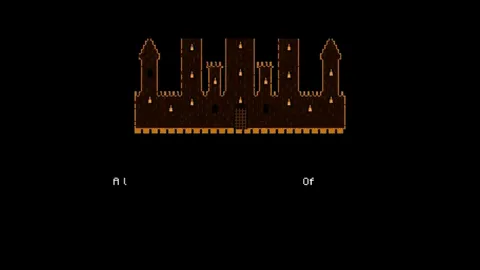
Minecraft mod Soulbound: Turnbattle transforms the familiar sandbox into a role-playing adventure inspired by Deltarune, Undertale, and EarthBound. Instead of relying entirely on Minecraft’s usual real-time sword swings, players build characters, choose combat styles, and enter battles that combine turn-based decisions with attacks they must dodge in real time.
Created by modder Pixelcite, Soulbound goes beyond a visual tribute. It introduces character stats, soul traits, classes, skills, equipment, cooperative battlesWhat Is the Minecraft Soulbound Mod, and How Does It Transform Minecraft Into an RPG?
Soulbound: Turnbattle is a Minecraft: Java Edition mod that transforms the familiar sandbox experience into a more extensive role-playing game inspired by Undertale, Deltarune, and EarthBound. Developed by Pixelcite, the mod introduces turn-based combat, character progression, unique abilities and additional gameplay systems while preserving Minecraft’s recognizable blocky world and exploration mechanics.
Instead of relying entirely on Minecraft’s traditional combat system, Soulbound introduces RPG battles that emphasize strategy, character development and different approaches to enemy encounters. Players can continue exploring familiar landscapes and interacting with Minecraft creatures, but combat becomes more structured through a system influenced by classic role-playing games.
Character progression is an important part of the experience. Players can develop their characters through statistics, skills, soul traits, equipment and class selections. These systems provide additional ways to customize abilities and determine how characters perform during battles. Rather than approaching every encounter with the same abilities, players can develop different combat strategies based on their chosen progression paths.
The mod combines several features that expand Minecraft’s traditional gameplay:
- Turn-based combat: Battles draw inspiration from Undertale, Deltarune and EarthBound, introducing a more strategic approach to fighting enemies.
- Character customization: Players can develop stats, choose classes, equip items and use skills that influence their performance.
- Soul traits: Additional character attributes contribute to the RPG progression system and provide more opportunities for customization.
- Mercy system: Inspired by Undertale, this feature introduces alternatives to simply defeating enemies through conventional combat.
- Multiple enemy encounters: Players can face several opponents during battles, creating situations that require additional planning.
- Bestiary: A dedicated system provides information about creatures encountered throughout the adventure.
- Cooperative multiplayer: Players can participate in RPG encounters with others, extending the experience beyond solo gameplay.
- NPC party members: Solo players can receive assistance from computer-controlled companions, although the developer describes this system as unfinished.
- Alternate roguelite mode: An additional gameplay option introduces a different way to experience the mod’s RPG mechanics.
- Dark Worlds: Players can explore themed dimensions inspired by the mysterious locations featured in Deltarune.
The Dark Worlds are among the mod’s more distinctive additions because they expand the experience beyond ordinary Minecraft environments. These themed dimensions draw inspiration from Deltarune’s unusual settings, giving players access to locations that differ from the familiar Overworld. Their inclusion strengthens the mod’s connection to the RPGs that inspired its mechanics.
The cooperative features also introduce opportunities for teamwork during combat. Players can participate in encounters together, while the NPC party member system provides a developing alternative for those who prefer single-player experiences. However, the creator has acknowledged that NPC companions remain a work in progress, meaning the feature should not be considered fully complete.
Soulbound received renewed attention following the release of its major 2.0 update in October 2026. The update expanded enemy encounters, improved animations and reworked the Dark Worlds, introducing substantial changes to several existing systems. These improvements were intended to develop the mod’s RPG experience further while refining its presentation and gameplay.
Despite the scale of the update, Pixelcite cautioned that certain battles and features remained unfinished or potentially unbalanced. Players may therefore encounter mechanics that require additional adjustments, particularly in areas still undergoing development. The warning is important because Soulbound offers an ambitious collection of interconnected systems that continue to evolve.
Players interested in trying the mod should also distinguish it from other Minecraft projects using the Soulbound name. Several unrelated modifications share similar titles, including an enchantment mod designed to preserve items after death. That project is separate from the RPG overhaul discussed here.
The correct project is Soulbound: Turnbattle by Pixelcite, identifiable through its description referencing Undertale, Deltarune and EarthBound. Checking the full project name and developer helps ensure that players install the intended modification rather than another mod with a similar title.
Overall, Soulbound: Turnbattle offers a different approach to Minecraft by combining familiar exploration with structured RPG battles, character progression, cooperative features and themed dimensions. Its October 2026 update expanded those systems considerably, although some elements remain under development. The result is a mod that allows players to experience Minecraft through mechanics inspired by several recognizable role-playing games without completely abandoning the sandbox environment that makes the original game familiar.

In This Article (13 sections)
How Soulbound Adds Deltarune Style Combat to Minecraft and What Is New in the 2.0 Update
Soulbound: Turnbattle transforms Minecraft’s traditional combat experience by introducing RPG mechanics inspired by Deltarune, Undertale, and EarthBound. Instead of relying entirely on Minecraft’s conventional system of attacking enemies in the open world, the mod introduces structured encounters involving player decisions, character abilities, enemy responses and distinctive attack patterns. This approach combines strategic preparation with reaction based gameplay while maintaining Minecraft’s familiar environments and progression.
The influence of Deltarune and Undertale is particularly noticeable during enemy attacks. Players control their soul within a battle area, moving to avoid incoming projectiles in sequences resembling the bullet hell mechanics of those games. Soulbound also incorporates TP, grazing and mercy mechanics, allowing encounters to involve more than simply attacking opponents until their health reaches zero.
EarthBound contributes additional inspiration through features such as rolling health and optional presentation elements that reflect its visual style. Rather than directly recreating any one RPG, Soulbound combines these influences with its own character development systems, equipment, classes and multiplayer features. Players can allocate statistics, select soul traits, develop skill trees and customize their abilities, making preparation an important part of each encounter.
These systems distinguish Soulbound from the games that inspired it. A character’s equipment, abilities and chosen progression path can influence available combat options, while Minecraft’s familiar setting provides a different environment for those mechanics. Players familiar with Deltarune may recognize the general battle structure, but they must still learn Soulbound’s controls, enemy patterns and individual systems.
The mod received a major expansion with the release of Soulbound 2.0 in October 2026. Developer Pixelcite introduced substantial improvements to combat presentation, enemy encounters, character animations and Dark World mechanics. According to the release notes, battles received more complete animations, while skills gained additional visual effects. The Lightner and PSI skill trees also received distinctive casting animations intended to make their abilities more recognizable during combat.
One of the update’s most significant changes involved Dark Worlds, the themed dimensions inspired by Deltarune. Pixelcite reworked their creation system around recording biomes that players have previously visited, introducing additional effects, animations and fountain shaders. Doors connected to Dark Worlds also received visual indicators, including an effect that makes darkness appear to seep from underneath them.
These changes expand the visual presentation of Dark Worlds while making their entrances more noticeable. The new biome recording system also changes how these dimensions are created, adding another layer to the mod’s exploration mechanics.
Soulbound 2.0 introduced several other notable additions:
- Seven new human enemies: These opponents feature individual bullet patterns and can drop souls that monsters may absorb. Their appearances were described as placeholders in the release notes.
- Expanded hostile mob encounters: Hostile Minecraft creatures received individual battles and bullet patterns, although some encounters remained unfinished or potentially unbalanced.
- Improved battle animations: Combat sequences received updated animations and additional visual effects intended to improve their presentation.
- Lightner and PSI skill improvements: Both skill trees gained distinctive casting animations and effects.
- Reworked Dark Worlds: Changes include biome recording, updated creation mechanics, fountain shaders and visual effects around entrances.
- Climbing animations: New animations expand how climbing is presented during exploration.
- Climb Claws item: An early game item enables climbing when carried in the player’s inventory, without requiring players to use it directly.
- Magicant encounter: An early version of this encounter was introduced for human characters, with a level based activation requirement.
The Magicant encounter is particularly notable because of its unusual activation method. According to Pixelcite’s release notes, human characters can trigger it by sleeping in a bed at level 50. The developer described the encounter as extremely difficult and explained that a future questline was planned to replace the temporary level requirement. Players attempting the encounter should therefore recognize that its current implementation may change as development continues.
The update also expanded the variety of enemy battles. Seven human opponents received individual projectile patterns, while hostile mobs gained encounters designed around their characteristics. Some enemies can drop souls that monsters may absorb, adding another mechanic to the expanded combat system. However, the developer warned that several encounters remained works in progress and could present difficulty or balance problems.
Soulbound 2.0 was released as a beta, meaning its features were not necessarily finalized. Subsequent updates have already adjusted parts of the experience. Version 2.0.3, for example, included a new skill tree, additional work on the world creation screen and changes to Dark World behavior. Players should therefore consult the changelog for their installed version when checking specific mechanics, balance adjustments or feature availability.
Soulbound was created by Pixelcite, a Minecraft modder whose Modrinth profile lists the RPG overhaul alongside other projects. Pixelcite is also identified as the uploader of earlier Soulbound releases on CurseForge, connecting the project’s development history across both platforms.
The mod attracted broader attention following its October 2026 update. On October 15, Kotaku reported that Soulbound had accumulated approximately 140,000 downloads on Modrinth. That figure represented the total reported at the time of publication rather than a permanent download count.
Kotaku also reported that moderators in Soulbound’s Discord community said the project had not used generative AI. The publication contacted the lead developer for confirmation but had not received a response at the time. Consequently, the claim should be attributed to the community moderators rather than presented as a directly confirmed statement from Pixelcite.
For players following the mod’s development, the Modrinth project page and version changelogs provide useful information about new features, compatibility and updates. These records are particularly important because Soulbound continues evolving, and mechanics described in earlier releases may be adjusted or replaced.
Overall, Soulbound 2.0 significantly expanded the mod’s combination of Minecraft exploration and RPG combat. Its improved animations, additional enemies, reworked Dark Worlds and new progression features strengthen the experience, while the beta status means players may still encounter unfinished systems and balance issues.

How Turn Based Battles, Bullet Hell Dodging, Grazing, and TP Mechanics Work in Soulbound
Soulbound’s combat system combines strategic decision making with active projectile avoidance, creating encounters that differ substantially from ordinary Minecraft fights. Rather than continuously attacking enemies in the open world, players participate in structured battles where they select actions, use character abilities and respond to enemy attack patterns.
The system divides combat into two complementary activities. During the decision making portion, players consider their available skills, equipment and other actions. When enemies attack, attention shifts toward controlling the player’s soul and avoiding incoming projectiles within the battle area. This structure makes success dependent on both preparation and the ability to react to different attacks.
Soulbound also supports encounters involving multiple enemies, meaning players may need to manage several opponents rather than focusing on a single target. Different enemy types can feature individual soul mechanics and bullet patterns, introducing additional variety to combat.
The mod includes a bestiary that provides information about encountered enemies, including their associated mechanics and attack patterns. This reference can help players understand unfamiliar opponents, especially when visual indicators or projectile colors are difficult to interpret during a fight.
Character progression influences how players approach these encounters. Stats, equipment, skills, soul traits and class choices provide different ways to develop combat abilities. A player who invests in one skill tree may have different options from someone using another character build, encouraging experimentation with progression systems.
Soulbound also incorporates rolling health, a mechanic inspired by EarthBound. This feature adds another element to the battle interface, although players should observe its behavior in their installed version rather than assuming that every detail functions identically to its inspiration.
The October 2026 update expanded the number and variety of enemy encounters, making knowledge of individual attack patterns increasingly important. Pixelcite warned that some fights could remain difficult or unbalanced during the beta period, so an unusually challenging encounter may reflect unfinished balancing as well as the player’s equipment or familiarity with its mechanics.
Dodging bullet hell attacks is one of the most important skills players must develop. During these sequences, the player moves their soul around the battle area to avoid incoming projectiles. Because different enemies use different patterns, recognizing movement, timing and available space is essential.
Several approaches can help players improve their performance:
- Study incoming projectiles: Watch where attacks originate, how quickly they move and which areas of the battle space remain safe.
- Prioritize survival: When encountering an unfamiliar pattern, focus on avoiding damage before attempting more advanced techniques.
- Use careful positioning: Some attacks reward moving into a safe area early, while others require smaller adjustments as projectiles approach.
- Learn individual patterns: Repeated encounters can help players recognize attack sequences and anticipate movement.
- Consult the bestiary: Review available information about enemy behavior, soul mechanics and bullet patterns when an encounter becomes difficult.
- Improve character preparation: Reconsider equipment, skills, stats and available abilities if a battle remains challenging.
- Account for multiple enemies: Encounters involving several opponents may require additional attention to different attacks and combat options.
The creator notes that projectile colors can provide clues about enemy attack mechanics. However, players should not assume that every visual indicator functions identically across encounters. The bestiary offers another source of information when the meaning of a particular attack is unclear.
Different bullet patterns also require different responses. A wide attack may be easier to avoid by moving into a safe position before it arrives, while another pattern may demand repeated small movements. Remaining calm and watching the available space can be more effective than moving continuously without considering the attack’s direction.
Solo players can also use NPC party members as an additional way to develop a team. Pixelcite has explained that Soulbound is balanced around two or more players, although playing alone remains possible. The NPC companion system is intended to support single player experiences, but it remains a work in progress, meaning companion behavior and available features may change.
The mod’s grazing and TP mechanics introduce another layer of strategy during battles. Soulbound officially lists both systems among its combat features, drawing inspiration from the resource management and projectile avoidance mechanics associated with Deltarune.
Grazing generally involves moving close to an incoming projectile without being hit. This creates a risk and reward situation because players must approach danger while maintaining enough control to avoid taking damage. TP functions as a battle resource associated with certain actions or abilities, encouraging players to consider when resources should be used.
Although Soulbound confirms the presence of grazing and TP, the project description does not establish every numerical value or interaction. Players should therefore consult the game’s interface and skill descriptions for the precise behavior of these mechanics in their installed version.
The relationship between grazing and resource management creates several practical considerations. Moving close to enemy attacks may offer an opportunity to interact with the battle resource system, but taking unnecessary risks can quickly reduce a character’s health. Players unfamiliar with a particular attack should concentrate on survival before attempting more aggressive movement.
Understanding TP costs is equally important. Some abilities may require players to spend resources, making it useful to review skill descriptions before entering a difficult encounter. Spending a resource immediately may provide an advantage during one turn, while preserving it could leave additional options available later.
Because Soulbound is actively developed, resource costs and balancing may change between releases. Players should avoid relying entirely on numerical values from older guides when planning character builds or battle strategies.
As players become more familiar with enemy patterns, they can begin experimenting with grazing and more precise soul movement. Approaching familiar projectiles closely may become manageable with practice, but repeating the same approach against an unfamiliar enemy can be dangerous. The safest strategy depends on the opponent’s attacks, the player’s remaining health and the resources available.
Preparation remains just as important as reflexes. Improving equipment, developing relevant skills and understanding soul traits can make difficult battles more manageable, although these improvements do not remove the need to dodge attacks effectively.
The combination of turn based decisions, projectile avoidance, grazing, TP management and character customization gives Soulbound a combat system that rewards both planning and practice. Its influences from Undertale, Deltarune and EarthBound are recognizable, but its Minecraft setting, progression mechanics and cooperative features create a distinct experience.
As the mod continues receiving updates, players can expect individual encounters and mechanics to evolve. Learning enemy patterns, checking current skill descriptions and adapting character builds remain important ways to approach Soulbound’s increasingly varied battles.
How Soul Traits and Character Stats Work in Soulbound
Soulbound gives players several ways to shape a character before and during their adventure. These include stat points and soul-trait passives, both of which contribute to the RPG side of the mod.
Stat allocation allows players to invest in their character’s development instead of relying entirely on the gear they find. Soul traits add passive effects, giving characters another layer of identity and potentially influencing how useful certain builds feel.
An earlier character-creation update added options including race selection, class or attunement selection, vessel naming, and soul-trait choice. Because Soulbound has continued to change, the exact appearance and available choices in the creation screen depend on the installed release.
Traits and stats are best considered alongside a character’s chosen skills. A player who enjoys using a particular combat style should read the relevant descriptions and invest with that style in mind. The goal is to make the character’s passive effects, abilities, and equipment work together.
Players do not need to understand every system before starting. A sensible first approach is to read the options, select a style that sounds enjoyable, and pay attention to which abilities are most useful in actual encounters. Later adjustments can then be informed by experience.
The 2.0 release notes mention a skill-tree reset command, but they do not provide its full syntax on the version page. Players who want to reset a build should check the documentation for their installed version rather than guessing at the command. Soulbound
Soulbound Classes, Skills, and Equipment Explained
Classes determine much of how a Soulbound character approaches combat. The creator describes a class system with mechanics inspired by EarthBound, Deltarune, and Undertale, as well as a custom class focused on magic connected to the player’s soul trait.
The 2.0 notes specifically mention visual effects and casting animations for the Lightner and PSI skill trees. Earlier update notes also refer to a Soul Mage skill tree. Players should check their installed version’s character screen for the current class choices and descriptions, since the mod’s systems continue to evolve.
Skills add options beyond a basic attack. A player’s available abilities depend on the character and progression choices they have made. Reading each skill’s description is especially important when planning how to use battle resources or deciding which role a character should fill in a party.
Equipment provides another route to customization. Soulbound has a custom equipment system and weapon appraisal, with the project page stating that appraisal supports modded weapons and items with an attack-damage stat. That is useful for players who want to experiment with equipment beyond a narrow set of vanilla weapons.
However, general mod support does not guarantee that every combination will behave perfectly. Test important equipment in a separate world or with a backup before committing it to a long-running save.
For a first build, players can keep things simple: choose a class whose abilities are appealing, read the skill tree, and examine how equipment affects the character. Once the basics are clear, more specialized combinations become easier to evaluate.

How to Spare Enemies in the Soulbound Mod
Soulbound includes a Mercy/SPARE system, giving players a nonlethal option in supported encounters. This is one of the clearest links between the mod and the RPGs that inspired it.
The important point is that players should pay attention to the options and information displayed during a battle. A mercy system gives an encounter another possible direction, but the mod’s public feature summary does not establish one universal sequence that will successfully spare every enemy.
Players who want a peaceful approach should inspect the choices available in the encounter and watch for indications that an opponent can be spared. If a battle offers different actions, read their descriptions before committing to an attack.
Mercy can change how players think about progression. Instead of judging every encounter only by how quickly an enemy can be defeated, players may consider whether another resolution is available. It also gives fans of Undertale and Deltarune a familiar kind of decision to look for within Minecraft.
As with other beta features, the precise behavior of individual encounters may change between updates. If an enemy does not respond as expected, check the current version’s notes and in-game information before assuming the same method applies to every fight.
How to Create Dark Worlds in Minecraft Soulbound
Soulbound lets players create Dark Worlds, alternate dimensions inspired by Deltarune. These worlds are procedurally generated and can have different themes, giving players a new place to explore beyond the ordinary Minecraft landscape.
Kotaku demonstrated the system by using a knife on the ground inside a makeshift hut and creating a wool-themed Dark World. That example shows how the mod can turn an ordinary player-built space into the starting point for a themed adventure. kotaku.com
An older Soulbound release described crafting a knife from a stick and an iron ingot, then using it in an enclosed space to open a Dark Fountain. However, that description belongs to an earlier version, and the 2.0 update overhauled Dark World creation. Players should check the recipe and current in-game instructions for their installed release rather than assuming every older step is unchanged. CurseForge
The 2.0 notes describe a creation system involving the biomes a player has visited. The update also added fountain effects and visual clues around doors leading to Dark Worlds. These changes make the system more elaborate than a simple portal to an identical dimension every time.
Before opening a Dark World in an important save, make a backup and read the relevant release notes. Later updates can alter generation and rules: version 2.0.3, for example, enabled keep inventory specifically in Dark Worlds and removed a Dark World type because of issues. Those changes should not be assumed to apply to every older build.
Can You Play Soulbound in Minecraft Multiplayer?
Yes. Soulbound supports multiplayer and cooperative battles. Its project page describes co-op encounters as supporting an unlimited number of players, although the practical experience will depend on the server, the installed version, and how the mod performs with a particular group.
Cooperative play fits the mod’s party-oriented design. Pixelcite says the game is balanced around two or more players, so a group can explore different builds and experience battles together.
Players should coordinate their Minecraft version, Fabric loader, Soulbound release, and required dependencies before joining. Using the same set of compatible files helps reduce problems caused by mismatched installations. The project lists support for both client and server environments.
As with any substantial gameplay overhaul, groups should test a new installation before adding it to an established world. Create a fresh test save, check that everyone can connect, and try a few encounters. Server owners should also back up their world before updating the mod or adding it to an existing setup.
Solo play is still possible. Soulbound includes an NPC party member system intended to give a player another character to level and build, though the creator marks that system as a work in progress. Players who prefer a solitary adventure can use it to explore the party mechanics without needing a multiplayer server.

What Is Soulbound’s Roguelite Mode?
Soulbound includes a Rogue-Lite mode alongside its normal mode. The creator describes it as a run-based deck builder that lets players mix and match skills in combinations that would not normally be available in the standard game.
The mode offers a different reason to return to Soulbound. A normal adventure can emphasize a continuing character and world, while a run-based mode invites players to experiment with combinations and see how they perform during a particular run.
How Soul Traits, Character Stats, Classes, Skills, and Equipment Work in Minecraft Soulbound
Soulbound: Turnbattle introduces an extensive character progression system that allows players to customize their abilities, combat strategies and overall playstyle. Unlike traditional Minecraft, where character strength largely depends on equipment and available resources, Soulbound incorporates RPG mechanics such as stat allocation, soul traits, classes, skill trees and specialized equipment. These features give players greater control over how their characters develop and perform during encounters.
Stat allocation is one of the main progression systems. Players can invest points into their character’s development, allowing them to strengthen particular aspects of their build rather than depending entirely on weapons and armor. Soul traits provide an additional layer of customization through passive effects that can influence how different character builds perform. Combining these attributes with suitable skills and equipment allows players to develop a more consistent combat strategy.
Character creation also offers several choices that influence the player’s identity and progression. An earlier update introduced options for selecting a race, choosing a class or attunement, naming a vessel and selecting a soul trait. These systems provide a foundation for character development, although the available options and their presentation may vary between versions because the mod continues receiving updates.
The main customization systems include:
- Character statistics: Players allocate points to develop their characters and support their preferred combat approach.
- Soul traits: Passive effects add another layer of character identity and can influence how different builds perform.
- Race selection: Character creation includes race options introduced in an earlier update.
- Classes and attunements: These choices influence the abilities and combat mechanics available to a character.
- Skill trees: Players develop specialized abilities that expand their options during encounters.
- Equipment customization: Weapons and other items contribute to a character’s effectiveness and complement their chosen progression path.
- Weapon appraisal: A dedicated system allows players to evaluate equipment, including supported weapons introduced by other Minecraft mods.
Classes are particularly important because they determine much of how a Soulbound character approaches combat. Pixelcite describes the system as drawing inspiration from EarthBound, Deltarune and Undertale, alongside a custom class focused on magic associated with the player’s soul trait. This combination introduces different ways to specialize characters rather than requiring every player to use identical abilities.
The Soulbound 2.0 release notes specifically mention the Lightner and PSI skill trees, which received distinctive casting animations and visual effects. Earlier updates also referenced a Soul Mage skill tree. These options demonstrate the variety of approaches available, although players should consult their installed version’s character creation interface for the current class selection and skill descriptions.
Skills expand combat beyond basic attacks by giving characters additional actions and abilities. Their usefulness depends on the player’s chosen progression path, available resources and party composition. Reading skill descriptions is especially important when deciding which abilities to unlock or determining whether a character should focus on a particular combat role.
Soul traits and stats should therefore be considered alongside a character’s skills rather than treated as unrelated systems. A player who prefers a particular combat style can select abilities, passive effects and equipment that complement one another. This approach makes it easier to develop a build that performs consistently instead of investing in upgrades without a clear purpose.
Equipment provides another important source of customization. Soulbound includes a dedicated equipment system and weapon appraisal mechanics, with its project description stating that appraisal supports modded weapons and items containing an attack damage statistic. This compatibility allows players to experiment with equipment beyond standard Minecraft items, potentially combining Soulbound’s progression systems with weapons introduced by other modifications.
However, support for modded equipment does not guarantee that every combination will function correctly. Players using additional mods should test important items before relying on them in established worlds. Creating a backup or experimenting in a separate save can help identify compatibility problems without putting existing progress at risk.
For beginners, character development does not need to become overly complicated. Players can start by choosing an appealing class, reading the available skills and observing how their selected soul trait and equipment influence combat. As they encounter different enemies, they can identify which abilities prove useful and make more informed decisions about future upgrades.
The October 2026 Soulbound 2.0 release notes also mention a command for resetting skill trees. However, the version page does not provide the complete command syntax. Players interested in changing their existing builds should consult the documentation for their installed release rather than assuming an older command will work correctly.
Character customization is closely connected to Soulbound’s Mercy/SPARE system, which introduces nonlethal alternatives during supported enemy encounters. Inspired by Undertale and Deltarune, this mechanic allows players to consider resolving certain battles without simply defeating opponents through conventional attacks.
Rather than treating every enemy as a target that must be eliminated, players can examine the available actions and look for opportunities to spare an opponent. The mod’s public feature description confirms the presence of the mercy system but does not establish a universal sequence of actions that works against every enemy.
Players interested in peaceful encounters should pay attention to the battle interface, read available action descriptions and watch for indications that an opponent can be spared. Different enemies may require different approaches, and the exact behavior of encounters can change as the mod receives updates.
The mercy system also changes how players think about combat progression. Success is not necessarily limited to dealing damage or defeating enemies as quickly as possible. Instead, supported encounters may offer alternative outcomes that encourage players to consider their available choices.
Because Soulbound remains under active development, its character systems and battle mechanics may continue evolving. Classes, skill effects, passive abilities and mercy interactions can differ between releases, making current in-game descriptions and official changelogs important references.
Overall, Soulbound’s progression systems provide several ways to personalize the Minecraft RPG experience. By combining soul traits, character statistics, classes, skills and equipment, players can develop characters suited to their preferred approach while using the Mercy/SPARE system to explore alternatives to traditional combat.
How to Create Dark Worlds, Play Multiplayer, and Use Roguelite Mode in Minecraft Soulbound
Soulbound expands Minecraft beyond ordinary exploration and combat by introducing Dark Worlds, cooperative multiplayer encounters, NPC companions and an alternate Rogue-Lite mode. These features give players additional ways to experience the mod, whether they prefer exploring themed dimensions, developing characters with friends or experimenting with unusual skill combinations.
Dark Worlds are alternate dimensions inspired by Deltarune’s mysterious environments. They are procedurally generated and can feature different themes, allowing players to explore locations that differ considerably from Minecraft’s familiar landscapes. Rather than functioning as simple copies of the Overworld, these dimensions introduce a separate exploration experience connected to the mod’s RPG mechanics.
Kotaku demonstrated the Dark World system by showing a player using a knife on the ground inside a makeshift hut, creating a wool-themed dimension. The example illustrates how Soulbound can transform an ordinary player-built structure into the starting point for a themed adventure.
An earlier version of Soulbound described a process involving crafting a knife from a stick and an iron ingot, then using it inside an enclosed space to create a Dark Fountain. However, the 2.0 update significantly reworked Dark World generation, meaning players should not assume that every instruction from earlier versions remains accurate.
According to Pixelcite’s 2.0 release notes, the updated creation system incorporates biomes that players have previously visited. The update also introduced additional fountain effects, animations and shaders, along with visual indicators around doors connected to Dark Worlds. One effect makes darkness appear to seep underneath a doorway, providing a recognizable clue that a Dark World lies beyond it.
These changes make Dark World creation and exploration more elaborate while giving players visual feedback about entrances and the environments they generate. However, the exact mechanics depend on the installed version, particularly because later updates have continued adjusting how these dimensions function.
Version 2.0.3, for example, introduced changes that enabled keep inventory specifically within Dark Worlds and removed a Dark World type because of technical issues. Such changes demonstrate why players should consult the appropriate changelog before using older instructions or opening a new dimension in an important save.
For players experimenting with Dark Worlds, several precautions are useful:
- Check the installed version: Review the current instructions for creating Dark Fountains because the process has changed between releases.
- Confirm crafting requirements: Older versions described making a knife from a stick and an iron ingot, but updated recipes should be checked in the game.
- Explore available biomes: The 2.0 system incorporates information about biomes previously visited by the player.
- Watch for visual indicators: Fountain effects and darkness beneath doors can help identify entrances connected to Dark Worlds.
- Back up important saves: Changes to generation, inventory behavior and dimension rules can affect existing worlds after updates.
- Review the changelog: Later releases may add, remove or modify Dark World types and their mechanics.
Beyond alternate dimensions, Soulbound supports cooperative multiplayer battles. Pixelcite describes the system as allowing an unlimited number of players to participate in cooperative encounters, although actual performance depends on the server, game version, installed modifications and available hardware resources.
Cooperative play complements Soulbound’s party-oriented combat system. Players can develop different character builds, combine abilities and participate in encounters together. The creator has stated that the mod is balanced around two or more players, making multiplayer an important part of its intended experience.
However, successful multiplayer setup requires compatible installations. Players should ensure that everyone uses the appropriate Minecraft version, Fabric loader, Soulbound release and required dependencies. The project supports both client and server environments, but mismatched files can create connection problems or unexpected behavior.
Server owners should also test new installations before introducing the mod into an established multiplayer world. Creating a separate test save allows players to confirm that everyone can connect, character systems function correctly and battles operate as expected. Backing up the server before major updates can protect existing progress if compatibility problems occur.
Solo players are not excluded from the experience. Soulbound includes an NPC party member system intended to provide an additional character that players can level and develop alongside their own. This feature allows individuals to explore some of the mod’s party mechanics without needing a multiplayer server.
However, Pixelcite describes NPC companions as a work in progress. Their available features, behavior and effectiveness may change as development continues. Players should therefore avoid assuming that companions provide the same experience as cooperating with other human players.
Soulbound also includes an alternate Rogue-Lite mode for players who want a different progression structure. The creator describes it as a run-based deck builder that allows players to combine skills in ways that would not ordinarily be available in the standard game.
This approach differs from the normal adventure, where progression generally centers on developing a continuing character and exploring the Minecraft world. Rogue-Lite mode encourages experimentation within individual runs, allowing players to try unusual combinations and discover how different abilities interact.
The deck-building structure is particularly relevant because it gives players opportunities to assemble strategies from available options rather than relying exclusively on familiar class combinations. Skills that would normally belong to separate progression paths can potentially be used together, creating different approaches to combat.
The main distinctions between Soulbound’s normal and Rogue-Lite modes include:
- Normal mode: Focuses on character development, equipment, exploration and progression within the broader Minecraft adventure.
- Rogue-Lite mode: Uses a run-based structure that encourages experimentation with different skill combinations.
- Character builds: Normal progression follows the available class and skill systems, while Rogue-Lite permits combinations not ordinarily accessible.
- Replayability: Separate runs provide opportunities to explore different strategies without relying entirely on one continuing character.
- Player experience: Normal mode provides an introduction to Soulbound’s core mechanics, while Rogue-Lite offers another way to apply them.
The project description does not provide a permanent, comprehensive list of every Rogue-Lite reward, unlock condition or run rule. Because the mod continues evolving, players should consult the current in-game instructions and version notes for those details.
For newcomers, starting with normal mode may make the combat system easier to understand. Learning how turns, projectile dodging, soul traits and skills work provides a useful foundation before experimenting with combinations that are unavailable in standard progression.
Experienced RPG players may prefer to explore Rogue-Lite earlier, especially if they enjoy experimenting with different abilities and adapting strategies between runs. Neither approach is required, and the alternate mode remains an optional part of the overall Soulbound experience.
Together, Dark Worlds, multiplayer support, NPC companions and Rogue-Lite mode broaden the mod beyond its central combat mechanics. Dark Worlds introduce procedurally generated themed environments, cooperative battles encourage teamwork, companions support solo adventures and Rogue-Lite provides a separate progression experience focused on experimentation.
These systems make Soulbound more than a simple replacement for Minecraft’s ordinary combat. They extend exploration, character development and replayability while allowing players to approach the RPG overhaul in different ways. As Pixelcite continues updating the project, checking current version information remains important for understanding which features are available and how they function.The deck-building description is especially relevant for players who enjoy assembling a strategy from available options. Instead of assuming that a familiar class setup is always the best choice, they can explore combinations that the normal game would not ordinarily allow.
The project page does not provide a complete, permanent list of every possible reward, unlock, or run rule. Players should therefore rely on the mode’s current in-game instructions and the changelog for their specific version.
For newcomers, trying the normal mode first can make the underlying combat easier to understand. Once the player is comfortable with turns, dodging, and skill descriptions, Rogue-Lite offers another setting in which to test those ideas.
Experienced RPG players may prefer to experiment sooner. Either way, the mode is a separate feature of the mod, not a requirement for enjoying the ordinary Minecraft adventure.

Frequently Asked Questions (FAQs)
1. What is the Minecraft mod that adds Deltarune-style combat?
The mod is Soulbound: Turnbattle, created by Pixelcite for Minecraft: Java Edition. It changes Minecraft’s traditional combat into a turn based RPG system inspired by Deltarune, Undertale and EarthBound. Instead of relying entirely on conventional attacks, players participate in structured battles where they can dodge enemy bullet patterns, develop character statistics, unlock abilities and use different soul traits. The mod also introduces cooperative battles, a Mercy/SPARE system for resolving certain encounters peacefully and procedurally generated Dark Worlds. These additions create a more traditional RPG experience while preserving Minecraft’s familiar exploration and sandbox gameplay.
2. Is Soulbound an official Deltarune or Minecraft crossover?
No. Soulbound: Turnbattle is an independently developed, fan made Minecraft mod created by Pixelcite. It is not an officially licensed collaboration involving Mojang, Toby Fox, Nintendo or the creators of EarthBound. Although its battle mechanics, character progression and alternate dimensions draw inspiration from Deltarune, Undertale and EarthBound, the mod introduces its own systems within Minecraft. Players should therefore understand Soulbound as a community created modification that combines ideas from these RPGs rather than an official crossover or expansion released by the original developers.
3. Does Soulbound replace Minecraft’s entire world?
No. Soulbound expands Minecraft’s existing sandbox experience instead of completely replacing its world. Players can still explore familiar environments, discover locations, interact with creatures and participate in ordinary Minecraft activities. However, the mod introduces turn based encounters, additional character abilities, progression mechanics and RPG systems that change how certain battles work. It also adds Dark Worlds, which are separate procedurally generated dimensions inspired by Deltarune. These alternate environments provide additional places to explore without removing Minecraft’s original landscapes or replacing the game’s fundamental exploration mechanics.
4. Is Soulbound free to download?
Yes. Soulbound: Turnbattle is available as a free modification through its official Modrinth project page. Players do not need to purchase the mod separately, but they must already own or have access to Minecraft: Java Edition. Installation also requires the appropriate Fabric mod loader and any dependencies specified by the developer. Compatibility is important because different Soulbound releases may support different Minecraft versions. Players should check the requirements listed alongside their chosen download to ensure that the mod, Fabric loader and installed Minecraft version work together correctly.
5. Can I play Soulbound alone?
Yes. Soulbound supports single player gameplay, meaning players can explore its environments, participate in battles, develop their characters and experiment with RPG mechanics without joining a multiplayer server. The mod also includes an NPC party member system designed to provide companions who can assist solo players during encounters. However, Pixelcite has explained that Soulbound is primarily balanced around two or more participants, which means some battles may be more difficult for players exploring alone. The NPC companion system is also still being developed, so its available features and effectiveness may change as future updates introduce improvements.
6. Does Soulbound support multiplayer?
Yes. Soulbound includes cooperative multiplayer combat that allows several players to participate in the same RPG battles. According to the developer, the combat system is designed to support an unlimited number of participants, although practical limitations depend on server performance and configuration. Multiplayer groups can combine different character classes, skills and abilities to develop strategies against challenging enemies. To avoid compatibility problems, participants should use matching Minecraft versions, supported Fabric releases, compatible Soulbound installations and the required dependencies. This helps ensure that battles, progression systems and other multiplayer features function properly across connected players.
7. What Minecraft version does Soulbound 2.0 use?
Soulbound 2.0.0 was released for Minecraft: Java Edition 1.21.1 and uses the Fabric mod loader. Players must install the supported Fabric version and any additional dependencies required by the mod before launching Minecraft. However, this compatibility information applies specifically to Soulbound 2.0.0 and should not automatically be assumed for earlier or later releases. Other versions may introduce different requirements or support additional Minecraft updates. Before downloading Soulbound or adding it to an existing installation, players should examine the version details on Modrinth to confirm compatibility and reduce the possibility of installation errors or mod conflicts.
8. Can I spare enemies in Soulbound?
Yes. Soulbound features a Mercy/SPARE system inspired by Undertale and Deltarune, giving players an alternative to defeating every opponent through direct attacks. During supported encounters, players can examine the available battle actions and attempt to meet the conditions required to spare an enemy. This introduces an additional strategic element because winning an encounter does not always require reducing an opponent’s health to zero. However, different enemies may have different requirements, and not every encounter necessarily follows the same rules. Players should pay attention to battle descriptions, available actions and enemy behavior to determine whether a peaceful resolution is possible.
9. What are Dark Worlds in Soulbound?
Dark Worlds are procedurally generated alternate dimensions that expand Minecraft’s exploration possibilities with environments inspired by Deltarune. They provide themed locations beyond the game’s ordinary landscapes and introduce a different atmosphere for players to experience. Soulbound 2.0 significantly redesigned how these dimensions are generated, allowing the system to incorporate biomes that players have previously visited. The update also improved fountain effects, entrance indicators, animations and shaders to make transitions into these environments more visually distinctive. Because Dark World generation and entry mechanics have evolved between releases, players should follow the instructions for their installed Soulbound version when creating or accessing these dimensions.
10. Is Soulbound finished?
No. Soulbound remains a project under development, with version 2.0.0 released as a beta rather than a fully completed mod. Pixelcite has acknowledged that certain enemy encounters, character features and gameplay mechanics are unfinished or may require additional balancing. Later releases, including version 2.0.3, have introduced more features, adjustments and improvements to existing systems. Despite its unfinished status, players can already experience turn based combat, character progression, cooperative battles, the Mercy/SPARE system and Dark Worlds. However, they should expect occasional bugs, balance issues and changes to gameplay mechanics as the developer continues refining the mod and expanding its available content.

Conclusion
Soulbound: Turnbattle gives Minecraft players a way to experience the sandbox through a different kind of RPG combat. Its combination of turn-based choices, bullet-hell dodging, soul traits, skills, equipment, mercy, and multiplayer support draws on familiar ideas while building them into a Minecraft mod.
The 2.0 update made the project more ambitious through improved animations, expanded enemy encounters, and a reworked Dark World system. For players who enjoy experimenting with character builds or learning attack patterns, those additions offer substantial reasons to explore the mod.
Because Soulbound is still developing, the most reliable setup is to choose a compatible Fabric release, read its version notes, and test it in a new world. Players who want the 2.0 release should look for the Minecraft: Java Edition 1.21.1 file on Pixelcite’s Modrinth page.
Sources
- Modrinth, Soulbound project page: Official mod listing with its description, supported Minecraft versions, Fabric platform, client/server compatibility, and RPG combat features. Minecraft Mod
- Source: Modrinth — Soulbound
- Citation: Modrinth, “Soulbound,” official project page. Minecraft Mod
- Modrinth, Soulbound 2.0.0: The supplied version link is intended to document the 2.0.0 beta release. The search results confirmed the project and its newer updates, but did not independently surface the exact 2.0.0 version page.
- Source: Modrinth — Soulbound 2.0.0
- Citation: Modrinth, “Soulbound 2.0.0,” version release page. Link supplied for reference; exact release details not independently confirmed.
- Modrinth, Soulbound 2.0.3: Release notes for the beta update, including the new skill tree, work-in-progress world-creation screen, Dark World changes, and bug fixes. Soulbound
- Source: Modrinth — Soulbound 2.0.3
- Citation: Modrinth, “2.0.3 – Soulbound,” version release notes. Soulbound
- CurseForge, Soulbound: Turnbattle: The creator’s project listing for the Minecraft mod, including supported game versions, loader information, and the older listing used for historical releases. CurseForge
- Source: CurseForge — Soulbound: Turnbattle
- Citation: CurseForge, “Soulbound: Turnbattle,” project page by Pixelcite. CurseForge
- CurseForge, Soulbound 1.2.5: Historical release notes for the March 24, 2026 release, documenting the early Dark Fountain and Dark World system, equipment additions, and combat changes. CurseForge
- Source: CurseForge — Soulbound 1.2.5
- Citation: CurseForge, “Soulbound: Turnbattle – turnbattle-1.2.5.jar,” uploaded March 24, 2026. CurseForge
- Kotaku, October 15, 2026: Firsthand coverage by Amelia Zollner describing Soulbound’s turn-based combat, character customization, bullet-hell attacks, and player-created Dark Worlds. Kotaku
- Source: Kotaku — Whoa, This Minecraft Mod Turns The Game Into A Deltarune-Style Turn-Based RPG
- Citation: Amelia Zollner, “Whoa, This Minecraft Mod Turns The Game Into A Deltarune-Style Turn-Based RPG,” Kotaku, October 15, 2026. Kotaku
Recommendations
- What Are the 7 Basic Camera Movements in 3D Animation? A Complete Guide
- Dispatch Physical Edition and Vinyl Soundtrack: Preorder Guide
- Every Pokémon TCG 30th Celebration Pikachu Card Ranked
- Steam Hit Wardogs Lists 10 Reasons Players Should Not Buy It
- Alpha Dog Games Regains Independence After Bethesda and Microsoft Closure
- Overgeared Anime Release Date and Streaming Details
- Low-Budget Repairs: Fun Game Where You Renovate 1990s Flats
- TSMC CEO: we must run any Musk Terafab fab
- Unreal Engine 6 Will Combine UEFN and UE into a Unified Engine: What it Means for Developers
- GTA 6 Pre Orders Reach $260 Million in First Week, Says Newzoo



































































































