









In This Article (8 sections)
Planet Zoo 2 Wildlife Reserves, Rewilding and Ecosystem Management
Planet Zoo 2 is expanding Frontier Developments’ zoo-management formula beyond conventional animal parks through Wildlife Reserves, a system built around rewilding, ecosystem restoration, biodiversity and conservation research. Frontier’s Steam description says players can undertake global conservation projects, meet release requirements and move qualifying animals into expansive, customisable reserves designed as living ecosystems. The feature received a dedicated Frontier announcement on September 3, 2026, shortly before the October launch, with Sumatra and Africa’s Great Rift Valley used as contrasting examples of what reserve management can involve.
The concept creates a direct connection between captive breeding and in-situ conservation because animals raised within a player’s zoo network are no longer necessarily at the end of their gameplay journey once they leave a traditional habitat. Career mode connects zoos and Wildlife Reserves through the Fauna and Ecosystems Network, or FEN, making conservation part of the wider management structure rather than an isolated activity.
Wildlife Reserves revolve around three closely related ideas: restoration, reintroduction and continued observation. Players first manage animals through their zoos and conservation programmes, satisfy the conditions required for release and prepare reserve environments capable of supporting the species being moved there. Once animals are released, the reserve remains playable rather than becoming a background statistic, with Frontier describing these spaces as functioning ecosystems that can be shaped through terrain and foliage tools.
Coverage of the September feature presentation also describes monitoring networks using camera traps and acoustic monitors, while biodiversity contributes toward accreditation. Higher accreditation can provide practical management benefits, including additional animal-storage opportunities, so successful reserve management feeds back into the broader zoo network instead of existing only for visual or thematic purposes.
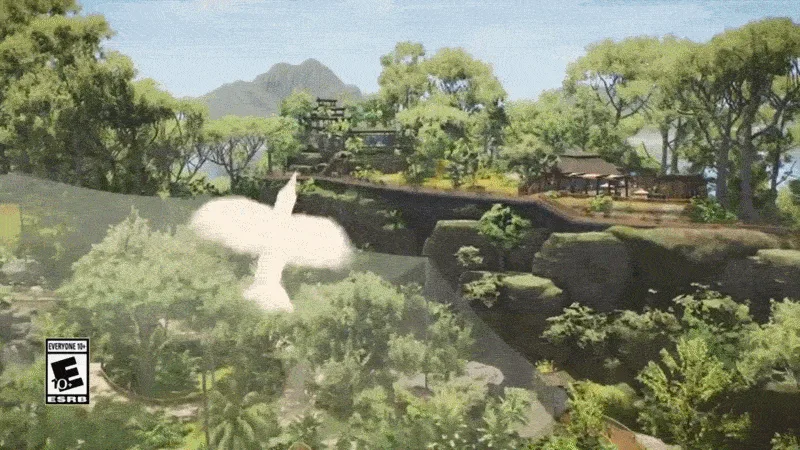
The Sumatra reserve demonstrates the restoration side of this system particularly clearly. Reporting based on Frontier’s reveal describes a rainforest environment damaged by mining, requiring players to rehabilitate the land before wildlife can be successfully reintroduced. Terrain, vegetation and environmental design therefore become functional parts of the conservation process rather than decoration alone. Frontier’s wider promotion of species such as the Sumatran tiger also reflects the sequel’s effort to connect animal design with real zoological and conservation themes. The core loop in this environment is straightforward: damaged habitat must be restored, the resulting environment must become suitable for wildlife, qualifying animals can then be released and their populations must continue to be observed as part of a living ecosystem.
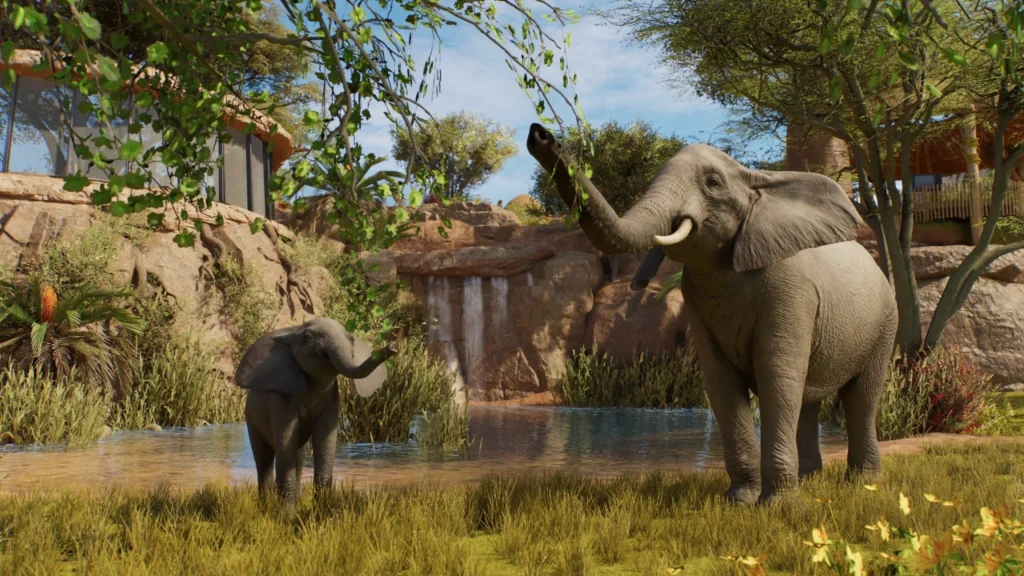
The Great Rift Valley grasslands provide a very different ecological setting and allow some of Planet Zoo 2’s expanded animal behaviours to become more visible. Frontier says animals can herd and graze on vegetation within their environments, mechanics that naturally become prominent in open grassland spaces. Sumatra and the Great Rift Valley should therefore be understood as examples of a broader global reserve framework rather than the only possible environments implied by the concept. Frontier describes Wildlife Reserves as existing across the globe and ties them into a worldwide Career network, but the supplied material does not establish the complete number of reserve regions that will be available at launch.
The reserve system also changes how reintroduction functions compared with a conventional zoo-management game. Breeding success inside a zoo can produce animals suitable for conservation projects, those projects create release opportunities, reserve restoration creates viable destinations and research tools allow players to observe the results afterwards. In many management games, releasing an animal to the wild ends the player’s interaction with it. Planet Zoo 2 instead keeps the wild destination inside the playable management structure, turning conservation into an ongoing gameplay state rather than a final button press.
Planet Zoo 2 Aquariums, Aviaries, New Animals and Habitat Features
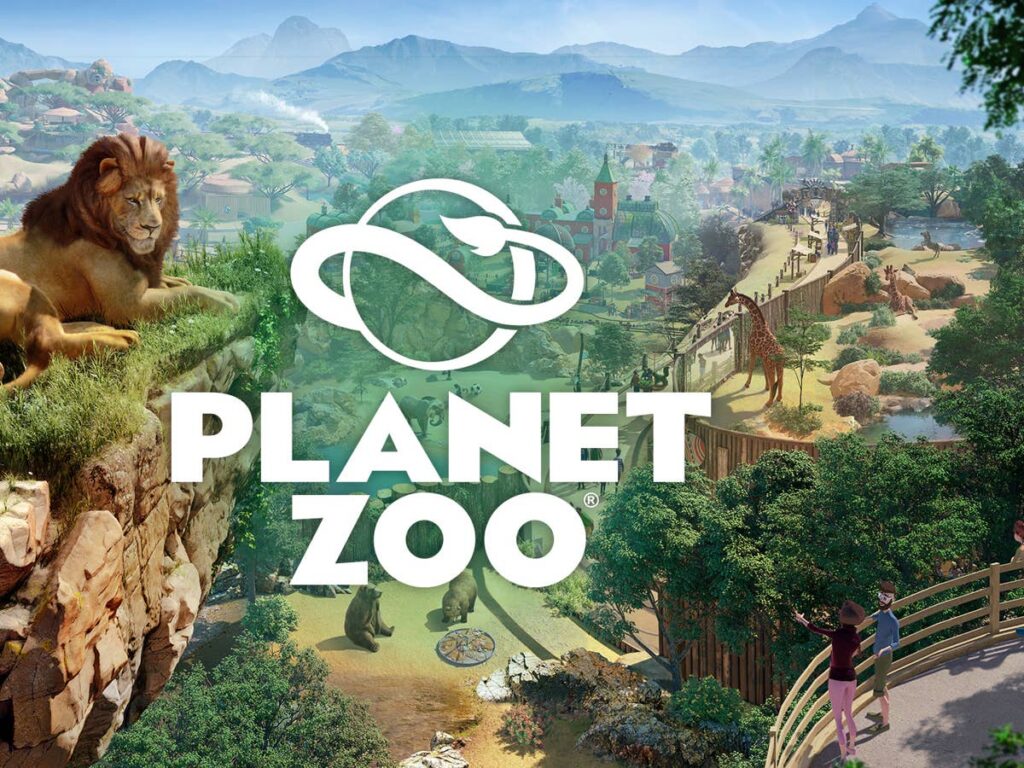
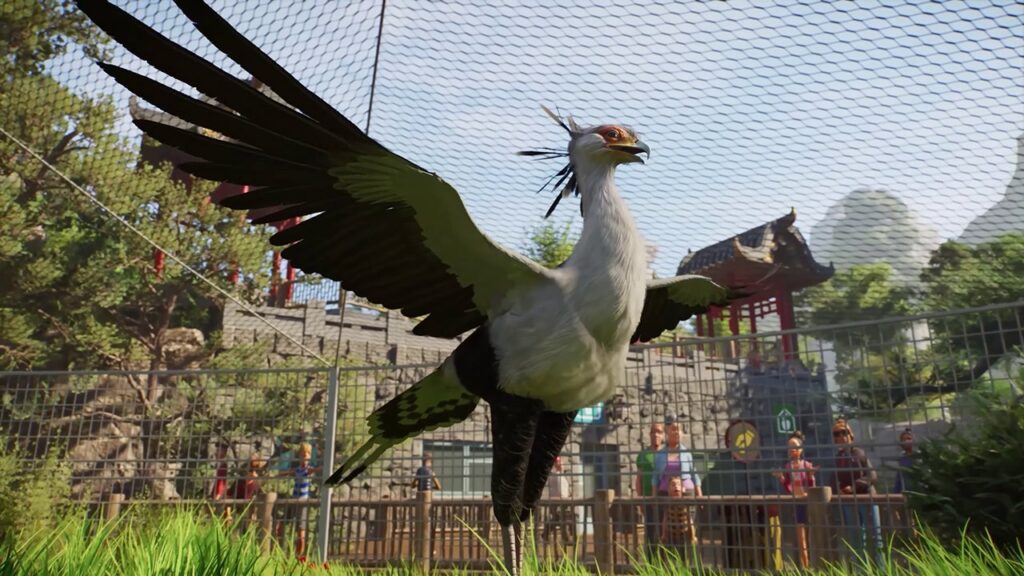
Planet Zoo 2 expands animal habitats in several major directions alongside Wildlife Reserves. Fully aquatic species appear for the first time, with players able to create freshwater and saltwater aquariums for animals including Blacktip Reef Sharks and Hawksbill Turtles. Early coverage has also highlighted aquatic species such as pufferfish and ocean sunfish. Fully flying birds receive dedicated support through customisable aviaries constructed with barriers, support poles and dynamic mesh covers, allowing species such as Toco Toucans and Secretarybirds to move both across the ground and through the air. Together, aquariums and aviaries represent a structural expansion of the kinds of animals and environments the series can support rather than simply adding more terrestrial species to familiar enclosure types.
Traditional habitats are being expanded at the same time. Frontier says animals can exhibit more authentic herding behaviour, graze directly on vegetation and move with improved natural animation, while construction receives new scaling, Flexi-Colour, pathing, foliage and terrain tools. Blueprints remain available for players who prefer premade structures, while the piece-by-piece building system continues to support detailed custom design. These tools also extend into Wildlife Reserves, where large-scale foliage and terrain brushes can reshape environments for restoration and ecosystem management rather than only guest-facing habitat design.
Frontier’s announced roster mixes returning favourites with species designed around the new systems. The Lion and Western Chimpanzee are among familiar animals named in the Steam description, while Blacktip Reef Sharks and Hawksbill Turtles represent the aquatic expansion and Toco Toucans and Secretarybirds demonstrate the aviary system. Frontier continues updating its public Zoopedia during development as a source for animal statistics, preferences and facts, while also warning that information can evolve before release. The most important change to the roster is therefore not simply how many species are included, but how many different types of habitat Planet Zoo 2 can now support through genuine aquariums, flying-bird aviaries and conservation-focused reserves.
These expanded animal systems also affect the broader management structure. Conventional zoo spaces still require players to attract visitors, improve ratings, earn money and provide amenities, while Wildlife Reserves redirect attention toward environmental quality, animal populations, biodiversity and conservation research. Planet Zoo 2 is therefore adding a second layer to the management simulation rather than replacing the original zoo-building formula. Players still create attractions and care for animals in managed facilities, but successful long-term animal management can now connect to restoration and reintroduction beyond the zoo gates.
Planet Zoo 2 Release Date, Platforms and PC and Console Features
Planet Zoo 2 is scheduled to launch on October 13, 2026 for PC, PlayStation 5 and Xbox Series X|S. Frontier’s official release announcement and Steam listing confirm the date, while Microsoft’s store confirms the Xbox Series X|S version and several console-specific capabilities. The supplied official material does not provide a universal worldwide launch hour, so October 13 is the confirmed timing without a precise global unlock time.
Steam’s approximate countdown should not be treated as equivalent to Frontier announcing a single launch hour for every region and platform, and storefront availability can vary according to regional policies. For players in Nigeria, the confirmed information is therefore the October 13 calendar date rather than a specific West Africa Time unlock hour.
Microsoft currently provides the most detailed console feature listing. The Xbox store identifies Planet Zoo 2 as optimised for Xbox Series X|S and lists 4K Ultra HD, HDR10, ray tracing, single-player support, console keyboard-and-mouse support, PC gamepad support and Xbox Play Anywhere. Xbox Play Anywhere is particularly relevant for players moving between compatible Xbox Series hardware and Windows PC because Microsoft lists the game across both parts of that ecosystem. PlayStation 5 is equally confirmed as a launch platform, but the supplied official material does not provide an equivalent detailed PS5 specification sheet with final resolution or frame-rate targets, so unsupported claims about particular PS5 graphics modes should remain unconfirmed.
The PC release launches on the same October 13 date and Steam already provides detailed system requirements. Minimum specifications call for 64-bit Windows 10 or 11, an Intel Core i7-8700K or AMD Ryzen 5 3600, 16 GB of RAM and either an Nvidia GeForce RTX 2060 with 6 GB VRAM, AMD Radeon RX 5600 XT with 6 GB VRAM or Intel Arc A750 with 8 GB VRAM. DirectX 12 and 40 GB of available storage are required, with an SSD recommended.
Recommended specifications move to Windows 11, an Intel Core i7-10700K or AMD Ryzen 7 5800X, 16 GB RAM and either an RTX 3070 with 8 GB VRAM, Radeon RX 6700 XT with 12 GB VRAM or Intel Arc A770 with 16 GB VRAM. DirectX 12 and 40 GB of storage remain listed, while an SSD becomes a requirement. Steam also lists achievements, Steam Cloud, HDR support, Family Sharing and Denuvo Anti-tamper, while Frontier notes that Microsoft has ended Windows 10 support and cannot guarantee indefinite compatibility.
The confirmed launch platforms are therefore PC, PS5 and Xbox Series X|S. No Nintendo Switch or Nintendo Switch 2 version appears in Frontier’s cited launch announcement, so it would be inaccurate to include either Nintendo system in the October 13 lineup without a later announcement. Frontier Workshop supports community-created content across platforms, with players able to browse and download community creations and use subscribed blueprints in their zoos. Core features including aquariums, aviaries, expanded construction tools and Wildlife Reserves are presented by Frontier as fundamental parts of Planet Zoo 2 rather than PC-exclusive additions.
Planet Zoo 2 October 2026 Launch Content, Modes and What Wildlife Reserves Add
Planet Zoo 2’s October 13, 2026 launch combines several major systems that distinguish the sequel from the original. Wildlife Reserves extend conservation beyond traditional park boundaries, dedicated aquariums introduce fully aquatic species, customisable aviaries support genuine flying birds and expanded animal behaviour gives terrestrial species more natural herding and grazing interactions. Construction also receives wider scaling, colour, pathing, foliage and terrain controls, allowing the same creative tools to serve both guest-focused zoos and large ecological restoration projects. Frontier presents these systems as parts of one management framework rather than separate modes with no connection to one another.
Career mode uses the Fauna and Ecosystems Network to connect a worldwide collection of zoos and Wildlife Reserves. Franchise mode continues the multiplayer-facing animal-trading structure, while Sandbox mode supports unrestricted creative building. The Wildlife Reserve loop gives Career management a broader purpose because successful captive breeding can feed into conservation projects and reintroduction, while biodiversity, research and accreditation provide additional objectives once animals are living outside conventional exhibits. That relationship changes the meaning of animal release from a simple final statistic into a continuing management responsibility.
Steam lists both Standard and Deluxe versions of the game. The Deluxe Edition adds six animal species and exclusive animal signs, while pre-purchase material describes a Bonus Content Pack containing a Toucan Eat shop and signage, three unique animal donation bins and a tiger photo stand-in wall. Those extras sit alongside the base game’s major systems rather than altering the fundamental reserve, aquarium, aviary or zoo-management structure.
Wildlife Reserves may ultimately be the feature that most clearly changes Planet Zoo 2 conceptually. Aquariums and aviaries greatly expand what players can construct, but reserves expand what successful animal management can lead to. Animals raised through zoo breeding programmes can become part of conservation projects, move into restored environments and continue to exist within playable ecosystems where biodiversity and monitoring still matter. Frontier’s design therefore connects zoo management, habitat restoration, reintroduction and long-term observation into one broader conservation loop, making the sequel about more than building a larger attraction.
Frequently Asked Questions (FAQs)
- When is Planet Zoo 2 coming out?
Planet Zoo 2 is scheduled to release on October 13, 2026. Frontier’s official announcement, the Steam store page and Microsoft’s Xbox store all confirm that date. The game is planned as a simultaneous launch across its announced PC and current-generation console platforms, so October 13 is the key date currently supported by the published materials. - What platforms will Planet Zoo 2 release on?
The confirmed launch platforms are PC, PlayStation 5 and Xbox Series X|S. Frontier names all three in its official release information, while Steam and Microsoft provide the corresponding PC and Xbox store listings. No Nintendo Switch or Nintendo Switch 2 version is included in the currently confirmed October 13 launch lineup, so a Nintendo release should not be assumed without a separate announcement. - What are Wildlife Reserves in Planet Zoo 2?
Wildlife Reserves are large, customisable natural environments that extend animal management beyond traditional zoo habitats. Players can complete conservation projects, meet the required release conditions and move qualifying animals into these reserves, where the focus shifts toward maintaining functioning ecosystems rather than building primarily for visitors. Frontier describes them as living environments that players can shape, restore and continue managing after animals are reintroduced. - Which Nature Reserves have been shown for Planet Zoo 2?
The September Wildlife Reserves reveal highlighted two contrasting settings: a rainforest environment associated with Sumatra and grasslands based around Africa’s Great Rift Valley. Sumatra demonstrates the restoration side of the system, including rehabilitating damaged habitat before reintroducing animals, while the Great Rift Valley provides a more open environment suited to features such as herding and grazing. These examples show the intended variety of reserve design, but the supplied material does not establish the complete number of regions available at launch. - Can animals from your zoo be released into Wildlife Reserves?
Yes. Frontier says players can satisfy conservation requirements and reintroduce qualifying animals from their wider management network into customisable Wildlife Reserves. This creates a direct connection between successful zoo breeding programmes and reserve management, because releasing an animal no longer necessarily removes it from the playable experience. Once transferred, the animal becomes part of a reserve ecosystem that the player can continue to monitor and manage. - How do players monitor animals in Planet Zoo 2 Nature Reserves?
Coverage of Frontier’s Wildlife Reserves Feature Focus identifies camera traps and acoustic monitors as parts of the reserve research network. These tools allow players to observe wildlife after reintroduction without turning every reserve into a conventional zoo enclosure built around direct visitor viewing. Monitoring therefore becomes part of the management loop alongside habitat restoration, biodiversity and animal release. - Does biodiversity matter in Planet Zoo 2 Wildlife Reserves?
Yes. The Wildlife Reserves presentation has been reported as linking biodiversity to accreditation ratings, meaning ecological variety has a practical gameplay purpose rather than serving only as visual decoration. Better accreditation can provide benefits such as additional animal-storage capacity, so maintaining a healthier and more diverse reserve can improve the player’s broader management network as well as the reserve itself. - Does Planet Zoo 2 have aquariums and fully flying birds?
Yes. Frontier confirms freshwater and saltwater aquariums designed for fully aquatic species, along with customisable aviaries that support genuinely flying birds. Officially named examples include Blacktip Reef Sharks and Hawksbill Turtles for aquatic environments, and Toco Toucans and Secretarybirds for aviaries. These additions substantially expand the types of habitats the sequel can support compared with the more land-focused structure of the original game. - What are the Planet Zoo 2 PC system requirements?
Steam lists Windows 10 or 11 64-bit, an Intel Core i7-8700K or AMD Ryzen 5 3600, 16 GB of RAM and either an RTX 2060, RX 5600 XT or Intel Arc A750 as minimum-class hardware. The recommended tier raises the processor target to an Intel Core i7-10700K or Ryzen 7 5800X and the graphics requirement to an RTX 3070, RX 6700 XT or Intel Arc A770. Both tiers require DirectX 12 and 40 GB of available storage, while an SSD is recommended for minimum specifications and required for the recommended setup. - What time will Planet Zoo 2 launch on October 13?
The October 13, 2026 release date is officially confirmed, but the authoritative Frontier, Steam and Xbox materials examined as of September 22 do not provide one definitive worldwide launch hour that applies to every platform and region. Store availability can vary according to regional timing and platform policies, so a specific midnight or local-time unlock should not be presented as confirmed yet. The safest information to use is the October 13 calendar date until Frontier or the relevant storefront publishes a precise release time.
Conclusion
Planet Zoo 2 Nature Reserves represent a significant expansion of Frontier Developments’ conservation gameplay. Rather than making the zoo the beginning and end of animal management, the sequel creates a connected system in which breeding, welfare and conservation projects can lead to wildlife reintroduction in playable natural environments. Frontier describes these areas as expansive, customisable living ecosystems and integrates them into the wider Career-mode network of zoos and reserves.
The Sumatra rainforest and Great Rift Valley grasslands demonstrate how that concept can operate across radically different landscapes. Sumatra highlights environmental restoration in a damaged forest environment, while the Great Rift Valley provides an open grassland context particularly compatible with the sequel’s expanded herd and grazing behaviours.
Research and monitoring prevent reintroduction from becoming a simple final menu action. Camera traps, acoustic monitoring, biodiversity and accreditation help keep Wildlife Reserves connected to ongoing management and progression.
At the same time, Planet Zoo 2 expands the traditional zoo itself. Aquariums introduce fully aquatic species, aviaries support fully flying birds, animal animations and behaviours have been enhanced, and new terrain, foliage, scaling and path tools broaden construction.
The game is scheduled to launch on October 13, 2026 for PC, PS5 and Xbox Series X|S. The exact worldwide launch hour has not been clearly confirmed in the authoritative sources examined, but the release date and platform line-up are established.
Taken together, the Wildlife Reserves system gives Planet Zoo 2 a larger conservation arc than a conventional sequel focused only on more animals and better construction tools. Players are being asked not only to design places where people can observe wildlife, but also to restore environments, establish viable ecological conditions, release animals and continue studying them after they leave the zoo.
Sources and Citations
- Frontier Developments, September 3, 2026 : The official Wildlife Reserves feature introduces natural environments that players can design, restore, and observe. Its companion article explains releasing zoo animals into these habitats, supporting breeding populations, and developing ecosystems as part of the game’s conservation systems. Feature Focus: Wildlife Reserves
Planet Zoo 2 Feature Focus: Wildlife Reserves · Creature Feature: Wildlife Reserves - Frontier Developments, official Zoopedia and animal announcements : The official Zoopedia provides a direct reference for Planet Zoo 2’s animal species, statistics, preferences, and accompanying facts. The game’s Steam announcement archive collects Zoopedia updates, species reveals, animal spotlights, and subsequent changes to the game. planetzoogame.com
Planet Zoo 2 Official Zoopedia · Official Announcements and Animal Reveals - Frontier Developments, September 18, 2026 : This Keeper Talks announcement introduces an interview with Jack Cunningham, a carnivore keeper at Chester Zoo. The discussion focuses on Sumatran tigers and their habitat, providing practical inspiration for players designing animal habitats in Planet Zoo 2. Steam News
Planet Zoo 2 Keeper Talks: Sumatran Tiger - GamesRadar+, June 8, 2026 : Sam Loveridge’s preview includes an interview with game director Gareth Hughes about clearer animal welfare feedback, expressive behaviour, customizable aquariums and aviaries, and approachable building tools. It also explains how wildlife reserves connect conservation work with the wider campaign. gamesradar.com
Planet Zoo 2 Developer Interview: Approachability, Animal Improvements, and New Habitats - PC Gamer, June 7, 2026 : Issy van der Velde reports on the gameplay trailer shown at the PC Gaming Show, covering freshwater and saltwater aquariums, aviaries, animal enrichment, maintenance, and welfare requirements. The article also discusses releasing animals into reserves as part of the conservation features. pcgamer.com
Planet Zoo 2’s Gameplay Reveal Shows How to Manage the New Aquariums and Aviaries - Simulation Daily, September 3, 2026 : Rebecca Stone summarizes Frontier’s Wildlife Reserves presentation, including restoring the Sumatran Rainforest, establishing research facilities, and releasing animals from zoos. It also covers camera traps, acoustic monitoring, biodiversity, and accreditation rewards, including additional animal storage slots. simulationdaily.com
Planet Zoo 2’s Latest Feature Focus Dives Deeper Into Wildlife Reserves - Xbox Wire, May 28, 2026 : Frontier game director Gareth Hughes explains the announcement trailer’s animal behaviour improvements, visible welfare cues, aquatic species, and customizable aviaries. His developer commentary also introduces Wildlife Reserves, conservation projects, habitat design, and the relationship between animal welfare and zoo management. XBOX Wire
A Deeper Look Inside Planet Zoo 2’s Announce Trailer
Recommendations
- Lenovo Warns RAM Prices May Never Return to Normal
- The Blood of Dawnwalker Will Be Fully Stored on Disc: Physical Edition and Offline Play Explained
- Zavvi Enters Administration: What Happens to Customer Orders?
- Mistfall Hunter Surpasses 100,000 Players in Just 8 Hours
- Hope Review: Plot, Cast, Ending Notes, and Is It Worth Watching
- Castlevania: Belmont’s Curse Is Not a Roguelike, Konami Confirms
- MIDSUMMER NIGHT’S SCREAM: A Horror Game Awards Showcase 2026 – Full Trailer Breakdown, Announcements, and Everything Revealed
- Bloodmoored Announced for PC: First-Person Psychological Horror Game Set in an Abandoned Factory
- Backrooms Director Already Planning Sequel While Searching for New Screenwriter
- Whispers of the Tallgrass, a Creepy First-Person Survival Horror Game, Announced for PC — Everything We Know



































































































