





In This Article (8 sections)
Why Christopher Nolan’s The Odyssey Became a Hollywood Success Story and What the Industry Can Learn
Christopher Nolan’s The Odyssey represents far more than another ambitious literary adaptation. It has become one of the clearest demonstrations that audiences remain eager to support large-scale, filmmaker-driven cinematic experiences when studios invest in quality, originality, and theatrical presentation. At a time when Hollywood continues to rely heavily on sequels, cinematic universes, and recognizable intellectual property, The Odyssey has reignited conversations about what truly motivates people to visit theaters.
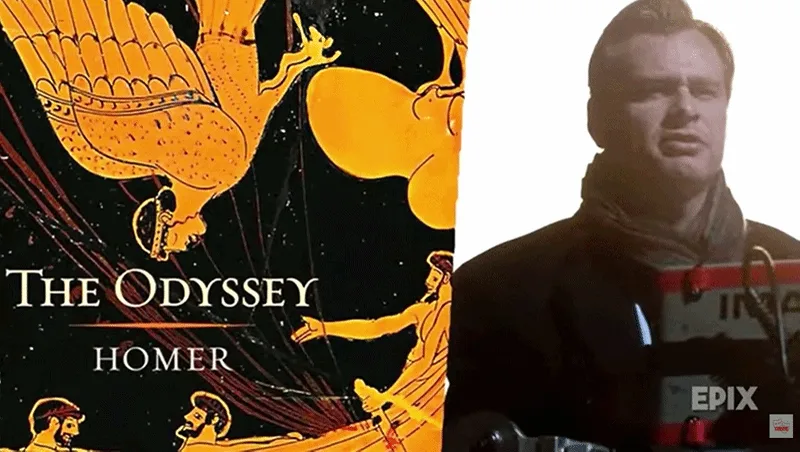
The film became a Hollywood success story because it united several elements that rarely come together in modern blockbuster filmmaking. It combined globally recognized source material, one of the industry’s most respected directors, cutting-edge filmmaking technology, practical production methods, and a marketing strategy built around mystery rather than overexposure. Instead of treating Homer’s ancient epic as a story that required endless modernization, Nolan embraced its scale, mythology, emotional complexity, and human drama. Massive practical sets, large-scale location shooting, authentic costumes, immersive IMAX photography, and practical filmmaking techniques made the ancient world feel tangible while positioning the film as a theatrical event audiences wanted to experience on the biggest screen possible.
Unlike many franchise entries that rely heavily on previous installments, The Odyssey welcomed both longtime fans of Greek mythology and newcomers unfamiliar with Homer’s poem. Its universal themes of perseverance, family, sacrifice, survival, temptation, and redemption resonate across cultures and generations. The film also benefited from Christopher Nolan’s reputation, as audiences increasingly associate his name with cinematic quality and trust his projects based on the filmmaker rather than the intellectual property alone.
One of Nolan’s greatest achievements was proving that ancient literature can still function as mainstream blockbuster entertainment. Rather than dramatically rewriting the source material for contemporary audiences, he preserved its mythological identity while presenting it through modern cinematic techniques. The result balanced historical authenticity with modern pacing, allowing audiences to experience Homer’s journey through the language of contemporary filmmaking without sacrificing the spirit of the original work.
The film also reinforces lessons Hollywood can learn from Nolan’s filmmaking philosophy. His films rarely depend on excessive exposition or simplified storytelling. Instead, they encourage audiences to pay attention, engage with complex ideas, and continue discussing the story long after leaving the theater. While Hollywood often assumes blockbusters must simplify narratives to maximize appeal, Nolan repeatedly demonstrates that viewers appreciate stories that trust them to interpret symbolism, character motivations, and thematic depth. Studios should recognize that creative ambition is not a commercial liability but, when executed effectively, can become one of a film’s strongest selling points.
The Odyssey further highlights that filmmaker-driven event films remain highly attractive despite the industry’s continued focus on established franchises. Many moviegoers increasingly seek theatrical experiences that feel unique rather than interchangeable. Director-led productions often stand out through distinctive visual identities, memorable storytelling styles, and stronger artistic personalities than committee-designed franchise entries. By combining originality, cinematic spectacle, and confidence in its audience, The Odyssey demonstrates that people are still willing to support films that offer an experience difficult to replicate through streaming or formulaic blockbuster filmmaking.

How The Odyssey Used IMAX, Practical Filmmaking, and Runtime to Redefine the Theatrical Experience
Many modern productions advertise IMAX compatibility while treating the format primarily as a promotional label. The Odyssey approached IMAX differently. Nolan has long designed his films around large-format photography rather than adapting them afterward. Every major action sequence, expansive landscape, and carefully composed frame was intended to maximize the immersive capabilities of premium theaters.
This approach transformed IMAX into an essential storytelling tool rather than an optional viewing upgrade. The increased image quality, scale, and visual clarity became integral parts of the audience experience. The lesson for Hollywood is clear: premium formats create greater value when filmmakers genuinely design movies around them instead of simply releasing them in multiple formats.
The film also highlights why practical filmmaking still matters. Practical effects continue delivering realism that computer-generated imagery often struggles to reproduce. Large physical sets, real costumes, location photography, practical stunts, and authentic lighting create subtle visual details that audiences instinctively recognize.
Nolan has consistently emphasized capturing as much as possible in-camera before relying on digital enhancements. This philosophy gives environments greater physical presence while allowing actors to interact with real surroundings. Practical filmmaking also contributes to stronger performances because performers respond naturally to tangible environments rather than empty green-screen stages.
While CGI remains indispensable for many productions, The Odyssey demonstrates that practical craftsmanship continues providing artistic and commercial advantages. The film also reinforces that long movies can still succeed in theaters. Hollywood frequently debates whether lengthy runtimes discourage audiences, but recent years suggest the opposite.
When viewers believe a film offers a compelling experience, runtime becomes a secondary consideration. Several of the most successful theatrical releases of the past decade have exceeded three hours. The Odyssey reinforces this trend by allowing its narrative sufficient time to develop characters, relationships, mythology, and emotional stakes without rushing major events.
Audiences generally object less to long films than to poorly paced ones. Strong storytelling keeps viewers engaged regardless of runtime, meaning studios should focus more on narrative quality than arbitrary time limits.

Lessons Hollywood Can Learn From The Success of The Odyssey
Many successful films emerge because studios allow talented directors to fully realize their creative vision. Creative consistency becomes difficult when multiple executives continuously reshape projects through excessive oversight. Christopher Nolan has earned substantial creative freedom because of his proven track record, but his success also demonstrates why trusting experienced filmmakers often leads to stronger artistic and commercial outcomes. Creative control encourages originality, cohesive storytelling, and consistent visual direction. Hollywood should view directors as creative partners rather than simply project managers responsible for executing studio mandates.
Premium theatrical experiences have become increasingly important within modern box office economics. Formats such as IMAX, Dolby Cinema, and other large-format presentations generate higher ticket prices while offering audiences meaningful visual and audio improvements. When filmmakers intentionally create movies worthy of premium exhibition, audiences often choose those formats despite higher costs. The Odyssey reinforces that theatrical differentiation matters. Streaming offers convenience, but premium theaters provide experiences that cannot be duplicated at home. Studios should continue investing in productions specifically designed for large-format exhibition instead of treating premium formats as secondary revenue opportunities.
One of the film’s greatest marketing strengths was restraint. Rather than revealing extensive plot details through numerous trailers, the campaign emphasized mystery, scale, atmosphere, and visual spectacle. Marketing focused on the emotional journey, legendary source material, practical filmmaking, and Nolan’s reputation instead of explaining every narrative twist. This strategy encouraged speculation across social media while preserving major surprises for theatrical audiences. Anticipation became part of the entertainment itself. Hollywood can benefit from recognizing that revealing less often generates greater excitement than revealing everything months before release.
Many blockbuster strategies prioritize broad accessibility by simplifying themes, dialogue, and storytelling. Yet adult audiences consistently demonstrate demand for sophisticated entertainment. Films exploring history, philosophy, mythology, science, politics, or psychological complexity frequently succeed when supported by compelling storytelling. The Odyssey treats viewers as thoughtful participants capable of engaging with layered narratives rather than passive consumers requiring constant explanation. Hollywood should invest more confidently in mature storytelling that challenges audiences intellectually while remaining emotionally engaging.
The global success of epic storytelling demonstrates that powerful narratives transcend language, geography, and culture. Homer’s story has influenced literature for thousands of years because its central themes remain universally recognizable. Every culture understands perseverance against overwhelming odds, loyalty to family, leadership, temptation, sacrifice, and the desire to return home. Nolan’s adaptation reinforces that globally successful films do not always require contemporary settings or franchise branding. Universal human experiences remain the strongest foundation for worldwide appeal. This lesson becomes increasingly valuable as international markets continue contributing significant portions of theatrical revenue.
What Hollywood Should Learn From The Odyssey About Franchises and Original Filmmaking
Franchises remain valuable to Hollywood, but excessive dependence on recognizable properties can create creative stagnation. Studios increasingly prioritize established brands because they appear financially predictable, yet audiences eventually become fatigued when too many productions follow identical formulas. At the same time, original ideas receive fewer opportunities, reducing variety across theatrical releases. The Odyssey demonstrates that audiences still support ambitious standalone storytelling when filmmakers deliver genuine spectacle, emotional depth, artistic confidence, and a compelling reason to experience a movie in theaters.
Creating a cultural movie event requires more than an expensive marketing campaign. Studios must identify projects with genuine artistic ambition, experienced creative leadership, strong production values, and broad emotional appeal. Marketing should build curiosity rather than overwhelm audiences through oversaturation, while the theatrical presentation should feel like an essential part of the experience instead of merely one distribution option. Filmmakers must also receive sufficient creative freedom to produce distinctive works capable of generating conversation long after their release.
Studios should embrace patience because cultural phenomena rarely emerge from rushed production schedules or algorithm-driven decision-making. Hollywood must balance its franchise investments with greater support for original, filmmaker-driven projects capable of becoming tomorrow’s classics. The biggest lesson from The Odyssey is surprisingly straightforward: audiences continue to reward excellence. People will purchase theater tickets, pay for premium-format upgrades, and return for repeat viewings when they believe a film offers something extraordinary.
Originality, craftsmanship, practical filmmaking, creative vision, intelligent storytelling, and theatrical spectacle remain commercially valuable. Rather than assuming that streaming convenience has permanently reduced theatrical demand, Hollywood should recognize that audiences still crave unforgettable cinematic experiences. The Odyssey proves that ambitious filmmaking remains one of the industry’s strongest competitive advantages.

Frequently Asked Question ( FAQ )
- Why is Christopher Nolan’s The Odyssey considered important for Hollywood?
Christopher Nolan’s The Odyssey is considered important because it shows that large-scale, filmmaker-driven theatrical movies can still generate massive global interest without depending entirely on established franchises. The film represents the possibility that audiences are still willing to support original cinematic experiences when they offer strong storytelling, a unique creative vision, and a reason to experience them in theaters. - Why does practical filmmaking remain valuable today?
Practical filmmaking remains valuable because real sets, physical locations, costumes, and in-camera effects can create a stronger sense of realism and authenticity. These methods can also help actors perform more naturally by giving them actual environments to interact with, while often creating visuals that continue to feel believable even years after release. - Can long movies still succeed at the box office?
Yes, long movies can still succeed when they provide engaging storytelling and maintain strong pacing. A film’s runtime is not necessarily what determines its success; audiences are more likely to respond positively when a longer movie uses its additional time effectively to develop its story, characters, and world. - Why are premium formats like IMAX important?
Premium formats like IMAX are important because they provide a more immersive theatrical experience through larger images, improved visual quality, and powerful sound. These features give audiences a reason to watch films in cinemas rather than waiting to view them at home, making theatrical experiences feel more valuable. - Does The Odyssey rely heavily on CGI?
While The Odyssey uses digital effects where needed, Christopher Nolan’s approach places a strong focus on practical production whenever possible. Using real locations, physical effects, and traditional filmmaking techniques helps create a more grounded and realistic style while using CGI as a supporting tool rather than the entire foundation of the film. - Why do audiences trust Christopher Nolan’s films?
Audiences trust Christopher Nolan’s films because he has built a reputation for creating ambitious stories, pushing technical boundaries, and delivering consistently high-quality movies. His commitment to complex storytelling and treating viewers as intelligent has helped create strong confidence among moviegoers. - What makes The Odyssey different from many modern blockbusters?
The Odyssey stands apart because it focuses on epic storytelling, practical filmmaking, emotional depth, and a strong directorial vision. Instead of relying mainly on recognizable franchises or existing characters, the film emphasizes the experience of cinema itself and the creative choices of its filmmaker. - Why is franchise dependence becoming a concern for Hollywood?
Franchise dependence has become a concern because relying too heavily on existing intellectual properties can make Hollywood less willing to take creative risks. It can also lead to audiences feeling tired of repeated formulas, making original ideas and new cinematic experiences more difficult to develop. - What marketing lesson does The Odyssey provide?
The Odyssey shows that creating mystery and anticipation can be an effective marketing strategy. By revealing limited information and allowing audiences to become curious about the film, studios can build excitement and encourage people to discover the experience themselves rather than knowing the entire story before release. - What is the film’s biggest lesson for movie studios?
The film’s biggest lesson for movie studios is that audiences still value ambitious, original, and carefully crafted theatrical experiences. Success does not always require relying on franchises; investing in strong filmmakers, unique ideas, and memorable cinema can still attract large audiences. should prioritize exceptional filmmaking, creative freedom, theatrical spectacle, and intelligent storytelling because audiences continue rewarding genuinely outstanding cinematic experiences.

Conclusion
Christopher Nolan’s The Odyssey arrives at a pivotal moment for Hollywood. As the industry continues balancing theatrical releases with streaming platforms, franchise filmmaking, and changing audience expectations, the film serves as a reminder that cinematic ambition still matters. Its emphasis on practical craftsmanship, immersive IMAX presentation, creative freedom, intelligent storytelling, and respect for classic source material demonstrates that audiences remain eager to support films that feel genuinely special.
Rather than viewing The Odyssey as an isolated success, Hollywood should treat it as evidence that filmmaker-driven event cinema remains one of the industry’s greatest strengths. By trusting visionary directors, investing in premium theatrical experiences, reducing overreliance on established franchises, and delivering stories that challenge and inspire audiences, studios can create the next generation of cultural movie events that define modern cinema.
Sources and Citations
- Christopher Nolan interviews discussing IMAX filmmaking and practical effects
- Los Angeles Times – Christopher Nolan Explains How He Made The Odyssey
https://www.latimes.com/entertainment-arts/movies/story/2026-07-07/christopher-nolan-explains-how-he-made-the-odyssey-interview - NBCUniversal – Go Behind the Scenes of Christopher Nolan’s The Odyssey
https://www.nbcuniversal.com/article/go-behind-scenes-christopher-nolans-odyssey - Rolling Stone UK – Christopher Nolan Interview on The Odyssey
https://www.rollingstone.co.uk/film/the-odyssey-interview-christopher-nolan-elliot-page-cyclops-62757/
- Los Angeles Times – Christopher Nolan Explains How He Made The Odyssey
- Universal Pictures promotional materials for The Odyssey
- Official Website
https://www.theodysseymovie.com/ - Universal Pictures – The Odyssey
https://www.universalpictures.com/movies/the-odyssey
- Official Website
- Homer – The Odyssey (academic translations and editions)
- Perseus Digital Library (Greek text & English translation)
https://www.perseus.tufts.edu/hopper/text?doc=Homer%2C+Odyssey - Oxford World’s Classics Edition
https://global.oup.com/academic/product/the-odyssey-9780199536788 - Penguin Classics Edition (Emily Wilson Translation)
https://www.penguinrandomhouse.com/books/550867/the-odyssey-by-homer-translated-by-emily-wilson/
- Perseus Digital Library (Greek text & English translation)
- IMAX Corporation materials on large-format filmmaking
- IMAX Technology
https://www.imax.com/technology - IMAX Newsroom – The Odyssey IMAX Opening
https://investors.imax.com/news-releases/news-release-details/christopher-nolans-odyssey-delivers-record-breaking-52-million
- IMAX Technology
- Variety – Industry analysis
- The Hollywood Reporter – Industry reporting
- Box Office Mojo – Box office reporting
- Deadline Hollywood – Film industry analysis
- Empire Magazine – Interviews and production coverage
- Total Film Magazine – Production reporting
Recommended
- Stupid Never Dies Preview: Why This Outrageous Action RPG With Heart Could Be a 2026 Sleeper Hit
- The Wolf Among Us 2 Isn’t Dead, But the Telltale Engine Is Holding It Back – Full Development Update & Release News
- How to Retarget Any Animation in Unreal Engine: Mixamo, CC3, Daz3D, and Metahuman Workflow Guide
- OpenAI Has Acquired Hiro Finance: Its Second Startup in a Month — What We Know
- My Adventures with Superman Season 3 Review: Reign of the Supermen, Supergirl’s Rise, and DC’s Most Ambitious Animated Chapter Yet
- Gears of War: E-Day – Everything We Know About the Upcoming Shooter (2026 Release Window, Trailer, Story & Platforms)
- Dead By Daylight Anime Is Reportedly On The Way: What We Know About the Animated Series
- Overwatch Fans Push Back Against Expensive New Ultra Skins
- Road To Empress 2 Chapter 1 Walkthrough: Choices, Endings, and Routes
- Switch 2 and PS5 Versions of Mewgenics Teased by Developers: Release Date, Gameplay, and Console Plans Explained



































































































