




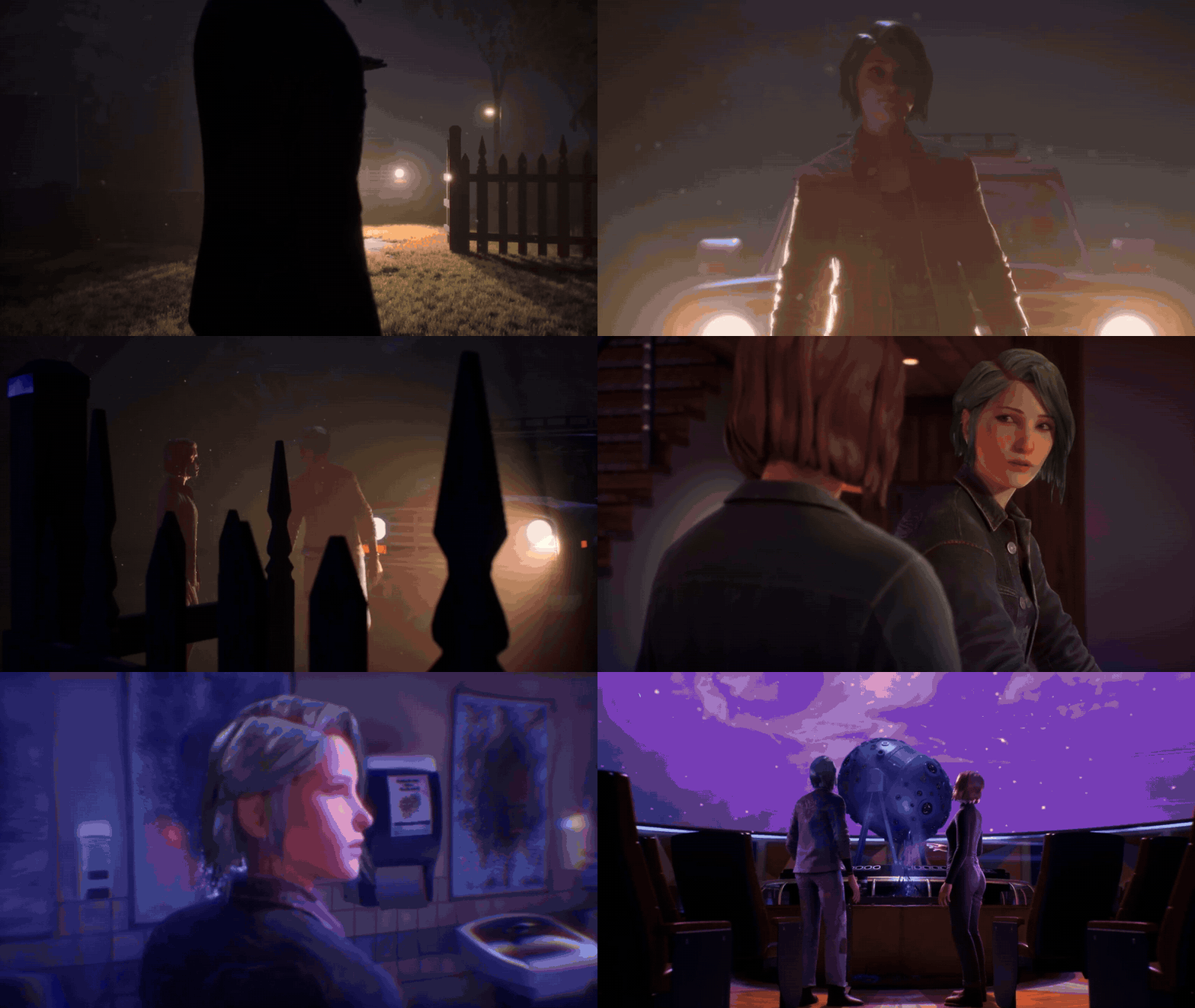

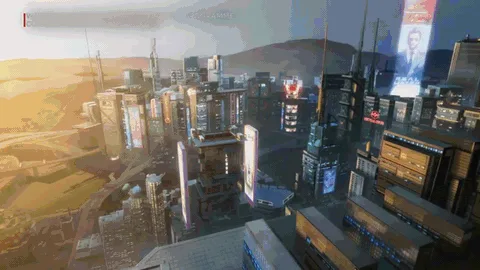
Cyberpunk: Edgerunners II returns to Night City with a new cast, a different director, and a broader approach to storytelling. Rather than continuing David Martinez’s journey, the standalone follow-up explores characters whose lives intersect through revenge, damaged reputations, corporate influence, and the struggle to maintain control over their bodies. Netflix has scheduled the series to premiere on October 20, 2026, introducing another perspective on the world established by the original anime.
The sequel retains the dystopian setting associated with Cyberpunk while shifting its narrative attention toward individuals with different relationships to power, technology, and personal history. This change creates opportunities to explore aspects of Night City that would not have fit naturally into David’s original storyline, although it also introduces questions about whether a broader ensemble can deliver the same emotional intensity as a more concentrated character-driven narrative.
Based on confirmed production information and published advance reviews available on October 19, 2026, Cyberpunk: Edgerunners II appears to be an ambitious follow-up with considerable visual appeal and a more expansive storytelling structure. This spoiler-free assessment draws on those available sources rather than firsthand viewing of the complete series. The early critical reception suggests that the anime preserves important qualities associated with its predecessor, particularly its striking animation, atmospheric presentation, and emotionally charged subject matter.
However, reviewers disagree about whether its expanded cast and interconnected storylines achieve the same narrative focus that helped make the original memorable. That disagreement is important because a sequel can retain familiar creative strengths while changing the way those elements contribute to the overall experience. The central question is whether Night City remains emotionally compelling when the story moves beyond one protagonist’s personal journey and distributes its attention across several characters.
The Ensemble Debate and Early Critical Response
The strongest argument in favor of Cyberpunk: Edgerunners II is its willingness to explore the setting from a different perspective rather than simply repeating the original series’ narrative structure. Its characters bring distinct experiences and motivations into a world shaped by corporate power, technological dependence, personal conflict, and the consequences of seeking control over one’s identity. Their intersecting stories provide opportunities to examine how different individuals respond to the pressures of Night City, potentially expanding the audience’s understanding of the setting beyond the experiences of David Martinez.
This broader approach can make the fictional world feel more substantial by demonstrating that its conflicts extend beyond one person’s ambitions and relationships. However, an ensemble-driven narrative also creates additional storytelling challenges because each character requires sufficient development, meaningful motivations, and a clear connection to the larger plot. When attention is divided among several perspectives, maintaining emotional continuity becomes more difficult than following a single central protagonist.
Advance reviews reflect both the promise and the potential limitations of this approach. CGMagazine awarded Cyberpunk: Edgerunners II a score of 10/10, praising its emotional storytelling and visual achievements. GamesRadar+ also recommended the anime but identified weaknesses in how effectively the ensemble comes together, suggesting that its expanded character structure may not always feel equally cohesive.
Kotaku offered a substantially more critical assessment, questioning the sequel’s narrative focus. These differing reactions indicate that the series has generated considerable appreciation for its creative ambition while leaving some reviewers unconvinced by its storytelling organization. The positive responses suggest that its animation, atmosphere, and emotional themes remain major strengths, while the more critical assessments highlight the difficulty of balancing multiple storylines without weakening the audience’s connection to individual characters.
Audience Expectations and Preliminary Verdicts
These differences in reception also demonstrate why expectations are likely to influence how viewers respond to the sequel. Audiences hoping for a narrative that closely reproduces the original’s emotional structure may find the expanded ensemble less immediately engaging, particularly if they preferred following one character’s experiences through a clearly defined central storyline. Conversely, viewers interested in exploring more of Night City’s society and encountering characters with competing motivations may appreciate the wider perspective.
Neither preference automatically determines the quality of the series, since the effectiveness of its approach depends on how convincingly the characters, conflicts, and themes develop together. The sequel’s decision to move beyond David Martinez’s journey creates opportunities for a different kind of storytelling, but it also means that comparisons with the original should account for the distinct narrative objectives of each production.
The available critical responses support a generally favorable preliminary verdict, particularly for viewers who prioritize visual presentation, atmospheric worldbuilding, and stories involving conflicting character perspectives. Cyberpunk: Edgerunners II appears interested in preserving the emotional and thematic appeal of its predecessor while expanding the scope of its narrative. However, the degree to which its ensemble achieves a satisfying sense of unity remains the most significant point of disagreement among advance reviewers. Its visual ambition and return to Night City provide reasons for existing fans to pay attention, but the broader storytelling approach may determine whether individual viewers consider it equally memorable.
Ultimately, the most useful assessment is not whether the sequel surpasses the original in every respect, but whether its new characters and expanded perspective create a compelling experience on their own terms. Based on the advance reception available before its October 20 premiere, Cyberpunk: Edgerunners II looks especially promising for audiences drawn to its animation, atmosphere, and exploration of Night City’s darker themes, with its narrative cohesion remaining the clearest qualification to that recommendation.

Cyberpunk: Edgerunners II Netflix Release Date, Story and Cast
Release Details and Advance Coverage Distinctions
Cyberpunk: Edgerunners II premieres exclusively on Netflix on October 20, 2026. CD Projekt Red confirmed the date in its August 21 announcement, alongside a new trailer introducing the forthcoming series. The production consists of ten episodes and is presented as a standalone story. The title also appears in official English language material as Cyberpunk: Edgerunners 2, so searches using either the numeral or Roman numeral styling may lead to coverage of the same production. Netflix’s announcement identifies the new installment as a fresh story featuring another group of mercenaries in the Cyberpunk 2077 setting.
At the time of this article’s October 19 assessment, the general streaming premiere has not yet occurred. Published reviews are advance coverage, which explains why detailed criticism is available before the public release. This distinction matters when discussing reception: early critics’ responses provide useful guidance, but they cannot establish how the broader Netflix audience will react. Claims that the series has already become an audience favorite, broken viewing records or generated a settled fan consensus would therefore be premature.
The official synopsis establishes two major starting points. Weak, a former edgerunner legend, must find purpose while living without cyberware. D, a dangerous nomad, pursues revenge and moves toward corporate secrets. Their experiences form part of a wider story concerned with family, obsession and legacy. These premises offer contrasting ways to examine identity: Weak’s situation raises the question of what remains when the capabilities behind a reputation disappear, while D’s pursuit suggests the danger of allowing one objective to determine every remaining choice. The premise also creates room to distinguish between survival and purpose, since staying alive does not necessarily explain why someone continues, particularly after loss or humiliation.
Night City, Status, and Ensemble Dynamics
Night City is particularly suited to these tensions because the setting makes status visible. Bodies, weapons, clothing and corporate affiliations can advertise power before a character says anything, so a story about losing that power can challenge the same visual language that makes the world attractive. The critical opportunity is to make those pressures personal. Corporate secrecy becomes dramatically meaningful when it changes relationships, restricts choices or makes ordinary safety impossible. The setting’s scale can support the story, but the characters’ immediate needs must give that scale emotional meaning.
The new ensemble includes Weak Kingsley, D, Roman Carax and Talia. Official character profiles identify Weak as a fallen veteran, D as a Snake Nation netrunner seeking his clan’s killer, Roman as a young filmmaker, and Talia as someone shaped by both corporate privilege and Maelstrom culture. These introductions establish different forms of vulnerability, with reputation, grief, artistic ambition and bodily independence creating distinct reasons for entering dangerous situations.
An ensemble becomes more interesting when its members cannot solve their problems through the same choices. Roman’s filmmaking is especially useful as a conceptual addition because someone who records events must decide where to point the camera, what to preserve and what a finished image leaves out. That creates questions about responsibility alongside the more familiar questions about violence.
The Japanese principal cast includes Kentaro Tone as Weak, Koki Uchiyama as D, Momoka Terasawa as Roman and Akari Kito as Talia. Announced English performers include Clancy Brown as Weak, Nazeeh Tarsha as D and Valeria Rodriguez as Roman. Names and biographies establish the framework, however, rather than proving the ensemble succeeds. The decisive issue is whether the characters alter one another’s choices, because a shared location alone cannot create the dramatic intimacy that makes separate stories feel necessary to one another.
In This Article (15 sections)
Cyberpunk: Edgerunners II Connections to the Original, Early Reviews and Animation
The most important confirmed connection to the original anime is the shared world. Netflix describes the new installment as a standalone story with a fresh group of characters, while CD Projekt Red’s original announcement established another collaboration with animation studio Trigger. This approach gives the franchise room to expand without requiring the original protagonists to carry every future story. Night City can provide continuity through its institutions, social pressures and technology while another cast supplies the emotional center. For viewers avoiding spoilers, the safest expectation is thematic continuity rather than a promise of specific returning characters.
Several creative connections also remain. Bartosz Sztybor returns as showrunner, story writer and producer, with Masahiko Otsuka among the returning collaborators. Kai Ikarashi directs the new series, and Kanno Ichigo serves as lead character designer. Creative continuity can preserve an understanding of the setting while allowing the execution to change, a balance particularly valuable for a series whose audience already has strong expectations about tone and emotional intensity. Familiarity can deepen an audience’s understanding of the world, but a standalone narrative should establish its own conflicts clearly. Its characters need reasons to matter beyond reminding viewers of people they already loved.
The clearest comparison with season one concerns narrative organization. GamesRadar+ describes the new installment as an ambitious story built around four interconnected protagonists, while arguing that some major threads remain separate for too much of the season. Its assessment favors the original overall. A broader structure changes the audience’s relationship to momentum: following one dominant journey makes progress easier to measure, while moving between several lives can reveal more of a setting but temporarily interrupts another source of tension with each transition. The question is whether the gains in perspective justify those interruptions.
Critical Reception of Story and Animation
Startmenu’s review takes a more enthusiastic view of the change, praising the new installment’s more reflective approach and its exploration of autonomy and art. It nevertheless identifies unevenness as the separate stories approach their convergence. Neither narrative structure is inherently superior, and an ensemble may produce a richer social portrait even when it offers a less concentrated emotional experience. The useful comparison therefore involves different strengths rather than a simple ranking. Viewers may prefer a tightly concentrated story or welcome a wider examination of people living under the same pressures, and the sequel’s success depends partly on how much weight each viewer gives those priorities.
Animation is one of the strongest elements in the advance reception. CGMagazine praises the series’ movement, color and striking imagery, presenting the visual execution as a major reason the new installment succeeds. The value of animation in this setting goes beyond displaying advanced weapons or elaborate cityscapes. It can make an environment feel oppressive through scale, isolate a person through composition, or express instability through changes in movement and perspective. That expressive range matters because cyberpunk imagery can become familiar surprisingly quickly. Neon lighting and mechanical bodies establish a genre, but they do not automatically establish a point of view; the more demanding task is to make those elements reveal what a character experiences.
A powerful action image and a quiet emotional image also require different kinds of attention. One may depend on speed and impact, while the other may depend on stillness, distance or an uncomfortable pause. The available critical response makes animation a strong reason to investigate the series, although beautiful individual shots and effective dramatic continuity remain separate achievements. The most persuasive version of this production would make visual invention clarify relationships and consequences throughout the story, including the moments between major confrontations.
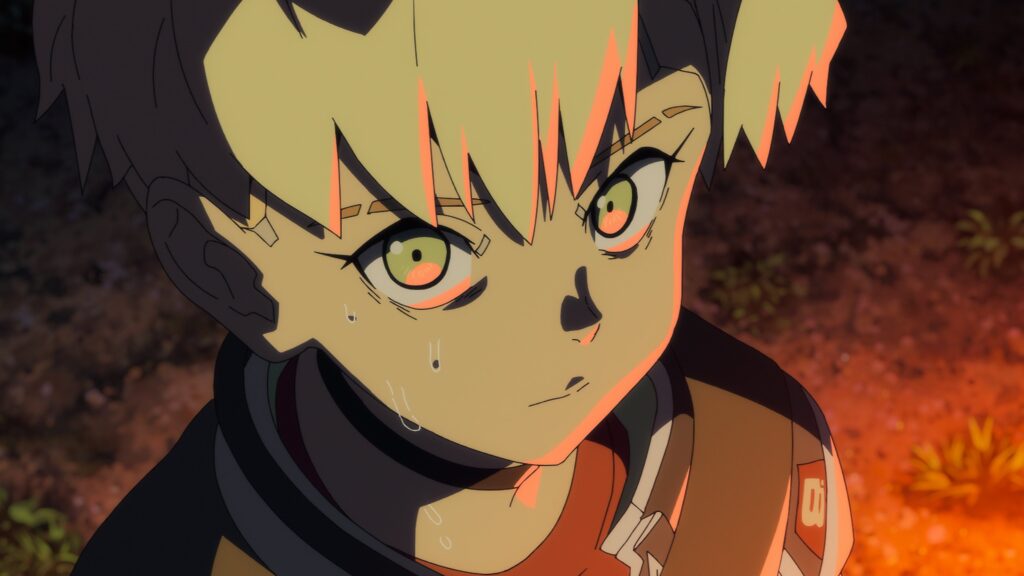
Cyberpunk: Edgerunners II Direction, Action Scenes, Cyberware and Themes
Directorial Choices and Thematic Stakes
Kai Ikarashi directs Cyberpunk: Edgerunners II, bringing a different creative perspective to the franchise. CD Projekt Red’s production announcement identifies his earlier work on Cyberpunk: Edgerunners and SSSS.Gridman. Direction determines how the audience encounters information, whether a scene reveals a threat immediately or holds it outside the frame, places viewers close to a character’s distress or maintains enough distance to make that distress feel exposed. These choices are especially significant in an ensemble story, where different characters need recognizable perspectives without making the series feel like unrelated productions. Repeated visual ideas can create continuity, while variations in framing preserve individual experiences.
Startmenu highlights sequences in which color and composition express a character’s altered relationship with reality. That assessment suggests the visual approach extends into subjective experience rather than serving only as decoration around action. Roman’s role also makes visual storytelling an appropriate subject within the narrative itself. As a filmmaker, the character invites attention to the difference between an event and its representation, raising questions about who controls an image, whose experience becomes visible and what happens when someone begins behaving for an imagined audience. These possibilities give Ikarashi’s direction a particularly relevant thematic foundation, allowing visual techniques to contribute to the story’s examination of identity, perception and responsibility.
The official premiere announcement promises an action driven glimpse of the new series, but the character premises suggest that cyberware also has a larger dramatic role. Weak’s loss of augmentation makes technological capability a question of identity and dependence, particularly in a world where physical enhancements can determine an individual’s opportunities and perceived value. A convincing cyberware story needs consequences beyond stronger attacks. Enhanced capabilities can change someone’s employment, confidence, relationships and willingness to accept danger, while losing them can affect much more than combat effectiveness. Action becomes meaningful when those consequences shape decisions, revealing what someone is willing to risk, whom they protect and how their understanding of power has changed.
Violence, Revenge, and Redemption
There is also a significant tension between visual excitement and thematic criticism. An anime can make a violent encounter exhilarating while demonstrating that the surrounding system has pushed its participants toward catastrophe. Holding those reactions together is more challenging than simply making every battle larger. MeriStation’s advance review emphasizes the series’ interest in questioning violence, even within its brutal setting, supporting an interpretation of the action as part of a wider examination of behavior and consequences. The most relevant standard is therefore dramatic clarity. Spectacle should make the stakes easier to understand, with enough emotional aftermath for viewers to recognize what each confrontation has changed.
Revenge and redemption are central to the official description of Cyberpunk: Edgerunners II, establishing the follow-up’s thematic direction without revealing how individual stories end. These ideas create a productive conflict because they measure success differently. Revenge looks toward a target and a completed act, while redemption generally requires an ongoing change in behavior, often involving people who cannot simply be persuaded by one dramatic gesture. That difference can make an ensemble particularly valuable, since one character’s sense of justice may become another’s source of danger. A supposedly necessary act may preserve someone’s purpose while destroying the possibility of reconciliation.
The strongest version of such a story would allow these conflicts to remain uncomfortable. Suffering does not automatically make every response justified, and regret does not erase responsibility. Characters become more compelling when the narrative recognizes both their pain and the damage they can cause. The premise also raises questions about visibility and recognition. If someone believes their suffering has been ignored, revenge can become a way to force public acknowledgment, although being seen is not necessarily the same as being understood.
Thematic Implications and Final Thoughts
This interpretation follows from the announced themes and the franchise’s emphasis on spectacle, rather than revealing the sequel’s resolution. Together, these ideas suggest that Cyberpunk: Edgerunners II has an opportunity to explore how violence, technological dependence and the desire for recognition influence the choices of people struggling to establish their identities.
Cyberpunk: Edgerunners II Pacing, Character Development, Soundtrack, Voice Acting and Cyberpunk 2077 Connections
Pacing is one of the most contested elements in the advance critical reception of Cyberpunk: Edgerunners II. GamesRadar+ identifies limited interaction between some principal storylines as a weakness, while CGMagazine considers the ten episode narrative well paced and successfully assembled. This disagreement illustrates why pacing cannot be reduced to speed. A slow scene can build tension through a difficult conversation, while a rapid sequence can feel unproductive if it moves characters without changing their relationships. For an ensemble, the central challenge is allocating sufficient time to individual development while establishing connections that justify presenting those experiences together.
Time spent establishing one character’s history reduces the time available to another, making narrative balance especially important. Character development also requires more than an accumulation of distress. Viewers need to understand how experiences affect a person’s priorities, explanations and choices. Otherwise, a series can become emotionally intense without making its characters feel substantially different by the conclusion. A fair spoiler-free expectation is that the sequel’s structure asks for attention and patience, with its appeal depending partly on whether viewers enjoy discovering connections gradually or prefer a clear central objective from the beginning. The published disagreement should remain visible in any assessment, since describing the pacing as universally praised or universally unsuccessful would misrepresent the advance reception.
Soundtrack and Voice Acting Ensemble Challenges
Music contributes another important dimension to the production. Tsuneo Imahori is credited with the score, while the announced theme songs include The Cure’s “10:15 Saturday Night” for the opening and Petite Meller’s “Watson” for the ending. The official second teaser announcement also credits Rico Nasty’s “You Can’t Run From Me” and identifies Imahori’s original music.
However, trailer usage should be distinguished from assumptions about how frequently a particular track appears in the finished episodes. Music has a difficult assignment in a sequel with a strongly remembered predecessor because it must establish another emotional identity while remaining consistent with the same fictional world. Repetition can provide recognition, but a new cast benefits from musical associations that belong to its own experiences.
Voice acting faces a related challenge. An ensemble requires distinctive performances, yet those performances must still sound as though the characters inhabit a shared environment. A fallen veteran, a revenge driven netrunner and a young observer should communicate different histories through rhythm and restraint as well as dialogue. GamesRadar+ identifies the voice cast as a strength of the production, providing an encouraging advance assessment of the performances. Nevertheless, that judgment does not establish that every viewer will prefer the same language track. Performance preferences remain personal, and casting announcements alone cannot determine which version will feel most convincing to an individual listener.
Shared Cyberpunk 2077 Setting and Perspective Shift
Beyond its storytelling and presentation, Cyberpunk: Edgerunners II shares the world of Cyberpunk 2077, making the game an important source of environmental and institutional context. Official character material includes affiliations with organizations such as Arasaka, Kang Tao, Maelstrom and Snake Nation. For existing players, those names carry associations that can make brief exchanges feel more significant. Familiarity may help explain why a corporate connection creates fear or why a character’s background affects how others respond. However, recognition should enrich the drama rather than become its main purpose. An adaptation gains independence when audiences understand a relationship’s stakes without needing to identify every reference.
The shared setting also offers a meaningful change of perspective between the game and the anime. Playing Cyberpunk 2077 encourages action through choosing equipment, pursuing objectives and responding to threats, while watching Cyberpunk: Edgerunners II can shift attention toward people whose lives do not revolve around the player’s freedom. This distinction gives another Night City story a reason to exist, allowing it to explore vulnerability, observation and dependence through forms of storytelling suited to television. The same environment can communicate different experiences depending on whether audiences actively control events or observe characters confronting circumstances beyond their control.
Specific revelations about the game’s wider lore are best left outside a spoiler-free assessment. Familiar organizations, technologies and social structures establish continuity, but the more important question is whether the new characters make that continuity emotionally meaningful. Combined with the series’ ensemble structure, musical identity and performances, these connections can help Cyberpunk: Edgerunners II develop its own perspective while remaining recognizable to existing fans. Ultimately, its effectiveness depends on how successfully the different character journeys, audiovisual elements and familiar setting contribute to a coherent story rather than functioning as separate attractions.

Frequently Asked Questions (FAQs)
- When does Cyberpunk: Edgerunners II release on Netflix?
Cyberpunk: Edgerunners II officially premieres on Netflix on October 20, 2026. The release date was confirmed by CD Projekt Red alongside promotional material introducing the new installment. As of this article’s October 19, 2026 publication date, the public premiere is still forthcoming. Netflix is the confirmed streaming platform, and viewers can expect a new standalone story set in the Cyberpunk 2077 universe. - How many episodes does Cyberpunk: Edgerunners II have?
Cyberpunk: Edgerunners II consists of ten episodes, matching the episode count of the original anime. The new installment is designed as a standalone narrative featuring different protagonists and conflicts within Night City. Its limited episode count means the series must balance character introductions, action sequences and emotional development within a relatively compact story. - Does Cyberpunk: Edgerunners II continue the original protagonists’ story?
No. Cyberpunk: Edgerunners II introduces a new principal cast and follows a separate narrative rather than directly continuing the original protagonists’ journey. However, both installments share the same Cyberpunk 2077 universe, including Night City’s dangerous environment, corporate influence and technological culture. Familiar themes and organizations provide continuity, allowing returning viewers to recognize the setting without requiring the original characters to lead the new story. - Who directs Cyberpunk: Edgerunners II?
Kai Ikarashi directs Cyberpunk: Edgerunners II, bringing experience from his previous work on Cyberpunk: Edgerunners and SSSS.Gridman. The production also features Kanno Ichigo as lead character designer, while Bartosz Sztybor and Masahiko Otsuka return as creative collaborators. This combination of returning contributors and new leadership aims to preserve the franchise’s recognizable visual identity while introducing a different storytelling perspective. - Is Studio Trigger returning for the sequel?
Yes. Studio Trigger returns to produce Cyberpunk: Edgerunners II in collaboration with CD Projekt Red, continuing the partnership behind the original anime. The studio is recognized for its expressive animation, dynamic action choreography and distinctive visual presentation. Its involvement provides creative continuity while allowing the new installment to explore different characters, emotional conflicts and visual storytelling techniques within the established Cyberpunk universe. - Who are the main new characters?
The four principal characters are Weak Kingsley, D, Roman Carax and Talia. Weak is a former edgerunner legend struggling with life without cyberware, while D is a Snake Nation netrunner pursuing revenge for his clan. Roman is a young filmmaker whose perspective introduces questions about art and representation, and Talia has connections to both corporate privilege and Maelstrom culture. Their contrasting backgrounds create opportunities to explore identity, revenge, ambition and personal freedom. - What are the opening and ending songs?
The announced opening theme for Cyberpunk: Edgerunners II is The Cure’s “10:15 Saturday Night,” while the ending theme is Petite Meller’s “Watson.” Tsuneo Imahori is credited with composing the series’ music, contributing to its overall atmosphere and emotional presentation. Promotional material also features Rico Nasty’s “You Can’t Run From Me,” although its trailer appearance does not necessarily indicate how prominently it features in the completed episodes. - Are advance reviews positive?
Advance reviews of Cyberpunk: Edgerunners II are generally encouraging, particularly regarding Studio Trigger’s animation, visual direction and emotional themes. However, critics disagree about the pacing and effectiveness of its interconnected character stories. Some praise the broader narrative and reflective approach, while others believe the original anime delivered a more focused experience. The early reception suggests considerable strengths, but it does not establish universal critical agreement or predict audience reactions after release. - Does this article reveal the ending?
No. This article provides a spoiler-free assessment of Cyberpunk: Edgerunners II, focusing on officially announced story premises, character introductions, production details and general critical impressions. It avoids revealing the conclusion, major plot twists, character deaths or specific outcomes of important conflicts. Readers can therefore learn about the sequel’s themes, creative direction and early reception without having its central narrative developments spoiled. - Is this a firsthand review of all ten episodes?
No. This article is a research-based, spoiler-free assessment rather than a firsthand review of all ten episodes. Its analysis draws on official announcements, confirmed production information and published advance reviews from critics who received early access. The discussion evaluates the series’ announced direction, potential strengths and reported weaknesses without claiming direct viewing experience. Its conclusions should therefore be understood as an informed assessment of available evidence rather than an independent judgment based on watching the complete season.

Conclusion
Cyberpunk: Edgerunners II has a clear creative opportunity: demonstrate that Night City can sustain another compelling anime without depending on the same protagonists or emotional structure. Its new ensemble provides several ways to examine identity, purpose and the consequences of technological power.
Advance criticism gives strong reasons for interest, particularly around animation, while also identifying narrative cohesion as a potential dividing point. The most defensible verdict is a qualified recommendation for viewers willing to engage with a broader story and judge its characters on their own terms.
With the Netflix premiere scheduled for October 20, 2026, the remaining question is how effectively those ambitions work across a complete viewing. The available evidence makes that viewing worth considering, without justifying a claim that the sequel has already surpassed its predecessor.
Sources and Citations
- CD PROJEKT RED, August 21, 2026: The official premiere announcement confirms that Cyberpunk: Edgerunners 2 releases exclusively on Netflix on October 20, 2026, consists of 10 episodes, and tells a standalone story with a fresh cast in Night City. It also describes the series as a story of revenge and redemption. CD PROJEKT RED Press Center
Citation: Cyberpunk: Edgerunners 2 Premiere Date Announced Alongside New Trailer - Cyberpunk: Edgerunners 2 Official Website: The official site provides the October 20 release date, Netflix exclusivity, synopsis, creator information, and character profiles for Weak, D, Roman, and Talia. It identifies Kai Ikarashi as director, Kanno Ichigo as lead character designer, and Bartosz Sztybor and Masahiko Otsuka among the principal creative team. Cyberpunk Universe
Citation: Cyberpunk: Edgerunners 2 Official Website - Netflix Tudum, August 21, 2026: Tudum describes the installment as a fresh 10-episode standalone story set in the same world as the original but following a new group of mercenaries with an all-new cast and reimagined animation style. It also confirms the October 20 Netflix premiere. Netflix
Citation: A New Crew Runs Night City in Cyberpunk: Edgerunners 2 - CD PROJEKT RED, July 4, 2025: The original production announcement confirms Studio TRIGGER’s return, Kai Ikarashi taking over as director, Bartosz Sztybor returning as showrunner, story writer and producer, Kanno Ichigo as lead character designer, and Masahiko Otsuka handling screenplay adaptation. CD PROJEKT RED Press Center
Citation: Cyberpunk: Edgerunners 2 Officially Announced - CD PROJEKT RED, June 30, 2026: The second production update confirms the Fall 2026 Netflix window, Kai Ikarashi’s direction, Ichigo Kanno’s character designs, Bartosz Sztybor and Masahiko Otsuka’s story work, and Rico Nasty’s “You Can’t Run From Me” as music used in the trailer. CD PROJEKT RED Press Center
Citation: Cyberpunk: Edgerunners 2 Gets New Trailer and Fall 2026 Release Window - Crunchyroll, June 30, 2026: Crunchyroll’s cast announcement identifies the Japanese principal cast, including Kentaro Tone as Weak, Koki Uchiyama as D, Momoka Terasawa as Roman, and Akari Kito as Talia, and adds English-dub performers including Clancy Brown, Nazeeh Tarsha, and Valeria Rodriguez. Crunchyroll
Citation: Cyberpunk: Edgerunners 2 Anime Main Cast Announced - Crunchyroll, July 9, 2026: Confirms The Cure’s “10:15 Saturday Night” as the opening theme and Petite Meller’s “Watson” as the ending theme. Crunchyroll
Citation: Cyberpunk: Edgerunners 2 Anime Reveals Theme Song Details - Crunchyroll, June 29, 2026: The teaser coverage confirms Rico Nasty’s “You Can’t Run From Me” in the trailer and identifies Tsuneo Imahori as composer of the original score. Crunchyroll
Citation: Cyberpunk: Edgerunners 2 Anime Shoots for the Top in New Trailer - GamesRadar+, October 19, 2026: The advance review praises Studio Trigger’s animation and the ambition of the four-character structure while arguing that the separate story threads sometimes leave the season feeling fragmented. It concludes that the sequel does not surpass the original’s emotional impact but remains a strong new Night City story. GamesRadar+
Citation: Cyberpunk: Edgerunners 2 review: Another nova Night City story - CGMagazine, October 19, 2026: CGMagazine awarded the series 10/10, calling it a “stunning second trip through Night City” and praising its animation, emotional storytelling, brutality, and ability to work as a standalone narrative. CGMagazine
Citation: Cyberpunk: Edgerunners 2 Season 2 Review - Startmenu, October 19, 2026: The review gives the series 9/10, praising its more mature, lower-stakes story, visual experimentation, exploration of autonomy and art, and willingness to distinguish itself from the original. It also criticizes the latter episodes for rushing character convergence and leaving some motivations underdeveloped. startmenu
Citation: Review: Cyberpunk: Edgerunners 2 – Slow Down and Smell the City Burn - MeriStation, October 19, 2026: MeriStation’s advance review highlights the sequel’s interest in revenge, relationships, legacy, violence, and artistic identity. It particularly praises Studio Trigger’s visual direction, stylistic variety, use of lighting, and Roman’s role as a filmmaker within the story. Diario AS
Citation: Cyberpunk: Edgerunners 2 review: a revenge journey that goes beyond violence - Kotaku, October 19, 2026: Kotaku’s review is substantially more critical, arguing that the second season trades away the original’s tighter focus without gaining enough from its broader structure. Kotaku’s review archive confirms the article and its critical framing. Kotaku
Citation: Cyberpunk: Edgerunners II: The Kotaku Review
Recommendations
- Vivian Kubrick Debunks Eyes Wide Shut Deleted Scenes Theory
- Battlefield 6 2026 Roadmap: More Maps, “Legendary” Battlefield 4 & Battlefield 3 Remakes, and Wake Island’s Return
- Apple TV’s Widow’s Bay is the First Breakout TV Hit of 2026: Why Everyone is Talking About the Horror Comedy
- Pitchify Launches New Service to Connect Developers and Publishers: How Pitch Direct Works
- Pokémon Pokopia Bubbly Basin DLC Release: Date, New Pokémon, and Everything You Need to Know
- Nordic Game 2026 (NG26 Spring): Dates, Venue, Passes, Speakers, Expo & Awards in Malmö
- Subnautica 2 Early Access Roadmap: Co-Op Updates, Sprinting, and More
- Virtua Fighter 6 Leak Explained
- The Future of 3D Modeling: Insights on AI Advancements
- GTA 6 is Already Outselling Everything Else: Why Pre-Orders Are Dominating Gaming



































































































