






Dead as Disco is already a standout entry in the modern indie action scene, but its rapid community growth and evolving player-driven content have pushed it far beyond its original scope. Positioned as a fast, expressive, and visually striking stylish brawler, the game continues to gain momentum not only because of its core design, but because of how deeply its community has embraced, expanded, and reshaped it. This research article explores the mechanics, appeal, and fan-driven evolution of Dead as Disco, analyzing why it is becoming a long-term cult favorite in the stylish brawler genre.
In This Article (19 sections)
What is Dead as Disco? A Stylish Brawler Explained
Dead as Disco is best understood as a stylish brawler built around rhythm, momentum, and expressive combat. At its core, the game emphasizes fluid movement, combo chaining, and visually impactful attacks that reward timing and creativity over repetitive button-mashing.
Unlike traditional beat-’em-ups that rely on linear encounters, Dead as Disco encourages players to treat every fight as a performance. The player is not just surviving encounters but actively styling them, linking attacks, dodges, and environmental interactions into seamless sequences that feel choreographed.
The “disco” element is not just aesthetic; it is conceptual. The game frames combat as a dance of destruction, where rhythm and positioning matter as much as raw damage output. Enemies often behave in patterns that encourage players to anticipate movement rather than react blindly, making each encounter feel like a dynamic puzzle.
This blend of action and rhythm-based expression is what defines Dead as Disco and sets it apart from more conventional brawlers in the indie space.

Why Dead as Disco is Gaining Attention in the Indie Gaming Scene
Dead as Disco has gained traction in the indie gaming scene due to a combination of stylistic identity, mechanical depth, and community resonance. Indie audiences often gravitate toward games that offer originality, and Dead as Disco delivers a highly distinct visual and gameplay identity.
The game’s neon-infused aesthetic and rhythmic combat system create a strong first impression, but its staying power comes from depth. Players quickly discover that mastery requires learning enemy patterns, optimizing combo routes, and understanding movement physics.
Additionally, the rise of content creators showcasing high-level gameplay has significantly boosted visibility. Short-form clips of stylish combat sequences perform well on social platforms, helping Dead as Disco reach audiences beyond traditional indie circles.
Another key factor is accessibility. While the game has a high skill ceiling, its basic mechanics are easy to grasp, allowing casual players to enjoy early progression while giving advanced players room for experimentation.
Dead as Disco Gameplay Overview: Fast-Paced Stylish Brawler Mechanics
The gameplay loop in Dead as Disco revolves around continuous motion and expressive combat flow. Players navigate arena-style encounters where enemies spawn in waves or patterns, requiring quick decision-making and adaptive strategies.
Core mechanics include:
- Light and heavy attack chaining
- Dodge-based movement with timing windows
- Combo multipliers tied to variety and fluidity
- Environmental interaction for crowd control
- Momentum-based movement boosts
The game rewards diversity in combat. Repeating the same attack sequence reduces efficiency, pushing players to mix moves creatively. This system encourages experimentation and prevents combat from becoming stale.
Movement is equally important. Players are encouraged to stay mobile, weaving through enemies while maintaining offensive pressure. Stationary play is heavily discouraged, reinforcing the idea that combat is a performance rather than a static exchange.
The result is a gameplay loop that feels fast, reactive, and deeply expressive.
How Fans Are Transforming Dead as Disco into Something Bigger
One of the most defining aspects of Dead as Disco’s rise is the way fans have expanded its identity beyond the original design. The community has become an active participant in shaping how the game is experienced.
Players share advanced combo routes, discover hidden mechanics, and develop unconventional playstyles that often redefine what is considered optimal gameplay. This organic evolution of strategy has turned the game into a constantly shifting meta environment.
Fan communities also contribute through challenge runs, score competitions, and self-imposed difficulty rules. These player-created frameworks extend replayability far beyond the intended design scope.
In many ways, Dead as Disco has become less of a static product and more of an evolving ecosystem driven by player creativity and collective experimentation.

The Rise of Dead as Disco Mods and Community Enhancements
Modding has played a significant role in expanding Dead as Disco’s longevity. While the base game already offers strong replay value, mods introduce new dimensions of customization and experimentation.
Common mod categories include:
- Visual enhancements and shader overhauls
- New enemy behavior patterns
- Custom arenas and challenge maps
- Expanded combo systems
- Gameplay balance adjustments
These modifications allow players to tailor the experience to their preferred style. Some mods increase difficulty for hardcore players, while others focus on aesthetic enhancement or experimental mechanics.
The modding community also functions as a testing ground for ideas that could potentially influence future updates or sequels. This feedback loop between developers and fans strengthens the game’s long-term viability.
Why Player Creativity is Extending Dead as Disco’s Lifespan
Player creativity is arguably the most important factor in Dead as Disco’s continued relevance. The game is structured in a way that naturally encourages experimentation, which leads to emergent gameplay.
Instead of relying solely on developer updates, the community creates its own entertainment through:
- Combo innovation
- Self-imposed gameplay challenges
- Speedrunning techniques
- Style-based scoring competitions
This creativity transforms the game into a platform rather than a fixed experience. Players are not just consuming content; they are generating it.
As a result, the lifespan of Dead as Disco is not determined solely by official support but by how long players continue to explore its mechanical possibilities.
Dead as Disco Combat System Breakdown and Core Mechanics
The combat system in Dead as Disco is built on layered mechanics that interact to produce depth and fluidity.
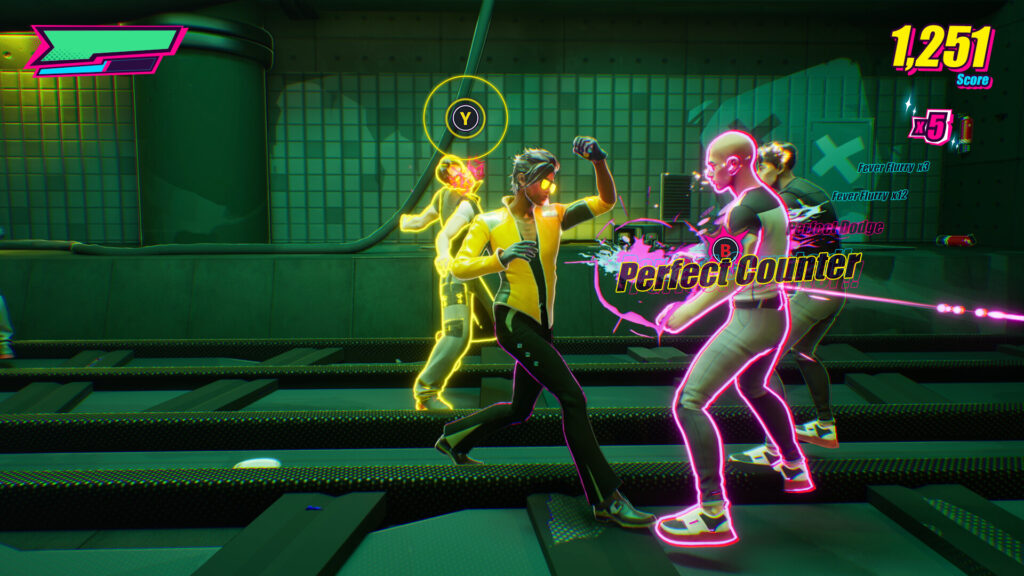
At the foundation is the combo system, which rewards chaining attacks without interruption. Each successful chain increases style points, which contribute to overall performance ratings.
Dodging is integrated into offensive play rather than being purely defensive. Well-timed dodges can extend combos or reposition the player for higher-impact attacks.
Enemy design also plays a crucial role. Different enemy types require different approaches, forcing players to adapt mid-combat. Some enemies prioritize aggression, while others focus on disruption or area control.
Key mechanics include:
- Combo scaling based on variety
- Timing-based dodge counters
- Enemy stagger systems
- Momentum-driven movement bonuses
- Style scoring tied to creativity
Together, these systems create a combat experience that rewards mastery without punishing experimentation.
What Makes Stylish Brawlers Like Dead as Disco so Addictive
Stylish brawlers like Dead as Disco are addictive because they combine mechanical mastery with visual and emotional feedback. Every successful combo feels rewarding not just in terms of progression, but in spectacle.
The genre taps into several psychological drivers:
- Skill mastery progression
- Immediate visual feedback
- High-intensity decision-making
- Flow state immersion
Dead as Disco amplifies these elements through its rhythmic structure. Combat feels like syncing with a beat, where timing and execution produce satisfying audiovisual harmony.
The addictive nature comes from the constant desire to improve performance. Players often replay encounters not because they failed, but because they believe they can execute them more stylishly.
Fan-Made Content in Dead as Disco: Skins, Modes, and Custom Builds
Fan-made content has become a cornerstone of Dead as Disco’s extended ecosystem. Players create and share modifications that personalize the experience in meaningful ways.
Popular fan contributions include:
- Custom character skins and visual redesigns
- Alternate game modes such as “no-dodge runs” or “low-combo challenges”
- Unique build systems focusing on specific mechanics
- Cosmetic overhauls that change game tone
These additions allow players to express individuality while engaging with the same core systems. The ability to reshape the game experience contributes significantly to its replayability and cultural footprint.
Dead as Disco Community Updates and Player-Driven Improvements
Community-driven updates often shape how Dead as Disco evolves over time. Even when official patches are released, the community quickly analyzes and builds upon them.
Players frequently compile:
- Patch breakdowns
- Meta shifts
- Optimization guides
- Bug discovery reports
This collaborative knowledge base ensures that both new and experienced players can stay informed. It also helps maintain balance between casual enjoyment and competitive depth.
The community effectively acts as a parallel development layer, continuously refining how the game is understood and played.
How Indie Games Benefit from Strong Fan Communities Like Dead as Disco
Dead as Disco demonstrates how indie games can achieve longevity through strong community engagement. Unlike large-scale AAA titles, indie games often rely on sustained player interest rather than continuous official expansion.
Fan communities contribute by:
- Extending content lifespan through mods
- Creating viral gameplay moments
- Supporting discoverability through social sharing
- Developing competitive or creative subcultures
This ecosystem reduces dependency on developer output and increases organic growth potential.
For indie developers, games like Dead as Disco serve as case studies in how mechanical depth and creative freedom can lead to long-term success.
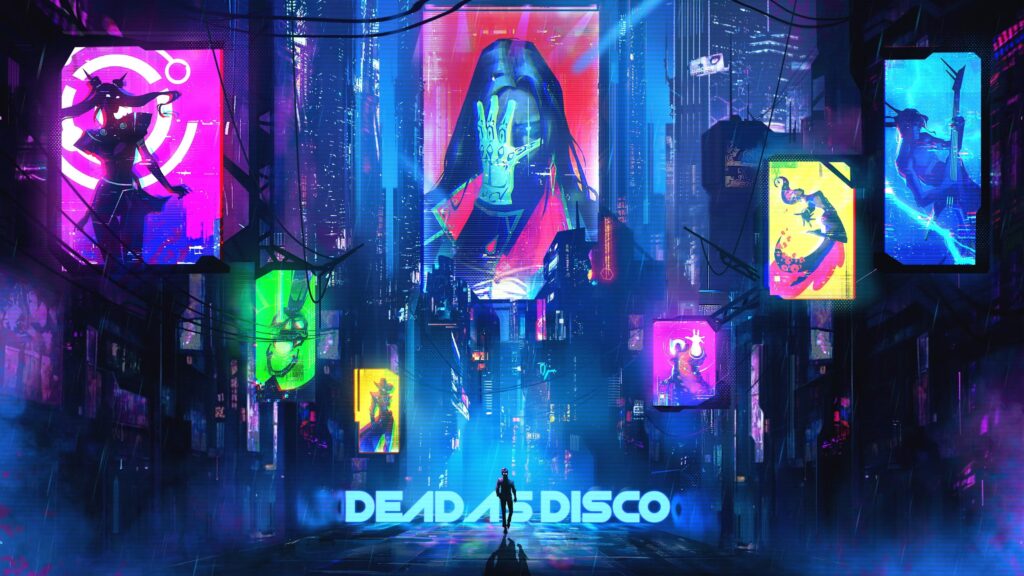
Dead as Disco Art Style: Neon, Rhythm, and Visual Identity
The visual identity of Dead as Disco is one of its most defining features. The game uses neon lighting, high-contrast environments, and rhythmic visual cues to reinforce its core gameplay philosophy.
The art direction is intentionally expressive, blending abstract environments with stylized character designs. This creates a world that feels both energetic and surreal.
Visual feedback is tightly integrated with gameplay. Attacks, dodges, and combos are emphasized through lighting effects and motion trails, ensuring that players can visually track their performance in real time.
The result is an aesthetic that enhances both immersion and gameplay clarity.
The Future of Dead as Disco Based on Community Expansion
The future of Dead as Disco is closely tied to its community ecosystem. If current trends continue, the game is likely to evolve into a long-lasting platform for creative expression.
Potential future developments include:
- Expanded mod support tools
- Competitive ranking systems
- Official community spotlight features
- New gameplay expansions inspired by fan ideas
The trajectory suggests that the game will continue to grow not just as a standalone product, but as a collaborative space between developers and players.

Why Dead as Disco is Becoming a Cult-Favorite Stylish Brawler
Dead as Disco is increasingly recognized as a cult favorite due to its strong identity and dedicated community. Cult status in gaming often emerges when a title offers deep systems that reward mastery and foster passionate fan engagement.
The combination of expressive combat, unique aesthetics, and player-driven evolution makes it especially suited for long-term niche popularity.
Rather than aiming for mass-market simplicity, Dead as Disco embraces depth and creativity, which naturally attracts a loyal audience.
Will Fan Creativity Keep Dead as Disco Alive for Years to Come?
Fan creativity is likely the most important factor in determining Dead as Disco’s longevity. As long as players continue to experiment, share, and expand the game’s possibilities, it will remain relevant.
The history of similar indie titles shows that community-driven ecosystems often outlast initial hype cycles. Dead as Disco appears to be following this pattern, with its active modding scene and creative player base sustaining long-term interest.
The game’s design encourages replayability, but its community ensures evolution. Together, these forces create a strong foundation for enduring popularity.
Frequently Asked Questions (FAQs)
- What genre is Dead as Disco?
It is a stylish brawler focused on rhythmic, combo-based combat and fluid movement. - Is Dead as Disco beginner-friendly?
Yes, its core mechanics are accessible, though mastery requires practice. - What makes the combat system unique?
It emphasizes style, combo variety, and movement-based offense rather than static attacks. - Does Dead as Disco support mods?
Yes, the community actively develops mods that expand gameplay and visuals. - Why is the game so popular among indie fans?
Its strong aesthetic identity and deep mechanics make it highly engaging. - What are stylish brawlers?
They are action games focused on expressive combat, combos, and visual flair. - Can players create custom content?
Yes, fan-made skins, modes, and gameplay tweaks are common. - Is Dead as Disco competitive?
While not strictly competitive, players often compete in style and score challenges. - What role does community play in the game?
The community actively shapes gameplay trends, mods, and meta strategies. - Will the game continue to grow?
Yes, continued fan engagement suggests long-term growth potential.

Conclusion
Dead as Disco stands out as a stylish brawler that thrives on expressive combat design and an active, creative community. While its core mechanics already deliver a strong gameplay experience, it is the fan-driven ecosystem, mods, challenges, and creative experimentation, that elevates it into something significantly larger. The game’s future is closely tied to this ongoing collaboration between developers and players, positioning it as a lasting presence in the indie action genre.
Sources and Citations
- Indie Game Design and Community-Driven Development Studies
Game Prototyping with Community-Driven Narrative - Stylish Brawler Genre Analysis and Combat Systems Research
What Features Influence Impact Feel? A Study of Impact Feedback in Action Games - Player Creativity and Game Longevity in Modern Indie Titles
Why Indie Games Often Outlast AAA Titles - Modding Communities and Their Impact on Game Lifespan
Mods vs Official Updates: How Community Mods Extend Game Longevity - Visual Design and Feedback Systems in Action Games
What Features Influence Impact Feel? A Study of Impact Feedback in Action Games
Recommended
- Rendering Multiple Camera Angles Simultaneously in Blender with The View Keeper
- Neon Genesis Evangelion Gets Brand New Anime Penned by Nier Automata’s Yoko Taro: What We Know So Far
- Mobile Suit Gundam Hathaway: the Sorcery of Nymph Circe Review: a Bigger, Darker Sequel that Doubles Down on Politics, Memory, and Mecha Warfare
- Achieving a Painterly Look in Blender: Techniques to Make 3D Animations Appear Hand-Painted
- Everything We Know About Clair Obscur: Expedition 33 – Gameplay Mechanics and Character Insights
- The Christophers Review (2026): Cast, Plot, Ending Explained & Why Steven Soderbergh’s Art Drama Is a Must-Watch
- Best Camera Settings in Blender for Rendering
- Is Arcane 3D Animated? Unveiling the Secrets Behind Its Revolutionary Style



































































































