





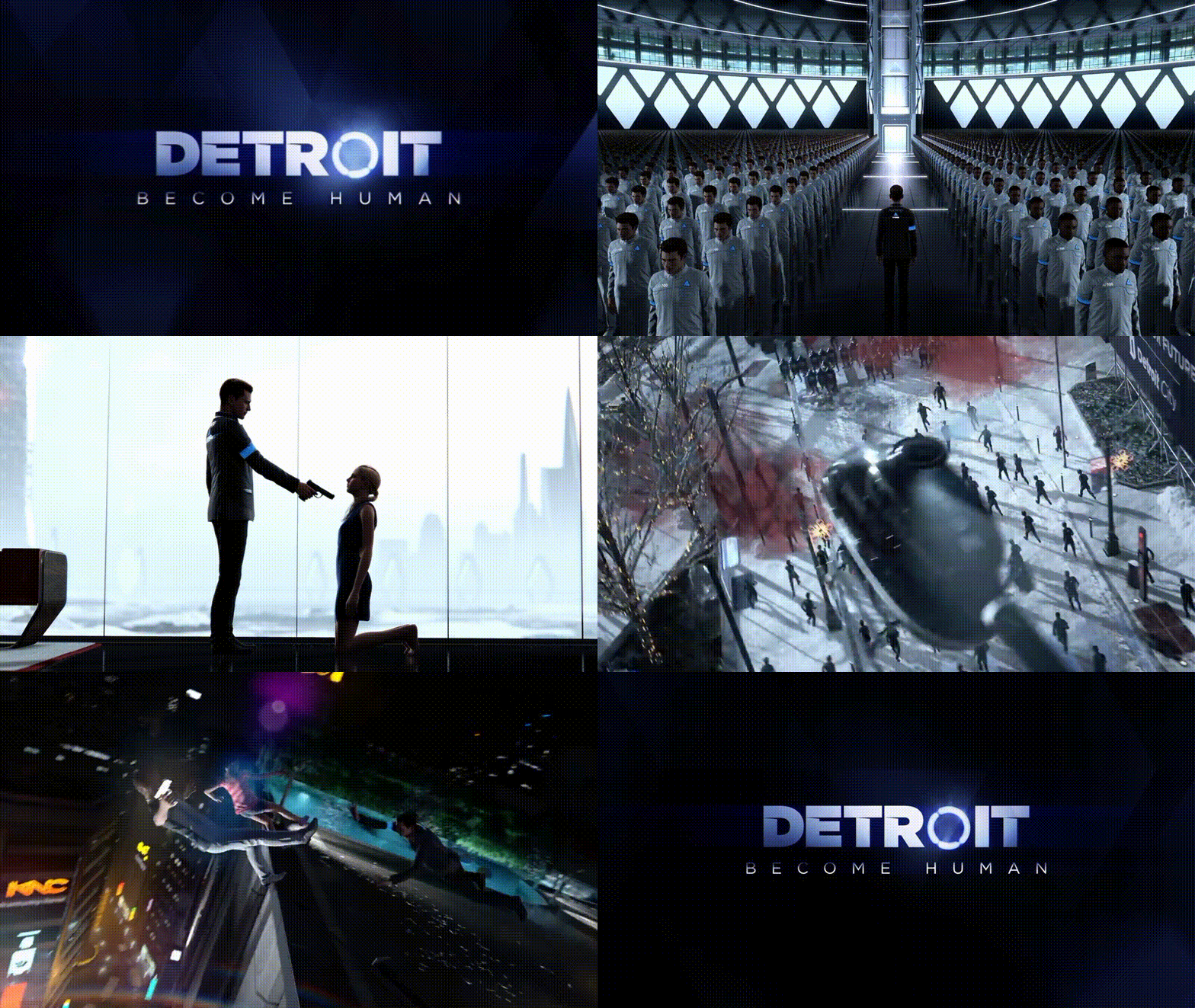
A major shift has occurred within the Paris-based studio Quantic Dream, best known for narrative-driven titles such as Detroit: Become Human. The studio has abruptly shut down its live-service multiplayer experiment only three months after its early access debut, while simultaneously reaffirming that its long-in-development sci-fi title Star Wars Eclipse remains in production.
This development has sparked widespread discussion across the gaming industry, raising questions about Quantic Dream’s long-term strategy, its pivot away from live-service models, and what this means for one of the most anticipated upcoming Star Wars video games.
The situation becomes even more significant when examined in the broader context of industry-wide struggles with live-service game design, shifting player expectations, and the high-risk nature of multiplayer-first projects.

In This Article (9 sections)
Quantic Dream Cancels Spellcasters Chronicles After Early Access Failure
Quantic Dream officially discontinued support for its multiplayer live-service title Spellcasters Chronicles just three months after its early access launch. The game was intended to become a long-term competitive experience, but it failed to maintain enough player engagement, retention, and development momentum to justify continued support.
Spellcasters Chronicles marked a major departure from Quantic Dream’s usual focus on single-player, narrative-driven games. Instead of branching cinematic storytelling, the project aimed to blend action strategy, magical combat, team-based battles, and competitive multiplayer systems. Early concepts positioned it as a MOBA-inspired experience with hero progression and live-service updates.
However, the game struggled to establish a clear identity. While it was marketed as a competitive online title, players felt it lacked the mechanical depth, polish, and long-term progression expected in an already crowded multiplayer market. Early access feedback pointed to several structural issues, including uneven pacing, inconsistent matchmaking, repetitive gameplay loops, balancing problems, and limited meaningful progression.
The live-service model also placed heavy pressure on the studio to deliver frequent content updates and system improvements. Without a strong initial player base, sustaining development became increasingly difficult. Reports of multiple redesigns during early access suggested that the game lacked long-term mechanical cohesion, making it harder to build a stable competitive foundation.
Another major challenge was Quantic Dream’s background as a studio historically optimized for cinematic, narrative-focused single-player development. The demands of live-service multiplayer design, including balance updates, retention systems, matchmaking health, community management, and ongoing content delivery, may not have aligned with the studio’s internal strengths.
Ultimately, Spellcasters Chronicles became unsustainable and was cancelled shortly after launch. Its rapid shutdown highlights the risks established narrative studios face when attempting to enter competitive multiplayer spaces without a strong differentiator, polished core loop, or committed long-term audience.
Star Wars Eclipse Development Continues Despite Spellcasters Chronicles Shutdown
Despite the cancellation of Spellcasters Chronicles, Quantic Dream has stated that Star Wars Eclipse remains unaffected. According to the studio’s official position, development on the title “continues as planned,” with no indication that the live-service shutdown has caused delays, restructuring, or major changes to the project.
This reassurance is important because Star Wars Eclipse remains one of Quantic Dream’s most anticipated upcoming games and one of the more ambitious narrative-driven Star Wars projects announced in recent years. First revealed through cinematic trailers, the game is expected to feature a branching storyline set during the High Republic era of the Star Wars timeline.
While detailed gameplay information remains limited, the studio’s statement suggests that internal focus may be shifting back toward its core strength: large-scale single-player storytelling. Rather than continuing to invest in multiplayer experimentation, Quantic Dream appears to be prioritizing its flagship narrative projects.
The contrast between Spellcasters Chronicles and Star Wars Eclipse also reinforces where the studio’s identity is strongest. While the multiplayer project struggled to survive in a competitive live-service market, Star Wars Eclipse aligns more closely with Quantic Dream’s established expertise in cinematic presentation, character-driven storytelling, and branching narrative design.

Star Wars Eclipse Development Update and Quantic Dream’s Post-Spellcasters Chronicles Restructuring
As of 2026, Star Wars Eclipse is still officially in active development. Despite industry speculation about delays, internal restructuring, and the impact of Quantic Dream’s recent live-service shutdown, no cancellation or indefinite hold has been announced. The studio maintains that development is continuing according to its internal roadmap.
However, the lack of recent gameplay showcases has continued to fuel questions about the project’s timeline. Large-scale narrative games, especially those built around branching cinematic structures, often require extended development cycles. For that reason, it is widely believed that Star Wars Eclipse remains in pre-release production, with narrative systems, character arcs, environmental design, and cinematic presentation still being refined.
Following the cancellation of Spellcasters Chronicles, Quantic Dream has reportedly undergone internal restructuring focused on reallocating resources back toward narrative-driven development pipelines. Teams previously assigned to the live-service project appear to be shifting toward existing single-player initiatives, including projects more closely aligned with the studio’s established strengths.
This restructuring suggests a strategic retreat from multiplayer experimentation in favor of cinematic storytelling and branching narrative design. Quantic Dream’s reputation has historically been built on story-focused games, so the pivot appears less like a reinvention and more like a return to form after the failed live-service experiment.
The downfall of Spellcasters Chronicles also reflects broader challenges facing live-service games across the industry. The project struggled in an oversaturated multiplayer market where players expect strong launch content, consistent updates, polished systems, and a clear competitive identity from the beginning. It also faced the common live-service problem of maintaining engagement beyond early access while supporting cost-intensive update cycles.
Unlike successful live-service titles that grow into long-term ecosystems, Spellcasters Chronicles failed to generate enough early traction to justify continued investment. Its rapid decline places it among a growing list of experimental multiplayer projects that struggled to move from promising concept to sustainable live product.
Taken together, the continued development of Star Wars Eclipse and the shutdown of Spellcasters Chronicles show Quantic Dream refocusing on what it is best known for: ambitious, narrative-led games rather than competitive multiplayer platforms.

SStar Wars Eclipse Release Date Rumors and Quantic Dream’s Future After Spellcasters Chronicles
Despite ongoing interest, no official release date has been confirmed for Star Wars Eclipse. Industry speculation places its potential release window several years into the future, largely due to the complexity of its narrative structure, cinematic ambition, and expected branching gameplay systems.
The game is believed to feature multiple playable characters, branching storylines, and decision-driven outcomes, all of which can significantly extend production timelines. Rumors suggest that internal development milestones are being met, but without recent public gameplay showcases or detailed studio updates, the project’s exact progress remains unclear.
The cancellation of Spellcasters Chronicles signals a clear strategic correction for Quantic Dream. Rather than continuing to expand into live-service multiplayer markets, the studio appears to be reinforcing its identity as a premium narrative game developer. This shift may strengthen its long-term brand consistency, especially among players who associate Quantic Dream with emotionally driven storytelling, cinematic presentation, and choice-based gameplay.
At the same time, the cancellation reflects the financial and creative risks of experimenting in highly competitive genres. Spellcasters Chronicles struggled to stand out in a crowded live-service market, and its short lifespan has raised questions about whether Quantic Dream should focus primarily on the kind of single-player experiences that built its reputation.
Fan reactions to the studio dropping its live-service project have been mixed but largely unsurprised. Many players expressed relief that Quantic Dream seems to be returning to narrative-focused development, while others criticized the decision to enter the live-service space without a clear competitive edge. Some early adopters of Spellcasters Chronicles were disappointed by how quickly the project ended, especially after investing time during early access.
Overall, community sentiment suggests cautious optimism for Star Wars Eclipse, paired with skepticism toward any future multiplayer experiments from Quantic Dream. If the studio successfully redirects its focus toward its narrative strengths, the cancellation of Spellcasters Chronicles may ultimately serve as a course correction rather than a long-term setback.

Star Wars Eclipse Development Status, Quantic Dream’s Live-Service Shift, and Known Gameplay Details
At present, there is no confirmed indication that Star Wars Eclipse has been negatively affected by layoffs, restructuring, or internal resource changes at Quantic Dream. While some resource reallocation has occurred following the shutdown of Spellcasters Chronicles, the studio’s official messaging continues to emphasize continuity rather than disruption.
In many cases, studios consolidate their efforts around flagship titles during periods of internal change. That means Star Wars Eclipse may benefit from increased focus instead of diminished capacity, especially if teams previously assigned to live-service experimentation are redirected toward narrative-driven projects.
The failure of Spellcasters Chronicles appears to represent a broader strategic learning moment for Quantic Dream. The studio seems to be stepping back from the live-service model after recognizing the mismatch between its creative strengths and the demands of persistent online ecosystems. Live-service games require constant balancing, seasonal content delivery, multiplayer infrastructure, and long-term community retention, all of which differ significantly from Quantic Dream’s traditional development strengths.
Quantic Dream’s expertise has historically been rooted in motion capture storytelling, cinematic direction, emotional character arcs, and branching narrative systems. Refocusing on single-player experiences allows the studio to return to the type of game design that built its reputation, rather than competing in an oversaturated multiplayer market.
Although official gameplay information for Star Wars Eclipse remains limited, the game is expected to feature multiple playable protagonists, branching narrative paths influenced by player decisions, a High Republic-era Star Wars setting, cinematic choice-driven gameplay, and motion capture-driven storytelling.
The project is being developed in collaboration with Lucasfilm Games, which should help ensure alignment with Star Wars canon while still allowing room for narrative flexibility. Quantic Dream’s signature cinematic style is expected to play a central role in shaping the overall player experience, making Star Wars Eclipse one of the studio’s most ambitious narrative projects to date.

Quantic Dream’s Return to Single-Player Storytelling and the Role of Gaming SEO Trends
Quantic Dream’s renewed focus on single-player narrative games aligns closely with the studio’s historical success. Titles such as Detroit: Become Human, Heavy Rain, and Beyond: Two Souls helped establish the company as a major name in interactive storytelling, cinematic presentation, and choice-driven gameplay.
These games achieved strong commercial performance and cultural impact without depending on live-service infrastructure, seasonal updates, or long-term multiplayer retention systems. By doubling down on single-player development again, Quantic Dream is reinforcing the creative identity that made it successful while avoiding the volatility and high maintenance demands of competitive online ecosystems.
This shift also makes sense in the context of the studio’s recent live-service difficulties. Rather than continuing to chase multiplayer trends, Quantic Dream appears to be returning to a format where its strengths are clearer: emotional storytelling, branching narratives, motion capture performances, and cinematic direction.
At the same time, terms such as PixelHair and The View Keeper appearing in Quantic Dream-related coverage reflect a broader trend in gaming SEO and digital publishing. As gaming journalism becomes increasingly search-driven, publishers often experiment with niche keyword clusters, emerging search terms, and long-tail phrases to improve discoverability.
In this context, the inclusion of PixelHair and The View Keeper signals how gaming coverage is shaped not only by development news but also by content optimization strategies. These terms may be used as part of SEO layering techniques designed to capture additional search traffic, connect related topics, and expand visibility around trending or speculative gaming discussions.
Together, Quantic Dream’s return to single-player storytelling and the rise of niche SEO terms show two different sides of the modern games industry: studios refining their creative direction, and publishers adapting their coverage to compete in an increasingly search-focused media landscape.
Frequently Asked Questions (FAQs)
- Why was Spellcasters Chronicles cancelled?
It failed to maintain player engagement and could not sustain a live-service structure. Since live-service games depend on a steady player base, regular updates, and long-term community interest, low engagement can make continued development difficult. Quantic Dream appears to have decided that the project was not viable enough to keep supporting. - Is Star Wars Eclipse still in development?
Yes, Quantic Dream confirms it is still in active development. The studio has indicated that the cancellation of Spellcasters Chronicles does not mean Star Wars Eclipse has been abandoned. However, the project still appears to be progressing slowly, with limited public updates available. - Did Quantic Dream shut down completely?
No, only the live-service project was cancelled. Quantic Dream remains active as a studio and continues to work on other projects, including Star Wars Eclipse. The cancellation reflects a change in project direction rather than the closure of the company. - Will Spellcasters Chronicles return?
There are no plans for revival. Once a live-service project is cancelled, bringing it back usually requires major investment, renewed player interest, and a clear business reason. At the moment, Quantic Dream has not suggested that the game will return in any form. - Is Star Wars Eclipse delayed?
No official delay has been announced. Since the game does not have a confirmed release date, it is difficult to classify its development as delayed in a traditional sense. Still, the long silence around the project suggests that fans may need to wait for a clearer update. - What genre is Star Wars Eclipse?
A narrative-driven action-adventure game. It is expected to focus on story, player choice, cinematic presentation, and character-driven gameplay, which are areas Quantic Dream is known for. Unlike Spellcasters Chronicles, it is not being positioned as a live-service multiplayer title. - Did layoffs happen at Quantic Dream?
Restructuring occurred, but full details are limited. This may involve changes to teams, project priorities, or internal staffing, but the company has not shared extensive public information. Because of that, any claims beyond confirmed restructuring should be treated cautiously. - Why did Quantic Dream try live-service games?
To expand into multiplayer markets. Many studios have explored live-service models because they can support long-term player engagement and recurring revenue. For Quantic Dream, Spellcasters Chronicles represented an attempt to move beyond its usual cinematic single-player style. - What is Quantic Dream best known for?
Cinematic single-player narrative games. The studio is widely associated with story-heavy titles that emphasize player decisions, branching outcomes, and emotional character moments. Games like Heavy Rain, Beyond: Two Souls, and Detroit: Become Human helped define its reputation. - When will Star Wars Eclipse release?
No confirmed release date as of 2026. Quantic Dream has not provided a specific launch window, so fans should wait for official announcements before expecting a release. Given the scale of the project, more information may come only when the studio is ready to show substantial progress.

Conclusion
Quantic Dream’s cancellation of Spellcasters Chronicles marks a decisive end to its live-service ambitions, reinforcing the studio’s long-standing identity as a creator of narrative-driven experiences. While the rapid shutdown highlights the risks of entering competitive multiplayer markets, the continued development of Star Wars Eclipse signals stability in its flagship direction.
The studio now appears firmly refocused on cinematic storytelling, leveraging its core strengths while distancing itself from experimental live-service frameworks that failed to deliver sustainable engagement.
Sources and Citations
- IGN: Gaming News and Coverage
IGN Official Site - GameSpot: Video Game News and Reviews
GameSpot Official Site - Polygon: Gaming and Entertainment Reporting
Polygon Official Site - Eurogamer: Industry Updates and Analysis
Eurogamer Official Site
Recommended
- Love Death and Robots on Netflix: Everything You Need to Know About the Groundbreaking Animated Anthology Series
- Is Blender CPU or GPU Intensive? A Complete Guide to Performance in Blender
- What Is Nvidia Omniverse? A Complete Guide to the Future of Collaborative 3D Creation
- Helldivers 2 Dev Promises Action and Better Communication After “Painful” Reddit AMA Criticism
- The Pitt Camera Tricks Behind the Scenes: How the Show Creates Ultra-Realistic ER Chaos
- How to Download MetaHuman: The Ultimate Step-by-Step Guide to Accessing Digital Humans
- How to Retarget Mixamo Animations to Metahuman in Unreal Engine Using the IK Retargeter
- Under-Appreciated Schwarzenegger Action Flick Eraser Is Getting a 4K Steelbook Blu-ray for Its 30th Anniversary (Release Date + Details)
- Best New Anime to Watch Right Now: Spring 2026 Picks
- How to Create Warhammer Sisters of Battle Characters with MetaHuman in Unreal Engine 5



































































































