





Disney CEO Explains Why Gaming is Becoming a Core Growth Strategy
Gaming has become one of the largest entertainment industries in the world, surpassing traditional film and television in engagement and long-term user interaction. For Disney, a company historically associated with movies, television networks, streaming platforms, and theme parks, the gaming industry now represents a major strategic opportunity. Disney CEO Bob Iger has openly emphasized that gaming could become one of the company’s most important growth pillars over the next decade.
Disney’s leadership increasingly sees gaming not as a side business but as a core part of the company’s future ecosystem. While Disney has licensed games for decades through franchises like Star Wars, Marvel, Pixar, and Disney Animation, the company historically avoided becoming deeply involved in game publishing infrastructure. Instead, it relied on partnerships with outside developers and publishers. However, the rapid growth of interactive entertainment, digital worlds, and social gaming experiences has changed Disney’s perspective.
Modern audiences spend massive amounts of time in gaming platforms that blend social interaction, entertainment, live events, and digital commerce. Fortnite, Roblox, Minecraft, and similar platforms are no longer viewed simply as games. They function as virtual gathering spaces where users consume media, socialize, purchase digital goods, and experience branded content. Disney recognizes that this evolution aligns naturally with its strengths in storytelling and intellectual property.
Bob Iger’s comments about gaming being “strategically important” reflect a broader transformation within the company. Disney now believes its characters, stories, and franchises can thrive inside persistent digital worlds in ways that extend far beyond films or streaming series. Instead of relying only on two-hour movie releases, Disney can create always-active ecosystems where fans continuously engage with Marvel heroes, Star Wars characters, Pixar worlds, and Disney Princesses.
Gaming also provides recurring revenue opportunities that traditional entertainment models struggle to match. Box office revenue fluctuates heavily, while streaming profitability remains challenging across the industry. Interactive platforms, however, generate continuous engagement through live events, digital items, subscriptions, and creator economies. Disney sees gaming as a business capable of producing long-term monetization while deepening fan loyalty.
The company’s growing focus on gaming also reflects changing audience behavior among younger consumers. Gen Z and Gen Alpha audiences often spend more time interacting with games and virtual communities than watching linear television. Disney understands that future relevance requires meeting audiences where they already spend time.
This strategic shift explains why Disney is investing heavily in partnerships, virtual experiences, and interactive worlds rather than treating gaming as a secondary licensing category. The company increasingly views gaming as an essential component of the future entertainment landscape.
How Disney Plans to Turn Gaming into a Billion-Dollar Revenue Stream
Disney’s gaming ambitions revolve around transforming its massive intellectual property portfolio into continuously monetized interactive ecosystems. Rather than relying solely on traditional one-time game sales, the company is positioning itself to benefit from long-term digital engagement models.
The modern gaming economy operates differently from traditional media. Live-service games generate ongoing revenue through cosmetics, battle passes, in-game events, virtual merchandise, premium experiences, and creator-driven ecosystems. Disney’s strategy appears designed to capitalize on all these revenue streams simultaneously.
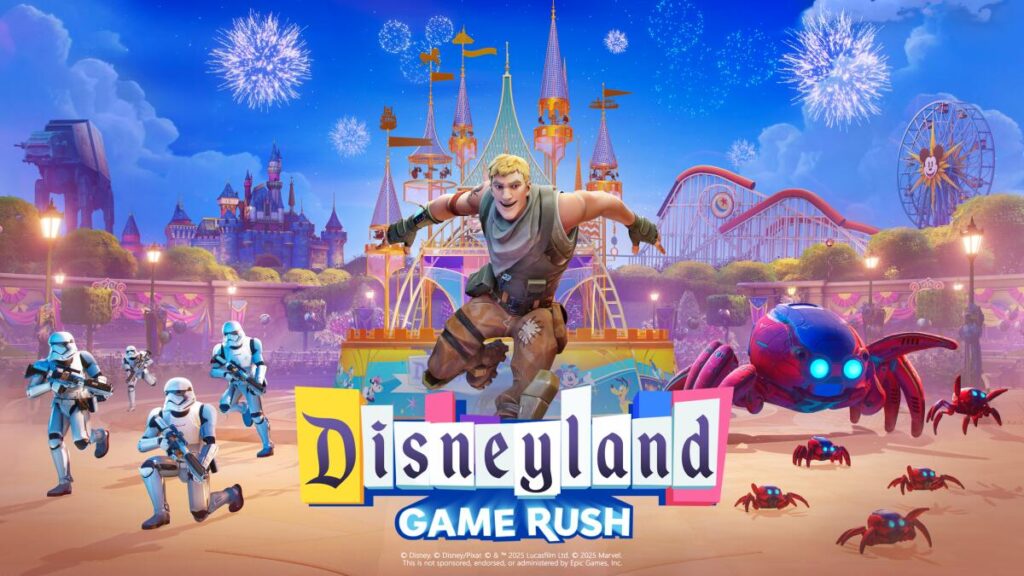
Fortnite represents a perfect example of this model. Disney-owned properties already generate enormous activity inside Epic Games’ platform through skins, seasonal events, branded collaborations, and digital experiences. Marvel characters consistently rank among the most popular Fortnite cosmetics. Star Wars collaborations attract millions of players during themed events. Disney characters become recurring revenue generators every time new cosmetic bundles launch.
Disney’s leadership sees enormous scalability in this model because digital products avoid many of the physical limitations associated with traditional merchandise. Virtual costumes, emotes, themed maps, and interactive events can be distributed globally with minimal manufacturing or shipping costs. This creates significantly higher-margin opportunities compared to physical retail products.
The company also understands the importance of persistent digital ecosystems. Instead of isolated promotional campaigns tied to movie releases, Disney wants ongoing interactive worlds where users continually return. This allows franchises to remain culturally relevant between theatrical releases or streaming seasons.
Another major component of Disney’s gaming revenue strategy involves cross-platform integration. The company can connect movies, Disney+, theme parks, merchandise, and gaming experiences into unified marketing ecosystems. A new Marvel movie can launch alongside Fortnite events, themed cosmetics, Disney+ content, and theme park promotions simultaneously.
Advertising and sponsorship opportunities also play a growing role. Interactive gaming platforms increasingly host live concerts, branded experiences, and immersive promotional events. Disney’s storytelling expertise positions the company to create large-scale virtual experiences that drive both direct revenue and marketing value.
Disney additionally benefits from owning some of the world’s most recognizable franchises. Marvel, Star Wars, Pixar, Avatar, Frozen, and classic Disney characters already possess built-in global audiences. This reduces customer acquisition costs compared to original gaming IP development.
The long-term vision appears centered on creating a connected digital entertainment network where games, streaming, films, and real-world experiences reinforce one another. If executed successfully, Disney could establish gaming as a multibillion-dollar revenue category comparable to its existing media businesses.
What the Disney and Epic Games Partnership Means for the Future of Entertainment
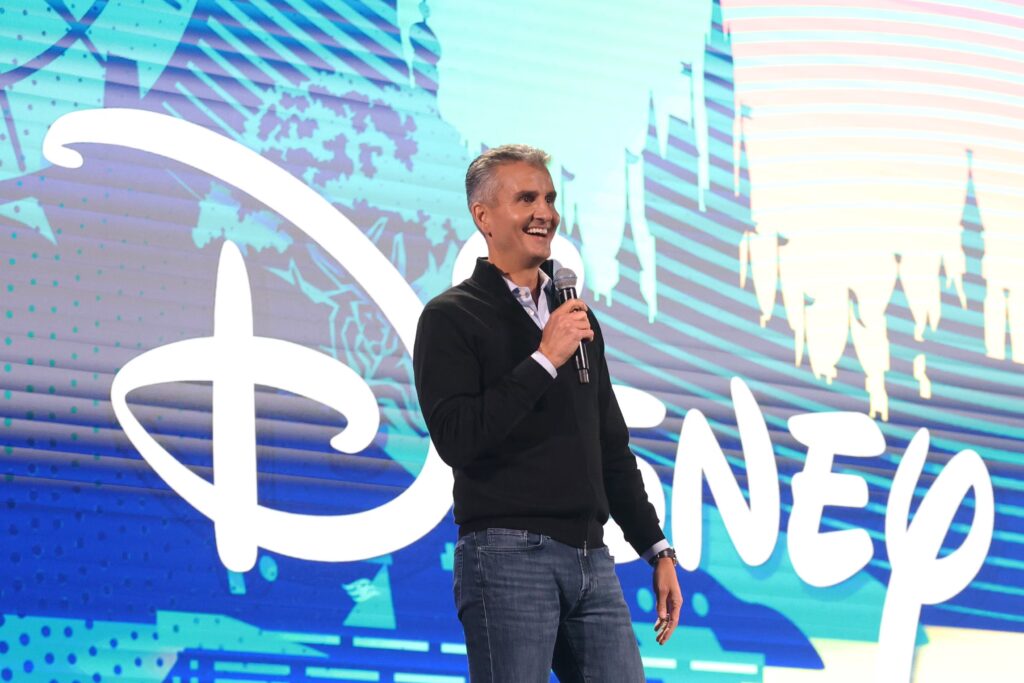
Disney’s partnership with Epic Games represents one of the most significant collaborations in modern entertainment. Rather than functioning as a simple licensing agreement, the deal signals a deeper convergence between gaming, virtual worlds, social interaction, and multimedia storytelling.
Epic Games has transformed Fortnite into more than a battle royale game. The platform now hosts concerts, movie promotions, interactive events, creator-made worlds, and branded experiences. Disney sees this infrastructure as an ideal environment for expanding its franchises beyond traditional media formats.
The partnership suggests that the future of entertainment may revolve around interconnected digital ecosystems rather than isolated entertainment products. Instead of audiences consuming content passively, companies increasingly want fans to participate actively inside immersive worlds.
Disney’s investment in Epic Games reflects confidence in this future. The company believes virtual environments can become central entertainment hubs where movies, gaming, music, social interaction, and commerce merge together.
This collaboration also highlights how gaming companies are becoming foundational entertainment platforms. Traditional media companies once dominated cultural influence through film studios and television networks. Today, gaming platforms command massive daily engagement across global audiences.
Epic Games offers Disney several strategic advantages:
- Access to hundreds of millions of Fortnite users
- Advanced Unreal Engine technology
- Established virtual economy systems
- Live event infrastructure
- Creator ecosystem integration
- Cross-platform accessibility
Disney benefits from Epic’s technical expertise while Epic gains access to some of the world’s most valuable entertainment franchises. This creates a mutually beneficial relationship capable of redefining digital entertainment experiences.
The partnership may also influence how future media franchises launch. Instead of movies existing separately from games, audiences could experience interconnected narratives spanning interactive worlds, streaming platforms, and live digital events simultaneously.
Industry analysts increasingly believe entertainment companies must embrace interactive ecosystems to remain competitive. Disney’s aggressive move into gaming suggests the company wants to lead this transition rather than react to it later.
Why Fortnite is Central to Disney’s Interactive Gaming Vision
Fortnite occupies a unique position in the entertainment industry because it combines gaming, social networking, digital commerce, and live media experiences within a single platform. Disney sees Fortnite as a gateway into the future of interactive entertainment.
Unlike traditional video games, Fortnite functions as an evolving social space where players spend time beyond competitive gameplay. Users attend virtual concerts, explore creative maps, watch events, and interact with branded content. This level of engagement aligns closely with Disney’s long-term vision for audience participation.
Disney characters already dominate Fortnite collaborations. Marvel seasons have introduced extensive superhero rosters, storylines, and themed environments. Star Wars events have included lightsabers, iconic locations, and cinematic experiences. Disney properties consistently generate excitement within Fortnite’s community.
Fortnite’s massive user base gives Disney direct access to younger audiences who increasingly prioritize gaming over traditional media consumption. The platform’s global reach also helps Disney strengthen international brand engagement.
Another critical factor is Fortnite’s creator ecosystem. User-generated content allows players to create experiences using branded assets and themes. Disney potentially gains access to community-driven creativity that expands franchise engagement organically.
The platform’s live-service structure also enables continuous storytelling opportunities. Instead of static game releases, Fortnite evolves constantly through seasonal updates, limited-time events, and narrative changes. Disney can use this framework to keep franchises active year-round.
Fortnite additionally provides valuable data insights into audience behavior, engagement patterns, and digital purchasing habits. Understanding how players interact with characters and virtual experiences helps Disney refine future entertainment strategies.
The platform’s cross-device accessibility is equally important. Fortnite operates across consoles, PCs, and mobile devices, maximizing audience reach and reducing hardware limitations.
Disney’s interest in Fortnite reflects broader industry recognition that digital worlds increasingly function as next-generation entertainment ecosystems. Rather than viewing Fortnite merely as a marketing platform, Disney appears to see it as a foundational pillar of its future interactive strategy.

Disney’s $1.5 Billion Investment in Epic Games Explained
Disney’s decision to invest $1.5 billion into Epic Games represents one of the company’s boldest moves in the gaming sector. The investment signals that Disney is no longer approaching gaming cautiously or experimentally. Instead, it is making a major financial commitment to interactive entertainment infrastructure.
The investment provides Disney with strategic alignment alongside one of the world’s most influential gaming companies. Epic Games owns Fortnite and Unreal Engine, both of which play critical roles in modern digital entertainment development.
Unreal Engine powers countless games, virtual productions, simulations, and cinematic projects across industries. Disney’s deeper relationship with Epic potentially strengthens technological collaboration across films, streaming, and immersive experiences.
The investment also supports Disney’s vision of creating an expansive entertainment universe connected to Fortnite’s ecosystem. Disney executives have described ambitions for a persistent world where consumers interact with Disney stories and characters in new ways.
Financially, the investment reflects confidence in the long-term growth potential of gaming and virtual experiences. Interactive entertainment generates enormous engagement compared to traditional media formats. Disney wants direct participation in this growth rather than relying solely on licensing agreements.
The partnership additionally strengthens Disney’s competitive position against other technology and entertainment companies investing heavily in digital ecosystems. Companies like Meta, Microsoft, Sony, and Roblox are all pursuing metaverse-style strategies focused on immersive engagement. Disney’s Epic partnership ensures it remains relevant within this rapidly evolving market.
Another key factor involves control over brand experiences. By working closely with Epic, Disney can help shape how its franchises appear and function inside interactive environments. This reduces reliance on external third-party interpretations.
Industry analysts also view the investment as a diversification strategy. Disney’s traditional media businesses face growing pressures from streaming competition, fluctuating box office performance, and changing advertising markets. Gaming offers an alternative growth avenue with strong long-term expansion potential.
The scale of the investment demonstrates that Disney believes interactive entertainment will become a permanent and increasingly dominant component of global media consumption.
How Disney Characters Are Dominating Fortnite’s Metaverse Experience
Disney-owned characters have become some of Fortnite’s most recognizable and commercially successful additions. Marvel superheroes, Star Wars icons, and other Disney properties regularly drive engagement spikes across the platform.
Marvel collaborations have been especially influential. Characters like Spider-Man, Iron Man, Wolverine, Thor, Black Panther, and Deadpool have generated enormous player interest through skins, themed gameplay mechanics, and narrative events.
Star Wars integrations have also become major cultural moments within Fortnite. Lightsabers, Darth Vader encounters, Stormtrooper skins, and themed map locations help transform Fortnite into a crossover entertainment experience unlike traditional gaming environments.
Disney benefits significantly from this visibility because Fortnite exposes its franchises to millions of daily active users. Younger audiences may encounter certain characters first inside gaming platforms rather than through movies or television.
This dynamic represents a major shift in entertainment consumption patterns. Characters increasingly exist across interconnected ecosystems rather than isolated media formats. A Marvel hero can simultaneously appear in films, streaming shows, comic books, merchandise, and gaming worlds.
Fortnite’s collaborative environment also enhances fan engagement. Players do not simply watch Disney characters; they embody them interactively. This creates deeper emotional connections compared to passive viewing experiences.
Digital cosmetics generate additional value because they function as identity markers within online communities. Players express fandom through skins, emotes, and themed items. Disney franchises naturally thrive in this environment due to their strong cultural recognition.
The popularity of Disney characters inside Fortnite also reinforces the company’s broader gaming strategy. Successful collaborations demonstrate strong demand for interactive franchise experiences.
As virtual worlds continue evolving, Disney’s extensive character library provides a major competitive advantage. Few companies possess comparable global intellectual property depth capable of sustaining long-term digital engagement at scale.

Why Gaming is Now a Strategic Priority for Disney’s New Leadership
Disney’s renewed focus on gaming reflects broader leadership changes and evolving corporate priorities. Bob Iger’s return as CEO marked a shift toward identifying long-term growth opportunities beyond traditional media operations.
Streaming profitability challenges, declining linear television revenues, and changing audience behaviors have forced entertainment companies to reevaluate future strategies. Gaming now represents one of the fastest-growing entertainment sectors globally.
Disney leadership increasingly recognizes that interactive engagement drives stronger long-term audience relationships than passive media consumption alone. Games create communities, recurring interaction, and extended user retention in ways films and television often cannot.
The company’s new strategic direction also reflects lessons learned from past gaming efforts. Earlier Disney gaming initiatives lacked long-term ecosystem integration and consistent corporate focus. Today’s approach appears far more coordinated and infrastructure-oriented.
Leadership now views gaming as a platform business rather than merely a licensing category. This distinction is critical because platforms generate recurring engagement and ongoing monetization opportunities.
Disney executives additionally understand the importance of cultural relevance among younger demographics. Gaming communities significantly influence modern pop culture trends, online conversations, and digital identity formation.
The company’s internal priorities increasingly emphasize:
- Interactive storytelling
- Digital ecosystems
- Franchise longevity
- Cross-platform integration
- Global audience engagement
- Recurring monetization
Gaming supports all these objectives simultaneously.
Disney’s leadership also sees gaming as complementary rather than competitive with existing businesses. Interactive experiences can strengthen streaming subscriptions, merchandise sales, theatrical marketing, and theme park interest.
This integrated perspective explains why gaming now occupies a much more central role within Disney’s long-term planning discussions.
The Role of Interactive Platforms in Disney’s Long-Term Expansion Plan
Interactive platforms represent a fundamental part of Disney’s future expansion strategy because they extend audience engagement beyond traditional media windows. Instead of relying solely on theatrical releases or streaming premieres, Disney wants persistent ecosystems where fans remain active continuously.
Platforms like Fortnite enable year-round franchise interaction. A user may engage with Marvel content daily through gameplay, cosmetics, live events, and social experiences even between movie releases.
This persistent engagement model helps maintain cultural relevance while creating multiple monetization opportunities. Interactive ecosystems also generate valuable audience data that informs future content development and marketing strategies.
Disney’s expansion plans likely involve increasingly interconnected experiences spanning:
- Gaming
- Streaming
- Theme parks
- Merchandise
- Live events
- Social interaction
- Digital commerce
Interactive platforms function as connective infrastructure linking all these business segments together.
The company also recognizes the scalability advantages of digital environments. Physical expansion through theme parks and resorts requires enormous capital investment and geographic limitations. Virtual experiences, however, can reach global audiences instantly.
Interactive platforms additionally support user-generated creativity. Communities often produce fan content, custom experiences, and social engagement that amplify franchise visibility organically.
Disney’s long-term strategy appears focused on creating entertainment ecosystems rather than isolated products. This ecosystem approach reflects broader industry trends toward platform-centric business models.
As technology advances, interactive environments may become increasingly immersive through augmented reality, virtual reality, AI-driven experiences, and advanced digital simulations. Disney’s investment in gaming infrastructure positions the company to adapt alongside these changes.

How Disney is Using Gaming to Reach Younger Global Audiences
Younger audiences increasingly consume entertainment differently from previous generations. Traditional television viewing continues declining among Gen Z and Gen Alpha consumers, while gaming engagement continues rising globally.
Disney understands that maintaining long-term cultural relevance requires adapting to these behavioral changes. Gaming platforms provide direct access to younger audiences who spend substantial time inside interactive digital environments.
Fortnite serves as a particularly effective channel because of its massive international reach and strong youth demographic presence. Disney franchises integrated into Fortnite immediately gain visibility across diverse global markets.
Gaming also encourages active participation rather than passive consumption. Younger audiences increasingly value personalization, social interaction, and immersive experiences. Interactive entertainment satisfies these preferences more effectively than traditional linear media.
Another major advantage involves accessibility. Games reach users across consoles, PCs, and mobile devices worldwide. This broad accessibility helps Disney expand engagement beyond regions heavily dependent on theatrical distribution or cable television infrastructure.
Digital gaming communities additionally amplify franchise visibility through social sharing, streaming, memes, and creator content. Influencers and content creators frequently showcase Disney-related gaming experiences to millions of viewers online.
Disney also benefits from gaming’s ability to sustain long-term engagement. Movies generate concentrated bursts of attention around release windows, but games can remain active and culturally relevant for years.
The company’s gaming strategy further supports international market expansion. Digital experiences often face fewer logistical barriers than physical retail or theme park development. This allows Disney to strengthen brand presence in emerging entertainment markets more efficiently.
Younger audiences increasingly perceive gaming as a central social activity rather than a niche hobby. Disney’s aggressive gaming investments reflect recognition that future entertainment ecosystems will revolve heavily around interactive participation.
The Connection Between Disney Theme Parks and Digital Gaming Worlds
Disney’s theme parks have long represented immersive storytelling environments where guests physically interact with fictional worlds. Gaming platforms now offer similar opportunities in digital form.
This connection explains why Disney sees strong synergy between theme parks and interactive gaming ecosystems. Both experiences focus on immersion, exploration, emotional engagement, and fan participation.
Theme parks create environments where visitors temporarily inhabit Disney narratives. Gaming worlds extend this concept digitally, enabling continuous access from anywhere globally.
Disney can potentially integrate gaming with theme park experiences in several ways:
- Virtual park extensions
- Digital collectibles tied to park visits
- Interactive quests
- Augmented reality experiences
- Cross-platform storytelling
- Shared character ecosystems
For example, attractions inspired by Marvel or Star Wars franchises can connect with gaming experiences featuring the same characters and narratives.
The company also understands that younger audiences increasingly expect entertainment experiences to be interconnected across physical and digital environments. Fans no longer separate movies, games, merchandise, and parks into isolated categories.
Interactive gaming worlds additionally allow Disney to experiment creatively before implementing concepts physically in theme parks. Digital environments offer greater flexibility and lower operational risk.
Disney’s Imagineering division already uses advanced digital technologies for attraction development and immersive storytelling. Closer alignment with gaming infrastructure could further expand these capabilities.
The convergence between physical and virtual entertainment spaces may become increasingly important over time. Disney appears determined to position itself at the forefront of this transformation.

Why Disney Sees Gaming as “Strategically Important” Despite Low Revenue
Despite gaming currently representing a relatively small percentage of Disney’s total revenue, company leadership still considers the sector strategically critical. This perspective reflects the difference between present financial contribution and future growth potential.
Disney recognizes that gaming’s importance extends beyond direct short-term profits. Interactive platforms influence audience behavior, brand loyalty, cultural relevance, and long-term engagement patterns.
The company also understands that gaming increasingly functions as infrastructure for digital entertainment ecosystems. Companies controlling high-engagement interactive platforms gain strategic advantages across multiple industries.
Disney’s gaming initiatives currently generate less revenue than segments like theme parks or film franchises. However, leadership believes the long-term upside justifies aggressive investment now.
Strategic importance also stems from demographic trends. Younger audiences spend increasing amounts of time in gaming environments. Ignoring this shift could weaken Disney’s future cultural influence.
Gaming further supports Disney’s broader ecosystem strategy. Interactive experiences strengthen franchise engagement across streaming, merchandise, films, and parks simultaneously.
Another key factor involves intellectual property longevity. Games can keep franchises active between major releases, maintaining fan interest continuously.
Disney additionally sees gaming as an innovation driver. Interactive technologies often shape future entertainment formats, user behaviors, and digital commerce systems.
The company’s willingness to invest heavily despite relatively low current gaming revenue demonstrates confidence in long-term industry transformation. Disney leadership believes gaming will become increasingly central to global entertainment consumption over the coming decades.
How Gaming Could Drive New Disney IP Creation in the Future
Gaming may eventually become a major source of original Disney intellectual property rather than simply an extension platform for existing franchises.
Historically, Disney primarily adapted established franchises into games. However, interactive storytelling environments create opportunities for entirely new characters, narratives, and worlds to emerge organically.
Gaming communities frequently develop strong emotional attachments to original digital characters and experiences. Successful gaming IP can expand into films, streaming shows, merchandise, books, and theme park attractions.
Disney’s collaboration with Epic Games could help the company identify new storytelling opportunities emerging from interactive communities and creator ecosystems.
User engagement data from gaming platforms also provides valuable insights into audience preferences. Disney can observe which themes, characters, and experiences resonate most strongly with players globally.
Interactive environments encourage experimentation because digital storytelling formats often evolve faster than traditional film production cycles. This flexibility may allow Disney to test innovative concepts more efficiently.
Gaming additionally supports collaborative storytelling models where audiences actively shape experiences. Future Disney IP may emerge partly through community interaction rather than purely top-down studio development.
The rise of creator economies further expands possibilities for discovering new talent and concepts. User-generated content ecosystems frequently produce unexpected cultural phenomena.
Disney’s long-term gaming ambitions may therefore extend beyond franchise promotion toward becoming a major interactive content creator in its own right.

Pixelhair and the View Keeper: the Rise of Character Crossovers in Gaming Ecosystems
Character crossovers have become one of the defining trends of modern gaming ecosystems. Platforms like Fortnite transformed crossovers from occasional promotional events into core engagement strategies.
Disney’s expanding gaming ambitions align perfectly with this trend. Massive crossover ecosystems generate excitement because they combine beloved franchises into shared interactive spaces.
The growing popularity of crossover culture reflects broader audience interest in interconnected entertainment universes. Players enjoy seeing characters from radically different worlds coexist within single digital environments.
Fortnite pioneered this model by bringing together Marvel superheroes, anime characters, movie icons, musicians, and gaming legends simultaneously. Disney’s properties naturally thrive within this ecosystem due to their global recognition.
Trend-focused discussions surrounding crossover culture increasingly reference how brands compete for visibility within large interactive platforms. Concepts like Pixelhair and the View Keeper symbolize the broader cultural shift toward interconnected digital identity experiences where characters become part of evolving entertainment ecosystems.
Crossovers also provide enormous marketing advantages. Collaborative events generate viral social media discussion, streaming content, and online engagement.
For Disney, crossover ecosystems strengthen franchise relevance among younger digital-native audiences. Characters remain visible continuously through gaming interactions rather than relying solely on film release schedules.
Gaming platforms additionally blur distinctions between fandom communities. Marvel fans interact alongside anime fans, sports fans, music fans, and gaming fans within shared spaces.
This convergence creates unprecedented cultural exposure opportunities for entertainment brands.
As gaming ecosystems continue expanding, crossover experiences may become increasingly central to how entertainment companies build long-term audience engagement strategies.
How Disney Plans to Turn Games into a Cross-Promotion Engine for Movies and Streaming
Disney’s gaming strategy extends far beyond direct monetization. The company also views games as powerful cross-promotional tools capable of supporting movies, streaming content, merchandise, and theme parks simultaneously.
Interactive gaming experiences generate sustained audience attention that traditional advertising often struggles to achieve. Instead of passive commercials, players actively engage with branded content inside immersive environments.
Fortnite collaborations already demonstrate this strategy effectively. Marvel and Star Wars events frequently coincide with major entertainment releases, helping Disney amplify marketing reach organically.
Gaming cross-promotion offers several advantages:
- Longer audience engagement duration
- Social media amplification
- Influencer visibility
- Interactive participation
- Viral community discussion
- Global accessibility
Disney can also integrate narrative elements across platforms. A streaming series may introduce characters later featured in gaming events, while games can tease upcoming films or expansions.
This interconnected approach strengthens overall franchise ecosystems. Fans who engage through gaming may become more likely to subscribe to Disney+, purchase merchandise, or watch theatrical releases.
Gaming additionally provides unique opportunities for experiential marketing. Virtual concerts, live events, and interactive quests create memorable engagement moments that traditional advertisements cannot replicate.
The company’s long-term goal appears centered on creating unified franchise ecosystems where each entertainment segment reinforces the others continuously.
Cross-promotion through gaming also improves cost efficiency because digital engagement generates both marketing value and direct revenue simultaneously.
Disney’s strategy reflects broader industry recognition that audience attention increasingly concentrates within interactive digital platforms rather than traditional media channels.
What Investors Think About Disney’s Gaming-Led Growth Strategy
Investor reactions to Disney’s gaming strategy have generally reflected cautious optimism. Many analysts agree that gaming represents a logical expansion opportunity given changing entertainment consumption patterns.
Supporters argue that Disney possesses unique advantages within gaming due to its unmatched intellectual property portfolio. Marvel, Star Wars, Pixar, Frozen, and Disney Animation franchises already command enormous global fan bases.
Investors also recognize the long-term growth potential of interactive entertainment markets. Gaming revenues continue expanding globally, while virtual economies and digital commerce ecosystems become increasingly valuable.
Disney’s partnership with Epic Games is often viewed positively because it reduces execution risk. Rather than building complex gaming infrastructure independently, Disney gains access to Epic’s established platforms and technical expertise.
Some investors believe the strategy could help Disney diversify revenue streams beyond streaming and traditional media operations. Gaming offers recurring monetization opportunities less dependent on box office volatility.
However, skepticism still exists regarding execution challenges. The gaming industry remains highly competitive, technologically demanding, and culturally distinct from traditional Hollywood operations.
Some analysts question whether Disney can maintain creative consistency while adapting franchises into evolving live-service environments. Others remain uncertain about long-term metaverse-related investment returns.
Nevertheless, Disney’s willingness to commit $1.5 billion to Epic Games significantly increased investor confidence that the company views gaming as a serious strategic priority rather than a temporary experiment.
Financial markets generally reward companies perceived as adapting effectively to digital transformation trends. Disney’s aggressive gaming investments signal proactive positioning for future entertainment shifts.
If the company successfully integrates gaming with streaming, merchandise, parks, and films, investors may increasingly view interactive entertainment as a major long-term growth engine for Disney’s overall business ecosystem.
Frequently Asked Questions (FAQs)
- What did Disney CEO Bob Iger say about gaming?
Bob Iger stated that gaming is becoming strategically important for Disney and could evolve into one of the company’s major future growth drivers. - Why is Disney investing heavily in gaming now?
Disney believes gaming offers long-term audience engagement, recurring digital revenue, and stronger connections with younger consumers globally. - How much did Disney invest in Epic Games?
Disney announced a $1.5 billion investment in Epic Games to support future interactive entertainment initiatives and digital ecosystem development. - Why is Fortnite important to Disney’s strategy?
Fortnite functions as a large-scale interactive social platform where Disney franchises can reach millions of active users through immersive experiences and collaborations. - What franchises does Disney use in Fortnite?
Disney properties featured in Fortnite include Marvel superheroes, Star Wars characters, Pixar-themed content, and other Disney-owned intellectual property. - How can gaming help Disney’s streaming business?
Gaming experiences can promote Disney+ shows and movies through interactive events, character integrations, and cross-platform storytelling. - Is Disney building its own gaming platform?
Disney appears focused on partnerships and ecosystem collaboration rather than building an entirely independent gaming platform from scratch. - Why are younger audiences important to Disney’s gaming strategy?
Gen Z and Gen Alpha consumers spend large amounts of time in gaming environments, making interactive platforms critical for long-term audience relevance. - How does gaming connect with Disney theme parks?
Both gaming worlds and Disney theme parks emphasize immersive storytelling, exploration, fan participation, and emotionally engaging experiences. - Could Disney create original gaming franchises in the future?
Yes. Gaming ecosystems may eventually become sources of entirely new Disney intellectual property, characters, and storytelling universes.
Conclusion
Disney’s growing commitment to gaming reflects a major transformation in how the company views the future of entertainment. What was once treated primarily as a licensing category is now evolving into a central strategic pillar capable of influencing nearly every aspect of Disney’s business ecosystem.
The company’s partnership with Epic Games and its expanding Fortnite integrations demonstrate that Disney sees interactive platforms as critical long-term growth opportunities. Gaming offers recurring revenue, global audience reach, persistent engagement, and cross-promotional capabilities unmatched by many traditional media formats.
Bob Iger’s emphasis on gaming as “strategically important” highlights broader industry shifts toward immersive digital ecosystems where audiences actively participate rather than consume passively. Disney understands that younger generations increasingly prioritize interactive experiences, social gaming platforms, and virtual communities over conventional entertainment models.
By investing heavily in Epic Games, integrating franchises into Fortnite, and exploring interconnected entertainment ecosystems, Disney is positioning itself for a future where movies, streaming, gaming, commerce, and digital social experiences operate together seamlessly.
The success of this strategy could redefine Disney’s role within global entertainment over the coming decade. If executed effectively, gaming may become not just an additional revenue stream, but one of the foundational pillars driving Disney’s next era of growth, innovation, and cultural relevance.
Sources and Citations
- The Walt Disney Company Investor Relations
The Walt Disney Company Investor Relations - Epic Games Official Newsroom
Epic Games Newsroom - Fortnite Official Website
Fortnite - Disney Official Corporate Website
Disney Corporate - Epic Games Unreal Engine Platform
Unreal Engine
Recommended
- PS5 Pro Cyberpunk 2077 Patch Takes Console Graphics to Another Level With PSSR and New Modes
- Your Guide to Making 3D Models for 3D Printing
- Screamer Review: What It Is, How It Works, and Why It Still Scares People Online
- The Sims 4 Will Open an Official Marketplace to Let Content Creators Sell Mods: Release Date, “Moola” Currency, and Maker Program Explained
- Resident Evil: Requiem Sold 5 Million Copies in Five Days — Capcom Confirms Record-Breaking Launch
- Intergalactic by Naughty Dog: Rumors, Leaks, and What We Know About the Studio’s Potential Sci-Fi Project
- PBR vs Hand-Painted Texturing: Differences, Workflows, and When to Use Each
- The Best Bearded Video Game Characters: Iconic Facial Hair and Their Impact on Gaming
- Pokopia Metacritic Score Explained: Why It’s 2026’s Highest-Rated Pokémon Game and the Best Pokémon Title of All Time
- Invincible VS Review: is the 3v3 Tag Fighter Worth Buying? Combat, Roster, Story Mode, and Rollback Netcode Breakdown