





In This Article (9 sections)
Donkey Kong Bananza Mario-Inspired Update: Limited-Time Costume Waves and Permanent Miss-Out Rules
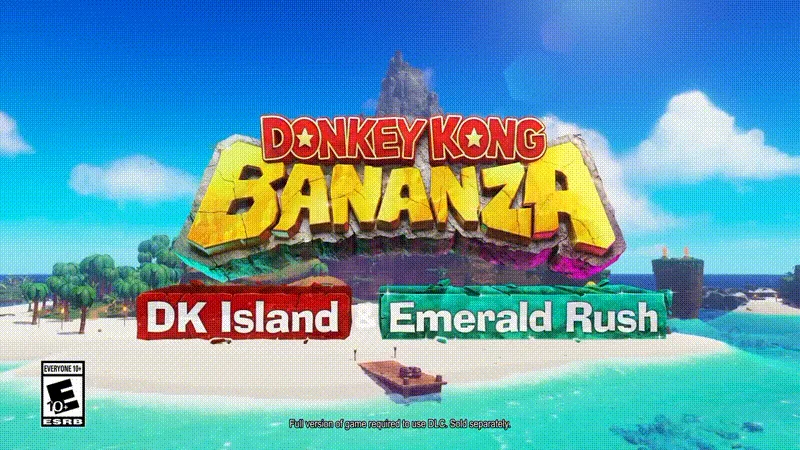
The latest update to Donkey Kong Bananza introduces a highly unusual progression and cosmetic system that has quickly become one of the most debated design choices in modern platform gaming. Centered around a series of Mario-inspired costume drops, the update structures content into strictly time-limited “waves,” each granting temporary access to themed outfits that draw heavily from the legacy of Super Mario Bros. and the broader Nintendo universe.
Unlike traditional cosmetic systems where items can be unlocked at any time through gameplay or store access, this update introduces permanent miss-out conditions. If players do not participate within the designated time windows, the costumes become permanently unavailable, even if they previously owned or engaged with the game during the event period. This structure has placed the update under intense scrutiny, both for its innovative live-service approach and for its restrictive access model, which challenges long-standing expectations of content permanence in Nintendo-style games published by Nintendo.
The Mario-inspired update for Donkey Kong Bananza is a seasonal content rollout designed to celebrate the shared universe of classic Nintendo platform characters, particularly Donkey Kong and Mario. At its core, the update introduces limited-time costume sets inspired by Mario franchise aesthetics, a time-gated “wave” distribution system, permanent miss-out mechanics tied to each wave, and cosmetic-only rewards with no direct gameplay stat changes.
The importance of the update lies not only in its content but in its structure. It represents a shift toward live-service-inspired engagement strategies within traditionally single-player or platforming-focused franchises. For Nintendo, this signals an experimentation phase where player retention is influenced not just by gameplay but by scheduled content availability. This design has historically been more common in competitive online games, making its application to a Donkey Kong title particularly notable.
The costume system is built around three core principles: scheduled access, wave segmentation, and irreversible reward windows. Each costume set is only available during its assigned time window, called a “wave.” Players can access costumes during the active wave by logging in and completing simple in-game tasks or event challenges. Once a wave closes, the associated costumes are removed from availability, no alternative unlock method is provided, and future re-releases are not guaranteed.
The system follows a strict sequence: a wave becomes active, players complete the required event tasks, costumes are unlocked temporarily or permanently depending on participation, and then the wave closes with the content locked away. This model mirrors certain seasonal mechanics seen in other live-service ecosystems but is unusually strict in its permanent exclusion rule.

Donkey Kong Bananza Costume Wave Rollout: Start Date, Wave 1, and Wave 2 Availability
The update begins with a global rollout aligned to server time regions supported by Nintendo. From the start date, all eligible players gain access to Wave 1 costumes immediately upon logging into Donkey Kong Bananza. Key timing elements include immediate activation upon patch deployment, region-based synchronization for fairness, no pre-download unlocking advantages, and a unified global countdown structure. The intention is to ensure that no player gains a long-term advantage in unlocking cosmetics ahead of others, reinforcing a synchronized event economy.
Wave 1 introduces the first batch of Mario-inspired costumes, focusing heavily on classic designs that reference early platforming aesthetics. During this wave, players can expect retro-inspired Mario-themed outfits, jungle-adapted variations for Donkey Kong, and unlock challenges tied to standard platforming objectives. Availability is strictly limited to the scheduled window, and once the timer expires, Wave 1 costumes are removed from all progression paths. This structure encourages immediate engagement, pushing players to log in during the launch period rather than delaying participation.
Wave 2 is expected to expand the crossover theme further by introducing more stylized interpretations of Mario-era costumes and additional character-inspired outfits. While exact details remain limited, the structure suggests more complex challenge requirements, expanded cosmetic sets per character, and increased integration of environmental gameplay tasks. Wave 2 is designed to build on player feedback from Wave 1, potentially refining difficulty balance and unlock pacing, but it retains the same strict time-based availability model, reinforcing the update’s core philosophy.
Wave 3, Missed Access Windows, and Permanently Missable Costumes
Wave 3 represents the final scheduled drop in the current update cycle. It is expected to function as a culmination of the Mario-inspired theme, potentially featuring premium-tier cosmetic sets. Anticipated characteristics include high-detail crossover costumes, possible references to legacy Nintendo titles, advanced challenge completion requirements, and a final opportunity structure with no confirmed reruns. This final wave is likely to generate the most pressure among players due to its “last chance” positioning, increasing urgency and engagement.
If a player misses any active wave in Donkey Kong Bananza, the consequences are definitive: the costumes from that wave become inaccessible, no retroactive unlock method is provided, and support channels cannot restore missed rewards. This design choice is intentional and central to the update’s philosophy. It emphasizes exclusivity and time-based participation rather than long-term completion, creating a high-pressure engagement model where timing becomes as important as gameplay performance.
Under the current system introduced by Nintendo, costumes tied to each wave are permanently missable if not obtained during their designated availability window. This differs from many modern live-service systems, which often rotate items back into circulation. In contrast, this update adopts a “one-time availability” philosophy. The implications include increased perceived rarity of cosmetics, higher urgency for active participation, and stronger FOMO dynamics. While controversial, this approach is designed to increase event engagement metrics and encourage consistent logins.
Mario-Inspired Costume Designs, Gameplay Impact, and How to Unlock Them
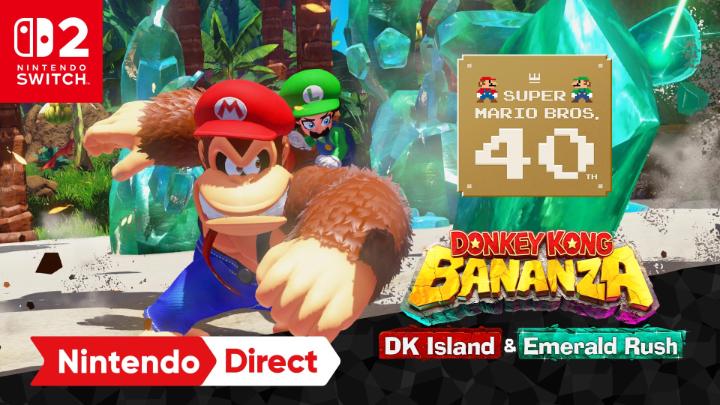
The costume sets introduced in this update draw heavily from the visual identity of Super Mario Bros. and its extended universe. Design inspirations include classic red-and-blue plumber aesthetics, jungle-themed reinterpretations for Donkey Kong, retro pixel-style references, and modernized high-definition costume redesigns. The integration of Mario motifs into Donkey Kong gameplay visuals creates a crossover aesthetic that appeals to long-time fans of Nintendo’s platforming legacy, while the costumes remain cosmetic-only to ensure no gameplay imbalance is introduced.
Although the update does not alter core mechanics in Donkey Kong Bananza, it significantly impacts player behavior and engagement patterns. Key effects include increased daily login frequency, higher participation during event windows, a shift toward time-based progression planning, and enhanced community coordination around deadlines. Players are incentivized to plan play sessions around wave schedules rather than playing at their own pace, which represents a subtle but meaningful shift in design philosophy for a platform-style game.
To unlock costumes during any active wave in Donkey Kong Bananza, players must log in during the active wave period, access the event menu from the main hub, select the current costume wave challenge, complete designated platforming or collection tasks, and claim rewards before wave expiration. Failure to complete the final step before the timer ends results in permanent loss of access for that wave’s costumes. The system is designed to be straightforward but strictly time-sensitive.

Nintendo’s Limited-Time Event Strategy, Community Reaction, and Comparison with Past Event Systems
The decision by Nintendo to implement limited-time costume waves appears to be driven by several strategic goals: encouraging consistent player engagement, increasing long-term retention metrics, creating community-wide synchronized events, and enhancing the perceived value of cosmetic rewards. This approach reflects broader industry trends toward seasonal content cycles, even in franchises traditionally focused on complete offline experiences. It also introduces a psychological engagement factor where scarcity increases perceived desirability.
The player response to the update in Donkey Kong Bananza has been mixed. Positive feedback highlights excitement around exclusive cosmetics, strong community participation during events, and the nostalgic appeal of Mario-inspired designs. Negative feedback focuses on permanent miss-out mechanics, pressure to log in within strict windows, and concerns about content preservation. The debate centers around whether cosmetic exclusivity enhances or undermines player enjoyment.
Compared to previous limited-time systems in titles from Nintendo, this update is notably more restrictive. Typical Nintendo event structures often include seasonal rotations, event reruns, and event shop returns. In contrast, the Donkey Kong Bananza system does not guarantee reruns, permanently locks missed content, and uses strict wave expiration mechanics. This makes it one of the most rigid limited-time systems in the broader Nintendo ecosystem.

Frequently Asked Questions (FAQs)
- What is the Donkey Kong Bananza Mario-inspired update?
It is a limited-time costume event that introduces Mario-themed outfits into Donkey Kong Bananza through scheduled waves. The update focuses on cosmetic rewards inspired by Super Mario Bros. and the wider Nintendo platforming legacy. - How many costume waves are included?
Three main waves are planned in the current update cycle. Each wave brings its own set of themed costumes and is available only during its designated time window. - Are the costumes gameplay-affecting?
No, the costumes are cosmetic only. They change the visual appearance of characters but do not provide stat boosts, gameplay advantages, or mechanical changes. - Can missed costumes be obtained later?
No official method for re-obtaining missed wave costumes exists under the current system. Once a wave expires, its associated costumes are removed from availability with no confirmed alternative unlock path. - When does Wave 1 start?
Wave 1 begins immediately upon the update rollout. Eligible players can access the first costume wave by logging into Donkey Kong Bananza once the patch is active. - What happens if I miss a wave?
If you miss a wave, the costumes from that wave become permanently unavailable. Support channels cannot restore missed rewards, and no retroactive unlock method is currently provided. - Are Wave 2 and Wave 3 different?
Yes, each wave contains unique themed costumes and challenges. Wave 2 is expected to expand the crossover theme, while Wave 3 is positioned as the final scheduled drop in the current update cycle. - Do I need to pay for costumes?
No, the costumes are tied to event participation. Players unlock them by logging in during active waves and completing the required in-game event tasks. - Is this system permanent?
The system applies to this update cycle unless changed in future patches. As currently structured, each costume wave follows strict time-limited access rules. - Will Nintendo rerun these events?
There is no confirmed rerun policy. Future re-releases are not guaranteed, so players must participate during the original wave windows to secure the costumes.
Conclusion
The Mario-inspired update for Donkey Kong Bananza represents a significant evolution in how cosmetic content is delivered within platform gaming. By introducing tightly scheduled waves, permanent miss-out conditions, and crossover designs inspired by Super Mario Bros., Mario, and Donkey Kong, the system blends nostalgia with modern live-service mechanics.
While the approach successfully drives engagement and urgency, it also raises concerns about accessibility and content permanence. Whether this model becomes a new standard for Nintendo or remains an experimental feature will depend heavily on player reception during the current wave cycle.
Sources and Citations
- Nintendo Official Website
- Donkey Kong Series Overview
- Super Mario Franchise Information
- Nintendo News and Updates
Recommended
- Netflix’s New Shark Horror Movie Thrash Starring Bridgerton’s Phoebe Dynevor Is Surprisingly Watchable Despite Mixed Reviews
- PCG (Procedural Content Generation) in Unreal Engine: UE5 PCG Framework Guide
- Media Molecule New Open World Game Explained
- The Best Drift Cars in Forza Horizon 6
- Silent Hill: Townfall Preorders Now Available at Amazon and Best Buy Explained
- Beeple’s Neue Nationalgalerie Installation: Robot Dogs With Elon Musk and Mark Zuckerberg Heads Take Over Berlin Art Scene
- Invincible VS Review: is the 3v3 Tag Fighter Worth Buying? Combat, Roster, Story Mode, and Rollback Netcode Breakdown
- Under-Appreciated Schwarzenegger Action Flick Eraser Is Getting a 4K Steelbook Blu-ray for Its 30th Anniversary (Release Date + Details)
- Understanding PixelHair: A Comprehensive Guide to Realistic 3D Hair Assets
- How to Make Mind-Blowing Anime FX in Blender and After Effects



































































































