






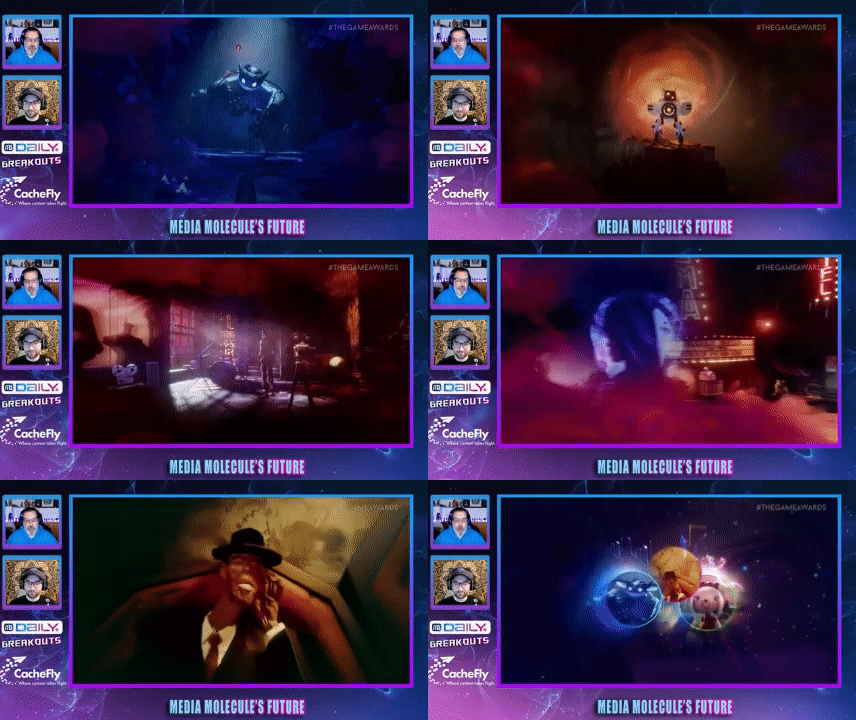
Media Molecule has built a reputation as one of the most creative studios under the Sony Interactive Entertainment umbrella. Known for imaginative titles such as LittleBigPlanet and Dreams, the studio became synonymous with player creativity, user-generated content, and experimental game design. Recent industry rumors, hiring activity, and developer discussions now suggest the studio may be preparing a dramatic shift toward a new open-world intellectual property.
The possibility of an open-world game from Media Molecule has sparked significant discussion within the gaming industry because the studio has historically focused on sandbox creativity rather than traditional large-scale exploration games. Reports tied to career listings and insider speculation suggest the company may be moving beyond the framework established by Dreams while still preserving its signature creativity-driven identity.
The conversation around Media Molecule’s future intensified after Dreams support effectively slowed down. Fans began questioning what direction the studio would pursue next, especially after years spent refining creation tools and community systems. Instead of another iteration of Dreams or a return to LittleBigPlanet, speculation now points toward a completely original project that could combine storytelling, player freedom, social systems, and open-world gameplay mechanics.
The idea of Media Molecule entering the open-world genre is particularly intriguing because few studios possess the same level of expertise in player expression and interactive creativity. If the rumors prove accurate, the studio may attempt to merge user-generated systems with expansive exploration mechanics in ways that major AAA developers have not yet fully explored.

Media Molecule Game Development History Explained
Media Molecule was founded in 2006 by former Lionhead Studios developers. From the beginning, the studio focused on creativity and player interaction rather than traditional gameplay structures. Its first major success came with LittleBigPlanet, which launched on PlayStation 3 and quickly became one of Sony’s most recognizable franchises.
LittleBigPlanet introduced players to Sackboy, but the game’s true innovation came from its level creation tools. Players could design stages, puzzles, and entire gameplay experiences, then upload them online for others to enjoy. This concept revolutionized console-based user-generated content and helped establish Media Molecule as a pioneer of community creativity.
The success of LittleBigPlanet led to sequels, spin-offs, and collaborations across multiple PlayStation generations. However, Media Molecule gradually became more ambitious. Instead of simply refining platforming mechanics, the studio sought to build an all-in-one creation ecosystem capable of producing games, music, art, animation, and interactive storytelling experiences.
That ambition eventually became Dreams. Released after years of development, Dreams represented one of the most technically ambitious projects in PlayStation history. It allowed users to create entire games from scratch using accessible in-game tools. Players could design environments, animations, music, and gameplay systems entirely within the engine.
Although critically praised, Dreams struggled to achieve mainstream commercial success. Its complexity, niche appeal, and steep learning curve limited its broader audience compared to mainstream PlayStation exclusives. Despite a passionate community, the platform never reached the cultural scale many expected.
As Dreams entered maintenance mode, attention naturally shifted toward Media Molecule’s next direction. Industry analysts began noticing job postings referencing multiplayer systems, online infrastructure, gameplay engineering, and large-scale environment development. These discoveries triggered speculation that the studio had begun work on something fundamentally different from its earlier projects.
What Happened to Dreams by Media Molecule
Dreams was one of the most unique projects ever released on PlayStation. It attempted to blur the line between game development software and a consumer entertainment platform. Players could create virtually anything inside the engine, ranging from short animations to experimental games and interactive music videos.
Despite impressive technological achievements, Dreams faced several challenges. One major issue involved accessibility. While the tools were powerful, mastering them required patience and technical understanding. Casual players often admired the creations without fully engaging with the creation process themselves.
Another challenge was content discovery. Dreams contained thousands of creations, but surfacing the best experiences consistently proved difficult. Many players struggled to navigate the ecosystem effectively, limiting long-term engagement.
The absence of a PC release also limited the game’s growth potential. Many creators wanted broader accessibility, stronger sharing tools, and expanded hardware capabilities. Since Dreams remained tied primarily to PlayStation consoles, its community growth plateaued over time.
In 2023, Media Molecule announced it would end live service support for Dreams. While the game remained playable, the announcement confirmed the studio was transitioning toward a new project. This marked the clearest indication yet that the company had moved beyond Dreams as its primary focus.
The end of active Dreams support disappointed many fans, but it also generated excitement. Many believed the studio had learned valuable lessons from the platform and could apply those ideas to a more commercially viable experience. Rather than abandoning creativity-focused mechanics entirely, Media Molecule may now be seeking a balance between accessibility, player freedom, and broader mainstream appeal.

Media Molecule’s Move Beyond Dreams and Its Rumored Open-World Future
The gaming industry has changed significantly since Dreams entered development. Open-world games, live-service ecosystems, multiplayer engagement, and social experiences now dominate the market, while Sony has increasingly prioritized large-scale blockbuster experiences capable of sustaining long-term player engagement. Media Molecule’s transition away from Dreams likely reflects both commercial realities and creative evolution. Although Dreams demonstrated extraordinary innovation, it did not become the long-term platform Sony may have hoped for, and maintaining such a technically ambitious ecosystem required substantial resources without delivering the same commercial impact as major PlayStation exclusives.
At the same time, the studio’s creative ambitions may require a different framework. Dreams focused heavily on tools and systems, sometimes at the expense of a traditional gameplay experience. A new open-world IP could allow Media Molecule to combine its creativity-driven philosophy with a more accessible adventure structure. The industry’s shift toward player-driven worlds also aligns naturally with the studio’s expertise, as games emphasizing exploration, customization, and social interaction have become increasingly successful. If Media Molecule can integrate user creativity into an open-world structure without overwhelming players, it could carve out a unique niche within PlayStation’s portfolio.
Sony’s broader first-party strategy may also play a role. PlayStation studios now cover a wide range of genres, from cinematic action games to multiplayer experiences and live-service titles. An experimental open-world game with social and creative mechanics could help diversify Sony’s lineup further, while giving Media Molecule a fresh identity after Dreams.
Much of the speculation surrounding Media Molecule’s next project comes from public job listings. Over the past several years, multiple positions have referenced systems associated with large-scale multiplayer and open-world development. Listings reportedly mentioned experience with online multiplayer architecture, procedural systems, gameplay networking, live operations, and scalable world-building technologies, which are not typically associated with the smaller experimental experiences Media Molecule previously produced.
Other postings referenced animation systems, combat mechanics, character progression, and online social functionality. Together, these elements strongly suggest that the studio may be building something larger and more conventional in structure while still retaining creative mechanics. The wording of several career advertisements also implied a brand-new intellectual property rather than a continuation of an existing franchise, aligning with industry rumors that Media Molecule wants to establish a new direction after Dreams.
Open-world games require substantial technical infrastructure, including streaming systems, large-scale environment rendering, AI pathfinding, multiplayer synchronization, and player progression systems. Hiring developers with expertise in these areas indicates that the studio may be scaling its ambitions significantly. Although no official confirmation has been provided regarding the project’s genre or scope, the collective evidence from recruitment patterns has fueled widespread speculation across the gaming community.

Media Molecule’s Open-World Project and Creative Gameplay Direction
The possibility of the Dreams studio developing an open-world game feels like a natural progression in several ways. Dreams already contained tools capable of building expansive interactive spaces, and many creators within the community experimented with exploration-focused gameplay prototypes that resembled miniature open-world experiences. Media Molecule’s internal technology expertise could also translate effectively into open-world systems, as the studio has extensive experience with physics, animation, player interaction, and procedural creativity. Applying these systems to a larger-scale project could create a highly dynamic environment unlike traditional open-world titles.
One major question is how much user-generated content will remain part of the experience. Media Molecule’s identity is deeply tied to player creativity, so completely abandoning creation tools seems unlikely. Instead, the studio may integrate creative mechanics more seamlessly into gameplay progression. Players could potentially customize environments, create social hubs, design cosmetic items, or shape parts of the world collaboratively. Rather than presenting creation tools as the entire experience, the new project may embed them naturally into exploration and multiplayer systems.
An open-world framework would also allow Media Molecule to emphasize storytelling more heavily than Dreams did. Narrative exploration combined with creativity-driven gameplay could help the studio reach a wider audience while retaining its experimental roots. Some fans believe the studio may incorporate story-driven exploration more deeply, especially since Media Molecule has historically excelled at emotional presentation and whimsical artistic design. This makes a more narrative-focused open-world experience a logical direction for the studio’s next project.
In This Article (5 sections)
What Is Known and Rumored About Media Molecule’s New IP
Official details about Media Molecule’s new project remain extremely limited, but multiple pieces of information help paint a tentative picture of what the studio may be building. The strongest evidence points toward a multiplayer-focused project with large-scale world systems, as recruitment activity strongly suggests that online infrastructure and social mechanics will play a major role. The project also appears likely to be a new IP rather than a sequel, with no credible indication that the studio is returning to LittleBigPlanet or producing Dreams 2. Instead, current rumors suggest Media Molecule wants a completely fresh start.
Rumors surrounding the studio’s next IP continue to evolve as fans analyze developer comments, LinkedIn updates, and recruitment patterns. While much remains speculative, several recurring themes appear consistently. One theory suggests the game may feature shared-world multiplayer environments where players collaborate creatively while exploring a persistent universe. Another rumor points toward procedurally generated worlds that evolve based on player interaction. Several insiders have also hinted that the game may emphasize community interaction while avoiding the overwhelming complexity that limited Dreams’ mainstream adoption, which could mean more intuitive creation systems integrated directly into gameplay.
Some speculation suggests the title could blend exploration, adventure mechanics, and social sandbox features. Comparisons have occasionally been made to games like Minecraft, Roblox, No Man’s Sky, or even Fortnite Creative, though no official evidence confirms these similarities. There is also speculation regarding cross-platform support. Since Dreams was limited primarily to PlayStation hardware, Media Molecule may pursue broader accessibility with its next project. Multiplayer-focused games increasingly rely on large player communities, making PC support particularly valuable.
Sony’s current live-service ambitions also contribute to the rumor cycle. The company has invested heavily in multiplayer ecosystems and long-term engagement strategies, and Media Molecule’s expertise with social creativity could fit naturally into this broader corporate direction. However, fans remain cautious. Dreams generated enormous expectations before launch, and some players fear the studio may once again create an ambitious platform that struggles to find mainstream appeal. Others believe Media Molecule has learned from past challenges and will deliver a more focused experience this time.
The project likely remains relatively early in development. Large-scale open-world games often require many years of production, especially when new engines, systems, or gameplay concepts are involved. Because Media Molecule spent years supporting Dreams, its new project may still be several years away from release.

Multiplayer Possibilities and Expected Open-World Features
Multiplayer functionality appears highly likely based on the available evidence. Many job listings have explicitly referenced online systems, networking, and multiplayer engineering experience. The question is not necessarily whether multiplayer exists, but how central it will be to the overall experience. Media Molecule could pursue several directions: the game may function as a cooperative open-world adventure, a persistent social sandbox, or a hybrid live-service ecosystem.
The studio’s history strongly suggests that social interaction will play an important role. Both LittleBigPlanet and Dreams emphasized sharing, collaboration, and community creativity, and multiplayer naturally complements those strengths. A multiplayer open-world structure would also align with broader industry trends, as shared-world experiences encourage long-term engagement, community growth, and user-generated content ecosystems. Sony may see this as an opportunity to expand PlayStation’s presence within the social gaming space.
Another possibility involves asynchronous multiplayer mechanics. Players might leave creative traces, build structures, or influence environments that other users encounter later. This approach could preserve Media Molecule’s artistic identity while avoiding some overcrowded live-service conventions. If multiplayer becomes central to the experience, server infrastructure and moderation systems will likely be critical priorities. Dreams faced challenges related to discoverability and content management, so Media Molecule may implement stronger curation systems in its next project.
Fans have also developed high expectations regarding potential features in Media Molecule’s rumored open-world game. Many hope the project combines artistic creativity with accessible gameplay systems. Dynamic world-building mechanics rank among the most anticipated possibilities, with players hoping for environments that react meaningfully to exploration and creativity rather than static worlds filled with repetitive objectives.
Customization will likely remain a major focus. Media Molecule has always prioritized player expression, so character creation, environmental design, and creative social spaces may all play important roles. Procedural systems could also become central features, as randomized world generation would align naturally with the studio’s experimental philosophy while increasing replay value and exploration diversity.
Many players also expect highly stylized visuals. Media Molecule games traditionally feature handcrafted aesthetics, whimsical animation, and imaginative art direction. An open-world project could preserve that identity while expanding environmental scale significantly. Some fans hope for integrated creation tools that allow players to modify the world directly during gameplay. Rather than separating creation and play modes entirely, the studio may attempt to merge them seamlessly.
Strong narrative themes may also emerge. Media Molecule titles often explore imagination, creativity, and emotional storytelling. An open-world setting could provide opportunities for deeper character development and environmental storytelling.
Media Molecule’s Future Beyond LittleBigPlanet
The future of LittleBigPlanet remains uncertain. While Sackboy remains a recognizable PlayStation mascot, Media Molecule itself appears focused on entirely new ideas. Other studios have already contributed to the franchise over the years, with Sumo Digital handling development duties for later LittleBigPlanet titles. This demonstrates that Sony no longer depends exclusively on Media Molecule for the series.
The success of Sackboy: A Big Adventure also showed that the franchise could continue evolving independently. This gives Media Molecule greater freedom to pursue experimental projects without abandoning Sackboy entirely. Still, many fans associate Media Molecule primarily with LittleBigPlanet’s creative DNA. Even if the studio never develops another entry directly, elements of that philosophy will likely remain embedded within its future projects.
Rather than leaving LittleBigPlanet behind completely, Media Molecule may simply be evolving beyond its original identity. The studio has always emphasized imagination and player creativity, and those themes can survive even within entirely new gameplay structures and universes.

PlayStation Exclusivity and Release Speculation for Media Molecule’s New Game
Rumors surrounding PlayStation exclusivity remain strong because Media Molecule operates under Sony Interactive Entertainment. Historically, the studio’s major projects have launched exclusively on PlayStation platforms. Still, if the new project becomes a major multiplayer-focused title, Sony may consider broader platform strategies, especially as the gaming industry increasingly embraces PC releases to expand player communities and support long-term engagement.
PlayStation exclusivity could remain important for branding purposes. Sony continues positioning its first-party studios as key drivers of console identity, and a visually unique open-world title from Media Molecule could strengthen PlayStation’s portfolio significantly. Industry speculation suggests the project may target PlayStation 5 hardware specifically, taking advantage of SSD streaming, advanced rendering technologies, and expanded multiplayer infrastructure. Large-scale open-world environments would benefit substantially from current-generation hardware capabilities, and some rumors even suggest the game could become one of Sony’s more experimental flagship exclusives, offering a creative alternative to cinematic action franchises like God of War or Spider-Man.
Release speculation remains highly uncertain because Media Molecule has not officially announced the project. However, development timelines for modern AAA open-world games are typically extensive. Considering support for Dreams concluded relatively recently, the new project may still be several years from completion. Open-world development requires enormous resources, especially for studios transitioning into unfamiliar genres.
Industry observers often estimate that a reveal could occur within the next few years, followed by a release window later in the PlayStation 5 lifecycle. Some speculate that the title could even bridge into future PlayStation hardware generations depending on development progress. Sony may also wait strategically before revealing the game publicly, as open-world multiplayer projects require strong first impressions, and the company likely wants a polished vertical slice before announcing anything formally.
The studio’s history of ambitious development cycles suggests patience will be necessary. Dreams itself spent many years in production before launch, so fans expecting a near-term release may ultimately need to wait longer than anticipated.

Why Media Molecule’s Next IP Has Fans Excited
Excitement surrounding Media Molecule’s next IP stems largely from the studio’s reputation for originality. In an industry increasingly dominated by sequels and familiar formulas, Media Molecule consistently pursues unconventional ideas. Fans believe the studio possesses unique creative strengths that could transform the open-world genre. While most major open-world games focus heavily on combat, map size, and checklist progression systems, Media Molecule may instead emphasize imagination, experimentation, and emotional interaction.
There is also enthusiasm surrounding the possibility of accessible creativity tools integrated into a mainstream adventure framework. Dreams fascinated many players conceptually but intimidated others mechanically, so a more approachable implementation could attract a much larger audience. The studio’s artistic identity further contributes to anticipation, as Media Molecule games often feel playful, handcrafted, and emotionally sincere compared to many modern AAA experiences. Players hope the new project preserves that charm while delivering broader gameplay depth.
Longtime PlayStation fans are especially eager to see Media Molecule reemerge after Dreams’ quieter commercial performance. Many believe the studio deserves another opportunity to demonstrate its innovation on a larger stage.
Frequently Asked Questions (FAQs)
- What is Media Molecule’s new game rumored to be about?
The rumored project is believed to be a new open-world intellectual property featuring multiplayer systems, exploration mechanics, and possibly creative gameplay elements inspired by the studio’s history with Dreams and LittleBigPlanet. - Is Media Molecule officially making an open-world game?
Media Molecule has not officially confirmed the project’s genre, but career listings and industry speculation strongly suggest the studio is developing an open-world experience. - Why did Media Molecule stop supporting Dreams?
The studio ended live-service support for Dreams to transition resources toward a new project after years of maintaining the platform. - Could Media Molecule’s next game include user-generated content?
Many fans believe creative tools will remain part of the experience because player expression has always been central to Media Molecule’s design philosophy. - Will Sackboy appear in Media Molecule’s next project?
There is currently no evidence suggesting Sackboy or LittleBigPlanet characters will appear in the rumored new IP. - Is the new Media Molecule project expected to be multiplayer?
Multiplayer functionality appears likely due to recruitment listings referencing online systems, networking infrastructure, and social gameplay mechanics. - Could Media Molecule release its next game on PC?
Although unconfirmed, some fans speculate that a PC version could happen because multiplayer-focused games benefit from larger player communities and broader accessibility.
- What type of gameplay could Media Molecule’s new IP feature?
The project may combine open-world exploration, social interaction, customization systems, cooperative gameplay, and creativity-focused mechanics. - Why are fans excited about Media Molecule returning with a new IP?
Fans associate Media Molecule with originality and innovation, and many believe the studio could bring fresh ideas to the open-world genre. - When could Media Molecule reveal its next game?
There is no official reveal date, but industry observers expect the project may be announced sometime during the later years of the PlayStation 5 generation.

Conclusion
Media Molecule stands at a fascinating turning point in its history. After years spent developing and supporting Dreams, the studio appears ready to evolve beyond the experimental creation-platform model that defined much of its recent identity. Rumors surrounding a new open-world intellectual property have generated widespread excitement because they suggest the company may finally combine its unmatched creativity systems with a more accessible and commercially appealing gameplay structure.
The studio’s past work demonstrates a clear commitment to imagination, player expression, and interactive storytelling. LittleBigPlanet transformed user-generated content on consoles, while Dreams pushed the boundaries of what creation tools could accomplish within a consumer gaming platform. Although Dreams struggled to achieve mainstream commercial success, it provided Media Molecule with valuable technical experience and design lessons that could significantly influence its future projects.
Evidence from recruitment listings strongly indicates that the studio is pursuing larger-scale systems involving multiplayer infrastructure, expansive environments, and online social functionality. These elements align naturally with modern open-world design trends while also fitting Media Molecule’s long-standing emphasis on collaboration and creativity. If the studio can successfully merge these concepts, its next project could become one of the most distinctive PlayStation experiences of the generation.
The possibility of an open-world game from Media Molecule also reflects broader changes within Sony’s first-party strategy. As PlayStation expands into multiplayer ecosystems and long-term engagement models, Media Molecule’s expertise with community-driven experiences may become increasingly valuable. Rather than competing directly with cinematic action franchises, the studio could offer something entirely different: a social, imaginative world where creativity becomes part of the gameplay itself.
Many questions remain unanswered. The project’s setting, mechanics, release window, and platform plans are still unknown. However, the excitement surrounding the rumors highlights the lasting respect players have for Media Molecule’s creativity and ambition. Even after Dreams entered maintenance mode, fans never stopped believing the studio had another groundbreaking idea waiting to emerge.
If Media Molecule succeeds in translating its imaginative design philosophy into a polished open-world experience, the studio could redefine expectations for what player-driven creativity looks like in a modern AAA environment. Whether the project becomes a multiplayer sandbox, a narrative exploration adventure, or something entirely unexpected, anticipation will likely continue growing until Sony officially reveals the studio’s next major vision.
Sources and Citations
- Media Molecule Official Website
Citation: Official developer website containing studio history, projects, and company information. - Dreams Official PlayStation Page
Citation: Official PlayStation page for Dreams including gameplay details and platform information. - LittleBigPlanet Official Website
Citation: Official LittleBigPlanet franchise website featuring franchise history and gameplay overview. - Sony Interactive Entertainment
Citation: Official Sony Interactive Entertainment corporate information and PlayStation studio details. - Media Molecule Careers Page
Citation: Official Media Molecule recruitment listings referenced in speculation surrounding multiplayer and open-world development. - Dreams Support Update Announcement
Citation: Official Dreams support transition announcement confirming end of live-service updates. - Sackboy A Big Adventure Official Page
Citation: Official PlayStation page for Sackboy: A Big Adventure and franchise continuation details. - Media Molecule YouTube Channel
Citation: Official developer channel featuring developer presentations, updates, and studio discussions. - PlayStation Studios Official Website
Citation: Official PlayStation Studios overview featuring Media Molecule among Sony first-party developers. - GamesIndustry.biz Media Molecule Coverage
Citation: Industry reporting and analysis related to Media Molecule, Dreams, and PlayStation studio developments.
Recommended
- Anthony Mackie’s $150M Saudi-Funded “” Is Bombing: Box Office Numbers, Budget, and Why It’s Being Called a Historic Flop
- How Much Do Motion Capture Actors Make? A Complete Guide to Mocap Salaries
- Discover the Allure of Chrome Heart Braids
- Invincible VS Official Rex Splode Towel Skin Trailer: Fan Reaction, Price, and How to Get It
- The Studio Behind GreedFall Has Been Put Up for Sale: Why Nacon Is Selling Spiders and What Happens Next
- Procedurally Generate Realistic Sea Foam in Unity, Unreal, Blender and Houdini: Complete Ocean Shader and Simulation Guide
- The Christophers Review (2026): Cast, Plot, Ending Explained & Why Steven Soderbergh’s Art Drama Is a Must-Watch
- The Well Is Not Empty Announced for PC: Release Window, Story, Trailer, and Gameplay Details
- The Boys Finale Homelander Scene Explained
- Modders Can’t Be Stopped: Play the Entirety of Morrowind Inside Fallout 4’s Pip-Boy (and Fallout 1 Is Next)



































































































