






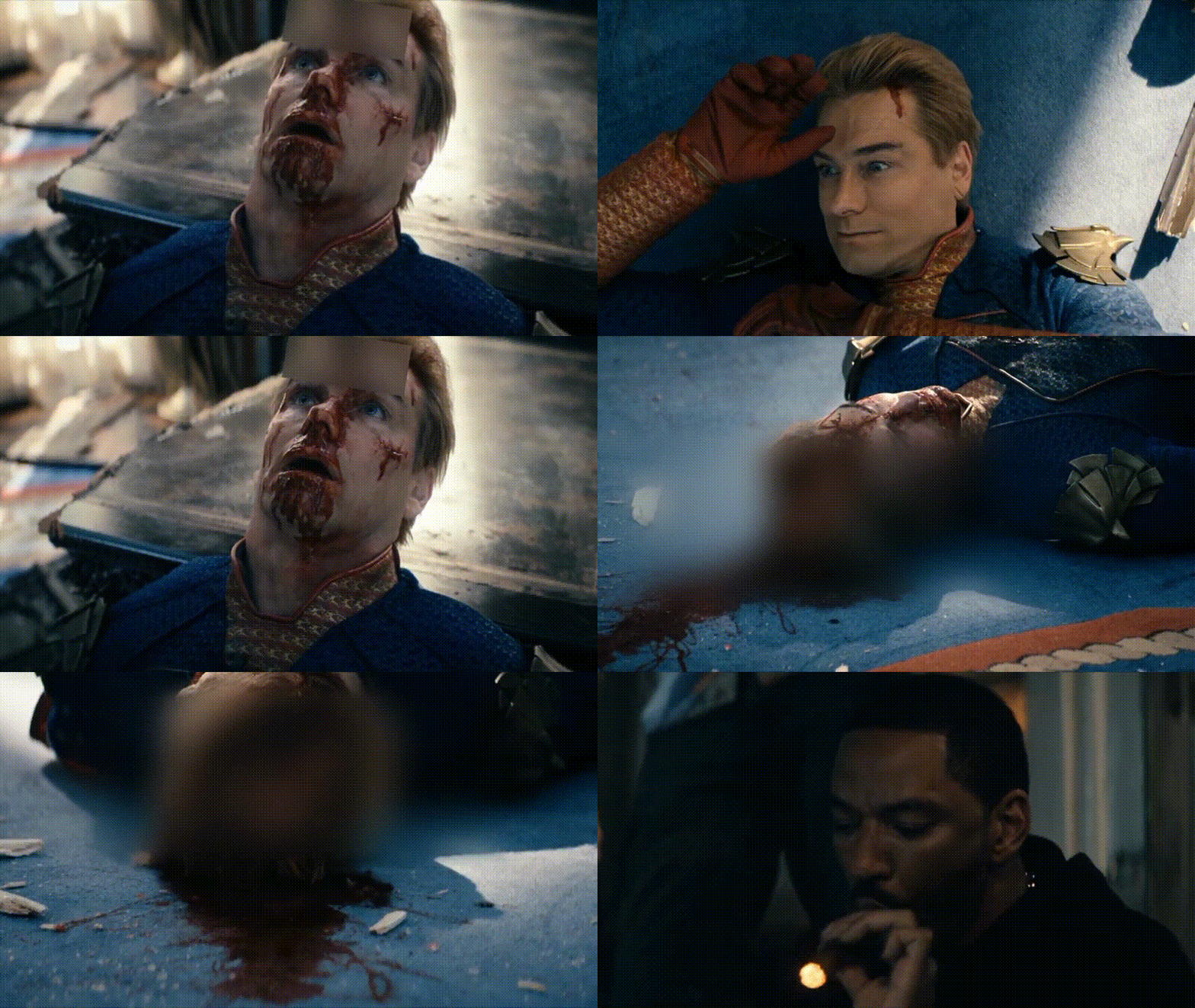
The finale of The Boys immediately became one of the most discussed television endings in recent memory because of Homelander’s final scene. For years, the character had been portrayed as a terrifying combination of celebrity culture, authoritarian power, emotional instability, and unchecked ego. The finale pushed those themes to their extreme limit. Rather than delivering a straightforward heroic defeat or redemption arc, the ending leaned heavily into psychological symbolism and moral ambiguity.
Homelander’s final sequence was constructed to make viewers uncomfortable. The scene blended triumph, paranoia, emotional collapse, and ideological victory all at once. Some fans interpreted the moment as the character finally becoming the complete monster the series had always warned about, while others believed the ending softened the consequences of his actions too much.
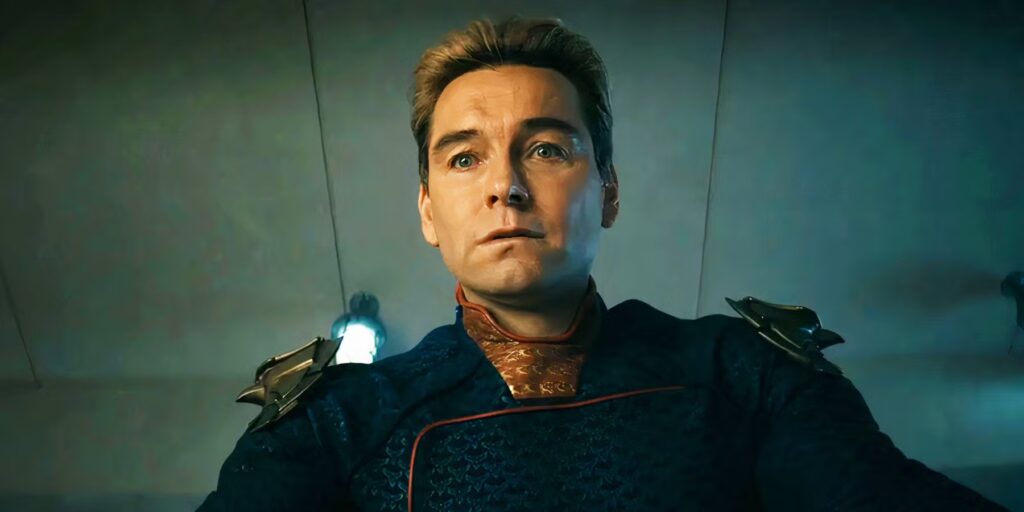
The scene itself focused less on physical action and more on emotional tension. Homelander appeared isolated despite standing at the height of his power. The camera framing, dialogue pacing, and reaction shots emphasized that even after achieving dominance, he remained deeply insecure and emotionally hollow. That contradiction became the center of online debates immediately after the finale aired.
Many viewers compared the scene to earlier seasons where Homelander desperately wanted public love and validation. By the finale, however, he seemed willing to sacrifice humanity itself if it meant maintaining control. That transformation represented the ultimate evolution of his character arc, though audiences remain sharply divided on whether it was satisfying.
In This Article (18 sections)
Most Shocking Moments in the Boys Series Finale
The series finale delivered multiple moments designed to shock longtime viewers. The show built its reputation on unpredictable violence, emotional betrayals, and controversial storytelling choices, and the finale amplified all of those elements.
One of the biggest surprises involved the sudden death of a major supporting character who many fans believed would survive until the very end. The abruptness of the moment created enormous online discussion because the death occurred without a heroic sendoff. Instead, it highlighted the brutal randomness that has always defined the series.
Another shocking moment came from Butcher’s increasingly unstable behavior. His willingness to cross moral boundaries reached a new extreme, reinforcing the idea that he had become dangerously similar to the people he hated. Fans who expected a traditional redemption arc were stunned by how dark his decisions became.
The finale also shocked viewers through its political implications. Rather than presenting a clean victory over corrupt superheroes, the ending suggested that society itself had embraced authoritarianism. That cynical message surprised audiences who expected a more hopeful conclusion.
Homelander’s public reception inside the show’s universe was equally disturbing. The fact that large portions of the fictional public continued supporting him despite overwhelming evidence of his cruelty became one of the finale’s most controversial storytelling choices. Many fans considered that realism powerful, while others found it emotionally exhausting.
The final montage also left audiences stunned because it hinted at future chaos rather than closure. Instead of ending the story cleanly, the finale deliberately implied that the conflict would continue long after the credits rolled.
Internet Reactions to the Boys Series Finale
Online reactions exploded within minutes of the finale airing. Social media platforms were flooded with emotional responses ranging from praise to outrage. The ending immediately became a trending topic across entertainment communities because viewers interpreted its themes in radically different ways.
Some fans praised the finale for refusing to compromise its darker themes. They argued that the show remained consistent with its cynical worldview and avoided giving audiences an unrealistic happy ending. According to supporters, the finale succeeded precisely because it left viewers uncomfortable and emotionally conflicted.
Other viewers felt deeply disappointed. Many argued that certain character arcs were rushed or unresolved. Some believed the finale relied too heavily on shock value rather than meaningful emotional payoff. Complaints about pacing quickly became common across online discussions.
Critics and longtime fans also debated whether the finale became too politically heavy-handed. While the series had always contained strong political satire, some viewers believed the ending prioritized messaging over storytelling nuance.
At the same time, many praised the performances, especially the actor portraying Homelander. His final scenes were widely described as terrifying, emotionally layered, and deeply unsettling. Even critics of the finale often admitted that the acting remained exceptional.
Online communities also became obsessed with analyzing hidden details in the ending. Fans dissected facial expressions, background imagery, dialogue choices, and symbolic visual cues in an attempt to fully understand the finale’s message.
Why the Boys Fandom is Divided After the Finale
The fandom became divided because the finale challenged expectations built across multiple seasons. Different groups of viewers wanted completely different outcomes, making consensus nearly impossible.
Some fans wanted a morally satisfying conclusion where justice finally prevailed. These viewers hoped the story would end with corrupt superheroes exposed and defeated. Instead, the finale suggested that systemic corruption and celebrity worship remain deeply entrenched.
Other fans appreciated that bleak approach. They argued the show was never designed to deliver traditional superhero optimism. From their perspective, the finale remained faithful to the series’ core identity by embracing moral ambiguity and societal cynicism.
Another major source of division involved character development. Some viewers believed Homelander’s ending perfectly reflected his psychological collapse, while others argued the show avoided fully confronting him with consequences.
The handling of Butcher also divided audiences. Fans who supported his anti-hero persona felt his darker choices made sense, while others believed the writers pushed him too far into villain territory.
Pacing issues created additional controversy. Several fans felt the finale attempted to resolve too many storylines too quickly. Others believed the open-ended structure was intentional because it preserved the chaotic tone of the series.
The emotional tone of the ending further split viewers. Some praised the refusal to provide emotional comfort, while others felt emotionally manipulated after investing years into the story.
Did the Boys Finale Ruin Homelander’s Character Arc
One of the biggest debates online centers around whether the finale damaged Homelander’s overall character arc. The answer largely depends on how viewers interpreted the character throughout the series.
Fans who disliked the ending argued that Homelander became too invincible. They believed the finale removed tension by allowing him to maintain overwhelming power without meaningful consequences. Some viewers felt the story repeated the same cycle of fear and dominance without real progression.
Others believed the finale completed his arc perfectly. Throughout the series, Homelander represented the dangers of narcissism, authoritarianism, and celebrity worship. According to this interpretation, his final position of power was not a victory but proof that society failed to stop him.
Supporters of the ending also pointed out that Homelander appeared emotionally shattered despite his external dominance. His paranoia, isolation, and desperate need for validation remained central to his personality even in the final moments.
The controversy also stems from audience expectations. Some viewers assumed the series was building toward Homelander’s downfall. When that expectation was partially subverted, disappointment became inevitable.
However, others argue the finale intentionally rejected the fantasy of easy justice. In their view, Homelander surviving symbolized how dangerous individuals can thrive when supported by systems of power and public loyalty.
Homelander Final Scene Breakdown and Hidden Meaning
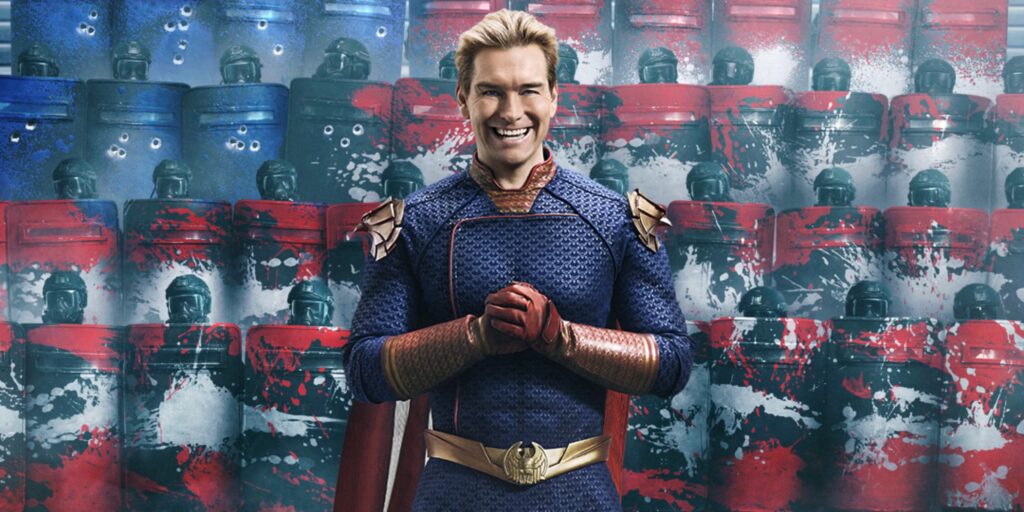
The hidden meaning behind Homelander’s final scene revolves around emotional emptiness and authoritarian control. Although he appeared victorious on the surface, the sequence repeatedly hinted at deep psychological instability.
The cinematography emphasized isolation. Even surrounded by followers and supporters, Homelander looked emotionally disconnected. Close-up shots highlighted his inability to experience genuine human connection.
The dialogue choices reinforced this theme. His words carried traces of insecurity beneath the confidence. Rather than sounding triumphant, he often sounded desperate for reassurance.
Symbolically, the scene represented the collapse of moral accountability. Homelander reached a point where public approval mattered more than truth or justice. The finale suggested that charisma and fear had become more powerful than ethics.
Many fans also interpreted the ending as commentary on celebrity culture. Homelander remained adored despite horrific behavior because his supporters prioritized emotional loyalty over objective reality.
The final imagery carried strong thematic weight as well. Lighting choices, crowd reactions, and visual framing all emphasized the terrifying normalization of extremism within the show’s universe.
The scene ultimately worked as both character study and societal critique. Homelander achieved dominance externally while remaining emotionally broken internally.
Fans React to Controversial Homelander Finale Moment
The controversial Homelander moment triggered enormous backlash and praise simultaneously. Across fan communities, reactions became intensely emotional because the scene touched on themes viewers interpreted very differently.
Some fans considered the moment brilliant because it captured the terrifying reality of power without accountability. They argued the discomfort was intentional and necessary.
Others felt the scene crossed a line. Critics argued the finale appeared to glorify Homelander by allowing him too much narrative dominance. These viewers worried that the show blurred the line between satire and celebration.
Reddit discussions became especially heated. Long analytical posts examined whether the writers intended viewers to feel horrified, hopeless, or fascinated. Different interpretations created endless arguments.
Twitter reactions focused heavily on emotional responses. Many viewers expressed anger, shock, or disbelief immediately after the episode ended. Memes and reaction images spread rapidly as fans processed the controversial scene together.
Despite the division, almost everyone agreed the moment would remain one of the most memorable scenes in the entire series. Its ability to provoke strong reactions demonstrated how deeply invested audiences had become in Homelander’s storyline.
Why Fans Are Angry About the Boys Ending
Fan anger primarily comes from unmet expectations. After years of buildup, many viewers expected stronger narrative closure and clearer consequences for major characters.
One major complaint involves unresolved storylines. Some fans believed important supporting characters received incomplete endings or disappeared from the narrative too abruptly.
Others criticized the pacing of the final episode. The finale attempted to balance emotional resolution, political commentary, action sequences, and sequel setup simultaneously. Some viewers felt that balancing act weakened the emotional impact.
Another source of frustration involves the bleak tone. Audiences who hoped for catharsis instead received an ending emphasizing corruption, extremism, and societal decay. While some appreciated that realism, others found it emotionally unsatisfying.
Homelander’s fate remains the single biggest controversy. Fans who wanted definitive justice felt frustrated by the ambiguity surrounding his ultimate future.
There were also viewers who believed the series became too cynical overall. They argued that constant nihilism eventually reduced emotional investment because meaningful victories became impossible.
At the same time, defenders of the finale argue that fan anger actually proves the ending succeeded emotionally. According to that perspective, the discomfort and frustration reflect the show’s intentional themes.

Every Major Death in the Boys Finale Explained
The finale featured several major deaths that dramatically altered the future of the franchise. Each death carried thematic significance tied to the show’s exploration of violence, corruption, and moral compromise.
One major character died attempting to stop escalating chaos, reinforcing the series’ recurring message that heroism often fails in a broken system. The death was portrayed less as noble triumph and more as tragic inevitability.
Another death highlighted the consequences of obsession and revenge. Characters consumed by hatred throughout the series ultimately became victims of the same destructive impulses they embraced.
Some deaths also served symbolic purposes. Rather than simply removing characters from the story, they illustrated how power structures consume individuals regardless of their intentions.
Fans particularly debated whether certain deaths felt earned. Some viewers praised the unpredictability, while others believed the emotional buildup was insufficient.
The brutality of these moments remained consistent with the show’s established tone. However, the emotional context surrounding the deaths gave them greater psychological impact than earlier shock scenes.
Several surviving characters were left emotionally devastated, suggesting the consequences of the finale will continue shaping future stories within the franchise universe.
The Boys Ending Explained for Confused Fans
The ending confused many viewers because it intentionally avoided straightforward answers. Rather than resolving every conflict neatly, the finale focused on thematic ambiguity.
At its core, the ending explored the dangers of power without accountability. Homelander represented authoritarianism strengthened by public loyalty and media influence. The inability of institutions to stop him reflected broader societal failures.
Butcher’s storyline emphasized how hatred can corrupt even those fighting against evil. By the finale, his methods increasingly mirrored the brutality he once condemned.
The surviving characters represented different responses to societal collapse. Some chose resistance, others chose survival, and some surrendered to despair entirely.
The ending also emphasized cycles rather than conclusions. Instead of suggesting evil had been defeated permanently, the finale implied the struggle against corruption would continue indefinitely.
Many viewers expecting a traditional superhero ending felt confused because the series deliberately rejected familiar genre formulas. There was no clean victory, universal redemption, or fully restored social order.
The final scenes instead prioritized thematic resonance over narrative comfort. The show ended by asking viewers uncomfortable questions about society, media influence, and the public’s relationship with power.
The Boys Finale Twitter and Reddit Reactions
Twitter and Reddit became central hubs for analyzing the finale. Fans posted thousands of reactions within hours, turning the ending into one of the biggest entertainment discussions online.
Twitter reactions tended to be immediate and emotional. Viewers shared shock, anger, excitement, and confusion in real time. Viral posts focused heavily on Homelander’s final moments and the episode’s most brutal scenes.
Reddit discussions became more analytical. Long-form theories explored symbolism, hidden foreshadowing, and possible future spin-offs. Fans debated whether the writers intentionally designed the ending to provoke outrage.
Some Reddit users praised the finale as bold television willing to challenge audiences emotionally. Others criticized it as overly cynical and narratively messy.
Memes also played a huge role in the online reaction cycle. Despite the dark themes, fans created countless jokes and reaction images based on shocking scenes from the episode.
The polarized reactions reflected the broader division within the fandom. Few viewers felt neutral about the ending. Most either strongly defended it or strongly criticized it.

Was the Boys Finale Disappointing or Brilliant
The answer depends entirely on what viewers wanted from the series finale. From a thematic standpoint, many critics considered the ending ambitious and uncompromising.
Supporters argue the finale succeeded because it remained true to the show’s identity. Rather than offering simplistic moral victories, it forced audiences to confront uncomfortable truths about power, celebrity culture, and societal complicity.
Critics, however, argue that ambition alone does not guarantee emotional satisfaction. Some viewers felt the finale sacrificed character payoff for shock value and political messaging.
The performances received nearly universal praise. Even fans disappointed by the story often acknowledged the strength of the acting, especially during emotionally intense scenes.
The finale also succeeded at generating conversation. Few television endings spark this level of sustained debate and analysis. That cultural impact alone ensured the finale would remain memorable.
However, memorability does not automatically equal satisfaction. Some fans will likely continue viewing the ending as frustratingly bleak or emotionally incomplete.
Ultimately, the finale may become one of those endings whose reputation evolves over time. Initial backlash and praise could shift significantly as audiences revisit the series in future years.
What the Ending Means for the Boys Universe
The ending leaves the universe of The Boys open for expansion through spin-offs and future stories. The political instability shown in the finale suggests the world remains deeply fractured. Superheroes continue influencing governments, corporations, media, and public opinion.
Homelander’s unresolved dominance means future stories can explore resistance movements, societal collapse, or escalating authoritarianism. The finale deliberately avoided closing those possibilities.
The younger generation of characters may also become central moving forward. Several surviving characters appear positioned to inherit the moral and ideological conflicts of the original series.
The ending further implies that Compound V and superhero experimentation remain ongoing threats. That leaves room for additional narratives involving new powers, organizations, and conspiracies.
Importantly, the finale expanded the universe beyond individual characters. The story increasingly focused on institutions and social systems rather than isolated villains alone.
This broader scope creates opportunities for spin-offs exploring different regions, political factions, or superhero communities within the same world.
The Boys Finale Biggest Unanswered Questions
The finale intentionally left numerous unanswered questions that continue fueling online speculation. One major mystery involves Homelander’s long-term future. Although he appeared powerful in the final scenes, his psychological instability suggests potential collapse ahead.
Fans are also questioning the fate of several surviving characters whose futures remain ambiguous. Some storylines ended abruptly without confirming what happens next.
Another unresolved issue involves the state of society itself. The finale showed widespread chaos and political division but avoided explaining how governments and institutions would respond moving forward.
Viewers also remain curious about hidden conspiracies hinted at throughout the season. Certain organizations and experiments appeared only briefly before the finale ended.
The future of superhero regulation remains another major question. The finale implied institutional collapse but stopped short of explaining what new power structures might emerge.
There are also unanswered emotional questions surrounding surviving characters and their relationships. Betrayals, losses, and moral compromises fundamentally changed multiple characters, but the finale provided limited emotional closure. These unanswered questions likely exist intentionally to support future franchise expansion.
How the Boys Finale Sets up Future Spin Offs
The finale clearly positioned the franchise for expansion beyond the original series. Multiple story threads appeared designed specifically to create opportunities for spin-offs.
The political landscape alone offers enormous storytelling potential. Different regions and factions could experience the aftermath of the finale in completely different ways.
Younger superheroes and emerging public figures were also emphasized more heavily toward the end of the series. That focus suggests future stories may shift toward a new generation of characters navigating a broken world.
The finale also left several organizations operational despite massive chaos. These surviving institutions could easily become central players in future narratives.
Another important factor is audience demand. Despite the divisive reactions, interest in the franchise remains extremely high. The emotional intensity surrounding the finale demonstrates that viewers remain deeply invested in the universe.
Future spin-offs may also explore different tones and genres. While the main series focused heavily on political satire and extreme violence, spin-offs could emphasize horror, espionage, psychological drama, or superhero warfare. The open-ended nature of the finale ensured the universe still feels active and unstable rather than fully concluded.
Frequently Asked Questions (FAQs)
- What was the most controversial moment in The Boys finale?
The most controversial moment was Homelander’s final scene, which many viewers interpreted differently. Some saw it as brilliant satire about authoritarianism and celebrity worship, while others felt it gave the character too much narrative power without proper consequences. - Did Homelander win at the end of The Boys?
Homelander achieved a form of public and political dominance, but emotionally he remained unstable and isolated. The ending portrayed his victory as psychologically hollow rather than genuinely triumphant. - Why are fans divided over The Boys finale?
Fans are divided because the ending rejected traditional superhero storytelling expectations. Some viewers appreciated the dark realism and ambiguity, while others wanted clearer justice and emotional closure. - Did The Boys finale leave room for spin-offs?
Yes. The finale intentionally left multiple storylines unresolved, creating opportunities for future series involving surviving characters, political fallout, and new superhero conflicts. - Was Butcher a villain by the end of The Boys?
The finale suggested that Butcher had become morally corrupted by his obsession with revenge. While still opposing dangerous superheroes, his methods increasingly mirrored the brutality he hated. - Why did some fans dislike Homelander’s ending?
Some viewers believed the finale failed to provide meaningful consequences for Homelander’s crimes. Others felt the character overshadowed every other storyline in the final episode. - What themes did The Boys finale focus on?
The finale focused heavily on authoritarianism, celebrity culture, political extremism, media influence, public loyalty, and the psychological effects of power. - Were all major storylines resolved in The Boys finale?
No. Several important mysteries and character arcs remained intentionally unresolved to preserve ambiguity and support future franchise expansion. - Did critics like The Boys finale?
Critical reactions were mixed but generally more positive than many fan reactions. Critics largely praised the performances, tension, and thematic ambition, though some agreed with viewers who felt the pacing and emotional payoff were uneven. - What does Homelander’s final scene really mean?
The final scene symbolizes the terrifying combination of unchecked power, emotional instability, and public loyalty. Even at his most powerful, Homelander remained emotionally broken and desperate for validation.

Conclusion
The finale of The Boys succeeded in doing exactly what the series has always done best: provoking intense emotional reactions and forcing audiences into uncomfortable conversations. Whether viewers considered the ending brilliant, disappointing, frustrating, or emotionally devastating, very few people walked away feeling indifferent. That alone explains why the finale immediately dominated social media discussions and entertainment headlines.
Homelander’s final scene became the defining image of the ending because it captured everything the show had been building toward for years. The character represented more than a traditional villain. He embodied celebrity obsession, authoritarian influence, emotional insecurity, and the public’s willingness to excuse dangerous behavior when it aligns with personal loyalty or entertainment value. The finale pushed those themes to their most disturbing conclusion.
The division within the fandom reflects the complexity of the ending itself. Some fans wanted justice, redemption, and closure, while others appreciated the show’s refusal to provide comforting answers. The bleak tone, unresolved questions, and morally ambiguous outcomes ensured the finale would remain controversial long after the episode aired.
At the same time, the ending clearly positioned the franchise for expansion. The unresolved political tensions, surviving characters, and continuing instability within the world of The Boys create enormous opportunities for future spin-offs and interconnected stories. Rather than closing the universe entirely, the finale transformed it into something larger and potentially even darker.
Years from now, the finale will likely continue being debated alongside other highly divisive television endings. Some viewers may eventually reevaluate it more positively as the themes become clearer in hindsight, while others may always view it as an unsatisfying conclusion to one of modern television’s boldest shows. Regardless of opinion, the finale ensured that The Boys ended the same way it lived: chaotic, controversial, violent, emotionally exhausting, and impossible to ignore.
Sources and Citations
- Official Prime Video page for The Boys
https://www.primevideo.com/detail/0S1FYJ3LY9KTL9C7WFFAGA9F6F - IMDb series listing for The Boys
https://www.imdb.com/title/tt1190634/ - Rotten Tomatoes audience and critic reactions for The Boys finale
https://www.rottentomatoes.com/tv/the_boys_2019/s05/e08 - Entertainment Weekly coverage of The Boys ending and Homelander reactions
https://ew.com/the-boys-series-finale-deaths-unpacked-eric-kripke-homelander-butcher-11978925 - Variety analysis of The Boys series finale
https://variety.com/2026/tv/news/the-boys-finale-homelander-dead-butcher-gen-v-season-3-1236753016/ - The Hollywood Reporter review and breakdown of The Boys finale
https://www.hollywoodreporter.com/tv/tv-features/the-boys-finale-homelander-eric-kripke-interview-1236601906/ - Reddit community discussions from r/TheBoys
https://www.reddit.com/r/TheBoys/ - Twitter/X trending reactions to The Boys finale
https://x.com/search?q=%22The%20Boys%22%20finale&src=typed_query&f=live - GameSpot entertainment coverage of The Boys ending
https://www.gamespot.com/search/?q=The+Boys+finale - IGN review and finale breakdown for The Boys
https://www.ign.com/search?q=The%20Boys%20finale
Recommended
- Photoshop Beta Gets a New Tool That Transforms 2D Objects Into 3D Images: Rotate Object Explained
- Dead By Daylight Anime Is Reportedly On The Way: What We Know About the Animated Series
- The Ivors Academy Announces Ivors Composer Awards With New Video Game Music Category – Everything You Need to Know
- What is the camera’s field of view in Blender?
- Los Angeles Chargers Halo Infinite Schedule Release Video: Every Week Revealed
- Unigine 2.21 Is Out: What’s New in the Real-Time 3D Engine — Animation Graph, AI Workflow, Performance
- Devil May Cry Characters Guide: Meet the Heroes, Villains, and Icons of the Series
- Ashes of Creation Director Responds: Steven Sharif Breaks Silence on Allegations, Layoffs, and Studio Collapse
- Namco’s Japan-Only 1994 Arcade Game Cyber Commando Gets Its First-Ever Home Release (Arcade Archives Release Date, Platforms, Price)
- Blender CEO On Anthropic Funding: “This Is Not AI Takeover” — What the Sponsorship Means for Blender, Claude, and the Community



































































































