








The Closure of the Studio Behind MIO: Memories in Orbit
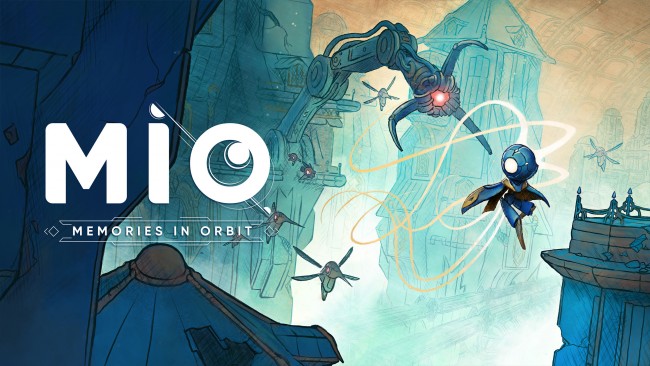
The indie gaming industry is filled with stories of creativity, passion, and innovation. It is also an industry known for financial uncertainty, where even critically acclaimed games can fail to provide long-term stability for the studios that create them. Few recent examples illustrate this reality better than the closure of the studio behind MIO: Memories in Orbit, one of the most celebrated Metroidvania releases of 2026.
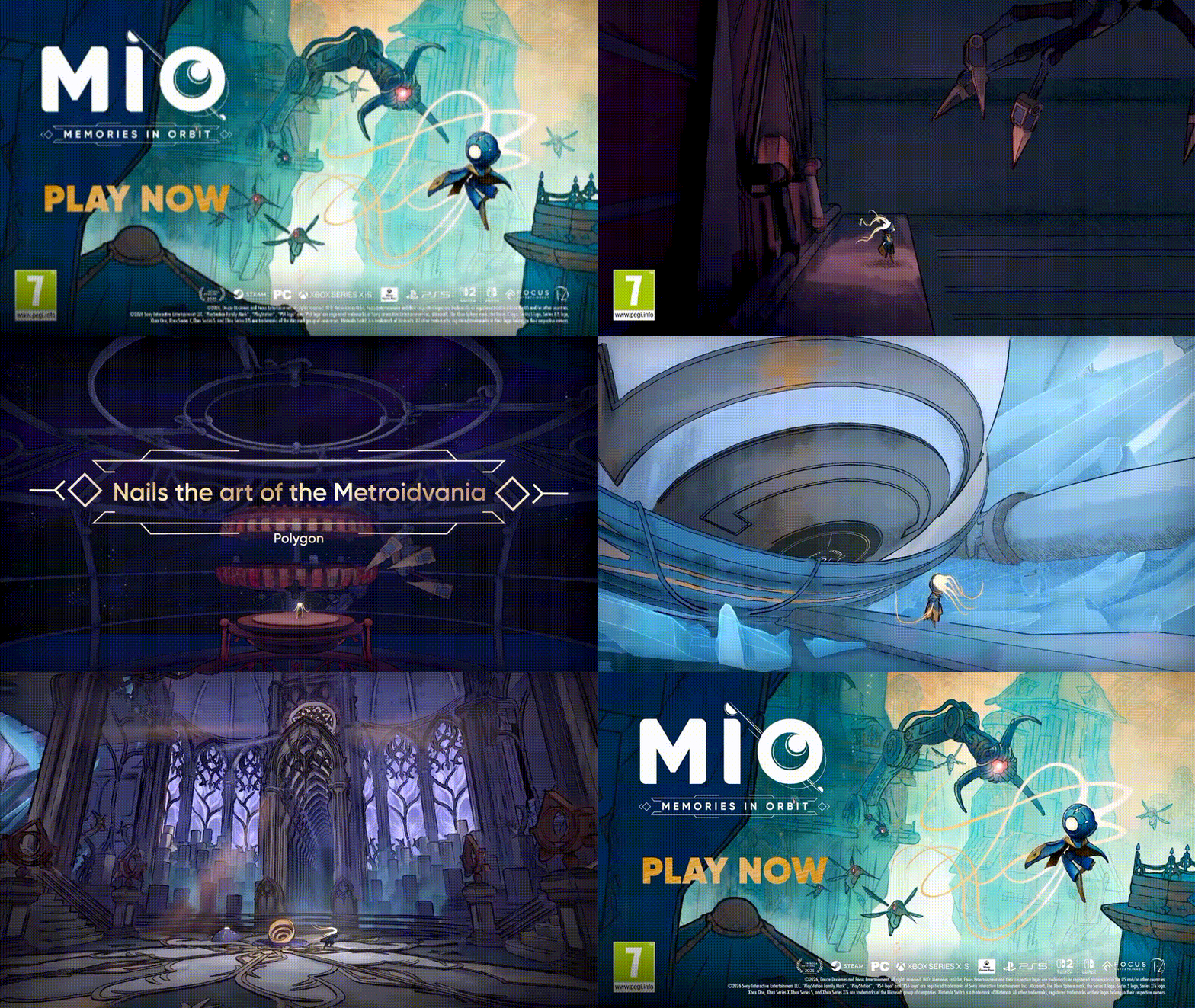
The announcement that the developers would be shutting down surprised many players because MIO: Memories in Orbit had earned widespread praise from critics and fans alike. The game was frequently mentioned among the best indie titles of the year and was viewed as a standout example of modern Metroidvania design. Its detailed world-building, fluid exploration mechanics, and atmospheric storytelling helped it stand out in a crowded market and attracted considerable attention from both players and critics.
Despite these achievements, the studio ultimately announced plans to cease operations. The closure highlights one of the harshest realities of independent game development: creating a critically acclaimed game is often not enough to guarantee long-term survival. Independent studios operate in a highly competitive market where development costs continue to rise while visibility becomes increasingly difficult to achieve. Even when a game receives strong reviews and positive word-of-mouth recommendations, studios must generate enough revenue to cover years of development expenses, salaries, marketing costs, and future project investments.
For smaller teams, financial pressures can accumulate quickly. Development timelines frequently stretch beyond initial expectations, increasing costs while delaying revenue generation. Funding sources may become limited, and publishers or investors may be reluctant to commit additional resources unless commercial performance significantly exceeds expectations. Independent teams often rely heavily on the performance of a single title, and if revenues fall short of expectations or future funding opportunities fail to materialize, maintaining operations becomes increasingly difficult.
The closure of the studio behind MIO: Memories in Orbit reflects broader industry challenges rather than a single isolated problem. Many independent developers face similar obstacles regardless of the quality of their games. For the developers themselves, studio closures can be especially painful because they often represent the end of years of collaborative effort. Team members may move on to other companies, pursue freelance opportunities, or establish new studios in the future.
The situation has sparked conversations across the gaming community about the challenges facing independent developers, the realities of game development economics, and the difficult truth that success in terms of reviews and player appreciation does not always translate into financial sustainability. As fans process the news, many are reflecting not only on the studio’s closure but also on the remarkable legacy left behind by MIO: Memories in Orbit. Although the studio itself may be closing, the developers responsible for the game will likely continue contributing their talents to the broader gaming industry.
In This Article (8 sections)
MIO: Memories in Orbit Studio Closure, Success, and Commercial Challenges Explained
Understanding the closure of the studio behind MIO: Memories in Orbit requires looking beyond the game’s strong reputation. Many players assume that positive reviews automatically lead to strong financial performance, but the relationship between critical success and commercial success is often far more complicated. Independent games compete against major releases, live-service titles, subscription services, and thousands of new releases each year. Even highly regarded projects can struggle to achieve the sales volume necessary to sustain a studio.
From a critical perspective, MIO: Memories in Orbit performed exceptionally well. Reviewers frequently highlighted its visual direction, world-building, exploration systems, and overall polish. Many critics praised the game for capturing the spirit of classic Metroidvania titles while introducing its own creative ideas. Player feedback was similarly positive, with online discussions often focusing on the game’s atmosphere, level design, and rewarding progression systems. Fans appreciated the sense of discovery that defined much of the experience.
The game earned praise because it successfully combined familiar Metroidvania foundations with a distinct identity. The genre has experienced a resurgence in recent years, with players embracing games that emphasize exploration, progression, environmental storytelling, and skill-based gameplay. However, standing out in such a crowded space requires more than simply following established formulas. MIO: Memories in Orbit attracted attention through its artistic presentation, immersive atmosphere, and carefully interconnected world design. Players were encouraged to explore, experiment, and gradually uncover new areas through acquired abilities and discoveries.
Its pacing also received praise. Rather than overwhelming players with excessive complexity, the game balanced challenge and accessibility in a way that appealed to both genre veterans and newcomers. The result was a title that felt familiar yet distinctive, helping establish MIO: Memories in Orbit as one of the most discussed Metroidvania releases of 2026. Its success demonstrated that there remains strong demand for thoughtfully crafted, exploration-driven experiences.
The story of the studio follows a familiar arc seen throughout gaming history. Like many independent teams, the developers began with a strong creative vision and a desire to build something distinctive. They entered a crowded market dominated by larger publishers and established franchises but managed to attract attention through originality and artistic ambition. The development of MIO: Memories in Orbit showcased the studio’s ability to compete creatively with much larger teams, with the game’s visual design, environmental storytelling, and exploration systems demonstrating a clear understanding of what makes the Metroidvania genre compelling.
For a time, the studio appeared poised for a promising future. Positive reviews, enthusiastic player responses, and industry recognition suggested that the team had established itself as an emerging force within the indie scene. However, critical praise and community enthusiasm do not always guarantee extraordinary sales figures. Independent studios often require significant commercial success to offset years of development costs, and even games that perform well within their genre may struggle to achieve the broader market penetration needed to secure a studio’s future.
Additional pressures can include rising development costs, inflation, staffing expenses, marketing challenges, platform fees, and investor expectations. A game may perform well relative to its niche audience while still failing to generate enough revenue to secure a studio’s future. The closure of the MIO: Memories in Orbit studio reflects these broader economic realities. It is not necessarily a reflection of the game’s quality or the talent of its developers, but rather a demonstration of the difficult business environment that many independent studios must navigate.
The rise and fall of the studio serves as both an inspiring and cautionary story about the opportunities and risks inherent in independent game development. MIO: Memories in Orbit illustrates how a game can succeed creatively while still facing commercial challenges, and it is a reminder that the metrics used to evaluate artistic success and business success are often very different.
MIO: Memories in Orbit’s Legacy, Standout Features, and Studio Closure
Despite the studio’s closure, the legacy of MIO: Memories in Orbit remains secure. The game is likely to be remembered as one of the defining Metroidvania releases of its generation, thanks to its design philosophy, artistic identity, and commitment to exploration, all of which have already earned it a dedicated following.
Legacy is not measured solely by sales figures. Many games that later become classics initially achieve only modest commercial success. What matters is the lasting impact they have on players and developers. MIO: Memories in Orbit demonstrated that independent studios can create experiences capable of competing creatively with much larger productions, and its influence may be seen in future games inspired by its approach to exploration, atmosphere, and world design.
Several features contributed to the game’s popularity. One of its greatest strengths was its interconnected world design. Exploration felt meaningful because every discovery opened new possibilities and encouraged players to revisit previously explored areas. The visual presentation also played a major role in its appeal, with environments that created a strong sense of atmosphere while maintaining clarity and readability for gameplay purposes.
Movement mechanics received widespread praise as well. Traversing the world felt smooth and responsive, allowing players to engage naturally with exploration and platforming challenges. Another standout element was the progression system, as new abilities expanded gameplay possibilities without feeling repetitive or predictable. Players consistently felt rewarded for curiosity and experimentation. Combined with strong environmental storytelling and memorable locations, these features helped establish MIO: Memories in Orbit as one of the year’s most acclaimed indie games.
The announcement of the studio’s closure prompted an emotional response from many players. Fans expressed disappointment, frustration, and sadness across social media platforms and gaming forums, with many viewing the closure as evidence of the difficult conditions facing independent developers. Some players questioned how a game that received such positive attention could fail to secure the studio’s future, while others pointed to broader industry problems involving discoverability, funding challenges, and market saturation.
Many community members also used the opportunity to celebrate the game’s achievements. Tributes, fan art, retrospective discussions, and recommendations appeared across various platforms as players reflected on their experiences with the game. The overwhelming sentiment was one of appreciation for what the developers accomplished despite the unfortunate outcome.
Studio closure announcements often emphasize gratitude toward players, supporters, and team members, and the response surrounding MIO: Memories in Orbit followed a similar pattern. The developers acknowledged the support they received throughout development and after launch, expressed pride in the work they had accomplished, and shared appreciation for the community that embraced the game.
Such statements frequently reflect the emotional complexity of studio closures. While financial realities may force difficult decisions, developers often remain deeply proud of what they created. The message surrounding the closure reinforced the idea that the game’s existence was made possible through the dedication of both the development team and its supporters. For many fans, these statements made the news even more emotional because they highlighted the human side of game development. The studio may be closing, but its work continues to resonate with players around the world.

The Future of MIO: Memories in Orbit and the Challenges Behind Its Studio Closure
One of the biggest questions following the announcement concerns the future of MIO: Memories in Orbit itself. In many cases, studio closures do not immediately affect existing products. Players can often continue accessing purchased copies, and servers may remain active if online functionality is limited or unnecessary. However, future content updates, expansions, sequels, and long-term support may become uncertain.
Intellectual property ownership will also play a major role in determining what happens next. Depending on contractual arrangements, the game’s rights could remain with the developers, transfer to investors, or become available for future acquisition. Fans remain hopeful that the universe established by MIO: Memories in Orbit may eventually continue in some form, whether through a sequel, a spiritual successor, or a new project created by former team members. While the studio’s future has ended, the future of the game’s ideas may not.
The closure has also renewed discussions about the challenges facing developers working within the Metroidvania genre. Although the genre enjoys strong popularity among dedicated players, it is highly competitive. New releases must compete against established classics and numerous indie projects released each year. Development can be particularly demanding because Metroidvania games require extensive world design, progression systems, ability balancing, environmental storytelling, and exploration mechanics. These elements often require years of refinement.
Marketing presents another major challenge. Many excellent games struggle to reach large audiences because of limited promotional budgets. Financial uncertainty further complicates development, as independent studios frequently operate with constrained resources, making long production cycles especially risky. The experience of the MIO: Memories in Orbit studio reflects many of these industry-wide challenges.
One of the most important lessons from this story is that successful games do not automatically create successful businesses. A game can receive outstanding reviews, build a passionate fanbase, and still fail to generate enough revenue to sustain a company over the long term. Studios must balance creative goals with financial realities, including development costs, salaries, marketing expenses, platform fees, taxes, and funding for future projects.
Timing can also be critical. A strong game released during a crowded launch window may struggle to achieve visibility despite its quality. In some cases, studios rely on a single project for survival, and if that project does not significantly exceed expectations, financial challenges can quickly emerge. The closure of the MIO: Memories in Orbit studio serves as a powerful reminder that commercial success requires more than critical acclaim.
Several lessons can be drawn from this situation. Independent game development remains an inherently risky business, regardless of talent or creativity. Player appreciation and critical praise, while valuable, do not always translate into financial security. The story also highlights the importance of sustainable business planning, as studios must navigate funding, marketing, development timelines, and long-term growth strategies alongside their creative ambitions.
The closure further demonstrates the value of supporting independent developers. Players who purchase games, share recommendations, and engage with communities contribute directly to the survival of smaller studios. Finally, it shows that success should not be measured solely through financial outcomes. The impact a game has on players can remain meaningful long after a studio’s doors close.

Frequently Asked Questions
1.What is the legacy of MIO: Memories in Orbit? The game is likely to be remembered as one of 2026’s standout Metroidvania titles, especially among players who value exploration-focused design and atmospheric worldbuilding. Even if the studio’s closure limits the future of the series, MIO: Memories in Orbit has already left an impression through its craftsmanship and strong reception. Its legacy may be that of a beloved game that showed what a passionate indie team could create under difficult conditions. remembered as one of the standout Metroidvania experiences of 2026 and a notable achievement in independent game development.
2. Why is the MIO: Memories in Orbit studio closing? The closure appears to be connected to financial and operational difficulties rather than the quality of the game itself. Even though MIO: Memories in Orbit was well received, positive reviews do not always guarantee enough revenue to keep a studio running. Development costs, staffing, publishing arrangements, and long-term business pressures can all contribute to a studio shutting down.
3. Was MIO: Memories in Orbit a successful game? Yes, MIO: Memories in Orbit was considered successful from a critical and player reception standpoint. It earned strong praise for its design, atmosphere, and gameplay, and became one of the more respected Metroidvania releases of 2026. However, critical success and commercial success are not always the same, and a game can be admired widely without generating enough financial stability for its developer.
4. Did poor reviews cause the studio to shut down? No. Poor reviews do not appear to be the reason for the closure. In fact, the game received strong acclaim from both critics and players, which is why the news surprised many fans. The shutdown seems more likely tied to business realities behind the scenes, such as funding, sales targets, production costs, or the difficulty of sustaining an independent studio.
5. Will players still be able to play MIO: Memories in Orbit? In most cases, players who already purchased the game should still be able to download and play it through the platform where they bought it. However, the future of patches, technical support, and additional content may be uncertain after a studio closes. Availability can also depend on publishing agreements and whether the game remains listed on digital storefronts.
6. Will there be a sequel to MIO: Memories in Orbit? At the moment, the future of a sequel is unclear. A follow-up would likely depend on who owns the rights to the game, whether another studio or publisher becomes involved, and whether funding can be secured. While fan interest may help keep the possibility alive, there has to be a realistic business path for a sequel to happen.
7. Why do successful games sometimes fail to save studios? A game can be successful in terms of reviews and community praise but still fall short financially. Indie studios often spend years developing a project, and costs can build up quickly through salaries, tools, marketing, platform fees, and publishing deals. If sales do not meet expectations fast enough, or if the studio has no funding for its next project, even a well-liked game may not be enough to keep the team together.
8. What made MIO: Memories in Orbit special? Players praised MIO: Memories in Orbit for its carefully designed exploration, interconnected world, atmospheric presentation, and satisfying movement mechanics. Its progression systems encouraged players to revisit areas and uncover secrets, which is a key part of what makes a Metroidvania memorable. The game stood out because it combined strong mechanical design with a distinctive mood and sense of discovery.
9. How did fans react to the closure? Many fans reacted with sadness, disappointment, and frustration, especially because the game had been so well received. Some players expressed concern about the future of the franchise, while others focused on celebrating the work of the developers. The closure also sparked broader discussion about how difficult it can be for talented indie teams to survive, even after releasing a respected game.
10. What challenges do indie Metroidvania developers face? Indie Metroidvania developers often face long development cycles because these games require detailed maps, tight movement systems, balanced progression, and plenty of content to explore. They also have to compete in a crowded market where visibility is difficult to achieve. Limited budgets, marketing challenges, player expectations, and uncertain sales can make the genre especially risky for smaller studios.

Conclusion
The closure of the studio behind MIO: Memories in Orbit is a reminder that the gaming industry’s most inspiring creative success stories do not always end with financial stability. Despite producing one of the most celebrated Metroidvania titles of 2026, the developers were ultimately unable to overcome the economic realities facing many independent studios.
Yet the story is not solely one of disappointment. It is also a story of artistic achievement, passionate development, and a game that connected with players around the world. MIO: Memories in Orbit demonstrated the creativity and ambition that continue to define the indie gaming scene.
While the studio’s journey has come to an end, the impact of its work remains. The game’s legacy will continue to influence players, inspire developers, and serve as both a celebration of independent creativity and a reminder of the challenges that still face the industry.
Sources and Citations
The closure of French developer Douze Dixièmes, the studio behind MIO: Memories in Orbit, was reported by multiple gaming and industry outlets in June 2026. Reports indicate that despite strong critical reception, the game failed to achieve the commercial success expected, contributing to the studio’s shutdown.
Industry reports state that publisher Focus Entertainment ended its relationship with the developer following the game’s underperformance. Subsequent reporting indicated that the studio’s co-founders reacquired the company’s shares before proceeding with closure and layoffs.
MIO: Memories in Orbit launched on January 20, 2026, for PlayStation 5, Xbox Series X|S, PC, Nintendo Switch, and Nintendo Switch 2. The game was developed by the French studio Douze Dixièmes, known previously for Shady Part of Me.
The game received strong critical reception and was widely praised as one of the standout Metroidvania releases of 2026. Reviews highlighted its hand-drawn visual style, atmospheric world design, exploration systems, and fluid traversal mechanics.
Coverage of the game’s development emphasized its handcrafted production approach, proprietary engine, and small development team. The studio was frequently cited as an example of ambitious independent game development within the French games industry.
The studio’s closure has also been discussed as part of a broader wave of layoffs and financial pressures affecting the French and global video game industries in 2026.
Source and Citations
- Gamereactor, Douze Dixiémes, the Studio Behind MIO: Memories in Orbit, Has Been Shut Down
https://www.gamereactor.eu/douze-dixiemes-the-studio-behind-mio-memories-in-orbit-has-been-shut-down-1738973/ - Insider Gaming, MIO: Memories In Orbit Developer Douze Dixièmes Shutting Down
https://insider-gaming.com/mio-memories-in-orbit-developer-douze-dixiemes-shutting-down/ - Reddit, Douze Dixièmes (MIO: Memories in Orbit) Is Shutting Down
https://www.reddit.com/r/metroidvania/comments/1udf13m/douze_dizi%C3%A8mes_mio_memories_in_orbit_is_shutting/ - Focus Entertainment, MIO: Memories in Orbit Is Out Now on Consoles and PC
https://www.focus-entmt.com/en/news/mio-memories-in-orbit-is-out-now-on-consoles-pc - GamesMarket, MIO: Memories in Orbit Review and Douze Dixièmes Studio Profile
https://www.gamesmarket.global/mio-memories-in-orbit/ - Game File, 44 Hours (Unexpected!) With a Gorgeous Game Called MIO
https://www.gamefile.news/p/review-mio-memories-in-orbit - PC Gamer, MIO: Memories in Orbit Has All the Wonder of Playing Inside for the First Time
https://www.pcgamer.com/games/action/mio-memories-in-orbit-has-all-the-wonder-of-playing-inside-for-the-first-time-and-its-devs-are-working-hard-to-make-it-even-better/ - Wikipedia, MIO: Memories in Orbit Development and Reception Overview
https://en.wikipedia.org/wiki/MIO%3A_Memories_in_Orbit
Recommendations
- Antichrist Official Demo Launch Trailer: Psychological Horror Gameplay, Story, and Steam Demo Details
- How do I set up a panoramic camera in Blender?
- Stonemachia: Official Release Date Trailer Breakdown and Everything We Know (Release Date, Demo, Gameplay, Story, and Platforms)
- eFootball Official Just Watching Trailer Reveals Konami’s Push to Turn Viewers Into Players
- Tekken 8 Emergency Patch After Season 3 Backlash: Complaints, Negative Steam Reviews, and What Happens Next
- Why Call of Duty: Modern Warfare (2019) Is Blowing Up on Steam Again in 2026
- Hello Neighbor hits new Steam concurrent player record: 2,119 players peak for the first time (2026)
- Rhythm Heaven Groove Review: is Nintendo’s Weirdest Rhythm Game Worth Playing?
- RealBlend Unity’s Polybrush Alternative For Mesh Painting & Creation – The Ultimate Tool for Vertex & Texture Workflows
- Lego Batman: Legacy of the Dark Knight, Complete Batsuit and Outfit Guide (All Suits & Unlock Methods Explained)



































































































