











In This Article (15 sections)
Problems with Modern Video Game Level Design
Level design has always been one of the most important aspects of video game development. Great level design shapes player behavior, creates memorable moments, rewards curiosity, and gives gameplay meaning beyond combat systems or graphics. Some of the most beloved games in history are remembered because of their environments and map structures rather than purely their visual fidelity. Games like Super Metroid, Dark Souls, Deus Ex, Half-Life, Metal Gear Solid, The Legend of Zelda: Ocarina of Time, and Thief demonstrated how thoughtful level design could become the backbone of immersion and gameplay.
Modern gaming, however, has seen a dramatic shift in how levels are constructed. Many players increasingly feel that modern titles prioritize scale, accessibility, cinematic storytelling, and player retention systems over meaningful world design. Despite technological advancements, many modern games feel less memorable than titles released decades ago. Large maps often feel empty. Objectives are constantly highlighted. Exploration rarely leads to surprising discoveries. Levels are frequently designed around efficiency instead of creativity.
One of the biggest modern game level design problems is homogenization. Many AAA games now follow similar design structures because publishers want proven formulas that minimize risk. This leads to repetitive outposts, checklist-based exploration, waypoint-heavy navigation, and recycled environmental layouts. As budgets continue to rise, experimentation often decreases because failure becomes financially dangerous.
Another major issue is the increasing emphasis on cinematic realism. While realistic graphics can create immersion, they sometimes come at the cost of gameplay readability and environmental creativity. Older games often exaggerated shapes, colors, and pathways to subtly guide players. Modern games sometimes focus so heavily on realism that environments become visually cluttered and difficult to navigate organically.
The rise of live-service mechanics has also influenced level design. Many modern maps are created to maximize engagement time rather than provide handcrafted experiences. Instead of tightly designed encounters, players are given sprawling worlds filled with repetitive tasks designed to maintain player retention metrics.
These problems have created a growing debate among gamers and developers about whether level design has declined in modern gaming or simply evolved into something different.
Why Modern Games Have Worse Level Design
Many players argue that modern games have worse level design because developers prioritize quantity over quality. Instead of focusing on dense and interconnected worlds, studios often create enormous maps filled with repetitive content. Bigger environments are marketed as selling points, but size alone does not guarantee memorable gameplay.
Older games frequently relied on limitations to encourage smarter design. Hardware restrictions forced developers to think carefully about map layouts, enemy placement, shortcuts, verticality, and progression systems. Every room often served a purpose. Because development teams were smaller and budgets were lower, designers could experiment more freely without requiring corporate approval from multiple departments.
Modern AAA development is much more complicated. Hundreds or even thousands of employees may work on a single game. As a result, level design can become fragmented across multiple teams. One team may focus on environment art while another handles mission scripting and another manages traversal systems. This can create environments that look visually stunning but feel mechanically disconnected.
Another issue is excessive player guidance. Many modern games are afraid of letting players become confused or lost. Objective markers, glowing pathways, minimap indicators, and constant dialogue hints remove the need for spatial awareness. Instead of learning environments naturally, players often follow icons on the screen.
This creates a passive gameplay experience where exploration feels unnecessary. Older games rewarded observation. Players learned shortcuts, hidden routes, and environmental clues through experimentation. Modern games frequently automate these discoveries.
Commercial trends also play a role. Publishers want games to appeal to the broadest audience possible. Complex or unconventional level design may alienate casual players, so many games simplify navigation and objectives. The result is safer but less memorable gameplay.
What Happened to Creative Level Design in Gaming
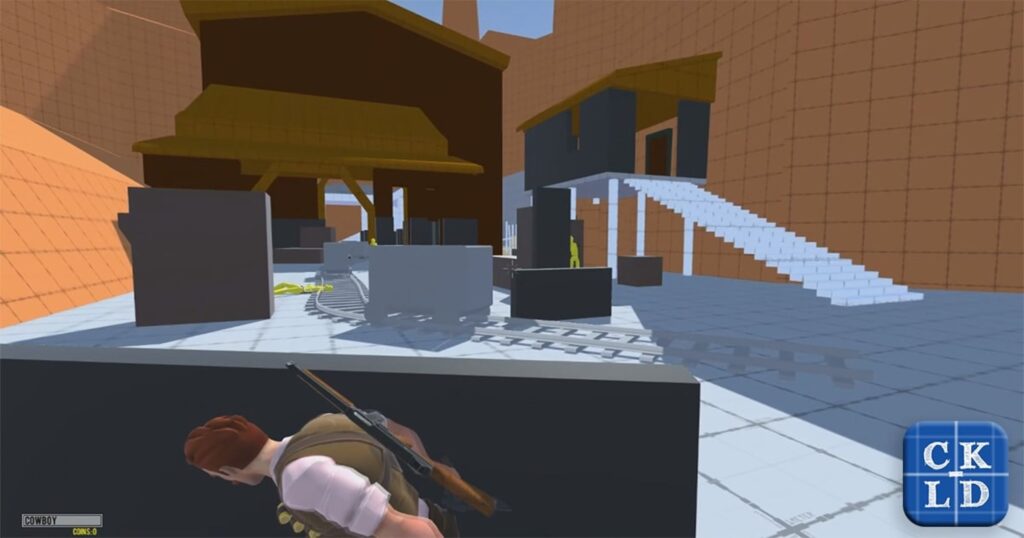
Creative level design has not disappeared entirely, but it has become less common in large-budget productions. Many classic games encouraged players to think spatially and engage with environments in unexpected ways. Levels often acted like puzzles rather than simple pathways between combat arenas.
In older immersive sims such as System Shock 2, Deus Ex, and Thief, players could solve objectives through multiple approaches. Vent systems, alternate routes, environmental storytelling, and hidden mechanics created replayability. Players felt like they were uncovering possibilities rather than completing scripted tasks.
Modern games often streamline these systems for accessibility. While this can improve pacing for mainstream audiences, it can also reduce player agency. Many modern levels funnel players down narrow paths while creating the illusion of openness through visual tricks.
Procedural design systems have also impacted creativity. Some modern games rely heavily on algorithms to generate content quickly. While procedural generation can create massive worlds, it sometimes lacks the intentionality of handcrafted design. Randomized content may feel less meaningful because it lacks carefully curated pacing and environmental storytelling.
Another factor is production cost. Detailed handcrafted levels require enormous development time. Publishers often prefer reusable systems and modular assets because they are more efficient financially. As a result, environments can begin to resemble one another across different games.
Despite these trends, some studios still prioritize creative level design. Games like Elden Ring, Dishonored, Hitman, and Resident Evil 2 Remake demonstrate that players still appreciate thoughtful environmental structure and exploration-driven gameplay.
Why Modern Open-World Game Design Can Feel Repetitive
Open-world games dominate the modern gaming industry, but many players criticize them for repetition. The core issue is that many open worlds are designed around content density rather than meaningful interaction. Large maps frequently rely on repeated activities such as enemy camps, collectible hunts, climbing towers, crafting resource farming, and fetch quests. These systems provide constant engagement, but they often lack variety. Over time, players begin to recognize predictable patterns across the map.
Another reason open-world games feel repetitive is the heavy reliance on map icons. Instead of encouraging natural exploration, many games reveal activities through interface markers. Players stop paying attention to the environment itself and instead follow GPS-style directions. Travel systems also contribute to the problem. Long-distance traversal can become tedious if the world lacks dynamic encounters or environmental variety. Some games solve this with fast travel, but excessive fast travel can make the world feel disconnected and artificial.
Mission structure is another major issue. Many open-world quests follow similar templates regardless of narrative context. Whether players are rescuing an NPC or clearing an outpost, the gameplay loop often remains identical. Modern development pipelines also encourage standardization, as large publishers rely on familiar systems because they are easier to market and monetize. This creates recurring design templates across franchises and genres.
Modern game level design problems also stem from multiple industry trends converging at once. One of the biggest issues is the obsession with accessibility. While accessibility is important, some games overcorrect by removing challenge, navigation complexity, and player discovery. Another issue is overreliance on cinematic presentation. Games increasingly emulate movies with scripted sequences and heavily controlled pacing. While visually impressive, this can reduce interactivity and make players feel more like spectators than participants.
Data analytics further influence design decisions. Studios now collect enormous amounts of player behavior data, and while this can improve usability, it can also discourage risk-taking. If analytics show that players become lost or quit during difficult sections, developers may simplify level layouts. Monetization systems have also changed priorities, with some games designed around maximizing engagement hours to support battle passes, microtransactions, or seasonal content. As a result, level design may prioritize replayable loops over handcrafted progression.
Technical realism presents another challenge. Hyper-detailed graphics require significant resources, leaving less time for experimental mechanics or environmental complexity. Developers must balance artistic ambition with production constraints, and this often affects how varied or interactive a world can feel. Older games sometimes had smaller worlds but denser interactions. Gothic, Shenmue, Yakuza, and Vampire: The Masquerade — Bloodlines created memorable spaces through detail and atmosphere rather than sheer scale. Players remembered individual locations because they were distinct and meaningful.

Why AAA Maps and Modern Exploration Often Feel Generic
Many AAA games have generic maps because studios increasingly use standardized open-world frameworks. Towers reveal objectives, enemy camps are scattered evenly across regions, resources are color-coded, and activities are placed according to predictable formulas. This structure is efficient from a production standpoint because it allows teams to create massive worlds using repeatable systems. However, it also creates a level of familiarity that can feel uninspired.
Another reason maps feel generic is cross-market appeal. Publishers want games to sell globally, which encourages universally understandable design language. Experimental layouts may confuse players who are unfamiliar with certain gameplay conventions. Shared development tools also contribute to this sameness, as many studios use similar engines, asset pipelines, and design methodologies. This can unintentionally produce environments that resemble one another visually and structurally.
Environmental storytelling has also become less subtle in some modern games. Instead of allowing players to interpret spaces naturally, games often explain everything directly through dialogue, markers, or scripted events. Classic games often relied on memorable landmarks rather than interface clutter. Distinct architecture, lighting, and terrain helped players navigate intuitively, while modern games sometimes replace these organic cues with artificial navigation systems.
Exploration feels worse in many modern games because discovery has become heavily systemized. Instead of uncovering secrets naturally, players are often told exactly where to go and what rewards await them. Map markers reduce mystery because when every activity is displayed immediately, curiosity diminishes. Exploration becomes checklist completion rather than adventure.
Another issue is predictable rewards. Many games fill hidden areas with crafting materials or currency instead of unique experiences. Older games frequently rewarded exploration with entirely new mechanics, weapons, lore, or gameplay opportunities. Environmental repetition also weakens exploration. If multiple regions use similar assets and activities, players lose motivation to investigate further.
Modern UI design contributes as well. Excessive interface elements constantly pull player attention away from the environment, and minimap dependence can significantly reduce immersion. Some modern games still excel at exploration, however. Elden Ring became widely praised because it trusted players to navigate independently. Hidden regions, cryptic clues, and environmental storytelling restored a sense of mystery that many players felt had disappeared from AAA gaming.
The Decline of Classic Level Design in Modern Games
Classic level design emphasized mastery, exploration, and player curiosity. Many older games required players to learn spaces deeply. Backtracking, shortcuts, hidden paths, and environmental puzzles created a sense of ownership over the world. Modern gaming trends have shifted toward convenience and immediacy, with fast travel, objective markers, and simplified progression reducing friction but also reducing engagement with the environments themselves.
The decline of classic level design is also tied to changing audience expectations. Modern players often have less patience for getting lost or struggling with navigation, so developers respond by streamlining progression systems. Another factor is changing business models. Older games were typically sold as complete experiences, while modern live-service games must maintain player retention over months or years. This changes how environments are structured.
Linear level design has also evolved differently. Older linear games often used environmental scripting creatively, with Half-Life remaining famous for its seamless storytelling integrated into gameplay spaces. Some modern linear games rely more heavily on cutscenes instead, which can make the player feel less involved in the progression of the level.
Despite concerns about decline, many indie developers continue to preserve classic design philosophies. Indie games often experiment more aggressively because they face lower financial risk, allowing them to focus more on discovery, navigation, and player-driven engagement.
Handholding, Objective Markers, and Player Independence in Modern Games
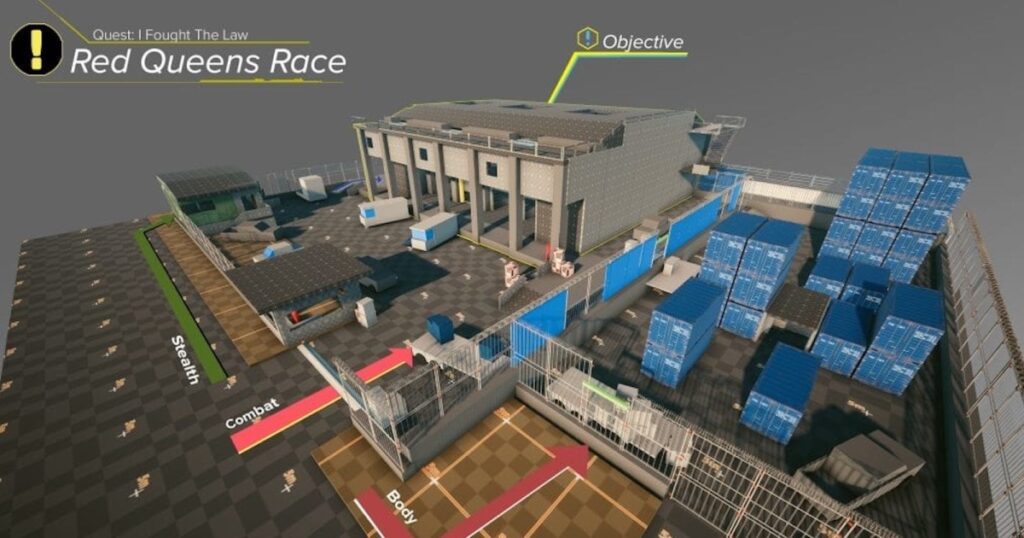
Handholding refers to excessive guidance systems that reduce player independence. Modern games frequently use tutorials, waypoint markers, hint dialogue, glowing objects, highlighted ledges, and automatic navigation systems. Developers implement these features to improve accessibility and reduce frustration, but excessive handholding can undermine player satisfaction. Discovering solutions independently is often more rewarding than being told exactly what to do.
Objective markers became common because modern games grew significantly larger and more complex. Developers wanted to reduce confusion in expansive environments, and GPS-style navigation systems seemed like a practical solution. However, overusing markers fundamentally changes how players interact with worlds. Instead of observing environmental details, players focus on interface icons, which can dramatically weaken immersion. Players may ignore architecture, landmarks, and level structure entirely because the UI provides all the necessary information.
Older games frequently expected players to experiment. Puzzle solutions were not always obvious, and navigation required observation and memory. This created stronger player engagement because progress felt earned. Modern games, by comparison, sometimes interrupt gameplay constantly with tutorial pop-ups and companion dialogue. Characters may even explain puzzles before players have a chance to solve them.
Markers also reduce tension and uncertainty. Older games often created memorable moments through getting lost, discovering hidden routes, or stumbling into unexpected encounters. Constant guidance removes many of these possibilities. Fear of player frustration drives much of this design philosophy, as publishers worry that confused players may abandon games, leave negative reviews, or disengage from live-service ecosystems.
Some games attempt to solve this issue through optional UI systems or more natural forms of guidance. Titles like Ghost of Tsushima use environmental cues, such as wind direction, to guide players without relying entirely on interface markers. The challenge for developers is balancing usability with immersion. Completely removing guidance may frustrate some players, but excessive markers risk making worlds feel artificial. Balancing accessibility with player autonomy remains one of the biggest challenges in contemporary game design.
What Makes Good Level Design in Video Games
Good level design combines gameplay mechanics, environmental storytelling, pacing, navigation, and player psychology into a cohesive experience. Great levels teach players naturally without excessive tutorials, using visual language to guide players in subtle ways. Lighting, architecture, enemy placement, and environmental composition can all direct attention without obvious handholding.
Memorable levels also create variety. Different regions should feel mechanically and visually distinct, while new challenges should build upon previous lessons rather than simply repeating them. Player agency is another critical component. Good levels allow experimentation and multiple approaches whenever possible, and even linear games benefit from giving players tactical flexibility.
Pacing matters significantly as well. Great levels balance tension and relief, with combat-heavy sections often followed by quieter moments that encourage exploration or storytelling. Environmental storytelling is another hallmark of strong level design. Players should learn about worlds through observation rather than exposition alone.
Interconnectivity can also enhance immersion. Games like Dark Souls became iconic partly because players gradually realized how areas connected spatially. This kind of design rewards attention, strengthens the player’s understanding of the world, and makes progression feel more meaningful.
Why Older Game Maps Often Felt More Memorable
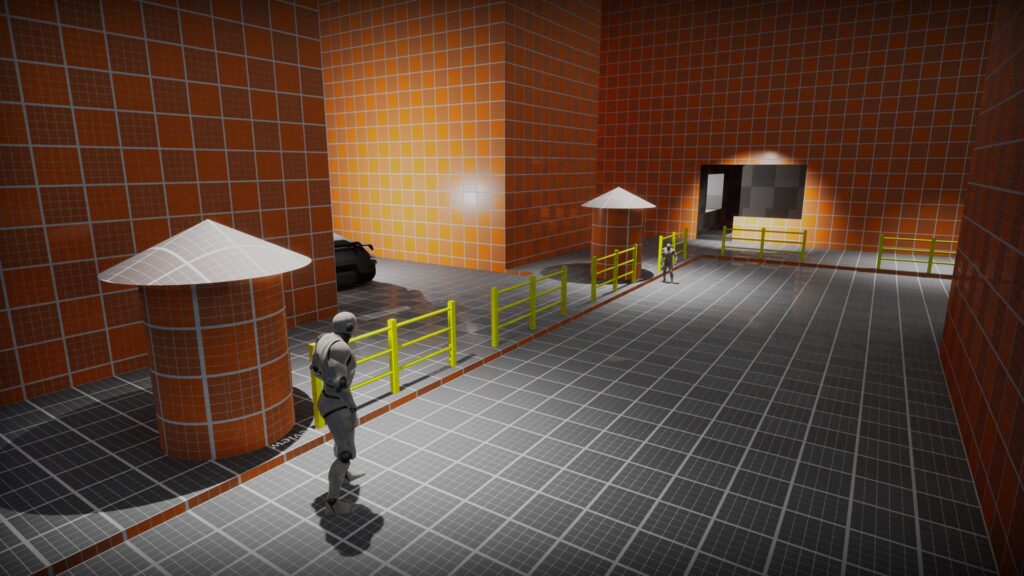
Older games often had better map design because developers focused on depth rather than scale. Hardware limitations forced designers to maximize the value of every space, which often resulted in denser and more interconnected maps. Secret paths, hidden shortcuts, and layered verticality rewarded careful observation, while smaller worlds allowed developers to carefully control pacing, progression, and encounter design.
Older games also relied more heavily on landmark-based navigation. Players remembered areas because they were visually distinct, not because they were following map markers. This made exploration feel more natural and helped locations stay memorable long after players left them. Classic survival horror games are particularly notable for this kind of strong map design. Resident Evil and Silent Hill used interconnected environments to create tension, resource management, and memorable exploration.
Risk-taking was also more common in older games. Experimental mechanics and unusual layouts appeared more frequently because budgets were lower and development cycles were shorter. With less pressure to support massive production pipelines or long-term monetization plans, developers had more room to create strange, focused, and distinctive spaces.
How Modern AAA Development Trends Changed Level Design and Creativity
AAA game development has changed level design through increased budgets, larger teams, and evolving market expectations. Modern development cycles can last five to seven years and involve thousands of workers, creating major logistical challenges. Level design must now integrate with narrative systems, animation pipelines, online infrastructure, accessibility standards, and monetization models. As a result, many studios rely on standardized frameworks to manage complexity efficiently.
Several modern game design trends may also be hurting creativity. One major issue is excessive franchise dependence, as publishers often prefer sequels and established intellectual properties because they are financially safer. Live-service design also impacts creativity because games built around seasonal content and retention metrics may prioritize repeatable systems over experimental mechanics. Monetization systems can further limit innovation, with battle passes, cosmetic stores, and progression systems sometimes shaping gameplay priorities more than artistic vision.
Corporate production structures also reduce flexibility. Large teams require standardized workflows, which can discourage unconventional ideas. Another problem is trend chasing. When one successful game popularizes a mechanic, other studios often imitate it aggressively, leading to genre homogenization. The rise of analytics-driven design has also transformed development philosophy, as studios monitor player behavior extensively to optimize engagement and retention.
Technological advancements have enabled larger worlds, but they have also increased production demands. Detailed assets require enormous time and resources, and technical ambition can consume development resources that might otherwise support gameplay experimentation. Marketing considerations now influence design heavily as well, since large open worlds are easier to advertise than smaller but denser experiences.
Despite these challenges, some AAA studios continue to innovate. Developers like FromSoftware, Arkane Studios, Nintendo, and Remedy Entertainment still prioritize memorable environmental design and player-driven discovery. Indie developers also currently drive much of the industry’s innovation because smaller teams can take creative risks more easily.

The Biggest Issues Facing Modern Video Game Design
Modern video game design faces several interconnected challenges, with one of the biggest being the balance between accessibility and depth. Developers want games to appeal to broad audiences while still satisfying experienced players, but this can be difficult to achieve. When games become too streamlined, they risk losing the challenge, discovery, and mechanical complexity that make progression feel meaningful.
Another major issue is excessive content inflation. Bigger maps and longer playtimes are often marketed as indicators of value, even when content quality suffers. This can lead to games that feel large but repetitive, filled with activities that extend playtime without adding much depth. Monetization pressures continue to shape design decisions as well, with engagement systems sometimes prioritizing retention metrics over player enjoyment.
Technological realism can also overshadow gameplay clarity. Beautiful graphics are impressive, but visual spectacle alone cannot replace strong mechanics and memorable level design. Creative risk-taking has declined in some areas due to rising production costs, as publishers often favor predictable formulas because failure can be extremely expensive. There is also increasing tension between cinematic storytelling and player agency, with some games prioritizing scripted presentation at the expense of interactivity.
However, the future of level design is not entirely negative. Many developers are actively responding to player criticism, and games that emphasize exploration, environmental storytelling, and player freedom continue to receive widespread praise. The growing popularity of indie games and experimental projects also demonstrates that players still value creativity and innovation. While modern game design faces serious challenges, there is still strong demand for thoughtful and memorable level design experiences.
Frequently Asked Questions (FAQs)
- Why do many modern games feel repetitive?
Many modern games rely on repeated objectives, reused activities, and formulaic open-world structures designed to maximize playtime and player retention. - Why are objective markers controversial in modern games?
Objective markers can reduce immersion and exploration by encouraging players to follow icons instead of naturally observing the environment. - Why do older games often have more memorable maps?
Older games focused on dense, handcrafted environments with stronger landmarks, interconnected pathways, and more meaningful exploration. - What is handholding in video games?
Handholding refers to excessive tutorials, hints, markers, and guidance systems that reduce player independence and problem-solving. - Are open-world games bad for level design?
Open-world games are not inherently bad, but poorly designed open worlds can feel repetitive and lack meaningful environmental interaction. - Why do AAA games use similar map structures?
AAA studios often use proven formulas and standardized systems to reduce development risk and appeal to large audiences. - What makes good level design in gaming?
Good level design encourages exploration, balances pacing, rewards observation, supports player agency, and creates memorable environments. - Why do some players prefer classic game design?
Many players appreciate older games because they offered less handholding, more experimentation, and stronger environmental storytelling. - Can modern games still have excellent level design?
Yes. Games like Elden Ring, Dishonored, Hitman, and Resident Evil 2 Remake demonstrate that strong level design still exists in modern gaming. - What is the biggest problem facing modern game design?
One of the biggest issues is balancing accessibility, monetization, realism, and player freedom without sacrificing creativity and meaningful gameplay.
Conclusion
Modern video game level design has evolved dramatically over the past two decades. Advances in technology have enabled enormous worlds, cinematic presentation, and unprecedented visual detail, but many players feel that something important has been lost in the process. Classic level design emphasized discovery, experimentation, spatial mastery, and environmental storytelling. Modern design often prioritizes accessibility, scale, efficiency
and player retention systems. As a result, many modern games feel less memorable despite being technically more advanced than ever before.
The widespread use of objective markers, repetitive open-world content, excessive handholding, and generic map structures has fundamentally changed how players interact with game worlds. Exploration often feels guided rather than organic, while large maps sometimes prioritize quantity over meaningful design. The growing influence of live-service mechanics, analytics-driven development, and massive production pipelines has further pushed AAA design toward safer and more predictable formulas.
At the same time, it is important to recognize that great level design still exists in modern gaming. Titles like Elden Ring, Dishonored, Hitman, Resident Evil 2 Remake, and Tears of the Kingdom prove that players continue to value creativity, environmental storytelling, and meaningful exploration. Many indie developers are also reviving classic design philosophies by focusing on handcrafted experiences rather than oversized worlds filled with repetitive tasks.
The discussion surrounding modern level design reflects a larger debate about the future of gaming itself. Players increasingly want games that trust them, challenge them, and reward curiosity rather than constantly guiding them through heavily scripted experiences. The industry’s future may depend on finding a balance between accessibility, technological ambition, artistic creativity, and player freedom.
Ultimately, good level design is not about map size, graphical fidelity, or the number of objectives on a checklist. It is about creating worlds that feel alive, memorable, and engaging to explore. The games that stand the test of time are often the ones that allow players to lose themselves in their environments rather than simply follow directions from one marker to another.
Sources and Citations
- FromSoftware Official Website
https://www.fromsoftware.jp/ - Nintendo Official Website
https://www.nintendo.com/ - Arkane Studios Official Website
https://www.arkane-studios.com/ - Remedy Entertainment Official Website
https://www.remedygames.com/ - Valve developer commentary and Half-Life level design resources
https://developer.valvesoftware.com/wiki/Developer_Commentary - Game Developers Conference Official Website
https://www.gdcvault.com/ - Game Developer articles on level design and game development workflows
https://www.gamedeveloper.com/design - PC Gamer analysis and features on open-world game design
https://www.pcgamer.com/tag/open-world/ - IGN game design features and developer interviews
https://www.ign.com/articles?tags=game-design - GameSpot game design discussions and feature coverage
https://www.gamespot.com/features/
Recommended
- How to Make Gen Z Slang Meme Videos with MetaHuman: Brainrot, Sigma, and Gooning-Style Content for Social Media
- Secrets to Blender Photorealism: How to Make Your Renders Look Real
- The Sinking City 2 Preview: Frogwares’ Lovecraft Horror Sequel Looks Bigger, Darker, and More Brutal
- The Christophers Review (2026): Cast, Plot, Ending Explained & Why Steven Soderbergh’s Art Drama Is a Must-Watch
- Screamer Review: What It Is, How It Works, and Why It Still Scares People Online
- Everwind Early Access Launch Explained: Why This Minecraft-Like Voxel Sandbox RPG With Flying Islands Is Getting Attention
- Arc Raiders Avian Alarm Project Guide: All Steps, Bird Cage Requirements, Locations & Rewards Explained (Riven Tides Update)
- Procedural Animation in 3D: How to Create Dynamic Motion in Blender, Unreal, Unity, Godot, Maya & Houdini
- Ahoge Hair: Meaning, Cultural Significance, and 3D Modeling Techniques
- Live-Action Tinker Bell Series in Development for Disney+ (“Tink”): Latest Updates, Writers, Story Details, and Release Timeline



































































































