






In This Article (9 sections)
Mina the Hollower’s Secret Bad Ending and How Players Found It
The “secret bad ending” in Mina The Hollower refers to a hidden narrative outcome reportedly discovered by players during late-stage testing or preview gameplay discussions of the title. In this branching scenario, the game allegedly presents a critical decision that dramatically alters the final act. Instead of progressing through the intended endgame sequence, which includes the final dungeon and climactic boss encounters, the player can select an alternate path that bypasses major gameplay content entirely.
This alternate route results in an abrupt conclusion to the story, often described as a “depressing cutscene” followed immediately by credits. The phrase “Someone Has Found A Secret Bad Ending To Mina The Hollower, One option triggers the ending as normal and sends you to the final dungeon and battles, while the other option skips the dungeon and boss fight entirely and sends you straight to the credits after a very depressing cutscene” has circulated widely in online discussions, framing the discovery as both mysterious and controversial. The ending has generated significant discussion because it challenges traditional expectations of progression-based design: rather than rewarding mastery of combat and exploration, it suggests a narrative mechanic that allows avoidance of confrontation altogether.
The discovery of the secret bad ending is widely attributed to community-driven exploration, datamining speculation, and careful analysis of branching dialogue systems observed in preview builds. Players examining gameplay footage noticed unusual decision prompts near the final stages of progression, suggesting the presence of alternative narrative branches. Some reported triggering unexpected cutscenes by selecting non-obvious dialogue or interaction choices, which led to speculation that the game contains a hidden “skip route” that bypasses the traditional final dungeon structure and transitions directly into endgame narrative resolution.
Content creators and testers further amplified awareness by sharing clips and discussions highlighting these anomalies. As a result, the theory of a secret bad ending gained traction across forums, social platforms, and gaming communities. While not universally confirmed in all builds, the consistency of reports suggests intentional design rather than a simple bug. The discovery also reflects a broader trend in modern gaming, where players actively search for hidden mechanics, alternate endings, and moral-choice systems embedded within narrative-driven experiences.
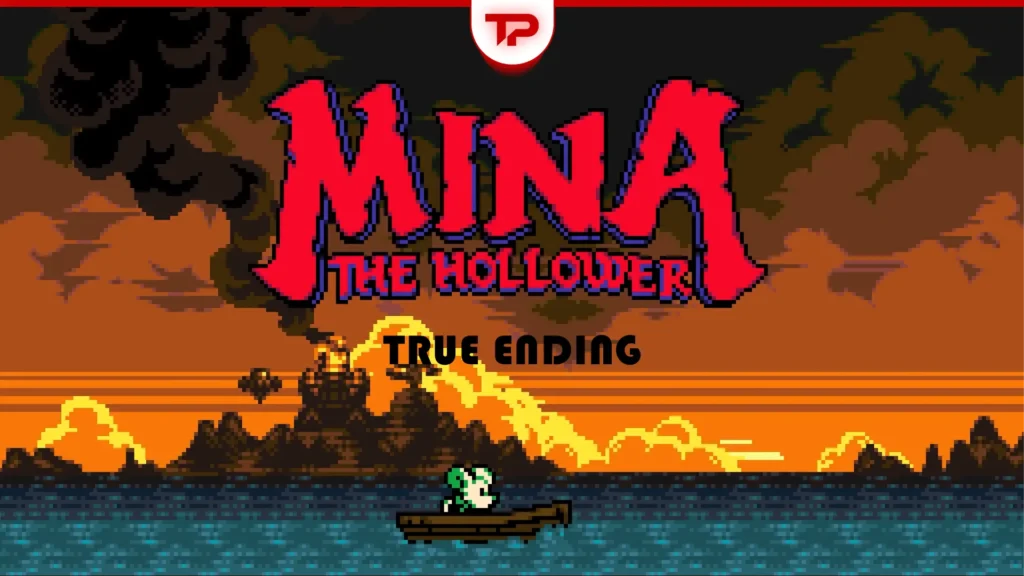
The Ending Choice: Dungeon Path, Skip Path, and How the Secret Route is Triggered
At the core of the secret ending theory lies a pivotal decision point. Players are allegedly presented with two distinct options: proceed into the final dungeon, continuing the standard narrative path with full boss encounters, or choose a dialogue or action option that bypasses confrontation and triggers an immediate narrative conclusion. The second choice is what leads to the so-called “bad ending,” skipping large portions of gameplay content and suggesting that the game may be experimenting with non-linear consequences tied to player agency.
Based on player reports, the ending structure of Mina The Hollower can be divided into two primary routes: the dungeon path and the skip path. The dungeon path represents the intended progression system, where players engage with final-area exploration, combat encounters, environmental puzzles, and a culminating boss fight. This route delivers narrative closure through challenge and resolution. The skip path, by contrast, removes these elements entirely. Instead of confrontation, the game transitions into a narrative sequence implying consequence without resolution, creating an emotionally abrupt outcome that emphasizes narrative weight over gameplay satisfaction.
Reports suggest that skipping the final dungeon and boss fight is tied to a specific decision point near the end of the game, though the exact conditions remain debated. Commonly cited factors include selecting a non-combat resolution option during a critical dialogue scene, avoiding or minimizing certain in-game “crime” or hostile actions, and interacting with key narrative triggers in a pacifist-aligned manner. When these conditions align, the game allegedly bypasses the expected final sequence and moves directly into a concluding cutscene.
This branching system is notable because it contrasts with traditional action-adventure design, where completionism and confrontation are typically rewarded. Here, the route appears to reward avoidance, raising questions about intentional narrative themes such as resignation, moral failure, or narrative disengagement. It also fuels debate over whether the skip path is meant to be a legitimate ending, a hidden “fail state” disguised as narrative choice, or an emergent interpretation by players.
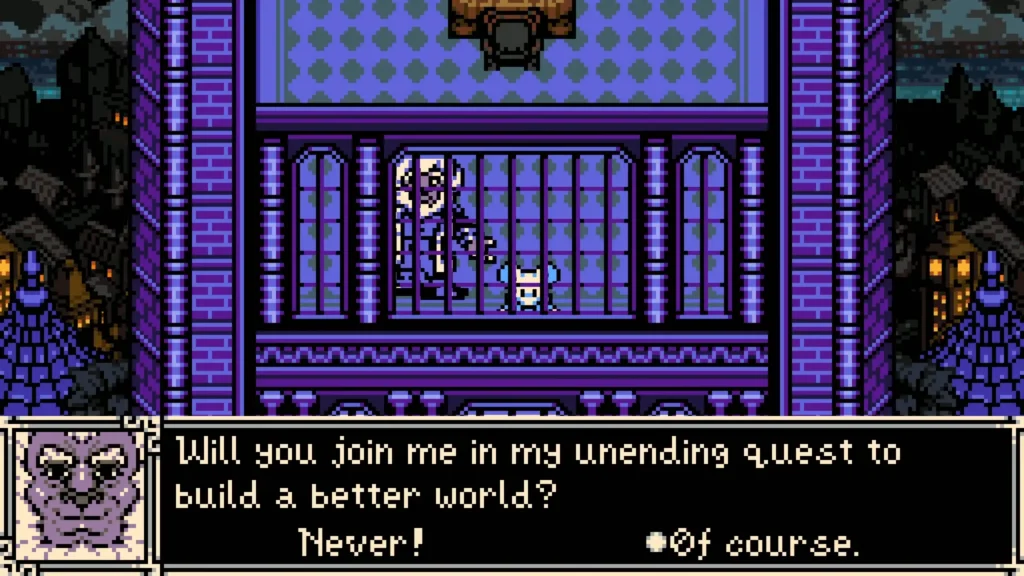
The Blameless Run, the Depressing Cutscene, and Whether Mina the Hollower Has a True Ending
The most frequently discussed aspect of the secret ending is the emotional tone of its concluding cutscene. Players describe it as unusually somber, focusing on themes of consequence, isolation, and unresolved narrative tension. Rather than providing closure through victory or defeat, the cutscene reportedly emphasizes the weight of the skipped journey. The absence of final battles reinforces a sense of incompleteness, leaving the player with a narrative void rather than resolution.
This design choice, whether intentional or emergent, significantly contrasts with traditional ending structures in action-adventure games. It suggests a thematic exploration of avoidance and its emotional cost, where skipping conflict does not lead to relief but instead to narrative emptiness. This is one reason the ending is often described as “bad”: not necessarily because it is poorly made, but because it removes the expected sense of resolution.
The so-called “Blameless Run” ending is believed to be tied to a specific playstyle emphasizing non-violence or minimal engagement with hostile systems. Reported requirements include avoiding unnecessary enemy eliminations, choosing dialogue options that reduce conflict escalation, and completing key objectives without triggering certain narrative flags. If these conditions are met, the game may shift toward the alternate ending path, leading to comparisons with “pacifist runs” in other games where moral restraint influences the narrative outcome. However, these requirements are not officially confirmed and may vary depending on version, build, or interpretation of game systems.
Based on current discussions, Mina The Hollower appears to support multiple endings or branching outcomes. The existence of both a standard dungeon completion ending and a secret skip-based ending suggests at least two narrative conclusions. The question of a “true ending” remains subjective: some players argue that the dungeon path represents canonical progression because it aligns with the game’s core systems, while others believe the skip ending represents an intentional narrative statement about avoidance and consequence. Until officially clarified, both endings can be interpreted as valid narrative outcomes within the game’s structure.

Avoiding Crimes, Hidden Conditions, and NG+ Ending Variations
Avoiding all “crimes” or aggressive actions in Mina The Hollower is theorized to significantly influence the ending path. In this context, “crimes” are interpreted broadly as unnecessary combat, harmful choices, or morally negative interactions. Players who adopt a non-hostile approach may trigger alternate narrative flags that lead to the skip ending, positioning them on a different narrative trajectory entirely.
This mechanic, if intentional, would suggest a hidden morality system influencing the game’s final structure. However, some players believe these effects may instead be the result of conditional scripting rather than a fully developed system. Several theories attempt to explain why the game would allow players to skip its final battle, including narrative experimentation, a hidden morality system, psychological design, or debug or placeholder content. Among these, the narrative experimentation theory is the most widely discussed, as it suggests the game intentionally subverts expectations by allowing players to “opt out” of climax content and replacing it with thematic consequence.
New Game Plus systems often introduce expanded mechanics, and Mina The Hollower is theorized to include variations in ending outcomes based on replay behavior. In NG+ scenarios, players may encounter altered dialogue options, modified enemy placement or difficulty scaling, and additional narrative flags affecting ending routes. These changes can influence whether the standard or secret ending is triggered, adding replay value and encouraging experimentation with different playstyles across multiple runs.
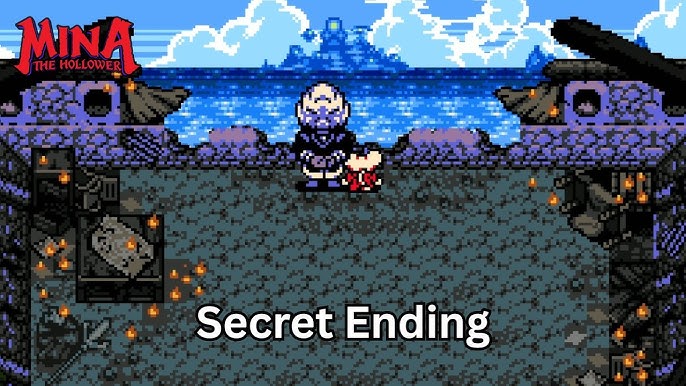
Hidden Morality Debate, Player Reactions, and How the Secret Ending Changes the Story
The existence of a hidden moral system remains one of the most debated aspects of the secret ending. Some players believe unseen alignment metrics track behavior throughout the game and influence final outcomes, while others argue that what appears to be a moral system is actually a set of conditional triggers tied to specific progression states or dialogue choices. Without official confirmation, it remains unclear whether this system is intentional game design or an emergent interpretation of complex branching logic.
Community reactions to the secret bad ending have been mixed. Some players appreciate the unconventional narrative direction, viewing it as a bold design choice that challenges expectations. Others express frustration at the abruptness of the skip ending, particularly if it bypasses significant gameplay content without clear indication. Content creators have fueled discussion by analyzing the emotional impact of the cutscene and debating whether the ending enhances or undermines the overall experience.
The secret ending fundamentally alters how the story is perceived. Instead of culminating in a traditional resolution through confrontation, it reframes the narrative around absence and avoidance. This shift changes the emotional tone of the game, replacing triumph or defeat with ambiguity and unresolved consequence. As a result, players may interpret the story as a commentary on the cost of skipping struggle rather than engaging with it.
Frequently Asked Questions (FAQs)
- What is the secret bad ending in Mina The Hollower?
It is an alternate ending that reportedly skips the final dungeon and sends the player directly to the credits after a somber cutscene. Instead of resolving the story through the usual final area and boss encounters, this route appears to end the narrative abruptly, which is why many players describe it as a “bad” or unsettling ending. - How do you unlock the secret ending?
Based on player reports, the secret ending is unlocked by selecting specific endgame choices that avoid the standard final dungeon route. Some discussions also suggest that non-hostile actions, pacifist-aligned choices, or avoiding certain “crime” flags may influence whether this route becomes available, though the exact requirements remain debated. - Is the secret ending official?
It is widely discussed by players, testers, and content creators, but it has not been fully confirmed across all versions or builds. Because of that, some players view it as intentional design, while others think it may be the result of conditional scripting, unfinished content, or an unusual interaction between game systems. - Does the game have multiple endings?
Yes, based on player reports, Mina The Hollower appears to have at least two main endings: the standard dungeon completion route and the secret skip-based route. The standard route includes the expected final dungeon and boss fight, while the secret route bypasses those elements and moves directly into a concluding cutscene. - What is the Blameless Run?
The “Blameless Run” is a theorized pacifist-style route where the player avoids unnecessary hostile actions, reduces conflict through dialogue choices, and completes objectives without triggering certain negative narrative flags. It is believed by some players to be connected to the secret ending, though its exact rules have not been officially confirmed. - Can you skip the final boss?
Yes, according to reports, the secret ending route allows the player to bypass the final boss entirely. Instead of entering the final dungeon and completing the climactic battle, the game transitions into a cutscene and then rolls credits, making the skipped boss one of the most controversial parts of the ending. - Is the secret ending a glitch?
It is unclear whether the secret ending is a glitch, unfinished branch, or intentional narrative design. Some players believe the consistency of reports suggests it was deliberately included, while others argue that it may be an emergent result of branching logic, conditional triggers, or content that was not meant to function as a full ending. - Does morality affect the ending?
Possibly, but no official morality system has been confirmed. Players have theorized that the game may track hostile actions, dialogue choices, or “crime” flags in the background, which could influence the ending path. However, it may also be a simpler system of specific triggers rather than a full hidden morality mechanic. - Why is the ending called “bad”?
It is called “bad” because it removes the expected resolution of the story and ends abruptly after a depressing cutscene. Rather than giving the player closure through victory, defeat, or a final confrontation, it leaves the narrative feeling unresolved and emotionally heavy. - Will the developers change this ending?
No official statement confirms whether the developers plan to change the ending. Since the ending has not been fully clarified across all builds, it remains uncertain whether it will stay the same, be adjusted, or be explained more directly in a future version.
Conclusion
The secret bad ending in Mina The Hollower represents one of the most intriguing and debated aspects of the game’s narrative structure. Whether interpreted as intentional design, experimental storytelling, or emergent gameplay behavior, it challenges conventional expectations of progression-based endings. By allowing players to bypass the final dungeon and boss encounter, the game introduces a provocative alternative conclusion that emphasizes absence over resolution. As discussions continue, the meaning and legitimacy of this ending remain open to interpretation, ensuring its place as a focal point in ongoing community analysis.
Sources and Citations
- Community Gameplay Discussions
- Reddit 2XKO Community – The Climb Official Feedback Thread
The Climb Official Feedback Thread - Reddit 2XKO Community Hub
r/2XKO Community Discussions - Player-Reported Gameplay Footage and Analysis
- Official 2XKO The Climb Reveal Trailer (YouTube)
2XKO The Climb Reveal Trailer - Official Riot Games Breakdown of The Climb
The Climb: 2XKO’s New PvE Mode - Forum-Based Theory Compilation and Interpretation Threads
- ResetEra Community Discussion Thread
ResetEra The Climb Discussion Thread - Reddit Games Community Reactions and Analysis
r/Games The Climb Discussion - Early Access and Preview Build Observations
- Riot Games Official Developer Overview
Riot Games The Climb Overview - Shacknews Preview and Feature Analysis
Shacknews The Climb Preview - Streaming and Content Creator Breakdowns
- Official 2XKO Social Announcement
2XKO Social Reveal Post - Reddit PS5 Community Reactions to The Climb
PS5 Community Discussion Thread - TwoBestFriendsPlay Community Breakdown and Reactions
Roguelike PvE Mode Discussion
Recommended
- PC Gaming Revenue Outside the Top 20: Why Cyberpunk 2077, Elden Ring, and Skyrim Keep Selling
- Supercell Acquires Metacore: What the Merge Mansion Deal Means for Mobile Gaming
- Sega’s Stranger Than Heaven Will Headline Xbox Partner Event This Week – Date, Time, Games, and What to Expect
- Game-Ready Character with an Arcane Aesthetic Full Breakdown: Step-by-Step 3D Character Workflow (ZBrush, Maya, Substance Painter, Marmoset)
- Crusader Kings 3 Will Let You Play as a Pope: New DLC Features, Gameplay Changes, and Release Details
- South Park Sets September 2026 Release Date for Return to Comedy Central: Everything You Need to Know About the New Season
- The Winter Olympics Featured a Mortal Kombat Figure Skating Routine: What Happened and Why it Went Viral
- Fortnite Leak: Lois Griffin, Peggy Hill & Linda Belcher Skins Rumored Crossover
- Camera View Preservation in Blender: Why Use The View Keeper?
- FaceSync Brings Audio-Driven Facial Animation and Real-Time Lip Sync to Unity for Games, VR, and VTubers



































































































