






What Is a Motion Capture Actor?
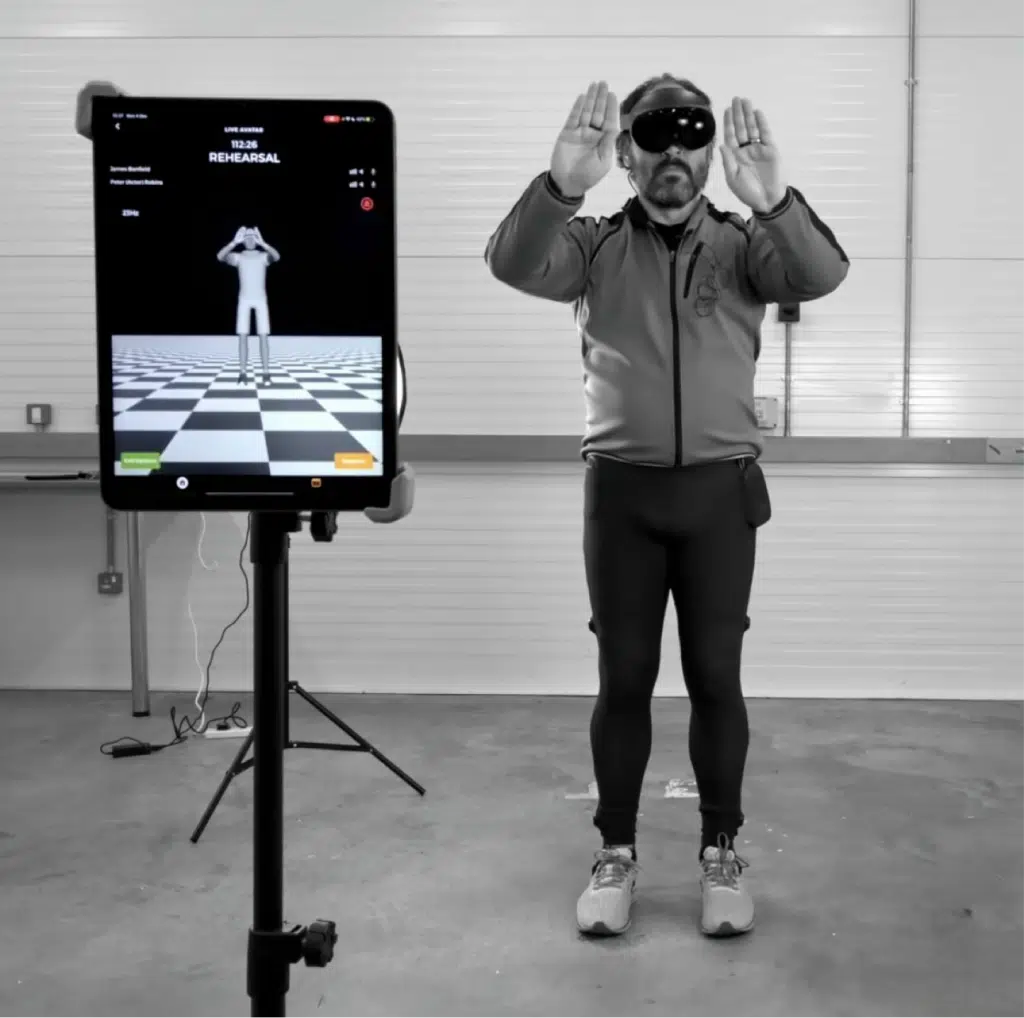
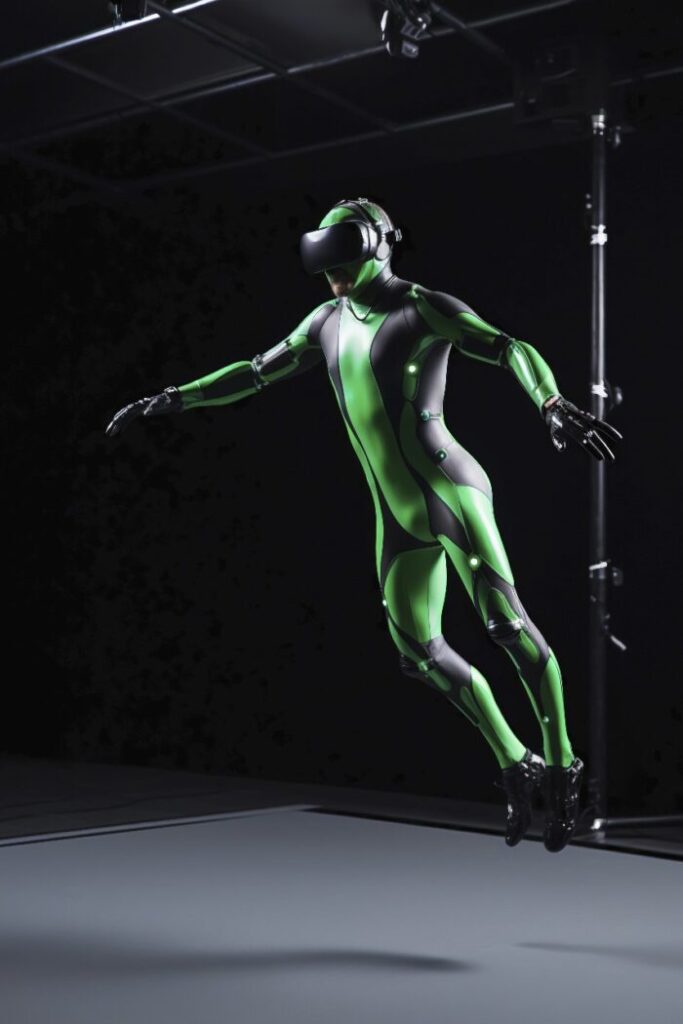
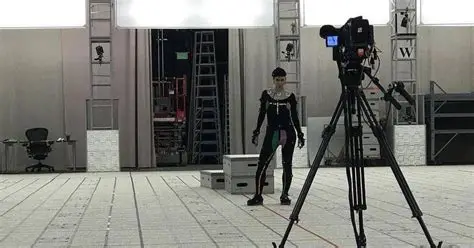
A motion capture actor, or “mo-cap” actor, is a performer who wears specialized suits with markers to digitally record their movements and often facial expressions, which are then applied to animated characters in video games, films, or VR avatars. They bring lifelike motion to digital characters, such as Andy Serkis portraying Caesar in Planet of the Apes using a sensor-covered suit and head-mounted camera. Motion capture can involve full-body movements or facial expressions, with large productions often combining both for comprehensive performances. Some projects, like Baldur’s Gate 3, employ numerous mo-cap actors (248 in this case) to create realistic character animations. The role involves acting in skintight suits with sensors to translate performances into 3D character data.
In This Article (17 sections)
How Much Do Motion Capture Actors Make Per Hour?
Motion capture actors’ hourly pay varies by country, union status, and project type. In the U.S., union actors under SAG-AFTRA earn approximately $200–$250 per hour, with a 4-hour session paying about $1,023.75 at minimum scale; experienced performers often negotiate double this rate. Non-union U.S. rates range widely, from $20–$100 per hour for newcomers or indie projects, with established non-union actors earning around $100–$150 per hour, though some low-budget gigs pay as little as $50 per hour.
In the UK, Equity recommends £650 per day for motion capture (£80–£100 per hour for an 8-hour day) and £850 for full performance capture. Canadian ACTRA rates align closely, with a 4-hour session at $980 CAD ($730 USD). In Europe, rates match North American standards for major studios, while in Asia, pay varies, with Japan offering lower rates and Singapore aligning with Western levels. Union jobs provide benefits and standardized contracts, unlike non-union gigs, which lack guaranteed minimums.
Union vs. non-union differences are notable: U.S. union actors earn ~$250/hour with overtime and benefits, while non-union pay can be half or less, sometimes as low as $100/hour for newcomers. Global variations reflect local industry standards and union presence, with major hubs offering higher rates due to larger budgets.

How Much Do Motion Capture Actors Make Per Project?
Per-project earnings depend on project scale and role prominence. Indie games may pay a few hundred dollars for brief work, while lead roles in AAA games or films can yield tens of thousands. Union actors earn $1,000 per session, potentially totaling $10,000 for 10 sessions on a major game. For example, Michael Hollick earned ~$100,000 over 15 months for Grand Theft Auto IV’s Niko Bellic, including ~$1,050 per session, without royalties. In contrast, Sean Chiplock earned $2,000–$3,000 for three voices in The Legend of Zelda: Breath of the Wild, though an indie game with royalties paid more.
Hollywood films pay lead mo-cap actors like Andy Serkis ($1 million for The Lord of the Rings’ Gollum) or Hellena Taylor ($15,000 offered for Bayonetta 3), while A-list actors may secure six- or seven-figure deals. Indie projects often offer flat fees (~$500) or profit-sharing, while AAA games pay union minimums, with leads earning five figures. Films pay stunt or background mo-cap actors ~$1,000/day, but stars like Serkis earn significantly more for key roles. TV and streaming projects pay per episode or day, varying by budget.Project scale impacts earnings: a month on a major game may outpay a year of small projects, but lack of residuals limits long-term game income compared to films.
What Is the Average Salary of a Motion Capture Actor?
Annual earnings for mo-cap actors vary due to gig-based work. In the U.S., estimates suggest $50,000–$100,000 yearly for consistent work, with Glassdoor reporting $97,000 (including $80,000 base) and ZipRecruiter citing ~$127,000 ($61/hour). Salary.com estimates a lower $74,000 base. A union actor booking 50 four-hour sessions at ~$1,000 each could earn $50,000 annually, with top performers exceeding $100,000. In the UK, Equity’s £650/day rate for 100 days yields ~£65,000 ($80,000), though many earn £30,000–£50,000 ($40,000–$65,000) with fewer gigs. Canada’s ACTRA actors earn ~C$50,000–$80,000 yearly, aligning with U.S. figures. In Europe, mo-cap work supplements other acting, with France, Germany, and Poland offering occasional roles.
In Japan, salaries are lower, while New Zealand’s film work (e.g., Avatar) offers solid union pay. Many actors supplement income with voice-overs, stunts, or theater, with commercials and VR projects adding lucrative buyouts.
A full-time mo-cap actor’s income resembles a character actor or stunt performer’s, with averages around $70,000–$80,000 in the U.S., though top earners and those with steady work can reach low six figures.
Do Motion Capture Actors Make More in Movies or Video Games?
Movies generally pay mo-cap actors more per project than video games due to higher base rates and residuals. A film role under SAG-AFTRA may pay $1,000/day plus residuals, while a game role pays ~$1,000/session without residuals. For example, Andy Serkis earned ~$1 million for The Lord of the Rings’ Gollum, far exceeding typical game lead pay ($10,000–$100,000, as in Michael Hollick’s $100,000 for Grand Theft Auto IV).
High-profile game actors like Keanu Reeves may earn film-comparable pay, but most game roles cap at lower figures. Films offer residuals for TV broadcasts or media sales, unlike games, which use a buyout model. However, games offer more roles due to numerous characters, potentially leading to more frequent work. A mo-cap actor might earn $30,000, $20,000, and $15,000 across multiple games annually, versus one $25,000 film role. Per project, movies outpay games, especially for prominent roles, due to residuals and recognition.
How Do Motion Capture Actor Salaries Compare to Traditional Actors?
Mo-cap actors often earn less than traditional on-camera actors for equivalent projects, though union daily rates are similar ($1,000/day). Traditional film/TV actors benefit from residuals and higher earning potential as stars, with A-listers commanding $5–20 million versus top mo-cap roles rarely exceeding low six figures. Mo-cap actors earn more than voice-only actors due to physical demands, sometimes doubling pay for combined voice and motion work. Compared to stunt performers, mo-cap actors earn similarly ($70,000/year average), but stunt performers may get hazard pay bumps unavailable in mo-cap.
Background film/TV actors earn ~$180–$1,000/day, comparable to minor mo-cap roles, but starring film roles far outpace mo-cap leads. Recognition drives the gap: traditional actors’ visibility boosts their brand, while mo-cap actors’ work is less visible, historically undervalued. Top mo-cap actors like Andy Serkis earn well but not at A-list traditional actor levels. The gap narrows as mo-cap gains recognition, but traditional acting offers a higher ceiling.

What Factors Affect Motion Capture Actor Salaries?
Several factors influence mo-cap actor salaries:
- Experience and Reputation: Seasoned actors with strong mo-cap resumes command higher rates, leveraging past work on major titles for better pay. Experience with mo-cap technology enhances hiring frequency and earnings.
- Skill Set: Physical skills like dance, martial arts, or acrobatics increase value, enabling actors to secure higher-paying, specialized roles (e.g., parkour for an assassin character).
- Union Membership: Union actors (SAG-AFTRA, Equity) earn guaranteed minimums (~$250/hour in the U.S.), overtime, and benefits, unlike non-union actors who may accept lower rates.
- Location: Major hubs like Los Angeles or London offer higher pay and more jobs than smaller markets like Eastern Europe or Southeast Asia, where rates reflect local standards.
- Role Type and Prominence: Lead roles with extensive sessions pay more than background roles, with full performance capture (voice, face, body) earning higher fees.
- Project Budget and Profile: AAA games and films pay union rates or above, while indie projects offer lower fees or credit. High-profile projects may allow negotiation for better pay.
- Negotiation and Agent Representation: Skilled negotiation or agent representation secures better contracts, including fees for exclusivity or likeness usage.
A skilled, unionized actor in a lead role for a major production in a hub city earns top rates, while novices in smaller markets earn less.
Do Motion Capture Actors Get Royalties or Residuals?
Motion capture actors rarely receive royalties or residuals in video games, which typically use a buyout model with one-time session fees and occasional bonuses (e.g., SAG-AFTRA’s game contract offers up to $2,100 after 10 sessions). In films and TV, union actors like Andy Serkis earn residuals for broadcasts or media sales, adding significant income. Commercials may pay usage fees per airing unless bought out.
Game contracts rarely include royalties, though rare indie projects (e.g., Freedom Planet) offer profit-sharing. The 2016 SAG-AFTRA strike pushed for game bonuses but not true residuals. Actors like Hellena Taylor (offered $15,000 for Bayonetta 3 with no residuals) highlight the buyout norm in games. Film/TV residuals make those mediums more lucrative long-term, while game actors must maximize upfront pay, as ongoing revenue is unlikely.

How Much Do Motion Capture Stunt Performers Make?
Motion capture stunt performers, specializing in action-heavy mo-cap work, earn rates similar to traditional stunt performers, with adjustments for the medium. On union films, they receive a daily minimum of ~$1,000–$1,100 or weekly contracts of ~$3,800–$4,000 under SAG agreements. These apply whether doubling on set or performing mo-cap stunts. While extreme stunts like high falls are less common in mo-cap, wirework or combat may qualify for stunt adjustments, adding pay for hazardous tasks.
Non-union rates vary widely, from a few hundred dollars per day for indie projects to near-union levels for AAA games, with skilled performers (e.g., martial artists for fighting games) negotiating higher fees. Regular work at $700–$800/day can accumulate, with long-term projects (e.g., combat animations) paying thousands weekly. Mo-cap stunt actors may receive additional pay for combining stunt and acting roles, with SAG-AFTRA ensuring safety measures like medics for hazardous work. Annual earnings average ~$70,000 in the U.S., with top professionals earning more and newcomers less. Mo-cap stunts are often less risky than on-camera stunts but remain physically demanding, potentially warranting premium pay.
What Are the Highest-Paid Motion Capture Roles in the Industry?
The highest-paid mo-cap roles are tied to major franchises and often performed by renowned actors:
- Lead Characters in Blockbuster Films: Andy Serkis earned ~$1 million for Gollum in The Lord of the Rings and likely high six figures or more per Planet of the Apes film as Caesar. Mark Ruffalo’s Hulk in the MCU and Josh Brolin’s Thanos in Avengers earned millions (Brolin reportedly $5–6 million for Infinity War). These roles command high pay due to the actors’ fame and central roles in big-budget films.
- Main Protagonists in AAA Video Games with Celebrities: Keanu Reeves’ Johnny Silverhand in Cyberpunk 2077 likely earned millions, as did Norman Reedus and Mads Mikkelsen in Death Stranding (high six to low seven figures). These reflect Hollywood-level pay for star power.
- Iconic Video Game Characters: Nolan North’s Nathan Drake (Uncharted) and Troy Baker’s Joel (The Last of Us) earned tens of thousands per game, accumulating significant sums over franchises. Christopher Judge’s Kratos (God of War) likely earned mid-five figures or more per title.
- Major CG Characters in Films: Benedict Cumberbatch’s Smaug (The Hobbit) and Zoe Saldaña’s Neytiri (Avatar) fetched high six to low seven figures, reflecting their star status. Serkis’s King Kong (2005) also earned high six figures.
- Famous Franchise Game Characters: Actors like Steve Downes (Master Chief, Halo) and David Hayter/Kiefer Sutherland (Solid Snake, Metal Gear Solid) earned substantial sums over time, with Sutherland’s single-game role possibly reaching six to seven figures.
- Theme Park/Interactive Attractions: Mo-cap for VR or animatronics (e.g., Disney’s Marvel characters) may pay high fees for notable performers.
A reported $500,000 for a single game session highlights the top end for celebrity cameos. These roles, driven by big budgets and fame, far exceed typical mo-cap pay.
How to Become a Motion Capture Actor and Start Earning?
To become a mo-cap actor, follow these steps:
- Develop Strong Acting Skills: Take acting classes and practice theater or voice acting to convey emotions through body and voice, as mo-cap relies on imagination without physical sets.
- Build Physical Skills and Fitness: Train in dance, martial arts, gymnastics, or stage combat to enhance body awareness and stamina for physically demanding shoots.
- Learn Motion Capture Techniques and Technology: Study mo-cap processes (e.g., T-pose, volume) via workshops like Performance Captured Academy or The Mocap Vaults to master sensor-friendly movements.
- Get Comfortable with Imagination and Consistency: Practice mime and spatial awareness to perform in virtual settings, ensuring consistent movements across takes.
- Audition and Network: Seek casting calls for games, VR, or films through agents or specialized agencies like The Mocap Agency. Create a demo reel showcasing movement and acting, and network at game developer conferences or animation festivals.
- Union Membership and Agencies: Join SAG-AFTRA or Equity for access to major projects and minimum pay protections, starting with non-union gigs for experience.
- Be Versatile: Develop skills for diverse roles (e.g., creature movements, combat) by studying animal motion or working with movement coaches.
- Create a Professional Presence: Build a resume highlighting relevant skills, a website with reels, and clips showing mo-cap work to impress casting directors.
Start with small gigs (e.g., university research, indie games) for experience and footage, progressing to larger auditions for better pay. Quality performances lead to more hires and higher earnings.
What Are the Best Studios and Companies Hiring Motion Capture Actors?
Top employers for mo-cap actors include:
- Video Game Developers: Naughty Dog (The Last of Us), Rockstar Games (Grand Theft Auto), Santa Monica Studio (God of War), Ubisoft (Assassin’s Creed), EA (FIFA, Mass Effect), Insomniac Games (Spider-Man), CD Projekt Red (Cyberpunk 2077), 343 Industries (Halo), Quantic Dream (Detroit: Become Human), and Capcom (Resident Evil) hire for cutscenes and animations.
- Animation and VFX Studios: Wētā FX (Avatar), ILM (Star Wars), Digital Domain, Framestore, and MPC (The Lion King) work on CG characters, often collaborating with mo-cap actors.
- Dedicated Motion Capture Studios: House of Moves, The Imaginarium Studios, Animatrik, and Centroid provide mo-cap services for films and games, maintaining rosters of performers.
- TV/Film Production Companies: Lucasfilm, Marvel Studios, Warner Bros., and Legendary Pictures hire for CG-heavy projects like The Lion King or Godzilla vs. Kong.
- VR and AR Developers: Halfbrick, The VOID, and Baobab Studios use mo-cap for immersive experiences.
- Commercial and Simulation Companies: Advertising agencies, Motion Reality Inc., and tech firms like Tesla or Meta hire for commercials, simulations, or AI training.
Target game studios like Naughty Dog or mo-cap facilities like Animatrik for freelance opportunities, and monitor casting sites for auditions.
How Much Do Famous Motion Capture Actors Make?
Notable mo-cap actors’ earnings reflect their fame and project scale:
- Andy Serkis: Earned ~$1 million for Gollum (LOTR) and likely millions per Planet of the Apes film, with a net worth of ~$18 million from acting, directing, and his studio.
- Troy Baker: Earned ~$50,000 for The Last of Us, likely mid-five figures for Part II, with annual earnings in the high five to low six figures and a net worth of ~$6 million.
- Nolan North: Earns similar to Baker for roles like Nathan Drake (Uncharted), with a net worth of $2–5 million.
- Kevin Dorman/Reuben Langdon: Earn tens of thousands per project (e.g., Resident Evil, Devil May Cry), accumulating steady incomes.
- Mainstream Actors: Josh Brolin (~$5–6 million for Thanos), Zoe Saldaña (millions for Avatar), and Benedict Cumberbatch (high six to low seven figures for Smaug) earn top-tier salaries.
- Voice Actors in Mo-Cap: Jennifer Hale and Laura Bailey earn high five to low six figures annually, with project fees of $10,000–$20,000.
Top earners like Serkis achieve seven-figure paydays, while game actors like Baker and North accumulate millions over careers through consistent work.
Frequently Asked Questions (FAQs)
- How are motion capture actors paid – hourly, per day, or per project?
Payment varies by contract, often as a 4-hour session fee (~$1,000 for games) or daily rate (£650 in the UK for body capture). Longer projects may use weekly rates or flat per-project fees (e.g., $5,000 for an indie game). Union agreements ensure minimums, with overtime for extended shoots. - Do motion capture actors have to do their own voice as well?
Often, actors provide both voice and mo-cap for cohesive performance capture (e.g., Troy Baker as Joel in The Last of Us). However, roles can be split, with stunt performers handling body mo-cap and others voicing, especially for creatures. Combined roles earn additional pay. - Is motion capture acting a full-time job?
It’s typically freelance, project-based work. Some actors string together steady gigs, but most supplement with voice acting, theater, or stunts. Rare in-house mo-cap teams exist, but it’s generally a portfolio career requiring constant gig-hunting. - Do I need to join SAG-AFTRA or Equity to do motion capture?
Not initially, as non-union indie or experimental gigs are accessible. However, major projects often require union membership (SAG-AFTRA, Equity, ACTRA) for better pay, protections, and audition access. Joining is advisable for a long-term career. - Who is the highest-paid motion capture actor?
Andy Serkis likely holds the title, earning ~$1 million for LOTR’s Gollum and millions for Planet of the Apes. Mainstream actors like Zoe Saldaña and Josh Brolin earn high pay for mo-cap roles. In games, Troy Baker, Nolan North, and Laura Bailey are top earners, with a reported $500,000 single-session offer for an unnamed star. - Are motion capture actors credited in movies and games?
Yes, typically as “Performance capture by ___” for named roles (e.g., Serkis as Gollum, Baker as Joel). Stunt or background mo-cap may be listed generically. The industry increasingly credits mo-cap contributions, though awards recognition lags. - How hard is it to perform in a motion capture suit?
It’s challenging due to tight suits, heavy head rigs for facial capture, and the need for clear, consistent movements in an empty stage. Physical demands include repeating actions and exaggerating motions, making it a tiring acting and workout combo, though actors find it freeing with practice. - Can motion capture actors be tracked with different marker types (and do they always wear a suit)?
Yes. The most common “Hollywood/game” setup is optical-passive tracking, where performers wear retroreflective markers that are tracked by infrared cameras. Some systems also use active LED markers. In practice, actors usually wear a snug mo-cap suit so markers stay stable and readable, but the exact setup depends on the studio and the capture system. - How many mo-cap actors can a big game use (is it only a few “main” performers)?
AAA games can use huge mo-cap casts. Baldur’s Gate 3 is a good example: Larian said they used motion capture performances from 248 actors to bring companions and NPCs to life, which shows how large-scale performance capture can get on modern RPGs. - Do motion capture actors have protections against AI “digital replica” use of their performance data?
Increasingly, yes — and it became a major industry flashpoint. SAG-AFTRA’s video game strike (which included mo-cap performers) centered heavily on AI protections, including consent and limits around digital replicas. The 2025 Interactive Media Video Game Agreement was approved after that dispute and includes AI-focused guardrails and performer protections.

Conclusion
Motion capture acting can be profitable, especially for top talents earning six figures annually, with veterans like Andy Serkis amassing millions. Journeyman actors can achieve middle-class incomes (~$70,000/year) with regular gigs. However, it’s project-based, with variable income requiring diversification into voice work or stunts. Union rates ensure decent pay, and growing demand in games, films, and VR boosts opportunities. While not yielding on-camera stardom wealth, mo-cap offers creative fulfillment and solid earnings for skilled performers, with potential for increased pay as the industry expands.
Sources
- Vicon. (n.d.). What is motion capture? Vicon.
- OptiTrack. (n.d.). Markers. OptiTrack Documentation.
- 80 Level. (n.d.). 248 actors provided mocap data for companions & NPCs in Baldur’s Gate 3. 80 Level.
- SAG-AFTRA. (2025). 2025 Interactive Media / Video Game Agreement. SAG-AFTRA.
- Reuters. (2025, July 10). Video game actors pass agreement with studios with AI security. Reuters.
- Wikipedia contributors. (n.d.). 2024–2025 SAG-AFTRA video game strike. Wikipedia.
Recommendations
- Mortal Kombat II Set for Massive Box Office Launch as Mortal Kombat III Already Moves into Development
- Invincible Season 4 Animation Error Sparks Fan Debate
- Last Flag Ending New Content Updates Amid Low Player Numbers: “We Don’t Want to Kill Our Game”, How Night Street Games Plans to Hand it to the Community
- Understanding Interpolate Hair Curves geometry nodes preset
- Mixtape is Earning Widespread Acclaim for Its Animation, Soundtrack, and Emotionally Driven Coming-of-Age Storytelling
- Dark Horse’s The Lord of the Rings Animated Figure Set Celebrates the Classic 1978 Film With Frodo, Aragorn, and Samwise
- Blender Hair Tutorial: How to Use Hair Cards, the New Hair System, and Hair Tool Add-on for Realistic Results
- John Rambo: David Harbour Cast as Major Trautman in Prequel
- Goat Review: GOAT (2026) Movie — Plot, Voice Cast, Age Rating, Scores & Where to Watch
- How to Make Blender Hair Work with Unreal Engine’s Groom System



































































































