






In This Article (19 sections)
What is Mixtape and Why is it Getting so Much Attention in 2026?
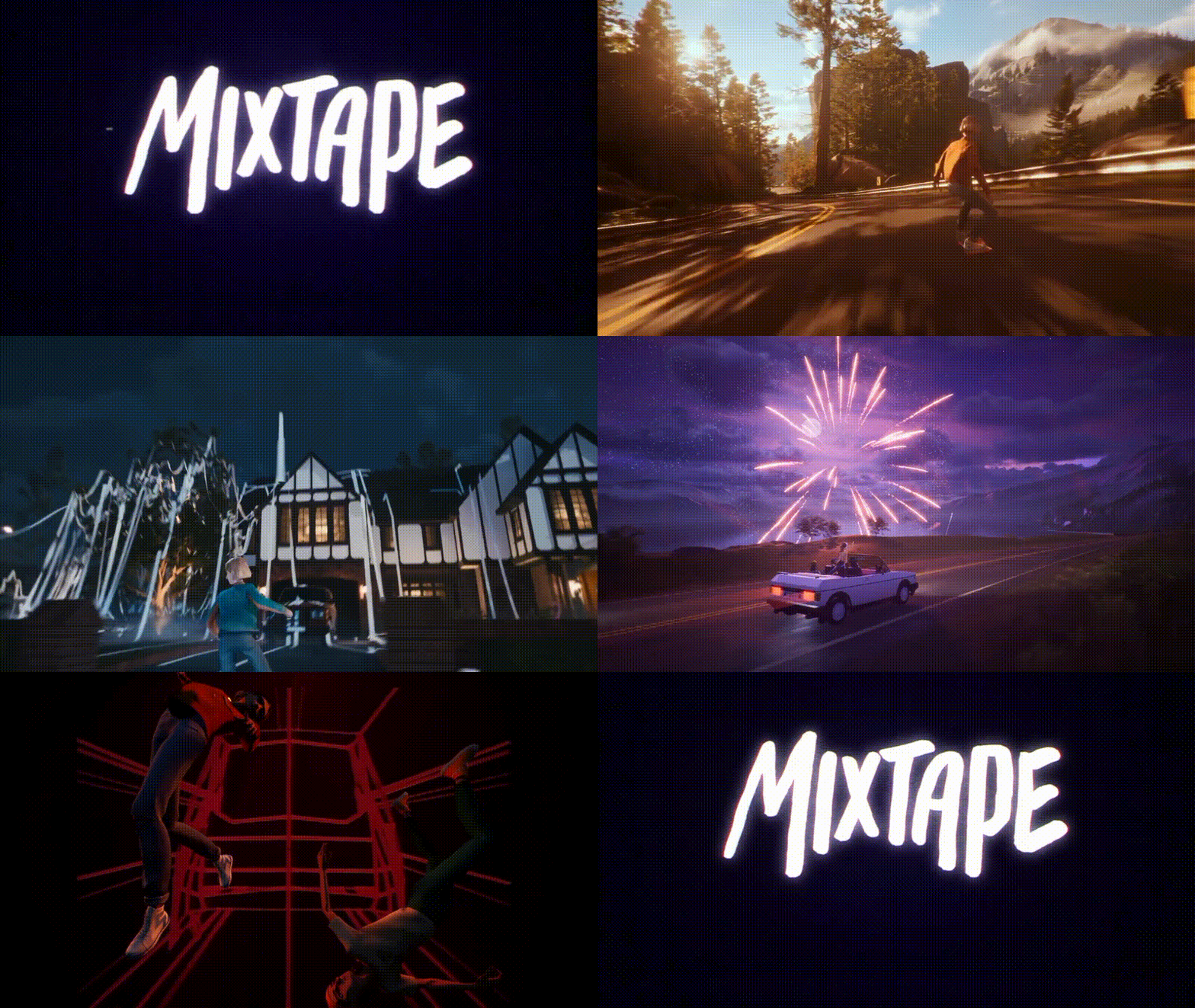
Mixtape is a narrative-driven coming-of-age experience developed by Beethoven & Dinosaur and published by Annapurna Interactive, a studio known for supporting emotionally rich and artistically ambitious interactive projects. In 2026, Mixtape is earning widespread acclaim for its animation, soundtrack, and emotionally driven coming-of-age storytelling as early previews, trailers, and developer showcases continue to circulate across gaming and animation communities.
At its core, Mixtape focuses on teenage memory, identity formation, and emotional transitions through a stylized audiovisual journey. Unlike traditional linear storytelling, Mixtape blends cinematic animation, music-driven narrative progression, and interactive sequences that place players directly inside the emotional perspective of adolescence.
The attention surrounding Mixtape in 2026 is largely driven by three major factors:
- Its highly stylized animation language that resembles a living memory collage
- A carefully curated soundtrack rooted in nostalgic and emotionally resonant music
- A narrative structure that prioritizes emotional realism over conventional plot mechanics
This combination positions Mixtape as part of a growing wave of interactive storytelling experiences that blur the line between film, animation, and game design.
Mixtape Coming-of-Age Story Explained: a Nostalgic Journey Through Teenage Memories
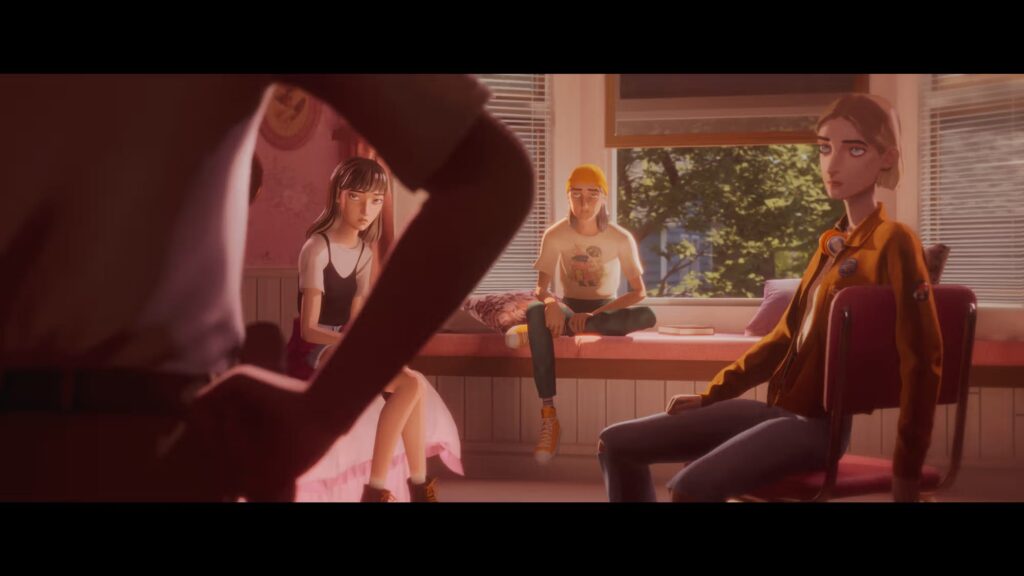
The Mixtape coming-of-age story centers on a group of teenagers navigating the emotional turbulence of their final years before adulthood. Instead of presenting events in strict chronological order, the story unfolds as fragmented memories tied together by music tracks, personal artifacts, and emotional flashbacks.
This structure reflects how human memory actually works, nonlinear, emotional, and often triggered by sensory input such as songs or visual cues. The narrative explores themes like first love, friendship breakdowns, identity confusion, and the bittersweet transition out of adolescence.— ×1
What makes this coming-of-age story particularly compelling is its emphasis on emotional authenticity rather than dramatic spectacle. Scenes are designed to feel intimate and relatable, capturing small but significant moments such as:
- Sitting in a bedroom listening to music after an argument
- Walking home from school while replaying a difficult conversation
- Sharing headphones as a form of emotional connection
- Revisiting childhood spaces that no longer feel the same
This approach reinforces why Mixtape is earning widespread acclaim for its animation, soundtrack, and emotionally driven coming-of-age storytelling across both critics and audiences.
Why Mixtape’s Animation Style is Being Praised by Critics and Fans
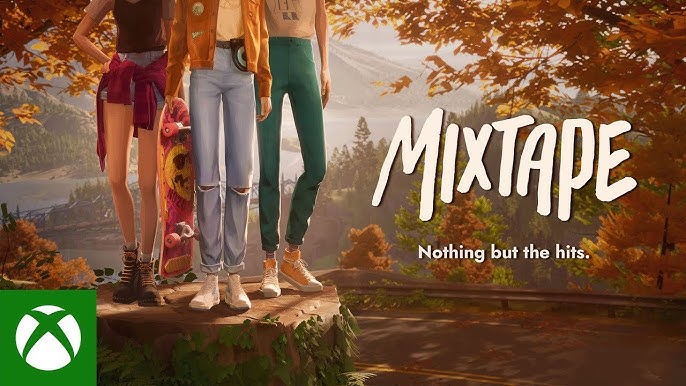
Mixtape’s animation style has become one of its most defining features. Critics and fans alike praise its ability to blend realism with stylized abstraction, creating a visual language that reflects memory rather than physical reality.
The animation does not attempt photorealism. Instead, it leans into expressive motion, exaggerated color grading, and fluid transitions between scenes. This allows emotional states to directly influence visual presentation.
For example:
- Joyful memories may appear oversaturated and slightly slowed down
- Sad or reflective moments might dissolve into softer outlines and muted palettes
- Transitional moments often morph environments seamlessly, as if the world itself is remembering
This artistic direction makes Mixtape feel less like a traditional animated experience and more like a moving emotional diary. It is a key reason why Mixtape is earning widespread acclaim for its animation, soundtrack, and emotionally driven coming-of-age storytelling in contemporary digital media discussions.
Mixtape Soundtrack Breakdown: How Music Shapes the Emotional Storytelling
The soundtrack in Mixtape is not just background music, it is a structural pillar of the storytelling itself. Each segment of the narrative is anchored to specific songs that reflect the emotional tone of the moment.— ×1
The soundtrack typically includes:
- Nostalgic indie rock influences
- Dream-pop and ambient electronic textures
- Youth-oriented alternative tracks
- Emotionally minimal instrumental compositions
Music acts as both memory trigger and emotional amplifier. When a song begins, it does not simply accompany the scene, it reshapes it. Characters, environments, and even dialogue timing adjust to the rhythm and tone of the track.— ×1
This design philosophy ensures that Mixtape is earning widespread acclaim for its animation, soundtrack, and emotionally driven coming-of-age storytelling is not just a marketing statement but a structural reality of its design.
How Mixtape Uses Music as a Narrative Device to Drive the Plot
Unlike traditional narratives where music supports the story, Mixtape reverses the relationship. Here, music drives the story forward.
Each major narrative beat is linked to a “memory track,” which acts as both a chapter marker and emotional catalyst. When a track begins, it unlocks specific memories tied to that moment in the protagonist’s life.
This technique allows for:
- Nonlinear storytelling through musical progression
- Emotional pacing controlled by rhythm and tempo
- Seamless transitions between past and present timelines
- Deepened character introspection without heavy exposition
The result is a storytelling system where sound design and narrative structure are inseparable, reinforcing why Mixtape is earning widespread acclaim for its animation, soundtrack, and emotionally driven coming-of-age storytelling across creative industries.
Mixtape and the Power of Nostalgia in Modern Coming-of-Age Stories
Nostalgia plays a central role in Mixtape’s emotional impact. However, it does not present nostalgia as simple longing for the past. Instead, it explores nostalgia as a complex emotional state that mixes joy, regret, confusion, and acceptance.
Modern coming-of-age stories often rely on nostalgia to connect with audiences, but Mixtape elevates this by making nostalgia interactive. Players are not just observing memories, they are actively reconstructing them through exploration and music interaction.— ×1
This reflects a broader cultural trend in media where nostalgia is no longer passive but participatory. Mixtape stands out because it uses nostalgia not as decoration but as a core storytelling mechanism.
Emotional Themes in Mixtape: Friendship, Growth, and Teenage Identity
Mixtape explores several interconnected emotional themes:
Friendship: The bond between characters evolves through conflict, reconciliation, and shared experiences.
Growth: The transition from adolescence to adulthood is portrayed as emotionally complex rather than linear.
Teenage Identity: Characters struggle with self-definition in a world that constantly changes around them.
These themes are presented through subtle interactions rather than overt dialogue, reinforcing emotional realism. This thematic depth is another reason Mixtape is earning widespread acclaim for its animation, soundtrack, and emotionally driven coming-of-age storytelling in critical analysis.
Mixtape Animation Techniques: Blending Stylized Visuals with Storytelling
Mixtape uses several advanced animation techniques to achieve its unique aesthetic:
- Memory-based scene transitions that morph environments dynamically
- Layered visual composition combining 2D and 3D elements
- Emotional color grading tied to narrative tone
- Expressive character motion emphasizing psychological state
These techniques are designed to create a sense of emotional immersion rather than physical realism. The animation often feels like it is being painted in real time based on emotional intensity.
Why Mixtape is Being Compared to Classic Coming-of-Age Films
Mixtape is frequently compared to iconic coming-of-age films due to its emotional storytelling style and focus on adolescence. However, it differs in its interactive structure and audiovisual integration.
Unlike traditional films, Mixtape allows the audience to participate in emotional transitions rather than simply observe them. This interactivity creates a deeper sense of personal connection to the narrative.
Comparisons often arise with films that emphasize emotional realism, but Mixtape extends these ideas into a fully interactive medium, bridging cinema and gameplay.

Mixtape Story Structure Explained: a Journey Told Through Songs and Memories
The structure of Mixtape is organized around a sequence of memory-based chapters, each tied to a specific song. These chapters are not linear but emotionally connected.
Each segment typically includes:
- A musical trigger
- A memory reconstruction sequence
- Interactive exploration of emotional spaces
- A reflective transition into the next memory
This structure allows players to experience emotional progression rather than chronological storytelling.
How Mixtape Captures Teenage Emotion Through Interactive Visual Storytelling
Teenage emotion in Mixtape is represented through environmental storytelling and interactive visual cues. Instead of telling the player how a character feels, the game shows it through:
- Shifting environments that reflect mood
- Visual distortion during emotional stress
- Symbolic objects tied to memories
- Music-driven emotional pacing
This approach makes emotional experiences more immersive and personal, reinforcing why Mixtape is earning widespread acclaim for its animation, soundtrack, and emotionally driven coming-of-age storytelling across multiple media platforms.
Fan Reactions to Mixtape’s Emotional Depth and Artistic Direction
Early fan reactions highlight strong emotional engagement with Mixtape’s storytelling approach. Many viewers describe feeling personally connected to the themes of memory, friendship, and growing up.
Common reactions include:
- Praise for emotional authenticity
- Appreciation for soundtrack integration
- Recognition of unique animation style
- Strong nostalgia response
Fans often note that Mixtape feels more like revisiting personal memories than consuming a traditional narrative experience.
Mixtape Soundtrack Artists and the Role of 90s-Inspired Music
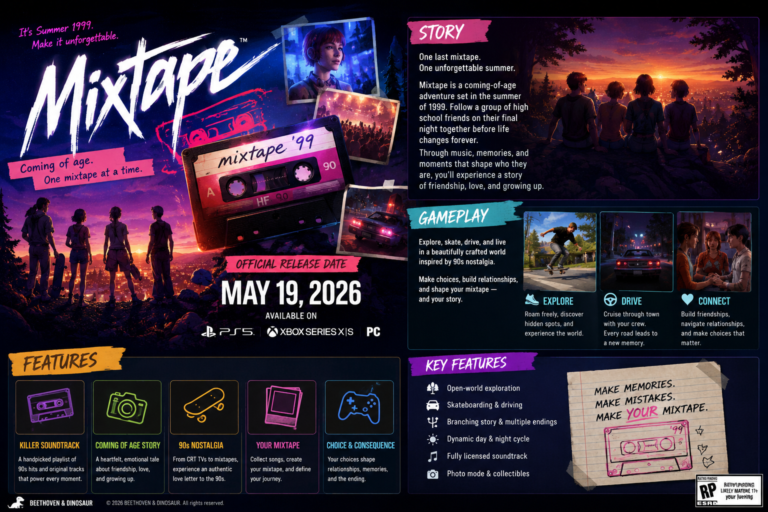
The Mixtape soundtrack draws heavily from 90s-inspired musical aesthetics, including alternative rock, early indie scenes, and analog-style production techniques.
While specific artist collaborations may vary by release phase, the overall direction emphasizes:
- Emotional simplicity
- Raw vocal expression
- Analog warmth in production
- Nostalgic tonal design
This sonic identity plays a crucial role in shaping the emotional tone of the experience.
Pixelhair and the View Keeper in Modern Animated Storytelling Trends
In modern animation discourse, stylistic concepts like “Pixelhair” and “The View Keeper” are often used to describe evolving visual storytelling trends. Within the context of Mixtape, these ideas reflect broader industry experimentation with:
- Stylized character rendering
- Memory-based visual framing
- Subjective camera perspectives
- Emotion-driven visual distortions
These trends highlight a shift away from realism toward emotionally expressive animation systems.
Why Mixtape Could Redefine Emotion-Driven Animation in Games and Film
Mixtape represents a potential turning point in how emotion-driven storytelling is approached in interactive media. By combining animation, music, and narrative into a unified emotional system, it challenges traditional boundaries between games and film.
Its success suggests a future where:
- Music becomes a primary narrative engine
- Animation adapts dynamically to emotional states
- Storytelling prioritizes memory over chronology
- Interactive media becomes more emotionally reflective
This is why Mixtape is earning widespread acclaim for its animation, soundtrack, and emotionally driven coming-of-age storytelling continues to resonate strongly in 2026 discussions.

Frequently Asked Questions (FAQs)
- What is Mixtape about?
Mixtape is a coming-of-age narrative experience focused on teenage memories, friendship, and emotional growth told through music-driven storytelling. - Why is Mixtape so popular in 2026?
It is gaining attention for its emotional storytelling, unique animation style, and deeply integrated soundtrack. - Is Mixtape a game or a film?
It blends both interactive gameplay and cinematic storytelling elements. - What makes Mixtape’s soundtrack special?
The soundtrack directly influences narrative progression and emotional tone. - How does Mixtape use nostalgia?
It uses nostalgia as an interactive storytelling tool rather than a passive theme. - What animation style does Mixtape use?
It uses stylized, memory-based animation with expressive transitions and emotional color grading. - What themes does Mixtape explore?
Friendship, identity, emotional growth, and teenage transition into adulthood. - Who developed Mixtape?
It is developed by Beethoven & Dinosaur and published by Annapurna Interactive. - Why is Mixtape compared to films?
Because of its strong emotional storytelling and cinematic presentation style. - What makes Mixtape unique?
Its integration of music, animation, and memory-based narrative structure.

Conclusion
Mixtape stands as a defining example of how modern interactive storytelling can merge music, animation, and emotional narrative into a unified experience. By focusing on memory, nostalgia, and teenage identity, it creates a deeply personal journey for audiences. The combination of expressive animation, emotionally driven soundtrack design, and nonlinear storytelling explains why Mixtape is earning widespread acclaim for its animation, soundtrack, and emotionally driven coming-of-age storytelling in 2026. It represents not just a creative project, but a shift in how emotional stories can be experienced in digital media.
Sources and Citations
- Steam Store (General Game Listing Platform)
https://store.steampowered.com/ - Annapurna Interactive Official Site
https://annapurna.com/ - Beethoven & Dinosaur Studio Page
https://beethovenanddinosaur.com/ - YouTube – Official Trailers and Developer Updates
https://www.youtube.com/ - Gaming Industry Coverage (General Reference)
https://www.ign.com/ - Entertainment Media Analysis (General Reference)
https://www.polygon.com/
Recommended
- Netflix’s Man on Fire Review: Yahya Abdul-Mateen II Reboots a Classic Vigilante Thriller With Grit, Grief, and Divisive Action
- The Christophers Review (2026): Cast, Plot, Ending Explained & Why Steven Soderbergh’s Art Drama Is a Must-Watch
- 3D Satisfying Physics Simulation in Blender: How to Create Rigid Body, Cloth, and Soft Body Animations
- Human Pro for Blender: Achieving Hyper-Realistic 3D Characters with Advanced Skin Addons, Face Controls, and Hair Assets
- Clair Obscur: Expedition 33 – Sales Milestones, Developer Insights, and Community Reactions
- How to Transfer Daz 3D Hair to Unreal Engine: Groom Workflow for Metahuman Integration
- How to Install and Use Nvidia Audio2Face: The Ultimate Guide to AI-Driven Facial Animation
- What is the camera’s field of view in Blender?
- How to Train Your Dragon 2 Crew Member Suffers Major Injury: What Happened on Set at Sky Studios Elstree
- Best Render Farm: Guide to Top Cloud Rendering Solutions for 3D Artists & Game Developers



































































































