




In This Article (9 sections)
Double Double Fine Kickstarter Launches August 31 With Amnesia Fortnight 2026 Indie Reboot
Double Fine Productions returned to crowdfunding on August 31, 2026 with the launch of Amnesia Fortnight 2026, Indie Reboot, less than two months after becoming independent from Xbox. The San Francisco studio had announced the campaign on August 21 as “Amnesia Fortnight 2026, Indie Reboot: A Double Fine Productions Game Jam, Documentary, and Kickstarter Campaign,” positioning it as a return to the development transparency, crowdfunding, and direct fan participation that helped define its earlier independent era. The campaign combines a public game jam, community voting, four playable prototypes, a documentary from 2 Player Productions, and the eventual release of one small commercial game through Double Fine’s new Action Labs label.
Although the campaign broadly supports Double Fine’s return to independence, the Kickstarter was not used to purchase the studio’s freedom from Microsoft. Xbox had already transferred Double Fine back to independent management in July, along with its IP, catalog, and a limited amount of financial runway. The crowdfunding campaign is instead intended to help the studio sustain that independence, extend its runway, fund creative experimentation, and generate direct revenue while it pursues publishing agreements for larger future projects. Tim Schafer has described Kickstarter as both an immediate source of income and a public demonstration that the newly independent Double Fine remains creatively active.
August 31 also marked the beginning of a month long development event rather than simply the opening of a conventional crowdfunding page. Double Fine released 26 internal game pitches on launch day, with voting beginning on September 1. Supporters selected their preferred ideas until September 6, when Architactics, Bard Crawl, Plot Armor, and Uprise were revealed as the four finalists. Prototype development officially began on September 9 and is scheduled to continue through September 23. Backers will then receive access to all four playable prototypes and vote again to decide which project receives additional development and becomes a small commercial game. The Kickstarter campaign itself ends on September 30, with the winning project expected to be announced shortly afterward.
The base funding goal was set at $400,000, and the campaign crossed that amount within approximately 72 hours of launching. GamesBeat reported on September 2 that Double Fine had already reached the target while most of the campaign period was still ahead. By September 14, third party crowdfunding tracking data placed the campaign at approximately $539,000 from roughly 6,470 backers, equal to about 135 percent of the original target. Kickstarter community data similarly showed more than 6,400 supporters, although those totals continue to change while the campaign remains active.
Amnesia Fortnight 2026 therefore operates as several projects at once. It is a crowdfunding campaign for a newly independent developer, a public game jam, a prototype competition, a documentary production, and an experiment in creating relatively inexpensive games with direct community involvement. Beyond raising money, the campaign gives Double Fine a way to test ideas publicly, involve supporters in development decisions, and demonstrate that the studio can continue producing new work while establishing its next phase outside Xbox.

Double Fine Kickstarter Funding, Voting, Progress, and Independent Studio Strategy
The Amnesia Fortnight 2026 Kickstarter supports far more than a single prototype. Double Fine’s campaign FAQ says money raised through the project goes directly to the newly independent studio, giving it additional time to pitch games, negotiate projects, and continue operating while building a sustainable business model outside Microsoft. At the project level, the campaign finances the Amnesia Fortnight game jam itself. Double Fine began with 26 pitches created by employees across the studio, and participating backers selected their three preferred concepts during the first voting round. The four pitches receiving the strongest weighted results advanced into development and were turned into playable prototypes during an approximately two week production period.
Voting influence depends on pledge tier. The entry level Glass Half Empty tier carries half strength voting power, standard voting tiers receive normal influence, and higher tiers can multiply their voting power. Double Fine’s August 31 overview described half strength, standard, double, and, at one special tier, triple voting power. The first voting period ended on September 6, with Double Fine announcing Architactics, Bard Crawl, Plot Armor, and Uprise as the four winning concepts. Full prototype production began on September 9. The second voting round takes place after prototype development concludes, allowing supporters to play the projects rather than judge them solely from pitch videos. Backers will then select one final winner, which is expected to receive another two to six weeks of development and polishing before being released through Double Fine Action Labs as a small finished game. Double Fine has also suggested that additional “for fun” votes could take place during the polishing period, potentially allowing supporters to influence smaller features or additions.
This voting system turns crowdfunding into both financing and a form of lightweight market research. Tim Schafer has acknowledged that strong reactions to a pitch can provide useful information about potential demand, although crowdfunding enthusiasm cannot guarantee that a finished project will achieve commercial success. It does, however, give Double Fine direct evidence about which ideas resonate most strongly with its existing audience. Documentation is another major part of the campaign. 2 Player Productions is filming the development process and creating a documentary covering production of all four prototypes as well as the additional work on the eventual winner. This continues Double Fine’s long association with documenting its creative process and makes development itself part of what supporters are funding and following.
The Kickstarter also strengthens Double Fine’s broader position as an independent studio. Schafer has said the company is actively trying to sign larger projects with external partners, and a successful crowdfunding campaign gives it more time for those discussions while demonstrating that a substantial audience is willing to support Double Fine directly. The campaign is therefore not based on the idea that one Kickstarter can finance the studio indefinitely. Instead, it forms one part of a wider independent business model combining crowdfunding, catalog revenue, self published smaller games, and publisher backed larger projects.
Double Fine set the base Kickstarter goal for Amnesia Fortnight 2026 at $400,000, and the campaign reached that threshold within its opening days. GamesBeat reported on September 2 that the project had passed $400,000 in approximately 72 hours. Funding continued to rise after the campaign became fully funded, and by September 14, crowdfunding trackers showed approximately $539,000 pledged by around 6,470 supporters. Kickstarter community data from the same period showed a similarly sized supporter base, with the United States representing the largest country group, followed by the United Kingdom, Canada, Germany, and Australia. That placed the campaign at roughly 135 percent of its original $400,000 target with more than two weeks remaining. More importantly for Double Fine, reaching and exceeding the target showed that the studio had enough direct support to make Amnesia Fortnight 2026 viable only weeks after becoming independent from Microsoft.
The campaign also includes an intentionally absurd $100 million stretch goal for Brütal Legend 2. Double Fine says that if funding somehow reaches that amount, it will put the sequel into production. The Kickstarter FAQ confirms that the promise is technically real while acknowledging that the figure is dramatically beyond normal Kickstarter performance. Schafer later described the target as both a joke and not a joke, explaining that it was included partly for humor but that if someone actually provided $100 million, he would be willing to make Brütal Legend 2.
The practical significance of the Kickstarter lies far below that extraordinary stretch goal. Double Fine has already exceeded the amount it considered necessary to make Amnesia Fortnight 2026 possible, gained additional operating flexibility, and demonstrated continuing demand for its work. Combined with the prototype voting system, documentary production, and eventual Action Labs release, the campaign provides immediate development funding while also giving Double Fine a practical way to test how its newly independent production and publishing model can work.
Double Fine Kickstarter Funding, Progress, Voting, and Independent Studio Strategy
The Amnesia Fortnight 2026 Kickstarter funds more than a single prototype. Double Fine’s campaign FAQ says money contributed through the campaign goes directly to the independent studio, giving it additional time to pitch games, sign projects, and continue operating. That makes the campaign both development financing and an extension of the studio’s financial runway while it works toward a sustainable independent business model. At the project level, the campaign finances the Amnesia Fortnight game jam itself. Double Fine began with 26 pitches from employees across the studio, and participating backers selected their three preferred concepts during the first voting round. The four pitches receiving the strongest weighted results advanced into development, where they were turned into playable prototypes during an approximately two week production period.
Voting influence depends on pledge tier. The entry level Glass Half Empty tier carries half strength voting power, standard voting tiers receive normal influence, and higher tiers can multiply their voting power. Double Fine’s August 31 overview described half strength, standard, double, and, at one special tier, triple voting power. The first voting period ended on September 6, with Double Fine announcing Architactics, Bard Crawl, Plot Armor, and Uprise as the four winning concepts. Full prototype production began on September 9. The second voting round takes place after prototype development concludes, allowing supporters to play the projects rather than judging them only from pitch videos. Backers will then select one final winner, which is expected to receive another two to six weeks of development and polishing before being released through Double Fine Action Labs as a small finished game. Double Fine has also suggested there could be additional “for fun” votes during the polishing period, potentially allowing supporters to influence smaller features or additions.
The voting structure turns crowdfunding into both financing and a form of lightweight market research. Tim Schafer has acknowledged that strong reactions to a pitch can provide useful information about potential demand, although crowdfunding enthusiasm cannot guarantee commercial success. It does, however, give Double Fine direct evidence about which ideas resonate most strongly with its existing audience. Documentation is another major part of the campaign. 2 Player Productions is filming the development process and creating a documentary covering production of all four prototypes as well as the extended work on the eventual winner. This continues Double Fine’s long association with documenting its creative process and makes the development itself part of what supporters are funding and following.
The Kickstarter also strengthens Double Fine’s broader negotiating position as an independent studio. Schafer has said the company is actively trying to sign larger projects with external partners. A successful crowdfunding campaign provides additional time for those discussions while demonstrating that there is still a substantial audience willing to support Double Fine directly. The campaign is therefore not based on the assumption that a single Kickstarter can finance the company indefinitely. Instead, it forms one part of a broader independent business model combining crowdfunding, catalog revenue, self published smaller games, and publisher backed larger projects.
Double Fine set the base Kickstarter goal for Amnesia Fortnight 2026 at $400,000, and the campaign reached that target within its opening days. GamesBeat reported on September 2 that the project had passed $400,000 in approximately 72 hours. Funding continued to rise after the campaign became fully funded, and by September 14, crowdfunding trackers showed approximately $539,000 pledged by around 6,470 supporters. Kickstarter community data from the same period showed a similarly sized supporter base, with the United States representing the largest country group, followed by the United Kingdom, Canada, Germany, and Australia. That placed the campaign at roughly 135 percent of its original $400,000 target with more than two weeks remaining. More importantly for Double Fine, reaching and exceeding the goal demonstrated that the studio had enough direct support to make Amnesia Fortnight 2026 viable only weeks after becoming independent from Microsoft.
The campaign also includes an intentionally absurd $100 million stretch goal for Brütal Legend 2. Double Fine states that if funding somehow reaches that amount, it will put the sequel into production. The Kickstarter FAQ confirms that the promise is technically real while acknowledging that the figure is far beyond normal Kickstarter performance. Schafer later described the target as both a joke and not a joke, explaining that it was included partly for humor but that if someone actually supplied $100 million, he would be willing to make Brütal Legend 2.
The practical significance of the Kickstarter lies well below that extraordinary stretch goal. Double Fine has already exceeded the amount it considered necessary to make Amnesia Fortnight 2026 possible, gained additional operating flexibility, and demonstrated continuing demand for its work. Combined with the prototype voting system, documentary production, and eventual Action Labs release, the campaign provides both immediate financing and a practical way for Double Fine to test how its newly independent development model can operate.

Double Fine Amnesia Fortnight 2026 Prototypes, Voting, and Backer Rewards
Double Fine received 26 pitches for the 2026 Indie Reboot, covering a wide range of genres and experimental ideas. The official pitch collection included Architactics, Astro Slam, Bard Crawl, Brouroboros, Centauride, Cosmic Bonsai, Dragons, Gels, and Bear Owls, Oh My!, ECHO, Emergency Foley Artist, Fermi’s Playground, Friendslap, Golem Hero, Insolation, Lesbian Sled Death, Lucid Gardening, MochiMochi Line Dancer, Muscle Madness, Plot Armor, Quokk ’N Roll, Reluctance, R.U.N, Super Power Performance Evaluation, Tonight We Feast, Tractor Takedown, Uprise and Virtual Pet Manifesto. Only four survived the first public vote: Architactics, Bard Crawl, Plot Armor and Uprise.
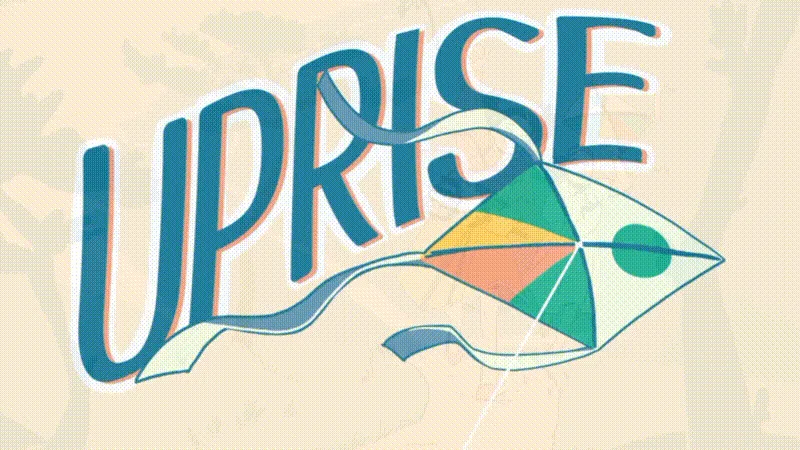
Architactics, pitched by Asif Siddiky, is a tactical city building concept in which structures can move like giant robots and defend themselves against environmental monsters. Roads and zoning determine where units can appear and how they can maneuver. Bard Crawl, pitched by Jared Mills, begins as an online cooperative bar crawl for as many as four players before shifting into a fantasy dungeon crawling adventure where players drink, fight enemies, collect treasure and attempt to survive the consequences of the evening. Plot Armor, pitched by Lauren Scott, combines a turn based RPG with a visual novel, with narrative importance directly affecting combat. Characters involved in compelling storylines become stronger or safer, while those neglected by the story become more vulnerable to being killed. Uprise, pitched by Jolie Menzel, is a fast moving platform game centered on kite building and kite flying, with the player using those mechanics while resisting a mysterious invading force.
As of September 14, these projects should still be treated as prototypes rather than confirmed final products. Double Fine explicitly warns that pitch material does not represent finished games. Art direction, music, design details, scope and even the overall feel of a project can change once development begins. Four playable prototypes are being built during the core Amnesia Fortnight period, but only one is guaranteed to receive the campaign’s additional development treatment. This distinction is important because Amnesia Fortnight is designed to determine whether an idea works in practice. Building four prototypes allows Double Fine to test gameplay, production assumptions and leadership potential without committing to four full scale commercial projects.
When the prototype period concludes around September 23, eligible supporters are expected to receive access to all four projects and then vote for one winner. That selected game will receive approximately two to six additional weeks of development and polishing before being prepared as a small release through Double Fine Action Labs. The other three concepts are not guaranteed full releases, but that does not mean they can never return. Double Fine’s history shows that Amnesia Fortnight ideas can reappear years later or contribute mechanics and concepts to other games. Kiln is a major example, with its origins going back to the 2017 game jam before the full project was announced in January 2026. Amnesia Fortnight 2026 therefore directly promises four prototypes and one polished small game, while the longer term creative value of the event could extend beyond the immediate winner.
The campaign rewards combine digital access, voting privileges, documentary material and physical collectibles. Reporting at launch identified the $15 Glass Half Empty tier as a digital option that includes access to the documentary and prototype voting, with each ballot carrying half normal voting weight, although it does not include the eventual finished game. The $30 Give Me Amnesia tier provides standard voting power, access to the four prototypes, the final game, the documentary and additional campaign benefits, while the $60 tier doubles voting power. Higher tiers add rewards such as a physical documentary edition, credits, signed material, apparel and other Double Fine merchandise. Several premium limited tiers also offered rarer items or unusual experiences, including legacy merchandise and a gaming session with Tim Schafer, with some selling out quickly because quantities were limited.
Physical shipping is handled separately. Double Fine’s campaign FAQ states that shipping charges will be collected through the post campaign backer process rather than being fully included in the initial pledge amount. The voting multipliers have also attracted attention because higher paying supporters receive greater influence in the campaign’s voting process. Double Fine presents the structure with its usual sense of humor, but the mechanism itself is real, and those multipliers apply to both the initial prototype selection and the later vote for the final winner.
Double Fine Action Labs, Independence, and Publishing After Xbox
Double Fine Action Labs is one of the clearest signs of how the studio’s development strategy is changing after Xbox. Tim Schafer describes Action Labs as a label for experimental, deliberately small games that are intended to be complete products rather than unfinished prototypes. At the same time, they are meant to remain rougher, cheaper, shorter, and more experimental than larger projects such as Psychonauts. The label gives Double Fine a way to set expectations clearly while also supporting Schafer’s broader theory about creative risk: a studio cannot continually take extreme creative risks while also spending enormous amounts of money. Lower budgets make experimentation safer because one unsuccessful title is less likely to threaten the entire company.
The first publicly announced Action Labs game is Thank You Bus Driver, a chaotic driving game created by a small Double Fine team in a matter of weeks. Double Fine unveiled it on September 4 and presented it as an example of the kind of project the winning Amnesia Fortnight prototype could eventually become. The official Double Fine page lists an October 14, 2026 release date. Action Labs could therefore develop into an ongoing second track for the studio, with larger externally financed projects on one side and smaller experimental releases on the other. Schafer has not committed to a fixed production schedule, instead saying Double Fine will see whether the model proves sustainable and may continue using Action Labs and Amnesia Fortnight if the games attract enough interest.
That strategy is closely tied to Double Fine’s return to independence. Schafer’s comments since the Xbox split have combined relief, concern, and appreciation for the studio’s former owner. He has said Double Fine initially faced the possibility of a much worse outcome during Microsoft’s restructuring. Instead, the studio secured independence, its intellectual property, its catalog, and a financial runway for future projects. Schafer characterized that result as mutually beneficial because Microsoft avoided another studio closure while Double Fine received the opportunity to keep operating on its own terms.
Schafer has also said that Microsoft treated Double Fine well during its seven years within Xbox. In his GamesBeat interview, he said Microsoft invested heavily in the studio, gave it substantial creative freedom, and honored a commitment to help the developer survive if the corporate relationship ended. He said Double Fine held no major resentment about the separation. At the same time, he indicated in another interview that the companies’ strategic priorities had begun to diverge. Schafer said Double Fine’s role within Xbox had effectively been to place unusual, high quality games into Game Pass. As Xbox’s broader corporate strategy changed, he questioned whether a studio with Double Fine’s profile could remain protected without producing an exceptional breakout hit.
Independence has created what Schafer described as a creative awakening for some remaining employees, but it also concentrates responsibility inside the studio. There is no longer a parent company responsible for funding development or deciding Double Fine’s future. Revenue, project selection, publishing, and long term sustainability once again sit directly with Schafer and the company. That is why the Kickstarter carries symbolic importance beyond the amount of money raised, since it represents one of Double Fine’s first major acts after regaining control over its own business.
One of the most important parts of Double Fine’s separation from Xbox is that the studio did not leave empty handed. Microsoft’s July 6 restructuring announcement said Double Fine would transition to independence with its IP, catalog, and runway for upcoming games. Double Fine’s own independence announcement similarly stated that ownership of its games had returned to the studio. Schafer later provided more detail on Kinda Funny, saying the transfer restored Double Fine’s intellectual property and publishing rights. He explained that digital storefronts could continue displaying Xbox Game Studios as publisher for a time because administrative changes take time to process, but purchases of Double Fine games now support Double Fine directly.
This changes the economics of independence considerably. Double Fine owns a catalog built over more than two decades, and back catalog revenue matters because older games can continue generating income without requiring the same level of new production spending. Schafer has said that this long tail model has historically been central to Double Fine’s business philosophy. Rather than requiring every new release to become an immediate blockbuster, the studio can continue benefiting when players discover its older games years after launch.
Control of publishing also gives Double Fine more practical flexibility. The studio can negotiate directly with platforms, change pricing, and explore distribution opportunities without working through Microsoft’s internal structure. Schafer pointed to Kiln as an example, noting that the independent studio could adjust its pricing and reconsider parts of its online infrastructure directly. Publishing rights therefore make the Kickstarter only one of several possible revenue sources available to Double Fine, alongside back catalog sales, externally financed projects, and smaller Action Labs releases.

Frequently Asked Questions[FAQs]
1.What happens after the Kickstarter ends?
The main prototype development period ends on September 23, after which eligible supporters will receive access to the four playable prototypes and participate in the final vote. The Kickstarter itself closes on September 30, and Double Fine plans to reveal the winning concept shortly afterward. That selected prototype will then receive an additional development and polishing period, expected to last roughly two to six weeks, before eventually being released as a small finished game through Double Fine Action Labs.
2.When did the Double Fine Kickstarter launch?
The Amnesia Fortnight 2026, Indie Reboot Kickstarter launched on August 31, 2026. Double Fine had publicly announced the campaign ten days earlier, on August 21, giving fans time to learn about the format before crowdfunding began. The Kickstarter is scheduled to run through September 30, while development of the four selected prototypes takes place during the campaign itself.
3.Is the Double Fine Kickstarter paying for the studio to leave Xbox?
No. Double Fine had already returned to independent management before the Kickstarter launched. Microsoft announced the transition on July 6, 2026 and said Double Fine would leave with its IP, catalog and a financial runway for future projects. The Kickstarter therefore is not financing the studio’s departure from Xbox. Instead, it helps support Double Fine as an independent company by generating revenue, extending that runway and funding the development work connected with Amnesia Fortnight.
4.What is the Double Fine Kickstarter funding goal?
The base funding goal is $400,000. The campaign passed that target within its opening days, meaning the core Kickstarter had already been successfully funded well before its September 30 deadline. By September 14, campaign trackers were showing approximately $539,000 pledged, putting the total at roughly 135 percent of the original goal and giving Double Fine additional funding beyond the minimum amount requested.
5.What are the four winning Amnesia Fortnight 2026 games?
The four projects selected in the first backer vote are Architactics by Asif Siddiky, Bard Crawl by Jared Mills, Plot Armor by Lauren Scott and Uprise by Jolie Menzel. Double Fine announced the four finalists on September 6 after supporters voted on the initial pitches. Prototype development then began on September 9, allowing the teams to turn each concept into a playable version that backers can later evaluate.
6.Will all four Amnesia Fortnight prototypes become complete games?
Not as part of the current Kickstarter commitment. Double Fine is creating four playable prototypes so supporters can see how each concept works beyond its original pitch. Backers will then vote for one final winner, which is expected to receive approximately two to six additional weeks of development before becoming a small game released through Double Fine Action Labs. The other three prototypes are not promised full releases, although Amnesia Fortnight concepts have returned in later forms before, so they are not necessarily abandoned forever.
7.What is Double Fine Action Labs?
Double Fine Action Labs is a new publishing label intended for smaller, inexpensive and more experimental Double Fine projects. Tim Schafer has described these games as complete releases rather than unfinished demos, but they are deliberately designed to be shorter, scrappier and less expensive to produce than major studio projects such as Psychonauts. The label gives Double Fine a way to release unusual ideas without requiring every concept to grow into a large scale production, with Thank You Bus Driver serving as the first announced Action Labs release.
8.Did Double Fine regain Psychonauts and its other game rights from Microsoft?
Double Fine says ownership of its games returned to the studio, and Schafer has stated that the company regained its IP and publishing rights as part of becoming independent again. This means Double Fine can directly benefit from continued sales of games in its existing catalog, including properties such as Psychonauts. Some digital storefronts may take time to update publisher information, but purchases of the catalog are now intended to financially support the independent studio rather than its former Xbox ownership structure.
9.Is Double Fine really promising Brütal Legend 2 at $100 million?
Yes, although the enormous $100 million stretch goal is deliberately presented with Double Fine’s usual sense of humor. The Kickstarter lists Brütal Legend 2 at that funding level, while the campaign FAQ states that the studio would actually put the sequel into production if supporters somehow reached the target. Schafer has described the goal as both humorous and genuine, meaning it functions as a joke about the scale of the funding required while still representing a real commitment if the extraordinary amount were raised.
10.Who is making the Amnesia Fortnight 2026 documentary?
2 Player Productions is documenting Amnesia Fortnight 2026. The film is expected to follow development of all four prototypes, giving supporters a behind the scenes look at how the teams transform their pitches into playable projects. The documentary will also cover additional work on the final winning game. 2 Player Productions already has a long relationship with Double Fine, having documented earlier Amnesia Fortnight events as well as the lengthy development of Psychonauts 2.

Conclusion
Double Fine’s August 31 Kickstarter is one of the clearest indicators yet of how the developer intends to operate after separating from Xbox. The campaign is not financing the acquisition of Double Fine’s independence; that transition had already been completed through Microsoft’s July 2026 Xbox restructuring. Instead, Amnesia Fortnight 2026 is helping finance the practical challenge of remaining independent.
The studio left Microsoft with its intellectual property, catalog, publishing control and some financial runway, but it also assumed responsibility for supporting itself. The subsequent loss of 23 employees illustrated how significant that transition was. Crowdfunding gives Double Fine immediate revenue while allowing it to demonstrate continued audience demand and test new ideas without committing millions of dollars to them.
The early results have been encouraging. A $400,000 target was passed within days, and pledges had risen to roughly $539,000 by September 14. More than 6,400 people have participated, while the first round of voting reduced 26 internal concepts to Architactics, Bard Crawl, Plot Armor and Uprise. Those prototypes are now being developed during the September 9–23 Amnesia Fortnight production period.
The larger significance may be Double Fine Action Labs. By creating a label specifically for inexpensive, experimental games, Double Fine is attempting to turn the philosophy behind Amnesia Fortnight into a sustainable production strategy. Smaller teams and lower budgets allow more experimentation while reducing the financial danger attached to a failed project.
At the same time, Double Fine is not abandoning larger games. Schafer has made clear that the studio is pursuing publishing deals and other financing for projects requiring bigger budgets. The independent Double Fine of 2026 therefore appears to be building a portfolio model: large externally financed games, small Action Labs releases, long-term catalog income, crowdfunding campaigns and continued experimentation through Amnesia Fortnight.
That makes the Double Fine Kickstarter launched on August 31 more important than a single game jam. It is an early test of whether a studio that spent seven years protected by one of the world’s largest technology companies can successfully return to a smaller, flexible and creator-controlled business. For Double Fine, independence now means greater freedom, but also greater responsibility for every project, every budget and every source of revenue.
Sources and Citation
- Double Fine — “Amnesia Fortnight: The Kickstarter” — August 21, 2026. Primary announcement for the August 31 launch, four-prototype structure, final game and 2 Player Productions documentary.
Double Fine — Amnesia Fortnight: The Kickstarter - Double Fine — “Welcome to the Amnesia Fortnight 2026, Indie Reboot!” — August 31, 2026. Contains the campaign timeline, 26 pitches, voting schedule, September 9–23 prototype period and September 30 Kickstarter conclusion.
Double Fine — Welcome to Amnesia Fortnight 2026 - Double Fine — “Announcing Your Four Amnesia Fortnight 2026 Winners!” — September 6, 2026. Confirms Architactics, Bard Crawl, Plot Armor and Uprise as the four finalists.
Double Fine — Four Amnesia Fortnight Winners - Double Fine — Amnesia Fortnight 2026 Pitches — Official page containing the 26 employee concepts and descriptions.
Double Fine — Amnesia Fortnight 2026 Pitches - Double Fine — “Double Fine is Independent again” — July 6, 2026. Confirms the studio’s return to independence and the return of ownership of its games.
Double Fine — Double Fine is Independent again - Xbox Wire — “Resetting XBOX” — July 6, 2026. Microsoft’s restructuring announcement confirming that Double Fine would return to independent management with its IP, catalog and runway.
Xbox Wire — Resetting XBOX - Kickstarter — Amnesia Fortnight 2026 FAQ — Covers the game-jam structure, voting, four prototypes, final-game development, documentary, backer participation and use of funds.
Kickstarter — Amnesia Fortnight 2026 FAQ - Kickstarter — Amnesia Fortnight 2026 Community — Current campaign/backer statistics and community information.
Kickstarter — Amnesia Fortnight 2026 Community - GamesBeat — “How Double Fine is charting its destiny outside of Xbox, starting with a Kickstarter campaign | Tim Schafer interview” — Dean Takahashi, September 2, 2026. Covers Schafer’s post-Xbox plans, Kickstarter strategy, funding/runway and Double Fine Action Labs.
GamesBeat — Tim Schafer interview - PC Gamer — “The newly independent Psychonauts dev now earns all the revenue when you buy games it made under Xbox” — Covers Schafer’s confirmation that Double Fine regained its IP and publishing rights and that purchases now support the independent studio.
PC Gamer — Double Fine regains publishing rights - Game Informer — “Double Fine Announces Layoffs Following Split From Xbox” — July 28, 2026. Confirms the departure of 23 staff members and Schafer’s explanation that the studio needed to reach a sustainable size.
Game Informer — Double Fine Announces Layoffs - Double Fine — “Announcing: Thank You Bus Driver!” — September 4, 2026. Primary source for Double Fine Action Labs and its first announced game.
Double Fine — Thank You Bus Driver! - PledgeBox — Kickstarter Project Tracker — Current tracker showing Amnesia Fortnight 2026 at approximately $542,049 from 6,516 backers when crawled.
PledgeBox — Kickstarter Project Tracker
Recommendations
- Genshin Impact Next Update and Banners: Everything We Know About Version 6.6 and 6.7
- How to Convert Hair Curves and Geometry Nodes to Mesh in Blender: A Complete Workflow Guide
- All characters and color variations in Mario Tennis Fever: Full roster, unlocks, and alternate colors
- How do I make the camera follow a path in Blender?
- Poncle Expands Vampire Survivors Into Japan: New Studio Plans and What It Could Mean for Future Projects
- Hair20K vs PixelHair: Comparing High-Fidelity 3D Hair Datasets for Machine Learning, Simulation, and Production Use
- Cyberpunk Orion: Everything We Know About CD Projekt Red’s Next Cyberpunk Adventure
- TouchDesigner and Unreal Engine Integrations: TouchEngine Plugin Workflows for Real-Time Data + Video
- Forza Horizon 6’s Recommended PC Specs (2026): Minimum vs Recommended Requirements, 1440p/60FPS Targets, and Best Upgrade Tips
- Pope Leo Urges Media To Show The Real Horrors Of War And Not Video Game Propaganda



































































































