


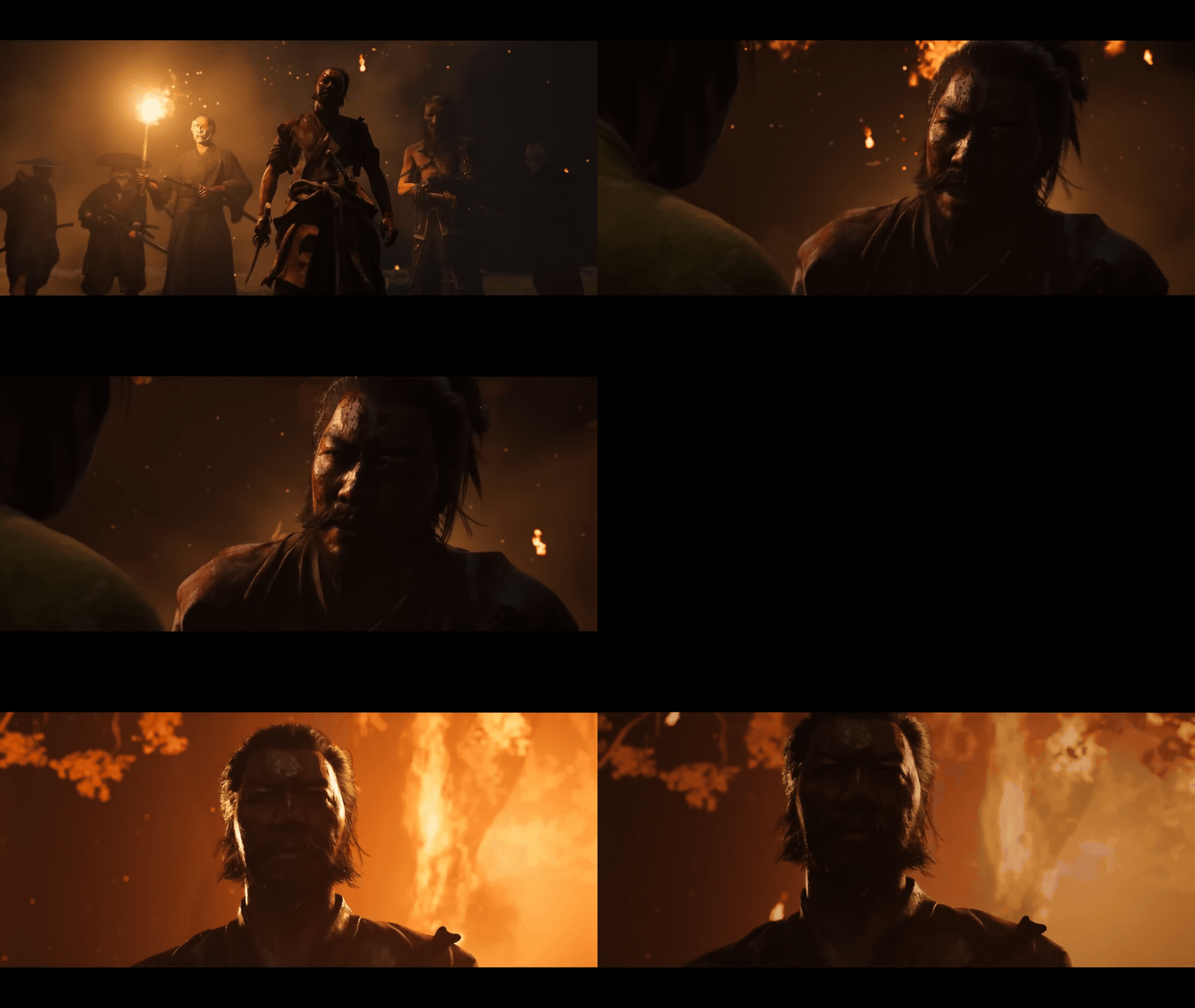
Ghost of Yotei, officially styled as Ghost of Yōtei in PlayStation materials, has become one of 2025’s most discussed PS5 releases for two overlapping reasons: the game established a new lead in Atsu, and its central performance immediately put Erika Ishii into major awards conversations.
In April 2026, Ishii said they would “jump” at the opportunity to play Atsu again, but they made that comment while also praising the way Sucker Punch Productions seems to treat the Ghost series as an anthology rather than a single character saga. That tension between closure and continuation is now the key question around Ghost of Yotei: the game gives Atsu a complete revenge-to-healing arc, yet its commercial and awards momentum has made the franchise feel bigger than ever.
From a search perspective, that matters because readers looking for “Erika Ishii Ghost of Yotei,” “Atsu sequel,” “Ghost of Yotei ending explained,” “Ghost of Yotei BAFTA nominations,” or “Ghost of Yotei review scores” are all searching different parts of the same story. The article below answers those questions in one place, using official PlayStation, Sucker Punch, BAFTA, The Game Awards, and D.I.C.E. materials first, then layering in carefully selected reporting and review aggregation where official sources do not cover interpretive topics such as ending analysis and review consensus.
Erika Ishii says she’d “jump” at playing Atsu again
Erika Ishii’s most newsworthy April 2026 comment was simple and direct: if Atsu’s world is revisited, they want back in. In the interview, Ishii said Atsu will always be important to them after years of living with the role, and they explained that returning to the character’s voice reportedly still feels immediate and natural. The crucial takeaway is that this was not framed as a tease from the studio; it was an actor expressing enthusiasm for a return that has not been officially announced.
That distinction matters. Ishii’s comment signals two things at once. First, Atsu clearly resonated with the performer in a way that usually happens only when a role is fully embodied across voice, likeness, and motion work. Second, the statement does not confirm a new Atsu game. It confirms desire, not development. As of April 22, 2026, the authoritative public material reviewed here shows Ghost of Yotei released on PS5 in October 2025 and added the Legends mode in March 2026, but it does not include a formal announcement of a direct Atsu-led sequel.
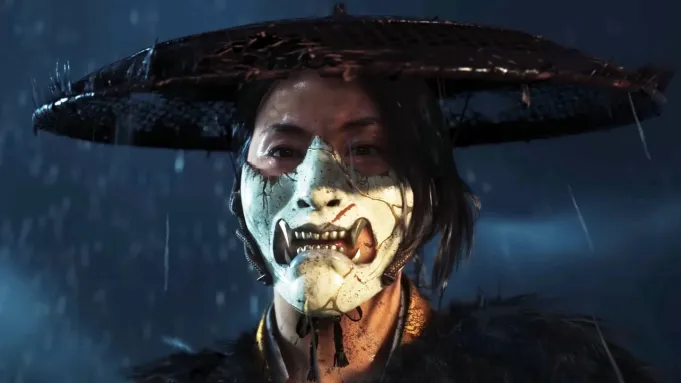
Ghost of Yotei Atsu voice actor Erika Ishii interview
The clearest official interview remains PlayStation Blog’s October 2025 conversation with Ishii. There, Ishii said Atsu had been part of their life for almost three years, described the role as both exciting and pressurized because they were already a fan of Ghost of Tsushima, and confirmed that the character uses both their voice and likeness. PlayStation’s framing also matters: the blog explicitly positioned Ishii not just as a cast member, but as the person who vividly brought the new protagonist to life.
In performance terms, the interview gives a useful key to understanding why Atsu landed so strongly with critics and awards voters. Ishii described the character as emotionally young, scared, and vulnerable beneath the warrior fantasy, while also calling her a spaghetti-western/samurai-film hybrid. In other words, Atsu was not performed as a one-note avenger. She was played as someone driven by rage, but cracked open by fear, grief, and eventual connection. That complexity is one reason her awards traction felt earned rather than purely campaign-driven.
What Erika Ishii said about returning to Atsu’s world
Ishii’s public comments about returning to Atsu’s world have been consistent in tone: they are emotionally attached to the character, but they also understand and admire the franchise logic that may move on from her. In VGC’s April 2026 interview, Ishii spoke warmly about Atsu’s continued place in their heart while also praising the Ghost format as anthology storytelling. In a separate GamesRadar+ interview published a few days later, Ishii called it “bold” for the studio to leave behind “safety and comfort” in order to tell fresh stories with new people.
That combination of affection and acceptance is important for readers trying to decode whether Ishii’s statement hints at something hidden. The higher-confidence reading is the opposite: Ishii was explicit that they do not know what comes next. Their comments are valuable not because they reveal a secret roadmap, but because they clarify how people close to the game understand Ghost of Yotei’s place in the wider series. It is emotionally complete enough to stand alone, yet open enough that fans naturally want more.
Will there be a Ghost of Yotei sequel featuring Atsu
There is no official confirmation of a direct Ghost of Yotei sequel featuring Atsu in the sources reviewed here as of April 22, 2026. What is official is that Sucker Punch deliberately built Ghost of Yotei as a standalone follow-up to Ghost of Tsushima, with unrelated stories and a new hero, and that the studio later expanded the game with the co-op Ghost of Yotei Legends mode in March 2026. Those facts show the franchise is active, but they do not amount to a sequel announcement for Atsu.
The strongest evidence against assuming an Atsu follow-up is thematic rather than contractual. Public comments from Ishii, plus the studio’s original “new Ghost, new region, new story” framing, suggest Ghost is being treated as a mantle that can reappear in different eras. That does not rule Atsu out forever, but it makes a direct continuation less certain than many fans might hope. The safest conclusion is this: an Atsu sequel is possible in theory, but not presently announced in official channels.

Sucker Punch “anthology” approach for the Ghost series explained
The anthology reading is not fan fiction; it is rooted in how the game was introduced. In the original 2024 announcement, Sucker Punch said it looked beyond Jin Sakai’s story and the island of Tsushima and shifted its attention to the idea of “the Ghost” itself. The studio said that move led to a new protagonist, a new story, and a new region of Japan. That wording is the clearest official foundation for reading Ghost not as one fixed biography, but as a repeatable legend.
That framework also explains why Ghost of Yotei feels connected to Ghost of Tsushima without being narratively dependent on it. Instead of continuing Jin Sakai directly, the series appears to preserve its core pillars wandering warrior fantasy, exploration, and a mythic relationship between violence and identity while changing the hero, place, and historical moment. Ishii’s praise for the anthology concept therefore lines up with the studio’s own foundational pitch.
Who is Atsu in Ghost of Yotei
Official PlayStation materials describe Atsu as a haunted lone mercenary whose story begins in revenge but grows into something deeper. The game’s main overview says she is hunting the people who killed her family years earlier, while the more detailed combat-and-characters page says her story becomes one of healing and redemption that runs deeper than vengeance. That combination is the heart of Atsu: she begins as an onryō-like avenger and ends as someone who must decide whether revenge alone can sustain a life.
Ishii’s own characterization deepens that official sketch. In the PlayStation interview, they emphasized Atsu’s fear and vulnerability beneath the combat fantasy, while also tying her to samurai films and western iconography. That interpretation helps explain why Atsu worked as a fresh lead rather than a simple replacement for Jin. She is not defined by inherited legacy; she is defined by the emotional cost of remaking herself after surviving extraordinary brutality.
Ghost of Yotei story setting in Ezo (1603) explained
Ghost of Yotei is set in 1603, more than 300 years after Ghost of Tsushima, in the lands around Mount Yōtei in Ezo, the area known today as present-day Hokkaido. In the 2024 announcement, Sucker Punch described the region as outside the rule of Japan at the time and filled with sprawling grasslands, snowy tundras, and unexpected dangers. In a later setting article, the studio further explained that Ezo was then seen as the edge of the Japanese empire, sparsely populated by Wajin settlers bold enough to live in the wilderness.
That setting choice is one of the game’s most important differentiators. Tsushima’s official identity was tied to Mongol invasion, samurai duty, and island defense; Ghost of Yotei leans into frontier atmosphere, beauty-and-danger contrasts, and the feeling of being in a place where state power is incomplete. Sucker Punch also said its developers undertook research trips and worked with cultural advisors to build a fictional landscape that captures the feeling of the real location rather than reproducing it stone for stone. That helps explain why Ezo in Ghost of Yotei feels both historical and cinematic.
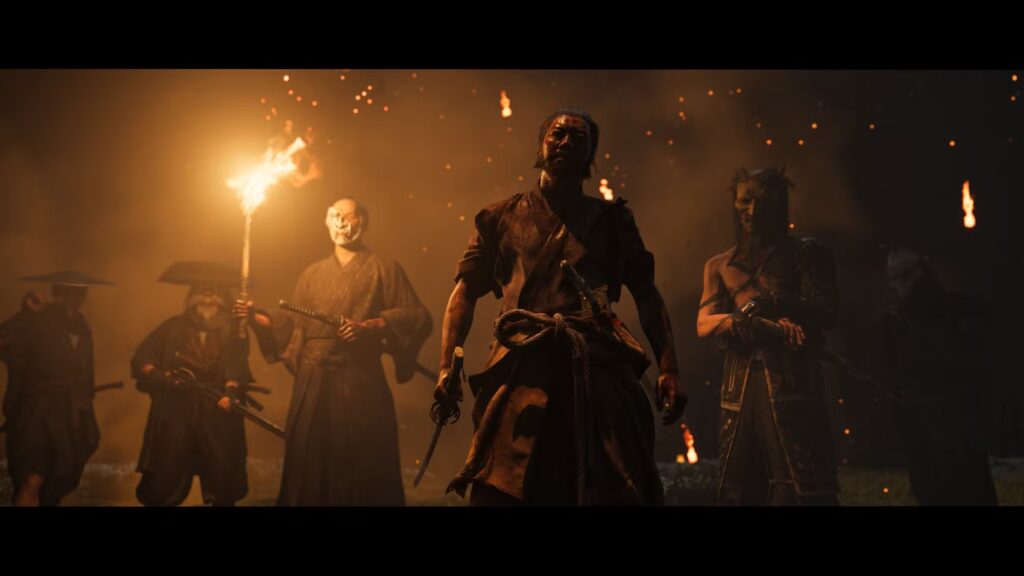
Who are the Yotei Six in Ghost of Yotei
The Yotei Six are the six targets of Atsu’s vengeance, the people responsible for destroying her family and leaving her for dead. The April 2025 PlayStation Blog post names them as The Snake, The Oni, The Kitsune, The Spider, The Dragon, and Lord Saito. The official characters page later fills in their identities and territories: The Snake is a silver-tongued katana master, The Kitsune leads the Nine Tails in Teshio Ridge, The Oni is a towering ōdachi-wielder in Ishikari Plain, The Spider and The Dragon are Lord Saitō’s sons commanding gunners in Tokachi Range, and Lord Saitō himself is the ruthless leader fighting for control of Ezo.
What makes the Yotei Six more interesting than a simple hit list is that the game clearly wants each target to represent a different combat and narrative challenge. Official materials repeatedly stress that each member has a distinct deadly style, and the post-release story summaries indicate that Atsu’s relationships with several of them or with people entangled in their orbit complicate her understanding of guilt, memory, and justice. In that sense, the Yotei Six are not just bosses. They are the structure through which the game turns revenge into self-interrogation.
Ghost of Yotei ending explained and what it sets up
Spoilers: post-release story guides and ending explainers broadly agree on the same key outcome. Atsu ultimately defeats Lord Saito after rescuing her allies, but the climax comes at enormous personal cost: Jubei is mortally wounded in the final confrontation. The ending then jumps forward six months and shows Atsu caring for Kiku rather than continuing as a pure instrument of vengeance. In other words, the story closes Atsu’s revenge quest by replacing revenge with guardianship and grief with an obligation to live.
What the ending sets up is less a hard sequel hook than a thematic future. Atsu’s arc appears intentionally conclusive: Saito is dealt with, the original list is exhausted, and the final note is about peace, memory, and a muted spiritual continuity symbolized by the returning wolf. That leaves room for future stories in the Ghost universe, but it does not depend on one. The ending is best read as a franchise-open, character-closed finale: the world can continue, but Atsu no longer needs to be trapped in the same cycle.
Ghost of Yotei release date and PS5 platforms
The official release date for Ghost of Yotei on the single-player side was October 2, 2025. PlayStation’s product page lists it for PS5, and the same listing also marks the title as PS5 Pro Enhanced. The page shows one-player support for the main game, optional online play, and up to four online players for supported online features.
As of April 2026, the Ghost of Yotei ecosystem on PlayStation is broader than launch-day buyers first saw. PlayStation announced Ghost of Yotei Legends for PS5 on March 10, 2026, with some territories receiving it on March 11, and noted that online play requires PlayStation Plus. That means readers searching “Ghost of Yotei platforms” should understand the current lineup as PS5-first and PS5 Pro-aware, with no official PS4 version listed on the current game page.
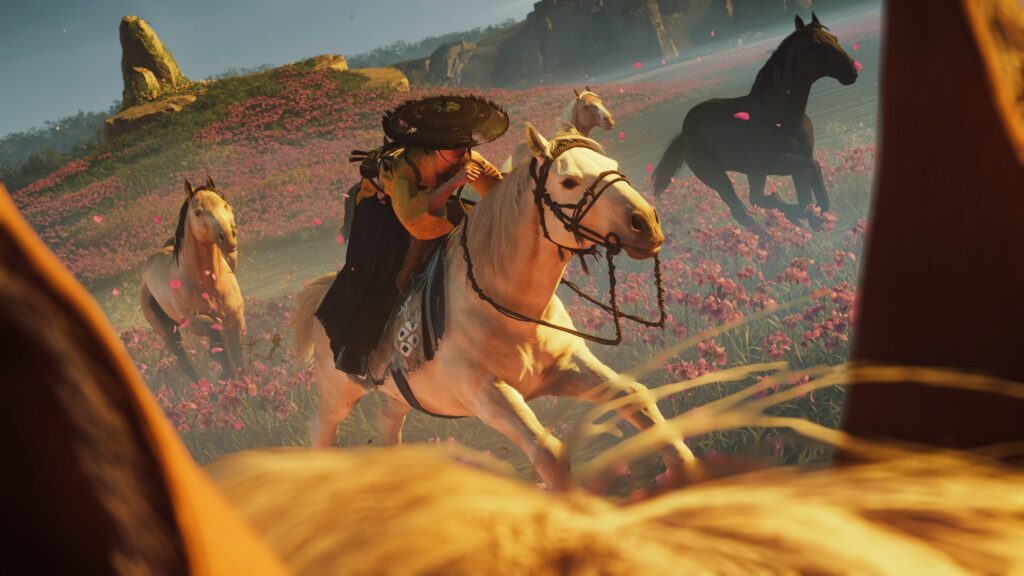
Ghost of Yotei vs Ghost of Tsushima differences and upgrades
The first big difference is structural. Where official materials for Ghost of Tsushima emphasize samurai-vs-Mongol conflict, katana combat, bow play, stealth, and the original Kurosawa Mode, Ghost of Yotei’s official pages foreground a new protagonist, a later era, a northern frontier setting, and a much broader weapon identity. Atsu can use katana, dual katana, ōdachi, yari, kusarigama, bows, a Tanegashima matchlock, and quickfire tools, while also calling on a wolf companion and using camp as a social and upgrade hub. That is an expansion in both combat vocabulary and character fantasy.
The second difference is how exploration is framed. Sucker Punch’s Ghost of Yotei tech deep dive says the team pushed harder on a sense of freedom in untamed wilderness, less intrusive guidance, longer sightlines, more flexible weapon combat, and stronger environmental rendering. On the content side, the Yotei materials also emphasize campsite encounters, spyglass-based scouting, following fauna, Sumi-e painting, Altars of Reflection, and a healing/redemption arc tied to exploration. Compared with Tsushima’s already strong scenic design, Yotei’s pitch is not simply “more map.” It is “more authored freedom.”
The third difference is presentation. Yotei keeps the cinematic DNA that defined Tsushima but broadens it with more stylized modes. In addition to the returning Kurosawa Mode and Lethal Mode, the official Yotei page adds Samurai Cinema Mode with Japanese voiceover and lip sync, Miike Mode created with Takashi Miike, and Watanabe Mode inspired by Shinichiro Watanabe. Kurosawa Mode itself is still positioned in partnership with the estate of Akira Kurosawa. That makes Ghost of Yotei feel less like a conservative sequel and more like a formal refinement of the Ghost template.
Ghost of Yotei photo mode and cinematic modes guide
Ghost of Yotei’s Photo Mode is substantial enough to justify its own official guide. PlayStation says players can freeze action at almost any point and create stills, cinemagraphs, or tracking shots. The toolset includes up to 16 tracking-shot camera placements, focal lengths from 12mm to 300mm, depth-of-field control, extensive color grading, weather and time-of-day changes, particles, wind direction, aspect ratios up to 32:9, music choices, and stamps. That is well beyond a basic screenshot mode and places Ghost of Yotei squarely among the most creator-friendly first-party PS5 games.
The practical guide is straightforward. Use wide focal lengths for landscapes, mid-range focal lengths for environmental portraits, and 100mm-plus for detail work. Before leaving Photo Mode, pan the camera to look for wildlife or stronger framing, then test the same composition at different times of day and with different weather presets. The official guide also recommends using particle effects, animated environments, and color grades to shift mood rather than only chasing realism.
The cinematic modes are just as important. The official characters-and-combat page lists Samurai Cinema Mode, Photo Mode, Kurosawa Mode, Miike Mode, Watanabe Mode, and Lethal Mode as core presentation or difficulty options. For players who want the classic samurai-film feel, Kurosawa and Samurai Cinema are the obvious first stops. For players who want close-quarters brutality, Miike Mode is the better fit. For players who want moodier audiovisual stylization, Watanabe Mode is the standout.
Ghost of Yotei BAFTA Games Awards 2026 nomination details
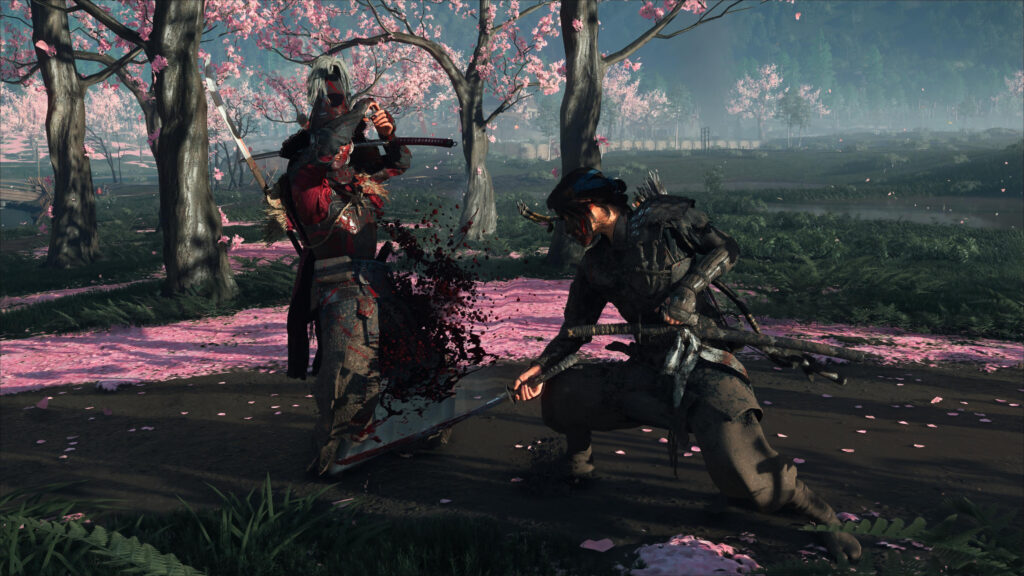
Ghost of Yotei was one of the major games in the 2026 BAFTA cycle. BAFTA’s nominations announcement said the game received eight nominations, putting it behind only Clair Obscur: Expedition 33 and Dispatch in the overall tally. On the main BAFTA results pages, Ghost of Yotei appears in Animation, Artistic Achievement, Audio Achievement, Best Game, Game Design, Music, Performer in a Leading Role for Erika Ishii, and Technical Achievement.
By the time the ceremony was held on April 17, 2026, Ghost of Yotei had converted two of those BAFTA nominations into wins: Music and Technical Achievement. Erika Ishii did not win Performer in a Leading Role the award went to Jennifer English for Clair Obscur: Expedition 33 but the nomination still confirmed that Atsu’s performance was part of the year’s top-tier acting conversation.
Ghost of Yotei awards buzz and performance nominations
The awards buzz around Ghost of Yotei was not limited to BAFTA. The official D.I.C.E. finalists announcement said the game tied for the lead with eight nominations, including Game of the Year, and the D.I.C.E. winners announcement later credited the game with wins for Outstanding Achievement in Character for Atsu, Outstanding Achievement in Original Music Composition, and Adventure Game of the Year. On the publisher and developer result pages, those wins are specifically tied back to Sony Interactive Entertainment and Sucker Punch.
The Game Awards added another layer of prestige. The official winners pages show Ghost of Yotei as a nominee in Best Narrative, Best Art Direction, Best Score and Music, Best Performance for Erika Ishii, and Best Action / Adventure. Those nominations, combined with BAFTA’s leading-role nod and D.I.C.E.’s Character win for Atsu, explain why Ishii’s April 2026 “jump” comment landed into an already primed conversation: they were not just the star of a well-reviewed game, but the face of one of the most decorated and discussed performances of the 2025 release year.
Ghost of Yotei critical reception and review highlights
Critical reception for Ghost of Yotei was strong by every major aggregation measure available in the current record. As of the sources reviewed here, Metacritic lists the game at 86 with “Generally Favorable” reviews, while OpenCritic lists a top critic average of 87 with 94% of critics recommending it. Those are high-end scores for a large-scale open-world sequel, and they place the game firmly in the year’s critical upper tier.
The review consensus is also consistent. Critics repeatedly praised the game’s combat, scenic beauty, and Atsu as a protagonist. The Guardian highlighted the game’s brutality and beauty. Polygon described it as a grand, reliable sequel about life beyond violence. Game Informer praised its pacing and side stories, while VGC awarded it five stars and described it as delivering on the promise of Tsushima with a touching samurai epic. Not every review was unqualified some outlets and roundups noted pacing problems or older open-world habits but the dominant reading is that Ghost of Yotei improves on Tsushima in meaningful ways without abandoning the series’ aesthetic identity.
Frequently Asked Questions (FAQs)
- Is Ghost of Yotei a direct sequel to Ghost of Tsushima?
It is a follow-up in franchise terms, but Sucker Punch introduced it as a standalone story with a new protagonist, new region, and a setting more than 300 years after Tsushima. - Who plays Atsu in Ghost of Yotei?
Erika Ishii voices Atsu and also lends their likeness to the character, according to PlayStation’s official interview. - Did Erika Ishii confirm another Ghost of Yotei game?
No. Ishii said they would gladly return, but that was an expression of enthusiasm, not an official announcement from Sucker Punch or PlayStation. - What is the setting of Ghost of Yotei?
The game takes place in 1603 around Mount Yōtei in Ezo, the region now known as Hokkaido, which Sucker Punch described as the edge of the Japanese empire at the time. - Who are the Yotei Six?
They are The Snake, The Oni, The Kitsune, The Spider, The Dragon, and Lord Saitō, the six figures tied to Atsu’s family tragedy and the targets of her revenge. - When did Ghost of Yotei release?
The main game launched on PS5 on October 2, 2025. - Is Ghost of Yotei on PS4 or only on PS5?
The current official product page lists Ghost of Yotei for PS5 and marks it as PS5 Pro Enhanced; it does not list a PS4 version on that page. - Does Ghost of Yotei have Photo Mode and cinematic filter modes?
Yes. Official materials confirm a robust Photo Mode plus Samurai Cinema, Kurosawa, Miike, Watanabe, and Lethal modes. - How did Ghost of Yotei do at the 2026 BAFTA Games Awards?
It received eight nominations and won two BAFTAs: Music and Technical Achievement. Erika Ishii was also nominated in Performer in a Leading Role. - What were the review scores for Ghost of Yotei?
Metacritic lists an 86 and OpenCritic lists an 87 with 94% of critics recommending the game in the sources reviewed here.
Conclusion
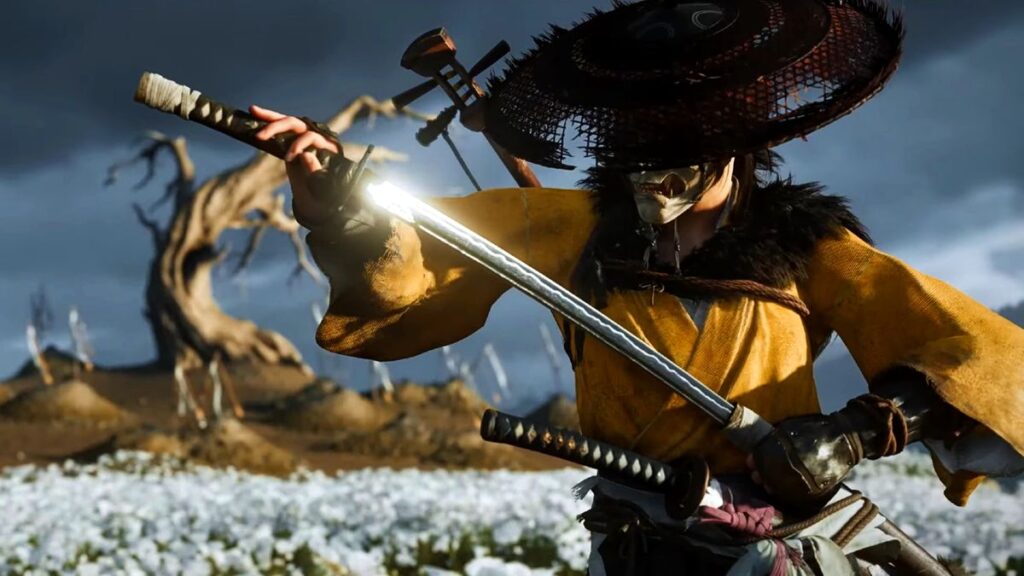
Ghost of Yotei works because it turns a seemingly familiar revenge setup into a richer conversation about reinvention, grief, and legacy. Erika Ishii’s willingness to “jump” back into Atsu is compelling not simply because fans want another game, but because the performance made Atsu feel complete enough to miss. At the same time, the public evidence strongly suggests that Sucker Punch sees Ghost as a larger creative framework: a legend that can move between heroes, eras, and landscapes.
That is why the current answer to the sequel question is necessarily two-part. Emotionally, there is obvious appetite for more Atsu. Officially, though, Ghost of Yotei stands today as a finished PS5 story that broadened the franchise’s possibilities, won major awards, generated acting prestige for Erika Ishii, and proved the Ghost name can survive beyond Jin Sakai without losing its identity. If a future Ghost title returns to Atsu, it will be because the franchise now has room to choose that path not because this one failed to say what it needed to say.
Sources and citation
The reporting and analysis above prioritized official and primary materials wherever possible, then used review aggregators and post-release coverage only where official sources did not address the topic directly. Key source groups included the following:
- Official PlayStation game page — Ghost of Yōtei (story premise, setting, release date, platforms, key features)
- Official PlayStation Blog — release date announcement
- Official PlayStation page — Characters and combat
- Official PlayStation Blog — Photo Mode details
- Official PlayStation Blog — Erika Ishii launch interview
- Official Sucker Punch materials — Ghost of Yōtei FAQ
- Official BAFTA press room hub — 2026 Games Awards resources
- Official BAFTA nominations press release — nomination counts and category context
- Official BAFTA results page — winners and nominees by category
- Official BAFTA winners press release — winner results summary
- Official Academy of Interactive Arts & Sciences — D.I.C.E. finalists
- Official The Game Awards — Best Performance category page
- Official The Game Awards — Best Action / Adventure category page
- Official The Game Awards — Best Game Direction category page
- VGC interview — Erika Ishii on returning to Atsu
- Ghost of Yotei star Erika Ishii says she’d ‘jump’ at the chance to play Atsu again
- GamesRadar+ interview — anthology future comments
- Ghost of Yotei star says Sucker Punch is “bold” to leave behind safety and comfort
- Metacritic aggregate page — critic reception
- OpenCritic aggregate page — critic consensus
- Selected review coverage — GamesRadar+
- Selected review coverage — The Guardian
- Selected review coverage — Polygon
- Selected review coverage — The Washington Post
- Post-release story explainer, spoiler-heavy
- Optional official post-launch support source for Photo Mode/update references
Recommended
- Assassin’s Creed TV Show: Here’s Who Will Star In And Direct (Netflix Cast & Director Update)
- WWE 2K26 Ringside Pass and Stamina Changes Explained After Player Backlash
- 12 Things To Know Before Jumping Into Pokémon Champions (Release Date, Platforms, Modes, and Battle Meta Basics)
- PUBG MOBILE Celebrates 8th Anniversary with Landmark Event Blending Gaming, Music and Culture Worldwide
- Steam Game Adds Playable Tofu Character After Complaints About Female Protagonist — Why Honcho’s “Mr. Tofu” Patch Went Viral
- What is the View Keeper?
- How do I toggle between camera views in Blender?
- Redefining Representation: Authentic Black Hairstyles in Video Games
- Genshin Impact Next Update and Banners: Everything We Know About Version 6.5 and 6.6 (Release Dates, Characters, Reruns, and Leaks)
- How to Create Professional Textures and Materials with Blender and Substance Painter