



Hasbro CEO Promises No Generative AI in Its Video Games
Hasbro CEO Chris Cocks has announced that the company will not use generative AI in its video games or flagship brands like Magic: The Gathering and Dungeons & Dragons (D&D). During an interview on The Verge’s Decoder podcast, Cocks stated that these audiences and creators do not want AI involved, so it is not in the development pipelines. This commitment prioritizes human creativity and artistry over algorithmic content in response to fans who are wary of AI-generated art and storytelling.

Why Chris Cocks Says Hasbro Video Games Will Stay Human-Made
Cocks’ decision is based on respect for the audience and the creative process. He noted that introducing AI could alienate passionate fanbases who value the “human touch.” He critiqued generative AI as often being “garbage in, garbage out,” arguing that it lacks the genuine spark and deep storytelling understanding that humans provide. By focusing on human-made content, Hasbro aims to ensure the soul and authenticity of its games remain intact.
What Chris Cocks Said About AI in Hasbro, D&D, and Magic: The Gathering
Cocks established clear boundaries for Wizards of the Coast properties, confirming that generative AI is a “no-go” for D&D and Magic due to strong fan opposition. While other parts of Hasbro, such as the toy division, experiment with AI, these specific creative universes will remain human-crafted. This follows previous incidents where AI elements slipped into products, causing backlash and leading to official policies banning generative AI in their creative workflows.

Will Hasbro Use Generative AI in Future Video Games?
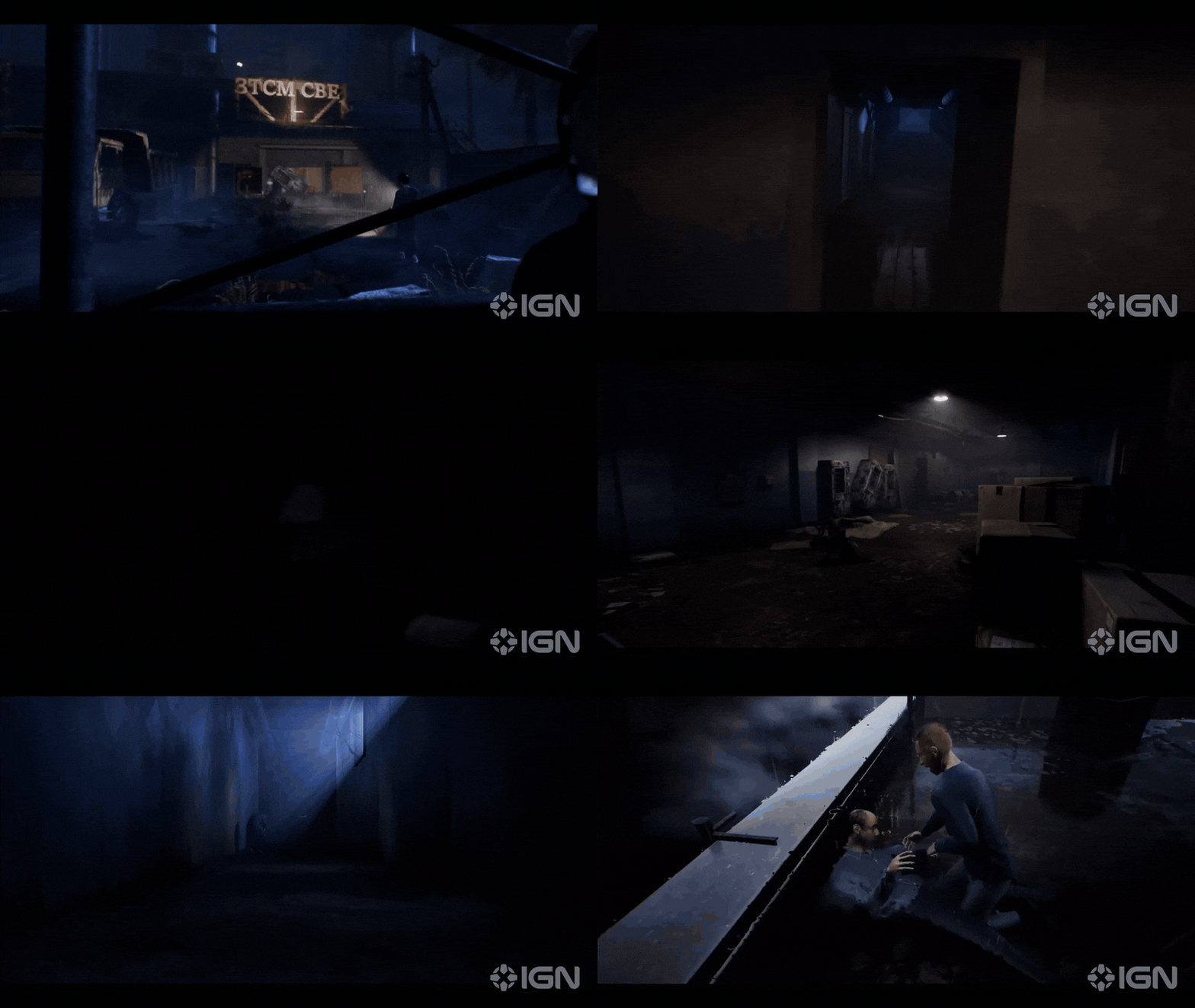
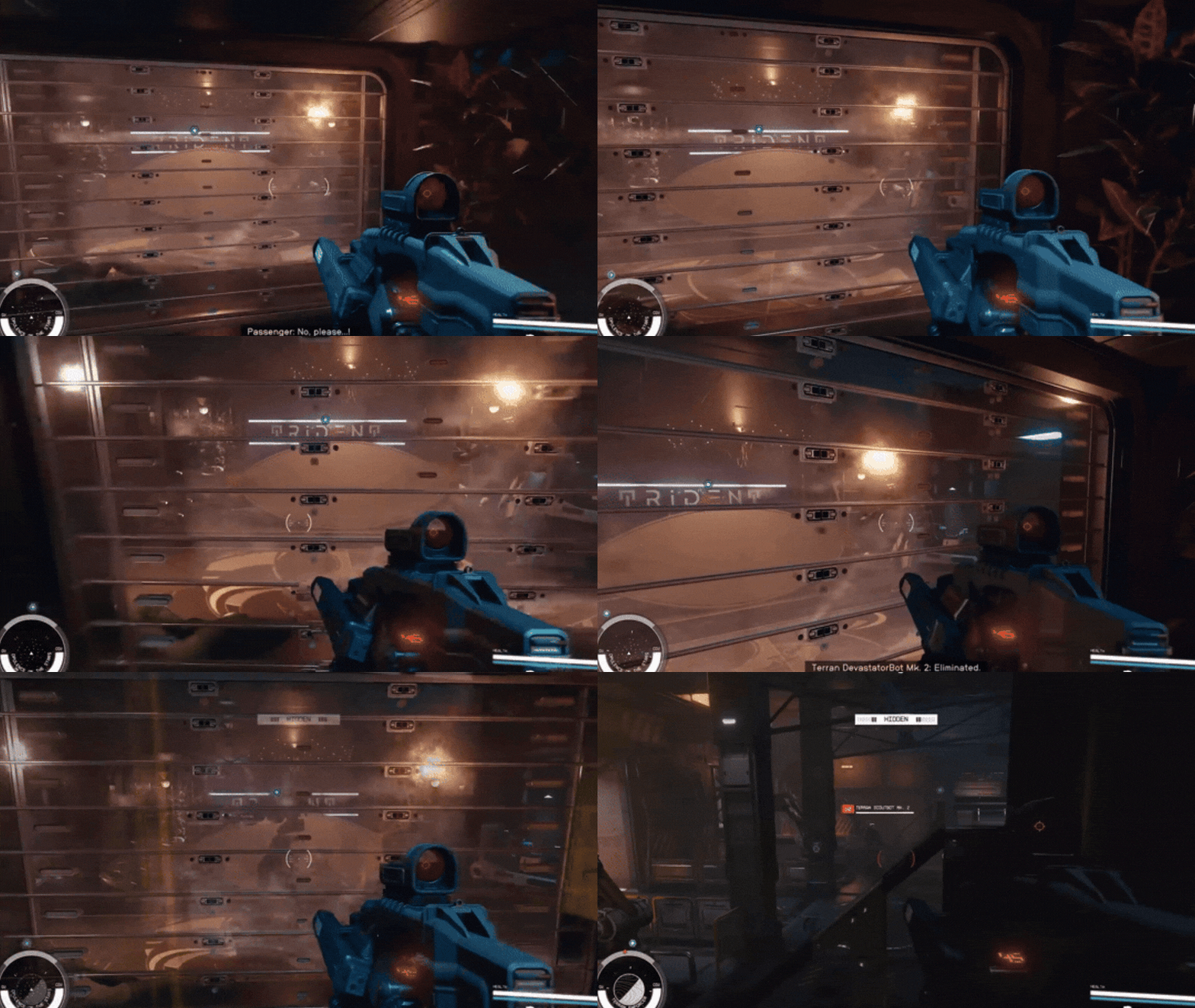
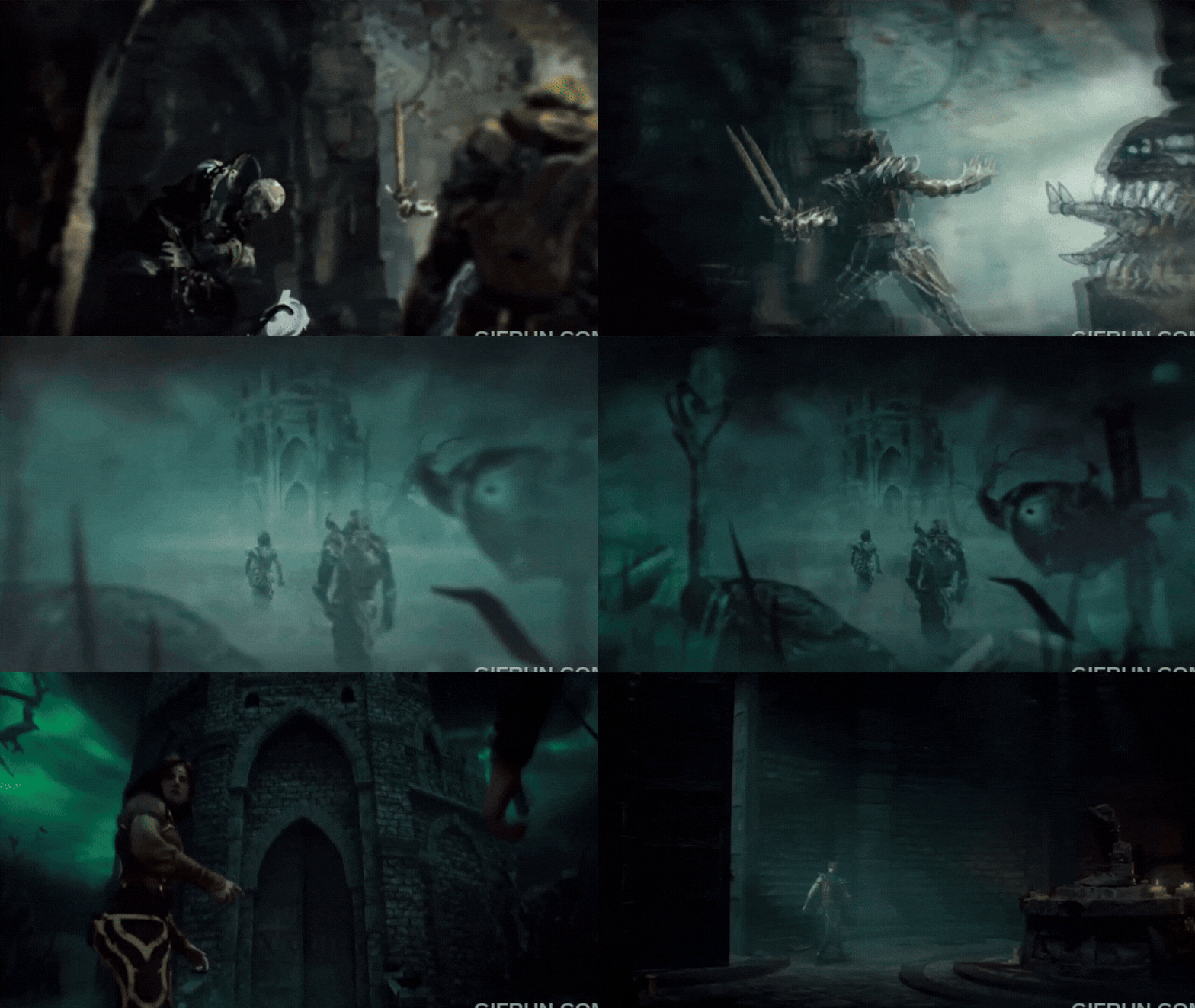
Currently, upcoming titles like the RPG Exodus and the D&D-themed Warlock are being developed using traditional, human-driven methods. While Cocks does not rule out AI in the long-term future, he believes the technology must first reach a point where it is high-quality, fun, and accepted by players. Hasbro intends to wait for the technology to mature rather than forcing it on its fanbase now.
Hasbro AI Strategy Explained for Video Games, Toys, and Digital Play
Hasbro’s AI strategy is partitioned by domain:
- Video Games: A strict “no generative AI” policy for content like art, story, and design to maintain quality and fan trust.
- Toys and Product Design: The company is more open to using AI internally. It uses AI trained on its own intellectual property to rapidly generate concepts for brands like Peppa Pig and Transformers. These are used as “internal partners” to inspire human designers who then refine the best ideas.
- Digital Play: Strategy is determined on a case-by-case basis. Brands tied to core fanbases follow the no-AI rule, while standalone digital apps may experiment with AI to enhance user experience.
Why Hasbro Is Keeping Generative AI Out of Dungeons & Dragons and Magic
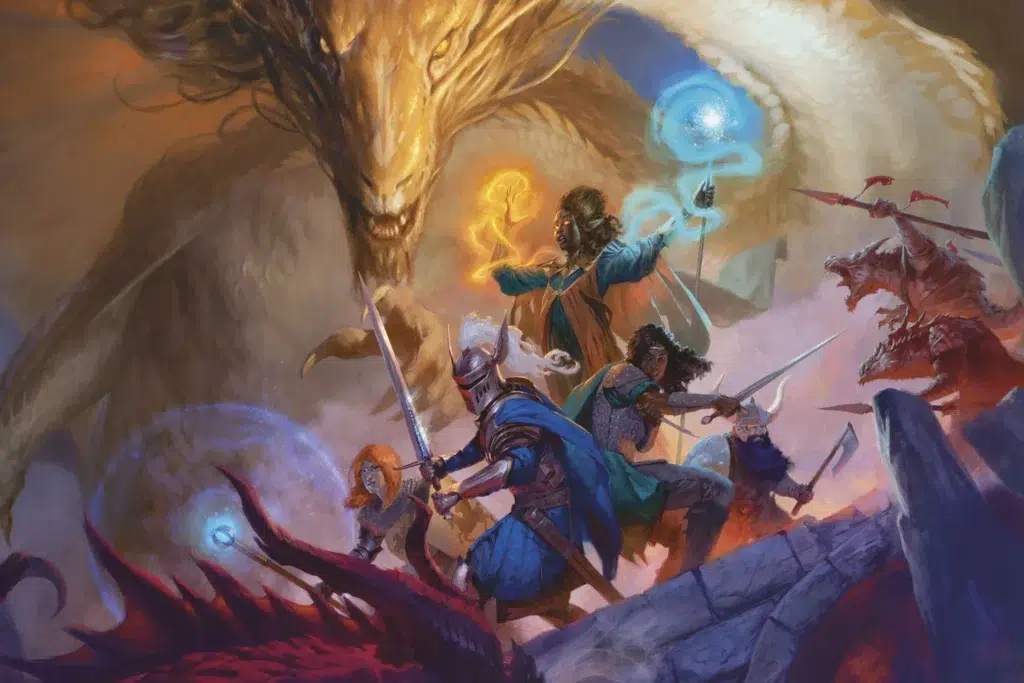
The ban is a result of past controversies that damaged fan trust. In 2023, D&D faced backlash when AI-generated art appeared in the book Bigby Presents: Glory of the Giants, leading to a reprint with human-made art. Similarly, Magic: The Gathering faced criticism for using AI-generated elements in marketing art for Ravnica Remastered. These incidents proved that fans deeply value the work of skilled human artists and writers over automated shortcuts.
Chris Cocks on Generative AI in Video Games and Creative Pipelines
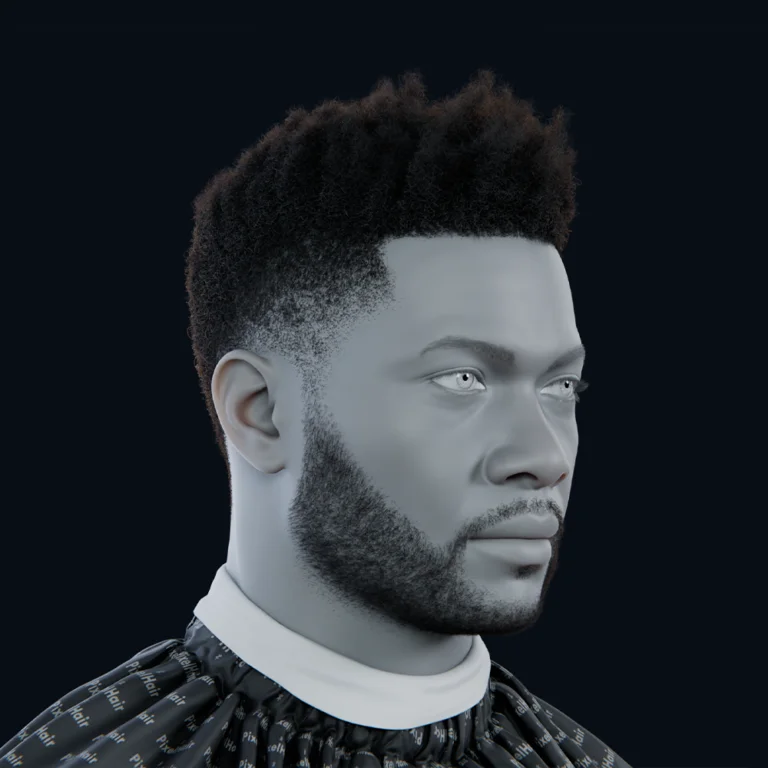
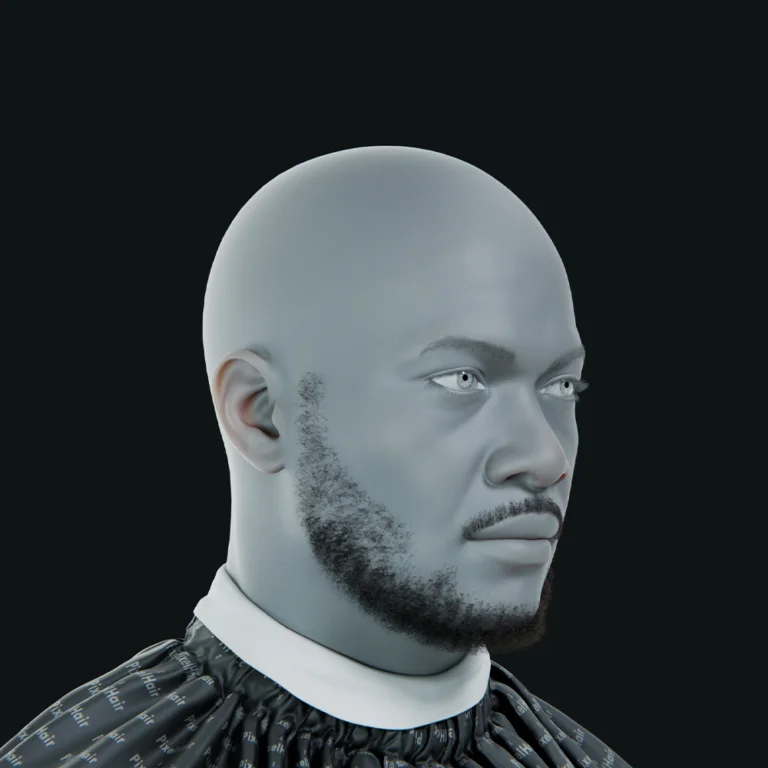
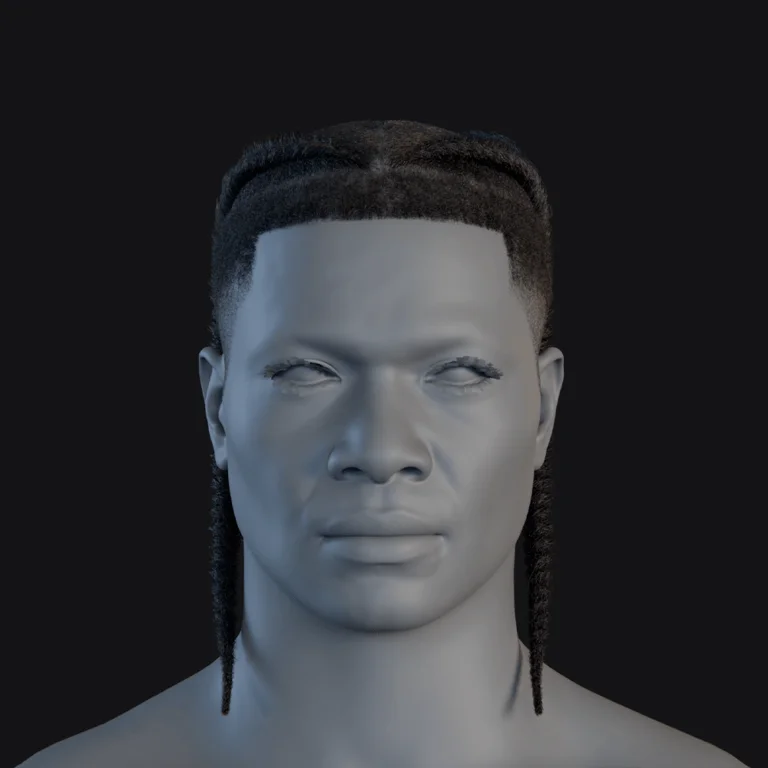
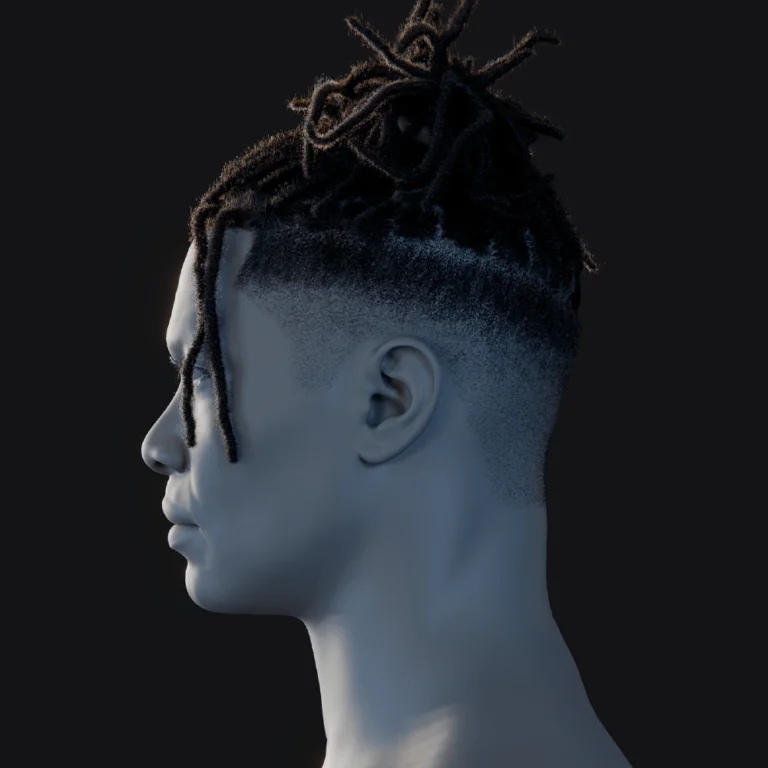
Cocks views AI more as a potential tool for professionals rather than a replacement. He suggests that while AI can handle mundane tasks or help “level up” an avant-garde creative’s workflow, the core ideas and execution must come from humans. Alternative methods for speeding up development already exist, such as using high-quality human-made asset libraries (like PixelHair for 3D characters) or management tools (like The View Keeper for Blender), which allow for efficiency without sacrificing artistic control to algorithms.
Hasbro Video Game AI Policy After D&D and Magic Fan Backlash
The 2023 controversies served as a turning point for Hasbro. After the D&D and Magic incidents, Wizards of the Coast formalized bans on generative AI. By late 2024, Cocks shifted from an optimistic view of AI to a cautious, audience-first stance. By 2026, this became a formal company directive: avoid generative AI in player-facing content to prevent PR disasters and protect creative integrity. The policy highlights how fan input has directly shaped Hasbro’s corporate strategy.
How Hasbro Uses AI in Toy Design but Not in Video Games
There is a distinct contrast between Hasbro’s use of AI in its toy division and its game divisions. In toy design, Hasbro uses AI models trained on its own character data to brainstorm and prototype. For example, AI personas of Peppa Pig or Optimus Prime generate hundreds of concepts for sets or gadgets. While much of this output is considered “garbage,” it allows human teams to find and refine rare “magical” ideas quickly and cost-effectively. Since this process is internal and the final product is a physical toy refined by humans, there is little risk of fan backlash.
In contrast, Hasbro avoids generative AI for content in video games, trading cards, and tabletop RPGs. Fans of D&D and Magic: The Gathering are vigilant and expect high-quality, human-made art and storytelling. AI-generated content in these mediums is seen as degrading the product’s value and lacks the imaginative flair of professional creators. Chris Cocks has explicitly stated that because the audience does not want it, all art and narrative in these games will remain human-made. This strategy allows Hasbro to use AI for backroom efficiency while maintaining authenticity in its front-facing products.
What the Hasbro CEO AI Comments Mean for D&D, Magic, and Exodus
Chris Cocks’ stance provides specific assurances for Hasbro’s major properties:
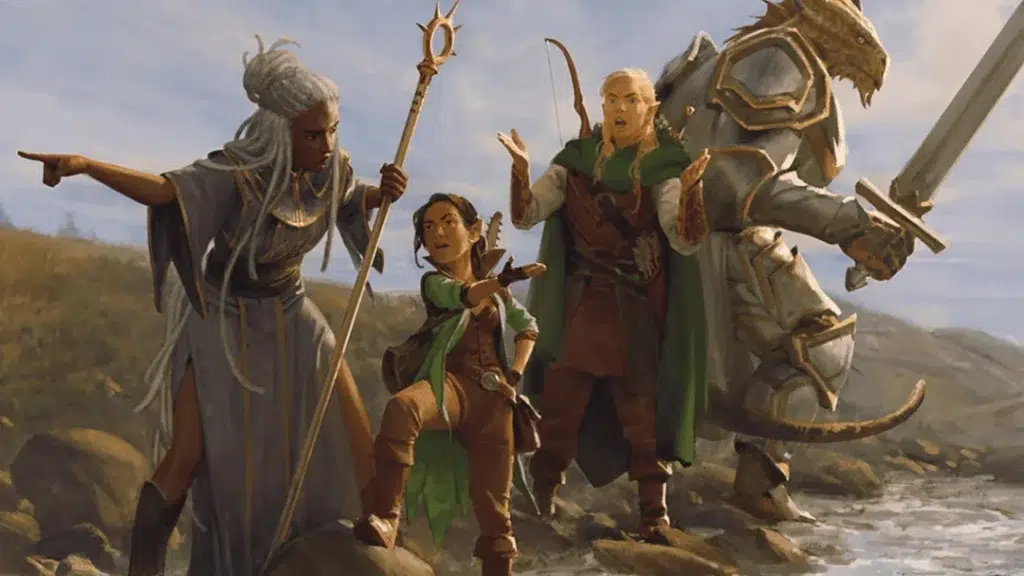
- Dungeons & Dragons: The game will remain a human-crafted experience. Future books, campaigns, and digital tools will rely on traditional artistry, ensuring the creative integrity of the 50-year-old franchise remains intact.
- Magic: The Gathering: All card illustrations, flavor text, and world-building will be performed by human artists and writers. This protects the brand’s premium feel and ensures that the artistic community Magic is known for remains central to the product.
- Exodus: Even for this new sci-fi RPG IP, which lacks an established fanbase to protest, Hasbro is avoiding generative AI. By keeping Exodus human-made, Hasbro aims to set a high standard for quality and market the game as a fully hand-crafted epic, establishing a broad principle that all their game development requires a human touch.
Hasbro Generative AI Controversy and the Shift in Chris Cocks’ Position
Chris Cocks’ position on AI has evolved significantly. In late 2024, he viewed the integration of AI into D&D as “inevitable,” influenced by how hobbyists were using AI tools. However, after public embarrassments regarding AI art in D&D and Magic marketing, he pivoted. By early 2026, he moved from advocating for AI to practicing restraint. He acknowledged that “the reality of fan sentiment” necessitated this shift, moving away from futurist optimism toward a grounded approach that prioritizes customer trust and acknowledges the creative limits of AI.
Why Fans Oppose Generative AI in Hasbro Games and Wizards of the Coast Titles
Fan opposition is rooted in several key concerns:
- Authenticity: Players feel AI content lacks the “soul” and personal touch of a human creator, often referring to low-quality AI output as “AI slop.”
- Ethics: Many fans view AI training on scraped data without permission as unethical or a form of theft that threatens the livelihoods of freelance artists.
- Quality: AI often produces inconsistencies, such as errors in drawing hands or lore-breaking narrative details, which breaks immersion for detail-oriented gamers.
- Emotional Connection: D&D and Magic are communities built on passion. Fans felt betrayed by the use of AI, seeing it as a violation of the spirit of the games they love. This sentiment is part of a broader trend in nerd culture where communities are pushing back against AI in creative media.

Hasbro No AI Video Games Promise Compared With Its Broader AI Adoption
Hasbro’s AI strategy is a targeted balance rather than a contradiction. The “No-AI” promise for games is a consumer-facing commitment that serves as brand positioning, emphasizing human creativity to gain a PR advantage over competitors. Simultaneously, Hasbro adopts AI in “invisible” areas, such as logistics, supply chain management, and marketing analytics. By using AI for internal brainstorming in the toy division but rejecting it for storytelling in games, Hasbro achieves business efficiency in the background while protecting the perceived value and artistry of its most famous creative brands.
What This Means for the Future of Hasbro Video Games and Human Creativity
Hasbro’s policy suggests that its future games will be showcases for human talent, positioning the company as a “safe harbor” for artists and writers in an industry increasingly anxious about AI displacement. While the “no-AI” rule is firm for the immediate future, Cocks has left the door slightly ajar for a time when AI might be better accepted or more advanced. For now, however, Hasbro is focused on augmenting human creativity with traditional digital tools—such as 3D asset libraries like PixelHair or layout tools like The View Keeper—rather than replacing it. This ensures that Hasbro’s fantasy and sci-fi worlds remain distinctly human, characterized by individual style and intentionality.
Frequently Asked Question (FAQs)
- Did the Hasbro CEO ban generative AI in Dungeons & Dragons and Magic: The Gathering?
Yes. Chris Cocks, the CEO of Hasbro, stated that generative AI will not be used in D&D or Magic: The Gathering. Both franchises have official policies now that forbid AI-generated art or story content, largely in response to fan backlash. Cocks confirmed that the company isn’t even considering generative AI for those brands because the audience doesn’t want it. - What exactly did Chris Cocks promise regarding AI in Hasbro’s video games?
He promised that Hasbro’s video games will have no generative AI content in their development pipeline. In an interview, he said, “We don’t even have it in our pipelines for our video games or for Magic: The Gathering or D&D.” This means any new Hasbro video games are being made with traditional human-led design and artistry, not AI generation. - Why is Hasbro avoiding generative AI in its games?
The main reason is fan opposition and creative quality. Fans of games like D&D and Magic strongly objected to AI-generated art being used, seeing it as lower quality and undermining the human creativity they value. Chris Cocks also noted that generative AI can be “garbage in, garbage out,” meaning it doesn’t produce truly inspired ideas without human input. In short, Hasbro doesn’t want to alienate fans or compromise on quality. - Were there incidents of AI usage that caused fan backlash at Wizards of the Coast?
Yes, two notable incidents occurred in 2023. First, a Dungeons & Dragons sourcebook, Glory of the Giants, had artwork that was partially AI-generated, which led to an uproar. Wizards of the Coast had to replace the art and ban AI use by D&D artists. Second, promotional art for a Magic: The Gathering set, Ravnica Remastered, was found to include AI elements. Wizards apologized and reinforced their no-AI policy for Magic as well. - Is Hasbro using AI in other parts of its business?
Yes, Hasbro uses AI in its toy and product design process, but not in the content of story-driven games. Design teams use AI tools trained on their IP, like an AI “Peppa Pig” or “Optimus Prime,” to brainstorm new toy ideas. Chris Cocks mentioned that AI is used effectively to generate concept art and prototypes, which human designers then refine. Outside of toys, Hasbro likely uses AI for marketing analytics or logistics. - Will the new Hasbro video game “Exodus” use any generative AI?
No, Exodus will not use generative AI for its content. Chris Cocks confirmed that games like Exodus, a new sci-fi action RPG, are not using AI in their development pipelines. Even though it is a new IP, Hasbro is applying the same rule to ensure the game’s art, story, and design are done by human developers to establish the franchise with high quality. - How did Chris Cocks’ view on AI change between 2024 and 2026?
In late 2024, Cocks was optimistic, calling AI in D&D “inevitable.” However, by 2026, his tone shifted to caution after witnessing fan pushback. He acknowledged that many gamers simply do not want AI in certain brands. He transitioned from viewing AI as an exciting opportunity to treating it as something to handle carefully and avoid in core products to keep the human element front-and-center. - Are fans and players generally against AI in games like these?
Many fans are against it, particularly in the D&D and Magic communities. They value human creativity and worry AI will cheapen the experience or replace artists. Fans have used the term “AI slop” to describe generative art, indicating they see it as inferior. While opinions vary, the vocal consensus in these communities has been overwhelmingly negative toward using AI for creative game content. - How is Hasbro ensuring the quality of its game art and content without AI?
Hasbro relies on experienced human artists, writers, and developers. For D&D and Magic, they use talented freelancers and staff who create all art and lore. This ensures everything goes through a human vetting process that adds creative flair AI cannot replicate. Following the 2023 incidents, they have strict guidelines and reviews to ensure no AI work is snuck into final products. - Can AI be used in game development in a positive way that fans would accept?
Potentially, if it is used to augment rather than replace human creativity. Cocks hinted that AI could eventually make games better if used for mundane tasks like quality assurance testing or improving NPC behaviors. The key is transparency and enhancement. If AI helps human designers without cutting corners on art or writing, fans might accept it, but they are likely to resist if it is used to replace creative roles.

Conclusion
Hasbro’s promise to keep generative AI out of its video games, D&D, and Magic: The Gathering marks a significant stance in the relationship between technology and creativity. By prioritizing the “human touch,” Hasbro is reinforcing the value of its creative teams and reassuring players that their favorite stories remain crafted by people with passion.
Chris Cocks has adapted his stance in response to community feedback, showing that audience trust and authenticity are paramount. While Hasbro will continue to use AI behind the scenes for operational efficiency and toy development, it intends to do so in a way that empowers rather than replaces creators.
For the wider gaming industry, this decision serves as a benchmark for balancing innovation with integrity. Hasbro’s policy suggests a future that celebrates human creativity, using technology as a supportive tool while keeping the focus on the creative human spirit that makes games magical.
Sources and Citation
- James Whitbrook, Gizmodo – “Hasbro’s CEO Says ‘Magic: The Gathering’ and ‘Dungeons & Dragons’ Will Never Use Generative AI”
https://gizmodo.com/wizards-of-the-coast-dnd-magic-no-ai-2000732646 - Joey Paur, GeekTyrant – “Hasbro CEO Says MAGIC: THE GATHERING and DUNGEONS & DRAGONS Won’t Ever Use Generative AI”
https://geektyrant.com/news/hasbro-ceo-says-magic-the-gathering-and-dungeons-dragons-wont-ever-use-generative-ai - Sarah Campbell, Nerdist – “Hasbro Promises They Aren’t Using AI For MAGIC, D&D”
https://nerdist.com/article/hasbro-promises-no-generative-ai-magic-the-gathering-dungeons-dragons/ - Alessio Palumbo, Wccftech – “Hasbro CEO Is Bullish on Exodus, Says Someone Will Figure Out How to Use AI to Make Games Better”
https://wccftech.com/hasbro-ceo-bullish-exodus-ai-make-games-better/ - PC Gamer – “Hasbro CEO still has ‘so much AI-based’ grist in his own D&D games… but he’s not putting it in MTG or D&D books because people ‘just don’t want it’.”
https://www.pcgamer.com/software/ai/hasbro-ceo-still-has-so-much-ai-based-grist-in-his-own-d-and-d-games-it-would-floor-you-but-hes-not-putting-it-in-mtg-cards-or-d-and-d-books-because-people-just-dont-want-it/ - Nilay Patel, The Verge (Decoder Podcast) – “Hasbro’s CEO has an AI Peppa Pig help design toys”
https://www.theverge.com/podcast/890703/hasbro-toys-games-magic-exodus-ai-tariffs - Hasbro Press/News (Archetype Entertainment) – EXODUS and WARLOCK official announcements
https://newsroom.hasbro.com/news-releases/news-release-details/hero-rises-new-trailer-exodus | https://newsroom.hasbro.com/news-releases/news-release-details/wizards-coast-and-invoke-unveil-warlock-original-dark-fantasy | https://www.exodusgame.com/ | https://www.warlockthegame.com/ - Community and Industry Reactions – representative links for Games Workshop, Hooded Horse, and Larian
https://www.warhammer.com/en-GB/legal | https://www.pcgamer.com/software/ai/i-f-king-hate-gen-ai-art-hooded-horse-chief-says-if-were-publishing-the-game-no-f-king-ai-assets/ | https://larian.com/fan-content-policy | https://forums.larian.com/ubbthreads.php?Number=959679&ubb=showflat
Recommended
- Resurrection of the Insomnia Gaming Festival cancelled: Insomnia 74 (i74) called off, refunds, and what happens next
- A Beginner’s Guide to The View Keeper Add-on for Blender
- Nicolas Cage superhero detective in Spider-Noir: Release Date, Trailer, Cast, and Story (2026)
- Star Trek: Starfleet Academy Season 1 Review (2026) — Cast, Story, Ending, and Where It Fits in the Star Trek Timeline
- ALS Metahuman Motion Matching: How to Combine Realistic Movement and Character Animation in Unreal Engine 5
- Where to Stream Every LEGO Movie Online in 2026 (Updated Streaming Guide by Country)
- Mesh to Metahuman: How to Scan Yourself and Create a Realistic Digital Double in Unreal Engine 5
- Musgrave Texture Removed in Blender 4.1 – Workarounds and Alternatives
- Mush3D for Maya & Standalone: Shot Sculpting on Alembic/FBX Animation Caches
- Hit Manga Chainsaw Man Will End Soon, Viz Media Confirms