







In This Article (9 sections)
How Japan’s Bomb Collar Escape Room Recreates an Alice in Borderland Survival Game
The Japanese theme park experience commonly described online as a “bomb collar escape room” is an immersive survival game designed to recreate the tension of modern Japanese death-game fiction. Participants enter a staged environment, receive time-sensitive objectives, and solve puzzles while wearing a device that represents the consequences of failure. Despite the dramatic name, the collar is a theatrical feedback tool rather than a real explosive device.
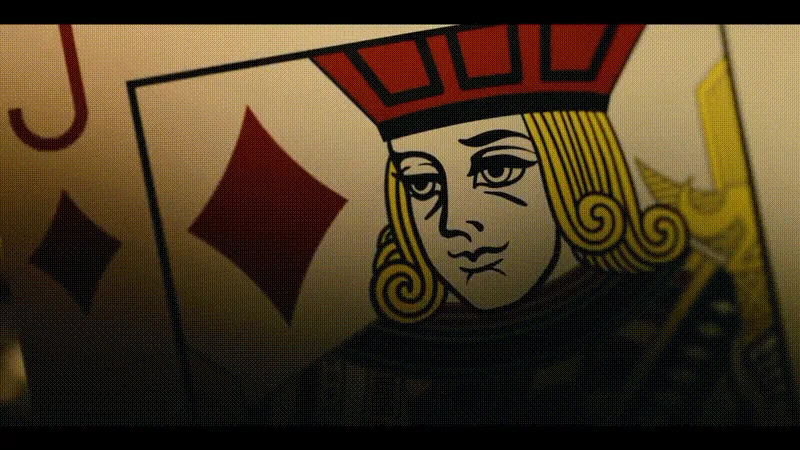
The attraction is strongly associated with the atmosphere of Alice in Borderland, where ordinary people are forced into high-pressure games that test intelligence, cooperation, courage, and decision-making. Players are placed inside a similar fictional scenario, but the danger is carefully simulated through environmental effects, strict time limits, unsettling instructions, and wearable feedback.
Huis Ten Bosch, a major resort theme park in Nagasaki Prefecture, is the location most frequently connected to this type of experience. The park is known for combining large physical sets with projection mapping, augmented reality, interactive systems, and live-action storytelling. These technologies allow visitors to take an active role in the narrative rather than simply watching events unfold.
The most discussed feature is the collar’s reported ability to produce a brief electrical sensation when a participant makes a mistake, runs out of time, or receives an in-game penalty. The source material describes this as low-intensity stimulation comparable to feedback used in some fitness and gaming devices. Its purpose is to make failure feel immediate and memorable, not to recreate the destructive effect implied by the phrase “bomb collar.”
Much of the intensity is psychological. Wearing the device creates a constant reminder that actions have consequences, while lighting, sound, actors, countdowns, and the survival-game narrative make the situation feel more dangerous than it physically is. This combination helps explain why the attraction has generated such strong reactions and international attention.

How the Huis Ten Bosch Experience Works and What Happens When Players Fail
The escape room follows a multi-stage survival format. Participants enter a themed game area and receive instructions framed as a life-or-death challenge. They must explore the environment, identify useful clues, solve connected puzzles, and cooperate before the available time expires. Some decisions may need to be made with incomplete information, recreating the uncertainty that drives many of the games in Alice in Borderland.
The wearable collar keeps the fictional stakes visible throughout the experience. Players cannot forget that a mistake may trigger a penalty, which encourages greater concentration and faster communication. Traditional escape rooms normally rely on locked boxes, riddles, and hidden objects, but this format adds physical and emotional feedback to make the challenge feel less passive.
Huis Ten Bosch is well suited to such an attraction because it has enough controlled space for large sets, actors, sensors, digital overlays, and responsive effects. The park has invested in digital night shows, augmented-reality adventures, and interactive mystery experiences, making survival-based role-play a natural extension of its entertainment strategy. Similar escape attractions can be found in Japanese cities such as Tokyo and Osaka, but the viral collar concept is most closely associated with large experimental venues like Huis Ten Bosch.
Failure is presented dramatically without becoming a genuine life-threatening event. When participants miss an objective or exceed the time limit, the system may trigger a vibration or brief controlled pulse to represent elimination. The affected player can then be removed from the active challenge, redirected into another part of the scenario, or guided out according to the attraction’s rules.
This consequence matters because it changes how players behave. A failed puzzle is no longer represented only by a message on a screen. Participants feel and hear that something has happened, producing surprise, disappointment, nervous laughter, or relief. Those emotional responses become part of the story and help make every session feel more personal than a conventional theme park ride.

Age Rules, Electric Feedback, and the Psychological Challenge
Survival-themed escape rooms commonly apply age and participation restrictions because their content can be psychologically intense. Dark environments, threatening storylines, countdown pressure, simulated elimination, and wearable feedback may be unsuitable for young children. Exact rules can vary by installation, but the source material indicates that these experiences are generally intended for adults or older teenagers.
The collar’s realism is carefully controlled. Viral descriptions may make it sound like a dangerous punishment device, but the attraction is designed to create a noticeable sensation rather than physical injury. The effect is described as comparable to mild electrical stimulation used by certain fitness or interactive feedback products. Its strength, duration, and activation conditions are controlled within the game system.
The sensation itself is only one part of the illusion. Lighting can conceal the limits of the room, sound effects can suggest danger outside the participant’s field of vision, and live performers can respond to player behavior in real time. Instructions framed around survival make even ordinary puzzle decisions feel urgent, while the collar ensures that the possibility of failure remains physically present.
Japanese escape rooms are known for expanding beyond purely mental challenges. Many incorporate environmental movement, distorted audio, timed pressure, actors, wearable devices, and sensory effects. Players may therefore need to manage their stress while also interpreting clues and coordinating with teammates. Someone who understands a puzzle may still struggle to explain it clearly when a countdown is running and the device around their neck represents an approaching penalty.
This is particularly appealing to Alice in Borderland fans. The series places its characters inside games where intelligence alone is not always enough. Trust, communication, emotional control, and the ability to make decisions under pressure can determine who succeeds. The attraction converts those themes into a controlled experience where fans become active participants rather than observers watching fictional characters face the consequences.

How the Attraction Compares with the Netflix Series and Handles Visitor Safety
The Netflix series creates tension through scripted events, editing, performances, music, visual effects, and character development. The theme park experience replaces those cinematic tools with real-time participation. Visitors do not simply watch someone decide which door to open or which teammate to trust. They must make those choices themselves while the environment responds to their actions.
The consequences are also fundamentally different. Alice in Borderland presents fictional games with deadly outcomes, while the attraction uses sensory feedback, elimination rules, and theatrical effects within controlled entertainment boundaries. The collar substitutes a brief physical signal for the catastrophic consequence shown on screen, preserving the emotional idea of punishment without recreating genuine danger.
The concept naturally raises safety concerns. Attractions using wearable feedback are generally expected to control the intensity of the device, provide instructions before play, establish participation requirements, and explain how penalties work. Participants may also be asked to accept attraction-specific terms or disclose conditions that could affect their eligibility. Current rules should always be checked directly before booking because restrictions can change according to the installation and participant.
Huis Ten Bosch operates as a major tourism destination, so international visitors can generally access its attractions when tickets and sessions are available. Many experiences use multilingual information, visual demonstrations, or rules that can be understood through environmental cues. However, a complex role-playing game may still require enough language comprehension to follow instructions, interpret clues, and cooperate with the group.
Tourists should therefore confirm the attraction’s operating dates, booking requirements, supported languages, health restrictions, and minimum age before travelling specifically for the experience. Availability may depend on seasonal programming, and some scenarios may not operate continuously throughout the year.

The Future of AI-Driven and Wearable Theme Park Experiences in Japan
The popularity of survival-themed attractions points toward a future in which theme parks rely more heavily on responsive storytelling. Wearable technology can provide physical feedback, while sensors can track player movement and decisions. Artificial intelligence could eventually allow characters, challenges, and narrative outcomes to change according to how each group behaves.
Deeper branching stories would make repeat visits more appealing because players could encounter different objectives, alliances, penalties, and endings. Personalized difficulty could also allow the environment to become more demanding when a team performs well or provide additional guidance when participants struggle.
Japan’s combination of escape-room culture, advanced entertainment technology, and recognizable fictional properties makes it a strong testing ground for these ideas. The attention surrounding the Alice in Borderland-style experience shows that visitors are interested in attractions where their choices shape the outcome and where the boundary between watching a story and participating in it becomes increasingly narrow.

Frequently Asked Questions (FAQs)
- Is the bomb collar in the Japanese escape room actually dangerous?
The device is presented as a controlled feedback system rather than an actual explosive collar. Its purpose is to create a brief sensation associated with an in-game penalty, not to cause injury. Participants should still follow the attraction’s current safety instructions and confirm that they meet any health or eligibility requirements before taking part. - Is the Alice in Borderland theme park experience real or fictional?
The attraction is a real entertainment experience inspired by the fictional survival-game world associated with Alice in Borderland. Its dangerous scenario, elimination rules, and collar are theatrical elements used inside a controlled environment, while the puzzles, time limits, and participant decisions form the actual game. - Where can you experience the bomb collar escape room in Japan?
The experience is most commonly associated with Huis Ten Bosch in Nagasaki Prefecture. The resort theme park is known for large immersive attractions that combine physical environments, digital effects, actors, and interactive systems. Visitors should check the park’s current schedule because themed experiences may operate seasonally or require advance booking. - Can the electric shock from the collar injure you?
The feedback is intended to remain brief and low in intensity, producing discomfort or surprise without causing harm. However, individual eligibility can depend on the attraction’s rules, particularly for people with medical devices or relevant health conditions. Participants should review all warnings and speak with staff when uncertain. - Do you need to be a fan of Alice in Borderland to enjoy the attraction?
No. The core experience can be understood as a high-pressure escape room involving puzzles, teamwork, timed objectives, and sensory feedback. Fans may recognize the death-game atmosphere and appreciate the thematic similarities more deeply, but knowledge of the series is not necessary to participate. - How long does the escape room experience last?
The duration depends on the scenario and how the attraction organizes its briefing, active game, and conclusion. Immersive escape-room sessions commonly last between 30 and 90 minutes. Visitors should check the current booking information for the specific experience because session lengths can change. - Are children allowed to participate in the bomb collar escape room?
Age restrictions are generally applied because the experience contains dark themes, psychological pressure, time-sensitive challenges, and simulated punishment. Many comparable attractions are intended for older teenagers or adults. The exact minimum age and any guardian requirements should be confirmed directly with the venue. - What happens if you fail the game?
Failure normally triggers a fictional elimination or penalty rather than real danger. The collar may produce a short vibration or controlled pulse, after which the participant can be removed from the active challenge or redirected according to the scenario. The precise consequence depends on the attraction’s rules. - Is the experience available outside Japan?
The most widely discussed version is associated with Japan, particularly Huis Ten Bosch. Other countries offer survival-themed escape rooms and attractions with wearable feedback, but they may not reproduce the same scenario or connection to Alice in Borderland. No identical international version is established in the supplied material. - Why is this escape room going viral online?
The attraction combines a visually dramatic collar, controlled physical feedback, psychological pressure, and the recognizable appeal of Japanese survival stories. Short videos and participant reactions communicate the concept immediately, while fans are fascinated by the opportunity to experience the tension of a fictional death game from inside the challenge rather than watching it on screen.
Conclusion
The Japanese Theme Park Bomb Collar Escape Room represents a new frontier in immersive entertainment where storytelling, technology, and psychological engagement converge. Inspired by the survival narrative style of Alice in Borderland and brought to life in advanced venues like Huis Ten Bosch, the experience demonstrates how far interactive entertainment has evolved.
By combining wearable feedback systems with narrative-driven gameplay, this attraction transforms passive viewers into active participants in high-stakes fictional environments. While the concept of an electric shock “bomb collar” may sound extreme, it operates within controlled safety boundaries designed to enhance immersion rather than create danger.
As immersive entertainment continues to evolve, Japan remains at the forefront of blending fiction and reality, offering experiences that challenge perception, emotion, and participation in unprecedented ways.
Sources and Citations
- Huis Ten Bosch, “Alice in Borderland: Immersive Death Game.”
https://www.huistenbosch.co.jp/enjoy/alice/ - Huis Ten Bosch, “Huis Ten Bosch Summer 2026 Attraction Announcement.” June 26, 2026.
https://asset.japan.travel/image/upload/v1782694232/pdf/Huis_Ten_Bosch_20260626.pdf - SoraNews24, “Japanese Theme Park Adding Immersive Death Game You Play While Wearing a Bomb Collar.” June 26, 2026.
https://soranews24.com/2026/06/26/japanese-theme-park-adding-immersive-death-game-you-play-while-wearing-a-bomb-collar/ - Japan Today, “Japanese Theme Park Adding Immersive Death Game With a Bomb Collar You Have to Wear.” July 2, 2026.
https://japantoday.com/category/features/lifestyle/japanese-theme-park-adding-immersive-death-game-with-a-%27bomb-collar%27-you-have-to-wear - Dexerto, “Japan Opens Theme Park Attraction Where Guests Wear Bomb Collars.” June 26, 2026.
https://www.dexerto.com/entertainment/japan-opens-theme-park-attraction-where-guests-wear-bomb-collars-3379876/ - Immersive Fort Tokyo, Official Website.
https://immersivefort.com/ - Yurikamome, “Immersive Fort Tokyo.”
https://www.yurikamome.co.jp/en/sightseeing/facility/003443.html - Room Escape Artist, “Immersive Fort Tokyo, Ticketed Attractions and Immersive Halloween.” February 22, 2025.
https://roomescapeartist.com/2025/02/22/immersive-fort-tokyo-ticketed-attractions-and-immersive-halloween-part-2/ - Bea Mitchell, “Top 11 Immersive Trends in the Attractions Industry for 2025.” Blooloop, February 12, 2025.
https://blooloop.com/immersive/in-depth/immersive-trends-2025/ - Blooloop, “Top 13 Trends to Watch in the Visitor Attractions Industry in 2025.” January 15, 2025.
https://blooloop.com/theme-park/in-depth/attractions-trends-2025/ - IAAPA, “Amusement Parks and Attractions.”
https://iaapa.org/membership/constituencies/amusement-parks-and-attractions - IAAPA, “Celebrating 25 Years of Universal Studios Japan.” May 4, 2026.
https://iaapa.org/news-funworld/universal-studios-japan-25th - Netflix, “Alice in Borderland.”
https://www.netflix.com/title/80200575 - Wikipedia, “Alice in Borderland.”
https://en.wikipedia.org/wiki/Alice_in_Borderland - Wikipedia, “Alice in Borderland TV Series.”
https://en.wikipedia.org/wiki/Alice_in_Borderland_%28TV_series%29
Recommended
- Marathon Game New Blueprint Explained: How Bungie Plans to Expand the Player Base
- Crimson Desert Update 1.06.00 Patch Notes: Claw Machine Mini-Game, “Sigil of Valor” Dog Attacks, and New Special Mounts
- Why the Live-Action Moana Box Office is Struggling Compared to Disney’s Snow White Remake
- Dragon’s Dogma 2 Dark Arisen DLC October Release: New Region, Dragonsplague Changes, Customization, Abilities, and Full Feature Breakdown
- Fireborn Is an Image Comics Series Perfect for ’90s Superhero and Gaming Fans
- Procedural Vegetation in Unreal Engine and Unity with Blender (UE5 PCG, PVE, and Geometry Nodes)
- James Franco Joins John Rambo Cast for a Small Role
- Persona 6’S Big Reveal Was a Let-Down: Graveyard Teaser, Green Logo, and Zero Gameplay Details Spark Mixed Reactions
- PS5 Emulator Making Big Progress: KytyPS5 Boots GTA V Menus and Runs 3D Games
- Everwind Early Access Launch Explained: Why This Minecraft-Like Voxel Sandbox RPG With Flying Islands Is Getting Attention



































































































