







In This Article (9 sections)
Jeff Kaplan Overwatch 2: Jeff Kaplan Blames Blizzard Hubris for Overwatch 2’S Controversial BlizzCon 2019 Reveal,
Former Overwatch game director Jeff Kaplan has criticized Blizzard Entertainment’s handling of the original Overwatch 2 announcement, arguing that corporate hubris and unresolved development decisions contributed to one of the franchise’s most controversial periods. Speaking with Gaming World Interviews in November 2026, Kaplan described his frustration with executives who wanted to announce the sequel before its creative direction and commercial structure had been adequately established. His criticism centered on Blizzard’s decision to unveil Overwatch 2 during BlizzCon on November 1, 2019, alongside another major project, Diablo IV.
Kaplan believed the company was more concerned with demonstrating its strength as a major developer than ensuring the projects were ready for public presentation. His frustration was captured in the widely reported remark, “You guys are fucking idiots,” which attracted attention because of his previously measured and approachable public persona. The interview provides new context for years of disagreements surrounding Overwatch’s direction, the sequel’s ambitious development plans, and the management decisions that eventually influenced the franchise’s future.
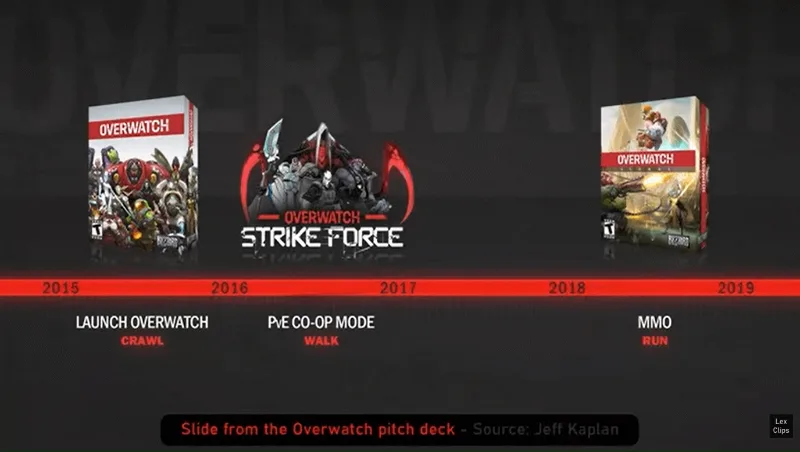
At BlizzCon 2019, Blizzard introduced Overwatch 2 as a substantial expansion of its popular team-based multiplayer shooter. The presentation featured cinematic storytelling, cooperative Story Missions, replayable Hero Missions, hero progression systems, new maps, and promises of an expanded competitive experience. For players, the announcement suggested that Blizzard was preparing a comprehensive sequel combining the original game’s multiplayer foundation with a major cooperative campaign.
The presentation generated considerable excitement because the proposed PvE systems appeared capable of transforming Overwatch into a broader franchise. However, Kaplan’s November 2026 interview presents a different account of the circumstances surrounding the reveal. According to his recollection, fundamental questions about the sequel’s identity, development priorities, and business model remained unresolved. This created a significant difference between the confidence communicated publicly and the uncertainty Kaplan says existed internally.
Kaplan explained that he opposed announcing the project before Blizzard had determined exactly what Overwatch 2 would become. Developing a sequel to an established live-service game required more than creating additional maps, characters, and technical improvements. The development team needed to decide how existing players would transition, whether progression and multiplayer systems would remain compatible, and how the original game would coexist with its successor.
Blizzard also needed to determine whether cooperative missions would require an additional purchase and how the company intended to fund continued development. These decisions were particularly complicated because the proposed PvE experience differed substantially from the competitive gameplay that had made Overwatch successful. According to Kaplan, those foundational questions had not been adequately addressed before executives committed to a public announcement. His criticism therefore concerned the consequences of making major promises without first establishing a sustainable plan for delivering them.
The decision to announce Overwatch 2 alongside Diablo IV further intensified Kaplan’s frustration. Both franchises were established properties with large audiences, significant development requirements, and substantial expectations surrounding their next major installments. From a corporate marketing perspective, unveiling both titles during the same BlizzCon created an opportunity to generate publicity and demonstrate that Blizzard possessed an ambitious development pipeline. Kaplan, however, believed each project deserved its own opportunity to attract attention.
He also questioned whether the combined announcement reflected a practical assessment of development readiness. Diablo IV represented another installment in an established action role-playing franchise, while Overwatch 2 attempted to combine competitive multiplayer continuity with an entirely new cooperative progression experience. That distinction made Overwatch 2 particularly difficult to explain without a clear creative and commercial foundation. Kaplan believed Blizzard was prioritizing the appearance of corporate momentum over the realities facing its development teams.
His objections also highlighted the difference between a successful marketing presentation and a sustainable production strategy. A major announcement can generate excitement, attract media coverage, and strengthen a company’s public image. However, it also creates expectations that influence future development milestones, promotional campaigns, and player confidence. Once specific features have been announced, removing or substantially changing them can create controversy even when those changes reflect legitimate production challenges.
Kaplan’s account suggests that he feared Blizzard was establishing commitments that the team might struggle to fulfill. The eventual transformation of Overwatch 2 made those concerns particularly significant. Although the 2019 presentation introduced extensive PvE ambitions, the game that launched in October 2022 placed much greater emphasis on competitive multiplayer and free-to-play monetization. The gap between those versions of the project became one of the defining controversies surrounding the sequel.
The original Overwatch had launched in May 2016 and quickly became one of Blizzard’s most recognizable franchises. Its colorful heroes, accessible team-based combat, and distinctive competitive identity helped establish a substantial international player base. Maintaining that success required continued development through new characters, maps, seasonal events, balance adjustments, and other updates.
Blizzard also wanted to expand the franchise into more substantial storytelling and cooperative experiences. At BlizzCon 2019, the company presented Overwatch 2 as the project that would deliver those ambitions. Kaplan’s later comments suggest that enthusiasm for expanding the franchise existed alongside serious uncertainty about implementation. The distinction is important because disagreement over announcement timing does not necessarily mean he opposed the concept of a sequel. His criticism focused on how leadership managed the transition from an ambitious idea into a publicly announced development commitment.
Kaplan’s position also made his criticism particularly consequential. He was not an outside observer commenting on Blizzard’s decisions after the fact but the game director responsible for helping shape Overwatch’s creative identity. During his tenure, he regularly communicated with players through developer updates and public explanations of controversial gameplay decisions. He became an important connection between the development team and the community, frequently discussing hero balance, competitive systems, and future content.
His November 2026 remarks were therefore striking because they revealed a level of internal frustration that had not been apparent through his earlier public appearances. Nevertheless, his account represents his personal recollection of the disagreements rather than a complete record of every executive discussion. The available reporting does not establish that all members of Blizzard’s leadership shared identical motivations. What the interview demonstrates is that serious disagreements about Overwatch 2’s readiness existed within the company before its announcement.

Blizzard Leadership Conflicts, the Unclear Overwatch 2 Business Model, and Pressure to Monetize Heroes
One of Kaplan’s most important revelations concerns the absence of a clearly established business model for Overwatch 2 before its 2019 announcement. The original Overwatch launched as a premium game supported by optional cosmetic purchases, including loot boxes. Players purchased access to the game and subsequently received additional competitive heroes and maps without needing to buy separate gameplay expansions.
This approach supported an important principle of the original design: access to the competitive hero roster should not depend on additional spending. Introducing a major sequel created difficult questions about whether Blizzard would preserve those expectations or adopt a different commercial structure. Kaplan said the company had not adequately resolved those questions before publicly presenting Overwatch 2. The uncertainty mattered because the game’s business model would influence its design, development priorities, and relationship with the existing player community.
Several possibilities required consideration during the sequel’s planning. Blizzard needed to determine whether existing Overwatch owners would receive the new competitive features automatically or whether players would need to purchase another game. The company also needed to decide how cooperative missions, hero progression, and additional content would generate revenue. Continuing with premium purchases and cosmetic monetization would create different financial expectations from a seasonal free-to-play model.
Likewise, maintaining separate versions of the franchise could complicate matchmaking, account progression, and ongoing development support. Kaplan believed these decisions were too important to leave unresolved when announcing such an ambitious project. His criticism therefore extended beyond marketing because the commercial structure would directly affect which gameplay systems the team could sustainably develop. The eventual shift toward free-to-play demonstrated how significantly those decisions could change the sequel’s identity.
Kaplan described a broader struggle with Blizzard leadership that began around 2018, when he believed executive involvement increasingly affected decisions traditionally associated with his responsibilities as game director. During Overwatch’s earlier years, he had been comfortable accepting responsibility for controversial creative choices. Whether players disliked particular hero abilities, balance changes, or gameplay systems, he considered those decisions part of his leadership.
However, he distinguished those experiences from later disagreements that he believed reduced his control over the franchise. According to Kaplan, decisions about monetization, development priorities, and the sequel’s direction increasingly reflected pressure from senior leadership. He characterized the following years as an extended conflict over the balance between creative autonomy and corporate expectations. His account suggests that the difficulties surrounding Overwatch 2 were connected to broader organizational changes rather than one isolated announcement.
The timing of these disagreements coincided with important changes in Blizzard’s executive leadership. On October 3, 2018, Activision Blizzard announced that J. Allen Brack would succeed Mike Morhaime as president of Blizzard Entertainment. Morhaime, one of the company’s co-founders, had been a central figure in Blizzard’s leadership for decades. Brack previously served as executive producer of World of Warcraft and brought experience managing one of the company’s largest franchises.
The transition also included Ray Gresko becoming chief development officer and Blizzard co-founder Allen Adham joining the executive leadership team. Kaplan spoke positively about Morhaime in his November 2026 interview and distinguished the former president from the leadership he criticized. However, the timing of a leadership change does not independently establish personal responsibility for every disputed decision. Although Brack was president during the 2019 announcement, Kaplan did not publicly identify every executive involved in the disagreements he described.
The wider organizational context is important because Overwatch had developed into more than a successful multiplayer game. Its commercial activities included cosmetics, merchandise, esports, and ongoing live-service development. As the franchise expanded, executives had increasing reasons to influence financial planning, content schedules, and long-term growth strategies. Those responsibilities were not inherently incompatible with successful game development, but they created potential conflicts with decisions made by creative leadership.
Kaplan’s account suggests that the balance had shifted in ways he considered harmful to Overwatch’s direction. He described repeated disagreements over the use of development resources and the increasing influence of revenue expectations. The central issue was not simply whether Blizzard should seek commercial success, but whether its financial priorities were being communicated and implemented sustainably. His experience illustrates how corporate growth can complicate the responsibilities of directors overseeing established live-service franchises.
One particularly controversial allegation concerns executive pressure to sell playable Overwatch heroes. Kaplan said Blizzard leadership wanted him to introduce a system involving the sale of characters, which he regarded as unacceptable. In Overwatch, heroes possess distinctive abilities, roles, and interactions that influence team composition and competitive strategy.
Restricting access to certain characters through purchases can therefore raise concerns about whether players have equal access to the tools necessary to compete. The original game avoided directly charging players for newly introduced heroes, preserving broad roster availability. Kaplan believed maintaining that principle was essential to the franchise’s competitive identity. He described selling heroes as a boundary he was unwilling to cross, making the proposal an important example of the conflicts he experienced with leadership.
The allegation became particularly relevant after Overwatch 2 adopted Battle Pass-based hero access following Kaplan’s departure. Under the original sequel system, certain new heroes could be obtained immediately through premium Battle Pass purchases, while free players needed to meet additional progression requirements. Although players could unlock those characters without paying, premium access provided a faster route to using them.
The arrangement generated criticism because hero selection was fundamental to Overwatch’s competitive gameplay. Blizzard eventually changed its approach, moving away from Battle Pass requirements for newly released heroes beginning with Season 10 in 2024. By 2026, new heroes were generally made available without the original Battle Pass restrictions. These developments created a recognizable connection between Kaplan’s earlier objections and controversies that emerged after the sequel launched. However, the available evidence does not establish that the exact system introduced in 2022 was identical to the monetization proposal he resisted before leaving Blizzard.
Kaplan also described disagreements over the allocation of resources between the original Overwatch and its planned sequel. The existing multiplayer game depended on regular updates to maintain engagement, but significant development resources were redirected toward Overwatch 2. According to Kaplan, the team faced restrictions on producing additional heroes for the original game while the sequel remained in development.
This contributed to the content slowdown experienced by players before Overwatch 2 launched. The decision created a difficult situation because Blizzard needed to support an established live game while simultaneously building a much larger follow-up project. Concentrating resources on the sequel could potentially produce long-term benefits, but it also risked weakening the experience already available to players. Kaplan’s objections suggest that he believed this balance had become increasingly unsustainable.
The resource conflict also reinforced the relationship between development priorities and commercial expectations. Blizzard needed to continue attracting players to Overwatch while investing in new systems intended to expand the franchise. However, the planned cooperative experience required substantial additional work that could compete directly with resources needed for multiplayer updates. This tension became more pronounced as the sequel’s development continued without a publicly confirmed release date.
Existing players experienced fewer substantial additions while waiting for the promised future experience. Kaplan’s account suggests that internal disagreements over these priorities contributed to his growing frustration. Nevertheless, his comments do not establish that every decision to reduce original-game content resulted exclusively from executive intervention. They demonstrate that he disagreed with important aspects of how the company’s development resources were being directed.

How Overwatch 2’S PvE Campaign, Hero Missions, Free-to-Play Launch, and Battle Pass Changed from the Original Vision
The evolution of Overwatch 2’s cooperative PvE content represents one of the clearest differences between Blizzard’s original announcement and the game that eventually launched. At BlizzCon 2019, the company presented Story Missions and Hero Missions as two major categories of cooperative gameplay. Story Missions were intended to advance Overwatch’s narrative through structured experiences involving the franchise’s established characters and organizations.
Hero Missions were designed as replayable cooperative activities with individual character progression systems. Players were expected to develop their favorite heroes through specialized abilities and talent trees that could significantly change how those characters performed in PvE encounters. These systems promised an experience extending well beyond the original game’s competitive multiplayer design. Their inclusion helped establish Overwatch 2 as a substantially expanded sequel rather than a conventional content update.
The proposed Hero Missions system was particularly ambitious because Overwatch’s existing characters had been designed primarily around competitive balance. Developing an extensive cooperative progression experience would require new abilities, enemy behaviors, mission objectives, and long-term gameplay incentives. Each hero would need meaningful upgrades that provided different approaches to combat without undermining the overall experience. Adding new characters would also expand the amount of PvE content requiring development and testing. Replayable missions would need enough variety to encourage continued participation after the initial experience. These requirements represented a substantial investment beyond maintaining the original multiplayer game. Kaplan’s criticism of the premature announcement becomes more significant when considered alongside the resources necessary to deliver those promises.
The original PvE concept also introduced difficult questions about the relationship between cooperative and competitive progression. Abilities designed for multiplayer balance would not necessarily provide the variety or long-term development expected from a separate progression system. Blizzard needed to create meaningful upgrades without disrupting the familiar identities of its heroes.
Mission design would also require different enemy types and encounters suited to cooperative play rather than direct competition between human teams. Narrative sequences and scripted objectives introduced additional production requirements. At the same time, the company still needed to maintain the competitive experience that had established Overwatch’s popularity. These competing priorities help explain why a complete production strategy was essential before making extensive public commitments. Kaplan argued that Blizzard had not adequately resolved the underlying direction when it announced the sequel.
The eventual launch of Overwatch 2 in October 2022 differed substantially from the 2019 presentation. In June 2022, Blizzard formally confirmed that the sequel would adopt a free-to-play model supported by seasonal content and a Battle Pass. On October 4, 2022, Overwatch 2 launched with a revised five-versus-five competitive structure, hero reworks, and an expanded commercial system. The transition removed the initial purchase requirement that had defined the original Overwatch.
It also introduced seasonal progression, premium cosmetics, an expanded shop, and new approaches to hero availability. Blizzard presented the model as a way to support frequent updates and make the game accessible to a broader audience. However, the extensive PvE progression experience originally announced remained unfinished. Competitive multiplayer had become the immediate focus of the sequel.
The shift to free-to-play demonstrated how closely business-model decisions were connected to gameplay development. A premium cooperative sequel would operate under different financial assumptions from a competitive live service supported by seasonal purchases. Development teams would need to balance content production against revenue expectations, player retention, and ongoing support requirements. The free-to-play model created opportunities for regular seasonal updates but also introduced concerns about cosmetic prices and the value of premium rewards.
Battle Pass progression became an important part of how players experienced the game, including the original restrictions on accessing certain new heroes. These decisions contributed to debate over whether Overwatch 2 had improved upon the original experience or altered important principles that had previously defined it. Kaplan’s account provides additional context for why unresolved commercial questions before the 2019 announcement could have significant consequences later. However, the eventual free-to-play transition does not prove that Blizzard had already selected that model when the sequel was revealed.
Following its competitive launch, Blizzard continued discussing plans to introduce cooperative content through later updates. However, the scope of those plans changed significantly as development continued. In May 2023, game director Aaron Keller addressed the company’s decision to abandon the original Hero Missions system. Keller explained that Blizzard had struggled to accommodate its ambitious PvE development plans alongside the continuing requirements of the live multiplayer game.
The team concluded that maintaining Hero Missions would require sacrifices it was unwilling to make to ongoing seasonal development. As a result, the replayable Hero Mode and associated talent progression systems were removed from the roadmap. The announcement disappointed players who had anticipated a substantial cooperative progression experience. Keller acknowledged that disappointment and apologized for the change.
The cancellation did not mean that Blizzard abandoned every form of PvE content. Some Story Missions were subsequently released, providing narrative-focused cooperative experiences within Overwatch 2. However, these missions did not deliver the complete progression structure originally demonstrated in 2019. The distinction matters because Story Missions and Hero Missions had been presented as separate components of the proposed cooperative expansion.
Story Missions emphasized narrative progression, while Hero Missions were intended to provide extensive replayability and individual hero development. Removing the latter eliminated one of the most distinctive features of the announced sequel. The resulting game increasingly resembled an evolving version of the original competitive Overwatch rather than the comprehensive PvE expansion players had initially expected. This difference became a major source of criticism surrounding Blizzard’s handling of the project.
The cancellation also illustrated the difficulty of sustaining ambitious gameplay systems within an established live-service environment. A replayable cooperative mode with talent trees requires continuing support, additional missions, enemy encounters, and balance adjustments. Each newly introduced hero could expand the amount of work necessary to maintain that system. At the same time, competitive players expected regular balance updates, maps, characters, and seasonal activities.
Blizzard’s decision reflected the challenge of supporting both development directions without compromising its ongoing multiplayer priorities. Kaplan’s 2026 comments suggest that concerns about the project’s unclear foundation existed well before the public cancellation. However, those earlier concerns do not independently establish that Hero Missions were inevitably destined to fail. Technical challenges, development decisions, staffing requirements, and changes in leadership all formed part of the broader circumstances surrounding the eventual cancellation.
The transformation of Overwatch 2 also influenced how players understood the sequel’s identity. At BlizzCon 2019, Blizzard had emphasized an expanded franchise experience combining competitive continuity with substantial cooperative storytelling and progression. By October 2022, the immediate product was a free-to-play competitive shooter with revised team sizes and seasonal monetization. Following the cancellation of Hero Missions in 2023, much of the proposed cooperative foundation no longer formed part of the development plan.
Although the sequel introduced meaningful changes through additional heroes, maps, gameplay revisions, and ongoing updates, it no longer matched the complete vision originally presented. This created lasting disappointment among players who had expected a more substantial transformation. Kaplan’s criticism of the 2019 announcement helps explain why the gap between expectation and delivery became so consequential. The company had publicly committed to a version of Overwatch 2 that underwent major changes before and after release.
By 2026, Blizzard had moved away from the numbered sequel identity altogether. The company removed the number from the game’s title, returning to the simpler Overwatch branding. Blizzard described the decision as part of an emphasis on continuously developing the existing game rather than structuring its future around traditional numbered sequels. The rebranding was significant because it followed years of changes to the project originally announced in 2019.
Instead of separating the franchise into an established title and a major successor, Blizzard increasingly emphasized one evolving multiplayer experience. This approach also reflected the importance of maintaining a sustainable live-service model capable of supporting regular content. However, removing the sequel number did not erase the expectations established by the original announcement. The history of Overwatch 2 remained closely associated with the ambitions that Blizzard had publicly introduced but ultimately changed or abandoned.
Why Jeff Kaplan Left Blizzard in 2021 After Executive Changes, Revenue Pressure, and Years of Disagreement
Jeff Kaplan left Blizzard Entertainment in April 2021 after nearly 19 years with the company, ending his involvement with one of its most recognizable modern franchises. His departure surprised many Overwatch players because he had become closely associated with the game’s identity and development philosophy. Before leading Overwatch, Kaplan worked on World of Warcraft and contributed to Blizzard during an important period of the company’s growth.
He later became involved with Titan, an ambitious multiplayer project that was canceled before elements of its development experience contributed to the creation of Overwatch. As game director, Kaplan helped shape the new franchise’s mechanics, characters, competitive systems, and public communications. His regular developer updates made him a familiar representative of Blizzard’s creative leadership. When he departed in 2021, the company announced the change without publicly explaining the full extent of the internal conflicts he later described.
Kaplan’s November 2026 interview provided a more detailed account of the circumstances surrounding his final years. He described a prolonged struggle over development priorities, monetization, and decisions that he believed increasingly fell outside his control. According to Kaplan, his influence over Overwatch’s direction began diminishing around 2018 as executive involvement expanded.
He had previously been comfortable taking responsibility for controversial creative decisions because he considered them part of his role as game director. However, he became frustrated when business decisions increasingly influenced the direction of the game without what he considered sufficient creative input. The disagreement over announcing Overwatch 2 was one example of that larger conflict. Pressure involving hero monetization and restrictions on producing new content for the original game added to his concerns. Over time, Kaplan concluded that he no longer possessed the authority or confidence necessary to continue leading the franchise.
Financial pressure was another major part of Kaplan’s retrospective account. In earlier 2026 interviews, he described being subjected to demanding revenue expectations and an alleged warning involving substantial potential layoffs. According to Kaplan, a senior financial executive told him that failing to meet specified revenue targets could lead to approximately 1,000 layoffs, with responsibility placed on him. This was a serious allegation because it suggested that financial performance expectations were being communicated through personal pressure on development leadership.
However, the claim has not been independently established through publicly disclosed internal financial records or communications. It should therefore be presented as Kaplan’s allegation rather than a verified account of an officially documented corporate directive. Nevertheless, the statement helps explain why he described his final years at Blizzard as emotionally difficult. In his account, the pressure contributed to an environment where commercial expectations increasingly conflicted with his understanding of responsible game development.
The allegations should also be considered within the broader realities of operating a major live-service franchise. Financial planning, revenue forecasts, and long-term commercial sustainability are necessary responsibilities for large game publishers. A successful multiplayer title requires continuing investment in development teams, servers, updates, support systems, and promotional activities. However, problems can arise when financial expectations are communicated in ways that undermine creative authority or place unrealistic responsibility on individual developers.
Kaplan’s criticism focused on how those expectations affected his role and the decisions surrounding Overwatch. His account suggests that he perceived increasing pressure to prioritize monetization and corporate performance over the development principles he considered important. The distinction matters because commercial planning itself was not necessarily the source of the disagreement. Instead, the controversy concerned how financial demands influenced gameplay decisions, production priorities, and relationships between executives and development leadership.
The 2018 leadership transition provides additional organizational context. Mike Morhaime had been associated with Blizzard’s earlier culture and leadership, while J. Allen Brack assumed the presidency during a period of expanding commercial responsibilities. Kaplan distinguished Morhaime positively from the executives he criticized in 2026, leading to discussion about whether the company’s changing leadership contributed to the disputes.
However, Kaplan did not identify every person involved in the internal decisions he described. Consequently, the available evidence does not justify assigning responsibility for all the disagreements to Brack or another individual without further documentation. The more reliable conclusion is that significant changes in Blizzard’s executive structure occurred during the same period Kaplan identified as the beginning of his loss of influence. Those changes formed part of the organizational environment in which Overwatch 2 was planned and announced. They do not independently establish the motivations behind every disputed decision.
The development of Overwatch 2 placed additional pressure on the original game’s ongoing support. Blizzard needed to maintain an active competitive community while investing in a sequel intended to expand the franchise through cooperative storytelling and progression. Redirecting resources toward the new project created opportunities for long-term development but also reduced the amount of content available to existing players.
Kaplan said restrictions on new hero development contributed to the slowdown experienced by the original Overwatch. This created a difficult situation in which players waited for promised improvements while the live game continued operating with fewer substantial additions. The longer the sequel remained in development, the greater the risk that the original game’s community would become frustrated. Kaplan’s account suggests that he believed these competing priorities had been poorly managed. His objections therefore involved both the future sequel and the consequences for players already invested in Overwatch.
Kaplan’s departure was particularly significant because he had expected to spend his entire career at Blizzard. After nearly two decades with the company, leaving represented a major professional and personal change. His later interviews suggest that the decision followed years of disagreement rather than one isolated confrontation. He described the emotional consequences of repeatedly resisting decisions he believed were harmful to the franchise.
His comments also indicated that he no longer felt able to continue under the existing leadership arrangements. However, his retrospective account does not establish the complete internal reasoning of Blizzard’s executives or every factor involved in his departure. It provides his personal explanation for why the working relationship had become unsustainable. The distinction is important when evaluating responsibility for the wider development problems surrounding Overwatch 2.
Following his departure, Kaplan eventually returned to game development through Kintsugiyama, the independent studio associated with The Legend of California. In 2026, he discussed the creative freedom and practical challenges of working outside a major publisher. His move to independent development represented a different environment from the large corporate structure in which he had spent much of his career.
Smaller teams can offer greater creative autonomy, but they also face limitations involving staffing, funding, technology, and production capacity. Kaplan’s comments suggest that the change provided an opportunity to work under a different set of expectations. He also explained that he had maintained considerable distance from Overwatch after leaving Blizzard. This separation makes his later criticism a retrospective account of a development period he no longer directly oversees.
The significance of Kaplan’s departure extends beyond his individual career. His experience illustrates the tensions that can emerge when a successful creative franchise becomes a major commercial platform. Development directors must maintain coherent gameplay systems, respond to players, and plan future content. Executives must manage financial performance, publishing schedules, and long-term growth. Those responsibilities can support one another when priorities are clearly established and realistic.
However, disagreements can become more damaging when creative and commercial authority overlap without effective communication. Kaplan’s account suggests that he experienced precisely that conflict during the development of Overwatch 2. His departure therefore became an important part of the franchise’s history, particularly when considered alongside the project’s later changes and the cancellation of its original PvE ambitions.

Overwatch Community Reactions, Blizzard’s 2026 Rebranding, and What Jeff Kaplan’s Revelations Mean for the Franchise
Kaplan’s November 2026 comments renewed debate about Blizzard’s handling of Overwatch because they appeared to reflect concerns players had expressed for years. Following the 2019 sequel announcement, the franchise experienced an extended period of uncertainty as development resources shifted toward the new project. The original game received fewer substantial additions while players waited for cooperative missions, hero progression, and other announced features.
When Overwatch 2 launched in October 2022, its free-to-play structure and competitive redesign generated further debate about monetization and gameplay changes. The cancellation of Hero Missions in May 2023 intensified criticism because it removed one of the most significant features presented during the original reveal. Kaplan’s account provided a possible explanation for some of the internal disagreements that preceded those decisions. His remarks therefore attracted attention from players attempting to understand how the franchise moved so far from its original announced direction.
Gaming publications emphasized several aspects of Kaplan’s interview, including his criticism of the premature announcement, opposition to hero monetization, and claims about diminishing creative authority. These issues closely matched longstanding community concerns about the sequel’s development and commercial strategy. Kaplan’s reputation also influenced how his comments were received.
During his tenure, he frequently communicated with players and accepted responsibility for controversial design decisions. That approach had helped establish him as a recognizable and accessible figure within the community. His unusually direct criticism of executives therefore represented a striking departure from the public tone associated with his earlier developer updates. However, the available reporting does not establish that every Overwatch player agrees with his interpretation. Community reactions should be understood as varied rather than universally supportive.
It is also important to recognize that some of the sequel’s development challenges occurred while Kaplan remained game director. He participated in shaping the original creative ambitions of Overwatch 2, including its proposed expansion into extensive cooperative PvE gameplay. His opposition to the announcement schedule does not remove his involvement in developing the underlying concept.
Similarly, later Blizzard leadership and development teams were responsible for decisions made after his departure. The franchise’s transformation cannot therefore be attributed entirely to one executive, director, or period of management. Kaplan’s account is valuable because it provides firsthand insight into internal disagreements, but it does not represent a complete explanation of every production problem. Technical challenges, resource allocation, changing commercial strategies, and evolving player expectations all influenced the eventual outcome. A balanced assessment must distinguish Kaplan’s personal recollections from the broader development history.
Overwatch’s present direction also differs from the period Kaplan described. In 2026, Blizzard removed the sequel numbering and returned to the simpler Overwatch branding, emphasizing the franchise as an evolving multiplayer experience. The company also announced plans for ten new heroes during its tenth-anniversary year. Its Reign of Talon initiative introduced an interconnected narrative structure intended to unfold through seasonal content.
These developments demonstrate an emphasis on continuing to expand the existing game rather than announcing another conventional numbered sequel. The approach also reflects the importance of maintaining regular updates for an active player community. Instead of directing attention toward a distant follow-up project, Blizzard has emphasized content players can experience through the current live game. This represents a significant change from the strategy associated with the original Overwatch 2 announcement.
The 2026 rebranding is particularly meaningful when considered alongside Kaplan’s criticism of the sequel’s uncertain identity. Blizzard originally presented Overwatch 2 as a major expansion combining competitive continuity with substantial cooperative gameplay. The final product launched through a different commercial structure, and its most ambitious PvE progression feature was later canceled. Removing the sequel number acknowledged that the franchise’s long-term direction no longer depended on maintaining a conventional numbered-game distinction.
Blizzard’s current approach instead focuses on ongoing updates, hero additions, seasonal storytelling, and the existing competitive experience. However, a branding change does not automatically resolve the disappointment associated with features that were previously announced and subsequently abandoned. Player confidence depends on the consistency of future development and the accuracy of the company’s public commitments. Kaplan’s comments reinforce the importance of establishing realistic expectations before presenting ambitious plans.
The announced ten-hero expansion and Reign of Talon initiative represent opportunities for Blizzard to strengthen the franchise’s current identity. Additional heroes can introduce new team compositions, abilities, and strategic possibilities, while interconnected seasonal storytelling can develop the Overwatch universe without requiring an entirely separate PvE campaign. However, maintaining a live-service game also requires continued attention to balance, accessibility, monetization, and technical performance.
New characters must be integrated into an established competitive environment where roster access and tactical fairness remain important. Seasonal content must also provide enough variety to encourage ongoing participation without overwhelming development resources. These are challenges Blizzard already faced during the transition to Overwatch 2. The company’s current strategy may address some earlier tensions by concentrating development on one evolving product, but its long-term effectiveness depends on execution.
Kaplan’s revelations also have broader implications for how major game publishers manage creative leadership. Successful franchises often become important commercial properties with expectations involving revenue, engagement, esports, and long-term growth. Development directors must balance those demands with the creative requirements of making coherent and enjoyable games. Problems can arise when executives and developers disagree about production readiness, monetization principles, or the allocation of resources.
Announcing ambitious features before establishing how they will be delivered can intensify those conflicts because public commitments create additional pressure. Overwatch 2 demonstrates how marketing expectations can remain attached to a project even after its development strategy changes. Kaplan’s account suggests that he believed Blizzard created that situation through an announcement motivated partly by corporate prestige. However, his interpretation should remain distinguishable from conclusions independently established through the wider development record.
The controversy also highlights the importance of communicating substantial changes to players. Live-service games evolve through technical improvements, balance adjustments, revised commercial systems, and new content strategies. Players generally expect those changes, but the removal of highly publicized features can have a different effect on trust. Overwatch 2’s Hero Missions and talent trees were central parts of the original sequel presentation, making their eventual cancellation especially disappointing.
Blizzard’s later explanations provided context about the difficulty of sustaining those ambitions alongside ongoing multiplayer development. However, the explanation arrived after years of anticipation. Kaplan’s retrospective criticism raises the question of whether clearer internal planning could have reduced that gap between promises and delivery. The available evidence does not prove that every subsequent problem could have been avoided, but it demonstrates the risks associated with announcing a project before its foundations are sufficiently established.
The relationship between competitive fairness and monetization remains another important lesson. The original Overwatch made newly introduced heroes available without direct gameplay purchases, reflecting the importance of roster accessibility in a team-based competitive environment. Overwatch 2 initially introduced Battle Pass progression requirements for certain new characters, creating criticism about the relationship between spending and gameplay access.
Blizzard later revised that system, moving away from the original restrictions. Kaplan’s account indicates that disagreements over charging for heroes existed long before the sequel launched. However, his earlier objections and the eventual Battle Pass implementation should not be treated as identical without evidence establishing a direct connection. The broader issue is that monetization systems can influence competitive design when access to gameplay tools becomes part of a commercial progression structure. Overwatch’s history illustrates why these decisions require careful consideration.
For Blizzard, restoring and maintaining player confidence depends on the quality of its current updates rather than retrospective explanations alone. The company must continue balancing commercial sustainability with competitive fairness, character accessibility, engaging content, and reliable communication. Its 2026 rebranding and expanded hero plans indicate a different strategy from the numbered sequel approach introduced in 2019.
However, players will ultimately judge that strategy according to the features delivered and the consistency of future support. Kaplan’s criticism adds historical context but does not determine the quality of the modern game by itself. Likewise, acknowledging earlier development problems does not mean that the franchise cannot continue evolving successfully. The current development team remains responsible for shaping Overwatch’s future through its own decisions and priorities.
Ultimately, Jeff Kaplan’s November 2026 revelations provide an important perspective on one of Blizzard’s most controversial development periods. His account describes a franchise caught between ambitious creative plans, increasing commercial expectations, executive disagreements, and a public announcement he believed occurred before the project was ready. The eventual launch of Overwatch 2 as a free-to-play competitive game, followed by the cancellation of Hero Missions and the removal of the sequel numbering, illustrates how substantially the original vision changed. Kaplan’s departure in April 2021 also demonstrates the personal consequences he associated with prolonged disagreements over leadership and development priorities.
However, his recollections should be understood alongside the broader record rather than treated as conclusive proof of every executive motivation. The controversy extends beyond Overwatch because it raises questions about creative autonomy, corporate accountability, and the risks of making ambitious promises before establishing realistic production plans. As Blizzard continues developing Overwatch through seasonal updates and new heroes, the lessons of its original sequel announcement remain relevant to both the franchise and the wider gaming industry.

Frequently Asked Questions (FAQs)
- Why did Jeff Kaplan criticize Blizzard’s Overwatch 2 announcement?
Jeff Kaplan criticized Blizzard’s decision to announce Overwatch 2 at BlizzCon 2019 because he believed the project was not sufficiently prepared for a major public reveal. During his November 2026 interview with Gaming World Interviews, the former game director explained that important questions about the sequel’s creative direction, development priorities, and business model remained unresolved. Kaplan argued that Blizzard executives were more interested in demonstrating the company’s strength and reputation than ensuring the project had a sustainable development plan. He believed announcing extensive cooperative content before establishing how it would be developed and financed created unrealistic expectations. Those concerns became particularly significant when Overwatch 2 eventually launched with a different structure from the one originally presented. However, his comments reflect his perspective on internal disagreements rather than a complete account of every executive’s motivations. - What did Jeff Kaplan say about Blizzard executives in November 2026?
In his November 2026 interview, Jeff Kaplan described several years of increasingly difficult disagreements with Blizzard executives, beginning around 2018. He claimed that senior leadership became more involved in decisions affecting Overwatch’s creative direction, development priorities, and commercial strategy. Kaplan criticized the premature announcement of Overwatch 2 and alleged that executives pressured him to introduce monetization involving playable heroes. He also described losing creative authority while experiencing growing pressure to meet financial expectations. His frustration was reflected in the widely reported remark, “You guys are fucking idiots,” directed at what he considered misguided management decisions. However, Kaplan did not publicly identify every executive involved, so his statements should not be interpreted as establishing individual responsibility for all the decisions he criticized. - When was Overwatch 2 originally announced?
Overwatch 2 was officially announced on November 1, 2019, during Blizzard Entertainment’s BlizzCon convention. The presentation introduced the project as a major expansion of the original Overwatch experience, combining competitive multiplayer with substantial new cooperative gameplay. Blizzard showcased plans for narrative-focused Story Missions, replayable Hero Missions, individual hero progression, talent trees, new characters, and additional multiplayer content. These features suggested that the sequel would provide a broader experience than the original team-based shooter. However, the game eventually launched on October 4, 2022, primarily as a free-to-play competitive title with five-versus-five gameplay and seasonal updates. Several of the original PvE ambitions were later reduced or canceled, creating a significant difference between the 2019 presentation and the final development direction. - Why did Jeff Kaplan oppose announcing Overwatch 2 and Diablo IV together?
Jeff Kaplan believed that Overwatch 2 and Diablo IV were both significant projects that deserved separate announcement opportunities. In his November 2026 interview, he argued that revealing both games during BlizzCon 2019 placed unnecessary emphasis on producing an impressive corporate presentation. His concern was especially serious because he believed Overwatch 2 still lacked a sufficiently clear development direction and business model. Announcing two major projects simultaneously could generate considerable publicity, but it also established substantial expectations for Blizzard’s future releases. Kaplan felt that development readiness should have taken priority over the desire to demonstrate the company’s ambitious project lineup. His criticism therefore focused on the strategy behind the announcements rather than suggesting that Blizzard should never have developed either game. - Did Blizzard cancel all of Overwatch 2’s PvE content?
No, Blizzard did not cancel every form of player-versus-environment content planned for Overwatch 2. The most significant cancellation involved Hero Missions, the extensive replayable cooperative mode announced at BlizzCon 2019. That system was intended to feature individual hero progression, talent trees, specialized abilities, and repeatable encounters separate from competitive multiplayer. In May 2023, Blizzard confirmed that it would no longer pursue that original Hero Missions vision. However, the company subsequently released a limited selection of Story Missions and explored other methods of delivering narrative experiences. The controversy arose because Hero Missions had been presented as a major reason for creating Overwatch 2, making their cancellation a substantial departure from the sequel’s original promises. - Why were Overwatch 2’s Hero Missions and talent trees canceled?
Blizzard canceled Overwatch 2’s Hero Missions and associated talent trees because the development team concluded that the original PvE plans could not be sustained alongside the demands of the ongoing multiplayer game. In May 2023, game director Aaron Keller explained that the studio had struggled to balance its ambitious cooperative systems with the need to maintain regular seasonal content. Hero Missions required additional abilities, individual character progression, enemy encounters, and substantial replayability across an expanding roster. Supporting those systems would have required significant development resources while the team was also producing competitive updates, new heroes, maps, and other live-service content. Blizzard ultimately prioritized the ongoing multiplayer experience and removed the original Hero Missions system from its roadmap. Keller acknowledged the disappointment surrounding the decision because the canceled features had been central to the sequel’s 2019 announcement. - Did Jeff Kaplan oppose charging players for Overwatch heroes?
Yes, Jeff Kaplan said he opposed executive pressure to monetize playable Overwatch heroes because he believed it conflicted with the franchise’s competitive principles. In the original Overwatch, newly introduced heroes were generally made available without requiring players to purchase individual characters. Kaplan considered broad roster accessibility important because hero abilities directly influence team composition, strategic flexibility, and competitive balance. Restricting access through payments could create concerns about whether players had equal access to the tools needed to compete. After Kaplan left Blizzard, Overwatch 2 introduced a Battle Pass system that allowed premium purchasers to access certain new heroes immediately while free players faced progression requirements. Blizzard later removed those hero-unlock restrictions beginning with Season 10 in 2024, although the available evidence does not establish that the Battle Pass system was identical to the earlier monetization proposal Kaplan resisted. - Why did Jeff Kaplan leave Blizzard Entertainment in 2021?
Jeff Kaplan left Blizzard Entertainment in April 2021 after nearly 19 years with the company, including his time working on World of Warcraft and leading Overwatch. His later interviews describe an extended period of disagreements with executives over creative control, monetization, development priorities, and the handling of Overwatch 2. Kaplan claimed that his influence over major decisions diminished as business leadership became increasingly involved in the franchise’s direction. He also alleged that a senior financial executive warned him that failing to meet specified revenue targets could result in approximately 1,000 layoffs, with responsibility placed on him. That allegation has not been independently established through publicly disclosed internal communications, but it forms part of Kaplan’s explanation of the pressure he experienced. His account suggests that leaving Blizzard followed accumulated frustrations and a deteriorating working relationship rather than one isolated disagreement. - Is Jeff Kaplan returning to Overwatch or Blizzard?
There has been no confirmed announcement that Jeff Kaplan is returning to Blizzard Entertainment or resuming leadership of Overwatch as of November 23, 2026. Kaplan departed the company in April 2021 and has since discussed his experiences working outside a major publisher. He is currently associated with Kintsugiyama, the independent game studio developing The Legend of California. His 2026 interviews have primarily focused on his previous experiences at Blizzard, the circumstances surrounding his departure, and his newer development work. Kaplan has also explained that he has maintained considerable distance from Overwatch since leaving the franchise. Although his recent comments have renewed community interest in his former role, there is no official evidence supporting claims that he is preparing to return. - What does Jeff Kaplan’s November 2026 interview mean for Overwatch’s future?
Jeff Kaplan’s November 2026 interview provides additional historical context for the decisions that shaped Overwatch 2, but it does not directly change Blizzard’s current development plans. His comments highlight the risks of announcing ambitious projects before establishing clear creative goals, sustainable development schedules, and suitable business models. They also raise questions about how publishers should balance executive financial expectations with the authority of creative leadership. Blizzard has since moved away from the numbered Overwatch 2 identity, returning to the simpler Overwatch branding while emphasizing regular live-service development. Its current plans include new heroes, competitive updates, and interconnected seasonal storytelling through initiatives such as Reign of Talon. The franchise’s future will ultimately depend on how consistently Blizzard delivers those features, maintains competitive fairness, and rebuilds player confidence rather than on Kaplan’s retrospective criticism alone.

Conclusion
Jeff Kaplan’s November 2026 criticism of Blizzard’s Overwatch 2 announcement offers a revealing perspective on the internal conflicts that shaped one of the gaming industry’s most controversial sequels. His account suggests that disagreements over creative authority, monetization, and announcement timing began years before the public understood the extent of the project’s difficulties. The decision to unveil Overwatch 2 at BlizzCon 2019 created ambitious expectations around cooperative gameplay, hero progression, and an expanded franchise identity. However, Kaplan now argues that Blizzard had not sufficiently established the game’s direction or business model when those promises were made.
The years that followed demonstrated the risks associated with announcing an ambitious project before its long-term development strategy is secure. Overwatch 2 eventually launched in October 2022 as a free-to-play multiplayer game, while its planned Hero Missions and talent trees were canceled in 2023. Blizzard subsequently shifted toward ongoing seasonal development and removed the sequel numbering in 2026. Although these changes have allowed the franchise to continue evolving, they also highlight the substantial difference between the original vision and the product players ultimately received.
Kaplan’s revelations therefore extend beyond criticism of individual executives or one poorly timed announcement. They raise broader questions about how major gaming companies balance financial expectations, creative independence, and promises to their communities. For Blizzard, rebuilding and maintaining player confidence will depend on transparent communication and consistently delivering meaningful updates. For the wider industry, the Overwatch 2 experience demonstrates why development readiness, realistic planning, and respect for creative leadership remain essential to the long-term success of major gaming franchises.
Sources and Citations
- Video Games Chronicle, November 12, 2026: Reports Jeff Kaplan’s account of “constant fighting” with Blizzard executives from around 2018 onward, his opposition to announcing Overwatch 2 before its identity and business model were settled, his frustration at revealing it alongside Diablo IV, and his claim that leadership pushed for monetized heroes. VGC
VGC: Jeff Kaplan says there was constant fighting with Blizzard - Kotaku, November 12, 2026: Covers Kaplan’s criticism of Blizzard’s “hubris” around the 2019 reveal, his belief that executives wanted to prove Blizzard was still dominant, his objections to the unclear sequel strategy, and his “you guys are fucking idiots” remark. Kotaku
Kotaku: Jeff Kaplan Blames Overwatch 2’s Messy Reveal on Blizzard Hubris - GameSpot, November 13, 2026: Reports on Kaplan’s criticism of Blizzard leadership, the premature nature of the Overwatch 2 announcement, the unresolved business model, and the decision to reveal Overwatch 2 and Diablo IV during the same BlizzCon.
GameSpot: Jeff Kaplan Takes Aim at Blizzard’s Overwatch 2 Reveal - Blizzard Entertainment, BlizzCon 2019: Blizzard’s original “What’s Next” panel recap is the strongest primary source for what Overwatch 2 was originally promised to be. It documents four player Story Missions, replayable Hero Missions, new PvP content, Push maps, new heroes, and the expanded cooperative vision. overwatch.blizzard.com
Blizzard: Story Missions, Hero Missions, Push Maps, and More - Activision Blizzard, October 3, 2018: Official corporate announcement confirming J. Allen Brack succeeded Mike Morhaime as president of Blizzard Entertainment. It also confirms Ray Gresko became chief development officer and Allen Adham joined Blizzard’s executive leadership team. investor.activision.com
Activision Blizzard: J. Allen Brack Named Blizzard President - Blizzard Entertainment, May 2023: Aaron Keller’s “Reflecting on the Future of Overwatch 2” explains that Blizzard was no longer moving forward with Hero Missions and their talent trees. Keller says the PvE scope had grown too large, resources had been pulled away from the live game, and the team ultimately could not fit its ambitions into a sustainable plan. overwatch.blizzard.com
Blizzard: Director’s Take, Reflecting on the Future of Overwatch 2 - Blizzard Entertainment, June 12, 2022: Official announcement confirming Overwatch 2 would launch on October 4, 2022 as a free to play live service, with new PvP content, heroes, maps, and an evolving seasonal model. overwatch.blizzard.com
Blizzard: Overwatch 2 Launches October 4 as a Free-to-Play Live Experience - Blizzard Entertainment, September 2022: Blizzard’s official Battle Pass explanation documents the launch monetization structure. New heroes appeared at Tier 55 on the free Battle Pass while premium Battle Pass buyers received immediate access. It also explains the shop, seasonal model, Overwatch Coins, and later hero acquisition methods. overwatch.blizzard.com
Blizzard: Overwatch 2 Explained, Battle Pass, Shop, Hero Unlocks, and More - Blizzard Entertainment, 2024: Blizzard later reversed that hero access system. Beginning with Season 10, all new heroes became immediately available when released, and existing Overwatch 2 heroes were unlocked for players rather than being tied to Battle Pass progression. overwatch.blizzard.com
Blizzard: Hero Releases, Mythics, and Gameplay Updates - Blizzard Entertainment, 2026, “Sunrise in Gibraltar”: Explains why Blizzard officially dropped the “2” from Overwatch. The studio says the sequel number created expectations around another numbered follow up and that the team now views Overwatch as a continuously evolving, always on live service rather than a traditional sequence of numbered games. overwatch.blizzard.com
Blizzard: Director’s Take, Sunrise in Gibraltar - Blizzard Entertainment, 2026, “The Reign of Talon Begins”: Officially outlines the franchise’s new connected annual narrative arc and confirms plans to release 10 heroes during 2026, beginning with five heroes in Season 1. overwatch.blizzard.com
Blizzard: Overwatch Spotlight, The Reign of Talon Begins - Video Games Chronicle, March 12, 2026: Covers Kaplan’s earlier explanation for leaving Blizzard. Kaplan alleged that a Blizzard CFO gave Overwatch a revenue target and told him that failure to meet it could mean approximately 1,000 layoffs, which Kaplan described as the “biggest fuck you moment” of his career. The article also discusses resource pressure from the Overwatch League and the effect on Overwatch 2 development. VGC
VGC: Jeff Kaplan Reveals Why He Left Blizzard
Recommendations
- Where Winds Meet, Official Imperial Palace Gameplay Trailer Explained: Release Date, Story, Combat Details & Everything We Know
- Diablo 4 3Rd Anniversary Event: Goblins, Massive XP Boost, Free Cosmetics, and Full June 2–9 Celebration Guide
- IO Interactive and Build A Rocket Boy End MindsEye Partnership as Hitman Crossover DLC Is Canceled
- All Anomalies in Animal Hospital Guide: Every Roblox Anomaly Explained
- Every Release Date from Every Event at Summer Game Fest 2026
- First Gameplay Trailer of Silent Hill: Townfall: It’s a First-Person Game and Everything We Know (2026)
- Best New Anime to Watch Right Now: Spring 2026 Picks
- Switch 2 Software Update Adds “Handheld Mode Boost” for Old Games – Performance Upgrade Explained
- We Build LEGO Winnie the Pooh: A 100th Anniversary Set Worth the Hype for Disney and LEGO Fans
- Echoes of Aincrad: Complete Guide to Growth Points (Best Stat Builds & Leveling Tips)



































































































