




In This Article (8 sections)
Why John Cena Ruled Out a WWE In-Ring Return in 2026 Despite Missing Wrestling
John Cena has reaffirmed that his WWE retirement remains permanent, despite acknowledging that he misses performing in front of wrestling audiences. His final match took place against Gunther on December 13, 2025, bringing his farewell tour and competitive wrestling career to an end. Since then, Cena has maintained a relationship with WWE that allows him to participate in company activities without returning to physical competition.
His public comments throughout 2026 have repeatedly emphasized the distinction between remaining involved in wrestling and resuming his career as an active performer. This position is particularly important because his continued appearances can create speculation about a potential comeback. However, Cena has consistently presented retirement as a deliberate professional decision rather than a temporary absence from the ring.
Cena’s retirement followed a series of milestones that should be distinguished from one another. He initially announced his intention to retire in 2024, establishing that his competitive career was approaching its conclusion. His farewell tour took place throughout 2025, allowing audiences to celebrate his legacy before his final scheduled match. That journey concluded on December 13, 2025, when he faced Gunther in his last in-ring contest.
His subsequent interviews, promotional appearances, and WWE-related activities in 2026 belong to a different phase of his career. They represent his continued connection with the company rather than an extension of the farewell tour. WWE’s original retirement announcement and its coverage of his final match establish this chronology, making it important not to confuse later appearances with a return to active competition.
At the October 5, 2026, New York premiere of Matchbox: The Movie, Cena discussed his retirement during an interview with PEOPLE. The interview, published on October 6, revealed that he still misses performing every day. However, he distinguished his emotional attachment to wrestling from the question of whether he should compete again. Missing the audience, professional relationships, entrance music, and excitement of live performance does not necessarily mean a retired wrestler wants to resume physical competition. Those experiences can remain meaningful even after someone decides that continuing in the ring no longer aligns with their priorities. Cena’s comments therefore reinforced his commitment to retirement rather than announcing plans for another match.
The distinction between nostalgia and a comeback is central to understanding Cena’s current position. Professional wrestlers often develop powerful connections with their audiences, colleagues, and the environments in which they perform. Retirement does not automatically eliminate those attachments or the satisfaction associated with a successful career. A performer can miss the atmosphere of live events while recognizing that the physical demands of wrestling belong to an earlier professional chapter. Cena’s explanation reflects this separation between personal feelings and future commitments. His continued appreciation for WWE does not contradict his decision to stop competing. Instead, it demonstrates how his relationship with the company can evolve without requiring another in-ring appearance.
Cena addressed this boundary particularly clearly during his August 2026 appearance on Conan O’Brien Needs a Friend, an episode dated August 24 by Team Coco. During the conversation, he discussed the importance of helping audiences understand that his future WWE appearances would not involve physical competition. In comments reported by Fightful, he stated, “I’m not going back to falling down.” The remark directly addressed the physical nature of professional wrestling and reinforced his decision not to resume that aspect of his career. Cena also explained that he wanted his appearance and presentation to reflect his changing responsibilities. His position therefore extended beyond declining another match, since he also wanted audiences to recognize that his role had changed.
This emphasis on presentation is especially relevant in professional wrestling, where visual identity plays an important part in storytelling. Performers communicate their intentions through clothing, entrance music, posture, gestures, and other familiar characteristics. Audiences become accustomed to interpreting those signals because they are repeatedly associated with particular types of appearances. Traditional wrestling attire can suggest that someone is preparing for a match or physical confrontation, even before any announcement is made.
For a performer with Cena’s recognizable identity, returning in familiar ring clothing could encourage expectations of another competitive appearance. Adopting a different presentation allows him to communicate that his purpose has changed. His explanation demonstrates that maintaining the retirement boundary involves both what he says and how he appears on WWE programming.
The need for clear communication becomes particularly important when retired wrestlers continue appearing in the same entertainment environment where they previously competed. Fans may associate a familiar entrance, music cue, or interaction with the possibility of an unexpected return to the ring. A promotional appearance can therefore generate speculation even when no match has been announced. Cena’s approach attempts to reduce that ambiguity by consistently separating noncompetitive participation from physical wrestling. Rather than relying exclusively on his original retirement announcement, he has continued explaining the limits of his involvement. This helps audiences understand that a WWE appearance does not necessarily mean a comeback. It also allows the company to feature him without undermining the significance of his final match.
Cena had already expressed a similar position in May 2026 during an interview reported by PWTorch. He stated that he intended to remain retired and would not participate in physical activity during his future WWE appearances. He also described enjoying retirement, continuing to watch WWE programming, and considering the responsibilities he might undertake within the company. These comments established that his retirement did not represent a complete separation from professional wrestling. Instead, he was preparing for a relationship with WWE that would no longer depend on performing matches.
His August interview reinforced that position, while his October comments demonstrated that missing wrestling had not changed his decision. Taken together, the statements show a consistent approach throughout 2026 rather than conflicting indications about his future.
This consistency is particularly important when evaluating reports that Cena has returned to WWE. Such wording can refer to several different activities, including promotional appearances, interviews, hosting assignments, or participation in company programming. None of those activities automatically confirms that he has resumed physical competition. The relevant distinction is whether Cena is appearing as an active wrestler or contributing in another capacity. His public statements indicate that his planned involvement excludes returning to in-ring performance. Consequently, a future appearance should not be interpreted as a retirement reversal without an explicit announcement establishing that change. This approach prevents ordinary promotional activity from being confused with the beginning of another competitive chapter.
Cena’s position also reflects the importance he places on making his retirement meaningful. His farewell tour gave audiences an opportunity to celebrate his career before he concluded his scheduled in-ring appearances. The final match against Gunther established a clear ending rather than leaving his competitive future indefinitely unresolved. Continuing to appear on WWE programming without wrestling allows him to maintain that distinction. It also gives him opportunities to remain connected with the audience and company that helped define his career. The significance of retirement does not depend on permanently disappearing from public view. Instead, it can involve choosing a different role while preserving the importance of the final competitive appearance.
His decision does not require speculation about undisclosed medical restrictions, hidden disagreements, or contractual conditions. Cena has publicly explained the boundary he intends to maintain, providing a direct basis for understanding his future WWE involvement. Although professional wrestling has a history of unexpected comebacks, that broader tradition does not establish that Cena is preparing one. His acknowledgment that he misses performing should also not be treated as evidence that he regrets retiring. The available comments distinguish emotional attachment from professional intention. He can appreciate the experiences associated with wrestling while accepting that his competitive career has concluded. His statements therefore support the conclusion that his retirement remains permanent under the position he has publicly outlined.
Cena’s legacy also helps explain why speculation continues despite these repeated statements. As one of WWE’s most recognizable performers, he developed a career associated with major matches, championship achievements, and a strong connection with audiences. His retirement represents an important transition for both the wrestler and the company. Fans who followed his career for years may naturally hope to see him compete again, especially when he continues making public appearances.
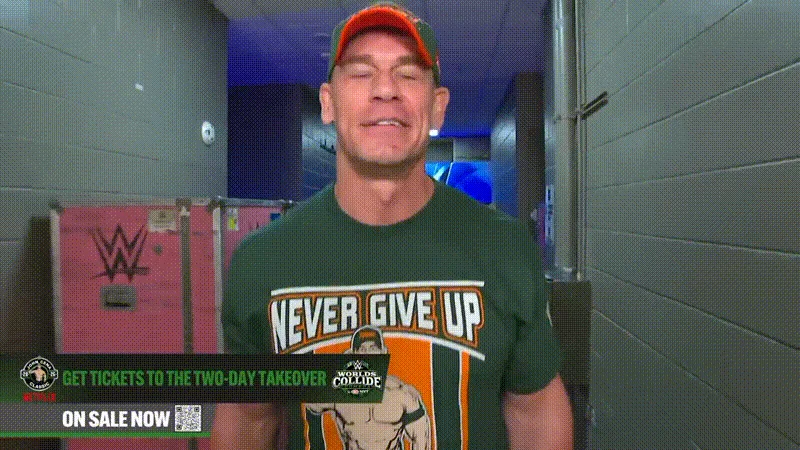
However, that audience interest does not change the professional boundaries he has established. His future involvement can draw upon his experience, reputation, and understanding of WWE without requiring another match. The developing John Cena Classic and his continuing entertainment career also provide context for a post-retirement chapter that extends beyond active wrestling.
The contrast between Cena’s wrestling career and his entertainment activities illustrates how his professional priorities have evolved. His appearance at the premiere of Matchbox: The Movie demonstrates that acting and promotional responsibilities remain important parts of his schedule. These activities allow him to continue performing for audiences in a different capacity while maintaining his connection with WWE. His public comments do not suggest that one career must completely replace the other. Instead, retirement from in-ring competition creates room for responsibilities that do not involve the same physical demands.
Cena can remain recognizable to wrestling fans while continuing to pursue opportunities in film and other entertainment projects. This transition reflects the difference between ending a specific form of performance and withdrawing from public life altogether.
Ultimately, John Cena’s comments throughout 2026 establish a clear distinction between missing WWE competition and intending to return to it. His final match against Gunther on December 13, 2025, remains the conclusion of his announced wrestling career. Subsequent interviews have reinforced that he can remain involved with WWE through noncompetitive responsibilities without resuming physical performance.
His remarks about changing his presentation demonstrate an effort to communicate that distinction consistently to audiences. Although retirement does not erase his emotional connection to wrestling, it establishes a boundary he has repeatedly expressed an intention to maintain. His evolving relationship with WWE, continued entertainment work, and interest in the company’s future provide opportunities for meaningful participation beyond the ring. Rather than signaling another comeback, Cena’s public position presents retirement as the beginning of a different professional chapter built upon the legacy of his completed competitive career.

Why John Cena Retired from WWE at 48, His Final Match Against Gunther, and Whether He Will Wrestle Again
John Cena’s retirement from WWE in-ring competition remains permanent under the position he has publicly maintained throughout 2026. The 17-time world champion concluded his wrestling career on December 13, 2025, after facing Gunther in the main event of Saturday Night’s Main Event at Capital One Arena in Washington, D.C. Cena was 48 years old when the match took place, ending a farewell tour that had allowed fans to celebrate his career throughout 2025.
Since then, he has consistently distinguished between continuing his relationship with WWE and returning to physical competition. His public statements leave room for appearances, interviews, hosting responsibilities, and other noncompetitive activities without suggesting that another wrestling match is planned. This distinction is important because major WWE appearances can generate comeback speculation even when the performer has explicitly ruled out competing again.
Cena originally announced his retirement plans during Money in the Bank in Toronto in July 2024. WWE confirmed that his final year of in-ring competition would take place in 2025, establishing a farewell period rather than an immediate departure. The announcement identified the following year’s Royal Rumble, Elimination Chamber, and WrestleMania 41 as his final appearances at those particular events.
However, those statements did not mean that WrestleMania 41 would be his final wrestling match altogether. WWE subsequently confirmed that his last contest would headline Saturday Night’s Main Event on December 13, 2025. That announcement established the definitive endpoint of his farewell tour and provided a clear date for his retirement from competitive performance. The distinction between his 2024 announcement, 2025 farewell appearances, and December final match is essential for understanding the chronology of his departure.
Cena’s age at retirement is another detail that requires clarification. He was 48 when he competed against Gunther on December 13, 2025, although he was 49 during the interviews in October 2026 discussing his post-retirement plans. His age during those later conversations should not be substituted for his age when he stopped wrestling.
This distinction matters because discussions about retirement frequently combine the original announcement, final match, and subsequent public comments into one event. In Cena’s case, those milestones occurred across three separate years. The retirement decision was announced in 2024, the farewell tour and final match occurred in 2025, and his explanations about future WWE involvement continued in 2026. Keeping these events separate provides a more accurate account of his career transition.
A planned farewell tour gave Cena and WWE an opportunity to recognize his achievements while gradually preparing audiences for the end of his competitive career. Rather than leaving without a defined conclusion, Cena participated in a final period of appearances intended to acknowledge his history with the company. This approach allowed fans to revisit familiar elements of his wrestling identity while following the progression toward his last match.
However, a farewell tour also creates storytelling challenges because WWE must balance celebration with the demands of ongoing programming. If every appearance functions exclusively as a tribute, the matches may lose competitive urgency. Conversely, failing to recognize the importance of the occasion could leave audiences feeling that the retirement was not given sufficient attention. Cena’s farewell therefore needed to acknowledge his legacy while maintaining the dramatic structure of professional wrestling.
Gunther became Cena’s final opponent after securing the opportunity through The Last Time Is Now Tournament. WWE confirmed that their meeting would represent Cena’s last match, giving the encounter significance beyond an ordinary contest. Gunther’s involvement also created an opportunity to connect Cena’s established legacy with a prominent performer who would continue competing after his retirement. The match therefore carried both personal and broader storytelling importance. For Cena, it represented the conclusion of his scheduled in-ring career. For Gunther, facing a major figure in WWE history provided an opportunity to participate in a defining moment. The final result would determine how that transition was presented to audiences.
The match ended with Gunther defeating Cena by forcing him to submit to a sleeper hold. WWE’s official recap documented several major offensive moments for Cena, including an Attitude Adjustment through the announce table and an Avalanche Attitude Adjustment. These sequences demonstrated that the match was presented as a competitive encounter rather than simply a ceremonial farewell. Despite Cena’s significant offense, neither move secured the victory. Gunther ultimately applied the sleeper hold and forced the submission that concluded Cena’s final contest. The result gave the retirement a decisive ending while allowing Gunther to achieve an important victory. It also provided a moment that contrasted sharply with the perseverance traditionally associated with Cena’s wrestling character.
The submission finish became particularly significant because Cena’s WWE identity had long emphasized determination and the refusal to surrender. His character was closely associated with overcoming adversity, making a final defeat by submission emotionally striking for many viewers. However, a farewell victory and a farewell defeat can serve different purposes within professional wrestling storytelling.
A victory can provide a celebratory conclusion that reassures audiences and allows the departing performer to end on a triumphant note. A defeat can emphasize the transition between generations by giving the remaining competitor a consequential achievement. Neither approach is inherently required for a meaningful retirement. Cena’s final loss therefore invited discussion about the type of ending WWE selected rather than automatically establishing that the farewell was unsuccessful.
The result should also be understood within the nature of professional wrestling. Although performers engage in genuine athletic activity, match outcomes are predetermined as part of the entertainment’s storytelling structure. Losing by submission does not independently establish that Cena was physically incapable of continuing his career. It also does not provide evidence of a particular medical condition or injury.
His retirement should instead be explained through the professional boundaries and future priorities he has publicly discussed. The match outcome served a narrative purpose while establishing the documented conclusion of his competitive career. Treating the scripted defeat as a medical assessment would introduce speculation unsupported by the available information. The significance of the finish lies in how it concluded his wrestling story.
WWE also presented a postmatch ceremony that provided a symbolic conclusion to Cena’s career. Cody Rhodes and CM Punk offered their championship belts as gestures of respect, acknowledging the achievements and influence of the departing performer. Cena subsequently left his boots in the ring before saying goodbye, creating a final visual statement associated with his retirement. These gestures reinforced the emotional importance of the occasion without changing the result of the match. The championship belts were part of a ceremonial tribute rather than an official title transfer. Cena did not receive another championship reign through the postmatch presentation. The distinction matters because symbolic recognition and competitive achievements have different meanings within WWE’s official records.
Cena’s decision to retire should also be understood through his own public explanations rather than assumptions about his health or contractual circumstances. Professional wrestling places significant physical demands on performers, particularly those who have competed for many years. However, attributing Cena’s retirement to a specific injury, diagnosis, or inability to wrestle would require evidence beyond the information provided in his public statements.
His comments have instead emphasized leaving physical performance behind and pursuing the next stage of his professional life. He has not presented retirement as a temporary break before another scheduled match. His position reflects a deliberate decision to change how he participates in WWE. This distinction allows his retirement to be understood without inventing undisclosed medical restrictions or disagreements.
Cena reinforced that position during his October 5, 2026, appearance on NBC’s TODAY. As transcribed by PWInsider, he stated, “There is no chance that I’ll perform again physically.” The wording directly addressed speculation about whether his retirement might eventually lead to another match. It also extended beyond the question of maintaining a regular wrestling schedule because Cena ruled out physical performance itself. During the same conversation, he discussed the John Cena Classic as an example of his continued involvement with WWE. This demonstrated that he could participate in company activities without returning to the competitive responsibilities of an active wrestler. His statement therefore established a distinction between remaining visible in WWE and resuming the physical demands of wrestling.
That boundary is particularly important because WWE appearances can involve several different responsibilities. An active wrestler prepares for matches, participates in physical storylines, and performs athletic sequences as part of the company’s programming. A retired performer can instead serve as a host, spokesperson, presenter, or participant in noncompetitive activities. Both roles may involve appearing before an audience or standing inside a wrestling ring. However, the location of an appearance does not determine whether it represents a competitive comeback. WWE regularly uses the ring for interviews, announcements, ceremonies, and celebrations in addition to matches. Consequently, seeing Cena inside a WWE ring would not establish that he intends to wrestle again.
The same distinction applies to photographs, promotional announcements, and headlines describing Cena’s return to WWE. Such wording can refer to a scheduled appearance or involvement in a company initiative rather than a reversal of retirement. A promotional event bearing Cena’s name does not automatically establish that he will compete. Likewise, a photograph showing him interacting with current wrestlers does not prove that a physical storyline is being developed.
His stated plans exclude returning to in-ring performance, making additional evidence necessary before any comeback claim can be treated as credible. An official announcement confirming a new match would directly contradict his current position, but no such development is established by the supplied information. Until that changes, his appearances should be interpreted according to their announced purpose.
Cena’s public position also explains why the possibility of a one-off match should not be treated differently from a full-time comeback. His October comments ruled out physical performance rather than merely declining to return to a demanding regular schedule. That wording does not support claims that he is secretly preparing for one final rivalry, surprise attack, or championship challenge.
Professional wrestling has a history of unexpected returns, but that tradition does not establish Cena’s intentions. Speculation about hypothetical opponents or commercially attractive matchups remains separate from the plans he has announced. The fact that a return could attract attention does not mean that he intends to pursue one. His position should therefore be understood as excluding further matches unless he makes a new statement or WWE officially confirms a change.
There is an emotional reason why questions about another match continue to follow Cena. Major wrestling performers develop lasting relationships with audiences through memorable rivalries, championship victories, entrances, and shared experiences. A farewell tour can intensify those connections by reminding fans of the moments they associate with a particular career. Even after a definitive final match, viewers may imagine another encounter with a familiar opponent or one additional opportunity to see a favorite performer compete. Such expectations are understandable within professional wrestling’s storytelling culture. However, audience enthusiasm does not establish the performer’s professional intentions. Cena can remain important to WWE fans without providing another match.
His comments also demonstrate that retirement does not necessarily eliminate emotional attachment to wrestling. A performer may miss the excitement of live audiences, the relationships developed backstage, or the satisfaction associated with performing. Those feelings can continue even when the decision to retire remains unchanged. Cena’s post-retirement involvement allows him to maintain a connection with WWE while avoiding the responsibilities he has chosen to leave behind. This creates opportunities for him to contribute his experience and public recognition in different ways. The John Cena Classic represents one example of how his name and legacy can remain connected with company programming. His future involvement can therefore have significance without recreating the physical career that ended in December 2025.
Maintaining a permanent retirement also gives the farewell match a stable meaning. If Cena’s encounter with Gunther remains his final contest, audiences can revisit it as the definitive conclusion of his competitive wrestling career. The emotional force of the submission finish and postmatch ceremony depends partly on that sense of finality. Repeatedly returning for additional matches could change how the original farewell is understood. By consistently ruling out another physical performance, Cena reinforces the significance of the ending he established. This does not require him to disappear from WWE programming or abandon his relationships with the company. Instead, it allows the retirement to remain meaningful while his public role continues evolving.
The transition also demonstrates that retirement from professional wrestling is not necessarily retirement from entertainment or public life. Cena can continue pursuing professional goals while remaining associated with WWE through appearances and other noncompetitive responsibilities. His experience as a wrestler gives him recognition and credibility that can contribute to future company initiatives.
However, those opportunities do not require him to resume training for matches or participate in physical storylines. His public statements suggest that he wants audiences to understand this new relationship clearly. By distinguishing competitive performance from other forms of participation, Cena can remain involved without encouraging expectations that contradict his retirement. This provides a framework for interpreting future appearances in a way that respects the boundaries he has established.
Ultimately, Cena’s final match against Gunther on December 13, 2025, remains the documented endpoint of his WWE in-ring career. His farewell tour provided a structured conclusion, while the submission defeat and postmatch ceremony gave that ending its emotional and symbolic significance. The championship tribute acknowledged his legacy without awarding another title, and the result itself should not be interpreted as evidence of a medical reason for retirement.
His October 2026 comments reinforced that he has no intention of returning to physical performance, even as he continues participating in WWE-related activities. Although fans may continue imagining another match, speculation does not override the plans he has publicly announced. The most accurate conclusion is that Cena has ended his competitive role while remaining connected to WWE through a different set of responsibilities. His retirement therefore represents a transition into the next chapter of his career rather than a temporary interruption before another scheduled in-ring appearance.

John Cena’s WWE Retirement Legacy, 17 World Championships, Fan Reactions, and Future WWE Appearances
John Cena’s WWE retirement marks the conclusion of a career defined by championship achievements, memorable rivalries, character transformations, charitable contributions, and a lasting connection with wrestling audiences. Although his final match against Gunther took place on December 13, 2025, Cena’s involvement with WWE has continued through appearances and initiatives that do not require him to return to physical competition. His legacy includes 17 world championship reigns recognized by WWE, along with accomplishments across several other championship divisions.
His farewell year also featured significant developments, including a controversial character change, a record-setting victory at WrestleMania 41, and the completion of his Grand Slam achievement. These milestones demonstrate why his final year cannot be summarized through the result of one match alone. They also provide context for the emotional reactions surrounding his retirement and the continued interest in his future WWE activities.
Cena’s most significant championship milestone occurred at WrestleMania 41 in April 2025, when he defeated Cody Rhodes to capture his 17th world championship. WWE’s official biography identifies the victory as the record-setting achievement that distinguished Cena’s farewell year. The event’s numbering is particularly important because WrestleMania 41 took place during his 2025 retirement tour, while WrestleMania 42 belongs to the following year.
Confusing the two events would incorrectly place one of Cena’s defining accomplishments outside the period in which he was still competing. The victory also reinforced his position as one of WWE’s most decorated performers at a time when his retirement was approaching. Rather than simply revisiting past achievements, Cena added another major accomplishment to his career before its conclusion. This made the farewell tour an active part of WWE’s ongoing championship storytelling rather than a series of ceremonial appearances.
His final year also included a major transformation in his established wrestling character. Following the 2025 Elimination Chamber match, WWE documented Cena’s attack on Cody Rhodes, establishing a villainous turn that changed the direction of his retirement storyline. The development was particularly striking because Cena had long been associated with perseverance, determination, and a recognizable heroic identity.
Presenting him in a more antagonistic role challenged the expectations of audiences preparing to celebrate his final competitive year. It also created a more complicated narrative than a farewell built entirely around nostalgia and appreciation. Instead of presenting Cena exclusively as a retiring legend receiving tributes, WWE introduced conflict that allowed him to participate in a different kind of storyline. This demonstrated that his farewell tour remained part of the company’s active programming rather than existing separately from it.
The character change added another dimension to Cena’s WrestleMania 41 championship victory. His pursuit of a record-setting world title became connected to a controversial change in behavior rather than simply representing a familiar heroic achievement. That approach encouraged audiences to reconsider a performer whose identity had remained recognizable for many years. However, the transformation was not permanent throughout the entire farewell period. WWE’s official biography records that Cena returned to his earlier demeanor before SummerSlam 2025.
This reversal allowed the later stages of his retirement tour to reconnect with the characteristics audiences had traditionally associated with him. The combination of a villainous turn and a return to his familiar character made the farewell year more varied than a straightforward celebration of past accomplishments.
Cena’s championship achievements continued after his return to his established presentation. In November 2025, he captured the Intercontinental Championship for the first time, completing his WWE Grand Slam achievement. WWE separately published footage celebrating the milestone on November 10, emphasizing its importance within his extensive championship history. The victory filled a notable gap in a career already defined by multiple major titles. It also provided another achievement during the final weeks of his competitive career. However, Cena did not retain the Intercontinental Championship through his last match. Dominik Mysterio regained the title at Survivor Series: WarGames on November 29, 2025, meaning Cena’s December 13 encounter with Gunther was not the conclusion of an ongoing Intercontinental Championship reign.
These developments demonstrate why Cena’s farewell should be examined through several distinct milestones. His WrestleMania 41 victory established a new world championship record, while the earlier character change introduced controversy into the retirement storyline. The subsequent return to his familiar presentation reconnected him with the character traits associated with much of his career.
His first Intercontinental Championship completed another major achievement before the end of the year. Losing that title before his final match allowed the farewell encounter with Gunther to carry significance beyond a championship defense. The submission defeat then provided a definitive competitive conclusion to a year filled with different narrative developments. Each milestone served a separate purpose, making the retirement story more complex than a simple victory or defeat.
Cena’s broader WWE record extends beyond his 17 world championship reigns. WWE’s official final match announcement also identifies five United States Championship reigns and two Royal Rumble victories among his accomplishments. These achievements reflect his long-term position across different stages of the company’s programming. World championship victories demonstrate his success at the highest level of WWE competition, while his United States Championship reigns and Royal Rumble wins represent other important aspects of his career. The Intercontinental Championship victory further expanded that record by completing his Grand Slam achievement. However, championship totals alone cannot fully describe a wrestler’s influence. Longevity, adaptability, audience recognition, memorable performances, and contributions to the company’s presentation also form important parts of Cena’s legacy.
The distinction between championship statistics and broader influence is particularly important when evaluating a performer whose career extended across different eras of WWE. Titles provide measurable records, but they do not necessarily capture the relationships audiences develop with particular wrestlers. Cena’s recognizable persona, signature moves, and consistent presence made him an important figure for generations of fans.
His career also involved adapting to different opponents, storylines, and expectations as WWE’s presentation evolved. The controversial developments of his farewell year demonstrated that his character could still generate strong reactions even as retirement approached. His final match against Gunther then brought those competing elements together through a definitive ending. The emotional significance of that conclusion cannot be measured solely by the number of championships he won.
Cena’s public influence also extends beyond the fictional rivalries and competitive achievements associated with WWE. His charitable involvement with Make-A-Wish represents another important part of his legacy. Guinness World Records verified that he had granted 650 wishes through the organization as of July 19, 2022. This established a documented achievement reflecting his long-standing commitment to meeting children through the charity.
However, the figure should be presented as a dated verified record rather than an independently audited total for October or November 2026. Without updated confirmation, it would be inaccurate to assume that the same number represents his complete charitable involvement at a later date. The distinction preserves the significance of the verified achievement without extending the evidence beyond what has been established.
His Make-A-Wish record also demonstrates why Cena’s public reputation cannot be evaluated exclusively through wrestling storylines. Championship victories and character developments belong to WWE’s entertainment structure, while charitable appearances involve direct relationships with people outside that fictional setting. These activities contributed to his recognition among audiences who may not have followed every stage of his wrestling career. They also form part of the broader public identity associated with him beyond the ring. The verified 650-wish milestone provides a concrete example of that influence. However, it remains separate from his championship statistics and should not be treated as another competitive achievement. Considering both aspects creates a more complete understanding of why his retirement attracted attention beyond ordinary wrestling coverage.
Fan reactions to Cena’s final match against Gunther also form an important part of his retirement legacy. WWE published footage showing audience responses to the submission defeat, confirming that the ending generated visible reactions among those watching. However, those recordings do not establish what every fan thought about the result. Some viewers may have preferred Cena to finish his career with a victory, particularly because his character had long been associated with overcoming adversity. Others may have considered Gunther’s win an effective way to give a current performer a consequential achievement. Both interpretations are consistent with the different storytelling purposes that a farewell match can serve. Neither should be presented as the universally accepted response without representative evidence.
A farewell victory and a farewell defeat communicate different ideas to audiences. A victory can provide celebration, reassurance, and a final moment of triumph for a retiring performer. A defeat can emphasize the transition between generations and allow the remaining wrestler to gain recognition from defeating an established figure. Cena’s submission loss to Gunther encouraged discussion because it contrasted with the perseverance associated with much of his career.
However, disagreement about the result does not necessarily mean that audiences rejected the significance of his retirement. A viewer can dislike the finish while still appreciating the match and respecting Cena’s decision to stop competing. Likewise, someone who supports the storytelling choice may still feel disappointed about never seeing him wrestle again. These reactions can coexist without requiring one interpretation to represent the entire audience.
The same caution applies to claims about how fans responded to Cena’s permanent retirement. Some viewers may continue imagining potential comeback matches because of their emotional connection to his career. Others may consider the finality of his December 2025 appearance an important part of its meaning. The existence of speculation does not prove that a majority of fans want him to reverse his decision.
Similarly, visible disappointment does not establish that audiences believe the retirement was a mistake. Without representative polling or other reliable measurements, claims that all fans opposed the ending or that most supported it would go beyond the available evidence. The strongest conclusion is that Cena’s farewell generated meaningful discussion because his career remained important to different groups of viewers. Its lasting significance does not depend on universal agreement about the final match result.
Cena’s future WWE involvement provides another important element of his post-retirement legacy. Although he has ruled out returning to physical competition, he has continued discussing ways to remain connected with the company. The John Cena Classic is the clearest announced example of this evolving relationship. WWE introduced the initiative at Backlash on May 9, 2026, describing an event involving WWE and NXT Superstars, the selection of a new champion, and a role for the audience’s voice.
The concept connects Cena’s established identity with opportunities for other performers rather than positioning him as an active competitor. This distinction allows his name and reputation to contribute to WWE programming without undermining the retirement boundary he has repeatedly established. It also provides a practical example of how a former wrestler can remain influential after ending an in-ring career.
During his October 5, 2026, appearance on NBC’s TODAY, Cena confirmed that the John Cena Classic was intended to take place in December 2026. He described an initiative drawing upon the values and history associated with his character while giving the audience a role in determining the champion. PWInsider published his explanation that day, providing additional context for the announced concept.
However, the confirmed December timeframe should not be confused with a complete event schedule. The available information does not establish a specific date, venue, full participant list, broadcast arrangement, or detailed voting procedure. These missing details are important because they will determine how the initiative operates in practice. Until WWE publishes the complete structure, the John Cena Classic should be described according to its announced purpose rather than an assumed tournament format.
The voting element is particularly significant because audience participation can function in several different ways. Viewers might be asked to evaluate match performances, personal qualities, competitive results, or other characteristics associated with the event. However, WWE has not established which criteria will determine the champion or when voting will take place.
A conventional elimination tournament, a showcase followed by audience voting, and a recognition event could produce very different experiences. These possibilities should not be confused with confirmed rules. If the audience is responsible for choosing a champion, clear instructions will be necessary to explain what participants are being evaluated on. The relationship between competitive performance and audience judgment will be especially important. For now, the existence of an audience role is confirmed, while its exact implementation remains unannounced.
The involvement of both WWE and NXT talent creates an opportunity to connect different parts of the company’s programming. NXT performers may be less familiar to audiences who primarily follow WWE’s major weekly shows and premium live events. An initiative associated with Cena’s name could attract attention to those wrestlers and introduce them to a broader audience. However, the announcement does not establish which performers will participate or how they will be selected.
The potential benefit depends on whether the event provides enough context for viewers to understand the participants’ characters, abilities, and accomplishments. Recognition from a famous name can create an opportunity, but individual performances remain important in establishing audience interest. The John Cena Classic could therefore serve as a platform for other wrestlers while drawing upon Cena’s established connection with WWE audiences.
The values associated with Cena’s character may also influence how the event is presented. His wrestling identity has long emphasized perseverance, determination, and overcoming challenges. An initiative built around those themes could provide a recognizable foundation for selecting or celebrating a champion.
However, the relationship between those values and the competitive structure has not yet been explained. WWE will need to clarify whether the event rewards match results, personal resilience, crowd connection, or some combination of factors.
Without official rules, assigning specific evaluation criteria would be speculative. The announced concept nevertheless fits Cena’s transition because it uses his established identity to support other performers rather than requiring him to compete. His role can remain meaningful even when the physical achievements belong to someone else.
The John Cena Classic also illustrates how a retired performer can contribute to wrestling through recognition and representation. Cena’s involvement can help attract attention to an event, communicate its purpose, and connect current talent with the history of WWE. These responsibilities differ from preparing for matches or participating in physical storylines. His name can provide continuity between his completed career and the development of newer performers. This approach preserves the significance of his retirement while allowing his influence to continue. It also creates opportunities for fans to engage with his legacy through current WWE programming rather than relying exclusively on nostalgic appearances. The initiative therefore represents a concrete example of how his relationship with the company is evolving.
Other potential WWE responsibilities remain less clearly defined. During his August 2026 appearance on Conan O’Brien Needs a Friend, Cena discussed his changing role and the importance of presenting himself in a way that communicated his retirement from physical competition. His comments suggested an increasing emphasis on promotion and representation rather than active wrestling. However, those statements do not establish a permanent managerial position, fixed television schedule, or particular backstage assignment.
Mentorship, hosting, and promotional appearances are possible forms of involvement, but they should not be described as confirmed responsibilities without an official announcement. Cena’s future role remains in development, and his public comments indicate that its presentation may continue evolving. The clearest established boundary is that his announced plans exclude further physical competition.
The possibility of continued WWE appearances does not contradict the permanent nature of Cena’s retirement. A performer can remain connected with a company through interviews, ceremonies, promotional activities, and special initiatives without returning to the ring as an active wrestler. Cena’s October explanation placed the John Cena Classic alongside his refusal to perform physically again. This directly connects his future involvement with the boundaries he has established. The event is therefore not evidence of a planned comeback or an extension of his farewell tour. Instead, it demonstrates how his career achievements can support current WWE programming. The distinction is especially important because headlines about his return to the company could otherwise be mistaken for announcements of another match.
His developing role also creates opportunities to preserve the meaning of his final competitive appearance. The December 13, 2025, match against Gunther established a definitive endpoint to his in-ring career, while the postmatch ceremony acknowledged his achievements and influence.
Continuing to appear in noncompetitive capacities allows Cena to remain visible without changing that conclusion. The John Cena Classic can connect his values and reputation with newer performers, creating a different kind of contribution. His championship record remains intact, and the farewell match retains its significance as the conclusion of his competitive story. The audience can continue celebrating his accomplishments without requiring another championship pursuit or rivalry. In this way, his post-retirement involvement builds upon his legacy rather than reopening the career that has already ended.
The broader significance of Cena’s retirement lies in the relationship between measurable achievements and enduring audience attachment. His 17 world championships, five United States Championship reigns, two Royal Rumble victories, and completed Grand Slam establish a substantial competitive record within WWE. His character transformations and memorable storylines demonstrate his adaptability across different periods of his career.
The Make-A-Wish record reflects a documented charitable contribution beyond wrestling entertainment. His final match and the reactions surrounding it show that audiences remain emotionally invested in the meaning of his departure. Meanwhile, the John Cena Classic offers a way to connect that history with the company’s current and developing talent. These different aspects demonstrate why Cena’s influence cannot be reduced to the number of titles he held or the result of his last match.
Ultimately, John Cena’s WWE legacy combines championship success, character development, public influence, charitable contributions, and an ongoing connection with wrestling audiences. His farewell year included a record-setting world championship victory, a controversial villainous turn, a return to his familiar character, and the Intercontinental Championship win that completed his Grand Slam. His final match against Gunther concluded the competitive chapter, while the postmatch ceremony provided a symbolic tribute to his career.
Fan reactions to that ending remain open to different interpretations, reflecting the emotional significance of a performer whose career influenced multiple generations. The John Cena Classic demonstrates that retirement does not require a complete separation from WWE, allowing his experience and reputation to support other wrestlers. However, the details of that event and his broader future responsibilities remain subject to official confirmation. Cena’s next chapter is therefore defined not by another match, but by how his established legacy can continue contributing to WWE after his competitive career has ended.

John Cena’s Hollywood Career, Matchbox: the Movie, and Life After WWE Retirement
John Cena’s Hollywood career continues following his retirement from WWE in-ring competition, marking a new phase in his professional life without ending his connection to wrestling. Although his final WWE match took place against Gunther on December 13, 2025, Cena had already established himself in film and television before concluding his competitive career. His retirement therefore represents a change in professional priorities rather than the beginning of an entirely new entertainment career.
He can continue accepting acting roles, attending premieres, and promoting film projects while maintaining a noncompetitive relationship with WWE. This distinction is important because his continued public appearances do not automatically indicate that he intends to return to wrestling. Instead, they demonstrate how his experience as a performer can remain relevant across different forms of entertainment.
One of Cena’s most significant recent film projects is Matchbox: The Movie, which Apple released globally on Apple TV on October 9, 2026. The film’s New York premiere took place on October 5, providing the setting for the interview in which Cena discussed his retirement and acknowledged missing WWE performances. Directed by Sam Hargrave, the movie draws inspiration from the recognizable Matchbox toy brand and features Cena as Sean, an undercover CIA agent whose return draws his childhood friends into an international pursuit.
Apple’s official film information also identifies Jessica Biel, Sam Richardson, and Arturo Castro among the supporting cast. The project combines action-oriented storytelling with an ensemble cast, placing Cena within a different entertainment environment from his former WWE career. Its October release also establishes that the film is a recent project rather than an upcoming title as of November 2026.
The timing of Matchbox: The Movie illustrates why film reporting must distinguish between production announcements, promotional events, premieres, and official releases. A project can attract attention through casting news or trailers long before audiences can watch the completed film. Its premiere may take place several days before the public streaming or theatrical release, creating separate milestones that should not be treated as interchangeable. In this case, the October 5 premiere provided the opportunity for Cena’s retirement comments, while the film became available globally on Apple TV on October 9.
Describing the movie as an upcoming October release after that date would therefore be inaccurate. The correct context is that Cena was promoting a newly completed and released entertainment project while discussing his post-wrestling career. Keeping these dates clear helps explain the connection between his Hollywood activities and the renewed public interest in his WWE future.
Cena’s transition also demonstrates the differences between professional wrestling and film acting. In WWE, he developed a recognizable character through repeated appearances, long-running rivalries, live performances, and direct interaction with audiences. His identity was reinforced over many years through entrance music, signature moves, championship pursuits, and familiar personality traits. Film acting operates differently because a character generally needs to establish an identity within a particular story rather than relying on years of shared history with viewers.
The performance is also shaped by the director, supporting cast, screenplay, cinematography, and editing. Although Cena’s physical presence and wrestling reputation may initially attract attention, the effectiveness of a movie role depends on how those elements contribute to the finished production. His portrayal of Sean in Matchbox: The Movie therefore belongs to a separate creative context from his established WWE persona.
The production process also differs substantially between live wrestling and filmmaking. Professional wrestling requires performers to execute planned physical sequences while responding to the atmosphere of a live audience. Timing, movement, communication, and physical coordination must operate within the immediate conditions of the event. Filmmaking generally allows scenes to be developed through rehearsal, multiple takes, camera placement, and editing before audiences see the completed performance. These methods provide different opportunities for constructing action and character interactions.
However, they do not eliminate the demands of acting or mean that screen performances require no physical preparation. The difference lies in how the final performance is created and presented. Cena’s decision to retire from wrestling should therefore be understood as stepping away from a particular form of physical competition rather than abandoning demanding professional work altogether.
His continuing film career also provides context for why he can miss WWE without wanting to compete again. Cena has publicly acknowledged the emotional attachment associated with performing before wrestling audiences, but that appreciation does not require him to resume his former responsibilities. Acting allows him to continue entertaining viewers through characters and stories developed outside WWE’s competitive structure.
Promotional appearances, interviews, and premieres also provide opportunities to engage with audiences without participating in wrestling matches. His public visibility can therefore remain substantial even though his in-ring career has ended. This arrangement is consistent with his repeated statements that future WWE involvement will not include physical performance. The two careers can continue to coexist without undermining the significance of his retirement.
Cena’s Hollywood work and his relationship with WWE should not be treated as mutually exclusive commitments. A film actor can participate in promotional campaigns, production schedules, and other entertainment activities while still appearing occasionally in a noncompetitive capacity for a wrestling company. Such responsibilities differ from maintaining the training, travel, and physical commitments associated with active wrestling. Cena’s evolving WWE role can involve representation, announcements, or other activities that draw upon his experience without requiring another match.
At the same time, his acting projects allow him to establish characters and performances beyond the identity audiences associate with his wrestling career. This creates a professional structure in which both areas of entertainment remain part of his public life. His retirement changes the balance between those responsibilities rather than requiring him to sever every connection with WWE.
The distinction is also important when interpreting reports about his future movies. A confirmed acting role does not automatically establish when the film will be released, just as participation in a particular franchise does not guarantee involvement in every subsequent installment. Production announcements, casting confirmations, filming schedules, and distribution plans are separate developments that require their own supporting evidence. Similarly, Cena’s availability for acting work does not establish that an unannounced film is already in production.
The verified information provided for this discussion establishes Matchbox: The Movie as an October 2026 release, but it does not provide a complete confirmed calendar of his future projects. Any claims about additional sequels, release dates, or production commitments would therefore require further official announcements. Keeping that distinction clear prevents speculation from being presented as part of his established Hollywood schedule.
Cena’s post-retirement entertainment career also reflects how a performer’s public identity can evolve without losing the significance of earlier achievements. His WWE history remains an important part of how audiences recognize him, particularly after a career associated with major championship victories and memorable performances. However, his acting work allows him to develop roles that are not defined entirely by the character he portrayed in wrestling.
The connection between those identities can still be valuable because longtime fans may follow his projects out of interest in his broader career. Nevertheless, each film must establish its own story, tone, and characters. Cena’s involvement provides continuity for audiences familiar with him, but the creative success of a movie depends on the complete production rather than his wrestling reputation alone. His ongoing film work therefore represents an opportunity to expand his professional identity while preserving the legacy of his completed competitive career.
Ultimately, John Cena’s Hollywood career demonstrates that retirement from WWE competition does not mean retirement from entertainment. His appearance in Matchbox: The Movie, released globally on Apple TV on October 9, 2026, provides a concrete example of the work continuing after his final wrestling match. The film’s premiere also became the setting for comments that clarified his emotional connection to WWE without suggesting a competitive comeback.
His acting career and nonphysical WWE involvement can exist alongside one another because they require different forms of participation. Although his future film schedule cannot be established beyond the confirmed information available, his current activities demonstrate that he remains professionally active. The transition allows Cena to continue engaging audiences through new characters and projects while maintaining the retirement boundary he has repeatedly emphasized. Rather than returning to the ring, his next chapter focuses on developing an entertainment career that builds upon, but is no longer defined exclusively by, his accomplishments in WWE.
Frequently Asked Questions (FAQs)
- Has John Cena officially ruled out another WWE match?
Yes, John Cena has repeatedly stated throughout 2026 that he does not intend to return to physical competition in WWE. During his October 5 appearance on NBC’s TODAY, he reinforced that position by declaring there was no chance he would perform physically again. His comments followed earlier interviews in which he distinguished continued involvement with WWE from participating in another wrestling match. Cena has explained that retirement does not prevent him from appearing on company programming or supporting future initiatives. However, those activities are different from preparing for matches and taking part in physical storylines. His current position is therefore that his in-ring career has ended, and any claim of a comeback would require a new statement or official announcement contradicting that decision. - When did John Cena have his final WWE match?
John Cena competed in his final WWE match on December 13, 2025, during Saturday Night’s Main Event at Capital One Arena in Washington, D.C. The match represented the conclusion of his farewell tour, which followed his original retirement announcement at Money in the Bank in July 2024. Throughout 2025, Cena made his final appearances at several major WWE events, including Royal Rumble, Elimination Chamber, and WrestleMania 41. However, those earlier appearances did not mark the end of his competitive career. WWE specifically identified the December 13 match as his last contest, giving fans a definitive conclusion to his retirement journey. Although Cena has continued discussing WWE and participating in noncompetitive activities, those appearances have not changed the established date of his final match. - Who defeated John Cena in his retirement match?
Gunther defeated John Cena by submission during their December 13, 2025, match at Saturday Night’s Main Event. Gunther earned the opportunity to face Cena through The Last Time Is Now Tournament, making the encounter an important part of WWE’s farewell storyline. During the match, Cena delivered significant offense, including an Attitude Adjustment through the announce table and an Avalanche Attitude Adjustment. However, neither move secured the victory, and Gunther eventually forced him to submit to a sleeper hold. The result was particularly emotional because Cena’s wrestling character had long been associated with perseverance and refusing to surrender. Afterward, Cody Rhodes and CM Punk participated in a ceremonial championship tribute, while Cena left his boots in the ring. Those gestures honored his career but did not change the match result or award him another championship. - How old was John Cena when he retired?
John Cena was 48 years old when he competed in his final WWE match against Gunther on December 13, 2025. He had announced his retirement plans during Money in the Bank in July 2024, before completing his farewell tour the following year. By October 2026, when he gave additional interviews about his decision to remain retired, Cena was 49. This distinction matters because reports discussing his retirement sometimes combine the original announcement, final match, and later public statements. His age at the time of a subsequent interview should not be used to describe how old he was during his final competitive appearance. The accurate timeline is that Cena announced his retirement plans in 2024, completed his wrestling career at 48 in 2025, and continued discussing his post-retirement responsibilities at 49 in 2026. - Does John Cena still miss wrestling?
Yes, John Cena has openly acknowledged that he misses performing in WWE despite remaining committed to retirement. During an interview with PEOPLE at the October 5, 2026, premiere of Matchbox: The Movie, he explained that he misses performing every day. However, he distinguished those emotions from deciding whether returning to physical competition would be appropriate. Years of live performances, interactions with audiences, and relationships with fellow wrestlers naturally created experiences that remain meaningful to him. Missing those experiences does not necessarily mean he regrets retiring or intends to schedule another match. Cena’s comments demonstrate that he can maintain a strong emotional connection to wrestling while accepting that his competitive career has reached its conclusion. - Can John Cena appear on WWE television without coming out of retirement?
Yes, John Cena can continue appearing on WWE television without reversing his retirement because not every appearance involves physical competition. Wrestlers and former performers regularly participate in interviews, ceremonies, promotional segments, announcements, and hosting assignments without competing in matches. Cena has specifically explained that his future involvement with WWE will exclude physical performance, allowing him to maintain a relationship with the company in a different capacity. His developing involvement with the John Cena Classic provides an example of how his reputation can support current talent without requiring him to wrestle. Even appearing inside a WWE ring would not automatically constitute a comeback because the ring is also used for noncompetitive segments. A genuine return to wrestling would require evidence of planned physical involvement rather than simply an announcement that Cena is appearing on WWE programming. - How many world championships did John Cena win?
WWE officially recognizes John Cena as a 17-time world champion, making his championship record one of the defining achievements of his career. He secured his record-setting 17th world championship by defeating Cody Rhodes at WrestleMania 41 in April 2025. The victory occurred during his farewell year, allowing him to achieve another major milestone before his retirement in December. His broader championship history also includes five United States Championship reigns and an Intercontinental Championship victory that completed his Grand Slam achievement. Additionally, Cena won the Royal Rumble twice, further establishing his accomplishments across different periods of WWE programming. Although championship statistics are important, his legacy also includes memorable rivalries, audience relationships, charitable contributions, and his influence on the company’s presentation. - Did John Cena become Intercontinental Champion before retiring?
Yes, John Cena captured the Intercontinental Championship for the first time on November 10, 2025, during the final stages of his WWE farewell tour. The victory was particularly significant because it completed his Grand Slam achievement, adding a major championship that had previously been missing from his extensive career record. WWE documented and celebrated the milestone, recognizing its importance alongside his 17 world championship reigns. However, Cena did not remain Intercontinental Champion until his final wrestling match. Dominik Mysterio regained the title at Survivor Series: WarGames on November 29, 2025. Consequently, Cena’s December 13 retirement match against Gunther was not an Intercontinental Championship defense. His title victory remains an important farewell-year achievement, but it should be distinguished from the circumstances of his final match. - When is the John Cena Classic planned?
The John Cena Classic is planned for December 2026, according to Cena’s comments during his October 5 appearance on NBC’s TODAY. WWE originally introduced the initiative at Backlash on May 9, 2026, describing an event involving WWE and NXT Superstars, the selection of a new champion, and audience participation. Cena explained that the concept would draw upon the values and history associated with his wrestling character while giving fans a role in determining the winner. However, the available announcements do not establish a specific December date, venue, complete participant list, broadcast arrangement, or detailed voting procedure. Those elements will determine how the competition operates and how viewers participate. The John Cena Classic is intended as a way for Cena to remain involved with WWE and support other performers without returning to physical competition himself. - What is John Cena’s recent October 2026 movie?
John Cena’s recent October 2026 film is Matchbox: The Movie, which was released globally on Apple TV on October 9, 2026. Directed by Sam Hargrave, the action-adventure film is inspired by the Matchbox toy brand and features Cena as Sean, an undercover CIA agent whose return draws his childhood friends into an international pursuit. Apple’s official information also identifies Jessica Biel, Sam Richardson, and Arturo Castro among the supporting cast. The movie held its New York premiere on October 5, which provided the setting for Cena’s PEOPLE interview discussing his WWE retirement. Because the film was already released on October 9, it should be described as a recent release rather than an upcoming project. Its release illustrates how Cena continues developing his acting career while maintaining his decision to retire from competitive wrestling.

Conclusion
John Cena has established a clear position on his WWE future: he intends to remain retired from physical performance while continuing his relationship with the company. His May, August, and October 2026 comments consistently support that distinction. Missing wrestling has not become an announced plan to resume it. pwtorch.com
His final match against Gunther remains the documented conclusion of his competitive career. The defeat, farewell ceremony, and championship tributes gave that ending an identifiable place in WWE history. Later promotional appearances do not change the result or move the retirement date. wwe.com
The next chapter is meaningful on its own terms. A retired performer can still bring experience, recognition, and audience familiarity to a company without repeating the physical work that originally established those qualities.
The John Cena Classic offers one announced route for that contribution, while his acting work continues through projects such as Matchbox: The Movie. Those developments allow his professional life to move forward without requiring the farewell to become a temporary pause. YouTube
The most accurate interpretation is therefore the one his statements support. Cena’s competitive career has ended, his connection with WWE continues, and another match is outside the plans he has publicly described.
Sources and Citations
- PEOPLE, John Cena Misses ‘Everything’ About WWE: but Here’s Why He Won’t Come Back: Reports Cena’s reflections on missing wrestling while maintaining his decision not to return to in-ring competition.
https://people.com/john-cena-misses-everything-about-wwe-but-hes-not-returning-exclusive-12160991 - WWE, John Cena Announces That He Will Retire in 2025: Official announcement confirming Cena’s retirement plans and farewell tour.
https://www.wwe.com/shows/moneyinthebank/article/john-cena-announces-that-he-will-retire-in-2025 - WWE, John Cena’s Final Match Announcement: Confirms the date, venue, and scheduling of Cena’s final WWE match.
https://www.wwe.com/article/john-cena-s-final-match-to-headline-saturday-night-s-main-event-on-dec-13-at-capital-one - WWE, Saturday Night’s Main Event: December 13, 2025: Official event coverage documenting Cena’s retirement match against Gunther and the farewell ceremony.
https://www.wwe.com/shows/snme/saturday-nights-main-event-december-2025 - WWE, John Cena’s Official Superstar Biography: Documents Cena’s wrestling career, championship achievements, and major milestones.
https://www.wwe.com/superstars/john-cena - Team Coco, John Cena on Conan O’Brien Needs a Friend: Features Cena discussing retirement, his changing WWE responsibilities, and his decision to leave physical competition behind.
https://teamcoco.com/podcasts/conan-obrien-needs-a-friend/episodes/john-cena - Fightful, John Cena Explains His Position on Physical WWE Performance: Reports Cena’s statements about maintaining retirement and avoiding future physical wrestling activities.
https://www.fightful.com/wrestling/john-cena-im-not-going-back-to-falling-down-in-wwe/ - PWTorch, John Cena Discusses His Retirement Boundaries: Covers Cena’s commitment to remaining retired while continuing nonphysical WWE appearances.
https://www.pwtorch.com/site/2026/05/21/john-cena-says-he-wont-do-anything-physical-in-wwe-in-retirement-cites-no-fall-downs-policy/ - PWInsider, John Cena Confirms the John Cena Classic’s December Timeframe: Reports Cena’s announcement of the planned December 2026 event and his continuing involvement with WWE.
https://www.pwinsider.com/article/212484/john-cena-confirms-when-the-john-cena-classic-will-go-down-.html?p=1 - WWE, John Cena Announces the John Cena Classic at Backlash 2026: Official video documenting the introduction of the John Cena Classic initiative.
https://www.youtube.com/watch?v=YiKQ4yJqIns - WWE, Complete Elimination Chamber 2025 Results: Official coverage of the event and Cena’s major storyline developments during his farewell year.
https://www.wwe.com/shows/eliminationchamber/2025/results - WWE, Complete Survivor Series: WarGames 2025 Results: Documents the championship developments preceding Cena’s final match, including the Intercontinental Championship result.
https://www.wwe.com/shows/survivor-series-wargames/2025/results - Guinness World Records, Most Wishes Granted Through the Make-A-Wish Foundation: Official record documenting Cena’s charitable achievement of granting 650 wishes, verified in July 2022.
https://www.guinnessworldrecords.com/world-records/708846-most-wishes-granted-through-the-make-a-wish-foundation - Apple TV Press, Matchbox The Movie: Official Film Information: Provides the movie’s premise, cast, director, and release information.
https://www.apple.com/tv-pr/originals/matchbox-the-movie/ - Apple TV Press, Matchbox The Movie World Premiere: Official coverage of the film’s October 2026 premiere and promotional activities.
https://www.apple.com/tv-pr/news/2026/10/apple-original-films-celebrates-the-world-premiere-of-matchbox-the-movie/
Recommendations
- Comprehensive Guide to CGI Hair: Simulation Techniques, Industry Practices, and Software Tools
- Roblox Grow a Garden 2 Props Guide: Crates, Rewards, Prices, and Best Items
- Snowpiercer’s Whole Shtick Makes for an Interesting Shooter, That’s What Enginefall Feels Like, and it Makes for One of the More Interesting Shooters
- How to See Set Bonuses in Nioh 3 (PS5 & PC): Set Bonus Screen, Buttons, and Activation Requirements— ×1
- Call of Duty: Modern Warfare 4 DMZ Mode Gets an Extended Presentation
- The Ribbon Hero Official Teaser Trailer Breakdown and Key Details
- Top 20 Hottest Video Game Characters: Icons of Beauty and Aura in Gaming
- Guild Wars 3 Soundtrack: Kazuma Jinnouchi Leads the Score
- What to Expect From Geoff Keighley’s Summer Game Fest 2026 Showcase
- The Game Awards 2026 will stream on Disney+, and Disney teases major announcements for its own games at the show



































































































