









In This Article (7 sections)
LEGO Toy Story Slinky Dog Bookends Design, Build and Pixar Details
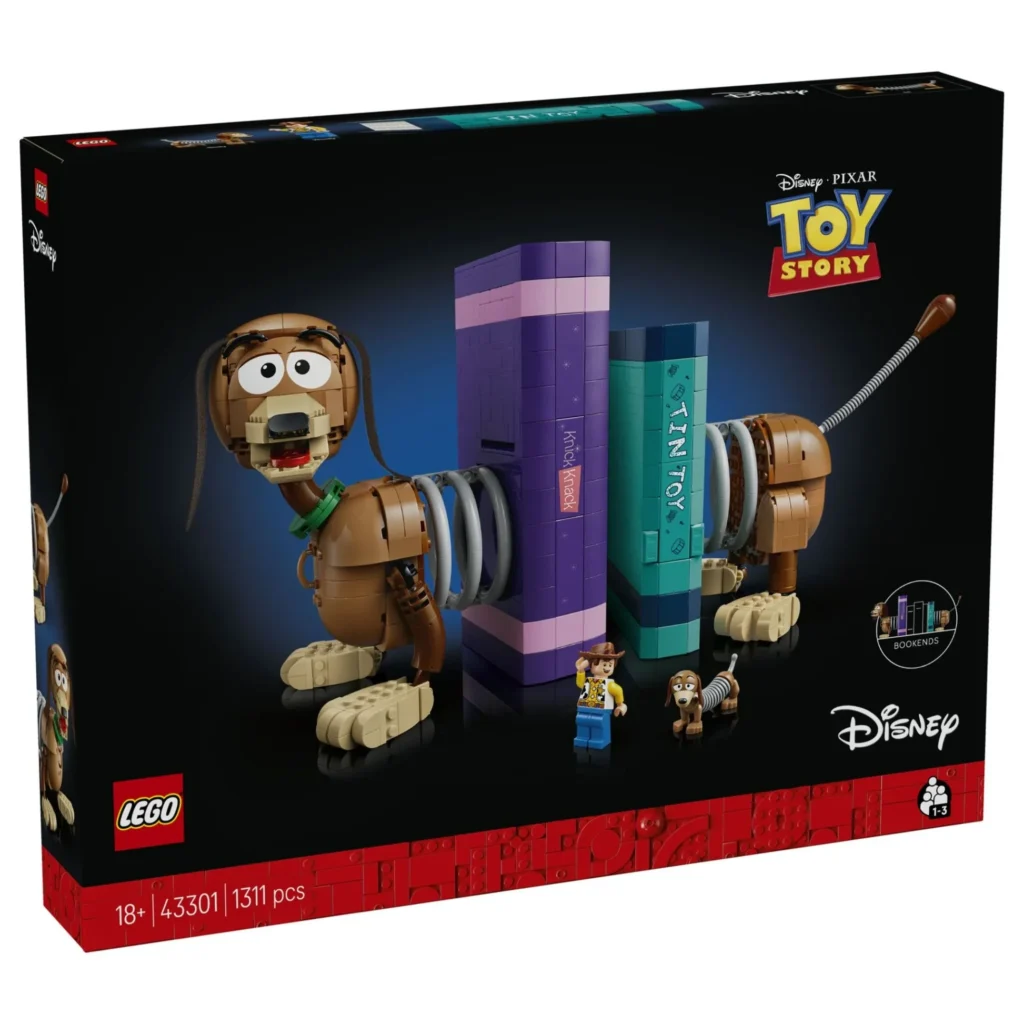
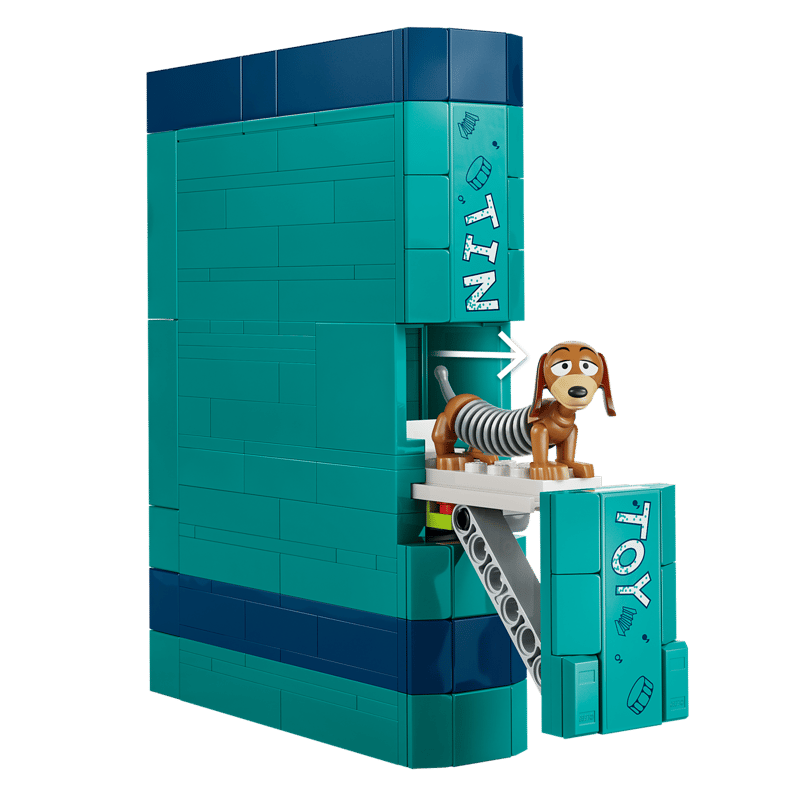
The LEGO Toy Story Slinky Dog Bookends set is conceptualized as a hybrid collectible combining functional home décor with the nostalgic appeal of Pixar’s Toy Story franchise. Unlike traditional LEGO playsets centered on vehicles, locations, or interactive scenes, the design is primarily intended to function as a pair of bookends while also creating a recognizable display model of Slinky Dog.
The concept fits LEGO’s broader expansion into products aimed at adult collectors interested in pop culture, decorative models, and functional builds. Rather than focusing primarily on play features, the Slinky Dog Bookends would emphasize construction, display value, recognizable character design, and practical use within a bookshelf or entertainment space.
Slinky Dog is particularly suited to the format because his elongated spring body naturally allows the character to be divided into two halves. The front and rear sections can stand separately with books positioned between them, while placing the sections closer together recreates the appearance of the complete character.
The structure is expected to use two reinforced modules representing Slinky Dog’s front and rear halves. Each section needs enough stability to function independently, meaning the lower portions and bases would require stronger internal construction than an ordinary character sculpture. Technic beams, reinforced brick columns, or similar internal supports could provide the necessary strength while remaining hidden beneath the exterior design.
The expected components include:
- Two separate structures representing Slinky Dog’s front and rear sections
- A central spring inspired connection between the halves
- Reinforced internal construction for stability
- Decorative elements inspired by Andy’s room
- Toy Story or Pixar themed printed details
- Possible display elements for collectors using the model decoratively rather than as bookends
The estimated piece count in the supplied material ranges from approximately 900 to 1,600 pieces based on comparisons with similar licensed display sets. More pieces would likely be concentrated around the lower body and bases to create structural stability, while the upper sections would emphasize Slinky Dog’s facial expression, collar, body shape, and recognizable colors.
Construction would likely proceed through several stages. The internal support structure would come first because the finished model needs to resist pressure from books. The bases and lower body sections would then establish the weight distribution and stability of each half.
The segmented body would be constructed using layered pieces, slopes, and curved elements to recreate Slinky’s rounded appearance. Because an actual flexible spring would conflict with the structural requirements of a bookend, the design would need to visually suggest elasticity while remaining rigid enough for practical use.
The head and face would require particularly careful construction because Slinky Dog’s identity depends heavily on his expression. His collar, ears, muzzle, eyes, and other recognizable features would need to balance LEGO’s geometric construction with the softer appearance of the animated character.
The supplied concept also places substantial emphasis on Pixar Easter eggs. One possible inclusion is A113, the recurring Pixar reference that appears throughout the studio’s films. Other expected references include Pizza Planet imagery, Andy’s toys, environmental details inspired by his bedroom, storyboard references, and other callbacks to Pixar production history.
Some references could be incorporated inside the model rather than remaining visible after construction. This would allow the building process itself to reveal Easter eggs that disappear once exterior sections are attached. Interior colors, printed pieces, or structural arrangements could potentially reference animation development, concept art, or other parts of Pixar history.
Additional hidden details could include small recreations of clutter from Andy’s room, references to other Toy Story characters, visual callbacks to the sequels, and patterns inspired by Slinky Dog’s animated movement. These details would reward closer inspection without overwhelming the character design.
The visual inspiration draws from multiple Toy Story films. The original 1995 movie established Slinky Dog’s basic toy like appearance and expressive personality, while later movies refined his textures, animation, and movement. A LEGO interpretation could combine those different eras rather than recreating only one specific movie appearance.
The bookend structure would inevitably influence how closely the model could reproduce the animated character. Slinky’s flexible body is fundamental to his identity, but functional bookends need rigidity. LEGO elements would therefore create the appearance of his famous spring while prioritizing stability.
Minifigures are not guaranteed because the concept is centered on display and functionality rather than character play. If figures were included, Woody and Buzz Lightyear would be natural possibilities, with Rex or Alien characters also fitting the wider theme. An alternative would be smaller printed or microscale character references integrated directly into the structure.
Overall, the build would be moderately challenging and more appropriate for experienced builders than complete beginners. Its appeal would come from the combination of structural engineering, character sculpting, Pixar references, and the unusual requirement that the completed LEGO model perform a practical function.
LEGO Slinky Dog Bookends Display, Price, Collector Appeal and Long Term Value
Display versatility is one of the concept’s most distinctive characteristics. Unlike a conventional character model that remains in one configuration, the two Slinky Dog sections could be separated according to the number of books being supported. This would allow the character’s stretched body to become part of the visual presentation.
A straightforward arrangement would position the front and rear halves at opposite ends of a row of books. The distance between them could vary according to shelf size, creating the illusion that Slinky Dog is stretching across the collection. Placing the halves together would instead produce a more conventional character display when the bookend functionality is not required.
Possible display arrangements include:
- Placing the two halves around books on a wide shelf
- Creating a dedicated Pixar or Toy Story collection
- Pairing the bookends with other LEGO Disney Pixar sets
- Using them in a personal library or entertainment room
- Displaying the halves together as a character model
- Adding external lighting to emphasize the model’s shape and details
Shelf choice would affect both stability and presentation. Wide wooden shelving with a relatively neutral background could keep attention on Slinky Dog’s recognizable colors, while minimalist shelving would emphasize the unusual stretched silhouette. Adequate spacing would also be necessary to allow books to remain secure without making the two halves appear visually disconnected.
Lighting can change the appearance considerably. Warm lighting would complement the nostalgic Toy Story theme, while cooler lighting could emphasize the LEGO construction and structural details. Collectors displaying the set alongside other Pixar models could use consistent lighting to create a unified presentation.
The Slinky Dog Bookends concept would differ from other LEGO Pixar products because functionality is central to the design. Sets inspired by characters such as WALL E or environments from Up focus more heavily on character recreation or scene building. Slinky Dog would instead combine character recognition with practical shelf use.
That functional purpose would create several major differences:
- A two part segmented construction rather than one continuous model
- Greater emphasis on internal reinforcement
- Functional interaction with books
- Less reliance on large environmental scenery
- Stronger emphasis on symmetry and weight distribution
The supplied material positions the set within a mid to premium price category for licensed LEGO display products. Several factors could influence pricing, including piece count, Disney and Pixar licensing, specialized elements, printed pieces, and the engineering required to make both halves sufficiently stable.
Collector demand would potentially benefit from the recognition of Toy Story and Slinky Dog. The franchise has remained recognizable across multiple generations, giving the character nostalgic value for adults who encountered the original films as children while remaining familiar to younger audiences through later installments.
The combination of LEGO, Disney, Pixar, and Toy Story branding could also strengthen collector interest. Functional display products can appeal to buyers who might not purchase a conventional playset because the finished model can become part of ordinary home décor.
Long term value would depend on factors such as production length, retirement status, licensing, demand, and condition. Licensed LEGO products can become desirable after retirement, but appreciation is not guaranteed simply because a set belongs to a recognizable franchise.
Collectors concerned with preserving condition would need to consider several factors:
- Retaining the original packaging
- Keeping instruction materials in good condition
- Protecting pieces from prolonged sunlight
- Storing small accessories or figures securely
- Preventing dust buildup and discoloration
- Maintaining all components of both bookend sections
If minifigures or exclusive printed elements were included, retaining those components could become particularly important for completeness.
The display focused nature would also create some limitations. Playability would be lower than in traditional Toy Story LEGO sets, while structural requirements could restrict articulation. The need for each half to remain stable would take priority over reproducing the extreme flexibility associated with Slinky Dog’s animated movement.
For adult collectors, however, those limitations could be offset by the combination of nostalgia, craftsmanship, functionality, and decorative appeal. The building process would provide the traditional LEGO construction experience, while the completed model would have a practical purpose beyond remaining on display.

LEGO Slinky Dog Bookends Availability, Pixar References and Overall Build Experience
The LEGO Toy Story Slinky Dog Bookends set would typically be expected to reach buyers through established LEGO and licensed product retail channels. These could include official LEGO stores, LEGO’s online storefront, major toy retailers, collectible marketplaces, and potentially selected Disney retail partners depending on the distribution agreement.
Regional availability could vary, particularly during an initial launch period. Licensed products are sometimes introduced across major markets before reaching wider distribution, making availability dependent on local inventory and retail arrangements.
The build experience itself would combine structural engineering with decorative construction. The first stages would likely feel more technical because the bases and internal supports need to provide stability. Later sections would become increasingly character focused as builders add the curved body, face, ears, collar, spring inspired elements, and other recognizable details.
This creates a sense of progression different from a conventional character sculpture. Builders would first construct the functional framework before gradually transforming it into Slinky Dog. The completed front and rear sections would then need to align convincingly when displayed together while remaining visually effective when separated.
Pixar references could add another layer to that process. Hidden details placed inside the model would reward builders during construction even if they were invisible in the finished display. More obvious references could remain visible around the base or decorative areas.
The complete range of expected references in the supplied concept includes:
- Toy Story character callbacks
- Pizza Planet imagery
- A113 references
- Andy’s room details
- Pixar production references
- Storyboard inspired elements
- Animation development callbacks
- References to later Toy Story films
The combination of obvious and hidden references would make the set particularly appealing to dedicated Pixar fans. Someone unfamiliar with production history could still recognize Pizza Planet or Andy’s room, while more knowledgeable collectors could search for subtler animation related details.
The overall build experience is expected to emphasize craftsmanship rather than play. The segmented construction provides natural milestones, while the combination of Technic style reinforcement and exterior sculpting offers both engineering and artistic variety.
Potential strengths include the satisfaction of constructing a functional model, the recognizable Pixar design, the possibility of hidden Easter eggs, and the ability to display the finished build in multiple configurations. Potential drawbacks include limited articulation, reduced play features, and the structural compromises required to transform a famously flexible character into a stable pair of bookends.
The concept ultimately stands apart from more conventional LEGO Pixar sets because Slinky Dog’s body naturally complements the bookend format. His front and rear halves can frame a collection while the space between them effectively becomes part of his stretched body, turning an ordinary row of books into part of the display.
That relationship between character design and practical function is the strongest element of the concept. Rather than placing a familiar Pixar character onto an unrelated household product, the bookend format uses Slinky Dog’s existing physical identity as the foundation of the design.
For collectors, the result would combine Toy Story nostalgia, LEGO construction, Pixar references, and practical décor. For builders, the appeal would come from seeing a reinforced internal structure gradually transform into a recognizable character. Together, those elements position the LEGO Toy Story Slinky Dog Bookends concept as a display focused collectible that could fit naturally within both LEGO and Pixar collections.

Frequently Asked Questions (FAQs)
- What is the LEGO Toy Story Slinky Dog Bookends set?
It is a LEGO Disney Pixar themed concept designed around Slinky Dog from Toy Story. Instead of functioning like a conventional playset, the character is divided into front and rear sections that can be positioned around books, combining a recognizable LEGO character model with functional shelf décor. - Is it a display or play set?
It is primarily designed as a display focused collectible with a practical bookend function. The emphasis is on detailed construction, Pixar nostalgia, and decorative presentation rather than extensive play features. The two halves could also be displayed together as a more conventional Slinky Dog model when they are not supporting books. - How many pieces does it include?
The estimated piece count is between approximately 900 and 1,600 pieces based on the concept described. A significant number of pieces would likely be required for reinforced bases and internal support, while the remaining elements would create Slinky Dog’s body, face, collar, spring inspired section, and decorative Pixar details. - Does it include minifigures?
Minifigures are not guaranteed because the concept focuses primarily on Slinky Dog and the bookend structure. If character figures were included, Woody and Buzz Lightyear would be natural possibilities, with characters such as Rex or the Aliens also fitting the theme. Microscale characters or printed references could be used instead. - Is it suitable for children?
The concept is mainly positioned toward adult LEGO and Pixar collectors rather than younger builders. Its larger piece count, structural construction, display focus, and limited traditional play features make it better suited to experienced builders interested in Toy Story memorabilia and functional LEGO décor. - Can it hold books securely?
Yes, functional book support is intended to be one of the defining features. Each half would require a reinforced base and internal structure so it could remain stable when books are positioned between the two sections. The effectiveness would also depend on factors such as shelf surface, book weight, and final construction. - Are there hidden Easter eggs?
Yes, the concept includes several expected Pixar references, including A113, Pizza Planet imagery, Andy’s room details, and other Toy Story callbacks. Some Easter eggs could remain visible after construction, while others could potentially be hidden inside the model and discovered only during the building process. - Is it part of LEGO Disney?
The concept fits within LEGO’s wider Disney and Pixar collaborations because Toy Story is a Pixar franchise under Disney. Its nostalgic character design and display focused format would also place it alongside other LEGO products created primarily for fans and collectors of recognizable Disney Pixar properties. - Is it limited edition?
The supplied information does not establish a specific limited edition status. Availability could depend on production length, regional distribution, and eventual retirement. As with other licensed LEGO products, a shorter production cycle could make the set more difficult to find after it leaves regular retail availability. - Does it have collector value?
It could have strong collector appeal because it combines LEGO with one of Pixar’s most recognizable franchises and gives Slinky Dog an unusual functional design. Long term value would depend on factors such as demand, production numbers, retirement status, condition, packaging, and whether the set contains exclusive figures or printed elements.
Conclusion
The LEGO Toy Story Slinky Dog Bookends set represents a sophisticated blend of functional design, cinematic nostalgia, and collectible craftsmanship. By merging Pixar storytelling with LEGO engineering, the set offers both aesthetic appeal and practical utility. Its layered Easter eggs, structural innovation, and strong franchise identity make it a standout piece within the LEGO Disney Pixar ecosystem and a compelling choice for collectors and fans alike.
Sources and Citation
- LEGO Official Website
https://www.lego.com - Pixar Animation Studios Official Website
https://www.pixar.com - Disney Toy Story Franchise
https://www.disney.com - LEGO News and Product Updates
https://www.lego.com/en-us/news - Pixar Toy Story Film Archive
https://www.pixar.com/feature-films/toy-story
Recommendations
- The Old Flesh of Nuraga: Release Date, Gameplay, Demo, and Story Explained
- How do I reset the camera position in Blender?
- Final Fantasy Tactics: The Ivalice Chronicles Update Adds New Game+ and Major Features
- Xbox Hypes up Gamescom Return as Fans Question the Future of Xbox Gaming
- Prelude Dark Pain Launches With Strategic Dark Fantasy RPG Battles
- Someone Got The Legend Of Zelda: Wind Waker’s World Working In A Browser (Wind Waker Threes Explained)
- Donald Glover Is Playing Yoshi in The Super Mario Galaxy Movie: Cast, Trailer, Release Date, and Everything Confirmed
- Wuchang: Fallen Feathers Sequel Is Already in Development: Everything We Know
- Cairn On the Trail: Deep Water DLC Delayed Indefinitely
- Valor Mortis Homesick Quest Walkthrough and Rewards



































































































