









In This Article (7 sections)
Marvel Tokon: Fighting Souls Roster, Hulk and Black Panther Reveals
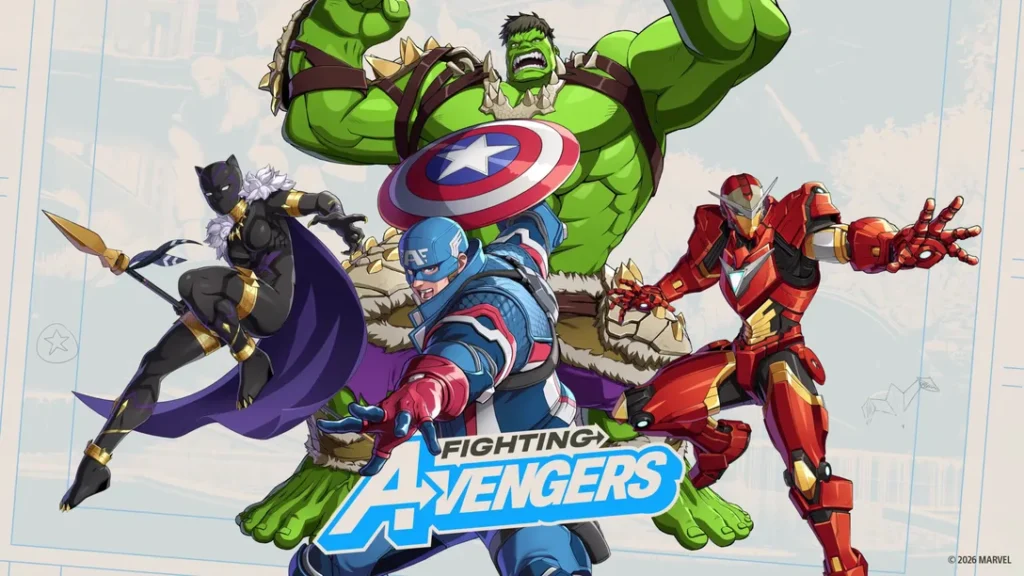
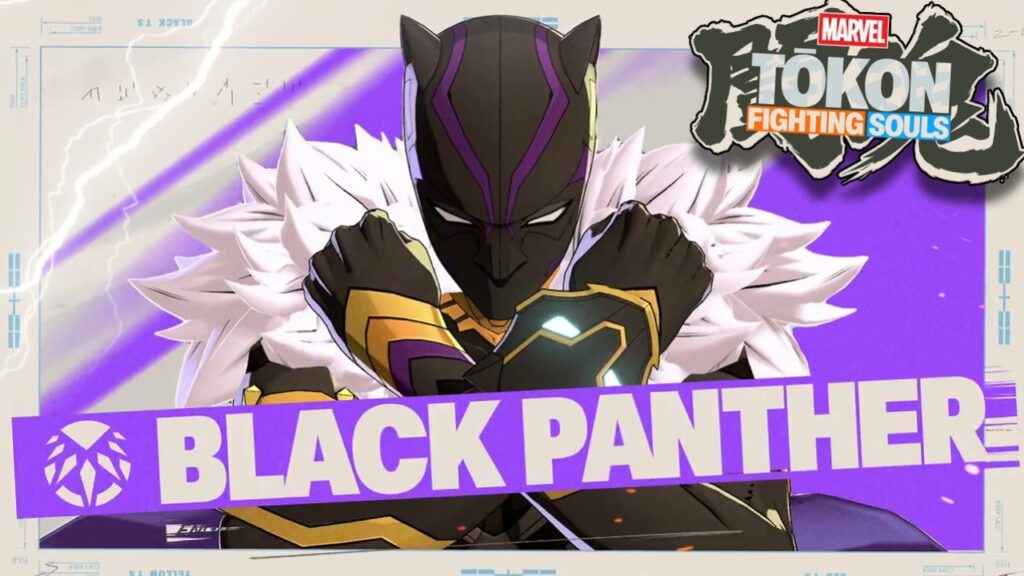
Marvel Tokon: Fighting Souls has added Hulk and Shuri’s Black Panther to its roster following the EVO Japan 2026 showcase. Hulk appears designed for heavy close range pressure, while Shuri emphasizes agility, Wakandan technology and tactical movement. Their contrasting roles highlight how Arc System Works is building its four character teams around complementary abilities rather than recognizable names alone.
The broader lineup brings together Avengers, X-Men and Guardians of the Galaxy, with tag sequences, assists and cinematic team attacks making squad composition central to the experience. This article examines the additions, their potential team roles and the remaining questions about the final launch roster, release timing and future character support. Together, the reveals offer a clearer look at the developer’s approach to distinct fighting styles and coordinated offense.
The confirmed roster currently includes:
- Iron Man
- Captain America
- Thor
- Hulk
- Black Panther, Shuri
- Spider-Man
- Wolverine
- Storm
- Star-Lord
- Rocket Raccoon
The lineup combines Avengers, X-Men, Guardians of the Galaxy, and major standalone Marvel heroes. Iron Man, Captain America, Thor, and Hulk establish a powerful Avengers foundation, while Wolverine and Storm provide contrasting X-Men fighting styles. Star-Lord and Rocket Raccoon bring ranged weapons, gadgets, and less conventional combat possibilities, while Spider-Man provides one of Marvel’s most recognizable agile fighters. Shuri adds another Avengers associated character with a stronger emphasis on Wakandan technology, speed, and tactical tools.
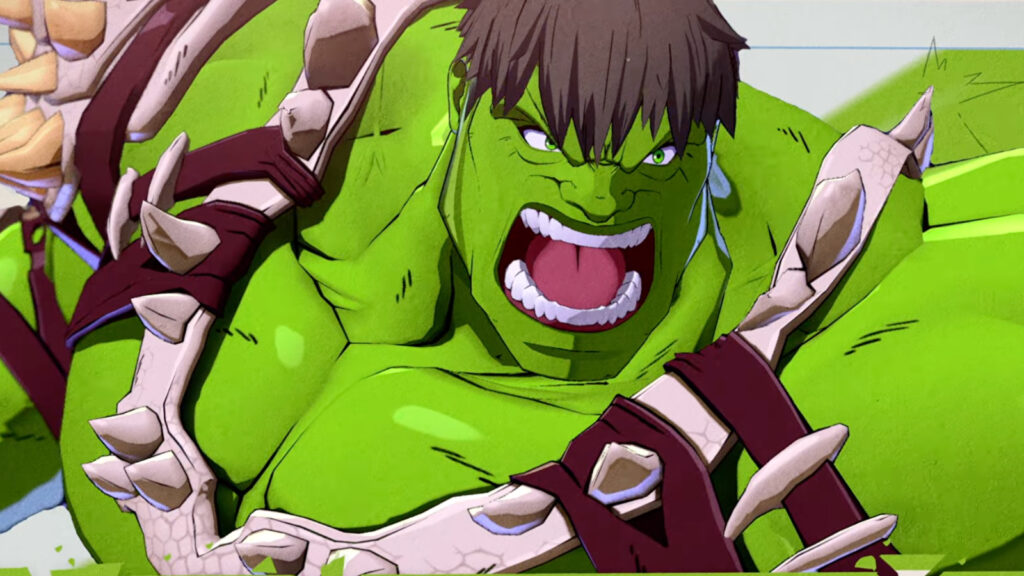
Hulk appears positioned as a frontline powerhouse built around high damage, close range pressure, and disruption. His expected strengths include command grabs, armored attacks, and area attacks capable of forcing opponents to respect his space. In a team environment, those abilities could allow Hulk to break defensive formations before handing the offensive sequence to a faster teammate.
His apparent role makes him suitable for several team functions. Hulk could initiate pressure and create openings for characters such as Spider-Man, Wolverine, or Shuri, while his durability and damage could potentially make him valuable later in a match. If his final design combines high health with strong solo damage and armor, he may also work effectively as an anchor when fewer teammates remain available.
Shuri’s Black Panther represents almost the opposite combat philosophy. Her interpretation emphasizes agility, technology, precision, and tactical movement rather than functioning as another straightforward heavy fighter. Her expected toolkit centers on:
- Fast combination attacks.
- Energy based Wakandan gadgets.
- Traps and space control.
- Defensive counters.
- Technical movement and positioning.
That combination could make Shuri a hybrid between a rushdown fighter and a setup specialist. She may be capable of applying direct pressure while using technology to interrupt approaches or extend team sequences. Her toolkit also creates obvious thematic and mechanical possibilities alongside technology focused characters such as Iron Man and Rocket Raccoon.
The EVO Japan presentation reinforced how important these individual roles become within the game’s larger team system. The Avengers footage emphasized seamless tag sequences, cinematic super attacks, and coordinated interactions rather than treating inactive characters as background decoration. Hulk’s strength, Thor’s lightning, Captain America’s shield techniques, Iron Man’s technology, and Shuri’s Wakandan equipment provide the Avengers with several different ways to control a fight.
The currently confirmed affiliations include:
- Avengers: Iron Man, Captain America, Thor, Hulk
- X-Men: Wolverine, Storm
- Guardians of the Galaxy: Star-Lord, Rocket Raccoon
Shuri’s Black Panther further strengthens the Avengers side of the wider lineup. The different groups already offer contrasting combat possibilities. The Avengers provide a mixture of power, fundamentals, technology, and elemental attacks. Wolverine gives the X-Men a natural close range pressure fighter, while Storm can potentially provide greater mobility and screen control. The Guardians offer a more gadget heavy and ranged approach through Star-Lord and Rocket Raccoon.
Rumors have also mentioned characters such as Deadpool, Doctor Strange, Scarlet Witch, and Venom, but these remain unverified. Each would offer obvious gameplay possibilities, from Doctor Strange’s magical zoning to Venom’s long reaching symbiote attacks, but they should not be treated as part of the confirmed roster until officially revealed.
The final launch roster size also remains unconfirmed. Estimates of between 16 and 24 fighters have circulated, but no definitive total has been announced. A reasonably large selection would be particularly valuable because every team requires four characters, meaning roster variety directly affects the number of viable combinations players can construct.
Marvel Tokon 4v4 Gameplay, Team Mechanics and Arc System Works Design
The defining feature of Marvel Tokon: Fighting Souls is its 4v4 combat structure. Rather than following the more familiar 2v2 or 3v3 format, the game gives players four characters to incorporate into their overall strategy. This increases the importance of roster composition because individual strength is only one part of determining whether a character belongs on a particular squad.
The core team systems shown or discussed include:
- Tag switching during offensive sequences.
- Assist attacks from inactive teammates.
- Team oriented super attacks.
- Shared resources for powerful abilities.
- Character combinations designed around complementary roles.
- Cinematic interactions involving multiple heroes.
The larger format creates room for more specialized team building. A player could theoretically combine a heavy frontline character, a fast pressure fighter, a ranged specialist, and a utility focused teammate instead of expecting every character to handle every situation independently.
Hulk illustrates how this structure can work. His strength and armored offense could create an opening, followed by a tag into Spider-Man or Wolverine for faster pressure. A ranged character such as Iron Man could then extend or stabilize the sequence before another teammate provides the finishing attack. The important concept is that the fourth character expands the number of possible offensive and defensive relationships within a team.
Assist attacks should be equally important. Characters do not necessarily stop contributing when they leave the active position. A useful assist could control part of the screen, protect an approach, interrupt an opponent, or convert an otherwise limited attack into a longer sequence. Team construction therefore involves considering both a fighter’s direct gameplay and what that fighter contributes while another character is active.
The involvement of Arc System Works is particularly important because the developer has extensive experience balancing spectacle with competitive fighting systems. Its work on Guilty Gear and Dragon Ball FighterZ established a recognizable approach built around responsive combat, expressive animation, accessible fundamentals, and considerable depth at higher levels of play.
That experience is especially relevant for a Marvel game because the audience is likely to include both experienced fighting game players and superhero fans with less familiarity with competitive fighters. The challenge is to make recognizable characters immediately entertaining without removing the mechanical depth needed to sustain a long term competitive community.
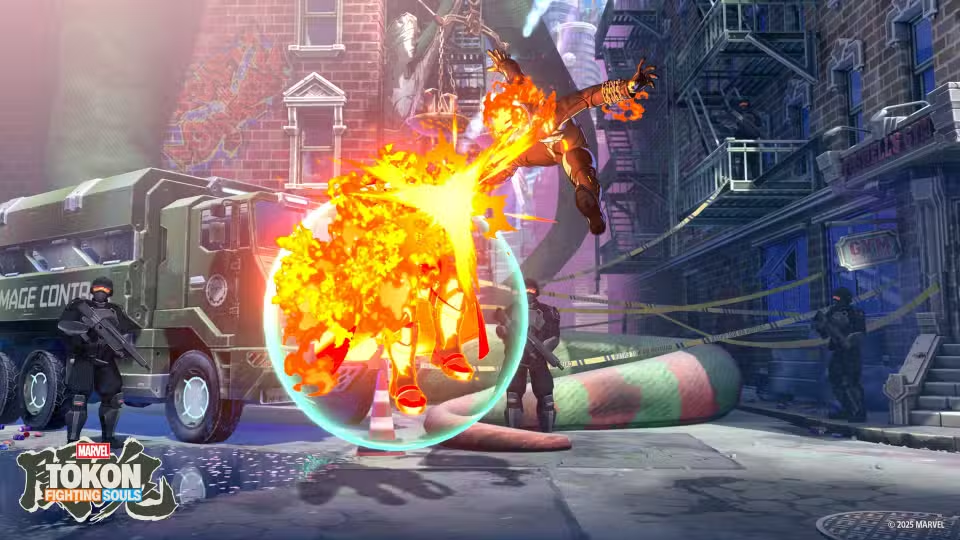
Arc System Works’ visual approach also suits Marvel’s exaggerated powers. Hulk’s physical force, Storm’s weather abilities, Thor’s lightning, Iron Man’s technology, and other superhuman attacks benefit from dramatic animation and effects capable of communicating their scale without abandoning gameplay readability.
Recent trailers have emphasized that spectacle through cinematic supers, environmental destruction, coordinated attacks, and possible stage transitions. Team based ultimate attacks could become particularly important because they allow the 4v4 structure to influence the game’s visual identity as well as its mechanics.
The environmental destruction shown in promotional material also helps communicate the power of Marvel characters. Heavy fighters should visually appear capable of damaging their surroundings, while cinematic transitions can make matches feel larger without necessarily changing the underlying competitive rules.
The game naturally invites comparisons with Marvel vs. Capcom, but there are several important distinctions. Marvel vs. Capcom traditionally revolves around 3v3 teams, assists, rapid movement, and crossover rosters containing both Marvel and Capcom characters. Marvel Tokon instead expands teams to four fighters and concentrates entirely on Marvel.
That Marvel only structure creates more room for faction identity and interactions between characters from different corners of the same universe. Avengers, X-Men, Guardians, and other groups can receive deeper representation without sharing roster space with a second publisher’s franchises.
The fourth character may also change familiar team roles. Traditional tag fighters often revolve around point, assist, and anchor positions. A four character structure potentially creates room for another specialist, such as a dedicated combo extender, defensive support fighter, zoning option, or resource focused character.
The exact depth of faction specific bonuses and team interactions still requires further clarification. The announced characters clearly support thematic combinations, but players should not assume every same faction team receives a mechanical bonus unless that system is formally detailed.
Marvel Tokon Platforms, Release Plans, Story and Future Roster Support
Marvel Tokon: Fighting Souls is being positioned as a major PlayStation fighting game, although platform details should be separated carefully from speculation. PlayStation 5 is central to the game’s announced console presence, while unconfirmed platform rumors should not be treated as established releases until additional announcements are made.
Platform availability matters particularly strongly for fighting games because it can influence matchmaking population, tournament adoption, online competition, and the size of the long term community. A broader platform release can increase the available player pool, while a more limited release concentrates competitive activity around fewer systems.
The game is currently targeting a late 2026 release window, with no exact launch date announced in the supplied information. The EVO Japan showcase suggests that major competitive events will continue to serve as important venues for character and gameplay reveals as development progresses.
The remaining prelaunch campaign could provide additional information about:
- More playable characters.
- Stages and environmental mechanics.
- Story content.
- Online modes.
- Ranked play.
- Training features.
- Team mechanics.
- Public demos or beta testing.
- Final launch roster size.
Prelaunch testing would be particularly useful for a 4v4 fighter because the number of possible character combinations creates significant balancing complexity. Assists, tag routes, meter interactions, and team supers can produce powerful combinations that may require extensive testing before release.
Story information remains comparatively limited. The current material points toward a large conflict bringing together multiple Marvel factions, with heroes and other characters potentially uniting against a common threat. Such a premise naturally supports the Avengers, X-Men, Guardians, and other Marvel groups appearing within the same fighting game.
A larger crossover conflict could also explain unusual team combinations. Instead of restricting players to established comic teams, the story can provide a reason for characters from unrelated groups to cooperate, compete, or form temporary alliances.
Team focused storytelling would complement the 4v4 gameplay particularly well. Avengers centered chapters could emphasize established relationships, while X-Men, Guardians, and future factions could receive their own connected storylines. Character specific dialogue, introductions, and interactions could further distinguish different combinations if incorporated into the final game.
Post launch character support is also expected to be important, although the exact structure remains to be confirmed. Modern fighting games frequently expand through additional fighters, stages, balance adjustments, and modes over several years, and Arc System Works has considerable experience supporting competitive titles after release.
Potential post launch support could include:
- Additional playable heroes and villains.
- New stages.
- Additional game modes.
- Competitive balance adjustments.
- New team combinations and interactions.
- Seasonal character releases.
A continuing DLC model would be especially valuable for Marvel because the available character pool is enormous. Even a substantial launch roster cannot represent every major Avenger, mutant, Guardian, villain, supernatural hero, and street level character players might expect.
Additional fighters would also continually reshape the 4v4 metagame. Introducing one character does more than create one new matchup because that fighter can potentially interact with every existing character through assists, tags, and team combinations. That makes post launch balancing more complicated but also gives new roster additions greater strategic impact.
For now, Hulk and Shuri’s Black Panther are significant because they provide a clearer picture of how Arc System Works is approaching the roster. The developers appear interested in giving recognizable Marvel characters clearly differentiated combat functions while making team construction a central strategic layer.
The game’s long term appeal will therefore depend on more than how many famous Marvel characters appear. Its success as a competitive fighter will depend on whether those characters produce meaningful team combinations, whether the 4v4 system remains readable despite its complexity, and whether Arc System Works can balance Marvel spectacle with the mechanical precision expected from a modern fighting game.
Frequently Asked Questions (FAQs)
- Is Marvel Tokon: Fighting Souls confirmed for PS5 only?
Yes. PlayStation 5 is currently the only confirmed platform for Marvel Tokon: Fighting Souls. No Xbox or PC versions have been officially announced in the supplied information, so those platforms should remain treated as unconfirmed unless the developers or publisher announce additional versions. - Who are the newest confirmed characters?
The newest confirmed fighters are Hulk and Black Panther, represented by Shuri. Hulk adds a heavy close range powerhouse built around strength and pressure, while Shuri offers a faster and more technical fighting style that combines agility with advanced Wakandan technology and tactical options. - What is the gameplay format?
Marvel Tokon: Fighting Souls uses 4v4 team based combat, allowing players to build squads of four Marvel characters. Tag mechanics and assists let teammates participate during fights, making team composition important because players need to consider how each fighter’s abilities complement the rest of the squad. - Who is developing the game?
The game is being developed by Arc System Works, the fighting game studio known for titles such as Guilty Gear and Dragon Ball FighterZ. Its experience with visually dramatic combat, tag mechanics, character balance, and competitive systems is a major reason expectations for Marvel Tokon are high. - Will there be DLC characters?
Post launch characters are expected as part of the game’s continuing support, although the supplied information does not provide a finalized DLC lineup. Additional fighters would allow the developers to expand Marvel representation over time while also introducing new assists, team combinations, and strategies that can change the competitive meta. - When is the release date?
Marvel Tokon: Fighting Souls is currently targeting a late 2026 release window, but an exact launch date has not been confirmed in the supplied information. Additional announcements are expected as development progresses, including further character reveals and more detailed gameplay information. - What teams are included?
The confirmed roster includes representation from the Avengers, X-Men, and Guardians of the Galaxy. Characters currently associated with those groups include Avengers such as Iron Man, Captain America, Thor, and Hulk, X-Men representatives Wolverine and Storm, and Guardians members Star-Lord and Rocket Raccoon. - Is there a story mode?
Yes. The story is described as involving a larger multiversal conflict that brings together characters from different parts of the Marvel universe. This setup provides a reason for Avengers, X-Men, Guardians, and other characters to fight alongside or against one another while supporting the game’s team focused structure. - How many characters will be available at launch?
The exact launch roster size has not been officially confirmed in the supplied information. Estimates have suggested somewhere between 16 and 24 characters, but that range should not be treated as final. More fighters are expected to be revealed as the game approaches release. - Is the game competitive focused?
Yes. The 4v4 format, assists, tag switching, team composition, shared resources, and character specific roles indicate a strong competitive focus. Arc System Works also has extensive experience developing fighting games with high level competitive depth, although the final esports structure and tournament plans have not yet been detailed.
Conclusion
PS5 Exclusive Marvel Tokon: Fighting Souls Adds Two More Avengers To Its Starting Roster marks a significant milestone in the game’s development, reinforcing its ambition to redefine team based fighting games. With Hulk and Shuri bringing contrasting playstyles, a robust 4v4 system, and the backing of Arc System Works, the title is positioned as a major contender in the genre. As more characters and features are revealed, anticipation continues to build toward what could become the next flagship Marvel fighting experience.
Sources and Citation
- Arc System Works / PlayStation Blog: Official Hulk and Shuri reveal at EVO Japan 2026. Published on May 2, 2026, this announcement by producer Takeshi Yamanaka confirms that Hulk and Shuri’s Black Panther join Captain America and Iron Man in the Fighting Avengers team. It introduces the Wakanda stage and provides concrete gameplay details: Hulk uses a Gamma Gauge and Gamma Rage, while Shuri fights with the Spear of Bashenga and uses Bast’s Blessing for multidirectional movement. These are confirmed mechanics rather than speculative character roles. PlayStation.Blog
- Citation: Hulk and Black Panther Join the Fight for MARVEL Tōkon: Fighting Souls
- Marvel: Official Fighting Avengers announcement and trailer. Marvel’s May 3, 2026 announcement identifies Hulk and Black Panther as additions to the Fighting Avengers and specifies that Shuri has taken on the Black Panther mantle. This provides a Marvel-published reference for the character reveal. The article was located through indexed search results, but direct access to its full text was blocked during verification. Marvel
- Citation: Black Panther and Hulk Join MARVEL Tōkon: Fighting Souls with the Fighting Avengers
- EVO Japan: Official event dates and venue. The official event website confirms that EVO Japan 2026 ran from May 1 to May 3 at Tokyo Big Sight. It supports the showcase’s event context, while Yamanaka’s PlayStation Blog announcement provides the direct confirmation that Hulk and Shuri were revealed there on May 2. EVO Japan 2026
- Citation: EVO Japan 2026 Official Website
- Arc System Works: Official fighting-game portfolio. The studio’s official game catalogue lists Guilty Gear -Strive- and other fighting-game releases, providing background for the article’s discussion of Arc System Works. This is a developer-background source, not a character-reveal announcement; the specific Marvel confirmation comes from the producer’s statement above. Arc System Works
- Citation: Arc System Works Official Game Catalogue
- PlayStation Blog: Confirmed platforms, release date, launch roster size and DLC structure. Yamanaka’s February 12, 2026 announcement specifies August 6, 2026, for PS5 and PC, with August 7 applying in New Zealand, Australia, Japan and Korea. It also confirms 20 launch characters and a Year 1 Characters & Stage Pass covering four additional fighters and one stage. These details establish that PC availability, the release date and the launch roster total were officially announced. In particular, the supplied article’s statement that PS5 is the only confirmed platform is contradicted by this primary source. PlayStation.Blog Pasted text
- Citation: MARVEL Tōkon: Fighting Souls Arrives on PS5 & PC August 6
- PlayStation: Official character, combat and game-mode references. The official game page confirms the 4v4 format, team-building focus, interactive stage transitions and Episode Mode. Its companion character guide documents individual fighting styles, including Hulk’s Gamma Rage and Shuri’s spear attacks, projectiles and Bast’s Blessing. The guide also lists Deadpool as playable, rather than merely rumored, and does not support placing Thor or Rocket Raccoon in the starting roster. It provides direct references for ranked matches, casual battles and training features. PlayStation
- Citation: MARVEL Tōkon: Fighting Souls Official Game Page | Official Characters and Combat Guide
- EventHubs: Fighting Avengers reveal coverage. The original report is titled The Fighting Avengers Team Unveiled for Marvel Tokon: Fighting Souls, Adding Black Panther and The Hulk to Its Roster. Its existence and headline are corroborated by EventHubs’ indexed social post and an independently accessible page linking to the article. EventHubs blocked direct access, so its full analysis could not be reviewed; the gameplay details above are grounded in the accessible official sources instead. X
- Citation: EventHubs: Fighting Avengers Reveal Report | EventHubs’ Announcement Post
Recommendations
- Vivian Kubrick Debunks Eyes Wide Shut Deleted Scenes Theory
- Battlefield 6 2026 Roadmap: More Maps, “Legendary” Battlefield 4 & Battlefield 3 Remakes, and Wake Island’s Return
- Apple TV’s Widow’s Bay is the First Breakout TV Hit of 2026: Why Everyone is Talking About the Horror Comedy
- Pitchify Launches New Service to Connect Developers and Publishers: How Pitch Direct Works
- Pokémon Pokopia Bubbly Basin DLC Release: Date, New Pokémon, and Everything You Need to Know
- Nordic Game 2026 (NG26 Spring): Dates, Venue, Passes, Speakers, Expo & Awards in Malmö
- Subnautica 2 Early Access Roadmap: Co-Op Updates, Sprinting, and More
- Virtua Fighter 6 Leak Explained
- The Future of 3D Modeling: Insights on AI Advancements
- GTA 6 is Already Outselling Everything Else: Why Pre-Orders Are Dominating Gaming



































































































