






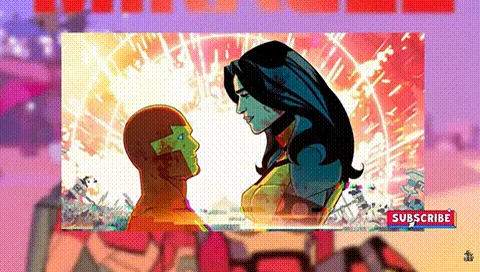
Josh Hutcherson and Mackenzie Davis will voice Scott Free and Big Barda in DC Studios’ upcoming adult animated series Mister Miracle. Peter Safran revealed the casting during an interview with IGN, confirming the central partnership in the adaptation of Tom King and Mitch Gerads’ acclaimed comic. Hutcherson will portray Scott Free, the celebrated escape artist known as Mister Miracle, while Davis will voice Big Barda, his wife and a formidable warrior whose personal history is closely connected to his own.
Nathan Fillion has also been confirmed to reprise his role as Guy Gardner, connecting the animated production with an established performer from DC Studios’ live-action projects. These announcements establish three important members of the ensemble, although they do not represent a complete voice cast reveal.
The casting news circulated across October 14 and October 15, 2026, explaining why different publications associate the announcement with slightly different dates. TheWrap published its report on October 14, while The Playlist and Comics Beat covered the development on October 15. Despite the difference in publication dates, the essential casting information remains consistent across the reports. The announcement represents an important development for the adaptation because Scott Free and Big Barda form the emotional foundation of the original story.
Their relationship is central to a narrative that explores personal struggles, survival, and the difficulty of maintaining an ordinary life while confronting extraordinary circumstances. Hutcherson and Davis will therefore need to communicate more than the physical abilities or heroic identities of their characters. Their performances must also establish the emotional connection that gives the story much of its significance.
Warner Bros. Animation and DC Studios formally announced the Mister Miracle animated series on June 12, 2025. The original announcement described the production as an adult animated adaptation of the Eisner Award-winning, twelve-issue comic created by Tom King and Mitch Gerads, with King serving as executive producer and showrunner. His involvement is particularly significant because the adaptation draws from a story whose dramatic identity depends on the relationship between its central characters as much as its larger cosmic conflicts.
The series is therefore positioned around an established narrative foundation rather than simply introducing another superhero adventure. Although the confirmed casting provides greater clarity about the production, the announced performers should not be mistaken for a complete ensemble, and additional character or casting details remain separate from what has been officially established.
The distinction between adult animation and a conventional family-oriented superhero series is also important. Mister Miracle deals with complicated emotions, relationships, personal struggles, and disturbing circumstances, giving the adaptation a dramatic foundation that extends beyond spectacular escapes and battles involving powerful cosmic figures. Animation provides opportunities to present extraordinary environments, characters, and action sequences, but the medium itself does not determine the emotional intensity or intended audience. In this case, the adult animation format allows the production to approach the source material’s more serious themes while maintaining the visual possibilities associated with DC’s larger fictional universe. The story’s appeal lies partly in how it places intimate personal concerns alongside conflicts involving forces far beyond the protagonists’ control.
Scott Free and Big Barda’s relationship is particularly important because both characters are survivors attempting to build a meaningful life together despite the extraordinary circumstances surrounding them. Scott’s identity as an escape artist gives the narrative its superhero foundation, while Barda’s strength and shared history with him establish a partnership that extends beyond conventional action storytelling. Their attempts to preserve happiness and stability provide a personal dimension to the larger conflicts they face. As a result, the adaptation must communicate the contrast between their extraordinary abilities and their desire for ordinary emotional security. Their relationship also provides opportunities for quieter conversations and domestic moments to carry as much narrative importance as confrontations involving powerful enemies.
For Hutcherson and Davis, this creates a demanding voice acting assignment. Scott and Barda must sound convincing as larger-than-life figures while remaining believable during conversations about everyday concerns, personal fears, and the responsibilities of their relationship. Their performances will need to convey the characters’ emotional connection without relying entirely on the visual expressions or physical presence available in live-action acting. A quiet exchange between the two characters may need to carry as much dramatic weight as a confrontation involving gods, making vocal delivery and emotional credibility essential to the adaptation’s identity. Fillion’s confirmed return as Guy Gardner adds another established DC character to the production, but the central dramatic focus remains the relationship between Scott Free and Big Barda.
Ultimately, the casting announcement provides a clearer picture of how DC Studios intends to bring Mister Miracle to animation. Hutcherson and Davis will lead the emotional foundation of the story as Scott Free and Big Barda, while Fillion’s involvement establishes an additional connection to DC Studios’ wider projects. With Tom King serving as showrunner and executive producer, the adaptation also retains a direct creative connection to its acclaimed comic source. The confirmed details establish the principal performers, the production’s adult animation format, and its source material, while the full ensemble and the execution of the finished series remain to be revealed.
In This Article (8 sections)
Josh Hutcherson as Scott Free and Mackenzie Davis as Big Barda in Mister Miracle
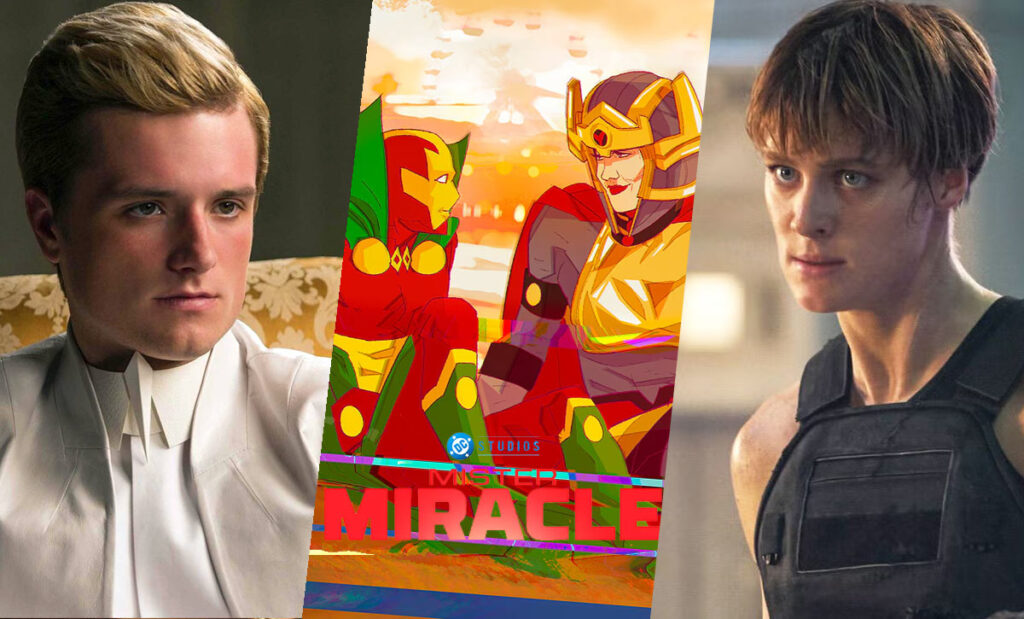
Josh Hutcherson will voice Scott Free, the New God and celebrated escape artist known as Mister Miracle, in DC Studios’ upcoming adult animated series. Hutcherson is widely recognised for portraying Peeta Mellark in The Hunger Games films and Mike Schmidt in Five Nights at Freddy’s. These performances demonstrate his experience with stories involving danger, emotional vulnerability, and complicated personal relationships.
He also has previous experience voicing characters associated with DC. As a child, Hutcherson portrayed Van-El, Superman’s imagined son, in the Justice League Unlimited episode adapting “For the Man Who Has Everything.” His additional voice acting credits include Shinjiro Hayata in the English-language version of Ultraman. This combination of live-action and voice acting experience provides an interesting foundation for portraying Scott Free, whose appeal depends as much on persistence, emotional complexity, and resourcefulness as it does on his extraordinary abilities.
Scott Free is not defined primarily by intimidation or physical dominance. His character is built around the ability to survive impossible circumstances, adapt under pressure, and maintain a sense of identity despite experiences designed to destroy his independence. A convincing performance can therefore draw attention to his alertness, discomfort, humor, determination, and occasional uncertainty rather than relying exclusively on traditional superhero confidence. Hutcherson’s casting also presents an opportunity to make Scott’s escape artistry emotionally meaningful.
A character famous for finding a way out of seemingly impossible situations becomes particularly compelling when confronted with problems that cannot be solved by opening a lock, identifying a hidden mechanism, or overcoming a physical obstacle. However, these possibilities remain interpretations of the casting rather than confirmed elements of Hutcherson’s performance. His approach to Scott’s public confidence and private struggles will become clearer when official footage or completed episodes are available.
Scott Free was created by Jack Kirby and first appeared in Mister Miracle #1 in 1971. He belongs to DC’s New Gods mythology and is renowned for his extraordinary escape abilities, resourcefulness, combat skills, enhanced physical attributes, and access to advanced technology. His origins connect him to two opposing worlds. Scott is the son of Highfather, the ruler of New Genesis, but a peace agreement between New Genesis and Apokolips placed him in Darkseid’s custody.
Darkseid subsequently sent him to Granny Goodness’s brutal institution, where systematic efforts to break his spirit failed to extinguish his resistance. Scott eventually escaped to Earth, establishing the foundation for his identity as Mister Miracle. His background gives the concept of escape a significance that extends beyond public performances or demonstrations of extraordinary skill.
Understanding Scott’s history changes the meaning of his superhero identity. Escape represents both an exceptional physical talent and a continuing struggle for self-determination. His name, Scott Free, reinforces the central question of whether someone can truly become free from a system designed to control every aspect of their existence. There is also an important distinction between escaping physical captivity and achieving psychological freedom. Leaving an oppressive environment does not necessarily remove the emotional consequences of having lived within it.
That tension creates dramatic possibilities beyond the ingenuity of Scott’s escape routines, allowing his experiences to influence how he understands safety, relationships, authority, and personal responsibility. For newcomers, the simplest way to understand Scott is as a survivor who becomes a public performer. His extraordinary abilities attract attention, but his desire for a manageable and meaningful life gives the character a recognisable human dimension. The contrast between those realities allows his story to operate on both a cosmic scale and an intimate personal level.
Mackenzie Davis will voice Big Barda, Scott Free’s wife and one of DC’s most formidable New Gods. Davis is known for her performances in Station Eleven, Halt and Catch Fire, Blade Runner 2049, and Terminator: Dark Fate. Her involvement gives the animated adaptation a performer experienced in both emotionally focused drama and ambitious science fiction. Big Barda requires considerable vocal range because her authority in battle must coexist with affection, impatience, humor, and independent judgment. Treating her solely as an intimidating warrior would overlook much of the character’s dramatic potential.
The interesting possibility in Davis’s casting is the balance between forcefulness and emotional precision, particularly in a story where small vocal choices can communicate years of shared experiences. A pause, a softened response, or a change in emphasis may be just as important as a commanding delivery during a confrontation.
Barda also needs an independent presence within the adaptation. Her importance cannot depend entirely on how effectively she supports Scott, because her background, decisions, and personal development are substantial parts of the original mythology. A convincing interpretation should make her motivations understandable in their own right, including moments when her priorities or reactions differ from those of her husband. Whether the series achieves that balance will depend on the writing, direction, performance, and editing. Davis’s casting represents a significant creative development, but it does not guarantee a particular interpretation of the character. What it establishes is that the production has selected an actress whose previous work includes the combination of strength, vulnerability, and emotional complexity that Barda’s story requires.
Big Barda first appeared in Mister Miracle #4 in 1971. Raised on Apokolips under Granny Goodness, she became the leader of the Female Furies before eventually rejecting Darkseid’s rule. Her relationship with Scott helped her question the cruelty of the system she had been trained to serve. Barda possesses immense strength, durability, enhanced agility, and exceptional combat ability. She also uses Apokoliptian armor and the Mega-Rod, an advanced weapon capable of producing energy attacks and enabling transportation. DC’s official character information additionally identifies her expertise with weapons and swordsmanship. These abilities explain why Barda commands attention during action sequences, but her decisions and personal transformation explain why she matters beyond physical confrontations.
Barda’s history is particularly significant because she was trained to enforce an oppressive system before developing the judgment and courage to reject it. Her freedom is therefore an active achievement rather than something automatically granted to her. Her upbringing gives her extensive knowledge of violence, hierarchy, and obedience, while her later choices raise questions about which forms of authority deserve loyalty and what she genuinely wishes to protect.
This creates substantial dramatic potential for the animated series. Although Barda may be physically capable of overcoming opponents who would overwhelm other heroes, extraordinary strength does not automatically resolve disagreements, uncertainty, emotional trauma, or fear for someone she loves. Her abilities can influence how she responds to dangerous situations while leaving room for challenges that require patience, trust, and communication.
The contrast between Hutcherson’s Scott Free and Davis’s Big Barda is therefore central to the casting’s appeal. Scott’s resourcefulness and desire for ordinary stability exist alongside Barda’s formidable combat experience and protective instincts. Both characters have survived environments defined by cruelty and control, but their backgrounds have shaped different responses to danger and personal relationships. Their shared experiences provide a foundation for emotional intimacy while their contrasting personalities create opportunities for conflict, humor, and personal growth. The casting announcement establishes the performers responsible for bringing that partnership to life, although the success of their interpretation will ultimately depend on how convincingly the finished series communicates the characters’ individual identities and shared history.
Scott Free and Big Barda’s Relationship, Peter Safran’s Casting Announcement and Mister Miracle Story
Scott Free and Big Barda first met on Apokolips and developed a lasting romantic relationship despite their contrasting personalities and experiences. DC describes Scott as comparatively peaceful and inclined toward ordinary life, while Barda is more openly enthusiastic about combat and fiercely protective of him. Their relationship developed in an environment shaped by oppression, violence, and the influence of Darkseid, giving their eventual life together a significance that extends beyond a conventional superhero romance.
Both characters understand what it means to survive a system that attempts to control individual choices, and their decision to build a life together represents an important expression of independence. Their marriage is therefore not simply a supporting element of the story but one of its defining emotional foundations.
The official premise for the Mister Miracle animated series presents Scott and Barda as a married couple whose life on Earth is threatened by renewed cosmic conflict and Scott’s destabilizing experiences. Their marriage is part of the central narrative rather than a reward awaiting the protagonist after his adventures. This arrangement allows the story to examine what happens after two people have already chosen each other and must continue maintaining their relationship under difficult circumstances. Commitment involves repeated decisions, particularly when both individuals carry experiences that cannot simply be repaired by the other person. Scott and Barda’s history creates opportunities to explore how love, trauma, responsibility, and personal freedom interact within a relationship shaped by extraordinary events.
Their differences also provide opportunities for humor and domestic storytelling. A disagreement about an ordinary concern can become unusual when the people involved possess extraordinary abilities and have survived circumstances beyond normal human experience. This contrast allows comedy to emerge from recognisable behavior without diminishing the seriousness of their histories. Scott’s preference for stability and Barda’s readiness for confrontation can create friction, but those differences also help establish why their partnership is distinctive. A convincing portrayal should allow affection and frustration to coexist, demonstrating that devotion does not require identical personalities or constant agreement. Their relationship becomes more believable when both characters retain their independence and can disagree without every conflict threatening the foundation of their marriage.
For the animated adaptation, the chemistry between Scott and Barda will depend on more than romantic dialogue or dramatic declarations. Their connection can also emerge through interruptions, familiar disagreements, shared shorthand, quiet gestures, and the confidence to remain silent together. These details help establish the impression of a relationship with a history that existed before the audience entered the story. Small moments can communicate familiarity and emotional security, while disagreements may reveal how differently the characters interpret similar experiences.
This approach is particularly important for a marriage-centered narrative because the audience must believe that Scott and Barda understand each other beyond the immediate circumstances of an episode. Their individual personalities should remain clear even as their shared experiences influence the decisions they make together.
The larger cosmic conflict also gives their relationship additional dramatic significance. Scott and Barda are attempting to maintain a meaningful life on Earth while forces connected to their past threaten the stability they have created. Their extraordinary abilities may help them confront physical dangers, but those powers do not necessarily provide solutions to emotional uncertainty or personal struggles. Scott’s talent for escaping impossible situations becomes especially meaningful when the challenge involves circumstances that cannot simply be avoided, while Barda’s strength and protective instincts must coexist with respect for her husband’s independence. These tensions allow the narrative to explore survival and freedom through the practical difficulties of maintaining trust, communication, and personal identity within a marriage.
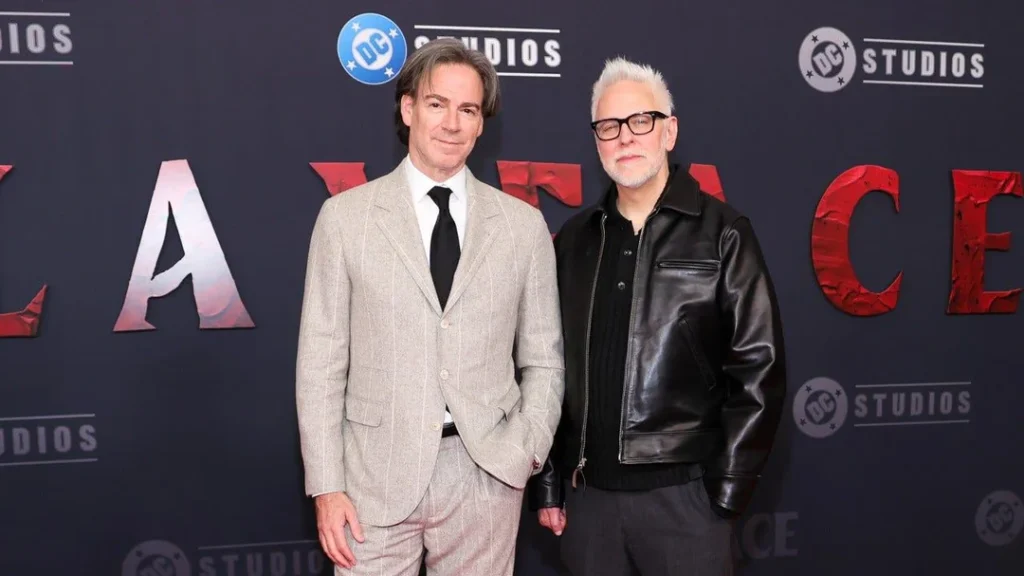
Peter Safran revealed the casting of Josh Hutcherson and Mackenzie Davis while discussing DC Studios’ projects during an interview with IGN. Safran confirmed Hutcherson as Scott Free and Davis as Big Barda, praised Tom King’s adaptation, and stated that King had written all eight episodes of the animated series. This information provides important confirmation about both the principal performers and the writing process. King’s involvement is particularly relevant because the adaptation draws from the acclaimed comic he created with artist Mitch Gerads. His position as showrunner and executive producer, combined with Safran’s confirmation that he wrote all eight episodes, establishes a substantial creative connection between the original work and its animated interpretation.
Safran also connected the project’s appeal to its emotional questions rather than focusing exclusively on superhero spectacle. Reporting on the interview highlighted his interest in how people continue living despite uncertainty surrounding life’s largest questions, alongside his appreciation for the comic’s importance to readers. This emphasis provides insight into how DC Studios is presenting the adaptation.
The publicity places importance on the personal experiences of the characters and the emotional significance of their relationship, rather than treating the series solely as another opportunity to expand a recognisable superhero property. That approach aligns with the original comic’s combination of extraordinary circumstances and intimate personal struggles, although Safran’s enthusiasm remains an assessment of a production in development rather than independent evidence of the finished series’ quality.
The announcement also establishes a clearer picture of the production’s scope. With King confirmed as the writer of all eight episodes, the series has a publicly identified creative lead responsible for adapting the story across its planned episode count. However, this confirmation should not be interpreted as establishing every production milestone or revealing the entire supporting cast. Hutcherson and Davis are the announced performers for the central couple, while other casting and distribution details must be considered separately according to what has been officially disclosed. Accurate coverage should distinguish confirmed information from expectations about the adaptation’s visual direction, emotional execution, and eventual reception.
For readers following the October 2026 casting news, the most important development is that Mister Miracle now has publicly identified performers for the two characters at the center of its story. Hutcherson will portray Scott Free, a survivor whose extraordinary escape abilities contrast with his desire for personal freedom and stability, while Davis will voice Big Barda, a powerful former warrior whose rejection of Apokolips helped shape her independent identity.
Their marriage connects those individual journeys and provides the foundation for an animated series concerned with both cosmic conflict and ordinary emotional struggles. With Peter Safran confirming the leads and Tom King’s involvement across all eight episodes, the project has established important elements of its cast and creative direction. The remaining question is how effectively the completed adaptation will translate the characters’ complicated histories, contrasting personalities, and enduring relationship into animated storytelling.
Tom King’s Role in the Mister Miracle Animated Series and How the Original Comics Inspire the Adaptation
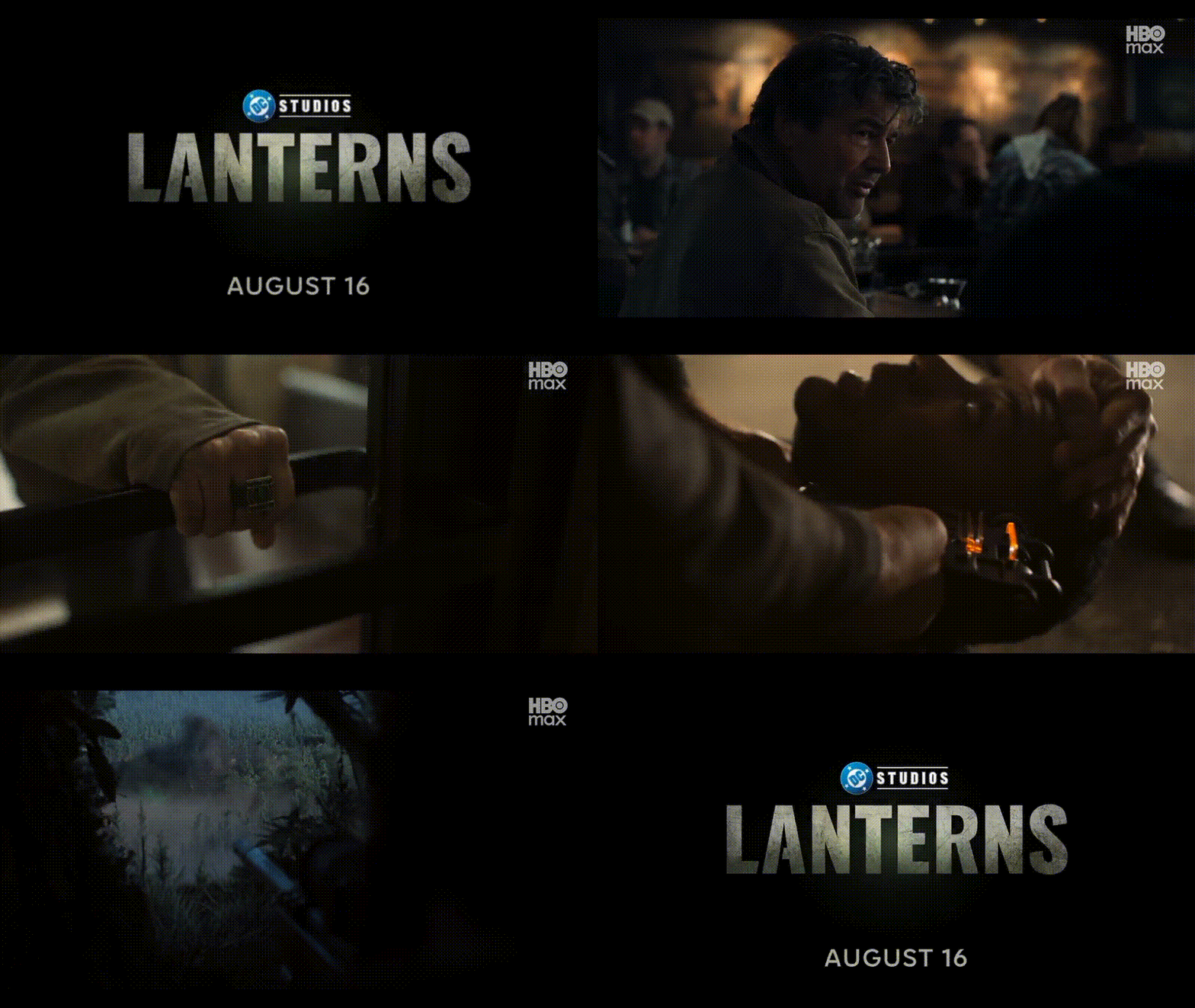
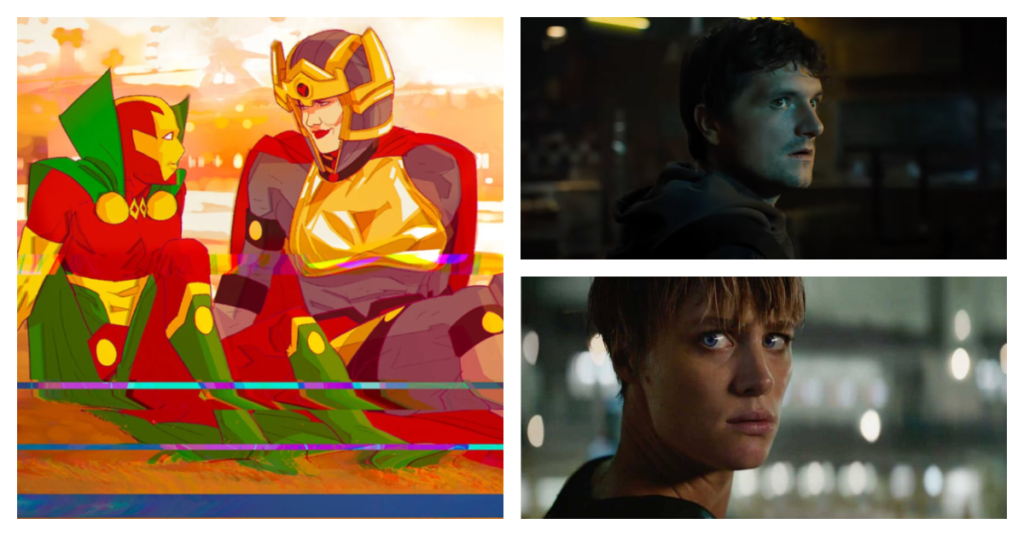
Tom King serves as showrunner and executive producer of DC Studios’ upcoming Mister Miracle adult animated series. His involvement was established in the original series greenlight announcement, while Peter Safran subsequently confirmed that King had written all eight episodes. Safran also referenced King’s experience co-creating and executive producing Lanterns when discussing his work on the adaptation. This gives the production an important degree of creative continuity between the original comic and its television interpretation. King’s familiarity with the characters, their relationships, and the story’s underlying emotional themes provides a foundation for adapting the material while maintaining the priorities that made the original work distinctive.
However, creator involvement does not eliminate the challenges associated with adapting a comic into animated television. Comics and television communicate information differently, particularly through pacing, visual composition, dialogue, and the amount of control audiences have over how they experience individual scenes. A comic allows readers to pause over an illustration, return to a previous page, or examine several visual details simultaneously.
Television determines the duration of each moment, introduces sound and performance, and controls the sequence in which information reaches the audience. These differences mean that a scene effective on the printed page may require a different approach when translated into animation. Repeated panels might need a carefully structured visual rhythm, while an ambiguous facial expression could acquire a more specific meaning once an actor delivers the accompanying dialogue with a particular emphasis.
King’s responsibilities therefore extend beyond reproducing the original story’s events. He must determine how the comic’s emotional effects can be communicated through movement, sound, performance, and the pacing of individual episodes. Writing all eight installments also requires organising the narrative so that each episode contains enough meaningful development to maintain interest while contributing to the larger story. The emotional progression must remain understandable across the series, particularly because Mister Miracle combines intimate personal experiences with conflicts involving powerful cosmic figures. The value of King’s involvement lies in his direct understanding of the material’s underlying purpose, although the finished adaptation will ultimately determine how successfully that understanding translates into animated television.
The series draws from the acclaimed twelve-issue Mister Miracle comic created by Tom King and Mitch Gerads. DC’s collected edition credits King as writer, Gerads as illustrator, and Clayton Cowles as letterer. The collected volume reached comic shops and bookstores in February 2019, with Penguin Random House identifying it as a 320-page book. Recognising the contributions of all three creators is important because the comic’s meaning emerges through the interaction of writing, illustration, lettering, pacing, and page composition. Describing the animated project exclusively as an adaptation of King’s writing would overlook Gerads’ foundational contribution to the visual storytelling and Cowles’ role in shaping how dialogue and other textual elements appear on the page.
The challenge for animation is identifying which effects depend specifically on the comic format and which can be recreated through movement, sound, and performance. Faithfulness to the original material does not necessarily require reproducing every panel or composition literally. Instead, preserving the emotional rhythm and intended meaning of important scenes may be equally significant. For example, a deliberate pause can communicate unease, while repeated imagery can suggest that an apparently ordinary event deserves closer attention.
Sound design can also create tension between what a character says and what the audience senses, allowing emotional uncertainty to emerge without an explicit explanation. These techniques represent possibilities for adaptation rather than confirmed descriptions of the animated series’ visual direction. The available production and casting information does not establish exactly how individual comic sequences will be presented on screen.
The original comic also provides a focused starting point for viewers interested in understanding the adaptation’s source material. Although Scott Free and Big Barda belong to the larger New Gods mythology created by Jack Kirby, audiences do not necessarily need to study decades of DC Comics history before approaching King and Gerads’ story. The collected Mister Miracle volume provides the specific narrative foundation for the animated project, introducing the relationship, emotional conflicts, and cosmic circumstances that inform the adaptation. Familiarity with the broader Fourth World mythology can provide additional context, but the twelve-issue series remains the most directly relevant reading material.
Ultimately, King’s position as showrunner, executive producer, and writer of all eight episodes establishes a substantial connection between the original comic and its television adaptation. His involvement creates an opportunity to preserve the story’s emphasis on emotional uncertainty, personal relationships, and the struggle for freedom while restructuring its presentation for a different medium. At the same time, the contributions of Gerads and Cowles remain essential to understanding why the comic’s storytelling is distinctive. The finished series will reveal how effectively its creative team transforms that combination of writing, artwork, and visual pacing into an animated experience without losing the qualities that define the source material.
Mister Miracle Animated Series Plot, Darkseid, the Anti-Life Equation, New Genesis, Apokolips and Guy Gardner
The official premise of the Mister Miracle animated series follows Scott Free as the life he and Big Barda have built together on Earth begins to unravel. War between their home worlds intensifies, Darkseid appears to have obtained the Anti-Life Equation, and Scott faces the possibility that its influence is already affecting his perception of reality. These developments introduce several connected sources of tension, including an external conflict involving powerful cosmic forces, a personal struggle over what Scott can trust, and pressure on a marriage that both characters have fought to establish.
The central dramatic question therefore extends beyond whether Scott can defeat a particular enemy. It concerns his ability to recognise danger, maintain meaningful relationships, and make decisions when he cannot be certain that his understanding of events is reliable.
This uncertainty gives the story opportunities to make ordinary situations unusually suspenseful. A familiar setting might appear reassuring in one moment and deeply unsettling in another, depending on what Scott believes is happening and whether the audience can trust his perspective. The premise also allows the narrative to shift between domestic conversations and conflicts involving entire worlds without abandoning its underlying emotional concerns.
A quiet exchange between Scott and Barda can carry the same fear as a confrontation with cosmic consequences: the possibility of losing the life they have struggled to build. However, the casting announcement does not establish specific episode endings, action sequences, or the adaptation’s final interpretation of these events. Knowledge of the original comic can inform expectations, but it cannot confirm exactly how the animated version will handle individual story developments.
Darkseid’s pursuit of the Anti-Life Equation is central to the larger mythology surrounding Mister Miracle. In DC Comics, the Equation represents a means of eliminating free will and imposing control over sentient beings. Darkseid’s ambition therefore extends beyond conventional military conquest because he seeks a condition in which meaningful individual choice can be destroyed. This makes him a particularly appropriate antagonist for Scott Free, whose identity is fundamentally connected to escape and resistance against confinement.
Scott represents the possibility of refusing control, while Darkseid seeks a form of domination in which refusal itself becomes impossible. Their conflict consequently operates on both physical and philosophical levels. Defeating an enemy may be necessary, but preserving the ability to make independent choices carries even greater significance within the story’s central themes.
The Anti-Life Equation also has important implications for Scott and Barda’s relationship. Love, trust, commitment, and personal loyalty gain meaning through voluntary decisions, making any force capable of erasing free will a threat to the foundation of their marriage. The danger is therefore not limited to physical destruction or the conquest of their home worlds. It also concerns whether individuals can continue choosing whom to trust, what to believe, and how to live.
The animated series can explore these questions through hesitation, obedience, resistance, uncertainty, and the consequences of personal decisions without requiring every scene to explain the mechanics of the Equation directly. Darkseid’s role in this story should also not be interpreted as confirmation of a particular future crossover. A major villain can have substantial importance within one production without automatically determining the direction of every film or television series in a shared universe.
The conflict involving Darkseid is closely connected to Apokolips and New Genesis, the opposing worlds established within Jack Kirby’s Fourth World mythology. Darkseid rules Apokolips, while Highfather is associated with New Genesis. Their long-standing conflict includes a consequential exchange of sons intended to support a peace agreement. Highfather received Orion, while his son Scott Free was sent to Darkseid. This arrangement placed Scott within the oppressive environment of Apokolips, where his experiences under Granny Goodness would eventually shape his identity as Mister Miracle. The exchange demonstrates how decisions made by powerful figures can become defining experiences for the children affected by them, with consequences continuing long after the political agreement that produced them.
DC’s New Gods mythology includes several important figures associated with these opposing worlds. Their relationships help establish the broader context surrounding Scott Free, Big Barda, and Darkseid:
- Apokolips: The world ruled by Darkseid, associated with oppression, military power, and the enforcement of his authority.
- New Genesis: The opposing world associated with Highfather and figures such as Orion and Lightray.
- Highfather: The leader associated with New Genesis and Scott Free’s father, whose agreement with Darkseid resulted in the exchange of their sons.
- Orion: A major New Gods figure connected to the exchange of children between the two worlds.
- Granny Goodness: A powerful figure associated with Darkseid who oversaw the brutal institution where Scott was raised.
- The Female Furies: Elite warriors associated with Apokolips, whose history includes Big Barda’s leadership before she rejected Darkseid’s rule.
- Steppenwolf and the Parademons: Additional forces associated with Darkseid and the larger conflict surrounding Apokolips.
These characters and factions establish the scale of the mythology, but their significance extends beyond providing powerful opponents for superhero battles. The exchange of children makes the conflict between New Genesis and Apokolips deeply personal, transforming political decisions into childhood experiences that continue shaping the characters’ identities. For Scott, returning to a conflict involving these worlds may therefore mean confronting questions about family, upbringing, duty, resentment, and memory rather than simply answering a heroic call. His place of birth, the environment in which he was raised, and the home he eventually chooses do not neatly coincide. This gives his story an additional concern with belonging, suggesting that identity is something he must interpret and negotiate rather than passively accept.
The animated adaptation does not necessarily need to explain every aspect of the Fourth World mythology immediately. Introducing too many historical details, characters, and competing allegiances at once could make the central emotional conflict harder to follow. A more focused presentation could allow audiences to understand what New Genesis and Apokolips mean to Scott and Barda before exploring the wider network of relationships surrounding those worlds.
Their shared history provides a foundation for understanding why renewed cosmic conflict threatens more than their physical safety. It also risks reopening experiences connected to the institutions and expectations they struggled to escape. The two worlds therefore provide both the setting for an extraordinary conflict and a framework for examining inherited identity, personal freedom, and the difficulty of separating the present from the past.
Alongside these central elements, Nathan Fillion has been confirmed to reprise his role as Guy Gardner in the Mister Miracle animated series. Entertainment Weekly reported his return on August 12, 2026, with Tom King confirming the actor’s involvement and discussing the consistency of Guy Gardner’s energetic personality across different DC projects. Fillion’s participation is significant because it carries an established DC Studios performance into animation, providing audiences with a recognisable connection to the wider fictional universe while allowing Mister Miracle to develop its own dramatic identity. His involvement also demonstrates that the production can incorporate familiar characters without necessarily shifting attention away from Scott and Barda.
Guy Gardner’s forceful personality creates interesting possibilities within a story concerned with emotional uncertainty and personal struggles. A character who approaches situations with considerable confidence may provide a contrast to Scott’s doubts or reveal how differently individuals respond to similar circumstances. His presence could introduce a tonal shift, contribute to a particular decision, or help establish the sense of a larger universe populated by other heroes.
However, these remain dramatic possibilities rather than confirmed descriptions of his actual role. The casting report does not establish Guy Gardner’s total screen time, the number of episodes in which he appears, or his precise narrative purpose. His inclusion should therefore not be interpreted as evidence that he will become a central character or substantially redirect the adaptation’s story.
A supporting appearance can serve several purposes without displacing the main characters. It can provide continuity between projects, introduce a different perspective, or contribute to the development of a particular conflict. For Mister Miracle, the most important consideration is whether Guy Gardner’s involvement supports the experiences of Scott Free and Big Barda rather than distracting from their relationship. Shared-universe connections are most meaningful when returning characters contribute to the narrative in which they appear, and Fillion’s casting creates an opportunity for that kind of connection without establishing exactly how it will function.
The overall premise of Mister Miracle combines several interconnected ideas: Scott’s struggle with perception and uncertainty, Barda’s efforts to preserve their shared life, the renewed conflict between Apokolips and New Genesis, and Darkseid’s pursuit of control through the Anti-Life Equation. Nathan Fillion’s return as Guy Gardner introduces an additional connection to DC Studios’ wider projects, but the central story remains focused on Scott and Barda. The series’ dramatic potential comes from placing questions about freedom, identity, and personal relationships alongside conflicts involving gods and entire worlds.
Although the official premise establishes these foundations, the precise execution of individual episodes and supporting character appearances remains unconfirmed. The finished adaptation will determine how effectively the narrative balances its intimate emotional concerns with the scale of its cosmic mythology.
Frequently Asked Questions (FAQs)
- Who voices Mister Miracle in the animated series?
Josh Hutcherson will voice Scott Free, the New God and legendary escape artist known as Mister Miracle, in DC Studios’ upcoming adult animated series. DC Studios co-CEO Peter Safran revealed his casting alongside Mackenzie Davis as Big Barda. Hutcherson is widely known for playing Peeta Mellark in The Hunger Games films and Mike Schmidt in Five Nights at Freddy’s. He also has previous voice acting experience, including a role in Justice League Unlimited. - Who voices Big Barda?
Mackenzie Davis will voice Big Barda, Scott Free’s wife and a powerful New God originally associated with Darkseid’s forces on Apokolips. Davis is known for her performances in Station Eleven, Halt and Catch Fire, Blade Runner 2049, and Terminator: Dark Fate. Barda’s relationship with Scott and her experiences escaping an oppressive upbringing are central to the story. - When was the Mister Miracle voice cast revealed?
The lead voice casting for Mister Miracle was reported on October 14, 2026, following comments made by DC Studios co-CEO Peter Safran during an interview with IGN. Additional entertainment publications covered the announcement on October 15. The announcement confirmed Josh Hutcherson as Scott Free and Mackenzie Davis as Big Barda, while Nathan Fillion had previously been confirmed to reprise Guy Gardner. - How many episodes will Mister Miracle have?
The Mister Miracle animated series will consist of eight episodes. Peter Safran also confirmed that Tom King, who wrote the original acclaimed comic, has written all eight episodes of the television adaptation. However, individual episode runtimes and the release schedule have not yet been confirmed. - Is Tom King the showrunner?
Yes. Tom King is the showrunner and an executive producer of the Mister Miracle animated series. Warner Bros. Animation and DC Studios confirmed his involvement when the project was announced in June 2025. King also wrote the original twelve-issue comic illustrated by Mitch Gerads, giving him a major role in adapting the story for television. - Which comic inspired the series?
The animated series adapts the twelve-issue Mister Miracle comic written by Tom King and illustrated by Mitch Gerads, with lettering by Clayton Cowles. The acclaimed storyline explores Scott Free’s life as an extraordinary escape artist while examining his marriage to Big Barda, personal struggles, and conflicts involving the New Gods. - Is Nathan Fillion returning as Guy Gardner?
Yes. Nathan Fillion has been confirmed to reprise his role as Guy Gardner in the Mister Miracle animated series. His return connects the animated production to his established portrayal of the character in DC Studios’ wider DCU projects. However, his exact number of episodes and overall role in the story have not been revealed. - Is Mister Miracle part of the DCU?
Yes. James Gunn has confirmed that the Mister Miracle animated series is part of DC Studios’ connected DC Universe. Nathan Fillion’s return as Guy Gardner further reinforces that continuity. However, the series remains primarily focused on Scott Free, Big Barda, and the cosmic conflicts involving Darkseid, Apokolips, and New Genesis. - Is there a confirmed Mister Miracle release date?
No. As of October 2026, DC Studios and Warner Bros. Animation have not announced an official premiere date for Mister Miracle. Although the voice cast, showrunner, and eight-episode structure have been confirmed, those details do not establish when the finished series will be released. - Where will Mister Miracle be available to watch?
Current reporting identifies Mister Miracle as an upcoming DC Studios and Warner Bros. Animation production associated with HBO Max. However, a complete international distribution schedule has not been confirmed. Availability may vary between regions, and details such as the premiere date and whether episodes will release weekly or all at once remain unannounced.

Conclusion
The Mister Miracle voice cast announcement gives DC Studios’ adaptation its essential partnership: Josh Hutcherson as Scott Free and Mackenzie Davis as Big Barda. King’s involvement and Fillion’s returning Guy Gardner performance add further definition to a project built around a distinctive combination of cosmic conflict and personal vulnerability.
The greatest creative opportunity lies in the relationship at the story’s center. Extraordinary powers can provide spectacle, but the characters’ choices, disagreements, and efforts to protect their shared life will determine the adaptation’s emotional force.
The casting offers a clearer picture of who will bring that relationship to the screen. Judging the result will require the performances themselves, alongside the animation, direction, and completed storytelling.
Sources and citation
- DC Comics, June 12, 2025: Official announcement confirming the Mister Miracle animated series greenlight, Tom King’s comic adaptation, showrunner and production details.
https://www.dc.com/blog/2025/06/12/warner-bros-animation-and-dc-studios-announce-series-greenlight-for-mister-miracle - TheWrap, October 2026: Reports the casting of Josh Hutcherson and Mackenzie Davis in Mister Miracle, including their roles and the animated series’ development.
https://www.thewrap.com/media-platforms/tv/mister-miracle-adds-josh-hutcherson-mackenzie-davis/ - Entertainment Weekly, October 2026: Covers Nathan Fillion’s involvement as Guy Gardner, including Tom King’s comments on the casting and character’s appearance in the animated series.
https://ew.com/nathan-fillion-mister-miracle-casting-guy-gardner-animated-series-exclusive-12058023 - DC Comics, Mister Miracle Character Profile: Provides official background on Scott Free, his escape artist abilities, origins and connections to the New Gods mythology.
https://www.dc.com/characters/mister-miracle - DC Comics, Big Barda Character Profile: Explains Big Barda’s origins on Apokolips, her involvement with the Female Furies and her relationship with Mister Miracle.
https://www.dc.com/characters/big-barda - DC Comics, Darkseid Character Profile: Documents Darkseid’s background, his rule over Apokolips and his significance within the New Gods mythology.
https://www.dc.com/characters/darkseid - DC Comics, Mister Miracle by Tom King and Mitch Gerads: Provides information about the original comic book series, its central characters, psychological themes and source material for the animated adaptation.
https://www.dc.com/graphic-novels/mister-miracle-2017/mister-miracle - DC Comics, New Gods Comic Book History: Provides historical background on New Genesis, Apokolips, Highfather, Darkseid and Jack Kirby’s Fourth World mythology.
https://www.dc.com/comics - DC Studios, Official Website: Provides information about DC entertainment projects, upcoming film and television productions, animated adaptations and franchise announcements.
https://www.dc.com/ - Warner Bros. Animation, Official Studio Information: Provides background on Warner Bros. animated productions, DC television projects and the studio’s involvement in superhero animation.
https://www.warnerbros.com/
Recommendations
- Pax Autocratica Is a Roguelite FPS Where You Build a Totalitarian Colony
- Impossible Mission 3 Release Date Confirmed for May as Classic Commodore 64 Series Returns After 38 Years
- Disney Dreamlight Valley: The Shadowy Surprise Walkthrough and Puzzle Solutions
- How Games Create Realistic Mirrors Without Path Tracing
- Trails in the Sky 1st Chapter Translation Patch: 1.07 Guide
- VisionQuest Disney+ Release Date Finally Confirmed: Marvel Reveals Major MCU Return
- 007 First Light: Murto Boss Fight Guide, How to Beat Murto Easily
- Valor Mortis Recoups Launch Costs, One More Level Reports
- DON’T NOD Enters French Court Protection: Sauvegarde Explained
- Innersloth’s Forest Willard Warns About Bad Indie Publishing Contracts



































































































