









In This Article (9 sections)
Ubisoft Winnipeg Closure, Layoffs, and Place in the Company’s Wider Restructuring
Ubisoft has closed its Winnipeg studio as part of another major wave of restructuring across the company’s global development network. The move affects dozens of employees in Canada and arrives during a broader period of cost reduction, project cancellations, delayed releases, and internal consolidation across Ubisoft’s business.
Ubisoft Winnipeg was not one of the publisher’s largest or most publicly visible studios, but it played an important support role across several major Ubisoft franchises. Its reported closure is significant because it reflects the company’s continuing effort to reduce costs, narrow its production roadmap, and reorganize development around fewer teams and more focused internal divisions. The closure also raises immediate questions for affected workers, players, local developers, and fans following Ubisoft’s wider business reset. It is not only a Winnipeg story; it is part of a much larger shift in how Ubisoft is managing risk, staffing, live-service obligations, and franchise development after several difficult years.
Ubisoft Winnipeg’s closure was reported in June 2026, with affected employees reportedly informed as part of a wider round of cuts across Ubisoft’s global network. The studio had opened in 2018 and operated for roughly eight years before the shutdown. The Winnipeg office was created as a Canadian support studio focused on technology, tools, and co-development assistance for Ubisoft’s larger productions. Over time, it contributed to major franchises and live-service projects, including Rainbow Six Siege, XDefiant, Assassin’s Creed Valhalla, and Far Cry 6.
Reports indicate that the closure was not isolated. Ubisoft’s Belgrade studio was also reportedly closed around the same period, while additional layoffs affected other Ubisoft teams. The timing places Winnipeg inside a much wider restructuring pattern rather than a single local performance issue. Ubisoft has spent the last several years reducing headcount, shutting down or restructuring studios, canceling projects, and reorganizing its production model. Winnipeg’s closure fits that pattern: smaller support teams and satellite offices are especially vulnerable when a publisher decides to consolidate work into fewer locations.
Approximately 85 employees were reportedly affected by the closure of Ubisoft Winnipeg. That number makes the shutdown a substantial loss for the local studio, even if it is smaller than some of Ubisoft’s larger layoffs in other regions. Because Ubisoft Winnipeg was a relatively compact team compared with major Ubisoft hubs such as Montreal, Toronto, Quebec, or Paris, losing around 85 roles effectively represents the end of the studio as an operating unit.
The layoffs also appear to be part of a wider round that included additional reductions connected to Ubisoft projects and other studios. Reports around the same period mentioned further cuts tied to Rainbow Six Siege, Rainbow Six Siege Mobile, unannounced projects, and Ubisoft’s broader studio network. For employees, the practical impact is immediate. Studio closures typically affect programmers, artists, producers, designers, quality specialists, operations staff, and administrative workers. Even when some employees are eligible for internal transfers, closure often results in many workers needing to seek roles outside the company.

Ubisoft Winnipeg’s Project Role and Why the Closure Fits Ubisoft’s 2026 Reset
Ubisoft Winnipeg was primarily known as a support and co-development studio. It was linked to several high-profile Ubisoft titles rather than a single flagship game developed entirely in-house. Reported credits and project associations include Rainbow Six Siege, XDefiant, Assassin’s Creed Valhalla, and Far Cry 6. These projects reflect the kind of work Ubisoft Winnipeg was built to support: large-scale franchise development, technology assistance, live-service pipelines, and production support for major teams.
Support studios are often essential to modern triple-A development. They help build tools, improve workflows, create content, solve technical issues, assist with optimization, and support post-launch updates. Even if players do not always recognize their names, these teams often contribute directly to the quality and stability of major releases. The closure does not automatically mean those games or franchises are ending. Instead, it means the work previously handled by Winnipeg must be reassigned, reduced, automated, delayed, or absorbed by other teams.
Ubisoft is closing and consolidating studios because the company is trying to reduce costs, simplify its development structure, and focus on fewer projects with stronger commercial potential. The publisher has faced several years of financial pressure, delayed games, underperforming releases, expensive development pipelines, and shifting player expectations. Like many large game companies, Ubisoft expanded during the pandemic-era gaming boom and later faced the challenge of adjusting to slower growth.
Consolidation is a common response when a publisher believes it has too many projects, too many overlapping teams, or too much fixed cost relative to expected revenue. Closing smaller studios reduces payroll, rent, management overhead, and operational complexity. However, consolidation also carries risks. It can reduce institutional knowledge, damage morale, slow development, and make remaining teams responsible for more work. The short-term financial benefit can come with long-term production costs if expertise is lost too quickly.
The Winnipeg closure happened during Ubisoft’s larger 2026 restructuring push. The company has been moving toward a new operating model built around more focused internal divisions, often described through the language of “creative houses” or dedicated business units. This restructuring followed several earlier rounds of cuts, including studio closures and layoffs affecting offices in Canada, Europe, the United States, and other regions.
In January 2026, Ubisoft outlined a major reset involving a revised roadmap, project cancellations, delayed releases, and accelerated cost reductions. The company’s full-year 2025–26 earnings report later described continued execution on cost savings, a reduced fixed-cost base, and a path toward further savings by March 2028. That financial context is central. Ubisoft reported lower net bookings for the 2025–26 fiscal year and continued to emphasize transformation, deleveraging, and a more disciplined production pipeline. Winnipeg’s closure should therefore be understood as part of a corporate-level restructuring rather than an isolated studio-level decision.
What the Closure Means for Games, Affected Staff, and Ubisoft’s Canadian Network
When a studio closes, its active work does not always disappear. In many cases, projects are transferred to other teams, merged into different production pipelines, delayed, scaled down, or canceled depending on their strategic value. For support studios like Ubisoft Winnipeg, the most likely outcome is redistribution of tasks. Work connected to major franchises may shift to other Ubisoft studios with similar technical knowledge or production capacity.
This process can be complicated. Developers leaving a project take with them practical knowledge about tools, codebases, workflows, documentation, and problem-solving history. Even when files and assets remain inside the company, losing the people who understand them can slow production. For players, the effect may not be visible immediately. Large publishers usually have contingency plans for live games and major releases. However, over time, closures can affect update cadence, feature scope, bug-fixing speed, and the amount of support available for ongoing titles. The biggest impact is usually internal, as remaining teams may need to absorb extra work while also adapting to new reporting structures and revised production priorities.
Reports surrounding Ubisoft’s recent layoffs have generally stated that affected employees are being offered severance and career support, though the exact details can vary by country, province, contract type, role, and employment law. In Canada, severance and termination obligations depend on several factors, including employee tenure, employment agreements, provincial standards, and common-law requirements. Companies may also provide additional transition support, career coaching, internal mobility options, or access to recruiters.
For Ubisoft Winnipeg employees, reported support appears to follow the company’s broader restructuring language: acknowledging affected workers’ contributions while providing transition resources. Still, severance does not erase the disruption caused by closure. Laid-off developers may face relocation decisions, reduced local opportunities, visa or immigration complications, family disruption, and competition from other workers affected by industry-wide layoffs. The human impact is one of the most important parts of the story. Studio closures are often discussed as financial strategy, but they represent lost jobs, interrupted careers, and weakened local development ecosystems.
Ubisoft remains heavily connected to Canada, but the Winnipeg closure reduces the company’s Canadian footprint. Ubisoft’s Canadian network has historically been one of the publisher’s strongest assets. Studios in Montreal, Quebec, Toronto, and other cities have played major roles in franchises such as Assassin’s Creed, Far Cry, Watch Dogs, Splinter Cell, Rainbow Six, and more.
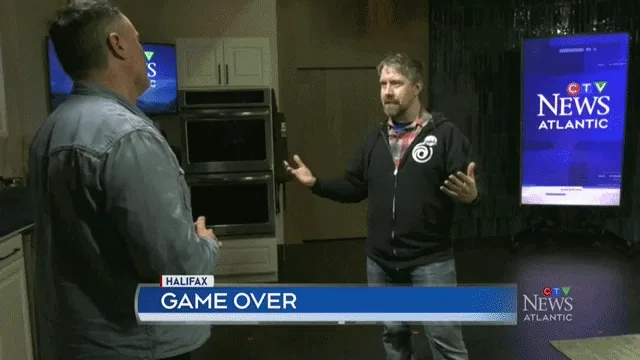
Winnipeg was smaller than those larger hubs, but its closure still matters. It removes a regional studio from Ubisoft’s Canadian map and concentrates more responsibility in larger remaining offices. The closure also follows other Canadian cuts. Ubisoft Halifax was closed earlier in 2026, and Ubisoft Toronto was affected by layoffs connected to the company’s restructuring. Together, these moves suggest that Ubisoft is not simply reducing isolated teams but rethinking how much regional coverage it wants across Canada. For Ubisoft, the Canadian network remains important. For workers, however, the shrinking number of offices means fewer internal transfer options and fewer regional alternatives inside the same company.

Winnipeg’s Local Industry Outlook and the Investor Signals Behind Ubisoft’s Cuts
The closure is a setback for Winnipeg’s game development scene. A Ubisoft studio can act as an anchor employer in a regional market. It attracts experienced developers, trains junior talent, supports local industry visibility, and creates demand for specialized skills. When a major studio closes, the local ecosystem can lose not only jobs but also mentorship, networking, and career-entry pathways.
Affected employees may look for remote roles, positions at independent studios, opportunities in other Canadian cities, or jobs outside games. Some may form startups or join smaller teams, which could eventually benefit the local industry. However, that transition is rarely immediate or easy. The local hiring outlook depends on how many other studios in Manitoba can absorb experienced developers.
If the local market is small, many workers may need to relocate or move into adjacent industries such as software development, simulation, education technology, animation, or digital media. For Winnipeg, the long-term question is whether the talent released by Ubisoft can remain in the region and support new studios or whether the closure leads to a drain of experienced developers to larger markets.
Ubisoft’s workforce reductions are closely tied to investor strategy. The company is trying to convince investors that it can regain financial discipline, reduce costs, focus on stronger franchises, and improve returns after several turbulent years. Layoffs and closures are part of that message, even though they are painful for employees. Investors often look for signs that a company is reducing fixed costs, canceling weak projects, improving production efficiency, and prioritizing reliable revenue sources. Ubisoft has leaned into that strategy through portfolio reviews, delayed releases, project cancellations, and a new operating model.
The company’s arrangement involving Tencent investment and the creation of more focused business units also fits this broader strategy. Ubisoft is attempting to stabilize its finances while preserving control over key brands and improving accountability within its production structure. For investors, the main question is whether cost-cutting will produce better margins without damaging Ubisoft’s ability to create successful games. Cutting too little may fail to solve financial pressure. Cutting too much may weaken the creative and technical capacity needed for recovery.
Future Ubisoft quarterly reports will provide important clues about whether the restructuring is working. The first metric to watch is net bookings, which reflects Ubisoft’s commercial activity across new releases, back catalog sales, digital content, and live services. A sustained decline would increase pressure for deeper cuts, while improvement could reduce the need for additional closures. The second metric is fixed-cost reduction, since Ubisoft has already emphasized cost savings and investors will watch whether the company continues hitting its targets.
The third area is the release schedule. Delays, cancellations, or weak launches could undermine the restructuring plan, while strong performance from major franchises could support the company’s recovery narrative. The fourth area is monthly active users and player engagement, because Ubisoft depends heavily on long-running franchises and live-service ecosystems, so player retention matters. The fifth area is commentary on staffing, studio organization, and creative houses. If Ubisoft continues mentioning additional streamlining, restructuring, or portfolio reviews, more layoffs may remain possible.

Community Reaction, Live-Service Risks, and What Ubisoft May Do Next
Community response to Ubisoft’s Canadian layoffs has been largely sympathetic toward affected workers while critical of the broader industry trend. Players and developers have expressed frustration that experienced teams continue to lose jobs even after contributing to major franchises. Many comments focus on the human cost of restructuring and the difficulty of finding work during a period when many game companies are also cutting staff.
Some community members argue that Ubisoft had become too large and needed to reduce its project slate after years of overexpansion. Others believe leadership decisions, project mismanagement, and shifting corporate strategy should not fall so heavily on developers. The response also reflects fatigue across the gaming industry. Since 2023, layoffs have affected thousands of workers at publishers, developers, platform holders, and support companies. Ubisoft’s cuts are part of that larger pattern, making each new closure feel like another sign of instability. For Canadian developers, the closure of studios in Halifax and Winnipeg adds concern about whether regional offices outside the largest hubs are becoming more vulnerable.
Studio closures can affect live-service support schedules, especially when the affected teams contributed to tools, backend systems, production support, or content pipelines. Games like Rainbow Six Siege depend on regular updates, balance adjustments, bug fixes, anti-cheat work, events, technical maintenance, and content production. Even if the main development team remains intact, losing support teams can increase pressure on remaining staff.
The effect is not always immediate. Large live-service games usually have content planned months in advance. Updates already in production may still release on schedule. The larger risk appears later, when fewer developers are available to maintain the same pace. Ubisoft may respond by reallocating work, reducing scope, extending development timelines, or prioritizing the most commercially important updates. Players might see fewer experimental features, slower fixes, reduced side content, or more conservative roadmaps if support capacity decreases. However, a studio closure does not automatically mean a live game is in danger. It means Ubisoft is reshuffling how support is handled across its network.
Ubisoft’s recent shutdowns and reductions show a pattern of consolidation. Recent reported or confirmed actions include the closure of Ubisoft Winnipeg, the closure of Ubisoft Belgrade, the earlier closure of Ubisoft Halifax, the closure of Ubisoft Leamington, reductions at Ubisoft Toronto, restructuring at Ubisoft Abu Dhabi, cuts affecting Red Storm Entertainment, and previous closures connected to XDefiant’s shutdown, including teams in San Francisco and Osaka.
development, but the exact structure and status of every affected office can vary, but the broader direction is clear: Ubisoft is reducing its global footprint, canceling or delaying projects, and concentrating resources around fewer priorities. What might be next depends on the performance of Ubisoft’s major franchises, the success of its new operating model, and the company’s ability to meet financial targets. Studios attached to weaker projects, duplicated support functions, or lower-priority business areas may face the highest risk.
At the same time, Ubisoft will still need enough talent to support Assassin’s Creed, Rainbow Six, Far Cry, The Division, Just Dance, and other core brands. The likely future is not a complete retreat from global development but a smaller, more selective network.

Frequently Asked Questions (FAQs)
- Did Ubisoft close its Winnipeg studio?
Yes. Reports in June 2026 stated that Ubisoft Winnipeg had been closed as part of the publisher’s wider restructuring efforts. The shutdown was reported alongside other cuts across Ubisoft’s global studio network, placing it within a broader company-wide cost reduction and consolidation plan rather than a purely local decision. - How many employees were affected by the Ubisoft Winnipeg closure?
Approximately 85 employees were reportedly affected by the closure. Because Ubisoft Winnipeg was a relatively small support studio compared with Ubisoft’s larger hubs, that figure effectively represents the end of the office as an operating unit. - When did Ubisoft Winnipeg open?
Ubisoft Winnipeg opened in 2018 and operated for roughly eight years before its closure. The studio was created as a Canadian support and technology-focused team intended to assist larger Ubisoft productions. - What games did Ubisoft Winnipeg work on?
The studio was linked to support work on projects including Rainbow Six Siege, XDefant, Assassin’s Creed Valhalla, and Far Cry 6. Its role was mainly tied to co-development, tools, technical support, production assistance, and live-service pipelines rather than owning one major flagship title entirely in-house. - Does the closure mean Rainbow Six Siege is shutting down?
No. The closure does not mean Rainbow Six Siege is shutting down. It means work previously supported by Winnipeg must be handled elsewhere within Ubisoft’s network, either through other teams absorbing those responsibilities, revised production plans, or changes to how support work is allocated. - Why is Ubisoft closing studios?
Ubisoft is closing and restructuring studios to reduce costs, focus its project roadmap, simplify operations, and improve long-term financial performance. The company has faced financial pressure, delayed releases, project cancellations, and a need to concentrate resources around fewer priorities with stronger commercial potential. - Were other Ubisoft studios affected?
Yes. Reports around the same period also mentioned the closure of Ubisoft Belgrade and additional layoffs affecting other teams. The Winnipeg shutdown followed earlier reductions and closures across Ubisoft’s wider network, including other Canadian cuts. - Will affected employees receive severance?
Reports indicate that Ubisoft has offered support and severance in recent restructuring actions, though exact terms vary by employee and jurisdiction. In Canada, severance can depend on tenure, employment agreements, provincial rules, common-law requirements, and any additional transition resources the company provides. - How does this affect Ubisoft’s Canadian presence?
It reduces Ubisoft’s Canadian studio network and follows other Canadian cuts, including the earlier closure of Ubisoft Halifax and layoffs at Ubisoft Toronto. Ubisoft remains heavily connected to Canada through larger studios, but the loss of Winnipeg narrows its regional footprint and reduces internal options for workers outside the biggest hubs. - Could Ubisoft close more studios?
More closures remain possible if Ubisoft continues pursuing cost reductions, project consolidation, and a narrower development roadmap. Future decisions will likely depend on financial performance, the strength of major franchises, the success of Ubisoft’s new operating model, and whether the company meets its cost-saving targets.

Conclusion
The closure of Ubisoft Winnipeg is another major sign of Ubisoft’s ongoing transformation. The studio may not have been as large or famous as Ubisoft Montreal or Ubisoft Toronto, but it contributed to important franchises and represented a meaningful part of Ubisoft’s Canadian development network.
Approximately 85 employees were reportedly affected, and the closure follows a wider pattern of layoffs, studio shutdowns, project cancellations, and operational restructuring across Ubisoft. The company is attempting to reduce costs, focus on fewer projects, and rebuild confidence among investors after years of financial and production challenges.
For players, the immediate impact may be limited because Ubisoft can redistribute work across other teams. For employees and the Winnipeg development community, however, the effect is much more direct. The closure removes a major local employer, disrupts careers, and adds pressure to an already difficult job market in the games industry.
The next stage will depend on Ubisoft’s financial reports, release performance, live-service stability, and whether its new operating model can deliver stronger results without further weakening its development capacity.
Sources and Citations
- Insider Gaming – Ubisoft Winnipeg closure and affected employees
Citation: Ubisoft Winnipeg shut down, dozens laid off.
Link: https://insider-gaming.com/ubisoft-winnipeg-closed-dozens-laid-off/ - Insider Gaming – Ubisoft ramping staff off projects
Citation: Ubisoft Winnipeg closure discussed alongside internal staffing changes.
Link: https://insider-gaming.com/ubisoft-ramping-staff-off-rainbow-six-siege-other-projects/ - PC Gamer – Ubisoft Winnipeg and Belgrade closures
Citation: Ubisoft closes Winnipeg and Belgrade studios, layoffs could affect hundreds.
Link: https://www.pcgamer.com/gaming-industry/ubisoft-closes-another-2-studios-lays-off-hundreds-more-employees/ - GameSpot – Ubisoft layoffs, studio closures, and restructuring
Citation: Ubisoft restructuring and workforce reductions coverage.
Link: https://www.gamespot.com/search/?q=ubisoft+layoffs - Ubisoft Full-Year 2025–26 Earnings Report
Citation: Financial results, cost reduction targets, restructuring initiatives, and transformation strategy.
Link: https://www.ubisoft.com/en-us/company/about-us/investors - Ubisoft Organizational Transformation Update
Citation: Official announcement discussing studio closures, project cancellations, and restructuring plans.
Link: https://staticctf.ubisoft.com/8aefmxkxpxwl/59b4Z0RNls45UDTVV6gBNR/801a91a599b337779106af51cf08e539/Ubisoft_Jan_PR_draft_vF.pdf - PocketGamer.biz – Ubisoft restructuring and Creative House model
Citation: Coverage of Ubisoft’s restructuring strategy and Creative House organization.
Link: https://www.pocketgamer.biz/search/?q=Ubisoft+creative+house - GamesRadar – Red Storm Entertainment layoffs
Citation: Ubisoft cuts 105 jobs and transitions Red Storm away from game development.
Link: https://www.gamesradar.com/games/ubisoft-guts-og-rainbow-six-and-ghost-recon-studio-laying-off-105-developers-as-red-storm-transitions-from-game-development-to-tech-support/ - TechRadar – Ubisoft cost-cutting and Red Storm layoffs
Citation: Ubisoft continues cost-cutting efforts, Red Storm restructuring.
Link: https://www.techradar.com/gaming/gaming-industry/ubisoft-continues-with-its-cost-cutting-program-as-it-cuts-100-jobs-and-ends-game-development-at-its-tom-clancy-studio-red-storm-entertainment - Polygon – XDefiant shutdown and Ubisoft layoffs
Citation: XDefiant shutdown and associated layoffs.
Link: https://www.polygon.com/search?q=XDefiant+Ubisoft+layoffs
Recommended
- Castlevania: Belmont’s Curse Release Date & Details
- Backyard Baseball: Ultimate Guide to the Classic Game, Characters, and the New 2026 Release
- Pokémon Scalpers Are Reselling Limited Edition Pop-Tarts: Target Exclusive Boxes, EBay Listings, and What’s Going On
- Forza Horizon 6 Leak Explained: Full Details of the Massive Steam Leak, Gameplay Builds, and What it Means for Launch
- Forza Horizon 6 Leak Explained: Full Details of the Massive Steam Leak, Gameplay Builds, and What it Means for Launch
- Battlefield 6’s New Patch 1.2.1.5 (March 3, 2026): Full Patch Notes, Crash Fixes, Spawn Updates & REDSEC Changes
- For the Second Month, Square Enix Shuts Down a Japanese Content Creator for “Harassing” Final Fantasy XIV Staff
- New Lanterns Trailer Has a Lot More Green and First Look at Nathan Fillion’s Guy Gardner Explained
- Street Fighter 6 Alex Marriage Patch Update: What Happened and Why It Matters
- Epstein Files Reveal Gaming Connections, Plans to Buy Activision Stock: Bobby Kotick Emails, Call of Duty, and More



































































































