








Motion capture (mocap) suits have become increasingly accessible, but costs still vary widely depending on the technology and where you are in the world. In this comprehensive guide, we break down the price of motion capture suits in 2025 across key markets – including the US, Canada, UK, Germany, France, China, Japan, South Korea, and Australia – for both individual buyers and professional studios.
We’ll compare optical vs. inertial mocap systems, entry-level vs. professional suits, new vs. used pricing, and even rental options. You’ll also learn about the costs of mocap accessories (like gloves and software), value-for-money picks for indie developers vs. big studios, expert insights on the best suits at different price points, real-world case studies, and global price trends to watch.
Whether you’re a game developer, filmmaker, biomechanics researcher, or VR enthusiast, this guide will help you understand how much motion capture suits cost and which options offer the best bang for your buck.
In This Article (14 sections)
Types of Motion Capture Suits: Optical vs. Inertial Systems
Motion capture suits are divided into optical and inertial systems, each affecting cost and application:
- Optical Mocap Systems: Use cameras to track reflective or LED markers, offering high precision but requiring expensive setups with multiple cameras, dedicated spaces, and software. Vicon systems cost $50,000+ for major studios, while OptiTrack’s 6-camera kit is under $7,000, with larger setups around $30,000. They excel in accuracy for film VFX and AAA games but restrict performers to a camera-calibrated area with high maintenance costs for equipment and markers.
- Inertial Mocap Suits: Employ wearable IMU sensors for camera-free motion capture, providing affordability and portability. Suits like Rokoko Smartsuit Pro II ($2,245), Noitom Perception Neuron ($1,500–$4,000), and Sony Mocopi ($360) are accessible for indies, while Xsens costs $10,000+. Favored for indie game development and smaller studios, they allow capture anywhere but may experience drift or magnetic interference, needing data cleanup, with less precise finger tracking than optical systems.
- Markerless Motion Capture: AI-driven solutions use standard cameras or smartphones, eliminating suits. Cost-effective but less accurate for real-time work, they often rely on subscription models.
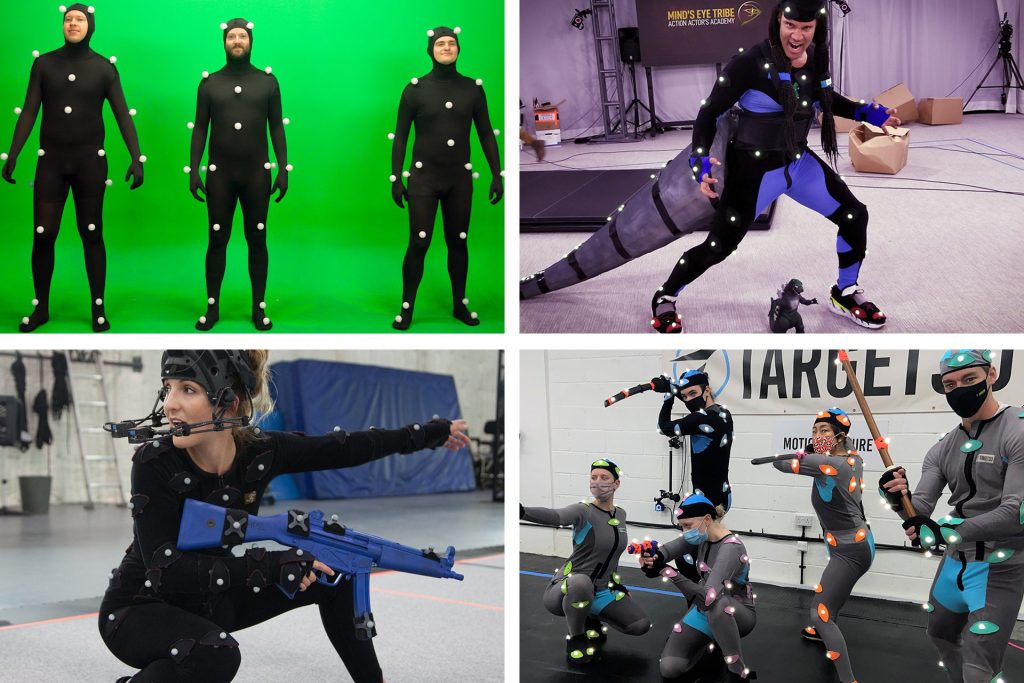
An example inertial suit, like Perception Neuron, uses lightweight sensors on a lycra suit for mobile, camera-free capture, ideal for indie and VR projects.
Price Range: Entry-Level vs. Professional Mocap Suits
Motion capture suit costs in 2025 vary by system and project needs:
- Entry-Level Mocap Suits (Under $5,000): Ideal for indie creators, these inertial suits include Rokoko Smartsuit Pro II ($2,245) and Noitom Perception Neuron 3 ($2,000–$4,000) with wireless full-body capture and included software (Rokoko Studio, Axis Studio). Sony Mocopi ($360) offers budget VR tracking. These provide affordable mocap with features like basic finger tracking and free facial capture apps.
- Mid-Range & Prosumer Systems ($5,000–$15,000): Include high-end inertial suits like Xsens Awinda Starter ($3,799 plus software) and smaller optical setups like OptiTrack’s 6-camera bundle ($7,000). Xsens offers better data quality but costly software licenses. OptiTrack mid-range setups (~$10,000–$20,000 plus $5,000 software) suit funded indie studios, balancing portability or precision needs.
- Professional Mocap Systems ($20,000 and up): High-end Vicon optical systems ($50,000–$100,000+) and Xsens MVN Link (~$12,000–$15,000 with subscriptions) cater to major studios, offering superior accuracy and multi-actor capture for films and AAA games. Hybrid setups combine optical and inertial for flexibility.
Indie developers can access mocap for under $3,000, while VFX studios invest $100,000+ in advanced setups, with mid-tier options offering near-professional capabilities.

Regional Price Differences: USA, Canada, Europe, Asia & More
Motion capture prices vary globally due to import costs, distributors, and demand:
- United States: A major mocap market with direct sales from brands like Vicon, Xsens, Rokoko, and Noitom, priced in USD without VAT (e.g., Rokoko ~$2,245, Xsens $4,000–$10,000 hardware only). Domestic shipping is straightforward, with a robust rental market (e.g., Xsens ~$800/day in LA). US buyers benefit from competitive pricing and access to used gear or resellers.
- Canada: Prices are higher due to currency exchange and import fees (e.g., $3,000 USD suit ~$4,000 CAD plus duties). Vicon, OptiTrack, and Noitom have distributors; indie creators import suits like Rokoko, budgeting 10–15% extra for taxes/shipping.
- United Kingdom: Home to Vicon, prices in GBP/EUR include 20% VAT (e.g., Rokoko ~£2,200–£2,500). Resellers like Target3D offer systems (e.g., Perception Neuron Studio ~£13,050). Rentals (£85/day for Rokoko suit + gloves) are available, with good access to EU/US products.
- Germany & France: EU prices in EUR include VAT (e.g., Rokoko €2,245 + VAT, ~€2,700 total). Noitom’s Perception Neuron 3 (€3,500). Local distributors for Qualisys and Vicon exist, with academic discounts boosting demand.
- China: Noitom offers cheaper domestic Perception Neuron suits. Imported systems like Vicon face tariffs, but local DIY solutions and high-end studios thrive, offering a spectrum from low-cost to world-class setups.
- Japan: Vibrant for game, anime, and VTuber use, with suits like Rokoko and Sony Mocopi (~¥49,500) plus 10% tax. Xsens and Vicon have local partners, and DIY VR tracker setups are popular. Rentals in Tokyo provide cost-effective access.
- South Korea: Imports suits like Xsens or Rokoko ($2,000–$5,000) with taxes. Optical systems (Qualisys, Vicon) serve research, while indies favor inertial suits. Regional Xsens support aids ownership costs.
- Australia: Imports incur high shipping and 10% GST (e.g., Rokoko ~AU$3,500–$4,000). Resellers like Tracklab offer local pricing (e.g., Xsens Awinda Starter ~US$3,799 + GST). Limited rentals push new purchases or reliance on VR trackers.
Check for indie/academic discounts (e.g., Rokoko’s Indie Program: suit+gloves+face for $2,995) to narrow price gaps across regions.
New vs. Used Mocap Suits, and Rental Options
- Used Mocap Suits: Found on eBay or forums, used Rokoko suits ($4,000) or older Perception Neuron ($1,000) offer savings, but verify sensor health and software license transferability. Used optical gear (e.g., Vicon MX cameras ~C$99) requires complete sets, as older systems may lack support.
- Rental and Mocap-as-a-Service: Rentals (e.g., Xsens ~$800/day in LA, Rokoko ~£70–100/day in UK) suit short-term projects. Mocap studios provide stages with technicians (e.g., 16 Vicon cameras, thousands/day), or outsourced services charge per session, ideal for one-off needs.
Renting or outsourcing is cost-effective for infrequent use; owning suits benefits ongoing projects.

Motion Capture Accessories and Software Costs
Accessories and software significantly impact budgets:
- Mocap Gloves (Finger Tracking):
- Rokoko Smartgloves: ~$1,745, integrate with Rokoko suits, capturing all fingers with strong data quality.
- Manus Gloves: Range from $1,500 (Prime X) to $9,000 (Quantum Metagloves), with Xsens bundles (~$5,500).
- StretchSense Gloves: High-end, priced in thousands for detailed VFX hand capture.
- Body Markers and Suits (Optical accessories): Markers and Lycra suits cost $100–$300, with calibration tools adding minor recurring costs.
- Base Stations / Trackers (VR setups): DIY VR setups with HTC Vive trackers (~$1,000 for 6 trackers + 2 base stations) offer budget mocap alternatives.
- Facial Motion Capture Gear: Smartphone apps (e.g., Rokoko/Xsens) are low-cost; dedicated helmets like Dynamixyz cost thousands.
- Software Licenses:
- Rokoko Studio: Free for core features, no subscription for indie use.
- Noitom Axis Studio: Included with suit, no extra cost.
- Xsens MVN Software: ~$500/month subscription, costly for small studios.
- OptiTrack Motive: One-time licenses ($999–$9,999) based on actor count.
- Vicon Software (Shogun/Nexus): Included in system quotes, with annual maintenance fees.
- Plugins and Middleware: Free plugins for Unity/Unreal; MotionBuilder costs thousands annually. Blender is a free alternative.
- PC and Infrastructure: Optical systems need powerful PCs; inertial suits require solid CPUs/GPUs and storage.
Accessories range from $500–$10,000+, with indie setups leveraging free software like Blender to minimize costs.
Best Value Motion Capture Options for Indie Developers
- Rokoko Smartsuit Pro II (Affordable Inertial Suit): At $2,000, offers full-body capture, easy setup, and free Rokoko Studio software for streaming to Unity/Unreal. Ideal for indies despite minor drift, with an indie bundle ($2,995) including gloves and face capture.
- Noitom Perception Neuron (PN) Series: PN3 (~$1,999–$3,999) provides wireless capture and free Axis Studio software. PN Studio supports high-frame-rate capture, though setup is complex.
- DIY and Open-Source Solutions: Budget options like Kinect, Arduino-based IMUs (~$300+), or smartphone apps offer prototyping, trading time for savings.
- Markerless AI Solutions: Services like Move.ai or Rokoko Vision (~$30–$200/month) use cameras/smartphones, cost-effective for short-term, hardware-free capture.
Rokoko and Perception Neuron offer top value for indies, with tracking close to high-end systems for budgets under $5,000.

High-End Solutions for Studios and Specialized Use Cases
Professional studios and specialized fields prioritize performance, justifying high costs:
- Optical Motion Capture Stages (Vicon, OptiTrack, Qualisys): Gold standard for precision, capturing multiple actors in large spaces for complex scenes or biomechanics. Costs ($50,000–$100,000+) cover hardware, dedicated spaces, calibration, and technicians. Data quality is near-perfect with minimal drift, ideal for film studios like Weta Digital or ILM, and multi-actor scenarios like crowd scenes.
- Xsens and High-End Inertial for Studios: Preferred for on-location capture (e.g., outdoor scenes or large areas). Xsens MVN Link (~$12,000) offers on-body recording for stunts like skydives, with cleaner data reducing post-processing time. Studios may invest $50,000+ in multiple suits for simultaneous actor capture in virtual production.
- Specialized Mocap (Biomechanics, VR, etc.): Biomechanics labs use optical systems like Qualisys with force plates for sub-millimeter accuracy in gait analysis, funded by grants. VR arcades employ optical or hybrid systems for robust multi-participant tracking. Active marker suits like PhaseSpace ensure low-latency tracking for specialized applications.
- Human Motion and AI Training Data: High-end systems capture extensive motion data for AI training or animation libraries, using optical and inertial setups for redundancy and fidelity.
For pros, value lies in time saved and quality achieved, with hybrid systems matching tools to tasks. High-end investments enable efficient blockbuster productions, and older units may trickle down to smaller studios.
Insights from Industry Experts: Choosing the Right Mocap Suit
Experts emphasize tailored solutions:
- No Single Best Solution: Corey Williams (Daydream Studios) notes each system’s strengths—AI for outdoor shoots, Rokoko for indie game dev, Vicon for high-fidelity stunts—urging creators to match needs (real-time, fingers, multi-actor) to systems.
- Rokoko Smartgloves Advantage: Indie animator Leon praises Rokoko’s $1,700 gloves for outperforming pricier options, though notes Rokoko’s hip/foot tracking issues due to inertial drift, recommending Xsens for cleaner data.
- Cost Leap to Optical: CG artist Dante highlights a $30,000 price jump from Xsens ($10,000–$20,000) to Vicon ($40,000–$50,000), suggesting rentals for occasional high-precision needs.
- Democratization Impact: Noitom’s Roch Nakajima notes reducing mocap costs from hundreds of thousands to $999, enabling indie creators to achieve professional results, as seen with user Donald Dade’s success with Perception Neuron Pro.
- Indie Productivity: Indie team 2for2 credits affordable mocap for enabling a fully animated game, highlighting its value for small teams.
Experts recommend demos, trade shows, and community forums (Reddit, Blenderartists) for insights, emphasizing testing systems to ensure fit.

Real-World Case Studies
Real-world scenarios illustrate mocap choices:
- Indie Game Studio – Full Performance on a Budget: Montreal’s Midnight Lobby (composite example) used a $3,000 Rokoko Smartsuit Pro II and Smartgloves bundle to animate cutscenes and combat moves. Streaming to Blender for cleanup and Unreal Engine, they halved animation time, producing cinematic sequences affordably despite minor data cleanup.
- Professional Animation Studio – Hybrid Approach: London’s Big Screens VFX (hypothetical) uses a $50,000 OptiTrack 12-camera system for precision and two Xsens Link suits for cramped spaces like car interiors. The hybrid setup (totaling $100,000+) ensures flexibility, cutting a two-month animation task to two weeks.
- Biomechanics Research Lab – Validating Affordable Mocap: A South Korean lab tested a $10,000 Perception Neuron Studio suit for gait analysis, finding it viable for many measurements compared to optical systems, enabling cost-effective field research.
- VTuber/Online Creator – Personal Motion Capture: Japanese creator Akari used a $4,000 Perception Neuron Pro and iPhone for lifelike VTuber streams, recouping costs through channel growth within a year, showcasing solo mocap accessibility.
These cases highlight mocap’s versatility across budgets, empowering diverse creative and scientific endeavors.
Global Market Trends and Future Outlook
The mocap industry is evolving rapidly:
- Market Growth and Competition: Valued at $640 million in 2023, projected to reach $2.17 billion by 2030, driving new entrants and potentially lower prices. Sony’s Mocopi suggests future consumer-focused products.
- Continued Price Divergence: High-end systems like Vicon remain costly, while entry-level suits (e.g., Rokoko at $2,245) may drop below $1,000. Used gear proliferation benefits budget users.
- Improvements in Ease of Use: Auto-calibration (e.g., Manus gloves) and user-friendly software reduce specialist needs, lowering ownership costs.
- Markerless Mocap & AI Integration: AI-driven markerless systems (e.g., Move.ai) and hybrid solutions with AI correction may reduce costs and camera needs, potentially rivaling suits.
- Subscription and Service Models: Growing subscription models (e.g., Xsens MotionCloud) offer low upfront costs but require lifetime cost evaluation.
- Community and Open-Source Influence: Blender’s free tools and open-source projects like OpenMoCap enhance affordable suits’ value, with potential for cheaper solutions.
- Future Prediction: By 2030, sub-$500 inertial suits and advanced markerless AI are likely, while high-end systems may integrate volumetric capture. Government grants may expand regional mocap hubs.
Mocap is increasingly accessible, with options for all budgets and a promising, affordable future.
Frequently Asked Questions (FAQs)
- How much does a motion capture suit cost in 2025?
Motion capture suit prices vary widely depending on the technology and intended use. Entry-level inertial systems generally cost around $1,500 to $4,000, while high-end inertial systems such as Xsens can exceed $10,000 once software is included. Professional optical motion capture systems from companies such as Vicon and OptiTrack can cost $30,000 to $100,000 or more. Budget options such as Sony Mocopi can cost only a few hundred dollars. - What’s the difference between optical and inertial motion capture suits?
Optical motion capture uses cameras to track markers placed on an actor, offering very high precision and strong multi-actor support but requiring a dedicated capture space and more expensive equipment. Inertial motion capture relies on wearable IMU sensors, making it more portable and affordable, although it can suffer from drift and magnetic interference. Optical systems are commonly used by larger studios, while inertial systems are popular with indie developers and mobile productions. - Can I rent a motion capture suit instead of buying one?
Yes. Renting can be a practical option for short projects or one-off recording sessions. Xsens systems may rent for around $800 per day in some markets, while Rokoko suits can sometimes be rented for roughly £70 to £100 per day in the UK. Motion capture studios also offer stage rentals and capture-as-a-service packages that include equipment and technical support. - Are used motion capture suits reliable, and where can I find them?
Used motion capture equipment can be reliable if it is carefully inspected before purchase. Second-hand Rokoko, Perception Neuron, and other systems are often sold through specialist forums, marketplaces, studios, and platforms such as eBay. Buyers should verify sensor condition, included accessories, software licences, warranties, and whether replacement parts are still available. - What other equipment or software do I need with a mocap suit?
Most motion capture setups also require a capable computer, capture software, batteries or power supplies, and compatible plugins for software such as Unity, Unreal Engine, or Blender. Additional equipment can include motion capture gloves, facial capture systems, prop trackers, optical markers, cameras, mounts, and storage. Software subscriptions may also significantly increase the total cost of ownership. - Is it worth buying a mocap suit for indie game development?
Yes, especially for games that require a large amount of character animation. A motion capture suit can dramatically reduce the time needed to create realistic movement compared with animating everything manually. However, developers should also account for setup, calibration, animation cleanup, retargeting, and the learning curve involved in producing polished final results. - What is the best motion capture suit for beginners?
The Rokoko Smartsuit Pro II and Perception Neuron systems are commonly considered beginner-friendly options. Rokoko is particularly popular for its straightforward workflow, software ecosystem, and strong support for indie developers. Perception Neuron can also be an affordable choice, especially for users working with Blender, Unity, or Unreal Engine, although setup can be slightly more involved. - How do motion capture suit prices compare between countries?
Base prices are often similar internationally, but taxes, import duties, shipping, and distributor markups can significantly affect the final cost. Buyers in the United States may pay the listed price plus state sales tax, while European and UK buyers often face VAT. Canada, Australia, Japan, South Korea, and other markets may also add local taxes, customs charges, and shipping costs. Local distributors can charge more but may provide easier warranty and technical support. - What accessories can significantly increase the cost of a mocap setup?
Finger-tracking gloves, facial capture hardware, prop trackers, additional sensors, optical markers, cameras, and specialized mounting equipment can all raise the total price considerably. Motion capture gloves alone can cost anywhere from roughly $1,000 to $5,000 or more, depending on the system and level of accuracy required. - Besides the suit, what else affects the total cost of a mocap setup?
The full cost can include software subscriptions, maintenance, replacement parts, accessories, technician or training expenses, storage, computing hardware, and studio space. Optical systems may require dedicated rooms, cameras, lighting, and permanent mounting infrastructure, while inertial systems may need reliable networking and regular calibration. Future upgrades and software licensing should also be considered when estimating long-term ownership costs.

Conclusion
Motion capture suits have become much more accessible, giving indie developers, animators, and professional studios options across a wide range of budgets. The right setup depends on factors such as accuracy, portability, software support, project size, and long-term costs. While entry-level systems are suitable for smaller projects, more advanced inertial and optical solutions provide greater precision and flexibility. Buyers should also consider accessories, software subscriptions, maintenance, and computer requirements before deciding which system offers the best overall value.
Sources and Citations
- Sony Electronics: mocopi Official Product Listing, Full-Body Motion Capture Features and $449.99 Price
https://electronics.sony.com/more/mocopi/all-mocopi/p/qmss1-uscxk - Sony Electronics: mocopi Pro Kit, 12-Sensor Configuration and $1,179.95 MSRP
https://electronics.sony.com/more/mocopi/all-mocopi/p/qmss1-uscxp - Rokoko: Smartsuit Pro II Official Product Page, Inertial Motion Capture Features and Hardware Requirements
https://www.rokoko.com/products/smartsuit-pro - Rokoko: Official Smartsuit Pro II Brochure, Technical Specifications and Historical $2,995 Price
https://media.rokoko.com/Rokoko_Brochure.pdf - Rokoko: Creator Bundle, Smartsuit Pro II and Smartgloves Package Pricing
https://www.rokoko.com/mocap/rokoko-creator-bundle - Rokoko: Rokoko Studio Software Plans, Subscription Costs and Feature Comparison
https://www.rokoko.com/pricing - Rokoko: Full Performance Capture Bundle, Body, Finger and Face Tracking
https://www.rokoko.com/products/full-performance-capture - Movella: Xsens Animate Official Software and Hardware Comparison, Xsens Link and Awinda Options
https://shop.movella.com/us/product-lines/motion-capture/products/xsens-mvn-animate - CG Channel: Xsens Animate 2025 Professional Motion Capture Software and Published Subscription Pricing
https://www.cgchannel.com/2025/05/movella-releases-xsens-animate-2025-mocap-software/ - Sony XYN: mocopi Pro Kit Announcement, Software Requirements and Recurring Costs
https://xyn.sony.net/en/news/20250415 - Sony Design: mocopi Portable Motion Capture System and Six-Sensor Technology
https://www.sony.com/en/SonyInfo/design/gallery/mocopi/ - Rokoko Support: Smartsuit Pro II Frequently Asked Questions, Connectivity and Software Licensing
https://support.rokoko.com/hc/en-us/articles/20850513060113-Rokoko-Smartsuit-Pro-II-FAQs
Recommendations
- Marathon PvE Mode Temporarily Triples Player Count
- Primal Season 3 (2026): Release Date, Trailer, Episode Guide, and Where to Watch
- 007 First Light Release is “Just the Beginning” as IO Interactive Confirms Massive Post-Launch Content Roadmap and TacSim Updates
- Marathon Sells 1.2 Million Copies Across Steam, PS5, and Xbox: Sales Split, Revenue Estimates, and What It Means for Bungie
- Project Hail Mary Is the Ultimate Hopecore Space Movie: Why Ryan Gosling’s Sci-Fi Epic Feels So Inspiring
- How to Create Professional Textures and Materials with Blender and Substance Painter
- All Bond Characters in 007 First Light Compared to the Films – Full Cast Breakdown, Differences, and Hidden Connections Explained
- Crashout Crew: Release Date, Gameplay, Co-Op Forklift Chaos, and Everything We Know
- Deadlock Ranked Mode Update: Complete Guide to Ranks, Requirements, and Matchmaking
- All Playable Characters in Marathon: Bungie’s New FPS – Community Reactions, Developer Insights, and Unique Visual Style



































































































