






In This Article (9 sections)
Neverway Prologue Demo Review, Release Details, and Gameplay Explained
The Neverway prologue demo immediately establishes the game as a distinctive blend of cozy life simulation, psychological horror, and action RPG mechanics. From the opening moments, players enter a world that appears peaceful but gradually reveals increasingly unsettling undertones. Its deliberate pacing allows players to become familiar with farming, daily routines, and social systems before introducing disturbing narrative developments, surreal encounters, and a persistent sense of dread. First impressions also highlight the demo’s polished systems, intuitive controls, and strong narrative hook centered on identity, purpose, and the unknown. It quickly becomes clear that Neverway is not simply another farming simulator, but a narrative-driven experience designed to balance comfort with unease.
The game combines several major gameplay elements:
- Farming and daily routines commonly associated with life simulations
- Relationship-building systems involving non-player characters
- Real-time action combat
- Exploration of a mysterious and evolving world
- Psychological horror woven into both the gameplay and narrative
This combination creates a varied experience in which players must balance peaceful everyday activities with dangerous encounters and growing existential threats. The contrast between ordinary life-sim mechanics and the darker events surrounding them appears to be one of the game’s defining features.
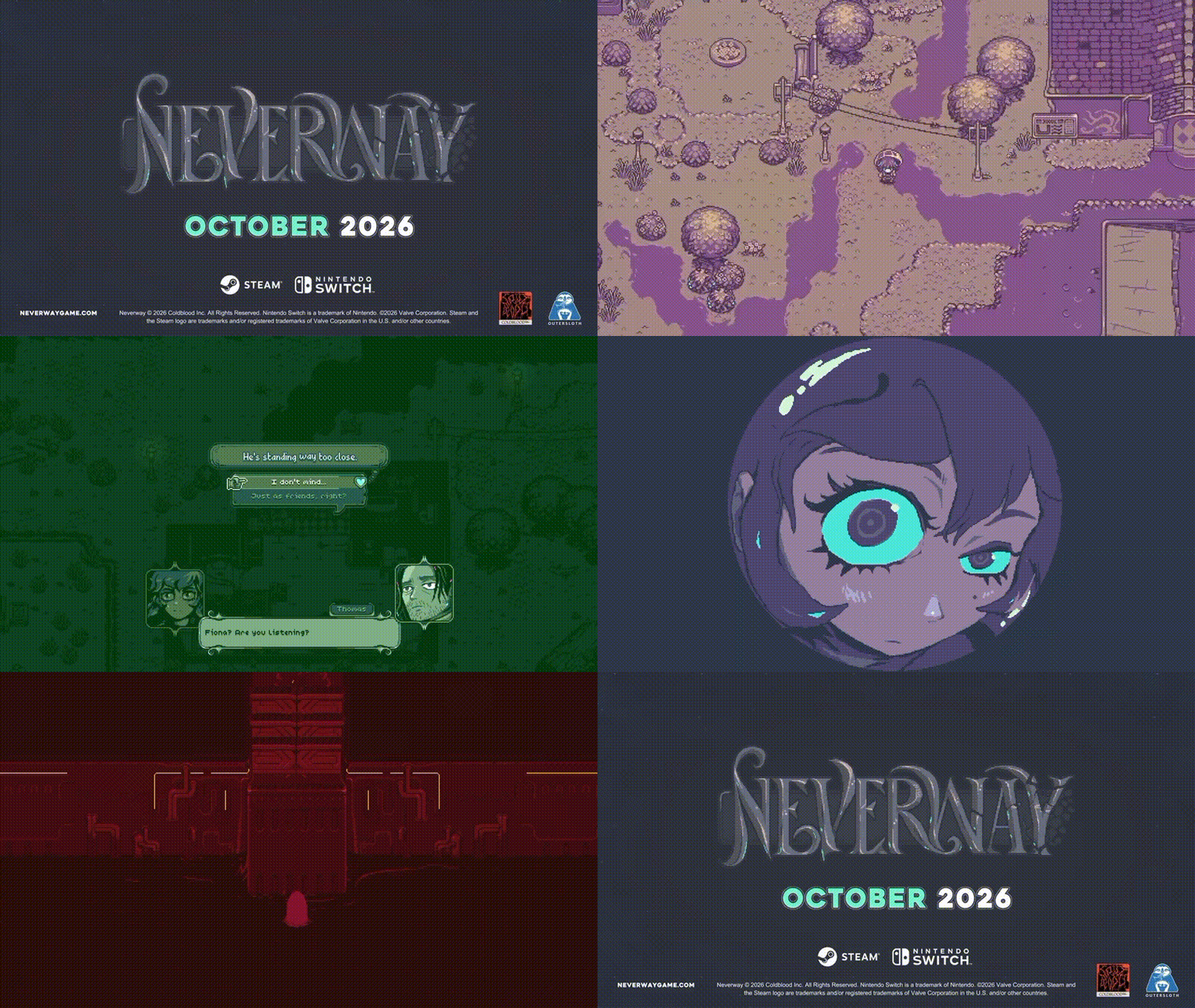
Neverway is currently confirmed for PC and Nintendo Switch, making it accessible to both desktop and portable audiences, particularly fans of indie games and narrative-heavy experiences. Although an exact release date has not been finalized, the game is expected to launch after its prologue demo phase, with a tentative release window pointing toward late 2026.
Neverway Story, Gameplay Loop, and Combat System Explained
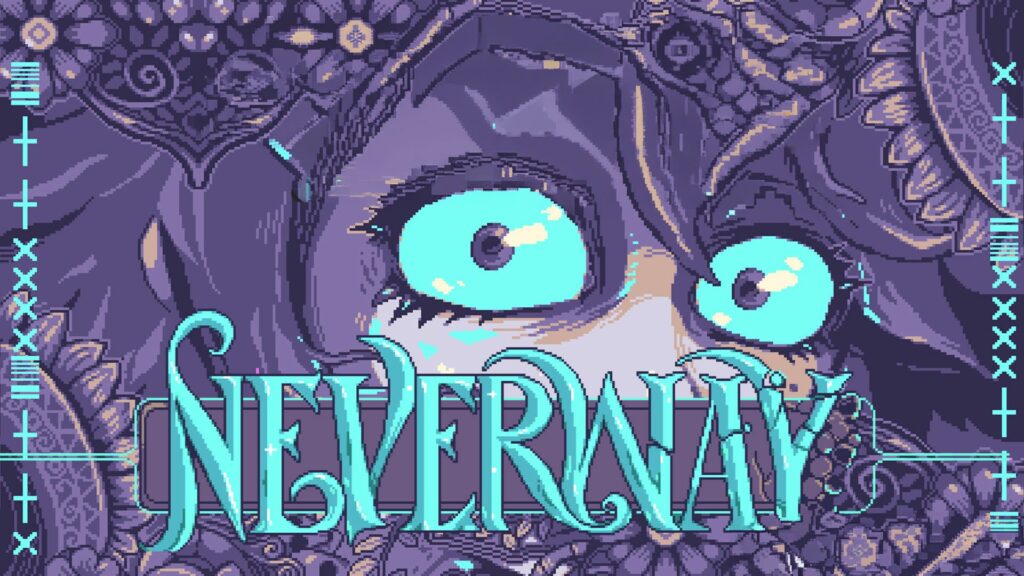
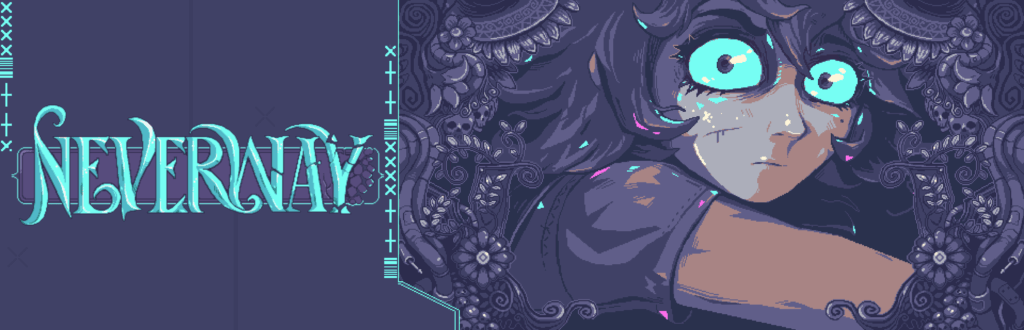
Neverway follows Fiona, who moves to a quiet rural town in search of a fresh start. Her new life initially revolves around rebuilding: settling into a home, meeting the locals, learning the area’s routines, and creating a sense of stability after the circumstances that drove her to begin again. That peace is disrupted when Fiona becomes connected to a mysterious dead god and is marked as its “herald.” The title suggests that she may be expected to deliver a message, fulfill a purpose, or act as a bridge between the dead god and the living world, although its full meaning remains unclear. This revelation creates the story’s central tension. Fiona wants an ordinary life, but something ancient and horrifying has claimed a place in it, forcing her to confront visions, supernatural threats, and strange events that blur the boundary between reality and nightmare. As she learns more, it becomes increasingly clear that her fate is tied to forces far beyond her understanding.
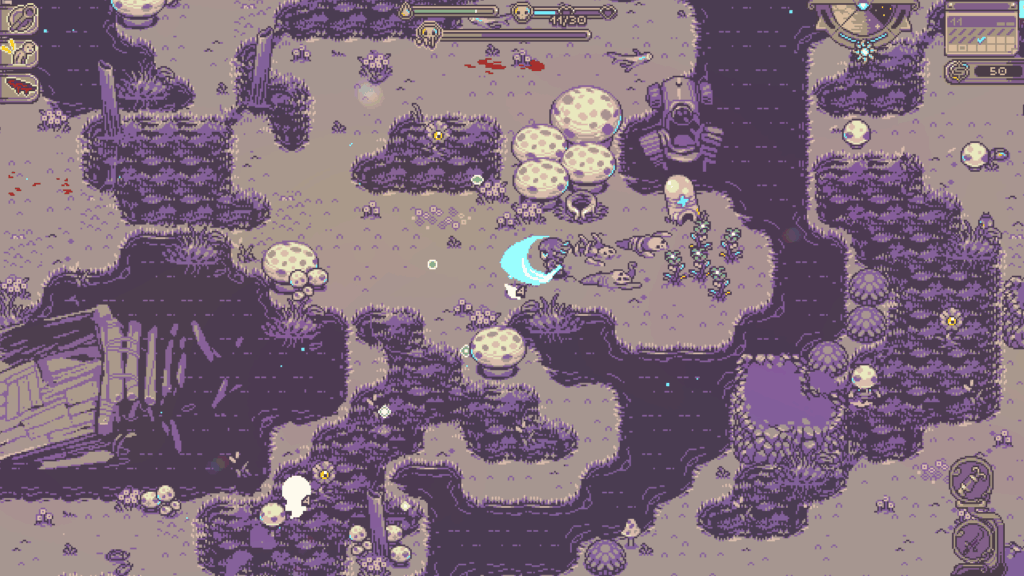
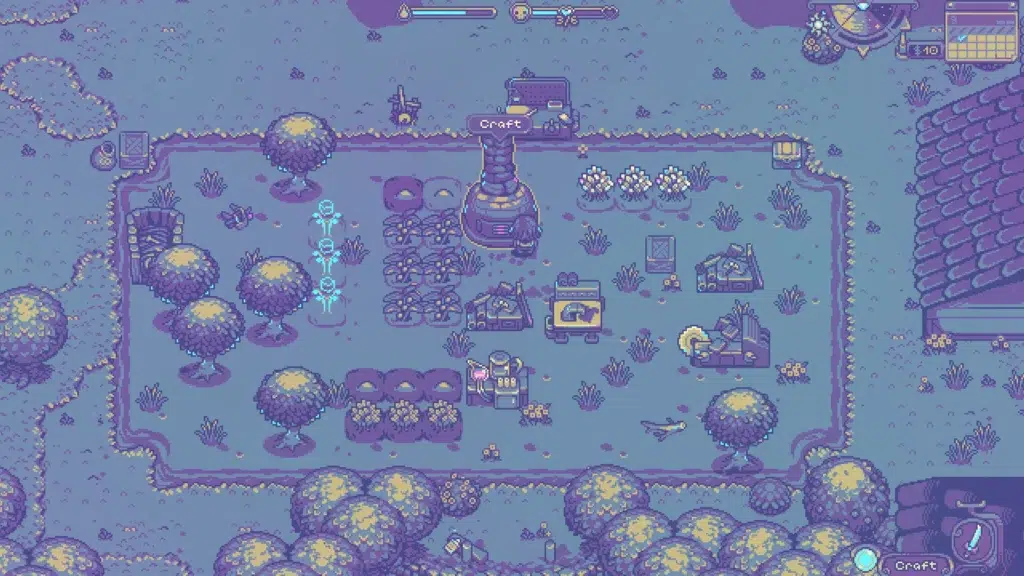
The gameplay loop balances cozy life-simulation routines with survival and psychological horror. During calmer periods, players can farm, gather resources, complete tasks, and improve Fiona’s daily life, providing structure and a steady sense of progress. Building relationships with the townspeople is another major component. By speaking with NPCs, learning about their personalities, helping them, and earning their trust, players may uncover more about the town and its hidden problems. These social connections also make the horror feel more personal by giving Fiona people and places worth protecting. The nightmare-infused side of the game regularly interrupts this routine, whether at night, during story events, or after specific triggers. Players must then explore hostile areas, confront disturbing enemies, and survive encounters that sharply contrast with the peaceful farming sections. This constant movement between comfort and fear keeps the experience unpredictable without abandoning its life-sim foundation.
Combat takes place in real time and appears to emphasize timing, movement, and observation rather than raw power. Dodging is particularly important, requiring players to read enemy attacks, react at the right moment, and maintain good positioning instead of simply trading blows. Weapon selection may also support different approaches, including fast close-range strikes, safer ranged attacks, or heavier attacks that deal more damage at greater risk. This gives players room to experiment and adjust their strategy according to each enemy or situation. The enemy designs reinforce the game’s horror atmosphere through unsettling appearances, unusual behavior, and attack patterns that must be carefully studied. Because encounters are tense and reactive, they can remain dangerous even when the player is prepared. Rather than portraying Fiona as someone who simply grows powerful, the combat supports the idea that she is gradually learning how to survive in a world becoming increasingly hostile and strange.
Neverway Exploration, Social Systems, and Pixel Art Direction
Exploration in the Neverway prologue demo is layered with mystery, creating the sense that every part of the world may conceal something important. Rather than relying entirely on obvious objectives, the game encourages curiosity through small details that gradually build tension and deepen the setting. Players can uncover secrets through:
- Environmental storytelling that hints at past events, strange occurrences, and the emotional state of the world
- Hidden paths and areas that reward exploration beyond the main route
- Dialogue clues from NPCs that point toward mysteries, locations, or character motivations
- Subtle visual and audio cues, including unusual scenery, atmospheric changes, and sounds suggesting that something is nearby
Each discovery feels connected to a larger mystery, making investigation meaningful rather than merely optional. Even minor environmental details can expand the player’s understanding of the world, while observation and patience appear to be just as valuable as conventional progression. The demo presents Neverway as a place filled with secrets, where players are encouraged to examine their surroundings and consider how apparently unrelated clues might fit together.
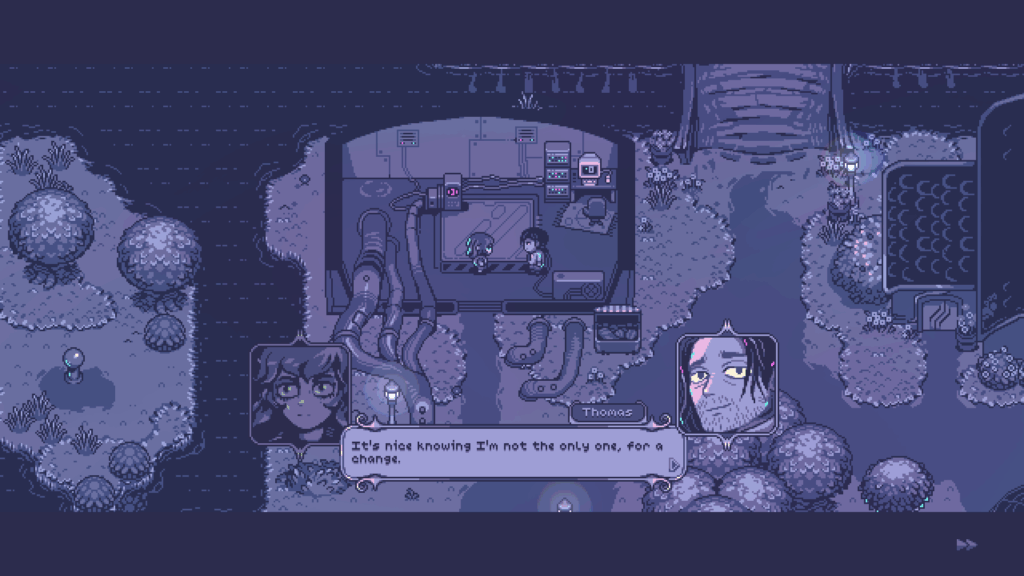
The social system is closely integrated with this process of investigation and discovery. Characters are not simply background figures or quest-givers; they help shape the narrative, the player’s progress, and the emotional tone of the experience. Players can build relationships through dialogue and gifts, unlock character-specific storylines, and potentially influence events through their social choices. These interactions reveal more about each character’s personality, history, and personal conflicts while also providing clues about the town and its darker mysteries.
Each character has a distinct personality, helping conversations feel purposeful. Some may initially appear friendly or ordinary, while others hint at hidden problems, secrets, or connections to the supernatural events surrounding Fiona. This gives the relationship system greater narrative weight, as learning about the townspeople can lead to both emotional rewards and important discoveries. By linking social interaction with exploration and story progression, Neverway makes who players speak to, what they learn, and how those relationships develop feel essential to the wider experience.
The game’s detailed pixel art strengthens both its exploration and social systems through expressive animation, atmospheric lighting, and carefully designed environments. The involvement of an artist known for work on Celeste is reflected in the lively character animations and attention given to environmental detail. Despite the pixel-art format, the characters remain expressive, while backgrounds contain small visual touches that make the world feel inhabited, mysterious, and worth examining closely.
One of the most effective aspects of the visual direction is the way it moves between cozy and unsettling imagery. Warm colors, charming character designs, and inviting spaces create comfort, while darker lighting, disturbing imagery, and unusual environmental details introduce tension. This contrast supports Neverway’s dual identity, in which ordinary rural life and supernatural horror exist side by side. The pixel art therefore does more than give the game an appealing appearance; it communicates mood, directs the player’s attention, supports exploration, and reinforces the feeling that something disturbing is hidden beneath the surface.
Neverway Soundtrack, Horror Atmosphere, and Genre Influences
The soundtrack, composed by Disasterpeace, plays a major role in shaping Neverway’s unsettling and emotional tone. Known for atmospheric work on games such as FEZ and Hyper Light Drifter, Disasterpeace brings a musical style that complements the game’s combination of cozy life-sim mechanics and psychological horror. The music supports the atmosphere through:
- Ambient soundscapes that quietly build tension during exploration and slower moments
- Melancholic melodies that reflect Fiona’s uncertainty, emotional burden, and personal journey
- Dynamic audio shifts that react to gameplay, making peaceful scenes feel fragile and horror sequences more intense
Rather than constantly overwhelming the player, the soundtrack appears designed to remain in the background and gradually reinforce the feeling that something is wrong. This approach allows emotional moments to have greater impact while keeping players slightly uneasy, even during otherwise calm sections.
The horror itself appears to rely more on psychological unease than conventional jump scares or graphic imagery. Much of the tension comes from disrupting the familiar routines of life-sim gameplay and transforming places or activities associated with comfort into sources of uncertainty. Its major horror elements include:
- Sudden environmental shifts that make previously safe spaces feel unstable
- Distorted realities and dreamlike sequences that challenge the player’s understanding of what is real
- Unpredictable events that interrupt normal routines and maintain a constant sense of unease
The “nightmare reality” mechanics are especially important because they blur the boundary between ordinary life and supernatural horror. One moment may involve farming, socializing, or exploring, while the next pulls Fiona into a surreal and dangerous situation. This contrast creates persistent dread, as players cannot be certain when the world will change or whether seemingly peaceful moments can be trusted.
Neverway stands out by combining several recognizable genres into one unusual experience. It may initially appeal to players who enjoy cozy farming and town-life games, but it also incorporates action combat, exploration, psychological horror, and narrative-driven mystery. Its influences can be compared to:
- Farming simulations with detailed social systems in which relationships, routines, and daily choices matter
- Zelda-like action-adventure games built around combat, exploration, discovery, and progression
- Narrative-focused indie games that emphasize emotion, mystery, and atmosphere
This combination gives Neverway a distinct identity. The life-sim elements provide familiarity and comfort, while the action and horror systems introduce danger and unpredictability. As a result, the game may feel approachable to fans of farming simulators while also offering something darker, stranger, and more story-focused for players interested in action exploration and psychological horror.

Neverway Prologue Demo Tips, Trailer Reveals, and Where to Play on Steam
Players starting the Neverway prologue demo should take their time rather than rush through the main objectives. The demo introduces several core systems early, and understanding them will make the experience smoother as the game begins shifting toward its stranger and more dangerous elements. Useful priorities include:
- Completing early farming tasks, such as planting, gathering, and managing basic resources, to establish a steady foundation
- Talking to every NPC, as conversations may reveal story details, hint at future events, establish the unsettling tone, or point toward useful tasks and locations
- Exploring beyond the obvious routes to find hidden areas, items, environmental clues, and hints about the world’s darker side
- Watching for changes in lighting, sound, atmosphere, or the environment’s layout, as these may signal an important event
- Practicing movement, attack timing, and reading enemy behavior before combat encounters become more demanding
The Neverway release window trailer offers a broader look at what players can expect beyond the prologue. While the demo establishes the basic gameplay structure and tone, the trailer suggests that the full game will expand considerably in scope. It shows environments beyond the opening areas, indicating that players will visit additional locations with their own moods, secrets, and threats. More complex enemy designs also appear, with creatures that seem stranger and more aggressive than those encountered early in the game, suggesting that combat will become increasingly demanding.
The trailer also places greater emphasis on the mystery surrounding the dead god, indicating that this storyline will be central to the wider narrative and may connect the game’s horror elements to the history of its world. Enhanced visual effects and transitions are especially noticeable when peaceful daily routines give way to surreal or frightening sequences. Together, these details reinforce Neverway’s identity as a combination of farming, relationship-building, exploration, action, and horror, with its comforting life-sim elements constantly overshadowed by something more disturbing.
The Neverway prologue demo is available through the game’s Steam page, where players can download it and experience its farming, exploration, combat, social systems, and horror atmosphere before the full release. Players can also wishlist the game to receive notifications about release updates, discounts, and major announcements, while following the page provides access to development news, new trailers, gameplay information, release timing, and possible changes based on demo feedback. Wishlists are particularly valuable for independent games because they help developers measure interest and build visibility before launch, while giving players a straightforward way to follow Neverway and prepare for its eventual release.
Frequently Asked Questions (FAQs)
- What is Neverway about?
Neverway is a horror life simulation and action RPG centered on Fiona, who moves to a rural community in search of a fresh start. Her attempt to build a peaceful new life becomes increasingly complicated after she is connected to a mysterious dead god and marked as its herald. - Is Neverway a farming game?
Yes, farming is an important part of the gameplay, alongside resource gathering and other daily routines. However, Neverway goes beyond a traditional farming simulator by combining these activities with real-time combat, exploration, relationship-building, and psychological horror. - When will Neverway be released?
Neverway is expected to be released in late 2026, although an exact launch date has not yet been confirmed. The release window may become more specific as development progresses and additional announcements are made. - What platforms will Neverway be on?
The game is currently confirmed for PC and Nintendo Switch. These platforms will allow players to experience it either on a desktop setup or in a more portable format. - Is the Neverway demo available now?
Yes, the Neverway prologue demo is currently available through Steam. It introduces the game’s farming, exploration, combat, social systems, and unsettling atmosphere before the full release. - Does Neverway have combat?
Yes, Neverway features real-time combat built around movement, dodging, weapon use, and recognizing enemy attack patterns. Players will need to consider timing and positioning rather than relying only on dealing large amounts of damage. - Who composed the soundtrack for Neverway?
The soundtrack is composed by Disasterpeace, who is known for creating atmospheric music for games such as FEZ and Hyper Light Drifter. The score supports Neverway’s contrast between peaceful daily life and psychological horror. - What makes Neverway unique?
Its main distinguishing feature is the way it combines cozy life-simulation mechanics with action RPG combat and psychological horror. Familiar activities such as farming and building relationships are placed alongside supernatural mysteries, hostile encounters, and disturbing shifts in reality. - Are there romance or relationship systems?
Yes, players can develop relationships with NPCs through conversations, gifts, and character-specific interactions. These relationships can reveal personal stories, provide clues about the world, and potentially influence how parts of the wider narrative unfold. - Is Neverway similar to Stardew Valley?
Neverway shares some farming, social, and daily-routine elements with Stardew Valley. However, it has a darker identity built around real-time combat, psychological horror, surreal events, and action-focused exploration.
Conclusion
Neverway stands out as a bold and innovative entry in the indie game space, successfully merging the comforting routines of life simulation with the unsettling tension of psychological horror. Its prologue demo demonstrates a strong foundation, with compelling gameplay systems, a gripping narrative, and a distinct artistic and musical identity. As anticipation builds toward its full release, Neverway has the potential to become a defining title for players seeking a deeper, more emotionally complex gaming experience.
Sources and Citations
- https://store.steampowered.com/app/2318330/Neverway/
Steam Store. “Neverway (includes Prologue Demo).” - https://www.youtube.com/watch?v=kbvvjSFT1MM
YouTube. “Neverway – Release Window & Playable Prologue Drop Trailer.” - https://disasterpeace.com/
Disasterpeace. “Official portfolio and composer credits.”
Recommended
- How to Render Anime Style Art in Blender: A Complete Guide for Stylized 3D Renders
- Pokemon Pokopia Withered Wastelands Guide: How To Increase The Humidity, Trigger Rain, And Rescue Onix
- Mastering Water Simulation in Unreal Engine: Techniques, Tools, and Best Practices
- AAA Game Budgets in the US and Canada Now Exceed $300 Million: Why Development Costs Are Skyrocketing in 2026
- Your Guide to Making 3D Models for 3D Printing
- World of Warcraft: Midnight Review So Far (2026), Early Access Impressions, Housing, Prey System, and What’s Next
- How do I smooth camera motion in Blender animations?
- Endorphin 3D Animation Tutorial: NaturalMotion Behavioral Physics Workflow (DMS + FBX Export)
- Family Guy Stewie Spinoff Series Greenlit for 2 Seasons: Release Date, Plot, Cast, and Everything We Know
- How do I align the camera to an object’s surface in Blender?



































































































