










In This Article (9 sections)
Nintendo TinyPulse Breach: What Happened and What Employee Data is at Risk
Nintendo acknowledged employee data at risk after a threat actor claimed to have obtained internal corporate information connected to Nintendo of America through TinyPulse, a third-party employee survey and engagement service. The incident became public when the group identified in reports as ShadowByte$ or ShadowByt3$ claimed it had access to Nintendo-related data and demanded a $2 million ransom to prevent the information from being released. Early reporting described the claimed dataset as approximately 859MB, with the attacker alleging that it included employee names, corporate email addresses, survey material, internal reports, analytics, and other workforce-related records.
Nintendo’s response narrowed the scope of what the company said was actually involved. Nintendo stated that the issue involved TinyPulse, a third-party service used for internal employee surveys at Nintendo of America, and said its own systems had not been compromised. The company also stated that no personal customer data or customer financial data had been accessed. According to Nintendo’s statement, the affected information was limited to internal survey content involving a small subset of employees, and most of that information dated back several years.
The important distinction is that this was not presented by Nintendo as a breach of Nintendo’s core gaming, account, payment, development, or customer infrastructure. Instead, it was described as an issue involving a third-party platform used for employee feedback. That distinction matters because third-party tools often hold valuable business data even when they sit outside a company’s primary network. A workforce survey platform may not look as sensitive as a payment system, but it can still contain employee sentiment, workplace comments, organizational insights, names, emails, department references, and other information that can expose people or internal operations.
What is known so far comes from two main categories of information: Nintendo’s public response and media reporting based on the threat actor’s claims and sample review. Nintendo confirmed that the issue involved TinyPulse and internal employee survey content at Nintendo of America. The company said the affected data involved a small subset of employees and that most of the information dated back several years. The threat actor’s claim was broader.
Reports said ShadowByte$ alleged it had stolen about 859MB of Nintendo-linked corporate data and demanded $2 million. Cybernews reported that samples allegedly included employee names, corporate email addresses, HR surveys, workplace feedback, organizational performance metrics, internal reports, and planning documentation. Researchers reviewing samples reportedly found signs that at least some of the material may be authentic, including survey records dating back to 2016 and references to people who still appeared to work at Nintendo.
The most cautious way to read the situation is to separate confirmed facts from allegations. It is confirmed, based on Nintendo’s statement, that a TinyPulse-related issue affected internal survey content tied to Nintendo of America. It is also confirmed that Nintendo said its internal systems were not compromised and that no personal customer or customer financial data was accessed. It is alleged, based on the threat actor’s claims and reporting, that the volume was roughly 859MB and that the material included wider categories such as names, emails, reports, and possibly financial documents. Nintendo’s own wording did not confirm every data category claimed by the attacker.
For employees, the risk is not only whether highly sensitive identifiers were exposed. Survey content can reveal workplace concerns, management feedback, morale issues, team dynamics, and potentially identifying details written into free-text responses. Even if a survey platform is intended to protect anonymity, exported data, metadata, small team sizes, timestamps, department names, or comments can sometimes make individuals easier to infer. That is why a breach involving internal employee survey content deserves serious attention even when customer-facing systems remain safe.
For searchers looking for the clearest summary, the core fact is this: Nintendo acknowledged a third-party service issue involving employee survey content, while denying that Nintendo’s internal systems or customer financial data were compromised. The situation remains significant because employee-related data can still carry privacy, reputational, phishing, and workplace trust risks, even when customer accounts are unaffected.

Nintendo, TinyPulse, and the Employee Data Allegedly Exposed
Based on Nintendo’s statement, the Nintendo TinyPulse Breach appears connected to TinyPulse rather than a confirmed compromise of Nintendo’s own internal systems. Nintendo identified TinyPulse as the third-party service involved and said Nintendo’s systems had not been compromised. This distinction separates the Nintendo TinyPulse Breach from a direct attack on Nintendo’s corporate network or customer account infrastructure.
The attacker reportedly claimed to have breached Nintendo, but extortion groups can use a company’s name even when the alleged access occurred through a vendor, cloud application, outsourced platform, or exposed dataset. In the Nintendo TinyPulse Breach, the reported connection to TinyPulse is important because the alleged information centers on employee survey and engagement records rather than Nintendo Account credentials, payment systems, game source code, or development infrastructure.
TinyPulse, branded as TINYpulse by WebMD Health Services, is an employee engagement and feedback platform designed to help organizations measure company culture, employee retention, communication, transparency, recognition, and workplace performance. In the Nintendo TinyPulse Breach, Nintendo said TinyPulse was used for internal employee surveys at Nintendo of America. The platform therefore appears to have been used to collect, store, manage, or process survey-related information from some Nintendo of America employees.
Employee survey platforms can contain information about workplace satisfaction, leadership, management support, team morale, communication, stress, workload, company culture, retention concerns, and employee suggestions. Depending on how the service is configured, records can also include names, corporate email addresses, employee identifiers, departments, manager relationships, timestamps, response metadata, analytics, and exported reports. Even when individual responses are intended to remain anonymous or confidential, surrounding information can make the records sensitive.
The confirmed scope of the Nintendo TinyPulse Breach should be separated from the broader claims made by the attackers. Nintendo confirmed that internal survey content was involved, affecting a small subset of employees, with most of the information dating back several years. The wider categories reported in connection with the alleged leak remain claims rather than fully confirmed facts.
Cybernews reported that alleged samples contained employee names, corporate email addresses, HR surveys, workplace feedback, organizational performance metrics, internal reports, and planning documentation. Nintendo Life also reported claims involving employee names, email addresses, surveys, analytics reports, bank statement PDFs, W-9 forms, workplace feedback, and related material. However, Nintendo subsequently clarified that the confirmed information involved internal survey content.
Because Nintendo has not confirmed every category allegedly obtained, those broader categories should not be presented as established facts about the Nintendo TinyPulse Breach. The safer description is that internal survey content was confirmed as affected, while names, corporate emails, analytics, reports, financial documents, and tax forms were among the additional categories alleged in reporting about the threat actor’s claims.
The potential sensitivity of the confirmed survey information should nevertheless not be underestimated. Internal feedback can reveal employee opinions about management, compensation, workplace culture, workload, job security, team conflicts, morale, leadership decisions, and organizational performance. Even older records can remain sensitive when they contain information that could be connected to particular employees, departments, or workplace situations.
The Nintendo TinyPulse Breach therefore remains significant even though Nintendo’s core systems were reportedly unaffected. For employees whose information may have been exposed, the key concern is whether employee-linked information was accessed, copied, viewed, leaked, sold, or subsequently used for social engineering. The location of the original access does not eliminate the privacy implications for people whose information was stored by the third-party provider.
One of the most immediate risks associated with the Nintendo TinyPulse Breach is targeted phishing or social engineering. If attackers obtained employee names, corporate email addresses, job roles, workplace topics, or organizational details, they could create more convincing fraudulent messages. An email referencing a genuine employee survey, internal program, department, or workplace issue could appear more credible than a generic phishing attempt.
The TinyPulse connection in the Nintendo TinyPulse Breach is therefore unrelated to Nintendo Switch accounts, game purchases, or consumer payment services. The reported issue concerns an employee feedback platform. This distinction explains why the incident focuses on internal survey information rather than Nintendo customer accounts, while also showing why third-party employee platforms can create meaningful privacy and corporate-governance risks.
The Nintendo TinyPulse Breach also demonstrates the importance of third-party cybersecurity controls. NIST guidance emphasizes identifying, assessing, and responding to cybersecurity risks throughout the supply chain rather than focusing exclusively on an organization’s own infrastructure. Employee engagement platforms, HR applications, payroll services, collaboration tools, cloud storage, and analytics platforms can all contain sensitive corporate information outside a company’s primary network.
For that reason, the Nintendo TinyPulse Breach should be understood as a third-party data-security incident rather than proof that Nintendo’s core infrastructure was hacked. Nintendo acknowledged the TinyPulse issue and stated that its own systems were not compromised. The company also said customer personal and financial information was not accessed. At the same time, the Nintendo TinyPulse Breach demonstrates that information entrusted to an outside provider can still create genuine privacy, phishing, reputational, and employee-trust risks.

Customer Impact, Nintendo’s Systems, and the $2 Million Extortion Claim
Nintendo said no personal customer or customer financial data was accessed. This is the clearest available answer for Nintendo fans, Nintendo Account holders, and customers worried about saved payment methods. The Nintendo TinyPulse Breach involved TinyPulse and internal employee survey content at Nintendo of America, rather than Nintendo customer account systems.
There is no public confirmation that Nintendo Account usernames, passwords, saved cards, purchase histories, eShop data, console identifiers, family group information, or customer support records were part of the Nintendo TinyPulse Breach. Reports have focused on employee-related survey content and the alleged third-party service exposure. That distinction is important because a consumer data breach would create different risks and require different customer actions. For now, the Nintendo TinyPulse Breach appears focused on employee information rather than customer account data.
Nintendo’s statement that its internal systems were not compromised is one of the most important details surrounding the Nintendo TinyPulse Breach. In cybersecurity reporting, “breach” can mean different things depending on the system involved. A breach of a third-party platform holding company data is serious, but it is different from a confirmed compromise of Nintendo’s internal corporate network, development environment, source code repositories, customer account systems, or payment infrastructure.
Nintendo said it was aware of an issue involving TinyPulse, a third-party service used for internal employee surveys at Nintendo of America, and that Nintendo’s systems had not been compromised. It also said no personal customer or financial data had been accessed. These statements define the confirmed scope of the Nintendo TinyPulse Breach.
This matters for three reasons. First, it reduces the likelihood that customer account systems were affected by the Nintendo TinyPulse Breach. Second, it indicates that the exposure was connected to a vendor service rather than a broader intrusion into Nintendo’s infrastructure. Third, it frames Nintendo’s response around vendor remediation, employee privacy, and data handling rather than emergency recovery of core systems. However, saying internal systems were not compromised does not eliminate all business risk associated with the Nintendo TinyPulse Breach. Employee survey content can still be confidential, while third-party data handling can create legal, contractual, privacy, and trust concerns. Employees may still need support, notification, monitoring, or guidance depending on what information was actually exposed.
Nintendo also said it was working with the service provider to address the Nintendo TinyPulse Breach. That response can involve investigation, scope confirmation, containment, vendor coordination, data-retention review, and communication with affected employees. The effectiveness of the response will depend on how clearly Nintendo and the service provider determine what was accessed, when it was accessed, who was affected, and whether any information was copied or publicly released. Those details will help establish the eventual impact of the Nintendo TinyPulse Breach.
The $2 million demand appears to be an extortion attempt rather than a traditional ransomware incident involving encrypted Nintendo systems. Reports described ShadowByte$ as demanding $2 million to prevent the release of data it claimed to have stolen in the Nintendo TinyPulse Breach. The reported stolen volume was approximately 859MB, with the attacker claiming the data included internal workforce-related records. This type of attack is commonly described as data extortion. In data-extortion cases, attackers may not need to encrypt a victim’s systems. Instead, they claim to have copied sensitive information and threaten to leak, sell, or publish it unless the victim pays.
The pressure created by the Nintendo TinyPulse Breach comes from privacy risk, reputational damage, legal exposure, employee anxiety, and public embarrassment. For a globally recognized gaming company like Nintendo, even a relatively small dataset can create an outsized news cycle because of the company’s visibility. The reported 859MB figure therefore needs to be considered alongside the nature of the alleged information rather than treated as proof that Nintendo’s core infrastructure was compromised.
The ransom amount may have been chosen because Nintendo is a major entertainment and gaming company with significant public recognition. Attackers can set extortion demands based on perceived ability to pay, brand sensitivity, and the type of information involved. Employee records, HR survey responses, and internal reports may not have the same direct criminal value as payment card information, but they can still provide leverage because companies have strong incentives to protect employee confidentiality and internal workplace discussions. The Nintendo TinyPulse Breach demonstrates how attackers can use employee information as an extortion tool even when customer systems remain unaffected.
There is no public evidence in the cited reporting that Nintendo paid the ransom associated with the Nintendo TinyPulse Breach. Nintendo’s public response instead emphasized that its systems were not compromised, customer data was not accessed, and the confirmed affected information was limited to internal survey content involving a small subset of employees. This distinction between the attacker’s claims and Nintendo’s confirmed findings is essential when discussing the Nintendo TinyPulse Breach.
Nintendo customers should still follow normal account security practices because major breach headlines can inspire copycat phishing campaigns. Attackers can use news about the Nintendo TinyPulse Breach to trick customers into clicking fake “security alert” emails, entering passwords on imitation login pages, or calling fraudulent support numbers. Even when customer data is not part of the confirmed incident, public confusion surrounding the Nintendo TinyPulse Breach can be exploited.
The practical customer takeaway is that there is currently no confirmed need to cancel payment cards or change Nintendo Account passwords because of this specific TinyPulse-related issue. However, using a strong unique password, enabling two-step verification where available, monitoring account activity, and avoiding suspicious emails remain sensible security practices. For customers, the risk associated with the Nintendo TinyPulse Breach appears indirect rather than direct: the breach news itself could become bait for phishing and other scams.
The ransom demand also shows how the Nintendo TinyPulse Breach illustrates the dangers of third-party relationships. If an attacker obtains information from a vendor system and attaches a recognizable client’s name to it, that client can become the public target of an extortion campaign even when the client’s own systems were not breached. The Nintendo TinyPulse Breach therefore highlights why third-party security oversight has become central to enterprise risk management and why companies must treat vendor-held employee information as an important part of their overall cybersecurity strategy.

Alleged Data Volume, Third-Party Risk, and the Timeline of the Nintendo TinyPulse Incident
The commonly reported figure in the Nintendo TinyPulse Breach is approximately 859MB. Cybernews, TechRepublic, eSecurity Planet, and Nintendo-focused outlets reported that ShadowByte$ claimed to possess about 859MB of Nintendo-linked data. Some reports rounded the amount to nearly 1GB. However, the size of the dataset should be interpreted carefully. In cybersecurity, megabytes alone do not determine how sensitive information is. A small file containing names, emails, tax forms, bank statements, credentials, or confidential comments can be more damaging than a much larger archive of low-value information. Conversely, a large archive can sound dramatic while containing older, duplicated, or relatively limited data. This distinction is important when assessing the Nintendo TinyPulse Breach and separating confirmed information from attacker claims.
Nintendo’s statement placed important limits on what has been confirmed about the Nintendo TinyPulse Breach. The company said the affected data was limited to internal survey content involving a small subset of employees and that most of the information dated back several years. That does not verify the attacker’s complete claim about 859MB or every alleged file type. Instead, Nintendo confirmed that some third-party employee survey content was affected while stating that Nintendo’s internal systems and customer financial data were not compromised. This clarification is central to understanding the Nintendo TinyPulse Breach, because the incident concerns a third-party employee survey service rather than a confirmed compromise of Nintendo’s core systems.
The reported timeline of the Nintendo TinyPulse Breach is also notable. Cybernews reported that the threat actor claimed records spanned from 2016 through 2026 and that researchers confirmed some records dated back to 2016. If accurate, this raises questions about data retention, particularly for employee survey platforms. Data retention matters because old information can still create new risks. If employee survey responses from years ago remain accessible through a third-party platform or export archive, a breach can expose historical workplace feedback long after its original business purpose has faded. The Nintendo TinyPulse Breach therefore highlights why companies should protect current information while also minimizing historical data that no longer needs to remain identifiable or easily retrievable.
The Nintendo TinyPulse Breach also demonstrates why third-party service breaches can put employee information at risk. Modern companies rely on external platforms for HR, payroll, benefits, surveys, performance reviews, collaboration, authentication, analytics, and productivity. Each outside service that collects or processes employee information becomes part of the company’s broader data environment, even when it operates outside the internal corporate network. CISA describes supply chain risk management as an important part of security and resilience, while NIST guidance addresses identifying, assessing, and responding to cybersecurity risks throughout the supply chain.
These frameworks are particularly relevant to the Nintendo TinyPulse Breach because organizations cannot protect sensitive information simply by securing their own direct systems. Companies must also understand how vendors handle sensitive data, what permissions vendors receive, how long vendors retain information, and how vendors detect and report security incidents. The Nintendo TinyPulse Breach shows how a third-party platform can become an important part of a company’s cybersecurity exposure even when the company’s primary infrastructure remains secure.
Employee information is especially vulnerable in third-party platforms because HR-related tools often collect information that appears routine but becomes sensitive when combined. A survey tool may hold work email addresses, employee identifiers, department structures, manager relationships, demographic segments, sentiment trends, and candid comments. A benefits platform may contain family information, while a payroll platform may hold bank and tax details. Collaboration tools can contain internal strategy, and performance platforms may contain evaluations or compensation-related discussions.
The Nintendo TinyPulse Breach fits this broader third-party data risk pattern. Nintendo said the issue involved a third-party employee survey service, while reports described alleged exposure of workforce survey data and related internal information. Whether or not every alleged category is ultimately confirmed, the Nintendo TinyPulse Breach demonstrates how employee information can exist outside a company’s core corporate perimeter while still carrying privacy, reputational, and security consequences.
The reported timeline of the Nintendo TinyPulse Breach begins with the threat actor’s public claim. Nintendo Life reported that the alleged breach was said to have occurred on June 13, 2026, with the group giving Nintendo until June 15 to respond. The threat actor claimed to have accessed 859MB of employee-related data and demanded $2 million. On June 15, 2026, Cybernews reported that ShadowByte$ claimed to have stolen approximately 859MB of Nintendo corporate data and demanded $2 million to prevent its release. Cybernews also reported that researchers reviewed samples and found material that appeared to include HR-related information such as employee surveys, workplace feedback, and internal pulse survey data, with some records dating back to 2016.
After the initial reports surrounding the Nintendo TinyPulse Breach, Nintendo issued a statement acknowledging an issue involving TinyPulse. Nintendo said TinyPulse was a third-party service used for internal employee surveys at Nintendo of America. The company stated that Nintendo’s systems were not compromised, no personal customer or customer financial data had been accessed, and the involved information was limited to internal survey content involving a small subset of employees, with most information dating back several years.
The next phase of the Nintendo TinyPulse Breach involves investigation and remediation. Nintendo said it was working with the service provider to address the issue. That process can include confirming the technical source of the exposure, determining what information was accessed or exported, identifying affected employees, reviewing whether leaked material was publicly released, assessing applicable notification requirements, and strengthening vendor controls. These steps will be important for determining the full impact of the Nintendo TinyPulse Breach.
This timeline shows how quickly the Nintendo TinyPulse Breach developed into a public extortion story. The attacker’s claim created immediate pressure, media reports amplified the allegations, researchers reviewed samples, and Nintendo subsequently clarified the confirmed scope. For affected employees, an important next step will be whether Nintendo or the service provider provides direct notification with specific details about information connected to individual employees.
For companies, the Nintendo TinyPulse Breach does not mean they should avoid all third-party tools. Instead, organizations need to manage those services with stronger contracts, security reviews, access controls, retention limits, encryption, audit logging, incident notification requirements, and periodic reassessment. The Nintendo TinyPulse Breach is a useful example of why vendor security must be treated as part of overall corporate cybersecurity.
For employees, the key lesson from the Nintendo TinyPulse Breach is that workplace information shared through surveys and HR platforms should be treated as sensitive, even when the platform is specifically designed to support employee culture and feedback. Survey responses, organizational information, work email addresses, and internal comments can become valuable to attackers when combined. The Nintendo TinyPulse Breach therefore highlights a broader cybersecurity issue: protecting employee information requires companies to secure not only their own networks but also the third-party services trusted with that information.

Impact on Workers and Fans, and Lessons for Gaming Companies
The most direct impact on workers is privacy concern. Internal employee surveys often invite workers to share candid opinions about management, workplace culture, workload, stress, fairness, communication, compensation, inclusion, career development, and company direction. If those responses are exposed, employees may worry that private feedback could be linked back to them, even if the survey was designed to be anonymous or confidential.
A second impact is phishing and impersonation risk. If attackers obtained employee names, corporate email addresses, survey context, or internal organizational references, they could use that information to create more convincing scams. An attacker could send messages pretending to be HR, IT, a survey administrator, a manager, or a legal response team. The more context the attacker has, the easier it becomes to make fraudulent communication look legitimate.
A third impact is workplace trust. Employee feedback programs depend on confidence that workers can speak honestly without fear of exposure. Even a limited breach can make employees less willing to participate in future surveys. Nintendo’s statement acknowledged employees’ willingness to share their perspectives and said the company takes feedback seriously. That language is important because the incident is not only a technical problem; it is also a workplace confidence problem.
A fourth impact may depend on whether any financial or tax-related documents were actually involved. Some reports described alleged bank statements and W-9 forms, but Nintendo’s statement narrowed the confirmed data to internal survey content. Because the broader financial-document claim has not been confirmed by Nintendo in the cited statement, employees should wait for direct official notification before assuming specific document types were exposed. The best protective steps for workers are practical and cautious. Employees should verify unusual HR, payroll, survey, legal, or IT messages through trusted internal channels.
They should be alert for emails referencing TinyPulse, employee surveys, breach response, document review, account verification, or compensation. They should avoid clicking unexpected links or opening attachments that claim to relate to the incident. If Nintendo or the service provider determines that more sensitive personal or financial information was exposed, affected employees may need additional identity protection steps based on official notice.
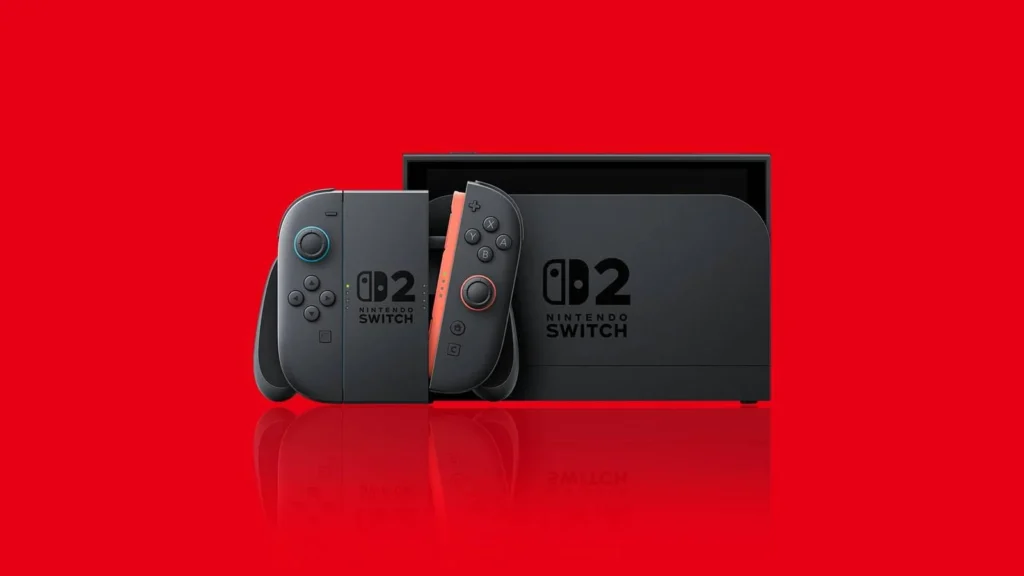
Nintendo fans should know that Nintendo said no personal customer or customer financial data was accessed. The incident was described as involving TinyPulse, a third-party service used for internal employee surveys at Nintendo of America. That means the confirmed issue is employee-survey related, not a Nintendo Account breach. For Nintendo Switch and Nintendo Switch 2 users, the most important point is that there is no confirmed evidence from Nintendo’s statement that customer passwords, eShop payment data, purchase records, or account profiles were part of this incident. Customers do not need to treat this as proof that their Nintendo Account was accessed.
Still, fans should be careful because cybercriminals often exploit major brand headlines. A scammer could send fake emails saying “Nintendo data breach refund,” “verify your Nintendo Account,” “your payment method was exposed,” or “claim compensation.” Those messages may have nothing to do with the actual incident. They are opportunistic scams that use a real news event to create urgency. The safest response is to avoid clicking links in unexpected emails or messages. Customers who want to check their Nintendo Account should go directly through the official Nintendo website or console account settings rather than through a link in an email.
A strong unique password and two-step verification are sensible account safety measures regardless of whether customer data was involved in this incident. The customer-facing takeaway is reassuring but not careless. Nintendo says customer personal and financial data was not accessed, so this does not appear to be a customer breach. At the same time, public breach news can create phishing risk, so fans should stay skeptical of urgent messages that claim to require immediate account or payment action.
The Nintendo TinyPulse breach offers several lessons for gaming companies, entertainment brands, and any organization that relies on third-party workforce platforms. The first lesson is that the most sensitive data in a gaming company is not always game code or customer payment data. Employee records, HR surveys, internal reports, and workforce feedback can also be valuable to attackers because they create privacy pressure and reputational leverage.
The second lesson is that third-party tools must be treated as part of the security perimeter. A company may have strong controls around game development, customer accounts, and payments, but employee engagement platforms can still store sensitive data outside those protected systems. NIST’s cyber supply chain guidance emphasizes risk identification, assessment, and response across the supply chain, while CISA frames supply chain risk management as part of security and resilience.
The third lesson is that data minimization matters. If reports that some data dated back to 2016 are accurate, the incident raises a key governance question: how long should employee survey data remain stored in identifiable, exportable, or easily retrievable form? Historical survey data can support trend analysis, but retaining too much old data increases breach impact. Companies should review whether old survey responses can be anonymized, aggregated, deleted, or separated from identifiers after the business need expires.
The fourth lesson is that incident communication must be precise. Nintendo’s statement helped clarify that its systems were not compromised and that customer personal and financial data was not accessed. That kind of clarity matters because vague breach language can alarm customers, employees, investors, and partners. The fifth lesson is that employee trust is a security asset. Workers who believe survey data is unsafe may stop sharing honest feedback. That weakens culture programs and makes it harder for leadership to identify workplace problems. Gaming companies should ensure employee feedback platforms have clear privacy rules, access restrictions, retention schedules, audit logs, and breach notification processes.
The sixth lesson is that extortion groups understand brand pressure. A famous gaming company creates headlines. Attackers can use that attention to increase pressure even when the data volume is modest or the compromise is indirect. Gaming companies need vendor incident playbooks that anticipate public extortion claims and quickly separate confirmed facts from attacker exaggeration.

Frequently Asked Questions (FAQs)
- What is the Nintendo Acknowledges Employee Data at Risk After Third-Party Service Breach story about?
It is about Nintendo acknowledging an issue involving TinyPulse, a third-party service used for internal employee surveys at Nintendo of America. A threat actor claimed to have stolen Nintendo-linked employee data and demanded $2 million to prevent the information from being released. Nintendo said its own systems were not compromised, customer data was not accessed, and the confirmed issue involved internal survey content tied to a small subset of employees. - Was Nintendo directly hacked?
Nintendo said its systems were not compromised. Based on the company’s statement, the issue involved TinyPulse, a third-party employee survey service, rather than a confirmed direct breach of Nintendo’s internal systems. That means the incident is best understood as a third-party service issue affecting Nintendo-related employee data, not as a confirmed compromise of Nintendo’s core corporate network, gaming infrastructure, customer accounts, or payment systems. - What is TinyPulse?
TinyPulse, also known as TINYpulse by WebMD Health Services, is an employee engagement and feedback software platform. Organizations use it to collect employee feedback, measure workplace culture, support communication and recognition, improve retention, and better understand the employee experience. In this incident, Nintendo said TinyPulse was used for internal employee surveys at Nintendo of America. - What data did Nintendo confirm was involved?
Nintendo said the involved data was limited to internal survey content comprising a small subset of employees. The company also said most of the information dated back several years. Nintendo did not confirm that its own systems were compromised, and it said no personal customer or customer financial data had been accessed. - What data did the attackers allegedly claim to have?
Reports said the attackers allegedly claimed to have approximately 859MB of Nintendo-linked data. The alleged material included employee names, corporate email addresses, HR surveys, workplace feedback, analytics, internal reports, planning documents, and other workforce-related records. Some outlets also reported alleged financial documents, but Nintendo’s statement did not confirm every claimed category, so those broader claims should be treated as allegations rather than confirmed facts. - Did the breach affect Nintendo customer accounts?
Nintendo said no personal customer or customer financial data was accessed. There is no confirmed evidence from Nintendo’s statement that Nintendo Account passwords, eShop payment data, purchase records, saved payment methods, or customer account records were involved. The confirmed issue was employee-survey related, so the direct risk appears to concern employee data rather than customer accounts. - How much data was allegedly stolen?
The threat actor reportedly claimed to have about 859MB of Nintendo-linked data, which some reports described as nearly 1GB. Nintendo has not confirmed every detail of that alleged dataset. Instead, the company described the confirmed involved data as limited internal survey content tied to a small subset of employees, with most of it dating back several years. - Why would employee survey data be sensitive?
Employee survey data can include candid workplace feedback, morale concerns, manager comments, team issues, opinions about leadership, and organizational insights. Even if surveys are intended to be anonymous or confidential, names, emails, departments, timestamps, metadata, or small team sizes can sometimes make people easier to identify. If exposed, that kind of data can create privacy concerns, phishing and social engineering risks, reputational harm, and reduced trust in workplace feedback programs. - Should Nintendo customers change their passwords?
This specific incident has not been confirmed as a customer account breach. Nintendo said customer personal and financial data was not accessed, so there is no confirmed need to change a Nintendo Account password because of this TinyPulse-related issue alone. Customers should still use strong unique passwords, enable two-step verification where available, and watch for phishing messages that try to exploit the news with fake security alerts, refund offers, or account verification requests. - What should companies learn from the Nintendo TinyPulse incident?
Companies should treat third-party HR and employee engagement platforms as sensitive parts of their data environment. These tools can hold employee names, emails, survey responses, workplace feedback, analytics, and other internal information outside the company’s direct systems. Organizations should review vendor security, restrict access, minimize retained data, require strong breach notification terms, and regularly assess supply chain risk. NIST and CISA both emphasize managing cybersecurity risk beyond direct internal systems and across the supply chain.
Conclusion
Nintendo Acknowledges Employee Data at Risk After Third-Party Service Breach is a reminder that modern cybersecurity incidents often happen outside the most obvious systems. The major confirmed point is that Nintendo identified TinyPulse, a third-party employee survey service, as the service involved in the issue. Nintendo said its own systems were not compromised, no personal customer or customer financial data was accessed, and the affected information was limited to internal survey content involving a small subset of employees, with most information dating back several years.
The incident still matters because employee data is sensitive. Internal surveys can contain candid feedback, workplace concerns, organizational context, and information that may become harmful if exposed or linked to individuals. Even older survey content can affect privacy and trust. For workers, the primary concerns are confidentiality, phishing, impersonation, and uncertainty about what details were exposed. For customers, the available evidence is more reassuring because Nintendo stated that customer personal and financial data was not accessed.
The ShadowByte$ ransom demand shows how attackers use public pressure against recognizable brands. A third-party service issue can become a headline about the larger company whose data was stored there. That is why gaming companies and other large organizations must treat vendor platforms as extensions of their own security environment. Strong internal defenses are necessary, but they are not enough when sensitive employee information is processed by outside providers.
The most important lesson is that third-party data security is company data security. Employee survey platforms, HR tools, payroll providers, and SaaS applications must be governed with the same seriousness as internal systems. Nintendo’s response drew a line between confirmed employee survey exposure and unconfirmed broader attacker claims. The next measure of success will be how fully the scope is clarified, how affected employees are supported, and how vendor controls are strengthened to reduce similar risks in the future.
Sources and Citations
- Cybernews — Nintendo/ShadowByte$ data-extortion report:
- Cybernews
- Use Cybernews’ Nintendo coverage/search archive for the reported 859 MB dataset, ShadowByte$ ransom claim, sample-data discussion and alleged employee-related information.
- Nintendo Everything — Nintendo’s response concerning TinyPulse:
- Nintendo Everything
- Covers Nintendo’s clarification that the incident involved TinyPulse, that Nintendo’s own systems were not compromised, and that the affected information consisted of internal survey material from a small number of employees.
- Nintendo Life — Nintendo/TinyPulse incident coverage:
- Nintendo Life
- Covers the reported June 13 incident, alleged 859 MB dataset, ransom claim and Nintendo of America’s subsequent clarification concerning TinyPulse and internal survey information.
- TechRepublic — Nintendo cybersecurity/data-extortion coverage:
- TechRepublic
- Supporting reporting on the alleged Nintendo data incident, the claimed dataset size, alleged employee information and uncertainty over whether a third-party service was involved.
- eSecurity Planet — Nintendo data incident coverage:
- eSecurity Planet
- Additional cybersecurity reporting concerning the alleged Nintendo data exposure/extortion incident and third-party-service questions.
- WebMD Health Services — TINYpulse:
- WebMD Health Services
- Official information on TINYpulse as an employee-engagement and feedback platform used for organizational culture, communication, recognition, retention and employee feedback.
- CISA — Reducing ICT Supply Chain Risk:
- CISA — Reducing ICT Supply Chain Risk for Small and Medium-Sized Businesses
- Provides guidance on identifying, assessing and mitigating third-party and supplier cybersecurity risks, including the importance of supplier visibility.
- NIST — Cybersecurity Supply Chain Risk Management:
- NIST SP 800-161 Rev. 1
- NIST’s updated foundational guidance for identifying, assessing and mitigating cybersecurity risks throughout technology supply chains.
- NIST — Cybersecurity Supply Chain Risk Management Program:
- NIST C-SCRM
- Current NIST overview of Cybersecurity Supply Chain Risk Management, including supplier risk, supply-chain compromise and lifecycle risk management.
- NIST — SP 1326 Due Diligence Assessment Quick-Start Guide:
- NIST SP 1326
- Particularly relevant to the third-party-service angle because it provides a July 2026 framework for conducting cybersecurity due diligence on ICT suppliers, covering provenance, resilience, foundational cyber practices and supply-chain tiers.
Recommendations
- Granblue Fantasy Relink Endless Ragnarok Lets You Summon Golems, Centaurs, and Crabs
- Cloth Simulation in Blender vs Unreal Engine 5: Workflow Comparisons, Performance Insights, and Best Practices
- Lucasfilm Used Sam Witwer’s Screams in Darth Maul’s Lightsaber for Shadow Lord — The Darkest Star Wars Sound Design Yet
- Sam Altman Says He Is “Not Afraid of Apple” as OpenAI Faces Trade Secrets Lawsuit
- Grown Ups 3 is Officially in the Works at Netflix with Adam Sandler Returning: Everything We Know so Far
- SAND: Raiders of Sophie Surpasses 200,000 Copies Sold in Just One Week
- How do I toggle between camera views in Blender?
- Jest Games Fund: funding studios to build RCS messaging games for the next “inbox-first” gaming platform
- Deer & Boy: The Poetic Cinematic Platformer About a Boy and a Fawn’s Unbreakable Bond
- Black Flag Resynced vs Original: What Looks and Plays Different



































































































