






In This Article (7 sections)
Why OpenAI’s Advertising Forecasts May Outpace the Chatbot Ad Market
OpenAI’s entry into digital advertising represents one of the company’s biggest strategic shifts since the launch of ChatGPT. After initially avoiding advertisements, OpenAI introduced ads to selected free-tier users in early 2026 and presented investors with an ambitious roadmap in which advertising would become one of its largest revenue streams. Investor materials reported by Reuters and other outlets suggest the company expects its advertising business to grow from a new commercial experiment into one of the world’s largest digital advertising operations within only a few years.
OpenAI reportedly forecast the following advertising revenue:
- 2026: Approximately $2.5 billion
- 2027: Approximately $11 billion
- 2028: Approximately $25 billion
- 2029: Approximately $53 billion
- 2030: Approximately $100 billion annually
Reaching $100 billion in annual advertising revenue would place OpenAI among the world’s largest digital advertising companies. Advertising would need to become a central part of its business model rather than merely a secondary revenue source alongside subscriptions, APIs, enterprise products, and other services. OpenAI would also need to dominate the chatbot advertising sector while drawing substantial advertising budgets away from traditional search engines and social media platforms. Although that outcome is theoretically possible, it represents an exceptionally aggressive revenue assumption for a new advertising platform.
Independent analysts believe the realistic outcome could be substantially lower. According to research cited by Adweek, market intelligence firm Emarketer estimates that OpenAI’s advertising business is currently on pace to miss its long-term revenue projections by roughly 90%. Emarketer forecasts that the entire standalone chatbot advertising industry—including ChatGPT, Microsoft Copilot, Google AI Mode, Amazon Alexa Shopping, and other conversational AI products—could generate less than $1 billion in 2026 and approximately $5.41 billion annually by 2030.
The difference between OpenAI’s internal expectations and independent estimates of the broader market is the primary reason analysts consider the company’s forecast overly optimistic. OpenAI reportedly expects to generate approximately $100 billion annually from advertising by 2030, yet Emarketer estimates that the entire chatbot advertising market could be worth only about $5.41 billion that year. Because OpenAI would need to share that market with Google, Microsoft, Amazon, and other emerging AI platforms, its actual advertising revenue could fall well below its internal projections.
The estimate that OpenAI could miss its long-term forecast by approximately 90% is an external analytical projection rather than a confirmed financial result. Even so, the disparity highlights the uncertainty surrounding how quickly chatbot advertising can grow, how much of the market OpenAI can capture, and whether conversational products can attract spending currently directed toward established search and social media platforms. The debate also illustrates how quickly generative AI has evolved from a research technology into a commercial platform competing for advertising budgets traditionally controlled by Google, Meta, Amazon, and other digital advertising giants.

How ChatGPT Ads Work, Why Users May Dismiss Them, and OpenAI’s Challenge Competing With Google
Several factors have limited the early growth of ChatGPT advertising. Ads launched only recently and remain available to a relatively small portion of users. Unlike search engines, many ChatGPT conversations are informational rather than commercial, reducing opportunities to display purchase-related advertisements when users are actively considering a transaction. OpenAI is also introducing advertisements gradually to avoid damaging user trust while it improves ad relevance and develops advertiser tools. The company has emphasized that monetization should feel native to the user experience rather than interrupt conversations. Building advertiser confidence and self-service infrastructure also takes time, particularly for a platform that only recently entered the advertising industry.
Advertisements inside ChatGPT are designed to appear naturally within relevant conversations rather than replace or alter answers. Sponsored recommendations are clearly labeled and shown primarily when users demonstrate commercial intent, such as when researching products, travel, or software. OpenAI has stated that advertisements do not influence the model’s responses and that advertisers do not receive users’ conversations or personal chat data for targeting. This approach attempts to preserve the conversational experience while creating opportunities for advertisers to reach users who are already considering purchases.
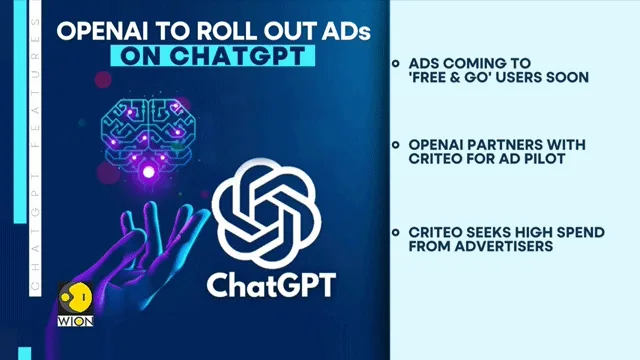
Advertisements currently target OpenAI’s free ecosystem rather than its premium subscriptions. OpenAI has explained that ads appear primarily for users on the Free and Go plans, while paid subscription tiers remain ad-free. According to company statements, only a portion of eligible free users currently see advertisements as the rollout continues. This allows OpenAI to monetize free users without reducing the value of its premium subscriptions.
Some users simply ignore advertisements because they visit ChatGPT for answers rather than product discovery. Others are concerned that commercial content could reduce confidence in AI-generated recommendations. Researchers and digital rights advocates have warned that conversational advertising creates unique trust challenges because users often rely on AI when making important decisions rather than casually browsing. Traditional display advertising benefits from familiar placements and decades of established user expectations, while conversational AI advertising must build similar trust without creating the impression that sponsors influence responses.
OpenAI’s long-term objective extends beyond generating advertising revenue. The company expects AI assistants to become central decision-making tools through which users ask what to buy, where to travel, which software to use, and how to solve everyday problems. Management argues that helping users move directly from research to action creates commercial opportunities naturally suited to advertising and commerce.
OpenAI has described advertising as one part of a broader monetization strategy that also includes subscriptions, APIs, and enterprise services. Whether those ambitions become reality will depend largely on user adoption and advertiser confidence. The company is not only trying to sell advertisements but also attempting to prove that conversational AI can become a trusted environment where commercial recommendations feel useful rather than intrusive.
Competing directly with Google will be extremely challenging. Google has spent decades building advertising technology, search-intent signals, measurement tools, advertiser relationships, and global infrastructure. ChatGPT provides a fundamentally different experience by answering questions conversationally rather than presenting lists of links. This creates opportunities for highly contextual advertising but also limits the number of commercial impressions compared with traditional search.
Google Search ads primarily appear alongside results triggered by keywords, while ChatGPT advertisements appear within conversations when users demonstrate commercial intent. Google benefits from mature auction systems, sophisticated analytics, extensive advertiser ecosystems, and billions of daily commercial searches. ChatGPT instead focuses on contextual recommendations generated from natural conversations, potentially providing strong purchase intent but far fewer opportunities to display advertisements because many discussions involve education, coding, writing, brainstorming, or general assistance rather than shopping.
Each advertising model serves different user behaviors. OpenAI’s success may ultimately depend less on replacing Google Search and more on creating entirely new advertising formats designed specifically for AI conversations. ChatGPT does not simply reproduce the search-advertising model. Instead, it attempts to build a commercial layer around conversational assistance, where the value of an advertisement depends on its relevance, timing, and ability to preserve user trust.

Advertiser Interest, User Trust, and the Impact of Missing Forecasts
Early advertiser interest has been significant despite the platform’s infancy. OpenAI reported surpassing $100 million in annualized advertising revenue shortly after launching its pilot while expanding to hundreds of advertisers. The company has continued developing self-service purchasing tools and improving ad relevance as it works to make the platform more practical for marketers. (The Information)
Industry reports also indicate software companies have been among the earliest adopters because ChatGPT users frequently research productivity tools and business services. Advertisers generally view AI assistants as a potentially valuable new channel, although many remain cautious until measurement capabilities mature. That caution reflects the fact that advertisers need reliable tools to understand performance, manage campaigns, and compare results with established channels. (Business Insider)
Trust remains one of OpenAI’s biggest competitive advantages and greatest risks. If users believe sponsored content influences answers, confidence in ChatGPT could decline. To address this concern, OpenAI says advertisements are clearly labeled and do not affect model responses. The company also states that advertisers cannot access private conversations for targeting purposes. Maintaining that separation between advertising and AI-generated answers will likely determine whether conversational advertising becomes widely accepted. (AP News)
Missing internal advertising forecasts would not necessarily indicate failure. OpenAI continues generating substantial revenue through subscriptions, enterprise products, APIs, and platform services. Advertising represents only one component of its broader monetization strategy, so slower growth in ads would not erase the company’s other revenue sources. (OpenAI)
However, slower advertising growth could increase pressure on subscriptions and enterprise sales to finance the company’s significant infrastructure investments. It could also encourage management to adjust future growth expectations or refine its advertising strategy based on actual market demand. The central question is not only whether OpenAI can sell ads, but whether conversational advertising can become large enough to match the scale assumed in its reported long term projections.

Frequently Asked Questions (FAQs)
- Why do analysts think OpenAI could miss its advertising forecast?
Analysts believe OpenAI’s projections are significantly higher than the expected size of the overall chatbot advertising market. Emarketer estimates the market may reach only about $5.41 billion by 2030, which makes OpenAI’s reported $100 billion annual goal extremely difficult to achieve. For OpenAI to reach that target, it would need to capture a massive share of the market while also shifting advertising budgets away from established platforms such as search engines and social media. (adweek.com) - How much advertising revenue did OpenAI reportedly forecast for 2026?
Investor presentations reported by multiple publications indicate OpenAI projected approximately $2.5 billion in advertising revenue for 2026. That figure was part of a broader roadmap in which advertising would grow rapidly over the following years and become one of OpenAI’s largest future businesses. (Reuters) - Does ChatGPT show ads to every user?
No. Advertisements are currently focused on eligible users of the Free and Go plans, while paid subscription tiers remain ad-free. OpenAI has also said that only a portion of eligible free users currently see ads as the rollout continues, meaning advertising is still being introduced gradually rather than appearing to every user at once. (The Information) - Do ChatGPT advertisements influence AI answers?
OpenAI states that advertisements are clearly labeled and do not affect the chatbot’s responses or recommendations. The company has also said advertisers do not receive users’ private conversations or personal chat data for targeting, which is intended to preserve separation between sponsored content and AI-generated answers. (AP News) - What is OpenAI’s long-term advertising goal?
According to reports citing investor presentations, OpenAI aims to build an advertising business generating approximately $100 billion annually by 2030. That goal reflects the company’s belief that AI assistants could become important tools for commercial decisions, including product research, travel planning, software selection, and other purchase related activities. (Reuters) - Can ChatGPT realistically compete with Google Ads?
ChatGPT offers a different advertising model centered on conversations rather than keyword searches. While it has strong growth potential, matching Google’s advertising scale would require enormous user growth and widespread advertiser adoption. Google also benefits from decades of advertising infrastructure, measurement tools, auction systems, and advertiser relationships, making direct competition extremely difficult. - Why are conversational ads different from search ads?
Conversational ads appear within AI discussions based on user intent instead of alongside search result pages. This can make recommendations more context-aware because they are tied to what the user is asking inside a conversation. At the same time, ChatGPT has fewer obvious ad opportunities than search because many conversations involve education, writing, coding, brainstorming, or general help rather than shopping. - How have advertisers responded to ChatGPT ads?
Interest has been strong during the pilot phase, with OpenAI reporting hundreds of advertisers and over $100 million in annualized pilot revenue shortly after launch. Advertisers appear interested in AI assistants as a new channel, especially where users are researching productivity tools, software, or business services. Many advertisers still remain cautious while measurement tools and self-service buying systems continue to mature. (The Information) - Could advertising reduce user trust in ChatGPT?
Some experts believe excessive or poorly labeled advertising could affect user confidence, especially because people often use AI assistants for important decisions rather than casual browsing. OpenAI emphasizes transparency and separation between ads and AI-generated answers to reduce that risk. The company says advertisements are labeled and do not influence model responses, which is central to maintaining trust. (AP News) - Does missing advertising forecasts threaten OpenAI’s business?
Not necessarily. Advertising is only one part of OpenAI’s broader business model, which also includes subscriptions, enterprise services, APIs, and commerce. However, slower ad growth could reduce one expected source of future revenue and place more pressure on other business lines to support the company’s large infrastructure needs and long term expansion plans. (OpenAI)

Conclusion
OpenAI’s advertising business has moved from concept to reality remarkably quickly, but independent analysts question whether its ambitious financial projections can be achieved. While investor presentations reportedly outline a path toward approximately $100 billion in annual advertising revenue by 2030, outside forecasts suggest the overall chatbot advertising market may remain far smaller. That disconnect explains why some analysts believe OpenAI could miss its long-term advertising targets by around 90%.
Despite those concerns, ChatGPT advertising is still in its early stages. OpenAI continues expanding its advertiser base, refining ad placement, and balancing monetization with user trust. Whether the company ultimately reaches its most ambitious revenue goals or builds a smaller but still successful advertising business, conversational AI is already creating a new category that could reshape digital advertising over the coming years.
Sources and Citations
- Adweek. OpenAI’s Ad Business Is on Pace to Miss Its Own Forecast By 90%, Analyst Says. (adweek.com)
- Reuters. OpenAI projects $2.5 billion in ad revenue this year, $100 billion by 2030, Axios reports. (Reuters)
- Axios. OpenAI projects $100 billion in ad revenue by 2030. (Axios)
- OpenAI. A business that scales with the value of intelligence. (OpenAI)
- Associated Press. ChatGPT’s free ride is ending: Here’s what OpenAI plans for advertising on the chatbot. (AP News)
- The Information. OpenAI Surpasses $100 Million Annualized Revenue From Ads Pilot. (The Information)
Recommended
- Canada Prime Minister Mark Carney’s New National AI Strategy Sparks Debate over “AI for All” Plan and Sovereign Tech Ambitions
- Schrödinger’s Cat Burglar Explained: Puzzle Game with Cat Riddles, Gameplay Mechanics, and Strategy Guide
- Xbox Project Helix Strategy Overhaul: Internal Sony Tensions Erupt as Microsoft Rethinks Next-Gen Console Plans
- Silent Hill: Townfall Brings Atmospheric Horror to 1990S Scotland with Uncanny Detail, First-Person Survival Gameplay, and CRTV Mysteries
- Resident Evil: Requiem Sold 5 Million Copies in Five Days — Capcom Confirms Record-Breaking Launch
- The Alters’ Last Variable DLC Gets New Gameplay Video Ahead of July 13 Release
- Pokémon Scalpers Are Reselling Limited Edition Pop-Tarts: Target Exclusive Boxes, EBay Listings, and What’s Going On
- The Boys Is Getting a Game Right Before Its Final Season Begins – Everything to Know About The Boys: Trigger Warning
- Academy Software Foundation adopts OpenPGL: What the new ASWF Sandbox project means for path guiding renderers
- Mortal Shell 2: Everything We Know About the Upcoming Soulslike Sequel



































































































