










In This Article (8 sections)
How to Level up the Food Skill Fast in Paralives and Improve Cooking
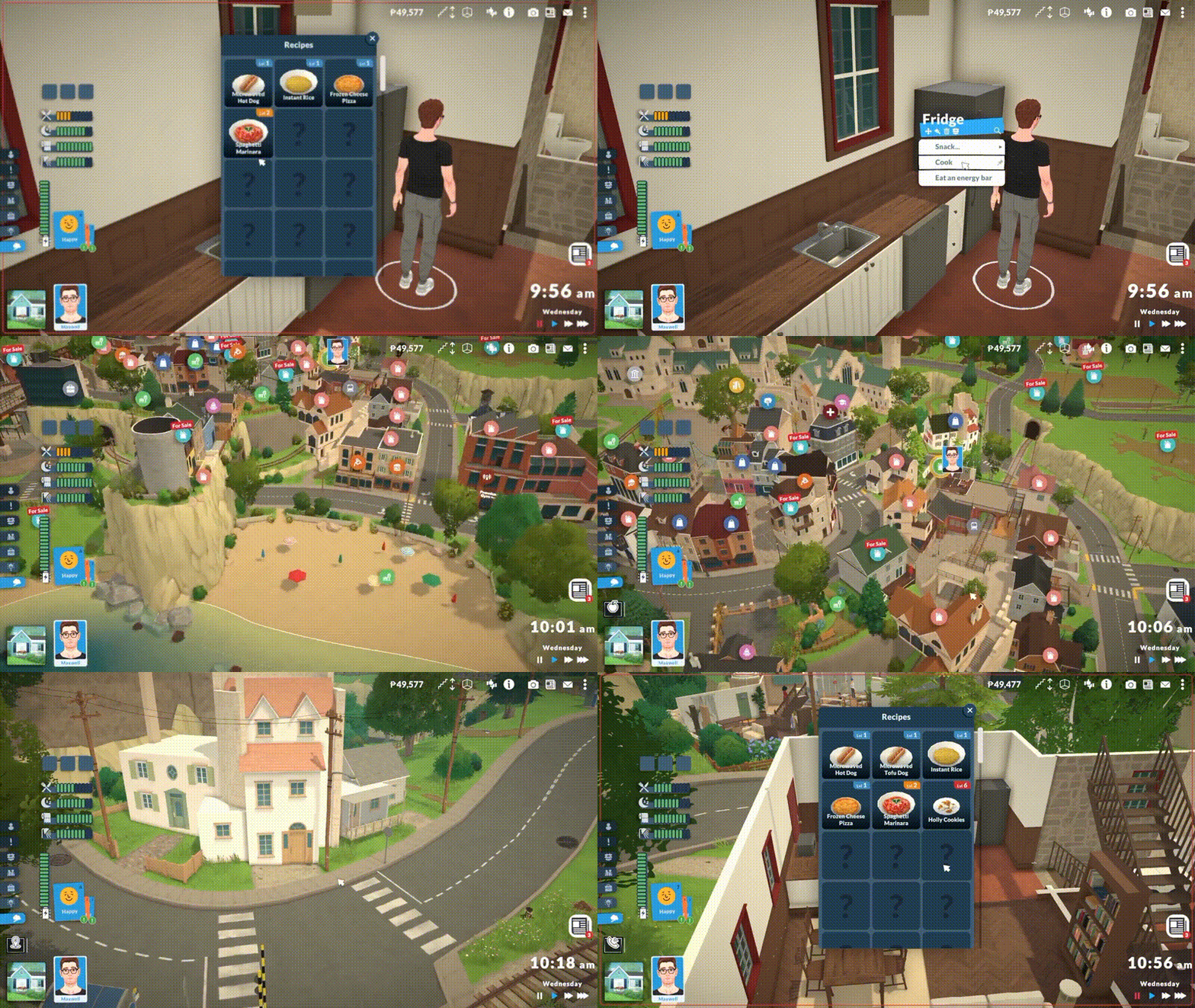
The Food Skill in Paralives is a character progression system associated with cooking proficiency, recipe mastery, meal quality, and culinary efficiency. It influences how effectively a character prepares food, how quickly meals are completed, and the quality of the dishes produced. As characters improve their Food Skill, they can unlock more advanced recipes, develop greater cooking reliability, and produce higher-quality meals that may contribute positively to their mood and daily activities. Progression is primarily associated with repeated cooking practice, studying culinary knowledge, and participating in food-related interactions. Understanding how these activities contribute to skill development provides a foundation for players who want to improve their characters’ cooking abilities without wasting time or resources.
The Food Skill is designed around the idea that culinary expertise develops through practice and learning. Each time a character prepares a meal, the activity is described as contributing experience toward greater proficiency, with continued practice eventually leading to additional skill levels. Studying cooking-related material and experimenting with different recipes are also presented as ways to support development beyond simply repeating the same basic activity. The character’s emotional state may influence the efficiency of the learning process, making mood management another consideration when planning cooking sessions. However, specific experience values, mood multipliers, and progression bonuses should not be treated as confirmed mechanics without direct verification of the game’s systems.
Players seeking faster Food Skill progression can benefit from organizing cooking activities into a consistent routine. Rather than relying heavily on quick snacks or repeatedly avoiding meal preparation, characters can practice their cooking abilities while preparing regular meals throughout the day. Breakfast, lunch, and dinner provide natural opportunities for repeated interaction with food preparation systems, allowing practice to become part of the character’s normal activities. Additional cooking sessions may also provide opportunities for practice even when hunger is not the immediate motivation, provided the available gameplay interactions support them. Maintaining a consistent routine can make skill development more predictable than relying on occasional cooking attempts.
A structured approach to Food Skill development can combine several activities:
- Cook regularly: Prepare meals frequently to create consistent opportunities for cooking practice.
- Experiment with different recipes: Try newly available dishes instead of relying exclusively on familiar meals.
- Begin with simpler recipes: Use manageable dishes to build proficiency before attempting more complicated preparations.
- Explore advanced recipes: Progress toward higher-tier meals as the character’s abilities improve.
- Study culinary knowledge: Use available cooking books, computers, or other learning interactions where supported.
- Maintain a positive mood: Consider the character’s emotional state when organizing cooking sessions.
- Improve kitchen equipment: Explore available appliance or kitchen upgrades that may support meal preparation.
- Reduce unnecessary interruptions: Allow cooking interactions to finish whenever possible to maintain a consistent practice routine.
- Use suitable ingredients: Experiment with ingredient quality where the game provides meaningful distinctions.
- Repeat reliable meals: Return to manageable recipes when steady practice is more useful than attempting difficult dishes.
Recipe selection is another important consideration when developing cooking proficiency. Simple meals provide a manageable starting point because they allow characters to practice basic food preparation without immediately attempting more demanding dishes. As the Food Skill improves, experimenting with additional recipes can introduce greater variety and provide opportunities to develop more advanced cooking abilities. Higher-tier recipes are described as potentially offering greater experience rewards, although they may also introduce a higher risk of unsuccessful preparation when attempted by less experienced characters. Players should therefore balance recipe complexity against the character’s current abilities and available resources rather than assuming that the most difficult dish is always the most efficient choice.
Cooking Skill and Food Skill are closely connected in the supplied progression description because both concern the character’s ability to prepare meals successfully. Regular practice, recipe experimentation, and improved kitchen equipment are presented as ways to develop proficiency while potentially improving meal quality and preparation efficiency. Access to better ingredients may also support more satisfying cooking outcomes, although ingredient quality should not automatically be assumed to provide a fixed experience bonus. Similarly, kitchen upgrades could make food preparation more convenient without necessarily increasing the rate at which skill experience is earned. The practical value of these improvements depends on how the game’s cooking interactions and progression mechanics are implemented.
Mood management and theoretical learning are additional elements of the proposed Food Skill progression strategy. A positive emotional state may contribute to more efficient cooking sessions, while studying through available books or computers could provide another method of developing culinary knowledge. Combining learning activities with practical cooking creates a broader progression routine instead of concentrating entirely on one repeated action. However, the supplied information does not establish exact mood-based experience multipliers, guaranteed bonuses for uninterrupted cooking, or specific experience rewards for different learning methods. These details should be verified through gameplay before presenting any particular combination as the mathematically fastest leveling strategy.
The most effective progression approach also needs to account for the character’s current skill level. Early development can focus on preparing simple meals frequently, building familiarity with available recipes, and establishing a regular cooking routine. As additional recipes become accessible, players can gradually introduce more complicated dishes while continuing to use reliable meals when necessary. This approach aims to maintain steady progress without repeatedly risking unsuccessful preparations or wasting valuable ingredients on recipes beyond the character’s current proficiency. Consistent practice remains the central principle, while recipe variety, equipment improvements, studying, and mood management provide additional considerations for organizing cooking activities.
Ultimately, improving the Food Skill in Paralives involves combining frequent meal preparation with gradual recipe experimentation and appropriate learning opportunities. Players can begin with manageable dishes, practice through regular cooking sessions, and explore more advanced recipes as their characters develop greater culinary proficiency. Kitchen equipment, ingredient quality, emotional state, and studying may also influence the overall experience, although their precise effects require confirmation before being treated as guaranteed progression bonuses. A balanced routine can help players develop cooking abilities while continuing to meet their characters’ everyday needs and avoiding unnecessary resource waste. By focusing on consistent practice and gradually increasing recipe complexity, players can work toward stronger Food Skill proficiency and more satisfying cooking outcomes as the game allows.

How to Increase Food Skill Fast in Paralives Through Cooking, Reading, Computer Study, and Mood Management
Cooking more meals is one of the primary ways to develop the Food Skill in Paralives, with repeated food preparation providing opportunities for characters to improve their culinary abilities. According to the supplied progression description, the rate of improvement can depend on factors such as recipe complexity, meal quality, and the variety of dishes prepared. Basic meals are described as providing smaller but consistent experience gains, while more advanced recipes may offer greater rewards as characters develop sufficient proficiency to prepare them successfully.
This creates a potential balance between repeating familiar dishes for reliable practice and attempting more complicated recipes that challenge the character’s existing abilities. However, the exact experience values and the effects of recipe variety or meal quality have not been established in the supplied material, so these factors should not be treated as verified numerical bonuses.
Developing an effective cooking routine involves considering both the frequency of meal preparation and the difficulty of the recipes being attempted. Preparing simple dishes regularly can provide a manageable foundation for characters who are still developing their Food Skill, particularly when more complex recipes may be difficult to complete successfully. As proficiency increases, players can gradually introduce advanced dishes while continuing to use reliable recipes when consistency is more important than attempting something unfamiliar. Alternating between manageable and challenging preparations may help maintain steady progress without repeatedly risking unsuccessful meals or wasting ingredients. The general strategy is to use frequent cooking as the foundation for skill development while increasing recipe complexity as the character’s abilities improve.
Reading cooking books is another method described as supporting Food Skill development by providing theoretical knowledge alongside practical experience. Rather than relying exclusively on preparing meals, characters can use available culinary reading materials to study techniques and improve their understanding of food preparation. The supplied description associates cooking books with foundational learning, recipe knowledge, improved cooking reliability, and potential benefits when attempting more complicated dishes. It also suggests that reading before a cooking session may support subsequent skill development, although no verified experience multiplier or guaranteed reduction in failure rates has been provided. Reading should therefore be understood as a complementary learning activity, with its precise effects on cooking performance requiring confirmation through gameplay.
Cooking books may be particularly useful for beginners who want to develop their characters’ culinary knowledge before attempting more advanced recipes. Studying can provide an alternative activity when players are not immediately preparing a meal, allowing food-related learning to become part of the character’s broader daily routine. The proposed benefits include learning about recipes and techniques, building foundational proficiency, and potentially improving the success of later cooking attempts. However, the supplied material does not establish whether reading directly awards experience, unlocks specific recipes, or modifies the results of subsequent cooking interactions. Players should therefore avoid assuming that every book provides an identical benefit or that reading automatically guarantees faster progression than hands-on practice.
Computer study is also presented as a possible way for characters to improve their Food Skill through digital learning activities. The supplied description suggests that computers can provide access to cooking-related information when books are unavailable or when players want to incorporate studying into their daily routines. Proposed benefits include structured learning opportunities, additional culinary knowledge, and support for long-term skill development alongside regular meal preparation. The material also suggests that computer-based study may offer faster progression than passive reading, although no comparative experience values or confirmed learning rates are provided. Consequently, computers should be considered another potential learning resource rather than a verified shortcut that always produces better results than reading or cooking.
Combining practical cooking with theoretical learning creates a broader approach to Food Skill development. Characters can spend time studying culinary techniques through available books or computers before applying that knowledge during meal preparation. This approach allows players to organize food-related activities around different parts of the character’s routine instead of depending entirely on repeated cooking interactions. However, the supplied information does not establish whether reading and computer study provide cumulative experience bonuses, whether their effects can be combined, or whether studying before cooking creates a special progression multiplier. The effectiveness of this combined strategy will depend on how the game’s learning systems actually function and whether those activities produce measurable improvements.
Dreaming about food is described as another possible influence on Food Skill progression, although its proposed effects are indirect rather than a confirmed source of experience. The supplied material associates food-related dreams with improved mood, motivation, satisfaction, and concentration during later cooking activities. These changes are suggested to support more successful meal preparation and potentially reduce the negative effects of unsuccessful dishes. However, no direct evidence is provided establishing that dreaming about food increases Food Skill, improves recipe success rates, or activates a hidden learning bonus. It should therefore be treated as a possible mood-related influence rather than a guaranteed method of accelerating culinary progression.
Mood management and the satisfaction of basic needs are also presented as important considerations when organizing cooking activities. A character who is happy, rested, and experiencing relatively low stress may be better positioned to complete regular food preparation without unnecessary interruptions. The supplied description suggests that hunger satisfaction can improve consistency, happiness may support learning, and reduced stress could help limit cooking mistakes. Fatigue is also described as a possible obstacle to efficient skill development, particularly when characters attempt extended cooking or studying sessions. Nevertheless, the exact relationships between these needs and Food Skill experience have not been verified, so claims about specific mood multipliers or guaranteed failure reductions should remain provisional.
The main mood and needs factors identified in the supplied progression strategy include:
- Hunger satisfaction: Keeping hunger under control may help characters maintain a more consistent cooking routine.
- Happiness: A positive emotional state is suggested to support motivation and potentially improve learning efficiency.
- Stress management: Lower stress may contribute to more reliable cooking performance and fewer interruptions.
- Fatigue: Adequate rest may help characters remain available for cooking and studying activities.
- Food-related dreams: Positive dreams about food are described as potentially influencing mood and satisfaction rather than directly awarding skill experience.
- Balanced daily needs: Maintaining overall well-being may make it easier to organize regular cooking practice and supplementary learning activities.
Managing these factors can help players develop a routine that combines cooking practice with other daily activities. Instead of preparing meals continuously without considering the character’s condition, players can organize sessions around hunger, rest, mood, and available studying opportunities. This may reduce interruptions and make repeated practice easier to maintain over time, even if the exact relationship between emotional states and experience gain remains uncertain. Reading or using a computer can also provide alternative food-related activities between cooking sessions, depending on which interactions are available in the game. The broader objective is to maintain a consistent learning routine while avoiding the assumption that every proposed activity provides a confirmed statistical advantage.
An organized Food Skill progression strategy can therefore combine several activities:
- Prepare simple meals regularly: Use manageable recipes to establish consistent cooking practice and build foundational proficiency.
- Introduce more advanced recipes gradually: Experiment with challenging dishes as the character becomes more experienced, while avoiding unnecessary resource waste.
- Read available cooking books: Explore theoretical learning opportunities that may complement hands-on food preparation.
- Use computers for culinary study: Incorporate digital learning interactions where supported by the game’s systems.
- Maintain balanced needs: Consider hunger, happiness, stress, and fatigue when planning extended cooking sessions.
- Observe mood-related activities: Treat food-related dreams and emotional changes as possible influences without assuming they provide direct experience bonuses.
- Combine learning with practice: Apply available culinary knowledge during regular meal preparation while monitoring which activities produce observable progress.
- Adjust the routine as proficiency improves: Move between reliable recipes, more complicated dishes, and supplementary learning based on the character’s development.
The effectiveness of any Food Skill strategy ultimately depends on how Paralives measures culinary experience and applies the benefits associated with different activities. Repeated cooking provides the practical foundation described in the supplied material, while recipe variety, reading, computer study, and mood management offer additional possibilities for supporting progression. However, claims about faster learning through positive emotions, guaranteed bonuses from reading, or increased experience from particular recipes require verified gameplay evidence before they can be presented as established mechanics.
Players should therefore focus on observing which available interactions consistently contribute to skill development rather than relying on unconfirmed multipliers or progression shortcuts. A balanced routine that combines regular cooking with appropriate studying and character needs management provides a structured approach to improving culinary proficiency while allowing the precise benefits of each method to be evaluated through actual gameplay.

How to Unlock New Recipes and Level up Cooking and Food Skill Fast in Paralives
Unlocking new recipes is one of the main motivations for developing the Food Skill in Paralives, as greater culinary proficiency is described as providing access to more complex meals, advanced ingredients, and higher-quality food preparation. The supplied progression framework suggests that characters begin with simpler recipes before gradually gaining access to dishes requiring additional ingredients and more advanced cooking abilities.
As Food Skill levels increase, players can expand their characters’ available meal options, potentially improving household satisfaction and introducing greater variety into everyday cooking activities. Higher levels are also associated with gourmet, specialized, or particularly valuable recipes, providing additional goals for characters who develop an interest in cooking. However, the exact skill thresholds, recipe requirements, and unlock conditions have not been established in the supplied information, so specific recipes should not be assigned to particular levels without gameplay verification.
The proposed recipe progression follows four general stages:
- Early Food Skill levels: Basic meals, including simple snacks and breakfast dishes that provide opportunities for regular cooking practice.
- Intermediate Food Skill levels: More complex preparations involving multiple ingredients and a wider selection of meals.
- Higher Food Skill levels: Gourmet or specialized recipes that require greater culinary proficiency.
- Advanced Food Skill levels: Rare or high-value meals associated with extensive cooking experience and greater recipe mastery.
This progression structure is intended to encourage players to develop their characters’ culinary abilities gradually rather than attempting the most complicated meals immediately. Simpler dishes provide a manageable foundation for learning basic cooking interactions, while more advanced recipes introduce additional opportunities as proficiency improves. The availability of new meals can also make cooking more engaging by giving players reasons to experiment beyond satisfying immediate hunger. However, the presence of a general progression framework does not establish that every recipe follows a strict level requirement or that all advanced dishes provide identical benefits. The actual relationship between Food Skill levels, ingredients, meal quality, and recipe availability will depend on how these systems function in the game.
Cooking Skill and Food Skill are described as closely connected systems that contribute to different aspects of culinary development. Cooking Skill focuses primarily on the practical execution of food preparation, including the character’s technical ability, cooking speed, efficiency, and reliability when completing recipes. Food Skill, by comparison, is associated with broader culinary knowledge, recipe progression, mastery, and the variety and quality of meals a character can prepare.
Under this description, Cooking Skill improves how effectively a character performs cooking actions, while Food Skill influences the depth of their culinary knowledge and available preparation options. Although the two concepts are presented as reinforcing each other, the supplied information does not establish their exact experience calculations or confirm whether they function as independently tracked skill categories.
The distinctions between the two skills can be summarized as follows:
Cooking Skill focuses on:
- Developing the technical ability required to prepare meals.
- Improving cooking speed and efficiency.
- Increasing reliability when completing food preparation activities.
- Reducing the likelihood of unsuccessful cooking attempts.
Food Skill focuses on:
- Expanding overall culinary knowledge and progression.
- Unlocking additional recipes as proficiency develops.
- Improving familiarity with different dishes and preparation techniques.
- Increasing the range and potential quality of meals available to a character.
An efficient progression strategy combines practical cooking with the learning opportunities described in the Food Skill system. Rather than depending exclusively on repeated meal preparation, players can organize a daily routine that includes studying culinary knowledge, maintaining their character’s needs, and experimenting with different recipes. Books and computers are presented as supplementary learning resources that may support progression alongside hands-on cooking practice. Maintaining a positive mood and satisfying basic needs are also suggested as ways to improve the consistency of cooking sessions. However, the supplied material does not establish exact experience multipliers or demonstrate that combining these activities guarantees faster progression than every alternative method.
A proposed daily routine for developing culinary proficiency includes the following steps:
- Begin with culinary study: Read available cooking books or use supported computer interactions to explore food preparation knowledge.
- Maintain the character’s needs: Address hunger, fatigue, stress, and other needs before beginning extended cooking activities.
- Prepare several meals: Use breakfast, lunch, and dinner as regular opportunities for hands-on practice.
- Experiment with a new recipe: Introduce an unfamiliar dish when the character’s current proficiency and available ingredients make it manageable.
- Continue practicing reliable recipes: Repeat familiar meals to maintain consistency while gradually introducing more complicated preparations.
- Review skill development: Check the character’s available progression information and adjust the routine according to observed results.
- Repeat the routine: Continue combining cooking, studying, and character needs management as proficiency develops.
The value of this routine lies in creating consistent opportunities for culinary development throughout the character’s day. Beginning with study allows players to incorporate theoretical learning before moving into practical meal preparation, while maintaining basic needs can help reduce interruptions during longer activities. Preparing multiple meals provides regular practice, and experimenting with unfamiliar recipes introduces variety as additional options become available. Reviewing progress also helps players determine whether their chosen activities are producing observable improvements rather than assuming that every interaction provides an identical experience reward. Although the routine is described as an efficient combined leveling method, its exact effectiveness cannot be established without verified information about the game’s experience calculations and progression mechanics.
Talents are another factor described as potentially influencing how quickly characters develop their Food Skill. The supplied information suggests that characters possessing culinary-focused traits or a natural aptitude for cooking may gain experience more efficiently than those without relevant talents. These advantages are associated with faster skill development, greater cooking reliability, improved studying efficiency, and possible bonuses from meal preparation. Such effects could make talent selection important when creating a character intended to specialize in culinary activities. However, the material does not identify specific talent names, confirmed bonus percentages, or exact conditions governing their effects, so the advantages should remain provisional until supported by gameplay evidence.
The proposed benefits of culinary-focused talents include:
- Faster skill development: Potentially increasing the amount of progress gained from cooking activities.
- Improved recipe reliability: Reducing the likelihood of unsuccessful meal preparation.
- More efficient studying: Supporting progress through culinary books or computer-based learning.
- Additional cooking experience: Potentially providing bonuses associated with preparing meals.
- Reduced progression effort: Allowing characters with suitable talents to develop culinary proficiency more efficiently.
Choosing an appropriate talent setup could therefore be relevant for players who want cooking to become a major part of their character’s development. A culinary-focused character might benefit from traits that support regular food preparation, particularly when attempting to progress toward more advanced recipes. Nevertheless, the existence of talent bonuses should not be assumed to guarantee a particular leveling speed or eliminate the need for consistent practice. The relationship between talents, studying, and practical cooking must be established through the game’s actual progression systems before numerical advantages can be stated confidently. Players should therefore consider talent selection as a possible supporting factor rather than a confirmed replacement for regular culinary activities.
Early-game Food Skill development is particularly important because it establishes the foundation for more advanced cooking activities. Characters with limited proficiency can begin by preparing simple meals repeatedly, allowing them to practice manageable recipes before attempting more complicated dishes. Regular preparation can be combined with available cooking books or computer-based study, creating opportunities for learning when characters are not actively preparing food. Maintaining balanced needs and a positive emotional state may also make it easier to complete planned cooking sessions without unnecessary interruptions. The primary objective during this stage is consistency, with players gradually expanding the range of recipes they attempt as their characters gain confidence and proficiency.
Attempting advanced dishes too early may introduce unnecessary challenges, particularly if complicated recipes require abilities or ingredients that are not yet available. Beginning with reliable meals can help players establish a routine without repeatedly risking unsuccessful preparations or wasting resources. As additional recipes become accessible, players can introduce more complex meals while continuing to use familiar dishes when consistent practice is preferable. This gradual approach also provides opportunities to observe how recipe difficulty, meal quality, and available ingredients relate to progression. However, claims about exact failure probabilities, experience rewards, or mandatory skill thresholds should remain separate from general strategy recommendations until those mechanics are verified.
The transition into intermediate and advanced culinary development is described as an expansion of the character’s available choices. Instead of preparing only basic meals, more experienced characters may be able to explore multi-ingredient dishes, specialized recipes, and higher-quality food outcomes. Studying and relevant talents are presented as possible ways to support this progression, while regular cooking remains an important source of practical experience. The combination of recipe variety and consistent practice may help maintain interest as the character develops greater proficiency. Nevertheless, the supplied information does not establish that the highest-level recipes always provide the fastest progression or that every advanced meal offers superior benefits.
Ultimately, developing Cooking Skill and Food Skill in Paralives is presented as a gradual process involving practical experience, culinary knowledge, recipe experimentation, and character management. Players can begin with simple meals, explore available studying interactions, and introduce more advanced recipes as their characters become increasingly proficient. Culinary-focused talents may provide additional advantages, although their precise effects and relationship with experience gains require confirmation through actual gameplay. Organizing these activities into a consistent daily routine offers a structured approach without relying on unsupported assumptions about guaranteed multipliers or exact leveling times. By balancing repetition, learning opportunities, and gradual recipe progression, players can work toward broader culinary mastery while making cooking a useful part of their characters’ everyday lives.

Common Food Skill Leveling Mistakes and Advanced Progression Tips in Paralives
Improving the Food Skill efficiently in Paralives involves more than repeatedly preparing meals, as players also need to consider recipe difficulty, character needs, available learning activities, and potential talent advantages. Common mistakes can make progression less consistent, particularly when characters attempt complicated dishes before developing sufficient culinary proficiency or begin lengthy cooking sessions without addressing their basic needs.
Relying exclusively on one method of practice may also limit opportunities to explore other food-related interactions, including reading cooking books or studying through available computer activities. Repeating the same inefficient meal routine without reviewing skill development can make it difficult to determine whether a different approach would produce better results. Avoiding these habits provides a more structured foundation for culinary progression, although the exact effects of individual activities and any associated experience bonuses require confirmation through gameplay.
One of the most important considerations is maintaining the character’s mood and basic needs before beginning extended cooking sessions. Hunger, fatigue, stress, and general emotional state are described as potential influences on how consistently characters perform food-related activities. A character whose needs are neglected may experience interruptions or difficulties maintaining a regular practice schedule, making organized progression less convenient. Players can address these concerns by ensuring their characters are adequately rested, comfortable, and prepared before starting a series of cooking interactions. However, the supplied information does not establish exact mood-based experience multipliers or prove that perfect emotional conditions guarantee faster Food Skill development, so those benefits should not be presented as confirmed numerical advantages.
Recipe difficulty is another factor players should consider when planning their progression strategy. Attempting advanced dishes too early may introduce unnecessary preparation challenges, particularly when a character has not developed the proficiency associated with more complicated recipes. Beginning with simpler meals provides opportunities for consistent practice while reducing the need to experiment with demanding preparations immediately. As additional recipes become available, players can gradually introduce more complex dishes while continuing to use familiar meals when reliability is important. This balanced approach avoids depending entirely on either basic recipes or difficult preparations, although claims about exact experience rewards and failure probabilities remain unverified.
Players should also avoid overlooking the learning opportunities described alongside practical cooking. Reading culinary books and using available computer study interactions are presented as methods that may complement hands-on food preparation. Incorporating these activities into a regular routine provides opportunities to develop culinary knowledge without relying exclusively on repeated meal preparation. However, the supplied material does not establish whether reading and computer study provide direct experience, temporary bonuses, or cumulative effects when combined with cooking. Their value should therefore be assessed through observable progression rather than assuming that every study activity automatically accelerates leveling.
Several common mistakes are worth avoiding when developing the Food Skill:
- Ignoring mood and basic needs: Beginning long cooking sessions without considering hunger, fatigue, stress, or other character needs.
- Attempting advanced recipes too early: Selecting complicated dishes before establishing sufficient cooking proficiency.
- Relying exclusively on cooking: Overlooking available books, computer study, or other food-related learning interactions.
- Repeating inefficient meal patterns: Continuing the same routine without checking whether it produces consistent progress.
- Neglecting talent advantages: Failing to consider culinary-focused talents that may support skill development.
- Overlooking recipe variety: Using only familiar dishes without exploring newly available recipes.
- Ignoring skill progress: Repeating activities without reviewing whether the character’s culinary abilities are improving.
Advanced Food Skill optimization focuses on combining available progression methods into a consistent routine while gradually adjusting activities to match the character’s developing abilities. Rather than treating cooking, reading, computer study, and mood management as entirely separate activities, players can organize them into a sequence that supports regular learning opportunities. A character might begin with culinary study, address outstanding needs, prepare several meals, and experiment with an unfamiliar recipe when appropriate. Reviewing progress afterward can help determine whether the routine is effective or whether more time should be devoted to particular activities. This approach supports organized development, although the claim that combining multiple systems produces exponential experience gains has not been established by the supplied information.
Recipe rotation is another strategy suggested for players seeking to improve efficiency during longer progression sessions. Repeatedly preparing simple meals may provide a reliable foundation, but introducing additional recipes can make cooking practice more varied as the character becomes more experienced. The supplied strategy recommends rotating dishes to avoid diminishing returns, although no confirmed mechanic establishes that repeatedly cooking the same recipe reduces experience gains. Similarly, higher-tier meals are described as potentially offering greater rewards once unlocked, but their exact experience values and comparative efficiency remain unspecified. Players should therefore treat recipe variety as a useful organizational approach rather than assuming that alternating dishes guarantees increased experience.
Talents may also influence the effectiveness of a character’s culinary progression strategy. The supplied information suggests that characters with cooking-related aptitudes could benefit from faster learning, greater preparation reliability, or improved results from certain food-related activities. Combining relevant talents with regular practice and available study opportunities may therefore provide advantages for characters focused on developing advanced culinary abilities. However, the material does not identify specific talent names, confirmed bonus values, or verified interactions between multiple talents and learning methods. Any proposed talent synergy should consequently be evaluated through actual gameplay before being described as a guaranteed way to maximize Food Skill experience.
A structured approach to advanced Food Skill development can include the following activities:
- Begin with culinary study: Use available cooking books or computer interactions to explore food-related knowledge.
- Address character needs: Ensure the character is adequately rested and prepared before beginning extended cooking activities.
- Prepare reliable meals: Use familiar recipes to maintain consistent practice and reduce unnecessary preparation difficulties.
- Introduce recipe variety: Experiment with additional dishes as the character gains proficiency and new options become available.
- Explore advanced recipes: Attempt more complex meals when the character has developed sufficient culinary abilities.
- Consider relevant talents: Review available culinary-focused traits that may influence cooking or learning.
- Monitor progression: Check skill development and adjust the routine according to observed results.
- Repeat effective activities: Continue using combinations that support reliable progress without assuming unverified experience multipliers.
The primary advantage of this routine is that it allows players to organize several food-related activities without depending on a single repetitive interaction. Combining cooking with available learning methods can create a more varied progression experience, while managing character needs may help reduce interruptions. Gradually increasing recipe difficulty also provides a way to introduce additional challenges without abandoning reliable preparation methods. However, the effectiveness of individual techniques will depend on how Paralives calculates Food Skill experience, handles recipe repetition, and applies any talent-related benefits. Players should therefore distinguish observed improvements from assumed bonuses when determining which activities offer the most efficient progression.
Ultimately, avoiding common leveling mistakes and developing a consistent routine can make Food Skill progression in Paralives easier to manage. Regular cooking provides the practical foundation, while recipe experimentation, studying, mood management, and relevant talents offer additional considerations for improving the overall approach. The most effective strategy is to begin with manageable activities, monitor the character’s development, and introduce more advanced preparations as proficiency increases. Claims about exponential experience gains, diminishing returns, perfect mood bonuses, or guaranteed talent combinations should remain provisional until the relevant mechanics are verified. By focusing on consistent practice and adjusting activities according to actual progress, players can work toward advanced Food Skill levels without relying on unsupported shortcuts or unnecessarily complicated routines.
Frequently Asked Questions (FAQs)
- What is the fastest way to level Food Skill in Paralives?
The recommended approach to leveling Food Skill quickly in Paralives is to combine frequent cooking practice with available studying activities and proper character needs management. Players can organize a daily routine that includes preparing regular meals, reading cooking books, and using computers for culinary study where those interactions are supported. Maintaining a positive mood and addressing hunger, fatigue, and stress may also help characters complete cooking sessions consistently without unnecessary interruptions. As the character becomes more experienced, introducing additional recipes can provide variety and opportunities to develop more advanced culinary abilities. However, exact experience multipliers and comparative leveling speeds have not been verified, so this combined routine should be treated as a practical progression strategy rather than a mathematically confirmed fastest method. - Does cooking more food always increase Food Skill?
Regular cooking is presented as one of the main ways to develop Food Skill in Paralives, making repeated meal preparation an important part of the proposed progression strategy. Preparing meals frequently provides opportunities for characters to practice their culinary abilities and work toward greater proficiency. The supplied progression description suggests that recipe complexity, meal quality, and successful preparation may influence how much progress characters gain from individual cooking activities. Basic recipes are described as offering manageable practice, while more advanced dishes may provide additional opportunities as proficiency increases. However, the exact experience rewards and any diminishing returns from repeated recipes have not been established, so players should monitor their skill progress rather than assuming every meal provides an identical or guaranteed increase. - Are books useful for Food Skill progression?
Cooking books are described as supplementary learning resources that may help characters develop culinary knowledge alongside practical meal preparation. Reading can provide an alternative food-related activity when characters are not actively cooking, allowing players to incorporate studying into their daily routines. The proposed benefits include greater familiarity with recipes, improved understanding of cooking techniques, and possible support when attempting more complicated dishes. However, the supplied information does not confirm that books provide specific passive experience bonuses, automatically reduce failure rates, or increase the amount of experience earned during subsequent cooking sessions. Players should therefore consider reading as a potential supporting activity and verify its actual progression effects through the game’s skill indicators. - Does mood affect cooking performance?
Mood and basic needs are presented as potential influences on cooking performance and the consistency of Food Skill development in Paralives. A character who is happy, adequately rested, and experiencing relatively low stress may be better positioned to complete planned cooking activities without interruption. The supplied strategy suggests that positive emotional states could support learning efficiency, while fatigue or unmet needs might interfere with regular practice. However, no verified numerical experience bonus or guaranteed reduction in cooking failures has been established for particular moods. Maintaining balanced character needs is therefore a sensible way to organize cooking sessions, but claims that happiness directly increases Food Skill experience by a specific amount require gameplay confirmation. - Can computers help improve Food Skill?
Computers are described as potential learning tools that may allow characters to study cooking-related information in Paralives. The proposed system suggests that digital study could complement practical meal preparation and provide another activity for developing culinary knowledge. Players might incorporate computer-based learning into their daily routines when they are not preparing food or when other studying resources are unavailable. However, the supplied information does not establish the exact computer interactions, experience rewards, or whether studying digitally provides faster progression than reading cooking books. Computer study should therefore be treated as a possible supplementary learning method, with its actual contribution to Food Skill development requiring verification through gameplay. - What is the difference between Cooking Skill and Food Skill?
The supplied progression framework describes Cooking Skill and Food Skill as related concepts that emphasize different aspects of culinary development. Cooking Skill focuses on practical food preparation, including technical ability, cooking speed, efficiency, and the reliability of completing dishes successfully. Food Skill is described as a broader progression system involving culinary knowledge, recipe mastery, meal variety, and access to more advanced preparations. Under this distinction, Cooking Skill concerns how effectively a character prepares food, while Food Skill concerns the range and depth of their culinary capabilities. However, the supplied material does not establish whether Paralives tracks these as two independent skills or uses the terms to describe different aspects of one system, so their exact in-game relationship should be verified. - How do recipes unlock in Paralives?
The supplied progression description indicates that additional recipes become available as characters develop higher Food Skill levels. Early progression is associated with simple meals and basic preparations, while intermediate stages introduce more complicated dishes involving additional ingredients. Higher levels are described as providing access to gourmet, specialized, or particularly valuable recipes that require greater culinary proficiency. This gradual structure gives players reasons to continue practicing cooking while expanding the variety of meals available to their characters. However, specific recipe names, exact skill-level requirements, and additional unlock conditions have not been established in the supplied information, so players should check the game’s available recipe options as their characters progress. - Do talents affect Food Skill speed?
Talents are described as possible influences on how efficiently characters develop their culinary abilities in Paralives. The supplied information suggests that characters with cooking-related aptitudes may benefit from faster learning, improved preparation reliability, or greater efficiency during food-related studying activities. Such advantages could make talent selection relevant for players who want their characters to specialize in cooking. However, no specific talent names, confirmed experience bonuses, or exact relationships between talents and Food Skill progression have been provided. Players should therefore review available character talents and observe their effects during gameplay rather than assuming that every culinary-focused trait guarantees a particular improvement in leveling speed. - Should beginners cook advanced recipes early?
Beginners are generally advised to begin with simple, manageable recipes before attempting more complicated meals in Paralives. Basic dishes provide opportunities to practice cooking regularly while allowing characters to develop familiarity with food preparation activities. The supplied progression strategy suggests that advanced recipes may involve greater difficulty or higher chances of unsuccessful preparation when attempted by inexperienced characters. Gradually introducing more complex dishes can therefore help players balance culinary development with the efficient use of available ingredients and resources. However, the exact failure rates and skill requirements have not been verified, so players should base their recipe choices on the options and requirements displayed in the game. - What slows down Food Skill progression the most?
Several habits are described as potentially reducing the efficiency of Food Skill development, including irregular cooking practice, neglecting character needs, and attempting overly complicated recipes before developing sufficient proficiency. Relying exclusively on the same cooking activities without reviewing progress may also make it difficult to determine whether a more varied routine would be beneficial. The supplied strategy additionally recommends exploring cooking books, computer study, and relevant talents rather than overlooking available learning opportunities. However, no verified evidence identifies poor mood, lack of studying, or recipe repetition as the single greatest cause of slower progression, and their precise effects remain uncertain. Players can maintain a more organized approach by cooking consistently, addressing character needs, gradually increasing recipe difficulty, and monitoring which activities produce observable improvements.

Conclusion
Mastering the Food Skill in Paralives involves developing a consistent approach that combines regular cooking practice, culinary learning, recipe experimentation, and effective character needs management. Rather than relying exclusively on repeated meal preparation, players can explore available studying opportunities through cooking books and computers while gradually introducing more advanced recipes as their characters become increasingly proficient. Maintaining balanced needs and a positive emotional state may also help support uninterrupted cooking sessions, while relevant talents could provide additional advantages depending on their actual effects within the game.
Beginning with simple meals and progressing toward more complicated dishes offers a structured way to develop culinary abilities without unnecessarily wasting ingredients or attempting preparations beyond the character’s current proficiency. By organizing these activities into a regular routine, players can work toward expanding their recipe options, improving cooking reliability, and making food preparation a more rewarding part of everyday gameplay.
However, effective Food Skill progression also requires distinguishing useful strategies from mechanics whose precise benefits have not yet been verified. Although combining cooking, reading, computer study, and talent selection may offer opportunities for more efficient development, claims about guaranteed experience multipliers, faster leveling rates, and specific recipe bonuses require confirmation through gameplay. Players should therefore monitor their characters’ progress, identify which activities produce measurable improvements, and adjust their routines as additional recipes and learning opportunities become available.
This approach encourages steady culinary development while avoiding unnecessary dependence on unconfirmed shortcuts or overly complicated progression methods. Ultimately, the most reliable path toward Food Skill mastery in Paralives is to balance consistent practice with gradual learning and thoughtful character management, allowing cooking to become an increasingly useful and satisfying part of the overall simulation experience.
Sources and Citations
- Official development updates
- Source: Paralives – Official Development Progress : Official overview of available and planned gameplay features, including skills, career progression, personality traits, emotions, relationships, and Live Mode systems.
- Citation: Paralives
- Source: Paralives – Development Update, October 2026 : The developers’ latest detailed update on improvements to Live Mode, two planned new skills, relationship progression, new interactions, and the priorities for the first major update.
- Citation: October 2026 — Paralives
- Source: Paralives – Official News Archive : Official archive of development updates, patch notes, gameplay explanations, and feature announcements.
- Citation: Paralives
- Community wiki and gameplay mechanics
- Source: Paralives Wiki – Skills : Community-maintained explanation of skill development, practice-based leveling, the level 20 cap, Knowledge categories, Talent effects, and how emotions influence learning speed.
- Citation: Paralives Wiki
- Source: Paralives Wiki – Knowledge : Explains how individual skills contribute to broader Knowledge categories and how improving Knowledge helps Parafolks learn related skills more quickly.
- Citation: Paralives Wiki
- Source: Paralives Wiki – Official In-Game Help Guide : Transcription of the studio-written help guide, confirming that practicing skills improves proficiency, unlocks interactions, and can improve work performance. It also explains the relationship between skills and Knowledge.
- Citation: Paralives Wiki
- Source: Paralives Wiki – Main Page : Community reference covering game systems, character progression, Live Mode, relationships, careers, skills, and other gameplay mechanics.
- Citation: paralives.wiki.gg
- General skill progression and game-design references
- Source: All Things How – Every Paralives Skill and How to Level It Up : Practical explanation of skill progression, Knowledge categories, experience accumulation through activities, and the effects of character traits and mood on learning speed.
- Citation: All Things How
- Source: The Games Wiki – Paralives Skills and Knowledge : Additional breakdown of the relationship between practical skills and broader Knowledge categories, including skill caps, progression factors, and career connections.
- Citation: The Games Wiki
Recommendations
- Kingdom Come Actor Reveals Which Lord of the Rings Character He’d Play in a Game: Why Tom McKay Wants “Aragorn Vibes” (and Not More Henry)
- Implementing Real-Time Hair Simulation with Neural Interpolation: Advanced Techniques in CNNs, GANs, and Data-Driven Models
- Regal Vice Week: GTA 6-Inspired Movie Lineup for November 13 to 18
- Star Fox Is in The Super Mario Galaxy Movie: Fox McCloud Cameo, Voice Actor, and What It Means for Nintendo’s Movie Universe
- Thick as Thieves Release Date Confirmed: Jazzy Stealth-Action Heist Game Launches on PC May 20
- The Adventures of Elliot Review: is the Millennium Tales Worth Playing?
- Diablo 4 Is Making One Of The Franchise’s Most Iconic Enemies Playable: How To Become The Butcher In Season of Slaughter
- Planet of the Apes Reboot in the Works from Fantastic Four Director: Everything We Know About the New Sci-Fi Film
- Outbound Cap ‘N Snap Blueprint Location Guide: All Machine Locations & Rewards Explained
- What Is Camera Focal Length in Blender?



































































































