









In This Article (9 sections)
Hideo Kojima’s Reaction to PlayStation Moving Away from Game Discs
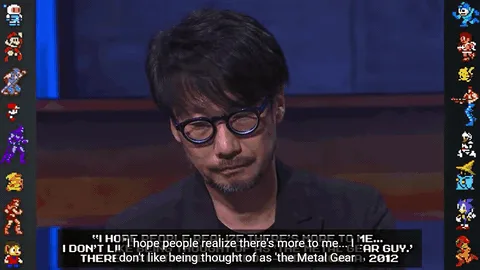
Hideo Kojima, the director behind Metal Gear Solid and Death Stranding, reacted emotionally to Sony’s plan to stop producing physical PlayStation game discs for new releases beginning in 2028. Speaking at the Il Cinema in Piazza film festival in Italy, Kojima said he was “really sad” about the news, explaining that he grew up with physical copies of games, movies, and music. He also said he still buys Blu-ray movies and CDs, which shows that his response was not only about games, but about a wider attachment to owning media in a tangible form.
Kojima’s comments were rooted in more than nostalgia. For him, physical discs represent a kind of security that digital media does not always provide. A disc can sit on a shelf, remain part of a personal collection, and continue to exist outside a company’s online store or subscription system. By contrast, digital media depends on servers, licenses, accounts, and platform policies. Kojima’s concern is that once entertainment moves fully away from physical formats, people may lose direct control over the games, films, and music they believe they own.
He drew a clear distinction between downloaded games and streamed content. A downloaded game still places the data on a player’s console, which gives the user some level of possession over that copy. Streaming, however, changes the relationship entirely. Kojima described streaming access as having only the “right to turn the tap,” meaning the user can access the content only while the service allows it. In that model, the game lives somewhere else, and the player depends on the continued operation of servers and licenses.
That is why Kojima called the future frightening. He has warned before that even digital data may eventually stop being owned by individuals on their own initiative. If a company changes its terms, a license expires, a service shuts down, or a larger political or technological event interrupts access, a player’s library could become unreachable. His fear is that people could become “have-nots” despite paying for the games, movies, or music in question. In Kojima’s view, the end of physical discs is not just a format change. It is a warning about how easily ownership can become access.

Sony’s 2028 PlayStation Disc Shutdown and the Shift Toward Digital Games
Sony confirmed on July 1, 2026 that it will stop producing physical game discs for new PlayStation releases beginning in January 2028. From that point onward, newly released PlayStation games will be available through the PlayStation Store or as download codes sold by retailers. Sony stated that the change does not affect games already released, or games scheduled to release before January 2028 in disc format. That means existing PS4 and PS5 disc releases remain part of the market, while future releases after the cutoff will move to digital-only distribution.
Sony framed the decision as a response to changing consumer behavior. Sid Shuman, Sony Interactive Entertainment’s senior director of content communications, described the move as a “natural direction” based on how players now buy games. The source material states that digital sales have grown sharply, rising from roughly 13% of PlayStation game purchases in 2013 to nearly 80% by 2025. Sony’s own figures reportedly show that almost four in five full game purchases for PS4 and PS5 were digital in its most recent fiscal year.
The company’s plan is not to remove retail from the equation entirely, but to change what retail sells. Instead of boxed discs, stores may sell download codes. This allows Sony to preserve some store-based purchasing options while reducing dependence on disc manufacturing, packaging, shipping, and optical-drive-based distribution. The model is already reflected in high-profile releases such as Grand Theft Auto VI, which the source text says will be sold only as a digital code even in boxed retail editions.
The January 2028 cutoff also points toward a broader hardware change. Industry observers cited in the source material say the decision strongly suggests that the PlayStation 6 generation may arrive without an optical drive. Some disc manufacturing plants have reportedly begun shifting away from game media, and Sony has told partners that discs can continue to be reprinted for games released up to 2027. Existing PS4 and PS5 disc owners will not immediately lose access to their current libraries, but if future PlayStation hardware omits a drive, those old discs may depend on older consoles or special backward compatibility support.
For Sony, the shift follows the buying habits of the majority. For critics, it removes the last major physical safeguard in console ownership. The debate is not simply about whether digital downloads are convenient. It is about whether convenience should replace every practical right that physical media once gave players.
Digital Ownership, Streaming Access, and Kojima’s Warning About Control
Kojima’s central concern is that digital-only gaming weakens the player’s ability to keep what they buy. He has repeatedly argued that digital purchases are not the same as ownership in the traditional sense. A disc is a physical object that can be stored, lent, resold, preserved, or used independently of a storefront. A digital game is usually a license tied to a platform account, and that license can be affected by company policy, technical infrastructure, legal restrictions, or store availability.
The distinction becomes even sharper when games move from downloads to streaming. A downloaded digital game at least places the data on the user’s console or storage device. A streamed game does not. The user only receives access while the service is active and authorized. Kojima compared this to turning on a tap: players do not own the water, the pipes, or the source. They only have permission to receive the flow while someone else keeps it running.
That fear is not theoretical for many players. The source material points to Sony’s past removal of purchased movies from user libraries when licensing agreements expired, as well as the 2024 removal of Concord from sale. To critics, those examples show that digital access can be temporary even when customers believe they have bought something permanent. Kojima’s worry is that the same logic could increasingly apply to games, especially in a future without discs.
His comments also connect to a wider issue across entertainment. Games, films, and music have all moved toward subscriptions, streaming libraries, account-based purchases, and remote servers. Kojima’s concern is not that people should reject digital media entirely, but that they should recognize what is being lost when physical ownership disappears. Once there is no disc, no cartridge, and no local copy that can function independently, players must trust the platform holder to maintain access indefinitely.
That trust is fragile because access can be interrupted for many reasons. A license can expire. A platform can close a store. A government can impose restrictions. A company can delist content. An account can be banned or lost. A server can be shut down. Kojima’s warning is that players may not fully understand the consequences until a game they paid for is no longer playable.

Why the End of PlayStation Discs Has Sparked Backlash from Players and Preservationists
Sony’s announcement has become controversial because it touches several long-running concerns at once: consumer rights, game preservation, used game sales, retail access, and cultural memory. Some players have described the decision as a major loss for ownership, while others see it as the predictable result of digital sales becoming dominant. The strongest criticism comes from those who believe that removing discs gives platform holders too much control over pricing, access, and availability.
For average players, the end of discs changes how games can be used. A physical game can be lent to a friend, sold secondhand, traded in, collected, archived, or played without relying on a store listing. A digital-only game is tied to an account and governed by platform rules. If every new PlayStation game after 2028 becomes a download or code, players will no longer have the same ability to share, resell, or preserve their purchases.
Retailers also face consequences. Specialist game shops depend on new physical releases, used game trade-ins, collector demand, and store traffic built around boxed products. If new PlayStation games become digital codes rather than discs, the role of physical retail changes sharply. Collector’s editions may still exist, but the source text notes that even boxed editions may contain only a download code rather than an actual disc. That weakens the practical value of the box and removes the resale function that helped sustain the used game market.
Preservation advocates are especially concerned because digital-only games can disappear more easily than physical games. The source material says that when Sony shut down older PlayStation digital stores, analysts found that roughly 2,200 games became unavailable, including more than 100 titles exclusive to those platforms. Without physical copies, collectors, libraries, and archives have fewer ways to preserve games when storefronts close.
Frank Cifaldi of the Video Game History Foundation is cited in the source material as calling the trend unfortunate for preservation. He has urged the industry to help archives and museums legally preserve games if physical media is eliminated. The concern is that without official preservation channels, researchers and historians may be left with incomplete records, legal uncertainty, or reliance on community backups. Some preservationists argue that current conditions are so poor that unauthorized copying has become one of the only practical ways games survive, which highlights how urgent the issue has become for game history.
What a Digital-Only PlayStation Future Means for Game Ownership After 2028
After 2028, new PlayStation games will no longer exist as traditional physical discs under Sony’s stated plan. For players, that means PlayStation ownership will become more dependent on accounts, servers, licenses, download infrastructure, and long-term platform support. The change may make buying and installing games more convenient for many users, but it also removes several rights that physical media made simple.
The biggest practical loss is transferability. With a disc, a player can lend a game to a friend, sell it, trade it, or keep it as part of a collection. With a digital license, those options are usually restricted or unavailable. The license is tied to the buyer’s account, not to a physical object that can move freely between people. If the account is banned, compromised, abandoned, or otherwise inaccessible, the games tied to it may become inaccessible as well.
The second concern is long-term availability. If a digital-only game is delisted, removed from sale, or affected by an expired license, new players may have no legal way to obtain it. If the platform store shuts down years later, even redownloading purchased games could become uncertain. Physical discs do not solve every preservation problem, especially when games require patches or online servers, but they provide a baseline copy that can survive beyond a storefront.
The third issue is dependence on internet access. Players with slow connections, unreliable service, data caps, or limited storage will be more affected by a digital-only model. Every new game must be downloaded, and large modern releases can require significant bandwidth. A disc-based release may still require updates, but it offers a physical starting point that digital codes do not.
Some companies have explored ways to soften the transition. The source material mentions Microsoft reportedly studying ways to let players convert existing disc libraries into digital licenses. Nintendo has used physical game key cards for some Switch releases, which provide a tradable physical object but still rely on digital downloads and DRM. These models show that the industry is looking for hybrids, but they do not fully restore the independence of traditional discs.
Kojima’s position fits into this larger debate because he is not simply mourning plastic discs. He is warning that a digital-only future changes the relationship between players and the art they buy. Once games exist only as licenses controlled by platforms, ownership becomes conditional. For Kojima, preservationists, collectors, and many players, that is the real loss behind Sony’s decision.

Frequently Asked Questions (FAQs)
- What was Sony’s announcement about PlayStation game discs?
Sony announced that it will stop producing physical PlayStation game discs for new releases starting in January 2028. After that date, new PlayStation games will be sold as digital downloads through the PlayStation Store or as download codes sold by retailers. Games already released on disc, or scheduled to release on disc before the cutoff, are not affected by the change. - Why is Sony ending production of PlayStation discs?
Sony said the decision reflects shifting consumer preference toward digital media. The source material states that digital game purchases now make up roughly 80% of PlayStation full game sales, compared with a much smaller share in earlier console generations. Sony sees digital distribution as the direction most players have already chosen. - When will the change take effect?
The change begins in January 2028. From that point forward, new PlayStation releases will no longer receive traditional disc versions. Games released before that date can still have disc editions, and Sony has said the change does not affect already released disc-format titles. - How did Hideo Kojima react to the news?
Hideo Kojima said he found the decision “really sad.” He explained that he grew up with physical media and still buys Blu-ray movies and CDs, so the move away from discs felt personally upsetting to him. His reaction also reflected his wider concern that digital-only media gives players less control over what they buy. - Why is Kojima sad about this decision?
Kojima’s sadness comes from both personal history and concern over ownership. Physical media has sentimental value for him because he grew up with boxed games, discs, movies, and music. More importantly, he believes discs help protect access to purchased media in a way digital licenses and streaming services do not. - What did Kojima say about digital game ownership?
Kojima warned that digital and streaming access can reduce ownership to permission. He said that while downloaded games still place data on a console, streaming gives users only the “right to turn the tap.” His point is that players may not truly control the content if the data remains on company servers and access depends on licenses or platform policies. - Why are preservationists worried about ending game discs?
Preservationists worry that digital-only games can disappear if stores close, licenses expire, or companies delist content. The source material notes that thousands of titles became unavailable when older PlayStation stores were shut down. Without discs, archives, libraries, collectors, and historians have fewer legal and practical ways to preserve games. - Will the next PlayStation (PS6) have a disc drive?
Sony has not provided a full hardware announcement in the source text, but the decision to stop making new PlayStation discs in 2028 strongly suggests that future PlayStation hardware may move away from optical drives. Analysts cited in the source material say the announcement makes a disc-less PlayStation 6 likely. - What happens to existing physical PS4/PS5 games?
Existing PS4 and PS5 discs are unaffected by the January 2028 change. Players can continue using already released disc games on consoles that have disc drives. Sony also said discs may continue to be printed for games released before the cutoff, but new releases after January 2028 will not have disc versions. - How does the digital vs. physical debate affect players?
The debate affects what players can do with the games they buy. Physical discs can be lent, resold, traded, collected, and preserved more easily. Digital-only games are usually tied to an account and governed by licenses, which means access can depend on store availability, platform policies, and server support. The tradeoff is convenience versus control.

Conclusion
Sony’s decision to end PlayStation discs in 2028 marks a major turning point for gaming. Hideo Kojima’s reaction, and the broader debate it sparked, shows how deeply fans value physical media and what it represents. For Kojima and others, game discs are more than plastic; they symbolize true ownership and a connection to the history of gaming. As Sony and the industry move toward an all-digital future, questions about ownership, resale, and preservation are coming into sharp focus.
The next few years will be critical: will players adapt to a digital-only era, and will game companies step up to ensure that digital libraries remain accessible? The outcome remains to be seen, but for now the conversation is clear: physical game discs may be dying, but the debate over what that means for players has never been more alive.
Sources and Citations
- Sony PlayStation Blog, “Physical Disc Production Ending in January 2028 for New Games Releasing on PlayStation Consoles”
https://blog.playstation.com/2026/07/01/physical-disc-production-ending-in-january-2028-for-new-games-releasing-on-playstation-consoles/ - Kotaku, “Hideo Kojima Finds It Really Sad That Sony Is Killing PlayStation Game Discs”
https://kotaku.com/hideo-kojima-playstation-game-discs-physical-media-sony-1851807350 - Video Games Chronicle, “Hideo Kojima ‘Really Sad’ About PlayStation Killing Discs”
https://www.videogameschronicle.com/news/hideo-kojima-really-sad-about-playstation-killing-discs/ - The Guardian, “Sony Will Kill PlayStation Games on Discs in 2028. Fans Are Furious”
https://www.theguardian.com/games/2026/jul/02/sony-will-kill-playstation-games-on-discs-in-2028-fans-are-furious - Game Informer, “PlayStation Will Cease Production Of Physical Discs For New Games In January 2028”
https://gameinformer.com/2026/07/01/playstation-will-cease-production-of-physical-discs-for-new-games-in-january-2028 - Hackaday, “Sony To End Physical PlayStation Disc Production In 2028”
https://hackaday.com/2026/07/03/sony-to-end-physical-playstation-disc-production-in-2028/ - Engadget, “PlayStation Just Struck a Hammer Blow to Game Preservation”
https://www.engadget.com/gaming/playstation/playstation-just-struck-a-hammer-blow-to-game-preservation-190028674.html - 80 Level, “Sony’s Digital Only Shift Raises Game Preservation Concerns”
https://80.lv/articles/sony-s-digital-only-shift-raises-game-preservation-concerns/
Recommended
- PEGI Rating Update 2026: Loot Boxes Get PEGI 16 and Unrestricted Communication Gets PEGI 18
- The Lost Wild – Official Gameplay Trailer Breakdown, Release Date, Story, Dinosaurs & Survival Horror Details Explained
- Shinji Mikami Establishes High-Profile Game Development Studio Unbound: What We Know About the New AAA Original IP
- Nintendo Switch 2 Games 2026: Nintendo Hints at Major New Releases this Fall and Why the Original Switch Still Matters
- Onimusha: Way of the Sword Gets a Fall Release Date and a Demo Out Now Trailer Breakdown and Impressions
- Scriptorium: Master of Manuscripts is the Kingdom Come: Deliverance and Animal Crossing-inspired medieval cozy art game with tiny dragons “Hans Capon mentioned therefore GOTY
- Dark Horse’s The Lord of the Rings Animated Figure Set Celebrates the Classic 1978 Film With Frodo, Aragorn, and Samwise
- BAFTA Film Awards 2026 Predictions: Marty Supreme, Timothée Chalamet, Leonardo DiCaprio, Sinners, Frankenstein and Hamnet
- Belkin Charging Case Pro for Switch 2 Review: Price, Battery Life, Features, and Is It Worth It?
- Medieval: Chronicles Deep Strategic Gameplay and Gruesome Combat Explained



































































































