









In This Article (8 sections)
Pokémon Champions Release, Competitive Features, Crossplay, and Ranked Play
Pokémon Champions is one of the most anticipated competitive Pokémon releases in years, bringing a dedicated battle-focused experience to mobile devices and Nintendo Switch. The game is scheduled to launch on June 17, 2026, marking a major step in expanding competitive Pokémon battles beyond traditional mainline entries. Unlike previous Pokémon titles that combined exploration, story progression, and battling, Pokémon Champions focuses almost entirely on player-versus-player competition. The release is expected to introduce a unified competitive ecosystem where trainers can battle across platforms while maintaining synchronized progression and rankings.
A major part of the game’s appeal is its support for both Android and iOS devices, allowing players to preregister before launch. Preregistration typically notifies users when the game becomes available and may provide access to launch rewards. Android users can generally preregister through the Google Play Store, while iPhone and iPad users can do so through the App Store. Eligible devices may also automatically download the game once it launches. Expected preregistration rewards include in-game currency, trainer customization items, battle resources, cosmetics, and other incentives that help players get started. As with any competitive online title, device compatibility is important, and players should ensure their hardware and operating systems meet the minimum requirements for stable performance during online matches.
Pokémon Champions is designed specifically for competitive battling, making it highly relevant to the competitive Pokémon community and the Video Game Championships (VGC) scene. Rather than requiring players to spend large amounts of time progressing through a traditional adventure, the game streamlines access to team building and competitive play. Strategic team construction, prediction, type matchups, resource management, and advanced battle mechanics remain central to the experience. This structure allows aspiring tournament players to practice more frequently, test new strategies, and adapt to evolving metagames with less preparation time. It also lowers the barrier to entry for newcomers by emphasizing competitive fundamentals instead of lengthy progression systems.
One of the game’s most significant features is full crossplay between Nintendo Switch and mobile devices. Android, iOS, and Switch players will share the same matchmaking ecosystem, resulting in faster queue times and a larger competitive player base. Cross-platform functionality ensures that players are not separated by their choice of device and can access the same rankings, seasonal content, and events. This flexibility allows trainers to continue their competitive progression whether they are playing on a Switch at home or using a smartphone while traveling. A larger matchmaking pool also contributes to healthier long-term player retention and a more active competitive environment.
The Pokémon roster is another key component of the experience. Pokémon Champions features a substantial selection of available Pokémon and supports integration with Pokémon Home, allowing players to access eligible Pokémon from the broader Pokémon ecosystem. Not every Pokémon may be available immediately at launch, as live-service competitive games often introduce roster additions gradually to maintain balance and sustain long-term engagement. The initial roster is expected to feature a wide variety of Pokémon from different generations and competitive roles, including offensive attackers, defensive specialists, support Pokémon, weather setters, terrain controllers, and utility-focused options. This diversity helps encourage experimentation and reduces the likelihood of a small number of strategies dominating the metagame.
On mobile devices, the game’s controls are designed to deliver a streamlined yet strategic battle experience. Since Pokémon Champions revolves around turn-based gameplay, touchscreen controls are naturally suited to selecting moves, switching Pokémon, reviewing statistics, and managing battle information. Controller support provides an additional option for players who prefer a traditional console-style experience. The ability to switch between touchscreen and controller inputs improves accessibility and allows players to choose the control method that best suits their playstyle. A clear and efficient user interface is especially important in competitive matches, where quickly evaluating information can influence strategic decisions.
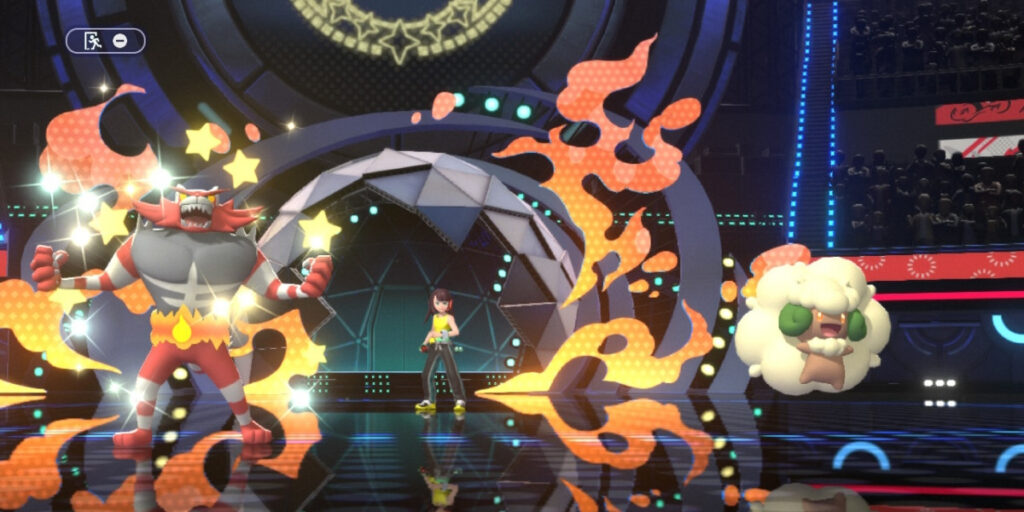
Ranked mode serves as the core of the Pokémon Champions experience. The matchmaking system is intended to pair trainers with opponents of similar skill levels, creating more balanced and competitive battles. Players are expected to progress through various ranks, divisions, or leagues by earning victories and increasing their rating. In addition to visible rankings, matchmaking systems often rely on hidden performance metrics to improve pairing quality and maintain competitive integrity. Seasonal ranked resets help keep the ladder active by giving players fresh opportunities to climb the rankings, earn rewards, and adapt to changing metagames. This structure encourages long-term engagement by rewarding skill, consistency, strategic growth, and adaptability throughout each competitive season.
For many players, Pokémon Champions has the potential to become the primary destination for competitive Pokémon battling. By combining dedicated competitive systems, cross-platform functionality, ranked progression, roster integration, and streamlined access to high-level battles, the game is positioned to serve as a central hub for trainers looking to test their skills in a focused competitive environment.

Pokémon Champions Live-Service Features, Monetization, and Post-Launch Support
Like many modern live-service games, Pokémon Champions incorporates systems designed to keep players engaged over long periods. One of the most prominent features is the battle pass system, which typically provides a progression track filled with rewards earned through regular gameplay. Free tracks allow all players to unlock certain rewards, while premium tracks offer additional cosmetics and exclusive items. Players progress by completing missions, earning experience points, and advancing through seasonal reward tiers. Seasonal battle passes may include trainer outfits, profile customization options, animations, emotes, and other cosmetic enhancements that allow players to personalize their in-game identity.
Monetization appears to focus on long-term engagement rather than traditional expansion purchases. For competitive players, the distinction between optional and required purchases is especially important because success should depend on skill rather than spending. Optional purchases are expected to center on cosmetic content such as trainer appearances, visual effects, profile decorations, and battle presentation features. Most competitive communities generally accept cosmetic monetization when it does not affect gameplay outcomes. Maintaining competitive integrity requires developers to carefully balance revenue generation with fair access to gameplay systems, ensuring that all players can enjoy the complete competitive experience regardless of spending habits.
Beyond monetization, live-service support plays a major role in the game’s longevity. Regular patches allow developers to address balance concerns, introduce new content, fix technical issues, and respond to community feedback. Major updates often coincide with battle pass resets, ranked season transitions, or roster expansions, while smaller patches typically focus on bug fixes, matchmaking improvements, performance optimizations, and quality-of-life enhancements. Consistent update schedules help players anticipate changes and prepare for shifts in the competitive environment. The game’s long-term success will depend heavily on how responsive developers are to player feedback and real-world gameplay data.
Live-service events further encourage player participation by providing fresh activities and rewards. These events may include themed challenges, unique missions, seasonal competitions, and special matchmaking formats that add variety beyond standard ranked play. Limited-time bonuses often reward active players with cosmetics, currencies, trainer customization items, and progression boosts without disrupting competitive balance. Competitive events can also serve as stepping stones toward larger tournaments and community competitions, giving players opportunities to test their skills while earning exclusive rewards. Well-designed events help maintain player interest by ensuring there is always something new to pursue.
As with any competitive online game, Pokémon Champions is likely to face technical and balance challenges after launch. Common launch issues may include matchmaking errors, connection instability, visual glitches, user interface problems, and server disruptions caused by high player demand. Balance concerns often emerge once millions of matches generate enough data to reveal which Pokémon, moves, abilities, or strategies are performing above expectations. Developers typically monitor usage rates, win percentages, and community feedback to identify problematic trends. Addressing these issues quickly is important because prolonged dominance by a small number of strategies can reduce competitive diversity. Constructive feedback from the player base remains an important tool for helping developers prioritize fixes and maintain a healthy competitive environment.

Pokémon Champions Beginner Tips and Early Competitive Meta
New players entering Pokémon Champions should focus on learning core fundamentals before worrying about climbing the ranked ladder. Understanding type matchups remains one of the most important aspects of Pokémon strategy, as knowing when attacks are super effective, resisted, or ineffective can dramatically influence battle outcomes. Team building is equally important, with successful teams typically combining offensive pressure, defensive coverage, and utility options that can handle a variety of threats.
Beginners should also become familiar with key battle mechanics such as status conditions, switching strategies, priority moves, weather effects, and terrain interactions. Early matches provide valuable learning opportunities, allowing players to observe common strategies and understand how experienced opponents manage resources and positioning. Even defeats can offer important lessons that contribute to long-term improvement. Competitive Pokémon has significant strategic depth, and steady progress usually comes through experience, analysis, and adaptation rather than immediate success.
The early metagame is often shaped by versatile Pokémon that can perform effectively against a wide range of opponents. Balanced team compositions tend to excel during launch periods because they provide flexibility against an evolving field of strategies. These teams commonly feature a mix of offensive attackers, defensive pivots, support Pokémon, and speed-control options. Pokémon with strong typings, reliable recovery, versatile move pools, and consistent utility frequently emerge as early metagame staples.
Specialized strategies may also become popular depending on the available roster. Weather-based teams can thrive if powerful weather setters and beneficiaries are present, while terrain-focused compositions may gain traction if suitable Pokémon are available. However, launch metagames are often highly volatile. Strategies that dominate during the first week may quickly decline as players discover counters and refine their team-building approaches. For this reason, adaptability is often more valuable than simply copying top-performing teams. Understanding why a particular team succeeds provides a stronger foundation for long-term competitive success than merely replicating a popular build.
Ranked Climbing Tips and Strategies in Pokémon Champions
Ranking up consistently requires more than simply winning occasional matches. Long-term success comes from improving your skills, refining your strategies, and maintaining consistency over many battles.
Players should focus on mastering a small number of teams rather than constantly switching strategies. Becoming familiar with a team’s strengths, weaknesses, matchups, and possible responses improves decision-making and reduces avoidable mistakes during battles. Deep knowledge of a few teams is often more valuable than shallow experience with many.
Reviewing losses is one of the fastest ways to improve. Analyzing why a battle was lost can reveal recurring weaknesses, poor predictions, team-building flaws, or decision-making errors that can be corrected in future matches. Learning from defeats is often more beneficial than focusing only on victories.
As players reach higher ranks, predicting opponent behavior becomes increasingly important. Strong competitors think several turns ahead, anticipate likely responses, and position themselves to gain advantages before situations fully develop. Strategic planning and adaptation often determine the outcome of closely matched battles.
Maintaining emotional discipline is equally valuable. Frustration and tilt can lead to rushed decisions, unnecessary risks, and losing streaks during ranked sessions. Staying focused and composed helps ensure that each battle is approached with a clear mindset.
Keeping up with metagame trends also provides a competitive advantage. Understanding which teams, Pokémon, and strategies are currently popular allows players to prepare effective counters, adjust their team compositions, and remain flexible as the competitive environment evolves.
Ultimately, consistent improvement rather than short-term results is what drives long-term rank progression. Players who continually refine their skills, learn from mistakes, and adapt to changing strategies are questioned (FAQs) to climb the ranked ladder successfully over time.

frequently asked question(FAQs)
- What is Pokémon Champions?
Pokémon Champions is a battle-focused competitive Pokémon game designed around online multiplayer battles, ranked play, team building, and live-service updates. Unlike traditional Pokémon RPGs that emphasize exploration and story progression, this title focuses on player-versus-player competition, allowing trainers to build teams, test strategies, and compete against others through various battle modes. - When does Pokémon Champions release on mobile?
The game is scheduled to launch on June 17, 2026, for Android and iOS devices alongside Nintendo Switch support. This simultaneous release allows players across multiple platforms to begin playing at the same time, helping establish an active competitive community from day one. - Will Pokémon Champions support crossplay?
Yes. Players on mobile devices and Nintendo Switch can battle within the same matchmaking ecosystem. This means friends can play together regardless of platform, while a larger shared player base can help improve matchmaking speed and create a more competitive environment. - Can Pokémon Home be used with Pokémon Champions?
Pokémon Home support allows eligible Pokémon to be integrated into the game’s competitive environment. However, not every Pokémon may be available for use, as developers typically set rules and restrictions to maintain game balance and ensure a fair competitive experience. - Is Pokémon Champions free to play?
The game is expected to follow a free-to-play model supported by battle passes and optional microtransactions. This means players can download and access the core gameplay without an upfront purchase, while optional purchases may provide cosmetic items, progression rewards, or other non-essential content. - Does Pokémon Champions have ranked battles?
Yes. Ranked mode serves as one of the primary gameplay systems and includes matchmaking based on player skill. As players win matches and improve their ranking, they will face stronger opponents, creating a competitive ladder that rewards strategic play and consistent performance. - Are microtransactions required to compete?
Competitive success is expected to depend on skill and strategy rather than mandatory purchases. While optional purchases may be available, the focus of competitive play is expected to remain on team building, decision-making, and understanding battle mechanics rather than spending money. - Can mobile players use controllers?
Yes. Controller support is available on compatible devices, offering an alternative to touchscreen controls. This gives players more flexibility in how they play and may provide a more comfortable experience for those who prefer traditional gamepad inputs. - Will Pokémon Champions receive regular updates?
The game follows a live-service model with ongoing patches, seasonal content, events, and balance adjustments. Regular updates help keep the competitive meta fresh, address gameplay issues, and introduce new content that encourages players to stay engaged over time. - What is the best way for beginners to improve quickly?
Learning type matchups, understanding team synergy, reviewing losses, and mastering a consistent team are among the most effective improvement methods. New players often improve faster by focusing on a small group of Pokémon, studying common strategies, and gaining experience through regular matches rather than constantly changing teams.
Conclusion
Pokémon Champions represents a major evolution in competitive Pokémon gaming by creating a dedicated platform centered on battling, rankings, and live-service content. The June 17, 2026 launch introduces crossplay between mobile devices and Nintendo Switch, integrated Pokémon Home support, ranked competition, seasonal battle passes, and ongoing content updates. By emphasizing accessibility, strategic depth, and competitive integrity, Pokémon Champions has the potential to become a central destination for both casual trainers and serious VGC competitors. Whether players are entering their first ranked match or pursuing elite competitive rankings, the game offers a modern ecosystem designed to support long-term engagement and continuous improvement.
Sources and Citation
- Official Pokémon Champions announcements and promotional materials from The Pokémon Company, https://champions.pokemon.com/en-us/news/
- Pokémon Champions official website, https://champions.pokemon.com/en-us/
- Pokémon Champions overview trailer (Nintendo), https://www.youtube.com/watch?v=pOfW-qdsvpU
- The Pokémon Company official press site, https://press.pokemon.com/en/
- Nintendo platform information and launch communications, https://www.nintendo.com/us/store/products/pokemon-champions-switch/
- Nintendo News, https://www.nintendo.com/us/whatsnew/
- Nintendo Switch 2 information, https://www.nintendo.com/us/gaming-systems/switch-2/
- Pokémon HOME integration documentation and ecosystem support details, https://home.pokemon.com/en-us/move/
- Pokémon HOME official website, https://home.pokemon.com/en-us/
- Pokémon HOME FAQ and compatibility documentation, https://en-americas-support.nintendo.com/app/answers/detail/a_id/48803/~/pokemon-home-faq
- Pokémon GO to Pokémon HOME transfer support, https://niantic.helpshift.com/hc/en/6-pokemon-go/faq/2787-sending-pokemon-to-pokemon-home/
- Competitive Pokémon tournament framework and VGC regulations published by The Pokémon Company, https://www.pokemon.com/us/play-pokemon/
- Play! Pokémon Championship Series rules and regulations, https://www.pokemon.com/us/play-pokemon/about/tournaments-rules-and-resources/
- Play! Pokémon tournament rules documents, https://www.pokemon.com/us/play-pokemon/about/tournaments-rules-and-resources/rules-and-resources/
- Pokémon World Championships information, https://worlds.pokemon.com/en-us/
- Pokémon Champions replacing Scarlet & Violet for official VGC competition coverage, https://www.gamesradar.com/games/pokemon/pokemon-champions-is-replacing-scarlet-and-violet-as-the-new-place-for-official-vgc-tournaments-with-devs-calling-the-spiritual-stadium-successor-the-one-stop-shop-for-everyone-interested-in-pokemon-battles/
- Developer communications regarding crossplay, ranked systems, seasonal content, and live-service support, https://champions.pokemon.com/en-us/news/
- Pokémon Champions available now press release, https://pokemon.gamespress.com/Pokemon-Champions-Available-Now
- Pokémon Champions mobile launch and crossplay announcement, https://as.com/meristation/noticias/pokemon-champions-confirma-su-fecha-de-lanzamiento-en-moviles-android-e-ios-y-anuncia-nuevas-funciones-todas-las-novedades-f202606-n/
- Pokémon Champions guide covering ranked battles and competitive features, https://www.gamesradar.com/games/pokemon/pokemon-champions-guide/
- Pokémon Presents 2025 announcement recap (Pokémon Champions reveal), https://www.polygon.com/news/530790/pokemon-presents-2025-news-announcements-all-recap
- Wired coverage of Pokémon Champions announcement and cross-platform support, https://www.wired.com/story/pokemon-company-announces-pokemon-champions-promises-legends-z-a-coming-in-2025/
Recommended
- Assassin’s Creed Valhalla Headlines April’s Humble Choice Collection: Full Game List, Value Breakdown & Is It Worth It?
- How do I export a camera from Blender to another software?
- Ubisoft Is Bringing Rayman Into a New Era What a Wildly Detailed Remake Could Include
- Role of Streamers in the Game Industry: How Twitch, YouTube, and Kick Creators Shape Game Success
- Amazon Game Studios ends publishing agreement with Maverick Games: why the deal ended and what happens to the open-world driving game
- Top Gun Celebrates Its 40th Anniversary With New Limited Edition 4K Steelbook Blu-ray — Release Date, Preorder Details, Specs & Special Features
- Masters of the Universe: CinemaCon Footage Breakdown – He-Man Transformation, Beast Man Fight & First Reactions Explained
- How to Install and Use Nvidia Audio2Face: The Ultimate Guide to AI-Driven Facial Animation
- How to Create Warhammer Sisters of Battle Characters with MetaHuman in Unreal Engine 5



































































































