











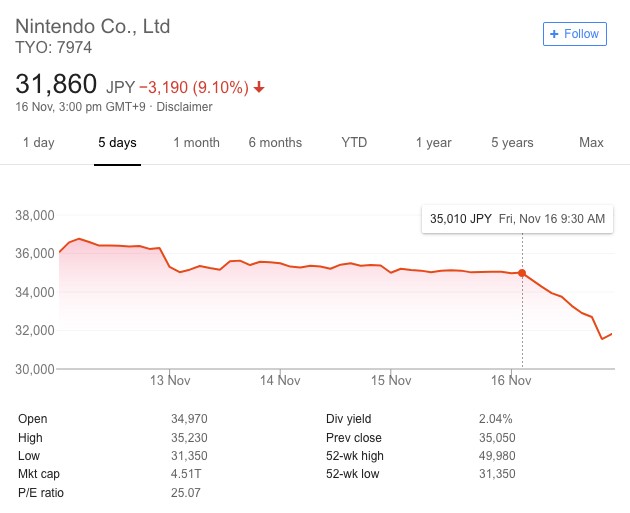
Nintendo’s stock just experienced a dramatic rebound, surging by about 10% in a single day following the blockbuster release of Pokémon Pokopia.
This rally comes on the heels of a steep decline in the share price over recent months. In this deep-dive, we’ll explore why Nintendo’s stock soared after Pokémon Pokopia launched, what caused the earlier drop, and how this surprise hit game is influencing everything from Nintendo Switch 2 console sales to investor sentiment. We’ll also break down what Pokémon Pokopia is (and why it’s so popular), discuss analysts’ reactions, and look ahead at challenges and upcoming games that could impact Nintendo’s stock next. By the end, you’ll have a comprehensive view of how one game managed to revive optimism around Nintendo and what it means for the company’s future.
In This Article (18 sections)
Why Nintendo Stock Soared 10% After Pokémon Pokopia Released
Nintendo’s share price jumped approximately 10% on the Tokyo stock exchange following the release of Pokémon Pokopia, its largest single-day gain in years. This rally was driven by the overnight success of the cozy life-simulation spin-off launched exclusively for the Switch 2. The game’s instant popularity exceeded sales forecasts and improved market sentiment.
Key factors for the surge included record-breaking sales and a hardware boost. Pokémon Pokopia is the first major Switch 2 exclusive to drive console upgrades, with analysts noting that “on the fence” consumers purchased the new hardware specifically for this title. This jump-started the next-gen console cycle and increased investor confidence in Nintendo’s ecosystem.
The stock also rose because the game bridged the gap between core and casual audiences by combining Pokémon with Animal Crossing-style gameplay. This broad appeal and the speed of its success selling out physical copies within days of its March 5 launch reassured investors of Nintendo’s hit-making prowess, marking the steepest climb in share price since April of a previous year.

What Caused Nintendo Stock to Fall Before the Pokémon Pokopia Rally
Prior to the rally, Nintendo’s stock had been slumping due to concerns over the Switch 2’s early performance. After peaking on hype in November 2025, shares slid as investors feared weak momentum. A primary issue was the lack of high-profile, “system-selling” exclusives during the launch window to sustain excitement.
Financial pressures also contributed. In February 2026, Nintendo issued a conservative profit forecast of ¥350 billion, which was below analyst expectations. Investors also worried about rising component costs, specifically memory chips driven by AI demand, which threatened to erode hardware profit margins. Competition from platforms like Roblox and the upcoming Grand Theft Auto VI further soured sentiment, leading to a 10% share plunge in early February 2026.
What Is Pokémon Pokopia and Why It Is So Popular
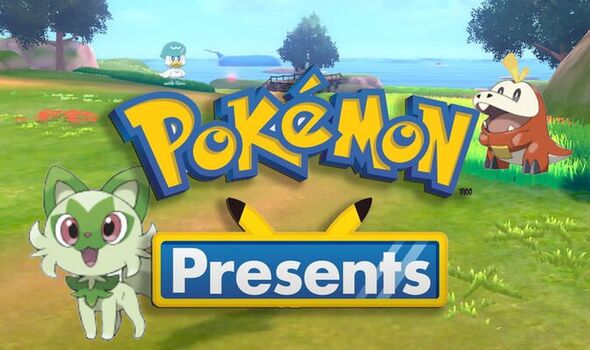
Pokémon Pokopia is a life-simulation game described as a hybrid of Animal Crossing, Minecraft, and Pokémon. Players control a Ditto transformed into a human, tasked with rebuilding a devastated Kanto region into a community. It departs from the traditional formula by removing gym battles and combat in favor of crafting, farming, and befriending Pokémon.
The game’s popularity stems from its “cozy” gameplay and high quality. It is currently the highest-rated Pokémon game on Metacritic with a score of 89/100. By blending the Pokémon brand with relaxing sandbox mechanics, it attracts both longtime fans and casual players. Positive word-of-mouth and social media sharing of customized settlements further fueled its success, proving the franchise could thrive in a new genre.
Pokémon Pokopia Gameplay Explained: Animal Crossing-Style Life Simulation
Gameplay focuses on exploration, cultivation, and community-building. Players gather resources to craft furniture and buildings, transforming a wasteland into a flourishing village. Instead of catching Pokémon to battle, players improve habitats to attract them. Once befriended, Pokémon teach the player “moves” used for environmental puzzles, such as smashing rocks or watering plants.
The game features a real-time day/night cycle and social interactions with Pokémon neighbors and NPCs. It also utilizes Switch 2 features like GameShare, allowing friends to visit each other’s islands even if they do not own the game. The “Habitat Dex” replaces the traditional Pokédex, emphasizing the goal of restoring the environment through peaceful, creative activities.
Pokémon Pokopia Release Date, Platform, and Development Details
Pokémon Pokopia was released worldwide on March 5, 2026, exclusively for the Nintendo Switch 2. It was first announced in September 2025. The game is a collaborative effort between Game Freak and Koei Tecmo’s Omega Force studio. Game Freak’s Shigeru Ohmori conceived the project, while Omega Force provided expertise in sandbox and crafting mechanics.
Published by Nintendo and The Pokémon Company, the game was developed using the “Katana Engine” and launched at a price of $70 USD. While some regions received “game-key cards” instead of physical cartridges to save on costs, digital sales remained strong. The development cycle lasted roughly two years, beginning in early 2024. Following the launch, the developers have supported the title with limited-time in-game events.

How Pokémon Pokopia Boosted Nintendo Switch 2 Sales Momentum
Pokémon Pokopia has become a “killer app” for the Nintendo Switch 2, driving undecided consumers to upgrade to the new platform. As a Switch 2 exclusive, it compelled fans to move away from the original Switch hardware. Analysts, including Atul Goyal from Jefferies, noted that adoption is accelerating because this title achieved what previous cross-generation releases could not: creating a mandatory reason for a next-gen leap.
Retail patterns and anecdotal reports indicate that Pokémon Pokopia themed bundles and consoles moved quickly following the game’s release. With over 2 million copies sold in four days, a significant portion of buyers likely represented new hardware owners. This success is being compared to the impact Zelda: Breath of the Wild had on the original Switch, though Pokopia is unique as a true console exclusive.
The game’s design as a “long-tail” title encourages daily engagement and social sharing, which improves console metrics and attracts more users through word-of-mouth. Its launch nine months after the Switch 2’s debut was perfectly timed to push the second wave of more hesitant, casual buyers. This reinvigorated momentum has helped offset earlier market fears that the Switch 2 era might plateau due to a lack of marquee titles.
Pokémon Pokopia Sold Out at Major Retailers: What Happened
Following its March 5, 2026 launch, Pokémon Pokopia became nearly impossible to find in stores. Major retailers like Walmart, Target, Best Buy, and Amazon exhausted their initial physical stock within a week. This was not a supply chain failure but rather a result of demand vastly outstripping Nintendo’s moderate forecasts for a spin-off title.
The scarcity led to unusual retail behavior. Walmart and Amazon reportedly increased the price of physical copies by $10 above the $70 MSRP due to high demand, a move that drew criticism from outlets like IGN. Internationally, the game sold over 1 million copies in Japan in four days and saw similar sell-outs across Europe. While Nintendo encouraged frustrated customers to buy digital versions, the lack of physical copies further fueled the game’s “must-play” reputation.
How Pokémon Pokopia Early Sales Impacted Nintendo’s Market Value
The game sold 2.2 million copies in its first four days, with 1 million of those sales occurring in Japan. This performance, which rivaled mainline Pokémon entries, added approximately $7–8 billion to Nintendo’s market capitalization, bringing it to an estimated $72–74 billion USD by March 11, 2026. This surge effectively recovered a significant portion of the value the stock had lost in the preceding months.
Beyond immediate revenue, the sales helped mitigate concerns regarding rising memory chip costs. Investors now believe that the high volume and high margins of software sales can offset the pressure on hardware profitability. Additionally, the success suggests that Nintendo may exceed its conservative 350 billion yen profit forecast for the fiscal year. The “dark horse” nature of the hit provided a positive surprise that re-rated Nintendo’s value in the eyes of shareholders.
Analysts’ Reactions to Nintendo’s Stock Surge After Pokopia Launch
Analysts generally shifted to an optimistic tone, though they remained mindful of long-term challenges. Atul Goyal of Jefferies described the game as a “viral stealth hit” that successfully bridged the gap between core and casual gamers. Hideki Yasuda of Toyo Securities noted that the game had been “largely off investors’ radar” and served as a global boost for the brand, while reminding investors that the stock still remained below its November peak.
The consensus among firms like Bloomberg and Yahoo Finance was that Pokopia altered the market narrative from pessimism to guarded optimism. Analysts began viewing the success as a blueprint for future Switch 2 exclusives and spin-offs. The high review scores also reassured the market regarding Nintendo’s software quality and its ability to maintain high standards for its major intellectual properties.
Why Investors Are Optimistic About Nintendo Again
Several factors have contributed to a bullish shift in investor sentiment:
- Proof of Concept: The game proved that the Switch 2 can host system-selling exclusives that appeal to more than just a hardcore audience.
- Reenergized Pipeline: The success of a spin-off suggests that Nintendo can creatively monetize its IP library, leading to upward revisions of future revenue and profit forecasts.
- Cross-Media Synergy: The upcoming Super Mario Galaxy movie, scheduled for April 2026, is expected to create a “halo effect” that will further drive game sales and brand interest.
- Turnaround Narrative: The shift in perspective from a struggling console launch to a reinvigorated platform has made the stock more attractive, especially given Nintendo’s large cash reserves and lack of debt.
- Franchise Loyalty: The rapid sales of Pokopia reaffirmed the enduring power of the Pokémon fanbase and the potential for future titles to achieve similar blockbuster results.
While challenges like component costs remain, the overall mood has improved significantly, with some services giving the stock a “Strong Buy” rating based on its strengthened earnings prospects.
Challenges Nintendo Still Faces Despite the Stock Rally
While Pokémon Pokopia has improved Nintendo’s fortunes, several risks remain. First, Nintendo must sustain momentum by following its current success with a steady cadence of hit titles. If the release schedule for 2026 and 2027 lacks compelling first-party games like a new 3D Mario or Mario Kart 9, hardware sales could stall.
Second, ongoing margin pressures from rising component costs, particularly memory chips driven by AI demand, continue to threaten hardware profitability. Third, even with the rally, the stock remains roughly 30% below its previous peak, meaning Nintendo must prove the Switch 2 can match the 100-million-unit success of its predecessor.
Fourth, Nintendo faces a challenge in its dependence on the Pokémon franchise, which it does not fully own. Sharing profits with The Pokémon Company means Nintendo’s direct cut is lower than it would be for wholly-owned titles. Additionally, Nintendo must navigate intense competition from platforms like PlayStation, Xbox, and upcoming major releases like Grand Theft Auto VI, while also managing potential supply chain disruptions to avoid further stock shortages.

How Pokémon Pokopia Could Shape the Future of Nintendo Switch 2
Pokémon Pokopia serves as a blueprint for the Switch 2 era, likely encouraging Nintendo to experiment with other franchises in new genres, such as “cozy” or life-sim versions of Zelda or Mario. The success of the co-development with Omega Force may lead to more “curated collaborations” with external studios to increase the volume and variety of the Switch 2 library.
The game also highlights the value of hardware-specific features like GameShare and online co-op, which could influence future software design and improvements to Nintendo’s online infrastructure. Marketing strategies may shift to target casual and family audiences more explicitly, recapturing the “Blue Ocean” strategy of the Wii era. Furthermore, Pokopia signals a move toward a “live game” mentality, with more seasonal events and post-launch updates becoming standard for Nintendo titles.
What Other Upcoming Nintendo Games Could Move the Stock Next
Several high-profile projects could drive future stock and hardware surges:
- A New 3D Mario Game: A follow-up to Super Mario Odyssey is a top candidate for a major catalyst.
- The Next Zelda: Any announcement of a brand-new Zelda or significant remasters would excite investors.
- Metroid Prime 4: Its eventual release is expected to bolster confidence among core gamers.
- Mario Kart 9: As a top-selling franchise, a new entry would likely spike console sales and revenue.
- Generation 10 Pokémon: A new mainline generation on Switch 2 would be a massive sales driver.
- Third-Party Hits: Titles like Final Fantasy VII Rebirth, Fallout, and Indiana Jones and the Great Circle make the platform more attractive.
- New IP and Upgraded Ports: Projects like the rumored “The Duskbloods” or updated versions of Tomodachi Life and Animal Crossing contribute to a robust catalog.

Is Nintendo Stock a Good Investment After the Pokémon Pokopia Surge
The bullish case for Nintendo rests on the company’s proven ability to innovate and its relatively low valuation compared to past peaks. With a strong balance sheet, minimal debt, and upcoming catalysts like the Super Mario Galaxy movie, there is potential for further growth. Analysts have noted that the stock currently trades at a reasonable price-to-earnings ratio and offers dividend appeal.
Conversely, some “good news” may already be priced in following the 10% jump. Investors should be cautious that a single hit does not guarantee a long-term trend, especially if software droughts occur or if hardware margins remain squeezed. While Pokopia proves the strength of Nintendo’s intellectual property, long-term success depends on the company’s ability to maintain its “magic” throughout the entire Switch 2 lifecycle amid a changing global economy.
Frequently Asked Question (FAQs)
- What is Pokémon Pokopia and why is it so important for Nintendo?
Pokémon Pokopia is a life-simulation video game set in the Pokémon universe, released exclusively for the Nintendo Switch 2. It is important because it became an unexpected blockbuster that sold out at stores and drove a 10% jump in Nintendo’s stock price. The game’s popularity proved Nintendo can deliver surprise hits that boost both software and hardware sales. - When was Pokémon Pokopia released and on what platform?
Pokémon Pokopia was released worldwide on March 5, 2026. It is available only on the Nintendo Switch 2 console and is not playable on the older Switch. - How did Pokémon Pokopia affect Nintendo Switch 2 console sales?
The game provided a significant boost to Switch 2 sales as the first exclusive to generate enough excitement to compel consumers to upgrade. It acted as a “system-seller,” expanding the console’s user base. - Why did Nintendo’s stock price surge after Pokémon Pokopia launched?
The stock rose approximately 10% because the game exceeded expectations, selling over 2 million copies in four days. This success topped sales charts, sold out physical inventory, and drove hardware sales, which lifted investor sentiment and triggered a rally. - What caused Nintendo’s stock to fall before the Pokopia release?
The stock had been sliding due to concerns that the Switch 2 lacked “killer apps” to drive demand. Additionally, rising memory chip costs threatened profit margins, and cautious financial forecasts led to a 2.3% year-on-year decline. - Does Nintendo directly profit from Pokémon Pokopia even though it’s a Pokémon game?
Yes. While the franchise is managed by The Pokémon Company (co-owned by Nintendo), Nintendo is the publisher of the game and a partial owner of the IP. Nintendo earns revenue from game sales and hardware sales, though it shares profits with The Pokémon Company and Game Freak. - What makes Pokémon Pokopia different from other Pokémon games?
It is a spin-off in the life-simulation and world-building genre rather than a traditional battle-focused RPG. Players build towns and befriend Pokémon in a post-apocalyptic Kanto, similar to Animal Crossing or Stardew Valley. - Which upcoming Nintendo Switch 2 games could be the next big stock drivers?
Key titles to watch include:- A new mainline 3D Mario game.
- Mario Kart 9.
- Generation 10 mainline Pokémon games.
- Metroid Prime 4.
- New Zelda projects.
- Is Nintendo doing anything beyond games to help its business (like movies or parks)?
Yes. Nintendo is expanding into movies, such as The Super Mario Galaxy Movie launching in April 2026. It also operates Super Nintendo World theme parks and produces merchandise to create additional revenue streams and maintain brand relevance. - After the Pokopia surge, is Nintendo stock considered a good buy now?
Many analysts are optimistic because the stock remains below previous highs, suggesting potential upside if the Switch 2 performs well. While Nintendo has strong IP and cash reserves, investors must consider risks like competition and the need for a continuous hit-driven schedule.

Conclusion
Nintendo’s recent performance demonstrates the power of a single game to shift a company’s trajectory. Pokémon Pokopia rejuvenated Switch 2 sales and investor confidence by offering a creative twist on a beloved formula. This success reversed a downward trend caused by concerns over costs and momentum, proving that Nintendo’s strength lies in its ability to innovate with its franchises.
The “Pokopia phenomenon” validated the Switch 2 as a platform capable of reaching both core and casual audiences. While investors are optimistic about upcoming titles and transmedia projects like the new Mario movie, Nintendo faces the challenge of maintaining a robust release slate and navigating profitability pressures.
Ultimately, the stock rally serves as a case study in how content innovation impacts financial performance. Nintendo’s mission is now to build on this spark, ensuring the Switch 2 era remains a successful chapter by delivering consistent, high-quality experiences that appeal to its global fanbase.
Sources and Citations
- Eddie Makuch, GameSpot News – “After Falling Big, Nintendo Stock Soars 10% After Pokémon Pokopia Releases”, March 11, 2026, https://www.gamespot.com/articles/after-falling-big-nintendo-stock-soars-10-after-pokemon-pokopia-releases/1100-6561287/
- TechCrunch (Amanda Silberling) – “‘Pokémon Pokopia’ is a game about rehabilitating a broken world — and I love it”, March 10, 2026, https://techcrunch.com/2026/03/10/pokemon-pokopia-is-a-game-about-rehabilitating-a-broken-world-and-i-love-it/
- Investing.com (Ambar Warrick) – “Nintendo shares surge on surprise success of new Pokemon game”, March 11, 2026, https://www.investing.com/news/stock-market-news/nintendo-shares-surge-on-surprise-success-of-new-pokemon-game-3984512
- TradingView News (via GuruFocus) – “Nintendo Shares Jump 10.5% as Pokemon Pokopia Sells Out at Major Retailers”, March 11, 2026, https://www.tradingview.com/news/gurufocus:9f4e5f2b3c94b:0-nintendo-shares-jump-10-5-as-pokemon-pokopia-sells-out-at-major-retailers/
- Reuters (Sam Nussey) – “Nintendo shares slide 11% as Switch 2 momentum fears grow”, Feb 4, 2026, https://www.reuters.com/world/asia-pacific/nintendo-shares-slide-11-switch-2-momentum-fears-grow-2026-02-04/
- Wikipedia – “Pokémon Pokopia”, detailing development, release and reception of the game, https://en.wikipedia.org/wiki/Pok%C3%A9mon_Pokopia
- My Nintendo News – “Pokémon Pokopia sold 2.2 million copies in four days”, March 12, 2026, https://mynintendonews.com/2026/03/12/pokemon-pokopia-sold-2-2-million-copies-in-four-days/
- My Nintendo News – “Pokémon Pokopia’s success has apparently caused Nintendo’s shares to soar”, March 11, 2026, https://mynintendonews.com/2026/03/11/pokemon-pokopias-success-has-apparently-caused-nintendos-shares-to-soar/
- CompaniesMarketCap – “Nintendo Market Capitalization as of March 2026”, https://companiesmarketcap.com/nintendo/marketcap/
- GamesRadar+ – “Upcoming Switch 2 games for 2026 and beyond”, updated Mar 5, 2026, https://www.gamesradar.com/upcoming-switch-2-games/
Recommended
- Konami Is Getting Its Own Picross Game Featuring Classic Pixel Art: Everything We Know About Picross S Konami Antiques Edition
- The Hunger Games: Sunrise on the Reaping – Official Trailer Breakdown, Hidden Details & Fan Reactions Explained
- EA Reportedly Wanted Alice: Madness Returns to Be “More Sexy,” So the Developer Put Dildos on a Snail: The Story Behind the Bizarre Creative Clash
- Farm to Table Grow Your Own Food & Make Fine Dishes in Cozy Restaurant Simulator: Complete Gameplay Guide
- Overwatch April Fools 2026 Event Explained
- 007 First Light, Everything We Know: Release Date, Gameplay, Platforms
- Role of Streamers in the Game Industry: How Twitch, YouTube, and Kick Creators Shape Game Success
- The Carousel Will Return in TFT Set 18: Release Date, Why It Left, and What Changes Next
- Big Game Pass Rumor: Possible New Tier of Xbox Game Pass Codenamed Triton



































































































