










In This Article (7 sections)
Pokopia Habitat Dex, Habitat Progression and Unlock Requirements
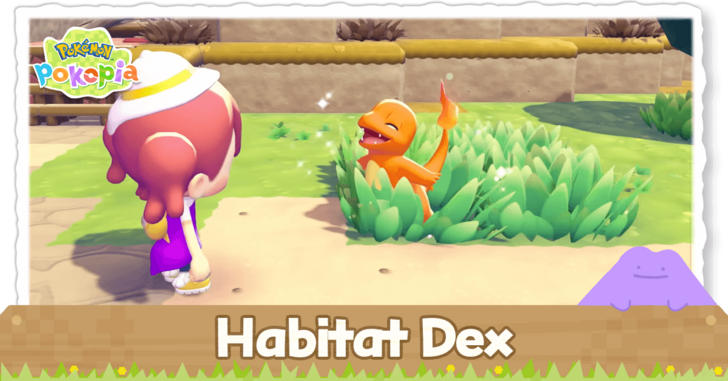
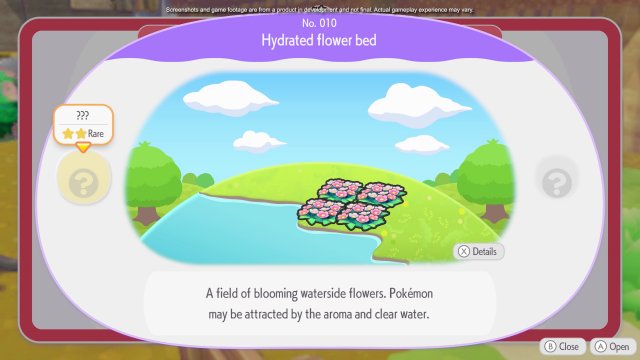
The Pokopia Habitat Dex is the central progression framework for the game’s ecosystem building systems, functioning as a living index of every habitat players can create, discover, improve, and eventually optimize. It goes beyond a traditional collection log because habitats influence Pokémon spawning behavior, resource regeneration, environmental conditions, biome development, and rare events. Each Habitat Dex entry contains information covering the habitat type and biome classification, crafting requirements, available Pokémon, environmental modifiers such as weather and time, upgrade paths, and possible synergy effects with surrounding environments.
Habitats progress from straightforward natural ecosystems into increasingly complex environments with advanced mechanics such as environmental fusion and dimensional effects. The main Habitat Dex progression consists of:
- Grass Meadow Habitat
- Pine Forest Habitat
- Rocky Highlands Habitat
- River Delta Habitat
- Coastal Shore Habitat
- Deep Ocean Habitat
- Volcanic Crater Habitat
- Lava Rift Habitat
- Snowfield Habitat
- Ice Cavern Habitat
- Sand Dune Habitat
- Oasis Bloom Habitat
- Jungle Depths Habitat
- Ancient Ruins Habitat
- Sky Archipelago Habitat
- Floating Cloud Habitat
- Crystal Cavern Habitat
- Electric Storm Habitat
- Lunar Eclipse Habitat
- Dream Core Habitat
Early habitats primarily introduce resource collection and basic Pokémon spawning, while later entries add more complicated environmental behavior, biome combinations, dimensional distortion, and changes to Pokémon behavior. Players eventually work toward bringing habitats into a Perfect State, where environmental stability, spawn efficiency, and the probability of rare Pokémon encounters reach their highest levels.
Creating these habitats requires a structured crafting system based around three main components: base materials gathered during ordinary exploration, biome cores that determine the environmental identity of an area, and enhancement modules such as furniture, terrain modifiers, and energy nodes. A Grass Meadow Habitat, for example, requires 30 Softwood Logs, 15 Meadow Grass Bundles, one Terra Core, and two Wildlife Attractors.
An Ocean Depth Habitat uses 25 Coral Fragments, 20 Salt Crystals, one Aqua Core, and three Pressure Stabilizers, while a Volcanic Core Habitat requires 40 Basalt Stones, 15 Magma Shards, one Fire Core, and two Heat Regulation Furnaces. Crystal Nexus construction uses 10 Prism Shards, 10 Rare Gem Dust, one Light Core, and one Resonance Amplifier. Later recipes become considerably more demanding and can require three to five biome cores simultaneously.
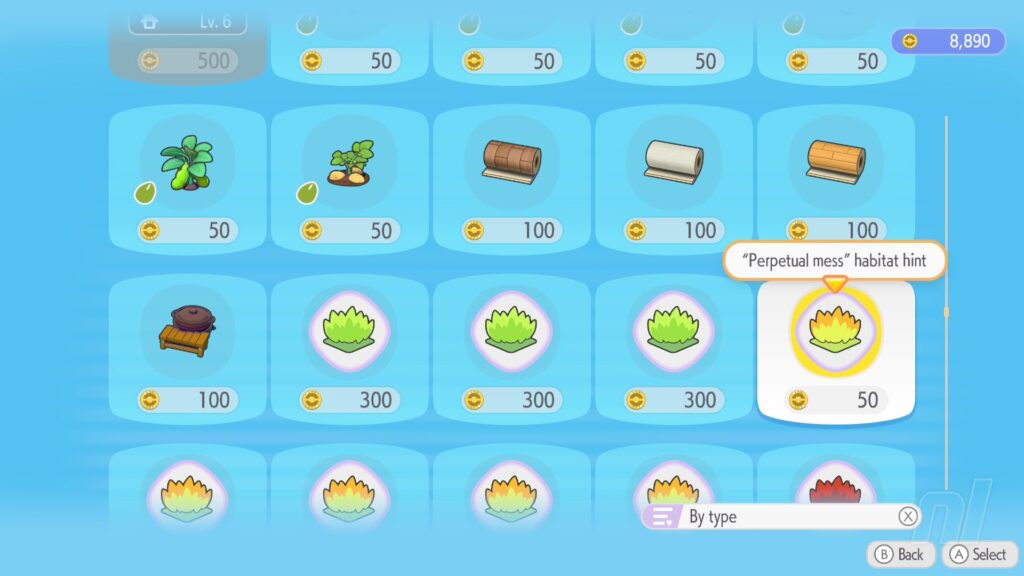
Materials themselves fall into several categories. Natural resources include wood, stone, organic fibers, and coral structures. Elemental resources include Fire Crystals, Ice Shards, Storm Cores, and Earth Fragments, while advanced habitats introduce exotic resources such as Void Dust, Dream Essence, and Chrono Fragments. Furniture is equally important because it affects habitat functionality rather than serving only as decoration. Spawn amplifiers improve encounter frequency, comfort structures influence Pokémon behavior, energy nodes stabilize difficult environments, and certain decorative arrangements activate synergy bonuses.
Habitats are unlocked through several interconnected progression systems rather than one linear path. Basic environments become available through normal progression milestones, while others require narrative quest chains involving guardians and ecosystem lore. Discovering rare materials can reveal additional habitats, and advanced environments may require players to combine two or more completed biomes. Environmental events can also unlock temporary or permanent habitats.
Beginners should therefore prioritize stability and resource efficiency before experimenting with advanced combinations. A practical progression path begins with Grass Meadow, expands into Forest environments, and then moves toward River and Coastal habitats. Rare resources should be conserved during these stages, and players should avoid complicated hybrid construction until they understand habitat stability and furniture bonuses. Late game progression increasingly depends on synergy and biome mastery rather than simple leveling.
Several secret habitats bypass normal crafting progression entirely. The Abyssal Void Habitat introduces gravity distortion and unusual species, while the Chrono Rift Habitat creates a time distorted ecosystem where Pokémon can evolve unpredictably. Eternal Eclipse maintains permanent twilight conditions, Forgotten Civilization combines ruins with ancient technological elements, and Sky Beyond Clouds creates high altitude ecosystems beyond ordinary map boundaries. These environments can introduce mechanics such as reverse evolution and temporal duplication that are absent from standard habitats.
Habitat Dex completion provides rewards at major milestones. Reaching 25 percent grants a resource efficiency improvement, 50 percent increases rare spawn potential, 75 percent unlocks legendary encounters, and full completion grants Dream Island access. Final rewards also include an infinite habitat energy system, Master Builder status, an exclusive legendary Pokémon roster, and global spawn modifiers.
The most demanding environments are concentrated near the end of progression. Dream Core requires extensive Dex completion and precise synergy alignment, Chrono Rift depends on temporal anomalies and event synchronization, Abyssal Void introduces unstable physics and dangerous spawn conditions, and Eternal Eclipse requires permanent environmental transformation. Completing these environments can demand repeated redesign and optimization rather than simply collecting enough crafting materials.
Pokémon Spawns, Habitat Combinations and Rare Pokémon Builds
Pokémon spawning in Pokopia operates through multiple overlapping systems. Every habitat has a base spawn table, but the species and rarity levels that actually appear are also influenced by environmental conditions, habitat quality, and bonuses created by connected ecosystems. Weather and time can change available encounters, while a higher Habitat Quality Score improves access to rarer spawn tiers.
Grass Meadow habitats primarily attract common Bug and small Grass Pokémon, with herbivores and seed based creatures appearing at uncommon levels and floral guardians or vine spirits occupying rarer tiers. Ocean Depth habitats feature fish and shell creatures as common encounters, coral guardians and aquatic serpents as uncommon spawns, and deep sea abyss entities at the rare level. Electric Storm environments attract Electric rodents and spark creatures commonly, with storm birds and charged predators appearing less frequently and lightning spirits or plasma beasts occupying the rarest tiers.
Dream Core represents one of the most advanced spawn environments, with mythic reality bending Pokémon, ultra rare time distorted entities, and legendary dream sovereign beings. These high level encounters frequently require Perfect Habitat Sync, meaning the habitat’s environmental parameters must be aligned without significant instability before its rarest Pokémon can appear.
Habitat design therefore has a direct influence on rare Pokémon encounters. Players pursuing optimized single biome habitats should maintain biome purity above 80 percent, use high density attraction furniture, arrange energy nodes carefully, and avoid unwanted overlap with conflicting environments. Hybrid environments work differently because controlled biome interaction is deliberately used to change spawn tables and evolution possibilities.
Several specialized builds are particularly useful for rare encounters. An Aqua Crystal hybrid combines reflective water surfaces with prism lighting to improve opportunities for rare Water and Psychic Pokémon. A Forest Mystic configuration uses moonlight synchronization furniture to target Grass and Fairy encounters. Volcanic Electric builds combine heat and storm conditions to attract unusual Fire and Electric creatures, although maintaining the correct balance between environmental instability and habitat integrity becomes essential.
The combination system allows players to deliberately merge ecosystems. Every hybrid has a primary habitat that determines its dominant environmental identity and a secondary habitat that adds another spawn influence. Tertiary effects can then alter rarity and evolution behavior. Jungle combined with Ocean creates Mangrove Depths, Volcano combined with Sky produces Ash Cloud Floating Habitat, and Crystal combined with Moon creates Lunar Prism Habitat. These combinations can unlock Pokémon evolution routes that are unavailable inside ordinary single biome environments.
Legendary Pokémon require even more precise construction. Layout becomes as important as the materials used to create the habitat. A Circular Energy Nexus places a centralized power core inside a radial structure, while Cross Biome Convergence uses four biome intersections to create controlled environmental instability. Spiral Evolution layouts direct energy through a spiral arrangement intended to activate unusual evolutionary events.
These mechanics mean rare Pokémon hunting is not purely a matter of repeatedly waiting for random spawns. Players can actively manipulate their chances through habitat quality, biome purity, furniture, environmental synchronization, energy placement, and hybrid design. Reaching a Perfect State becomes particularly important when pursuing the rarest encounters because it maximizes the habitat’s spawning efficiency.
Secret environments further complicate these rules because they can bypass standard spawn systems. Chrono Rift’s temporal conditions can affect evolution, while Abyssal Void changes environmental behavior through unstable physics. Eternal Eclipse favors shadow aligned creatures through permanent twilight, and Forgotten Civilization introduces unusual interactions between ancient technology and Pokémon ecosystems.
The Habitat Dex consequently operates as both a collection system and an optimization challenge. Simply constructing every habitat is only one part of progression. Players seeking complete mastery must understand why specific Pokémon appear, how environmental modifiers change spawn probabilities, how connected habitats influence one another, and which layouts produce the conditions needed for the most difficult encounters.
Dream Island and 100 Percent Pokopia Habitat Dex Completion
Dream Island represents the ultimate expansion zone tied to Pokopia’s advanced Habitat Dex progression. Access requires 90 percent Habitat Dex completion, completion of the Guardian Trials, collection of Dream Fragments, and the unlocking of Mystic Moon Habitat. Once available, Dream Island greatly expands the amount of space available for ecosystem construction while introducing legendary convergence zones where several legendary Pokémon can potentially appear within connected environments.
Reaching this stage requires mastery of much more than basic habitat crafting. Players need to understand material farming, environmental stability, hybrid ecosystems, furniture effects, Pokémon spawning, biome cores, hidden environments, and advanced layout construction. Dream Island effectively brings those systems together by giving experienced players a much larger environment in which to create specialized endgame ecosystems.
The hardest habitats serve as major tests along the way. Dream Core demands extensive completion and highly accurate synergy alignment, while Chrono Rift depends on rare temporal conditions. Abyssal Void challenges players with unstable physics and dangerous spawns, and Eternal Eclipse requires a permanent transformation of its environment. These habitats may require repeated experimentation before they can be optimized successfully.
Players pursuing full completion should use a structured checklist to ensure that no major system is overlooked:
- Unlock every base habitat.
- Discover all hybrid habitats.
- Reveal every secret habitat.
- Register all required Pokémon species.
- Collect every furniture set.
- Fully upgrade all biome cores.
- Unlock Dream Island.
- Complete the legendary habitats.
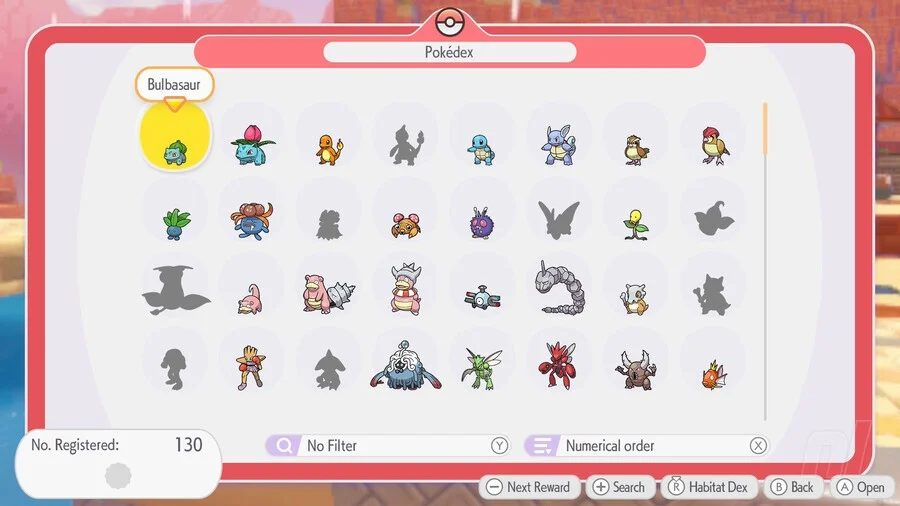
The Habitat Dex rewards this progress incrementally rather than reserving everything for the end. Resource efficiency improves at 25 percent completion, rare spawn rates receive an enhancement at 50 percent, and legendary encounters become available at 75 percent. Dream Island then serves as the major reward for advanced completion, while reaching 100 percent represents complete mastery of the ecosystem system.
Full completion also unlocks the infinite habitat energy system, Master Builder status, an exclusive legendary Pokémon roster, and global spawn modifiers. These rewards transform the late game by reducing resource restrictions and giving players greater control over the ecosystems they have spent the game constructing.
At that point, the focus shifts away from simply unlocking environments and toward building highly efficient habitats. Players can experiment with legendary layouts, advanced biome combinations, rare evolution conditions, and optimized resource networks without approaching every project as another basic construction requirement.
The route to 100 percent completion therefore brings together every major part of the Habitat Dex. Base environments teach construction and resource management, intermediate habitats introduce environmental optimization, hybrid ecosystems add combination mechanics, secret areas challenge players with unusual rules, and the hardest habitats demand precise control over everything learned previously.
Dream Island serves as the culmination of that progression by providing the space and systems necessary for large scale endgame experimentation. Completing the entire Habitat Dex is therefore more than filling a checklist. It represents mastery of Pokopia’s interconnected systems of crafting, environmental management, Pokémon attraction, habitat combinations, resource efficiency, and legendary ecosystem design.
Frequently Asked Questions (FAQs)
- What is the Pokopia Habitat Dex?
The Pokopia Habitat Dex is a complete tracking and progression system covering the habitats players can create, discover, and optimize. It records habitat types, Pokémon spawns, environmental conditions, crafting requirements, and ecosystem progression, making it an important part of both normal progression and endgame completion. - How many habitats exist in total?
There are 20 core habitats in the main Habitat Dex progression, ranging from basic environments such as Grass Meadow and Pine Forest to advanced areas such as Lunar Eclipse and Dream Core. Additional hidden and hybrid habitats expand the total beyond those 20 standard entries. - What is the rarest habitat?
The Dream Core Habitat is one of the rarest and most complicated habitats to unlock and optimize. It appears near the end of progression and requires extensive Habitat Dex completion and precise synergy alignment before players can take full advantage of its mythic, ultra rare, and legendary Pokémon spawns. - Can habitats affect Pokémon evolution?
Yes. Certain habitats and biome combinations can influence Pokémon evolution and unlock branches that are unavailable in ordinary environments. Advanced hybrid and secret habitats can introduce additional effects, including unusual evolution conditions associated with environmental fusion or temporal changes. - What is the fastest way to complete the Habitat Dex?
The most efficient approach is to develop multiple habitats while carefully managing resources and synergy requirements instead of completing every environment separately. Players should prioritize stable base habitats first, gather materials efficiently, and then use connected ecosystems to work toward hybrid, secret, and advanced habitats in parallel. - Are hidden habitats required for completion?
Yes. Reaching full Habitat Dex completion requires players to discover the secret habitats in addition to completing the standard and hybrid environments. Hidden areas such as Abyssal Void, Chrono Rift, Eternal Eclipse, Forgotten Civilization, and Sky Beyond Clouds therefore become important parts of the endgame completion process. - Do furniture items matter?
Yes. Furniture has gameplay effects beyond simply changing how a habitat looks. Spawn amplifiers can increase encounter rates, comfort structures influence Pokémon behavior, energy nodes stabilize difficult environments, and certain decorative combinations activate synergy bonuses needed for advanced habitat optimization. - What is the hardest material to obtain?
Chrono Fragments and Void Dust are among the rarest materials because they are associated with advanced environments rather than ordinary exploration areas. They become particularly important when constructing or improving difficult secret and endgame habitats such as Chrono Rift and Abyssal Void. - Can habitats be merged?
Yes. Pokopia includes a hybrid system that allows different biomes to be combined into new ecosystems. The primary habitat determines the dominant environment, while secondary influences modify Pokémon spawns and other effects, allowing combinations such as Jungle and Ocean or Volcano and Sky to produce specialized habitats. - What happens after 100% completion?
Reaching 100 percent Habitat Dex completion represents full mastery of Pokopia’s ecosystem systems. Players gain major endgame benefits including Master Builder status, an infinite habitat energy system, global spawn modifiers, access to an exclusive legendary Pokémon roster, and expanded opportunities to develop and optimize Dream Island.
Conclusion
The Pokopia Complete Habitat Dex List is far more than a simple collection system, it is a deeply interconnected ecosystem framework that defines progression, strategy, and mastery. From basic meadow habitats to dimensional Dream Core environments, every layer of the Dex introduces new mechanics that reshape how Pokémon spawn, evolve, and interact. Mastery requires not only completion but optimization, synergy understanding, and advanced habitat engineering. Players who fully complete the Dex unlock the highest tier of gameplay, including legendary convergence zones, infinite resource systems, and exclusive ecological domains that redefine the entire Pokopia experience.
Sources and Citation
- Serebii — Pokémon Pokopia Habitats: This is one of the strongest references for the actual Habitat Dex structure. Serebii documents 209 base habitats, plus Bubbly Basin and event habitats, and explains that habitats are built from specific groups of items to attract Pokémon. It also confirms that Pokémon appearances can depend on location, time of day, and weather. Serebii
- Pokémon Pokopia Habitats — Serebii
- Dexerto, October 19, 2026: Provides a searchable Habitat Dex covering habitat names, construction requirements, and Pokémon spawns. Its current guide says Pokémon Pokopia contains more than 200 habitats, with additional habitats introduced through Bubbly Basin DLC. This directly contradicts the article’s claim that the core progression consists of only 20 habitats. Dexerto
- Pokopia Habitat Dex List, Requirements & Spawns
- Pokémon-France, October 4, 2026: Its complete Habitat Dex guide states that the base game contains 209 habitats and explains the core mechanic: players arrange specific grass, flowers, trees, water, furniture, or other items together to create a habitat, after which Pokémon can move in. Pokemon-France.com
- Pokémon Pokopia Habitat Dex: Complete List and Recipes
- Game8 — Habitat Guides: Game8 provides individual Habitat Dex pages with construction requirements and Pokémon spawn lists. For example, Tire Park is Habitat #175, while Gourmet’s Altar is #093, showing that the actual Habitat Dex extends far beyond a 20-entry progression system. Game8
- Tire Park Habitat Requirements and Spawns
- Gourmet’s Altar Habitat Requirements and Spawns
- Game8 — Event Habitats: Confirms that Pokopia also has a separate group of event-specific habitats built from limited-event items. Examples include Yellow Carpet, Field-Trip Friends, Dandelion Lunchtime, and Treasure-Hunting Set. The guide also connects event materials with different Dream Island types. Game8
- How to Make All Event Habitats — Game8
- Serebii — Dream Islands: This is the strongest replacement for the article’s fictional “Dream Island Expansion Guidebook.” Serebii explains that Dream Islands become accessible through Drifloon’s specialty, can be visited once per day, provide rare materials and recipes, and may contain Legendary Pokémon such as Raikou, Entei, Suicune, and Mewtwo. Dream Islands reset at the end of the day. Serebii
- Pokémon Pokopia Dream Islands — Serebii
- Serebii — Dream Island Specialty: Confirms that Drifloon has the Dream Island specialty used to transport the player to Dream Islands. Serebii
- Dream Island Specialty — Serebii
- Nintendo — Pokémon Pokopia Official Page: Nintendo confirms that Pokopia revolves around gathering materials, crafting furniture and items, reshaping the land with Pokémon moves, building comfortable spaces for Pokémon, and attracting Pokémon to the restored environment. It also confirms the game launched for Nintendo Switch 2 on March 5, 2026. Nintendo
- Pokémon Pokopia — Nintendo Official Site
- The Pokémon Company — Pokémon Pokopia: The official Pokémon page confirms that players collect materials, craft items, build homes, alter the land with moves such as Leafage and Water Gun, and create a Pokémon paradise that encourages additional Pokémon to visit. It also confirms that time of day and weather change as players explore. Pokémon
- Pokémon Pokopia — Official Pokémon Site
- Nintendo — Pokémon Pokopia Expansion Pass: Confirms that Bubbly Basin adds an underwater region and requires players to learn Dive and complete the “Raise the environment level!” request in Bleak Beach before accessing its underwater gate. The DLC expands the game with additional areas, Pokémon, and decorative items. Nintendo
- Pokémon Pokopia Expansion Pass — Nintendo
Recommendations
- Vivian Kubrick Debunks Eyes Wide Shut Deleted Scenes Theory
- Battlefield 6 2026 Roadmap: More Maps, “Legendary” Battlefield 4 & Battlefield 3 Remakes, and Wake Island’s Return
- Apple TV’s Widow’s Bay is the First Breakout TV Hit of 2026: Why Everyone is Talking About the Horror Comedy
- Pitchify Launches New Service to Connect Developers and Publishers: How Pitch Direct Works
- Pokémon Pokopia Bubbly Basin DLC Release: Date, New Pokémon, and Everything You Need to Know
- Nordic Game 2026 (NG26 Spring): Dates, Venue, Passes, Speakers, Expo & Awards in Malmö
- Subnautica 2 Early Access Roadmap: Co-Op Updates, Sprinting, and More
- Virtua Fighter 6 Leak Explained
- The Future of 3D Modeling: Insights on AI Advancements
- GTA 6 is Already Outselling Everything Else: Why Pre-Orders Are Dominating Gaming



































































































