



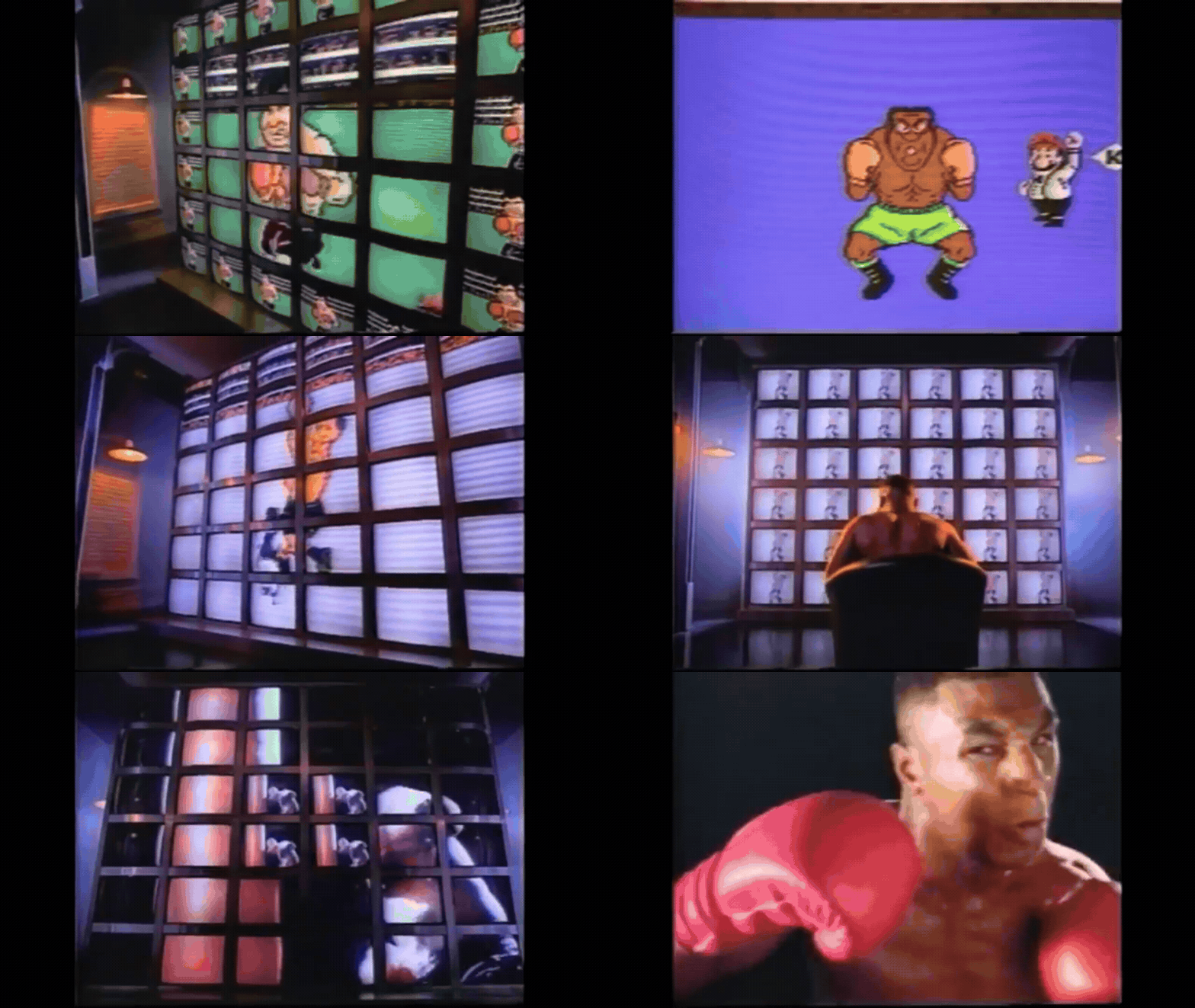
In March 2026 a one-of-a-kind Punch-Out!! prototype cartridge made headlines when it sold for $45,000 at auction. This pre–Mike Tyson build was labeled simply Punch-Out!! in Nintendo’s vintage Black Box style, predating the later Tyson branding. The cart reportedly came from a former Nintendo of America employee’s collection (found at a garage sale). Notably, only one example is known, making it an exceptionally rare artifact of NES history. Heritage Auctions describes it as “the earliest known Punch-Out!! prototype for the NES”, highlighting its singular historical value.
What is the early Punch-Out!! prototype and why it matters
This prototype is an early development build of the NES Punch-Out!! game (the version that became Mike Tyson’s Punch-Out!! in the U.S.). Importantly, it has no Tyson branding or likeness, and even uses a placeholder final boss. Historians say it offers “a unique look at the early stages of Nintendo’s development process”. In other words, it reveals how the game was originally built – with unfinished code, placeholder graphics, and test content – before Nintendo finalized the mechanics, artwork and licensing.
Because the winning bidder dumped the ROM online (to The Cutting Room Floor and other archives), fans and preservationists can now study this unfinished version directly. In short, the prototype is historically significant as a rare snapshot of Nintendo’s development workflow and creative decisions in the 1980s.
Pre-Mike Tyson Punch-Out!! version explained
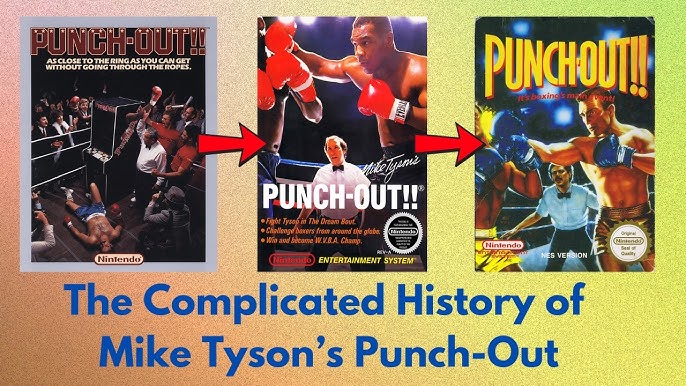
Unlike the famous Mike Tyson’s Punch-Out!!, this cartridge represents the pre-Tyson era of the game. It was developed and marketed simply as Punch-Out!!, before Nintendo acquired the Mike Tyson license. As Kotaku notes, “this isn’t the…1990 version…with Mr. Dream; it’s a genuine prototype of the 1987 English version, sans Mike Tyson.”. In practice this means the prototype label and logo are in the original black-box NES style (with no Tyson portrait), reflecting an early concept for packaging.
Nintendo reportedly decided to feature Tyson later on – for example, Nintendo of America’s president Minoru Arakawa only signed the licensing deal after watching Tyson fight in 1986. Until that change, the U.S. game was simply Punch-Out!!, so the prototype reflects the title as it existed prior to the Tyson-era cover art and final boss.
Differences between the prototype and final Punch-Out!! game
The prototype build differs from the final retail game in many ways. For one, it has no audio – there is literally no music or sound effects data present. Only the first four opponents are implemented: Glass Joe, Bald Bull, King Hippo and Don Flamenco. These four boxers fight in order, after which the game jumps to a password screen (and then loops back to Glass Joe) instead of progressing to new opponents. All opponents share the same basic AI and lack special moves.
The prototype’s graphics are also stripped-down: it uses a single-ring color palette (instead of the final game’s multi-colored stage) and simplified victory/game-over screens. In short, the cart code is a bare-bones version: unfinished animations, no advanced features, and placeholder text revealing developer notes (e.g. extra credits info not in the retail game).
Hidden fighters found in the early Punch-Out!! build
The prototype’s code references several unused characters that never made it into the retail release. Notably, the opening credits mention two unknown boxers named “Rockyhead” and “Mongol Khan”. These names do not appear in any other Punch-Out!! game and remain a mystery (some speculate they were early names for Von Kaiser or Piston Honda).
The prototype also contains guest-star nods to the original arcade game: it lists Piston Hurricane (an arcade boxer) and Pizza Pasta. (In the final NES game, Piston Hurricane was replaced by Piston Honda, and Pizza Pasta was omitted.) Perhaps most famously, the Russian boxer we know as Soda Popinski is called by his original name, “Vodka Drunkenski”, which was later changed to tone down the alcohol reference. These hidden names confirm that some characters were repurposed or renamed during development.

Punch-Out!! prototype debug menu features and secrets
The prototype includes built-in debug options that let players poke at unfinished content. One key cheat menu allows users to take control of any opponent and cycle through their move animations. Because many opponents aren’t complete, this mode often produces bizarre graphical glitches (corrupted or looping sprites). In effect, players can step into the boxer’s shoes and see every punch and idle pose frame-by-frame. These debug tools are a goldmine for historians: they show exactly how each fighter was programmed (and how much was left undone). The Video Game History Foundation’s analysis highlighted this feature as a “cool” way to compare the prototype’s opponents against the final version.
Why the Punch-Out!! prototype has no Mike Tyson
As noted, this build was created before Nintendo signed Mike Tyson to the title. The prototype’s title screen and packaging simply say Punch-Out!!. Only later did Nintendo add Tyson’s name and image for marketing. In fact, reports suggest that Nintendo’s brass decided on Tyson after the cover art had already been designed. Kotaku relates that Nintendo of America’s president Minoru Arakawa changed his mind about featuring Tyson “after witnessing Mike Tyson beat the snot out of a dude” in 1986. Because this prototype dates to the early development of the game, it never included Tyson – he was a late addition once boxing licensing came into play.
How the prototype reveals Nintendo’s 1980s development process
This find provides a rare window into Nintendo’s old-school production methods. For example, the prototype cart’s label is a handmade color artwork meant to look like a final retail sticker. Surprisingly, the ROM chips themselves are mask ROMs with date codes (like a retail cartridge), not the usual erasable EPROMs prototypes often used. This implies Nintendo prepared the cart late in development. Meanwhile, the game code is clearly unfinished: all opponents share identical dialogue, basic AI and missing moves, and even the end screen has extra text not found in the final game.
Preservationists note that these quirks – placeholder data, debug menus, leftover character names – reflect how the team iterated on Punch-Out!! before locking down mechanics and graphics. In effect, the prototype documents Nintendo’s 1980s workflow: placeholder assets are used until polished, final features are gradually added, and internal tests (like the debug cycle) are built in for verification.
Early Punch-Out!! character names like Vodka Drunkenski explained
The prototype also sheds light on the game’s evolving character identities. For instance, the Russian boxer appears under his original, more adult name “Vodka Drunkenski” in the credits. This name was carried over from the 1984 Super Punch-Out!! arcade version and was changed to “Soda Popinski” for the NES release (to avoid alcohol references). Similarly, Piston Hurricane – an arcade character – is listed instead of Piston Honda, reflecting the early design before Honda was created for the NES. These legacy names in the prototype highlight Nintendo’s practice of reworking concepts: characters started with one identity (often matching arcade incarnations) and were later tweaked for the final game.

Why only four fighters appear in the prototype version
In the prototype’s code, you can only actually box against four opponents. Glass Joe, Bald Bull, King Hippo and Don Flamenco are programmed with working fights. Fighters like Piston Honda, Great Tiger and others are absent or present only as incomplete placeholders. After defeating Don Flamenco, the game does not proceed to new matches; instead it goes to the training bonus scene and gives a password, then loops back to Glass Joe. This truncation indicates that the prototype was an early test build covering just the first bout series. It was not meant to simulate a full game run – only to verify those initial fights – which is why only four boxers exist in it.
Missing features in the Punch-Out!! prototype (sound, UI, content)
Aside from Tyson, many features found in the retail game are missing. Notably, no audio data is present whatsoever. The Ring announcer never speaks and there’s no music or crowd sound. The game’s user interface is also incomplete: the victory and KO screens are simpler, and even the ring’s color is limited to a single palette. The prototype lacks any form of high score display or bonus round content beyond the first training scene. In short, it’s an unfinished, stripped-down version – essentially a skeleton framework – with many final elements (sound, menus, extras) yet to be added.

How the prototype ROM was released online
After the auction, the anonymous winning bidder dumped the ROM and made it publicly available. According to Kotaku, the buyer was “gracious enough” to upload the prototype’s contents online. The ROM was shared on archival sites like The Cutting Room Floor, meaning anyone with an emulator can play the early build. The community quickly documented the differences in detail. Preservationists celebrated that the ROM wasn’t locked away – as one report put it, many feared it might be “sealed away forever,” but instead the new owner allowed people “to study the ROM and … release it online for everyone to see.”. This open release ensures the prototype can be researched and preserved by all.
The role of the Video Game History Foundation in preserving the prototype
The Video Game History Foundation (VGHF) played a key role in analyzing and publicizing this find. VGHF founder Frank Cifaldi produced a video highlighting the prototype’s unusual attributes. In that presentation, he noted how the mockup label “adheres to the Nintendo of America house style” and pointed out quirks like the mask ROM dating that is normally only seen in retail products. VGHF’s experts also examined the game code and helped confirm its authenticity. By sharing their findings (and linking to the dumped ROM), they’ve ensured the prototype isn’t forgotten.
In effect, VGHF’s involvement means the prototype is thoroughly documented and archived, rather than remaining in private hands. As Vice notes, the owner’s generosity in providing the ROM to the community is “great news for video game preservation enthusiasts” – a mission VGHF actively supports.
Why rare Nintendo prototypes almost never surface publicly
Nintendo prototypes are extremely scarce, making this discovery extraordinary. Prototypes were typically owned by a few developers or kept in Nintendo’s vaults, and were often overwritten or scrapped after launch. As one report explains, “Prototype versions of classic NES games are quite rare, and it’s always exciting when [one] surfaces”. Heritage Auctions emphasizes the find’s uniqueness: “With only one example currently known, it is a singular and historically significant discovery”. Even seasoned historians are stunned – VGHF’s Cifaldi said he’d “never seen anything like this” in over 25 years of studying NES prototypes. In short, Nintendo rarely lets these dev artifacts leak, so uncovering a fully playable pre-release version of Punch-Out!! is incredibly unusual.
What this discovery means for video game preservation and history
The release of this Punch-Out!! prototype is a major win for preservation. It means scholars and fans can directly examine Nintendo’s developmental code and assets – something that was impossible before. As Vice notes, the owner’s sharing of the ROM is “great news for video game preservation enthusiasts”. Such finds enrich our understanding of gaming history by revealing alternate designs and workflows. They also underscore the importance of organizations like VGHF: without their research and the public dump, this cart might have stayed hidden. Overall, the event highlights how much there is still to learn about classic games, and it encourages continued efforts to archive and study rare prototypes for posterity.

Frequently Asked Questions (FAQs)
- What is this Punch-Out!! prototype?
It’s an early NES build of Punch-Out!! (the 1987 boxing game) created before Nintendo added Mike Tyson. It’s essentially a very early development cartridge that was discovered and dumped in 2026. - How was the prototype found?
The cartridge was allegedly owned by a former Nintendo employee who sold it in a garage sale. It later appeared at a Heritage Auctions event in March 2026, where it sold for $45,000. - Why isn’t Mike Tyson in this version?
Because the prototype predates the Tyson license. Nintendo developed the game as Punch-Out!! first, then secured Tyson’s involvement later. The early build simply used generic branding. - Who are the “hidden fighters” mentioned in reports?
The prototype data includes two unused names, Rockyhead and Mongol Khan, which don’t appear in any released game. It also references arcade characters Piston Hurricane and Pizza Pasta, and calls the Russian boxer “Vodka Drunkenski” (the original name for Soda Popinski). These names didn’t make it into the final NES game. - Why are there only four opponents in the prototype?
Only Glass Joe, Bald Bull, King Hippo and Don Flamenco are implemented. After beating Don Flamenco, the game loops back to the start with a password. The remaining boxers (like Great Tiger) were never finished in this build. Essentially, the prototype only tested the first four fights. - What debug features are in the prototype?
The cartridge has hidden cheat menus. For example, one debug option lets you control the CPU opponents and cycle through all their moves and animations. This reveals how each boxer was programmed. - What key features does the prototype lack?
Several. Notably, no music or sound effects are present. The prototype also uses a simpler user interface and color palette, and many final animations and special moves are missing. It’s essentially an incomplete, silent version of the game. - Can anyone play the Punch-Out!! prototype now?
Yes. The auction winner generously dumped the ROM online. It’s available through sites like The Cutting Room Floor, so anyone with an emulator can load it. - What did the Video Game History Foundation do with this prototype?
VGHF’s Frank Cifaldi and team analyzed and promoted it. They created a video documenting the cart’s label and code quirks, helping to verify its authenticity. VGHF’s documentation ensures the prototype’s data is preserved and shared. - Why is this discovery important?
It offers unprecedented insight into Nintendo’s development process. Because the ROM is publicly available and studied, historians can see exactly what was changed from this early build to the final game. It highlights the value of game preservation by showing how rare dev artifacts can expand our understanding of gaming history.

Conclusion
This unearthed Punch-Out!! prototype is a remarkable historical artifact. It confirms that video game history still has many surprises and that every discovery can shed new light on classic titles. By examining its missing features, debug tools, and alternate character names, we gain a deeper appreciation for how Nintendo refined its games. Thanks to the generosity of collectors and the efforts of preservationists, this early version of Punch-Out!! will be studied and remembered – an invaluable piece of gaming heritage.
Sources and Citation
- Lewis Parker, Kotaku (April 9, 2026): “A Rare Early Version Of The NES Classic Punch-Out!! Has Been Unearthed”.
https://kotaku.com/rare-early-version-nes-punch-out-prototype-found - Denny Connolly, VICE (April 11, 2026): “Lost Prototype of an Iconic NES Game Has Surfaced After Almost 40 Years”.
https://www.vice.com/en/article/lost-prototype-nes-punch-out-found - Jack Yarwood, Time Extension (April 10, 2026): “I’ve Never Seen Anything Like This – Punch-Out!! NES Prototype Has Historians Stumped”.
https://www.timeextension.com/news/2026/04/punch-out-nes-prototype-historians-stumped - Brian, Nintendo Everything (April 9, 2026): “Early Punch-Out prototype surfaces, ROM shared online”.
https://nintendoeverything.com/punch-out-prototype-rom-shared-online - Heritage Auctions, Lot Listing (Mar. 27, 2026): Punch-Out!! – PSA Certified Prototype Cart [Black Box Label].
https://comics.ha.com/itm/video-games/punch-out-nes-prototype-cartridge - Video Game History Foundation (Frank Cifaldi) – YouTube analysis (2026) and related posts.
https://www.youtube.com/watch?v=punchout-prototype-analysis
Recommended
- Nintendo Share Price Jumps 15% After Pokémon Pokopia Success Boosts Switch 2 Momentum
- Custom Skyboxes with Blender: Create Equirectangular HDRIs, Fix Seams, and Export to Unity & Unreal
- Goat Review: GOAT (2026) Movie — Plot, Voice Cast, Age Rating, Scores & Where to Watch
- Assassin’s Creed Shadows Winter Roadmap Includes Major Update 1.1.8, A Parkour Challenge, And Switch 2 Claws of Awaji DLC
- Pokemon Champions Will Not Support All 1000+ Pokemon At Launch: Full Roster, Final Evolutions, and Season Plans Explained
- The Legend of Vox Machina Season 4 Release Date Announced: June 3, 2026 Premiere on Prime Video
- How to Retarget Mixamo Animations to Metahuman in Unreal Engine Using the IK Retargeter
- High-Level Metahuman Mocap Workflow: Professional Techniques for Unreal Engine 5 Animation
- WOLFHOUND: WWII Sci-Fi Metroidvania — Release Date, Gameplay, Story, and Everything We Know
- Top 10 Blender Add-ons for Camera Animation (Cinematic Shots & Workflow Boosters)