










Zach Cregger’s Resident Evil has become one of the biggest commercial success stories in the history of the long-running survival-horror fraZach Cregger Resident Evil Box Office Total and Franchise Performance
Zach Cregger’s Resident Evil has become a major commercial revival for the franchise, although an important box office correction is necessary. As of Monday, October 5, 2026, the latest verified worldwide total is $245.395 million, not more than $250 million. The film has earned approximately $124.895 million domestically and $120.5 million internationally, leaving it roughly $4.6 million short of the $250 million milestone. Barron’s independently reported the worldwide figure at approximately $245.4 million following the October 2 to 4 weekend.
That distinction matters because the theatrical run is still continuing. The movie earned another $12.5 million in North America during its third weekend, representing a 45.7% decline from the previous frame. That was a relatively solid hold after the sharper second weekend drop and suggests that $250 million worldwide remains within reach if domestic and international ticket sales continue. As of October 5, however, it would still be inaccurate to report that the film has already passed that milestone.
Commercially, the reboot has already achieved something arguably more important. Its $60.15 million domestic opening weekend established a new opening record for the Resident Evil movie franchise. It then earned roughly $23 million during its second weekend and $12.5 million in its third, bringing the North American total to nearly $125 million. That is by far the strongest domestic performance for a film in the franchise. Worldwide, the movie has also passed Resident Evil: Retribution and now ranks behind only Resident Evil: Afterlife and Resident Evil: The Final Chapter among the live action films when using The Numbers’ historical box office data.
The financial performance is particularly striking when compared with the movie’s reported $75 million production budget. At approximately $245.4 million worldwide, the film has generated more than three times that budget in theatrical ticket sales. That does not mean the studio receives the entire box office total because cinemas retain part of ticket revenue, while marketing and distribution expenses are separate from the production budget. Even so, the scale of the theatrical performance helps explain why the reboot is being viewed as a significant commercial recovery after Resident Evil: Welcome to Raccoon City finished with only about $41.9 million worldwide.
The result is also notable because Cregger did not simply remake one of Capcom’s games or return to the continuity of the Milla Jovovich films. His Resident Evil follows a new protagonist, Bryan, through a nightmare connected to Raccoon City, Umbrella and the T virus while attempting to reproduce the tension, resource scarcity and escalating environmental danger associated with the games. Cregger has identified the games, rather than the previous movie adaptations, as his primary creative influence. The box office performance therefore suggests that audiences have responded strongly to a different cinematic approach to the franchise, one that retains familiar Resident Evil elements while establishing a new storyline and protagonist.

In This Article (8 sections)
Resident Evil 2026 Worldwide, Domestic, and International Box Office
Zach Cregger’s Resident Evil began its theatrical run with a franchise record launch. Associated Press reporting placed the opening at approximately $60 million in North America and $48.3 million internationally, producing around $108.3 million worldwide in its opening frame. The domestic result exceeded prerelease expectations that had generally placed the movie between $40 million and $50 million, immediately establishing the reboot as a stronger North American performer than previous entries in the series.
By October 5, 2026, the movie had reached $245.395 million worldwide, including approximately $124.895 million domestically and $120.5 million internationally. That produces an unusually balanced geographical split, with just over half of the verified worldwide gross coming from North America. The balance is significant because several earlier Resident Evil movies depended far more heavily on overseas audiences. Resident Evil: The Final Chapter, for example, earned well over $300 million worldwide while receiving only a relatively small portion of that total from North America. Cregger’s reboot has therefore strengthened the franchise not only through worldwide ticket sales but through substantially greater interest in the United States and Canada.
The domestic run began with approximately $60.15 million from 3,684 theatres, the strongest North American opening in franchise history. The film added roughly $23 million during its second weekend and another $12.5 million during the October 2 to 4 frame, bringing its domestic running total to $124,894,895. Its third weekend decline of 45.7% was relatively controlled for an R rated horror release coming off such a large debut. Earlier entries never approached this level of domestic performance. Resident Evil: Afterlife, previously one of the franchise’s stronger releases, earned roughly $60 million during its entire North American run, meaning Cregger’s film has already earned more than twice that amount.
International audiences have contributed approximately $120.5 million through October 5 after the overseas rollout began on September 16, two days before the United States release. The Numbers lists the United Kingdom among the strongest individual markets at approximately $11.9 million, followed by Mexico at around $9.3 million and Spain at roughly $7.3 million. Australia and France had each contributed more than $5 million, while Germany, Brazil, Saudi Arabia, Italy and several Asian territories added further multimillion dollar grosses.
That international performance remains important because overseas markets have historically been central to the financial success of Resident Evil cinema. The difference this time is that international revenue is supporting an already powerful domestic run rather than compensating for comparatively modest North American business. With approximately $124.9 million domestic and $120.5 million overseas, the reboot is currently drawing almost equally from both sides of the market.
At $245.395 million worldwide, the film has already passed the complete theatrical total of Resident Evil: Retribution, which The Numbers records at approximately $240.65 million. It remains below Resident Evil: Afterlife at approximately $295.87 million and Resident Evil: The Final Chapter at approximately $314.10 million. Another $4.605 million worldwide would take the reboot beyond $250 million. Given that it earned $12.5 million domestically during the October 2 to 4 weekend before additional international revenue is considered, passing that mark appears achievable, although it remains a projection rather than a completed milestone as of October 5. Because the movie is still playing theatrically, its $245.395 million figure should be treated as a running total rather than its final lifetime gross.
Resident Evil 2026 Budget, Break Even Questions, and Box Office Success
The reported production budget for Zach Cregger’s Resident Evil is approximately $75 million, excluding marketing expenses. At a worldwide gross of $245.395 million, the movie has sold tickets worth roughly 3.27 times its reported production budget. That is a strong theatrical multiple, but it should not be confused with studio profit because cinemas retain a portion of ticket sales and the production figure does not include marketing, distribution expenses, participation agreements or other costs associated with releasing a major film.
For the same reason, there is no independently verified break even figure for Resident Evil 2026 that can responsibly be presented as fact. Common formulas claiming that every movie becomes profitable after earning a fixed multiple of its production budget are only rough estimates because theatrical economics vary considerably between releases and markets. What can be stated confidently is that approximately $245.4 million in worldwide ticket sales against a reported $75 million production budget gives the film a favourable relationship between cost and theatrical gross, even before later revenue from digital sales, premium video, television licensing and other distribution windows is considered.
The clearest evidence of the reboot’s commercial success is its performance relative to expectations and franchise history. Its approximately $60 million North American opening exceeded prerelease projections and established a new series record, while the current $124.9 million domestic total is unprecedented for a Resident Evil movie. The film has also already overtaken the complete worldwide run of Retribution while remaining in cinemas.
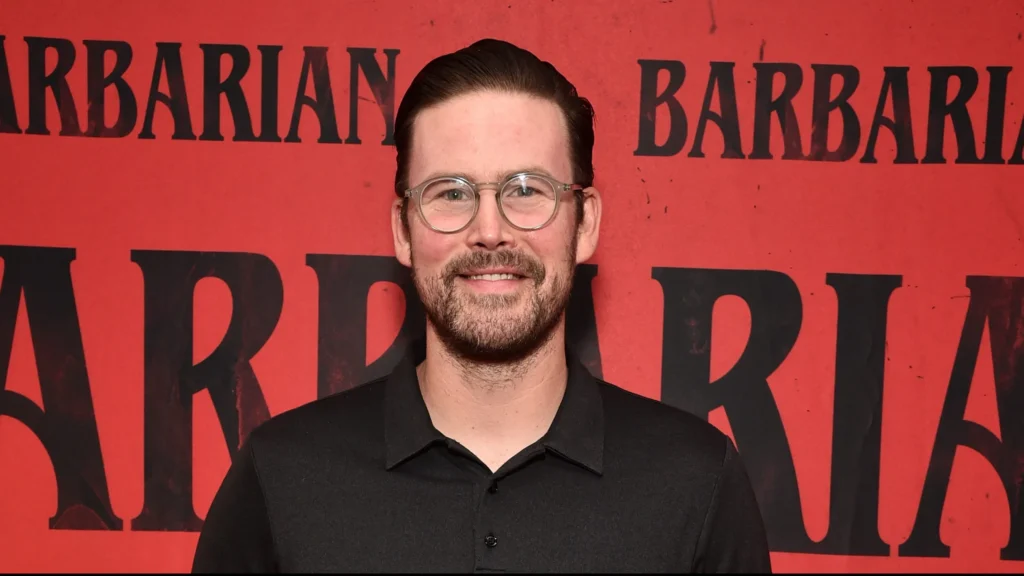
Critical and audience response helped distinguish the reboot from several earlier adaptations. Associated Press reported a Rotten Tomatoes score of around 95% during the opening period, while CinemaScore recorded a B+ audience grade. Variety pointed to strong reviews, audience word of mouth and goodwill toward Zach Cregger as factors behind the stronger than expected opening. Cregger’s reputation following Barbarian also gave the project a recognisable creative identity rather than presenting it simply as another franchise revival.
The movie additionally occupies a position between adaptation and original story. It incorporates Umbrella, Raccoon City, the T virus, resource scarcity and environments inspired by Capcom’s games while following Bryan, a protagonist created specifically for the film. That approach gives established fans recognisable Resident Evil elements without requiring newcomers to understand the continuity of the games or the previous film series. Combined with its strong domestic performance and continued international appeal, that accessibility has helped make Cregger’s reboot one of the franchise’s most commercially significant theatrical releases.
Resident Evil 2026 Cast, Story, Reviews, and Ending
Austin Abrams leads Resident Evil as Bryan, a medical courier who becomes trapped in an escalating biological nightmare. Zach Cregger has described Bryan as intentionally ordinary rather than an elite soldier or established game hero, allowing him to function as an audience surrogate. Cregger explained that Bryan was conceived as a comparatively hapless character who has to survive increasingly dangerous situations rather than overpower them through combat expertise. The principal cast also includes Zach Cherry as Dave, Kali Reis as Pauline, Paul Walter Hauser as Carl and Johnno Wilson as Max.
That ensemble supports a story deliberately separated from the franchise’s usual protagonists. Leon S. Kennedy, Claire Redfield, Jill Valentine and Ada Wong are not the characters driving the film. Instead, Bryan gives Cregger room to explore the Resident Evil universe from the perspective of someone who enters the crisis without complete knowledge of Umbrella, the T virus or the threats surrounding him. This approach also allows the film to mirror the experience of entering a survival horror game, with Bryan gradually learning about weapons, enemies, resources and his surroundings as events unfold.
Cregger’s Resident Evil is an original story built around familiar concepts from Capcom’s games. Bryan’s work as a medical courier sends him into increasingly dangerous territory connected to Raccoon City and the consequences of Umbrella’s biological experiments. Cregger deliberately avoided simply retelling Leon Kennedy’s story from Resident Evil 2. Instead, he wanted a journey that moves a character from one location to another through changing environments and progressively more dangerous situations. Resource conservation, slower tension and the feeling of moving cautiously through hostile spaces were also important influences.
The film incorporates Umbrella, infection, monsters, improvised survival, weapon progression and healing resources without functioning as a scene for scene adaptation of one specific game. Cregger has also said that he had not watched the earlier Resident Evil movies, further emphasising that his creative reference point was the game series rather than the cinematic continuity established by the previous films.
Critical reception was considerably warmer than for most earlier Resident Evil adaptations. Early Rotten Tomatoes coverage placed the score as high as 97%, while Associated Press reported it at around 95% by opening weekend. The film also received a B+ CinemaScore, indicating a generally positive response from audiences surveyed after theatrical screenings. Reviews frequently highlighted Abrams’ performance and Cregger’s mixture of horror, absurdity and physical comedy, although some criticism focused on the film losing momentum later in the story.
The Guardian’s analysis emphasised how the movie attempts to recreate the feeling of playing Resident Evil instead of simply reproducing recognisable characters. Limited resources, environmental progression, discovered information and Bryan’s vulnerability all contribute to that survival horror structure. The strong opening weekend suggests that this critical response helped commercially as well, with Variety citing positive reviews and audience word of mouth among the factors behind the movie exceeding prerelease tracking.
The ending brings Bryan to a secure Umbrella facility located in a hospital, where the package he has spent the film transporting becomes critically important. The delivery contains material required to complete an antidote connected to the outbreak, turning Bryan’s apparently ordinary courier assignment into a possible way of containing the catastrophe. However, Bryan has already been bitten earlier in the story and his infection is progressing.
Although an antidote is prepared, the situation collapses before it can save him. As Bryan mutates, the confrontation inside the laboratory destroys the possibility of a clean resolution, and the syringe containing the potential cure falls away while his transformation continues. The final images show the transformed Bryan still alive as military forces approach, leaving his fate and the broader outbreak unresolved. Instead of ending with the virus contained, the film closes with Bryan becoming part of the horror he spent the story trying to escape, while leaving enough uncertainty to support a continuation without making a sequel mandatory.
Resident Evil 2026 Box Office Compared With Previous Movies
Zach Cregger’s Resident Evil has become one of the strongest commercial performers in the franchise, but it is not yet the highest grossing entry worldwide. According to The Numbers, Resident Evil: The Final Chapter remains the series leader at approximately $314.1 million worldwide, followed by Resident Evil: Afterlife at around $295.9 million. Cregger’s 2026 film currently sits third at $245.395 million, narrowly ahead of Resident Evil: Retribution, which finished at approximately $240.6 million.
Historical totals can vary slightly between box office databases because of currency conversion, reporting updates and how individual territories are recorded. Box Office Mojo lists somewhat different totals for certain older films, but the overall ranking at the top remains consistent, with The Final Chapter and Afterlife still ahead of the 2026 reboot.
The much bigger franchise record comes from North America. Cregger’s movie has earned nearly $125 million domestically, far exceeding every previous Resident Evil film. Its opening weekend alone was roughly comparable to the complete domestic theatrical run of some earlier instalments, demonstrating how dramatically the reboot has expanded the franchise’s North American audience.
The comparison with the previous reboot attempt is even more substantial. Resident Evil: Welcome to Raccoon City earned approximately $41.9 million worldwide, meaning Cregger’s film has generated almost six times as much global box office while its theatrical run is still continuing. That difference highlights how much stronger the 2026 movie has performed both commercially and in terms of audience interest.
The film would need approximately another $50.5 million worldwide to catch Afterlife using The Numbers’ figures and almost another $68.7 million to reach The Final Chapter. Whether it can reach either total depends on how strongly it continues to perform in domestic and international cinemas. Its more immediate target is $250 million worldwide, which is less than $5 million away.
As of October 5, 2026, the accurate description is therefore that Cregger’s Resident Evil is the franchise’s highest grossing movie domestically and its third highest grossing live action entry worldwide. It is approaching the $250 million global milestone, but it has not yet officially crossed it.

Frequently Asked Questions (FAQs)
- How much has Zach Cregger’s Resident Evil made worldwide?
As of October 5, 2026, the latest verified worldwide total is approximately $245.395 million. That figure includes about $124.895 million from North America and $120.5 million from international markets, giving the film a remarkably balanced split between domestic and overseas revenue. Because the movie is still in cinemas, this should be treated as a running total rather than its final lifetime gross. - Has Resident Evil 2026 passed $250 million worldwide?
Not yet according to the latest verified figures available on October 5. Barron’s reported the worldwide total at approximately $245.4 million, leaving the movie about $4.6 million short of $250 million. The film is still generating theatrical revenue, so the milestone remains within reach, but it would be inaccurate to describe it as already achieved. - What was the Resident Evil 2026 budget?
The reported production budget was approximately $75 million, excluding marketing and distribution expenses. Compared with its current worldwide box office of more than $245 million, the movie has sold tickets worth more than three times its production budget. However, that does not mean all of that money is studio profit because cinemas retain part of ticket sales and additional release costs are not included in the production figure. - How much has Resident Evil 2026 made domestically?
The North American total stood at approximately $124.895 million after the October 2 to 4 weekend. That result is especially significant because it makes the 2026 film the strongest domestic performer in the history of the Resident Evil movie franchise. Its approximately $60 million opening weekend alone set a new series record in North America. - How much has Resident Evil 2026 made internationally?
International markets had contributed approximately $120.5 million through October 5. Overseas audiences have always been important to the Resident Evil film franchise, but this movie is unusual because its international total is almost equal to its North American gross. That creates a much more balanced worldwide performance than several previous entries, which relied much more heavily on foreign markets. - Is Resident Evil 2026 the highest-grossing film in the franchise?
Not worldwide. Resident Evil: The Final Chapter and Resident Evil: Afterlife still rank above the 2026 movie in total global box office, while Zach Cregger’s film currently sits behind them at roughly $245.4 million. However, it has already achieved the franchise record in North America, where its nearly $125 million total is far above every previous Resident Evil film. - Who plays the main character in Zach Cregger’s Resident Evil?
Austin Abrams plays Bryan, a medical courier who becomes trapped in an escalating biological disaster connected to Umbrella and Raccoon City. Bryan is intentionally presented as an ordinary person rather than an experienced soldier or familiar game hero. That makes him an audience surrogate who has to learn about the threats, weapons, and surrounding environment as the story becomes increasingly dangerous. - Is Resident Evil 2026 based directly on one of the games?
No. Zach Cregger created an original story rather than directly adapting a specific game such as Resident Evil 2. The movie still uses major elements associated with the games, including Raccoon City, Umbrella, the T virus, monsters, limited resources, and survival horror mechanics. This allows the film to feel recognisably connected to Resident Evil without recreating one game scene by scene. - Is Resident Evil 2026 getting a sequel?
No sequel has been officially announced as of October 5, 2026. Cregger has indicated that he has ideas about where the story could continue, and the film’s ending deliberately leaves important questions unresolved. Its strong box office performance also gives the franchise a clear commercial reason to continue, but any sequel should still be considered unconfirmed until the studio makes an official announcement. - What happens to Bryan at the end of Resident Evil?
Bryan’s infection finally overtakes him before the antidote can successfully resolve the crisis. Although the material he transported helps make a possible cure achievable, the confrontation inside the Umbrella facility collapses before Bryan can be saved. He transforms into a mutated form, while the syringe containing the potential antidote is lost during the chaos. The final sequence shows Bryan still alive after his transformation as military forces approach, leaving both his fate and the wider outbreak unresolved.

Conclusion
Zach Cregger’s Resident Evil has already delivered a franchise-changing theatrical performance, even though the widely circulated idea that it has passed $250 million is slightly ahead of the verified numbers. As of October 5, 2026, the movie stands at $245.395 million worldwide, with approximately $124.895 million from North America and $120.5 million internationally.
Its achievements go well beyond one round-number milestone. The film produced a roughly $60 million franchise-record domestic opening, exceeded pre-release expectations, established an all-time Resident Evil North American box-office record and has already become the third-highest-grossing live-action Resident Evil movie worldwide according to The Numbers.
The creative strategy appears equally important. Cregger avoided a straightforward remake of a Capcom game and instead used Bryan as an ordinary audience surrogate whose journey reproduces the escalating danger, limited resources and uncertainty associated with survival-horror gameplay. That approach helped the film preserve the identity of Resident Evil without forcing viewers through another direct adaptation of familiar protagonists.
The combination of positive reviews, a B+ CinemaScore, unusually strong domestic interest and a worldwide theatrical gross more than three times the reported $75 million production budget gives the franchise a far healthier position than it occupied after Welcome to Raccoon City.
The next milestone is now straightforward. Only about $4.6 million separates the movie from $250 million worldwide. Crossing that point appears achievable, but until new box-office figures confirm it, the accurate headline is that Zach Cregger’s Resident Evil is nearing $250 million worldwide—and has already become one of the franchise’s biggest theatrical hits.
Sources and Citation
- The Numbers Resident Evil 2026 Box Office and Financial Information
https://www.the-numbers.com/ - Box Office Mojo Resident Evil 2026 Box Office
https://www.boxofficemojo.com/ - Associated Press Resident Evil Box Office Opening Coverage
https://apnews.com/entertainment - Variety Resident Evil Opening Weekend and Box Office Analysis
https://variety.com/ - PlayStation Blog Zach Cregger on His Approach to Resident Evil
https://blog.playstation.com/ - The Guardian Resident Evil Review and Film Coverage
https://www.theguardian.com/film - CinemaScore Official Website
https://www.cinemascore.com/ - Rotten Tomatoes Resident Evil
https://www.rottentomatoes.com/ - SYFY Resident Evil Movie Coverage
https://www.syfy.com/ - Barron’s Resident Evil Worldwide Box Office October 5 2026
https://www.barrons.com/
Recommendations
- Stupid Never Dies Demo: 2 Hours of Zombie Action Before Release
- Alan Wake 2 Hits 3 Million Sales as Control Resonant Reaches 1.5 Million Wishlists
- The Ranchers Offers Four-Player Open-World Farming and Rural Life Simulation
- The Audience for the Silent Hill 2 Remake Has Surpassed 5 Million People: What Konami Announced and What It Means
- Jurassic World Evolution 3 Rebirth Geothermal Power Explained
- Meta Is Reportedly Working on an AI Model of Mark Zuckerberg: The “CEO Clone” Explained
- Assassin’s Creed Black Flag Resynced Patch 1.0.4 Fixes Weather, Performance, and Boss Fight Issues
- Spider-Man: Brand New Day Becomes First Spider-Man Movie to Hit $2 Billion
- Boris Gertsovsky Got Rid of His Stake in GDEV: What the March 2026 Share Sale Means
- The Mandalorian and Grogu Disney Plus Release Date and Streaming Plans



































































































