






In This Article (7 sections)
Shigeru Miyamoto’s Filmmaking Focus, Future Game Plans and Creative Direction
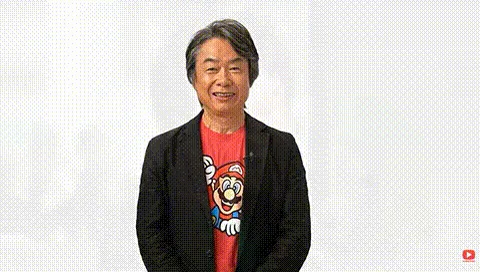
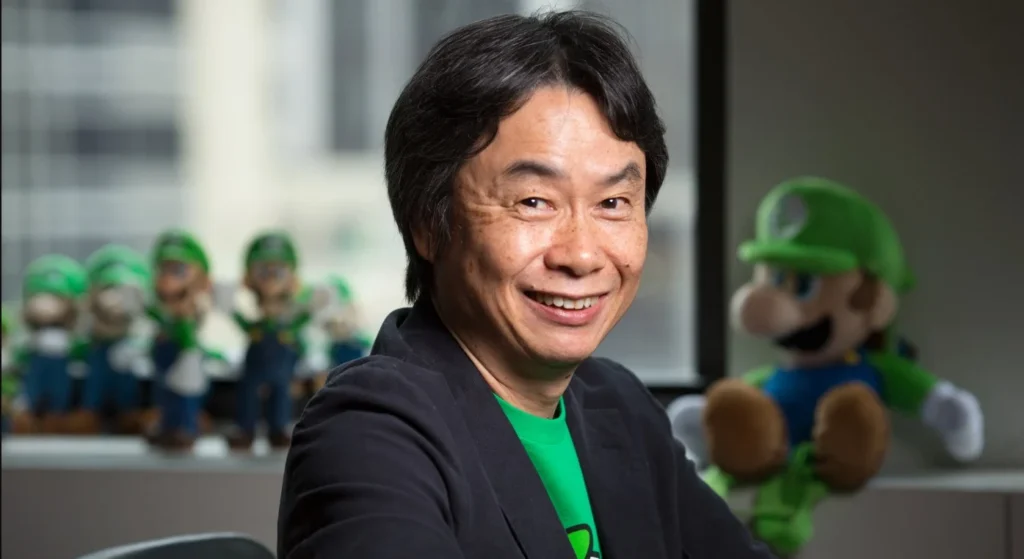
Shigeru Miyamoto is currently concentrating on filmmaking, but Shigeru Miyamoto’s latest comments leave open the possibility of returning to video game development. The Nintendo creator expressed interest in exploring different forms of entertainment, including ideas that might eventually lead him back to interactive projects. However, Shigeru Miyamoto’s remarks reflect creative curiosity rather than an announcement of a specific game.
The discussion follows Shigeru Miyamoto’s selection for Japan’s 2026 Order of Culture, placing his comments within a broader reflection on his career and future ambitions. Shigeru Miyamoto’s growing involvement in Nintendo’s film adaptations also demonstrates how his responsibilities have expanded beyond traditional game development, allowing him to explore new ways of introducing familiar characters to audiences.
Denfaminicogamer published its detailed account of Shigeru Miyamoto’s comments on October 23, 2026, following a press conference connected with his Order of Culture recognition. Although frequently described as an interview, the coverage records questions from assembled media representatives. During the discussion, Shigeru Miyamoto explained that he was absorbed in filmmaking, enjoyed working with experienced professionals and wanted to test his own creative abilities. He also acknowledged that he might eventually make something resembling a game again.
Shigeru Miyamoto’s comments are significant because they suggest he remains interested in creative experimentation without committing to a particular format. Considering another game is different from confirming that development has begun, and nothing in Shigeru Miyamoto’s remarks identifies a title, platform, development team or release schedule.
Shigeru Miyamoto also discussed his desire to explore ideas outside Nintendo’s usual activities, potentially creating something that would surprise even company employees. He observed that developments in digital media have made certain production tasks faster while introducing greater complexity in other areas. These comments suggest that Shigeru Miyamoto is interested in experimenting with unfamiliar approaches rather than concentrating exclusively on established franchises.
Such experimentation could involve interactive experiences, new presentation techniques, different production methods or other forms of entertainment. However, Shigeru Miyamoto’s remarks do not identify any particular technology or business model, making more specific interpretations speculative.
Shigeru Miyamoto’s current emphasis on filmmaking also reflects an evolution in how he views Nintendo’s audience. According to Famitsu’s account of the press conference, Shigeru Miyamoto previously worried that film adaptations might establish fixed histories and personalities for characters, potentially limiting their flexibility in future games. Over time, he came to recognize that audiences could develop strong attachments to Nintendo characters without necessarily playing their games.
This realization helps explain why filmmaking has become an important creative outlet for Shigeru Miyamoto. Films can introduce Nintendo characters through visual storytelling, humor, relationships and recognizable personalities without requiring viewers to own a console or understand game mechanics. At the same time, adaptations must communicate their appeal independently rather than relying entirely on familiarity with existing franchises.
Shigeru Miyamoto’s focus on films therefore does not necessarily indicate declining interest in games. Instead, it reflects his involvement in another medium where familiar creative challenges, such as accessibility, character expression and audience engagement, can be approached differently.
GamesRadar+ also reported that Shigeru Miyamoto was working on several projects while considering how he wanted to use his remaining working years. Although the publication suggested that his multimedia responsibilities made film projects a plausible explanation, that interpretation should not be confused with confirmation of every project’s format.
The term “projects” could refer to commercial productions, experimental concepts, collaborations or creative responsibilities involving several teams. It also does not establish how much time Shigeru Miyamoto dedicates to each undertaking or how far individual projects have progressed.
Shigeru Miyamoto’s current activities should therefore be understood through several distinctions:
- Filmmaking: Shigeru Miyamoto has confirmed responsibilities involving Nintendo’s Mario and Legend of Zelda adaptations.
- Creative experimentation: Shigeru Miyamoto has expressed interest in exploring unusual ideas beyond Nintendo’s established activities.
- Possible game development: Shigeru Miyamoto has left open the possibility of making another game without announcing a specific production.
- Multiple projects: Shigeru Miyamoto remains involved in several creative efforts, although their complete scope has not been disclosed.
- Corporate leadership: Shigeru Miyamoto’s responsibilities extend beyond personally directing individual games.
Nintendo’s corporate profile identifies Shigeru Miyamoto as Representative Director, Fellow, placing him within the company’s leadership rather than defining his work exclusively through individual game development credits. Shigeru Miyamoto’s confirmed film production responsibilities demonstrate the broader nature of his position.
Creative involvement can include developing initial concepts, reviewing projects, advising teams, resolving design questions and helping determine how Nintendo characters are represented. Shigeru Miyamoto’s activities in these areas differ from personally directing every aspect of a game or film, and his association with a franchise should not overshadow the contributions of other developers and production teams.
Shigeru Miyamoto’s comments also leave considerable uncertainty about a possible return to game development. A creator might privately experiment with a mechanic, collaborate on a prototype, advise an existing team or direct a larger project. None of those possibilities automatically results in a commercial release.
The scale of any future interactive undertaking from Shigeru Miyamoto remains equally unclear. A small experimental project could test a single concept, while a major Nintendo game would require extensive development resources and coordination. Shigeru Miyamoto’s comments provide no basis for assuming either approach.
There is also no confirmation that a future game from Shigeru Miyamoto would feature Mario, Zelda or another established Nintendo character. His interest in originality does not establish that he intends to create a new franchise, just as his history with familiar properties does not guarantee a return to them.
The most accurate interpretation is that Shigeru Miyamoto remains creatively active and interested in exploring different possibilities. Shigeru Miyamoto’s filmmaking responsibilities are confirmed, while his potential return to game development remains an open question requiring further information.n.

Miyamoto’s Role in Nintendo’s Mario and Zelda Movies and the Company’s Entertainment Expansion
Miyamoto’s involvement in Nintendo’s film adaptations represents a major part of his current creative responsibilities. Rather than personally directing these productions, he works within collaborative filmmaking teams responsible for translating familiar game characters and worlds into cinematic experiences.
Nintendo credits Miyamoto and Illumination founder Chris Meledandri as producers of both The Super Mario Bros. Movie and The Super Mario Galaxy Movie. The company identifies Aaron Horvath and Michael Jelenic as directors of the latter film, Matthew Fogel as screenwriter and Brian Tyler as composer.
These credits establish the difference between Miyamoto’s producer responsibilities and the work performed by directors, writers, composers, animators and performers. His involvement connects Nintendo’s creative perspective with the production, but it does not make him the films’ sole creative author.
The commercial success of The Super Mario Bros. Movie also provides context for Nintendo’s expanding interest in filmmaking. According to the company, the 2023 film generated more than $1.3 billion worldwide, demonstrating the substantial audience that Nintendo characters can attract beyond video games.
However, financial success alone does not explain every creative decision surrounding subsequent adaptations. Films must still provide engaging stories and recognizable characters while remaining accessible to viewers unfamiliar with their gaming origins.
Miyamoto discussed this challenge in a 2023 Game Informer interview, explaining how familiar Mario elements were arranged and adapted to function within a film. He also described finding creative common ground with Meledandri while developing an experience intended to appeal to existing fans and newcomers.
This approach reflects an important distinction between adapting a character and reproducing a game. A video game allows players to interact with environments, experiment with mechanics and control aspects of progression. A film instead determines the sequence, timing and presentation of events for its audience.
Elements that work through repeated player interaction may therefore require different storytelling purposes on screen. Familiar locations, music and character behaviors can provide recognition, but they must also contribute to the film’s narrative.
Miyamoto’s game design background offers relevant experience in communicating actions and consequences clearly. In both games and films, audiences benefit from understanding what characters want, how situations develop and why particular events matter.
For example, establishing a rule, demonstrating its consequences and introducing variations can support both gameplay and visual comedy. However, repetition serves different functions across the two media. In games, repeated challenges can reward player improvement, while films typically require repetition to contribute to humor, character development or dramatic escalation.
Game design experience can therefore inform filmmaking without providing a complete formula for successful adaptation. The challenge is preserving the appeal of recognizable material while adjusting its presentation for a different audience experience.
Miyamoto also serves as a producer on Nintendo’s live action Legend of Zelda film. Nintendo’s original announcement identifies him and Avi Arad as producers, with Wes Ball directing the project. The company also confirmed that it would provide more than half of the film’s financing, while Sony Pictures Entertainment would handle worldwide theatrical distribution.
The New Zealand Film Commission’s project listing confirms Miyamoto’s producer credit and identifies Benjamin Evan Ainsworth as Link and Bo Bragason as Princess Zelda.
The reported worldwide release date is April 30, 2027, following a scheduling update attributed to Miyamoto and published by Nintendo Life in May 2026. This date replaces the earlier May 7 schedule appearing in previous announcements.
The Zelda adaptation presents different creative challenges from the animated Mario films. A live action production must establish convincing environments, costumes, performances and cinematic pacing while preserving recognizable qualities associated with the franchise.
Exploration is particularly important to the Zelda series, but a film cannot reproduce the player’s freedom to investigate environments or determine the order of gameplay activities. Instead, the filmmakers must organize those experiences into a structured narrative that remains engaging without direct audience participation.
Miyamoto’s producer role helps connect the adaptation with Nintendo’s understanding of the property, although it does not establish every story decision or confirm that the film will follow the structure of any particular Zelda game.
His confirmed responsibilities across the adaptations include:
- The Super Mario Bros. Movie: Producer alongside Chris Meledandri on the commercially successful 2023 animated adaptation.
- The Super Mario Galaxy Movie: Producer alongside Meledandri, working within a production team that includes directors Aaron Horvath and Michael Jelenic.
- The Legend of Zelda: Producer alongside Avi Arad on the live action adaptation directed by Wes Ball.
- Creative collaboration: Helping connect Nintendo’s characters and entertainment identity with the requirements of cinematic storytelling.
Nintendo’s broader film strategy provides additional context for these responsibilities. In its November 2025 corporate question and answer session, president Shuntaro Furukawa described films and videos as opportunities to establish relationships with audiences across generations. Miyamoto also discussed creating entertainment that could maintain its value over time.
The underlying objective is to introduce Nintendo’s characters through multiple forms of entertainment rather than relying exclusively on console releases. Someone might encounter Mario through a film before playing a Nintendo game, while established fans may enjoy sharing an adaptation with family members unfamiliar with the original franchise.
These different audience relationships create opportunities for Nintendo, but they also require each production to succeed independently. A film that functions only as promotion for a game may struggle to satisfy viewers expecting a complete theatrical experience.
Nintendo’s expansion also involves organizations beyond its individual film productions. Nintendo Pictures has been described as pursuing video content and new creative challenges, while Nintendo Stars manages uses of film related characters and worlds across activities such as merchandise and live events.
Together, these efforts suggest Nintendo is developing more opportunities for audiences to encounter its properties through different formats.
However, connections between films and games should not automatically be interpreted as direct creative influence. Nintendo’s Super Mario Bros. Wonder developer interview specifically stated that the game’s more expressive presentation was not developed in response to knowledge of the Mario movie’s content.
That example demonstrates why similar creative choices across different productions do not necessarily establish that one project directly influenced another. Separate teams can explore recognizable characters in similar ways while maintaining independent development processes.
For Miyamoto, this expansion creates opportunities to apply his experience to filmmaking while collaborating with professionals whose expertise differs from traditional game development. His role reflects Nintendo’s broader entertainment ambitions without establishing that films will replace games as the company’s central creative focus.

What Miyamoto’s Order of Culture Recognition and Future Plans Mean for Nintendo
Miyamoto’s selection for Japan’s 2026 Order of Culture provides an important context for his recent comments about filmmaking and future creative ambitions. He became the first recipient from the video game field, marking significant recognition of games within Japan’s wider cultural landscape.
The announcement preceded the formal presentation ceremony scheduled for November 3, 2026. His selection should therefore be distinguished from the ceremony itself, particularly when discussing the timing of his remarks.
The honor recognizes Miyamoto’s established contributions rather than announcing a change in his employment or creative responsibilities. His career has helped shape how generations of players experience interactive entertainment, while Nintendo’s characters have become recognizable across different cultures and age groups.
Video games contribute to culture through more than their visual designs and music. They also create shared experiences, personal memories, learned skills and opportunities for interaction. Recognizing a game creator through a major cultural honor provides institutional acknowledgment of those contributions.
During the discussion surrounding his recognition, Miyamoto emphasized the collaborative nature of his achievements and acknowledged the people who had worked alongside him. This is particularly relevant to both games and films, where prominent creators often receive public attention despite the extensive contributions of developers, artists, writers and other professionals.
The award also encouraged reflection on his future, but it should not be interpreted as a retirement announcement. Miyamoto remains listed by Nintendo as Representative Director, Fellow, and his confirmed film production responsibilities demonstrate continued involvement in creative work.
Several different career developments can be confused with retirement. A creator might stop personally directing games, reduce daily production responsibilities, concentrate on another entertainment medium or leave a company entirely. These are distinct decisions requiring separate confirmation.
Miyamoto’s current focus on filmmaking establishes a change in the type of work receiving his attention, not a permanent withdrawal from Nintendo or interactive entertainment.
His comments about possibly creating another game reinforce that distinction. Although he has not announced a specific project, he has not ruled out returning to game development.
Important questions remain unanswered:
- Future game involvement: Whether Miyamoto will personally direct another game, contribute to an existing project or explore a smaller interactive concept.
- Project identity: Whether any future work would involve an established Nintendo franchise or introduce an original idea.
- Development status: Whether a possible project has progressed beyond creative consideration.
- Production scale: Whether future work would involve a small experiment or a larger commercial release.
- Release plans: No specific platform, development schedule or launch window has been confirmed.
- Other creative activities: Miyamoto has referred to several projects without identifying the format or progress of every undertaking.
These uncertainties are significant because the public reputation of a creator can encourage speculation whenever they discuss future possibilities. However, an expression of creative interest should not be treated as confirmation that a particular game or film is already in production.
A meaningful future announcement would need to identify the project and clarify Miyamoto’s responsibilities. Information about the development team, platform, production status or intended release would help distinguish a concrete undertaking from a general idea.
His next creative chapter could also influence Nintendo through the people and teams with whom he collaborates. Creative leadership can involve sharing methods, evaluating concepts and supporting new approaches without requiring personal control over every project.
Nintendo’s expansion into filmmaking and other entertainment formats provides opportunities for that influence to extend beyond conventional game development. At the same time, the long term success of these projects will depend on contributions from many creative and business teams.
The opportunity is to make Nintendo’s characters meaningful across different experiences while allowing each medium to function independently. A person should be able to enjoy a film without playing its related games, just as a Nintendo game should offer a complete experience without requiring knowledge of its cinematic adaptations.
There are also challenges associated with expanding familiar franchises. Repeated use of recognizable characters can strengthen audience familiarity, but it may become less effective if new projects prioritize recognition over original ideas.
Miyamoto’s interest in experimentation is therefore relevant to Nintendo’s future. His comments suggest that he remains curious about creative approaches that do not necessarily fit the company’s established expectations.
Whether those ideas eventually become films, games or other entertainment experiences remains unknown. What is confirmed is that he continues to contribute to Nintendo’s creative activities while exploring opportunities beyond the medium most closely associated with his career.
His Order of Culture recognition celebrates decades of achievement, while his recent remarks indicate that he is still considering what to create next. The significance of any future project will ultimately depend on the experience it offers rather than speculation surrounding his involvement.
Frequently Asked Questions (FAQs)
- Is Shigeru Miyamoto focused on making movies now?
Yes. Miyamoto’s October 2026 remarks indicate that filmmaking is currently a major focus of his creative work. He described enjoying the opportunity to collaborate with experienced film professionals while exploring his own abilities in the medium. His confirmed production responsibilities include Nintendo’s Mario and Legend of Zelda adaptations. However, this focus does not establish that he has abandoned video games or stopped contributing to Nintendo’s other creative activities. - Has Miyamoto announced a new video game?
No. Miyamoto has not announced a specific new video game through the comments discussed in the October 2026 reports. He expressed interest in potentially creating something resembling a game again, but did not identify a title, platform, development team or release schedule. His remarks should therefore be understood as an expression of creative interest rather than confirmation that a new production is underway. - Could Miyamoto return to game development?
Yes. Miyamoto explicitly left open the possibility of returning to interactive development in the future. However, he did not explain whether such work would involve directing a major Nintendo release, contributing to an existing project or experimenting with a smaller concept. His current filmmaking responsibilities do not prevent him from exploring game ideas later, but a specific return would require further confirmation. - Did Miyamoto say he was retiring?
No. Miyamoto’s comments did not announce retirement from Nintendo or creative work. The company continues to identify him as Representative Director, Fellow, and he has confirmed production responsibilities involving Nintendo’s film adaptations. Concentrating on filmmaking or reducing direct involvement in individual games should not automatically be interpreted as retirement. An actual retirement decision would require an explicit announcement or equivalent official confirmation. - What does Miyamoto do on the Mario movies?
Miyamoto serves as a producer alongside Illumination founder Chris Meledandri on The Super Mario Bros. Movie and The Super Mario Galaxy Movie. His involvement helps connect Nintendo’s creative perspective with the film productions, although filmmaking remains a collaborative process involving directors, writers, animators, composers and performers. He should not be described as the films’ director or sole creative author, since those responsibilities belong to separately credited professionals. - Is Miyamoto directing the Legend of Zelda movie?
No. Nintendo identifies Wes Ball as the director of the live action Legend of Zelda adaptation, while Miyamoto serves as a producer alongside Avi Arad. Nintendo is also providing more than half of the financing, with Sony Pictures Entertainment handling worldwide theatrical distribution. Miyamoto’s producer role connects him to the adaptation’s development, but it does not mean he is personally directing the film or making every creative decision. - Why are Nintendo films relevant to people who do not play games?
Nintendo films allow audiences to experience familiar characters without owning a console or understanding gameplay mechanics. Viewers can connect with personalities, relationships, humor and visual storytelling independently of the original games. Miyamoto has acknowledged that people can develop strong attachments to Nintendo characters without playing their games. Successful adaptations therefore need to entertain newcomers while still offering recognizable elements that established fans appreciate. - Does Miyamoto’s film work determine how future Nintendo games will look?
Not necessarily. Nintendo’s films and games are developed through different production processes, and similar creative choices do not automatically establish direct influence. For example, developers of Super Mario Bros. Wonder explained that the game’s expressive presentation was not designed in response to knowledge of the Mario film’s content. Although Miyamoto’s broader creative involvement may connect different entertainment projects, individual games and films can maintain separate artistic directions. - What is significant about his Order of Culture selection?
Miyamoto became the first person from the video game field selected for Japan’s Order of Culture in 2026. The recognition acknowledges his contributions to entertainment and reflects the cultural importance of video games alongside other creative fields. The formal presentation ceremony was scheduled for November 3, 2026. The honor celebrates his established achievements but does not announce retirement, a new game or any change in his official Nintendo responsibilities. - What would confirm a new Miyamoto game project?
A direct announcement from Nintendo or Miyamoto identifying a specific project and clarifying his involvement would provide meaningful confirmation. Details such as the game’s title, development team, intended platform, production status or release plans would help establish whether the undertaking is actively progressing. Until that information becomes available, his comments about potentially returning to game creation should be treated as an open possibility rather than an announced product.

Conclusion
Shigeru Miyamoto’s current focus on filmmaking reflects his expanding creative responsibilities at Nintendo, while his recent comments leave open the possibility of returning to video game development. His confirmed producer roles on the Mario and Legend of Zelda films demonstrate his involvement in Nintendo’s growing entertainment ambitions, but his interest in making another game does not establish that a specific project is underway.
His selection for Japan’s 2026 Order of Culture recognizes his contributions to video games and the wider entertainment industry. However, the honor does not indicate retirement or an end to his creative work. Miyamoto continues to explore new ideas while participating in projects that introduce Nintendo’s characters to audiences beyond traditional gaming.
For Nintendo, the challenge is to maintain the appeal of its established characters across different entertainment formats while encouraging original creative work. Miyamoto’s next project remains undefined, and its direction may depend on the ideas he chooses to explore. Until an official announcement identifies a new game or another undertaking, his remarks establish creative curiosity and future possibilities rather than confirmed development plans.
Sources and Citations
- Source: Denfaminicogamer — Shigeru Miyamoto receives Japan’s Order of Culture: Original October 23, 2026 report covering Shigeru Miyamoto’s press conference, creative philosophy, filmmaking focus and openness to future game development.
Citation: Denfaminicogamer, October 23, 2026, coverage of Shigeru Miyamoto’s Order of Culture recognition and press conference. - Source: Instant Gaming — Shigeru Miyamoto is currently focusing on filmmaking: Reports Shigeru Miyamoto’s comments about working with film professionals and potentially creating another game.
Citation: Thibaut, Instant Gaming, October 23, 2026, “Shigeru Miyamoto is currently focusing on filmmaking.” - Source: Insider Gaming — Shigeru Miyamoto May Make Another Game, Despite Film Focus: Explains that Shigeru Miyamoto is considering different creative possibilities without announcing a new game.
Citation: Insider Gaming, October 23, 2026, “Shigeru Miyamoto May Make Another Game, Despite Film Focus.” - Source: GamesRadar+ — Shigeru Miyamoto is working on several projects: Discusses Shigeru Miyamoto’s multiple projects, filmmaking responsibilities and creative ambitions.
Citation: GamesRadar+, October 2026, “Nintendo icon Shigeru Miyamoto says he’s working on several projects right now.” - Source: Nintendo — Company Profile: Official confirmation of Shigeru Miyamoto’s position as Representative Director and Fellow.
Citation: Nintendo Co., Ltd., Company Profile, corporate leadership information. - Source: Nintendo — The Super Mario Galaxy Movie announcement: Confirms Shigeru Miyamoto’s producer credit alongside Chris Meledandri, as well as the film’s directors, screenwriter and release information.
Citation: Nintendo Co., Ltd. and Illumination, September 12, 2025, announcement of The Super Mario Galaxy Movie. - Source: Nintendo — The Super Mario Galaxy Movie final trailer and release details: Provides updated official information about the animated film and Shigeru Miyamoto’s producer credit.
Citation: Nintendo Co., Ltd. and Illumination, March 10, 2026, The Super Mario Galaxy Movie final trailer announcement. - Source: Nintendo — Development of a Live-Action Film of The Legend of Zelda: Officially identifies Shigeru Miyamoto and Avi Arad as producers, Wes Ball as director, and the film’s financing and distribution arrangements.
Citation: Nintendo Co., Ltd., Arad Productions Inc. and Sony Pictures Entertainment Inc., November 8, 2023, “Development of a Live-Action Film of The Legend of Zelda to Start.” - Source: Nintendo — The Legend of Zelda film release update: Confirms the film’s official title and worldwide theatrical release date of April 30, 2027, along with Shigeru Miyamoto’s producer credit.
Citation: Nintendo Co., Ltd., Arad Productions Inc. and Sony Pictures Entertainment Inc., September 8, 2026, announcement of The Legend of Zelda live-action film. - Source: New Zealand Film Commission — The Legend of Zelda: Provides production information and confirms Shigeru Miyamoto’s producer credit, director Wes Ball and the announced cast.
Citation: New Zealand Film Commission, The Legend of Zelda, production listing. - Source: Game Informer — Shigeru Miyamoto and Koji Kondo discuss The Super Mario Bros. Movie: An interview covering Shigeru Miyamoto’s collaboration with Chris Meledandri and the challenges of adapting Mario from games to film.
Citation: Brian Shea, Game Informer, April 5, 2023, “Interview: Shigeru Miyamoto And Koji Kondo Talk The Super Mario Bros. Movie.” - Source: Nintendo — Strengthening Ancillary Use of Films Featuring Nintendo Intellectual Property: Explains Nintendo Stars’ role in extending film-related intellectual property into merchandise, live events and other activities.
Citation: Nintendo Co., Ltd., August 27, 2025, “Strengthening Ancillary Use of Films Featuring Nintendo Intellectual Property.” - Source: Nintendo — Movie and Video Content Development Structure: Outlines Nintendo’s approach to financing and producing films, including Shigeru Miyamoto’s producer roles and the establishment of Nintendo Pictures and Nintendo Stars.
Citation: Nintendo Co., Ltd., November 5, 2025, corporate management presentation, “Movie and Video Content Development Structure.”
Recommendations
- How to See Set Bonuses in Nioh 3 (PS5 & PC): Set Bonus Screen, Buttons, and Activation Requirements
- Seed: How to Download and Play
- Onimusha Way of the Sword Uses Multi-Actor Motion Capture
- How to Convert a 2D Image to 3D Models in Blender: A Complete Step-by-Step Guide
- Unhinged: How to Play on Netflix with Your Phone Controller
- Dave the Diver Drops Wild Live-Action Trailer to Celebrate New ‘In the Jungle’ DLC
- Tracking and Compositing VFX in Nuke and SynthEyes: Gnomon Workshop Guide
- Supermassive Games CEO Robert Henrysson Resigns After Directive 8020 Launch
- 1001 Threads of Mizan: Release Date, 3-Player Co-op and Arabian Nights Gameplay
- Star Wars Officially Comes to UEFN and Fortnite Creative: How to Build and Publish Star Wars Islands



































































































