







In This Article (7 sections)
Why Snake’s Japanese Voice Actor Wants Metal Gear 6 With Hideo Kojima
Snake’s Japanese voice actor wants another Metal Gear game, but his hopes for a new installment come with an important condition. Akio Otsuka, the veteran Japanese voice actor behind Solid Snake, Naked Snake, and Big Boss, has expressed his desire for another Metal Gear game while reaffirming that he does not want to participate without series creator Hideo Kojima. His comments emerged from an interview conducted by Ryutoku Tokushige and published by Japanese outlet Bunshun Online on October 4, 2026. During the conversation, Otsuka reflected on his decades of involvement with Metal Gear, his personal relationship with Kojima, and the uncertainty surrounding the franchise since the director’s departure from Konami in 2015.
Otsuka explained that fans around the world continue waiting for another installment and believes they deserve another opportunity to experience the storytelling, characters, and stealth gameplay that established Metal Gear as one of gaming’s most influential franchises. However, his interest extends beyond simply returning to a popular voice acting role. He considers Metal Gear closely connected to Kojima’s creative vision and takes considerable pride in having contributed to that vision across multiple games.
Although voice actors generally accept the roles they are offered, Otsuka has previously declared that he does not want to participate in a new Metal Gear production without Kojima. He acknowledged that making such a public statement had created an awkward professional situation, particularly because he also understands how strongly fans associate him with Snake.
The interview revealed the complicated relationship between Otsuka’s loyalty to Kojima and his affection for the franchise. When asked whether he had personally discussed another Metal Gear game with the director, Otsuka responded playfully without confirming or denying such a conversation. His answer encouraged speculation, but it provided no evidence that Kojima and Konami are negotiating another installment. Otsuka’s comments should therefore be understood as a personal wish rather than confirmation of Metal Gear Solid 6 or an undisclosed development project.
The actor’s attachment to the series reflects its importance throughout his career. The original Metal Gear debuted in 1987 and helped establish stealth gameplay built around avoiding enemies rather than defeating every opponent. Metal Gear Solid expanded that foundation in 1998 through cinematic storytelling, political intrigue, memorable characters, and extensive voice acting. Otsuka became central to the Japanese identity of Snake, communicating the character’s authority, exhaustion, restraint, humour, and growing disillusionment with warfare. As the franchise evolved, Snake became more than a conventional action protagonist, representing recurring themes involving identity, inherited conflict, government manipulation, and the consequences of military operations.
Otsuka’s long relationship with Kojima developed through this creative process. Their collaboration allowed performances to influence character presentation, dialogue, and memorable moments across several installments. One particularly important example involved Snake’s famous Japanese catchphrase, commonly translated as “Kept you waiting, huh?” and known in Japanese as “Mataseta na.” According to Otsuka, the expression originated from an improvised line during recording rather than predetermined dialogue. Kojima was present and could immediately determine whether the improvisation suited the character, allowing the line to become part of the finished game. It eventually appeared in promotional material and became closely associated with Snake’s dramatic returns.
Otsuka also recalled that earlier game development workflows sometimes involved recording dialogue before corresponding visual sequences were completed. This allowed performances to influence how scenes were subsequently presented. The origin of Snake’s catchphrase demonstrates how creative collaboration between actors and developers helped establish the franchise’s distinctive identity. Although Kojima directed the broader narrative and character development, Otsuka contributed memorable details that became permanent parts of Metal Gear’s cultural identity.
Their professional relationship continued after Kojima departed from Konami. Otsuka portrayed Die-Hardman in the Japanese version of Death Stranding, demonstrating that their collaboration extended beyond the Metal Gear intellectual property. During the game’s 2019 launch celebrations, Otsuka became emotional because he understood the risks Kojima had taken by establishing an independent studio. In the October 2026 interview, he recalled the financial uncertainty involved in supporting employees and completing an ambitious original project after leaving an established publisher. For Otsuka, Death Stranding represented the continuation of Kojima’s creative ambitions despite those challenges.
Otsuka’s position is therefore rooted in artistic attachment and professional loyalty rather than an explicit claim that Konami lacks the right to continue Metal Gear. He has not argued that another development team is legally prohibited from creating a new installment. Instead, he has explained why participating without Kojima would feel different after decades of collaboration. His remarks also reveal a genuine conflict between personal principles and the expectations of fans who want to hear his portrayal of Snake again.
Akio Otsuka’s career extends well beyond Metal Gear. Born on November 24, 1959, he is recognised for his distinctive deep voice and performances in video games, anime, film, and television. His prominent roles include Batou in Ghost in the Shell, Marshall D. Teach, also known as Blackbeard, in One Piece, and Rider, or Iskandar, in Fate/Zero. He has also contributed to major franchises including Kingdom Hearts and Lupin the Third. Nevertheless, Snake remains one of his defining roles because of the character’s international recognition and the emotional complexity required across multiple games.
His family history also connects directly to Metal Gear. Otsuka’s father, Chikao Otsuka, was an accomplished Japanese voice actor who portrayed Big Boss in Metal Gear Solid 4: Guns of the Patriots. In his 2026 interview, Akio recalled performing motion capture for Big Boss during a scene in which his father subsequently supplied the character’s voice. The experience created an unusual collaboration between father and son, reflecting the complicated relationships between characters in the franchise.
Otsuka’s major Metal Gear portrayals include:
- Solid Snake: The central operative in Metal Gear Solid, Metal Gear Solid 2: Sons of Liberty, and Metal Gear Solid 4: Guns of the Patriots. Otsuka’s performances helped establish the character’s distinctive personality and emotional development.
- Naked Snake: The protagonist of Metal Gear Solid 3: Snake Eater, whose Cold War story explores the events that eventually transform him into Big Boss.
- Big Boss: A central figure in several installments, including Metal Gear Solid: Peace Walker, representing another important stage in the franchise’s complicated chronology.
- Snake in Metal Gear Solid V: Otsuka continued providing the Japanese performance while the English version introduced Kiefer Sutherland in the central role.
These performances created continuity across different periods of Metal Gear’s history while allowing Otsuka to portray characters with different personalities, motivations, and experiences. His connection to the franchise is consequently more substantial than a single character appearance, helping explain why his comments about Kojima attracted attention internationally.
The distinction between Otsuka and Snake’s English voice actors is also important. David Hayter became closely associated with Solid Snake and Naked Snake in English language releases, while Kiefer Sutherland replaced him for the central English performance in Metal Gear Solid V: Ground Zeroes and The Phantom Pain. Otsuka continued portraying Snake in Japanese, preserving a familiar connection for that audience.
The inclusion of earlier voice recordings in remakes and collections does not necessarily establish that an actor has returned to record a completely new production. This distinction matters when interpreting Otsuka’s position because his reluctance concerns new creative involvement without Kojima rather than the continued use of existing performances.
Ultimately, Otsuka’s October 2026 interview illustrates the emotional and professional complexity surrounding another Metal Gear installment. He wants the franchise to continue for its worldwide audience but remains strongly attached to the director who shaped its identity. His remarks have renewed interest in Metal Gear Solid 6 without providing evidence that a new numbered sequel is currently in development.
Metal Gear Solid 6 Development, Konami’s Future Plans, and Kojima’s Possible Return
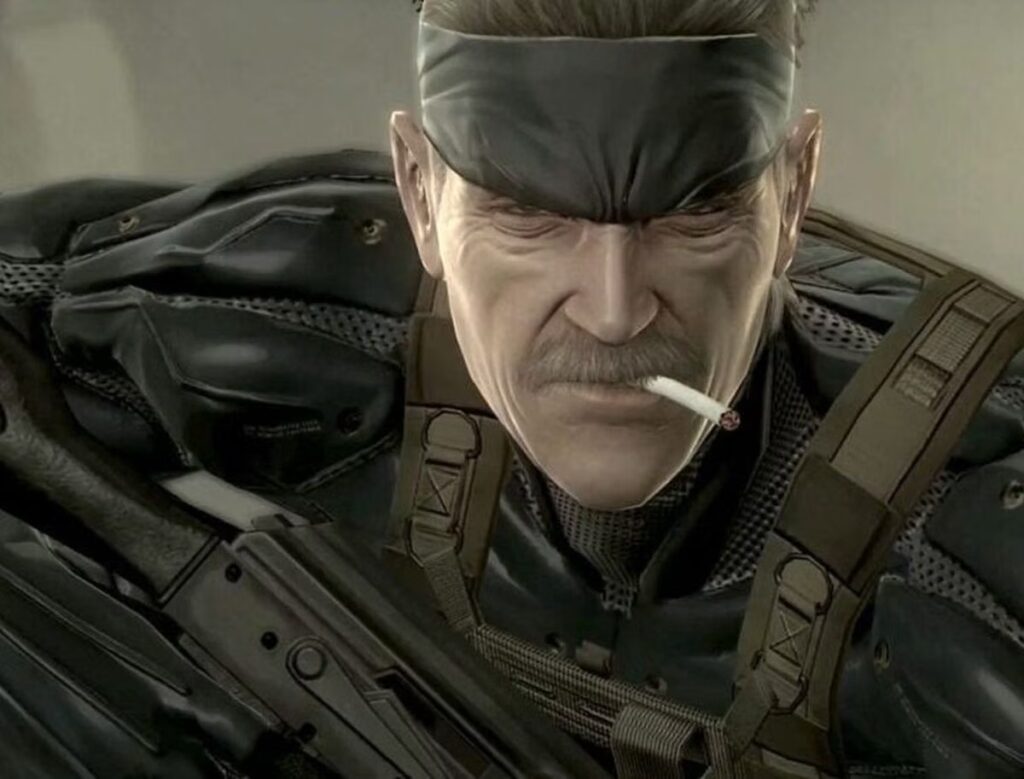
Hideo Kojima’s departure from Konami in 2015 fundamentally changed the future of Metal Gear. For decades, he had served as the franchise’s principal creative force, shaping its stealth mechanics, cinematic storytelling, political themes, memorable characters, and unconventional narrative structure. Following Metal Gear Solid V: The Phantom Pain, Kojima and Konami separated, and the director established an independent Kojima Productions. Konami retained ownership of the Metal Gear intellectual property, allowing the company to continue developing games, remakes, collections, and other projects without Kojima’s involvement.
The separation created a difficult challenge for the franchise. Metal Gear had become closely associated with Kojima’s creative direction, making any major new installment likely to face comparisons with his earlier work. Konami’s first prominent release after his departure was Metal Gear Survive in 2018, which introduced survival oriented gameplay and mechanics that differed substantially from the mainline stealth adventures. Its reception demonstrated the difficulty of introducing a different creative direction while audiences continued associating the series with Kojima.
In subsequent years, Konami concentrated much of its Metal Gear activity on preserving and modernising existing games. Metal Gear Solid: Master Collection Vol. 1 launched in 2023, making several classic installments accessible on contemporary systems. Metal Gear Solid Delta: Snake Eater followed in August 2025 as a remake of Metal Gear Solid 3, while Master Collection Vol. 2 arrived in August 2026 with Metal Gear Solid 4: Guns of the Patriots, Metal Gear Solid: Peace Walker, and additional content featuring Metal Gear: Ghost Babel.
These releases demonstrate that Metal Gear remains commercially important to Konami, although remastering established games differs considerably from developing an original numbered sequel. Existing stories, characters, dialogue, and gameplay foundations can be preserved during remakes, while Metal Gear Solid 6 would require decisions about the franchise’s chronology, protagonists, themes, and future identity.
Metal Gear Solid Delta: Snake Eater is particularly important because it represents Konami’s most substantial recent effort to modernise a major installment. Released in August 2025 for PlayStation 5, Xbox Series X|S, and PC through Steam, the remake updated the original game’s visuals, accessibility features, and gameplay presentation while preserving its established narrative. Snake Eater remains one of the franchise’s most recognised entries because of its Cold War setting, survival mechanics, memorable characters, and emotional conclusion.
The remake also demonstrated continuing commercial demand. On March 10, 2026, Konami announced that Metal Gear Solid Delta had sold two million units worldwide across its supported platforms. The result showed that Metal Gear could continue attracting a substantial audience more than a decade after Kojima’s departure. However, successful sales do not establish that a completely new numbered sequel has been approved or entered production.
Metal Gear Solid Delta also allowed Konami to gain additional experience developing a contemporary Metal Gear release. The company could evaluate modern production systems, audience expectations, and the commercial viability of the franchise while working with a familiar story. Master Collection Vol. 2 further strengthened the series’ accessibility, particularly by bringing Metal Gear Solid 4 beyond its longstanding association with PlayStation 3 hardware.
Konami’s recent Metal Gear releases can be summarised as follows:
- Metal Gear Survive, 2018: Introduced a survival focused direction after Kojima’s departure, demonstrating the challenges associated with expanding the franchise beyond its established creative approach.
- Metal Gear Solid: Master Collection Vol. 1, 2023: Reintroduced several classic Metal Gear titles through a modern collection.
- Metal Gear Solid Delta: Snake Eater, August 2025: Remade Metal Gear Solid 3 with updated visuals and gameplay refinements while retaining the original story.
- Metal Gear Solid Delta sales milestone, March 2026: Konami announced two million worldwide sales, providing evidence of continued interest in the franchise.
- Metal Gear Solid: Master Collection Vol. 2, August 2026: Expanded availability of older titles, including Metal Gear Solid 4, Peace Walker, and additional bonus content.
Despite these developments, Konami has not officially announced Metal Gear Solid 6 as of October 12, 2026. No development team, release date, story direction, or confirmed cast has been revealed for a new numbered installment. Otsuka’s comments do not change that status because they express his personal hopes rather than disclose an official production.
Konami could develop another Metal Gear without Kojima because it controls the intellectual property. The greater challenge would involve creating an original installment that respects the franchise’s established identity while introducing meaningful new ideas. Metal Gear’s appeal extends beyond stealth mechanics and infiltration missions to include political intrigue, philosophical themes, cinematic storytelling, unusual characters, and elaborate narrative connections.
A new game would need to determine whether to continue the story after Metal Gear Solid 4, explore another period in the established timeline, or introduce new protagonists. Each approach presents creative challenges because important characters have already experienced major narrative conclusions. Continuing established stories could risk undermining those endings, while introducing entirely new characters would require building emotional connections with audiences accustomed to Snake and Big Boss.
A capable new development team could potentially preserve the franchise’s defining mechanics while exploring different perspectives and conflicts. However, Konami’s success with remakes cannot automatically establish how an original sequel would perform. Modernising established material and creating a new chapter involve different production demands and creative risks.
The possibility of Hideo Kojima returning remains uncertain. Konami owns Metal Gear, meaning Kojima could not independently create an official new installment without an appropriate agreement. A future collaboration could theoretically involve directing another game, advising developers, or contributing to an anniversary project, but none of these arrangements has been officially announced.
Kojima also has substantial independent commitments. Following the establishment of Kojima Productions, he developed Death Stranding and continued pursuing original projects, including OD and Physint. These productions demonstrate his interest in exploring different creative ideas outside the Metal Gear universe.
Physint is especially relevant because it marks Kojima’s return to the action espionage genre. Originally announced in January 2024 as a collaboration between Kojima Productions and PlayStation, the project was presented as an ambitious new intellectual property combining cinematic presentation with advanced game development technology. Its publishing arrangements changed in September 2026, when Kojima Productions confirmed that Xbox had become the new publishing partner following PlayStation Studios’ decision to end its involvement.
Kojima Productions stated that development would continue and that its relationship with Xbox would extend beyond the existing OD collaboration. On September 17, 2026, the studio announced Bill Skarsgård as Physint’s lead actor and highlighted Charlee Fraser, alongside previously revealed performers Don Lee and Minami Hamabe.
Physint naturally attracts comparisons with Metal Gear because Kojima’s career has been closely associated with espionage gameplay, cinematic storytelling, complex narratives, and unconventional presentation. However, Physint is not Metal Gear Solid 6. It is a separate intellectual property with no confirmed connection to Solid Snake, Big Boss, or the Metal Gear storyline.
The project could potentially satisfy demand for another Kojima directed espionage adventure, but its exact gameplay systems and narrative direction remain largely undisclosed. No official release date or release year has been announced, making comparisons with a hypothetical Metal Gear sequel preliminary.
Kojima’s independent projects also complicate the possibility of a near term reunion with Konami. Modern high budget games frequently require several years of development, and Kojima Productions already has demanding commitments. Returning to Metal Gear would potentially require changes to production priorities and an agreement between the director and the franchise’s owner.
The voice acting question adds another layer of uncertainty. David Hayter and Akio Otsuka remain closely associated with Snake in English and Japanese, respectively, but neither has been confirmed for an original Metal Gear Solid 6 production. Their involvement would depend on the characters selected, the project’s creative direction, and individual casting decisions.
Metal Gear Solid Delta reused much of the original voice acting from Snake Eater, although some English language performers recorded limited additional dialogue for updated gameplay instructions. In an August 2025 interview with Game Informer, Hayter explained that most original dialogue remained intact and that additional recording was relatively limited. The presence of Otsuka’s historical Japanese performance therefore does not contradict his stated reluctance to participate in a completely new Metal Gear project without Kojima.
For Hayter, any future return would depend on the production’s casting requirements and the version of Snake involved. For Otsuka, Kojima’s participation would remain an important personal consideration based on his October 2026 comments.
The franchise’s upcoming 40th anniversary in 2027 creates another possible opportunity for Konami to discuss Metal Gear’s future. The original game debuted in 1987, making the anniversary a significant milestone. However, an anniversary does not guarantee the release or announcement of a new numbered sequel.
Konami could continue releasing remasters, collections, anniversary products, or other projects without producing Metal Gear Solid 6. Any completely new installment would require extensive development, writing, testing, and marketing, making a specific 2027 launch impossible to establish without official information.
The available evidence therefore supports continued commercial activity around Metal Gear but does not confirm an original sequel, Kojima’s return, or a release timetable. Whether Konami eventually pursues a new mainline installment remains one of the franchise’s largest unanswered questions.

Metal Gear Solid 6 Fan Reactions, Voice Actor Legacy, and Future Possibilities
Akio Otsuka’s comments have renewed discussions about the creative future of Metal Gear because they address a longstanding divide among fans. Many players closely associate the franchise with Hideo Kojima, whose direction shaped its storytelling, gameplay innovations, political themes, and memorable characters. Others believe Metal Gear can continue successfully under different leadership, provided future developers respect the qualities that established the series.
The interview attracted international attention through coverage by gaming publications including Kotaku, Nintendo Wire, and Niche Gamer. Much of the discussion focused on Otsuka’s loyalty to Kojima and the difficulty of separating a franchise’s legal ownership from the creative identity established by its original director. Konami controls Metal Gear, but Kojima’s contribution remains central to how many longtime players understand its history.
Fans who support another Kojima directed installment often view his storytelling and creative decisions as essential to the franchise’s identity. From that perspective, Otsuka’s reluctance to return without him represents loyalty to the collaborative process that produced the earlier games. Other players are more interested in seeing Metal Gear continue regardless of Kojima’s involvement and believe a new development team could introduce fresh characters and ideas while retaining familiar stealth mechanics.
Konami’s recent releases have influenced both perspectives. Metal Gear Solid Delta and the Master Collection titles demonstrate that the company can preserve and modernise existing games, making the franchise accessible to new audiences. However, successful remakes do not resolve every concern about whether an original sequel would capture the storytelling and gameplay qualities associated with Kojima’s work.
The discussion also concerns the importance of familiar voice performances. Otsuka and David Hayter helped establish Snake’s personality for Japanese and English speaking audiences, making their portrayals an important part of the franchise’s cultural identity. Players who strongly associate those voices with Snake may consider their involvement important to a future installment.
At the same time, Metal Gear has already experienced major casting changes. Kiefer Sutherland’s participation in Metal Gear Solid V demonstrated that the franchise could introduce a different English voice performance for Snake. This history complicates assumptions that a new game must necessarily involve every performer associated with earlier installments.
There is no reliable basis for claiming that Metal Gear fans unanimously support one direction. Some want a creative reunion with Kojima, others would welcome a carefully developed installment from Konami, and many are interested primarily in experiencing another ambitious stealth adventure.
The possibilities surrounding the franchise can be divided into several distinct directions:
- A new Metal Gear Solid sequel: Konami could develop an original installment featuring established characters or a new generation of operatives, although no such project has been announced.
- Additional remakes: The company could continue modernising earlier games, building on the commercial performance of Metal Gear Solid Delta.
- Further collections: Additional preservation projects could expand access to older Metal Gear titles and related material.
- Anniversary announcements: Metal Gear’s 40th anniversary in 2027 could provide an opportunity to discuss the franchise’s history or future plans.
- A Kojima reunion: Konami and Kojima could theoretically collaborate again under a suitable agreement, but no official discussions or plans have been confirmed.
- New espionage experiences through Physint: Kojima Productions is developing a separate action espionage project that may appeal to Metal Gear fans without continuing the original franchise.
- Future voice actor appearances: Otsuka or Hayter could potentially return through new games, remakes, promotional projects, or other productions depending on casting and creative decisions.
These possibilities should not be treated as equally developed or officially confirmed projects. Konami’s recent releases establish continuing investment in Metal Gear, while Kojima Productions has publicly announced Physint as a separate original production. Metal Gear Solid 6 remains unannounced.
The question of whether a new Metal Gear game could arrive in 2027 is particularly uncertain. Modern game development involves considerable technical and creative work, and there is no verified information establishing that an original numbered sequel has been in production for the time necessary to support such a release.
The franchise’s anniversary may provide an appropriate opportunity for announcements, but it does not establish a development schedule. Players should distinguish between confirmed projects, reasonable possibilities, and speculation driven by interviews or community expectations.
Otsuka’s comments are important precisely because they come from someone who participated in the franchise’s development across decades. His experience gives him a personal perspective on the relationship between performers, developers, and the creative identity of a long running series.
His memories of working with Kojima, improvising Snake’s famous catchphrase, and celebrating the completion of Death Stranding demonstrate how strongly professional relationships can influence an actor’s connection to a character. For Otsuka, returning to Metal Gear would not simply mean recording another performance. It would involve revisiting a creative legacy closely connected to a director he respects.
The actor’s position also highlights the difficult choices that can arise when a major franchise continues after its original creator departs. Publishers may retain legal ownership and the ability to commission new productions, while performers and audiences maintain emotional attachments to the creative teams responsible for earlier games.
Neither perspective automatically determines the quality of future projects. A new development team could potentially create a successful Metal Gear installment, while a Kojima reunion would still need to deliver compelling gameplay and storytelling. The outcome would depend on creative execution rather than the presence or absence of any single name.
For now, Metal Gear’s future remains divided between confirmed preservation efforts and uncertain possibilities for original development. Konami has demonstrated continued interest through Metal Gear Solid Delta and the Master Collection releases, while Kojima is pursuing independent projects that include a return to action espionage through Physint.
Akio Otsuka wants another Metal Gear game for the fans, but his loyalty to Hideo Kojima remains central to whether he would participate. His October 2026 interview expresses hope for the franchise without confirming Metal Gear Solid 6, a reunion between Kojima and Konami, or a new release date.
The series remains influential because of its combination of stealth gameplay, cinematic storytelling, political themes, and memorable performances. Whether its next major chapter emerges through another remake, a completely new installment, or a creative reunion with Kojima remains uncertain.
What Otsuka’s remarks demonstrate is that Metal Gear’s legacy extends beyond the games themselves. It also exists in the relationships between the people who created its characters and the audiences who continue waiting for another opportunity to experience their stories.

Frequently Asked Questions (FAQs)
- Does Akio Otsuka want Metal Gear Solid 6?
Akio Otsuka has expressed a desire for another Metal Gear game because he recognises that fans worldwide continue supporting the franchise. However, his October 2026 interview did not confirm Metal Gear Solid 6 as an official project. He spoke more broadly about wanting another installment while emphasising his preference for Hideo Kojima’s involvement. His comments represent personal hopes rather than confirmation that a numbered sequel is being developed. - Why does Akio Otsuka refuse to voice Snake without Hideo Kojima?
Otsuka considers Metal Gear closely connected to Kojima’s creative vision and takes considerable pride in their decades of collaboration. He has publicly stated that he does not want to participate in a new installment without the director, although he also recognises that fans continue wanting another game. His reluctance reflects personal loyalty and artistic attachment rather than a claim that Konami cannot legally continue the franchise. - Has Metal Gear Solid 6 been officially announced?
No. As of October 12, 2026, Konami has not announced Metal Gear Solid 6, confirmed its development, or provided a release date. The company has continued supporting the franchise through Metal Gear Solid Delta: Snake Eater and Metal Gear Solid: Master Collection Vol. 2, but those projects involve existing games. Their release does not establish that a completely new numbered installment is in production. - Will Hideo Kojima ever return to Konami?
There is no official confirmation that Kojima intends to return to Konami or collaborate on another Metal Gear project. He currently leads an independent studio and is developing original productions, including Physint and OD. Although a future collaboration is theoretically possible if both parties reach an agreement, no such arrangement has been announced. Otsuka’s comments do not establish that negotiations are taking place. - Who voices Solid Snake in Japanese?
Akio Otsuka is the Japanese voice actor most closely associated with Solid Snake. He has portrayed the character across major Metal Gear installments and has also voiced Naked Snake and Big Boss. His distinctive deep voice helped establish Snake’s personality for Japanese audiences, balancing authority, humour, emotional restraint, and the exhaustion associated with the character’s military experiences. - Who voices Solid Snake in English?
David Hayter is the English voice actor most closely associated with Solid Snake and portrayed the character across numerous major Metal Gear games. However, Kiefer Sutherland took over the central English performance in Metal Gear Solid V: Ground Zeroes and The Phantom Pain. Hayter’s original recordings were also used in Metal Gear Solid Delta: Snake Eater, with limited additional dialogue recorded for updated gameplay instructions. - Is Hideo Kojima making a new Metal Gear game called Physint?
No. Physint is a separate action espionage intellectual property being developed by Kojima Productions rather than an official Metal Gear sequel. Although its genre and Kojima’s involvement naturally encourage comparisons with Metal Gear, it has no confirmed narrative connection to Solid Snake or Big Boss. Xbox became the project’s publishing partner in September 2026, and Bill Skarsgård has been announced as its lead actor. No official release date has been confirmed. - Did Akio Otsuka create Snake’s famous catchphrase?
Yes. Otsuka explained in his October 2026 interview that Snake’s Japanese catchphrase, commonly translated as “Kept you waiting, huh?”, originated from an improvised line during recording. Kojima was present and approved its inclusion in the game. The expression subsequently became one of Snake’s most recognisable phrases, demonstrating how the actor’s creative contribution helped shape the character’s lasting identity. - Could Metal Gear Solid 6 release in 2027?
There is no confirmed 2027 release date for Metal Gear Solid 6 because Konami has not officially announced the game. Metal Gear’s 40th anniversary in 2027 could provide an opportunity for new announcements or commemorative projects, but an anniversary does not guarantee a numbered sequel. Konami’s recent remakes and collections demonstrate continued investment in the franchise without establishing that an original installment is ready for release. - Will Akio Otsuka return as Snake in future Metal Gear games?
Otsuka’s return remains uncertain. He has reaffirmed that he does not want to participate in a new Metal Gear production without Hideo Kojima, while also expressing a desire for fans to receive another installment. His future involvement would depend on the project’s creative leadership, character requirements, and any arrangements offered to him. Existing voice recordings may continue appearing in remakes or collections without requiring his participation in a new story.

Conclusion
Akio Otsuka’s desire for another Metal Gear game highlights the complicated relationship between creative legacy, professional loyalty and the future of one of gaming’s most influential franchises. His October 2026 interview demonstrates that he remains deeply attached to Snake and the worldwide audience supporting the series, but his loyalty to Hideo Kojima makes returning without the director difficult. From creating Snake’s iconic Japanese catchphrase to portraying multiple versions of the character, Otsuka helped shape the franchise’s identity through decades of collaboration. Their professional relationship also continued beyond Konami, strengthening the personal connection behind his latest comments.
Meanwhile, Konami has demonstrated Metal Gear’s continued commercial relevance through Metal Gear Solid Delta: Snake Eater and the Master Collection releases, preserving classic experiences while introducing the franchise to new audiences. However, these projects do not confirm plans for an original mainline sequel. Kojima’s ongoing development of Physint offers another potential espionage experience shaped by his creative vision, although it remains separate from Metal Gear. Metal Gear Solid 6 has not been officially announced, and Kojima’s return to the franchise remains unconfirmed. Whether Metal Gear eventually continues under Kojima, develops through a new creative team or expands through additional remakes, the lasting connection between Snake, Otsuka and Kojima will remain an important part of its history.
Sources and Citations
- Bunshun Online. Original Akio Otsuka Interview: His Thoughts on Snake, Hideo Kojima, and Another Metal Gear Game, October 4, 2026.
https://bunshun.jp/articles/-/92246 - Kotaku. Snake’s Japanese Voice Actor Wants Another Metal Gear, But Won’t Do It Without Kojima.
https://kotaku.com/snakes-japanese-voice-actor-wants-another-metal-gear-but-wont-do-it-without-kojima-2000740120 - Niche Gamer. Snake’s Japanese Voice Actor Wants Another Metal Gear, But Won’t Return Without Kojima.
https://nichegamer.com/snakes-japanese-voice-actor-wants-another-metal-gear-but-wont-return-without-kojima/ - Nintendo Wire. Solid Snake’s Japanese Actor Wants to See Konami Do Another Metal Gear Game, October 5, 2026.
https://nintendowire.com/news/2026/10/05/solid-snakes-japanese-actor-wants-to-see-konami-do-another-metal-gear-game/ - Konami. Metal Gear Solid Delta: Snake Eater Official Launch Announcement, August 2025.
https://www.konami.com/games/us/en/topics/2980/ - Konami. Metal Gear Solid Delta: Snake Eater Reaches Two Million Global Sales, March 10, 2026.
https://www.konami.com/games/ca/en/topics/3139/ - Konami. Metal Gear Solid: Master Collection Vol. 2 Official Launch Announcement, August 27, 2026.
https://www.konami.com/games/us/en/topics/3378/ - Kojima Productions. Xbox Confirmed as New Partner for Physint, September 10, 2026.
https://www.kojimaproductions.jp/en/xbox_partnership_announcement - Kojima Productions. Bill Skarsgård Confirmed as the Lead Role in Physint, September 17, 2026.
https://www.kojimaproductions.jp/en/physint_announcement_0917 - Game Informer. It’s the Definitive Role of My Life: Metal Gear Solid Snake Eater’s Voice Cast Reflects on Its Legacy Ahead of Delta, August 22, 2025.
https://gameinformer.com/interview/2025/08/20/its-the-definitive-role-of-my-life-metal-gear-solid-snake-eaters-voice-cast
Recommendations
- How to Create an AAA Cinematic Short Film in Unreal Engine 5 Using Move AI and Metahuman Animator
- Gears of War: E-Day Multiplayer Revealed: Horde Siege, Versus, Maps, and Everything We Know
- Tomb Raider 2 and 3 Remakes Reportedly Planned: Flying Wild Hog Rumor, Legacy of Atlantis, and Catalyst Explained
- Anime Expo 2026 Schedule and 8 Big Announcements We’re Expecting, From Demon Slayer to Cyberpunk: Edgerunners 2
- Taival: Official Announcement Trailer Breakdown, Release Details, Gameplay Insights, and Everything You Need to Know
- Supergirl Reviews Are Mixed as James Gunn’s DC Universe Enters Its Second Movie
- Capcom Showcase March 2026: Start Time, Where to Watch the Capcom Spotlight, and What to Expect (Pragmata, Monster Hunter Stories 3, Mega Man, Street Fighter 6)
- LumenTale: Memories of Trey Animon Types Explained: Elements, Strengths, and Strategy
- Overwatch Reveals Its Newest Hero Look as Fans Guess Hero 51’s Identity
- Vampire The Masquerade 6th Edition Rumors: What White Wolf Could Be Planning



































































































