










In This Article (6 sections)
Factors Behind the Switch 2 Sales Decline in Japan
Recent reports from Japan’s gaming retail tracking market indicate that Switch 2 hardware sales fell by approximately 87 percent week-over-week. While the percentage appears dramatic, it is important to view the figure within the broader context of console launch cycles, inventory management, pricing changes, and shifting consumer purchasing behavior.
One of the primary reasons for the decline is the natural post-launch correction that often follows a successful hardware release. Launch weeks are typically boosted by pre-orders, day-one purchases, bundled promotions, and large shipment allocations to retailers. Once this initial surge is satisfied, weekly sales usually return to a more sustainable level. As a result, steep percentage drops immediately after launch are not uncommon and do not automatically signal long-term problems for the platform.
Inventory availability may have also played a role. If retailers received fewer shipments during the measured week, sales figures would naturally decline regardless of consumer interest. Temporary stock shortages, shipment scheduling adjustments, or regional inventory redistribution can all contribute to lower weekly numbers.
Another frequently discussed factor is the reported Switch 2 price increase in Japan. Pricing has a significant impact on hardware adoption, particularly in markets where consumers carefully weigh discretionary spending decisions. Even relatively small increases can encourage potential buyers to postpone purchases while waiting for discounts, bundled packages, seasonal promotions, or additional software releases that improve the overall value proposition.
Consumer purchasing habits in Japan can further amplify short-term fluctuations. Spending patterns often align with monthly budgeting cycles, making week-to-week comparisons appear more volatile than longer-term monthly or quarterly performance trends. Because Japanese retail tracking is highly detailed, even temporary shifts in purchasing behavior become highly visible in weekly sales rankings.
Despite concerns about the sharp decline, the available data does not necessarily suggest that the Switch 2 is losing momentum. Console momentum is generally measured over several months rather than a single reporting period. Interest among Nintendo’s core audience and early adopters appears to remain strong, while the market transitions from launch-driven demand to regular consumer purchasing activity.
Software availability is another important consideration. Hardware sales are often influenced by the release schedule of major first-party games and exclusive titles. If consumers feel there are not yet enough must-have games available, they may delay purchasing the console until additional releases arrive. This can temporarily reduce hardware sales without indicating a decline in overall interest.
The Japanese gaming market is also known for reacting quickly to both pricing changes and hardware availability. Following the reported price increase, reactions have been mixed. Some consumers have expressed concerns about affordability, while others remain interested in the platform because of its ecosystem, features, and future software lineup. Analysts suggest the market may currently be undergoing a recalibration period as consumers adjust to the new pricing structure and evaluate upcoming game releases.
Viewed in this context, the reported 87 percent drop is more likely a combination of post-launch normalization, inventory factors, pricing adjustments, and evolving consumer purchasing patterns rather than clear evidence of a long-term decline in demand. The platform’s longer-term performance will become clearer as additional sales data, software launches, and market trends emerge over the coming months.
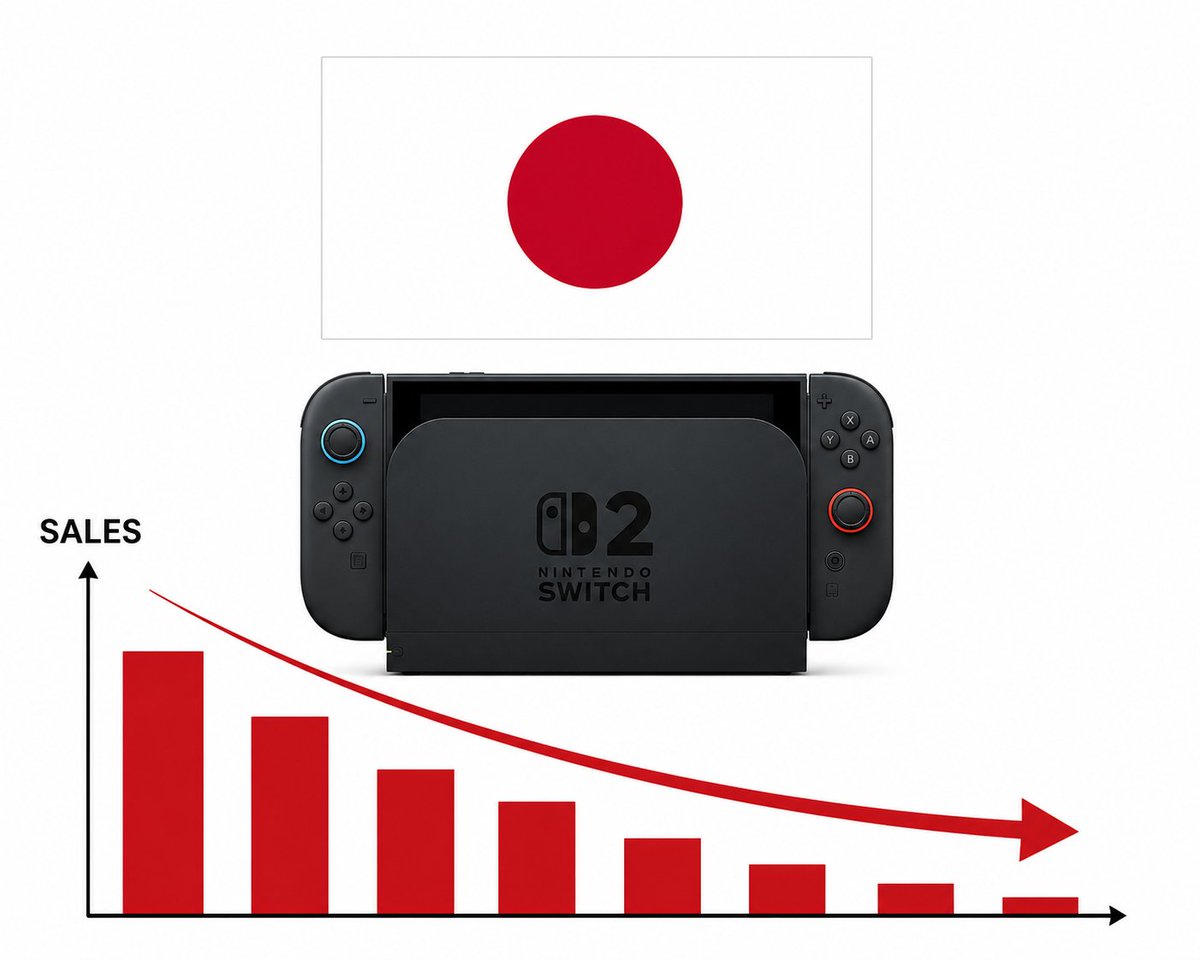
Understanding the Switch 2 Sales Decline and Nintendo’s Long-Term Strategy
Supply and demand dynamics play a major role in interpreting the reported Switch 2 sales decline. If shipments are inconsistent or intentionally staggered, weekly sales figures can fluctuate significantly. The Switch 2 may be experiencing a temporary supply adjustment as manufacturing and distribution networks stabilize following launch, which is common for new hardware platforms as production ramps are optimized.
On the demand side, launch periods typically generate a surge of consumer interest driven by pre-orders, early adopters, and limited availability. Once this initial wave of purchases has been fulfilled, sales naturally settle into a more sustainable and predictable pattern. As a result, large percentage declines from launch-week numbers can appear dramatic even when they reflect normal market behavior. The combination of supply adjustments and post-launch demand normalization often explains sudden drops reported in short-term sales data.
Nintendo has historically followed a phased hardware rollout strategy that prioritizes long-term ecosystem stability over maximizing short-term sales spikes. This approach balances supply constraints, pricing control, and software-driven demand cycles. By carefully managing hardware availability during launch periods, the company can maintain strong demand while gradually increasing production capacity. This strategy has been used across multiple Nintendo console generations and is likely influencing the Switch 2 rollout as well.
When comparing the reported 87 percent decline with previous weeks, it is important to recognize that launch periods almost always represent peak demand. Similar patterns have been observed across many console generations, where sales fall sharply after the initial rush of purchases. For this reason, analysts typically focus less on launch-week comparisons and more on the sales baseline that emerges in the weeks and months that follow. Future performance will provide a clearer picture of whether the platform is maintaining a healthy long-term trajectory.
Industry analysts remain divided on the significance of the decline. Some view it as a standard post-launch correction that was always expected, while others point to pricing changes and supply conditions as potentially larger contributing factors. Many analysts also stress that early hardware sales are not necessarily reliable indicators of a console’s lifetime success. Instead, software attach rates, ecosystem engagement, player retention, and the strength of future game releases tend to offer a more accurate measure of platform health. Additionally, analysts note that trends in Japan do not always reflect global performance, as regional markets often respond differently to economic conditions and consumer preferences.
Despite the decline, a recovery in Japan remains entirely possible. Console sales frequently rebound after stabilization periods, particularly when major software releases, promotional campaigns, or attractive hardware bundles are introduced. Upcoming first-party games could serve as powerful drivers of renewed demand, while seasonal sales events and targeted marketing efforts may further boost consumer interest. Pricing adjustments or bundled offerings could also help strengthen the platform’s position in the market.
Following a price increase, Nintendo’s next challenge is reinforcing the overall value proposition of the Switch 2. Companies often address this by introducing game bundles, special-edition hardware, or additional service benefits that make the platform more appealing. Nintendo is also expected to lean heavily on its first-party software lineup, as franchises such as Mario, Zelda, and Pokémon have historically been among the strongest drivers of hardware adoption. Marketing efforts may increasingly focus on the long-term benefits of joining the Switch ecosystem rather than the initial cost of the hardware itself.
From a historical perspective, large post-launch sales declines are not unusual in the gaming industry. Many consoles experience steep drops after pre-orders are fulfilled and early adopters have made their purchases. These declines are typically followed by a stabilization phase during which weekly sales become more consistent. Major game launches later in a console’s lifecycle can then trigger temporary sales spikes that renew momentum and attract new buyers. Viewed through this lens, the Switch 2’s reported decline may appear dramatic in percentage terms, but the overall pattern aligns with behavior seen throughout the industry.
Ultimately, the reported sales drop should be viewed as part of a broader lifecycle transition rather than a definitive indication of failure. Early hardware sales cycles are often volatile, particularly in markets such as Japan, where sales tracking is highly detailed and closely monitored. For Nintendo, the primary priorities moving forward will be maintaining strong ecosystem engagement, delivering a steady stream of compelling software, managing consumer perceptions around pricing, and ensuring adequate hardware availability. If those factors remain aligned, the Switch 2 can still achieve long-term success despite short-term fluctuations in sales performance.

Frequently Asked Questions
- What should we expect next?
Stabilization followed by potential growth during major software releases is the most likely scenario. Analysts and industry observers will be watching future sales reports, upcoming Nintendo game launches, seasonal promotions, and holiday demand to determine how the Switch 2 performs over the longer-term release windows. - Why did Switch 2 sales drop 87 percent in Japan?
The drop is largely attributed to post-launch normalization, supply changes, and pricing adjustments. New consoles often experience extremely high sales during their launch period as eager fans rush to buy them. Once that initial demand is satisfied, weekly sales typically decline significantly. Changes in stock availability and any price increases may have also reduced the number of purchases during the reported week. - Does this mean the Switch 2 is failing?
No, early sales fluctuations are common and do not indicate long-term performance. A sharp decline after a record-breaking launch is normal in the gaming industry. The console’s overall success will depend on factors such as software support, long-term demand, hardware availability, and sales performance over several months or years rather than a single week. - Did the price increase affect sales?
Yes, higher pricing likely contributed to delayed or reduced short-term purchases. Some consumers may choose to wait for discounts, special promotions, or bundled packages before buying. In a market like Japan, where consumers closely monitor pricing, even modest increases can influence purchasing decisions. - Is demand for Switch 2 still strong?
Yes, early demand remains strong, especially among core Nintendo fans. Interest in the new hardware remains high due to its upgraded features and the popularity of Nintendo’s gaming ecosystem. While launch demand has naturally cooled, there is still significant interest from consumers who have not yet upgraded. - Are supply issues affecting sales?
Supply fluctuations may have contributed to weekly sales changes. If retailers receive fewer units in a given week, sales numbers can appear lower even when consumer demand remains healthy. Availability often varies during the months following a major console launch. - Will Switch 2 sales recover?
Yes, recovery is likely with new game releases and promotional bundles. Major first-party titles, holiday shopping seasons, and special hardware bundles often encourage additional purchases. Many consoles experience multiple sales boosts throughout their lifecycle rather than maintaining launch-level momentum. - How does this compare to other consoles?
Similar drops often occur after launch periods across the industry. Many successful consoles have seen steep declines in weekly sales after their debut because launch demand is concentrated into a short period. What matters more is whether the console can sustain consistent sales over time. - Is Japan different from other markets?
Yes, Japan is highly sensitive to pricing and weekly retail tracking. Sales reports from Japan are closely monitored, and consumers often respond quickly to changes in price, availability, and software releases. As a result, weekly fluctuations can appear more dramatic than in some other regions. - What role does software play in sales?
Major game releases are key drivers of hardware demand. Many consumers purchase a console specifically to play certain exclusive titles. Strong first-party releases, popular third-party games, and upcoming launch-window titles can significantly increase hardware sales and attract new buyers.

Conclusion
The reported 87 percent drop in Switch 2 hardware sales in Japan reflects a combination of post-launch normalization, pricing adjustments, and supply-demand recalibration rather than a definitive decline in platform performance. While the percentage appears dramatic, it aligns with historical patterns seen across console generations. Moving forward, the system’s success will depend on pricing strategy, software releases, and sustained ecosystem engagement. With strong first-party support and established brand power, Nintendo remains well-positioned to stabilize and potentially grow Switch 2 momentum in the Japanese market over time.
Sources and Citation
- Nintendo Official Website
https://www.nintendo.com - Nintendo Corporate Information & Investor Relations
https://www.nintendo.co.jp/ir/en - Nintendo Financial Results and Corporate Reports
https://www.nintendo.co.jp/ir/en/finance - Circana Video Game Industry Reporting & Consumer Data
https://www.circana.com/industries/video-games - Circana 2026 Video Game Industry Forecast
https://www.circana.com/post/circana-forecasts-a-transformative-year-for-video-games-in-2026 - Ampere Analysis – Games Market Performance & Forecasts
https://www.ampereanalysis.com/product/about/games-markets - Polygon – Switch 2 Fastest-Selling Video Game Hardware in U.S. History
https://www.polygon.com/news/615368/nintendo-switch-2-fastest-selling-video-game-hardware-device-united-states - The Verge – Video Game Hardware Sales and Market Trends
https://www.theverge.com/news/846693/video-game-hardware-sales-november-2025-circana - GamesRadar – Industry Analysis of Rising Console Prices and Hardware Sales Trends
https://www.gamesradar.com/games/game-hardware-is-now-usd200-more-expensive-on-average-than-it-was-in-2019-according-to-industry-analyst-it-could-potentially-be-catastrophic - TechRadar – Console Lifecycle Analysis and Switch 2 Performance
https://www.techradar.com/gaming/a-year-on-my-switch-2-has-more-than-proved-its-worth-but-nintendo-needs-to-act-fast-if-it-wants-to-break-its-generational-curse - Wall Street Journal – Nintendo Switch 2 Sales and Financial Performance
https://www.wsj.com/business/earnings/nintendo-keeps-switch-2-sales-earnings-forecasts-despite-strong-results-470124df - ResearchGate – Nintendo Switch Success Factors and Historical Console Lifecycle Analysis
https://www.researchgate.net/publication/366331853_Key_Success_Factors_Study_of_Nintendo_Switch_in_Gaming_Console_Market
Recommendations
- Dreamlight Valley: All Spring Island Quiz Answers (Springtime Floating Festival Guide)
- Phantom Blade Zero Delayed to October 29, 2026 Official Announcement
- Top Gun Celebrates Its 40th Anniversary With New Limited Edition 4K Steelbook Blu-ray — Release Date, Preorder Details, Specs & Special Features
- Neverness To Everness Esper Cycle Guide: Reactions, Meter, and Team Building
- Subnautica 2: Top 15 Things The Game Doesn’t Tell You
- Blindfire is Now Free to Play and Will Stick Around for ‘years’ so Players Can See What the Studio Created. Failed Online Shooter Won’t Shut Down Because ‘Games Are Art and Deserve to Be Preserved’
- How to Make a Sci-Fi Movie with Metahuman in Unreal Engine 5: A Cinematic Workflow Guide
- Invincible VS Global Release Times Confirmed: Full Launch Schedule by Time Zone (PDT, EDT, BST, CEST, UTC)
- Blindfire is Now Free to Play and Will Stick Around for ‘years’ so Players Can See What the Studio Created. Failed Online Shooter Won’t Shut Down Because ‘Games Are Art and Deserve to Be Preserved’
- Top Gun Celebrates Its 40th Anniversary With New Limited Edition 4K Steelbook Blu-ray — Release Date, Preorder Details, Specs & Special Features



































































































