




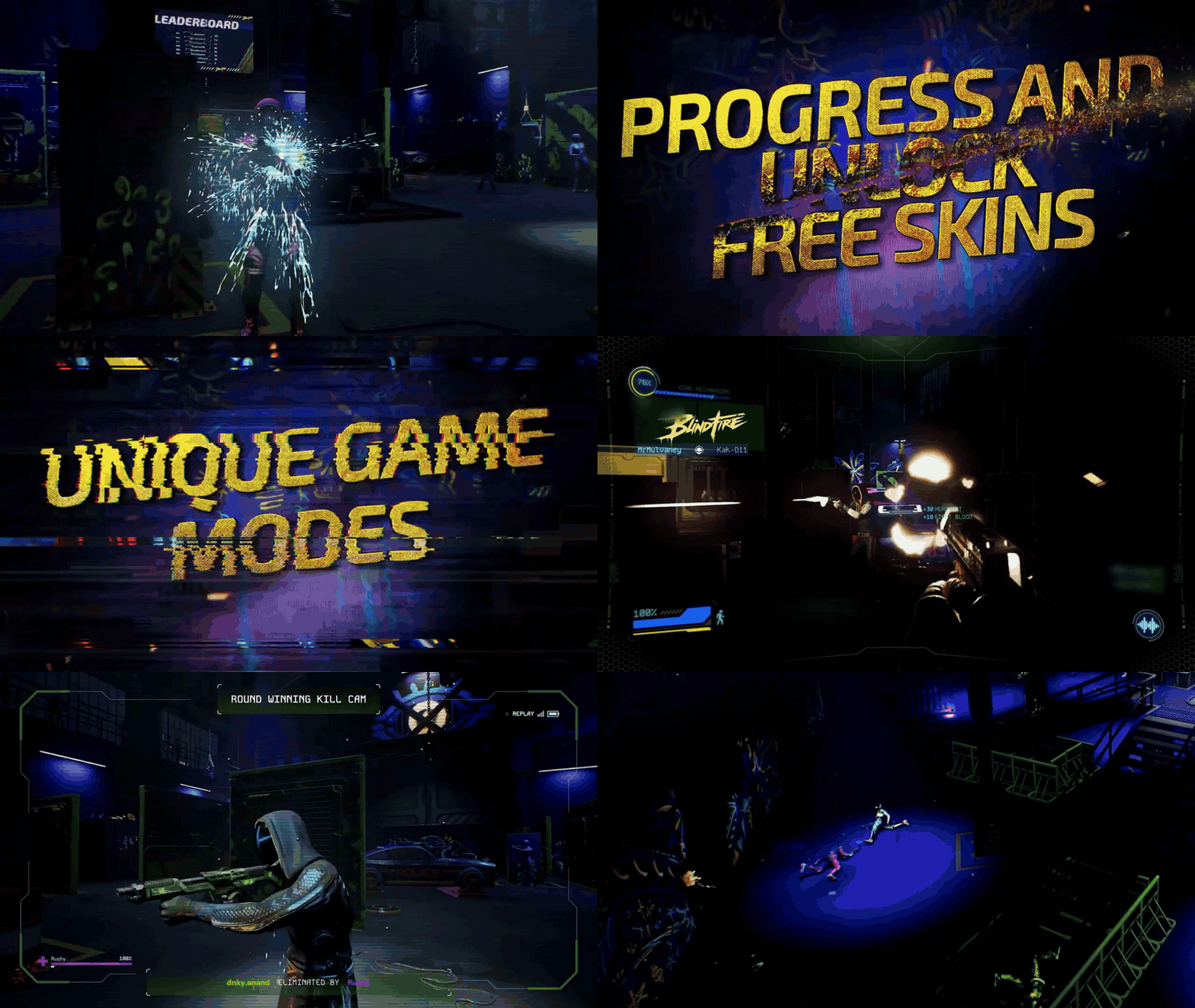
Why Blindfire Went Free to Play After Failing to Find an Audience
Blindfire’s transition to a free-to-play model is one of the most discussed pivots in recent multiplayer shooter history, largely because it represents a deliberate attempt to preserve a game that did not achieve commercial success in its original paid form. Developed with ambitious accessibility goals and a unique sensory-based combat system, Blindfire struggled to maintain a stable player base after launch. Despite early curiosity, retention numbers dropped as the competitive shooter market became increasingly saturated.
The decision to go free to play was not simply a monetization adjustment, it was a survival strategy. The developers recognized that maintaining paid entry created a barrier that limited experimentation and community growth. In contrast, a free model allowed the game to function as a long-term experimental space, ensuring that Blindfire is now free to play and will stick around for ‘years’ so players can see what the studio created.
At its core, this pivot reflects a broader shift in modern game design philosophy: sometimes the value of a game is not in its immediate financial success but in its artistic and experiential contribution to the medium.
Blindfire: Lights Out Explained for New Players
Blindfire: Lights Out is structured around an unconventional FPS experience where traditional visual dominance is stripped away. Instead of relying on constant visibility, players operate in environments where darkness plays a central role in survival and combat strategy.
New players often describe the experience as disorienting at first. Unlike conventional shooters where maps are brightly lit and enemies are easily identifiable, Blindfire forces players to rely on auditory cues, weapon feedback, environmental echoes, and movement patterns.
The “Lights Out” concept essentially transforms each match into a tactical soundscape. Every footstep, reload, or ricochet becomes critical information. As a result, learning Blindfire requires players to rewire their instincts about what “awareness” means in a competitive shooter.
The onboarding experience is intentionally gradual, allowing players to slowly adapt to its sensory-first design rather than overwhelming them with complexity.

Why Double Eleven Refused to Shut Down Blindfire Servers
One of the most significant aspects of Blindfire’s ongoing lifecycle is the decision by developer Double Eleven to keep its servers online despite poor commercial performance. In an industry where underperforming live-service games are often shut down quickly, this choice stands out as a philosophical statement.
Double Eleven’s stance is rooted in the belief that games are not disposable products. Instead, they are creative works that deserve preservation. Shutting down Blindfire would have meant erasing a fully realized experimental design that explores accessibility, perception, and multiplayer interaction in a way few other shooters attempt.
The studio has emphasized that maintaining servers is not only technically feasible but also ethically aligned with their view of games as cultural artifacts. This approach ensures that Blindfire remains accessible for players who want to study, experience, or simply enjoy its unique design, even years after its initial decline.
Failed Online Games that Were Preserved Instead of Deleted
Blindfire joins a small but growing category of online games that avoided permanent shutdown despite failing commercially. Historically, many multiplayer titles disappear entirely once servers are turned off, leaving no way for players to revisit them.
Examples of preserved online games typically share one common trait: they offer something experimentally valuable to game design. Rather than being discarded, they are maintained in “legacy” or “low-support” modes.
Blindfire’s preservation highlights a shift in industry thinking. Instead of viewing failure as an endpoint, developers are increasingly seeing it as part of the historical record of game innovation. This aligns with broader conversations about digital preservation, especially as online-only games become more common.
The idea that games should be preserved rather than deleted is gaining momentum among both developers and players, particularly those interested in gaming history and interactive media studies.
Blindfire’s Unique Gameplay Mechanics Explained
Blindfire’s mechanics are built around the absence of traditional visual dominance. Instead of constant visual clarity, the game forces players into partial or complete darkness scenarios where perception is fragmented.
Core mechanics include:
- Sound-based enemy detection
- Limited visibility zones
- Environmental echo mapping
- Reactive audio feedback from weapons
- Movement-based detection systems
These mechanics work together to create a gameplay loop where survival depends more on interpretation than reaction speed. Players must interpret sound patterns and spatial cues to anticipate enemy movement.
Unlike traditional FPS games that reward fast reflexes and aim precision alone, Blindfire introduces a cognitive layer that emphasizes interpretation of incomplete information.
What Makes Blindfire Different from Other FPS Games
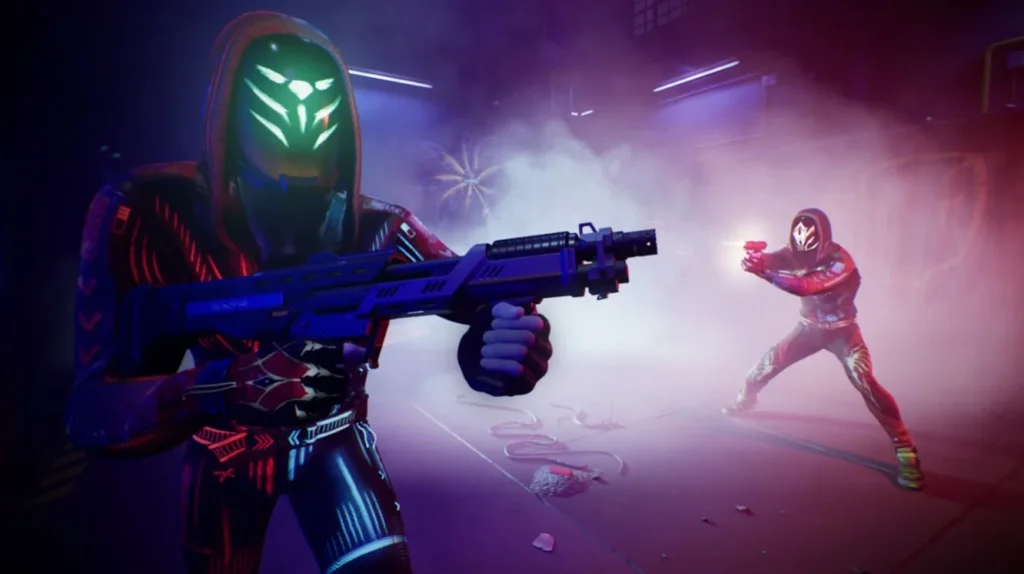
Blindfire distinguishes itself from mainstream FPS titles by fundamentally altering the sensory hierarchy of gameplay. In most shooters, vision is the dominant sense. In Blindfire, vision is intentionally degraded or removed as a primary tool.
This shift creates a different kind of competitive tension. Instead of relying on visual tracking, players must constantly assess risk through sound and prediction.
The game also avoids standard minimap dependence, further reinforcing immersion. The absence of constant UI-driven guidance forces players to internalize map knowledge and rely on memory and auditory intuition.
As a result, Blindfire occupies a unique niche between tactical shooter design and experimental accessibility-focused gameplay.
Blindfire Accessibility Features for Blind and Partially Sighted Players
One of Blindfire’s most important design contributions is its focus on accessibility. The game was developed with partially sighted and blind players in mind, ensuring that audio design is not just supplementary but foundational.
Key accessibility features include:
- Highly directional audio cues
- Adjustable sound layering
- Haptic feedback integration support
- Audio description systems for key in-game events
- Customizable contrast and visual assistance settings
These systems allow players with visual impairments to compete on more equal footing with sighted players. Rather than treating accessibility as an afterthought, Blindfire integrates it directly into core gameplay mechanics.
This approach has been widely praised as an example of inclusive game design that does not compromise competitive integrity.
How Blindfire Uses Darkness and Sound in Multiplayer Combat
The core identity of Blindfire is defined by its use of darkness and sound as primary gameplay tools. Darkness is not simply aesthetic, it is functional. It determines how players move, engage, and survive.
Sound becomes the primary method of spatial awareness. Players can detect movement through subtle environmental cues, including:
- Footstep resonance on different surfaces
- Weapon discharge echo trails
- Environmental object interactions
- Proximity-based audio distortion
Combat becomes a layered experience where positioning is just as important as aiming. Players often engage in “audio duels,” where identifying the opponent’s exact position before they do the same is the key to survival.
This creates a unique tension that is rarely seen in traditional FPS design.
Blindfire Player Count Decline and What Went Wrong
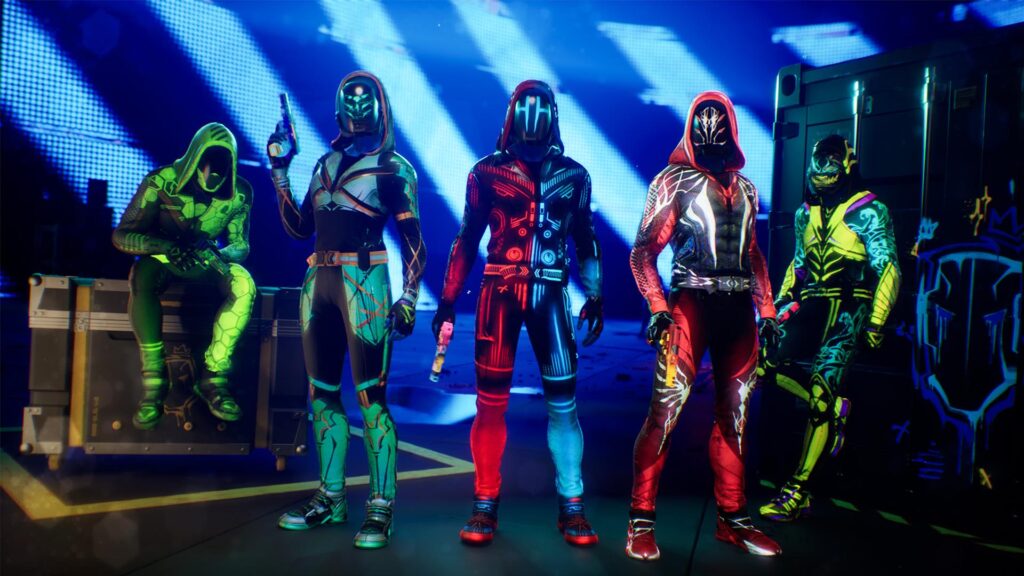
Despite its innovation, Blindfire struggled to maintain a strong player base. Several factors contributed to its decline:
- High competition in the FPS genre
- Steep learning curve for new players
- Niche appeal of its sensory-based design
- Limited marketing visibility compared to larger shooters
- Lack of mainstream competitive esports integration
The game’s design, while innovative, also made it less immediately accessible to casual players who prefer fast visual feedback and straightforward mechanics.
As player numbers dropped, matchmaking times increased, further accelerating decline. However, instead of shutting down the game, the developers chose preservation over abandonment.
Why Online Game Preservation Matters More than Ever
The preservation of online games like Blindfire has become increasingly important as the industry shifts toward always-online experiences. Without preservation efforts, entire creative works risk disappearing once servers shut down.
Game preservation matters for several reasons:
- Cultural documentation of interactive media
- Academic study of game design evolution
- Historical record of digital creativity
- Accessibility for future generations of players
Blindfire represents a growing recognition that games are not just commercial products but cultural artifacts. This perspective supports the idea that even unsuccessful games deserve longevity.
Blindfire vs Concord and Other Failed Multiplayer Shooters
Comparisons between Blindfire and other failed multiplayer shooters highlight different approaches to post-launch management. Some games are shut down quickly, while others are allowed to persist in reduced or preserved states.
Unlike titles that are completely removed from access, Blindfire continues to operate, albeit with a smaller but stable community.
This contrast highlights different philosophies in game publishing: one prioritizes efficiency and cost reduction, while the other prioritizes artistic preservation and player access.
Can Free to Play Save Dead Multiplayer Games?
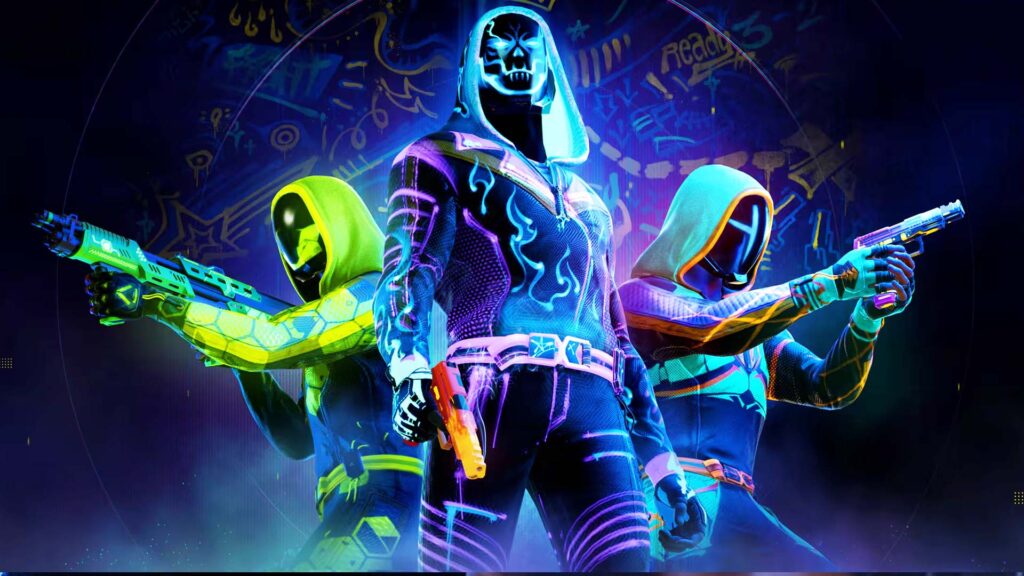
The free-to-play model is often seen as a second chance for struggling games. In Blindfire’s case, it serves both as a revival strategy and a preservation method.
Free access lowers entry barriers, increases experimentation, and can revive small communities. However, it does not guarantee success. Many games still fail to regain momentum even after removing price barriers.
For Blindfire, the goal is not necessarily massive resurgence but long-term accessibility. The shift ensures that anyone curious about the game can still experience it without financial restriction.
Blindfire Final Update Adds New Weapons and Features
As part of its extended lifecycle, Blindfire received a final major update that introduced additional weapons and refinements to core systems. These updates were designed not to reinvent the game but to refine and stabilize its experience.
New weapons added variety to combat encounters, while balance adjustments improved fairness in audio-based detection mechanics. Additional accessibility enhancements further strengthened the game’s inclusive design goals.
This final update serves as both a content expansion and a preservation milestone.
Why Gamers Are Praising Double Eleven’s Preservation Decision
The gaming community has largely responded positively to Double Eleven’s decision to keep Blindfire alive. Many players view it as a rare example of developer commitment to artistic integrity.
Rather than abandoning the project, the studio chose to maintain it as a playable artifact. This has sparked discussions about ethical responsibility in game development, particularly for online-only titles.
Players appreciate the opportunity to continue experiencing a unique FPS that would otherwise have been lost.

The Growing Problem of Online Games Disappearing Forever
One of the biggest concerns in modern gaming is the increasing number of online-only games that disappear permanently after server shutdowns.
This trend raises concerns about:
- Loss of digital history
- Wasted creative effort
- Limited archival preservation
- Player ownership of purchased games
Blindfire stands as a counterexample, showing that even unsuccessful games can be preserved for future access.
Frequently Asked Questions (FAQs)
- What is Blindfire?
Blindfire is a multiplayer FPS that uses darkness and sound instead of traditional visual combat. - Why is Blindfire now free to play?
It became free to increase accessibility and preserve its player base. - Is Blindfire shutting down?
No, its servers will remain online for years. - Who developed Blindfire?
It was developed by Double Eleven. - What makes Blindfire different from other shooters?
It focuses on sound-based combat and limited visibility. - Is Blindfire accessible for blind players?
Yes, it includes extensive audio-based accessibility features. - Why did Blindfire fail commercially?
It struggled with competition and a niche gameplay style. - Can Blindfire still be played today?
Yes, it is currently available and free to play. - What is the main gameplay mechanic?
Sound-based detection and combat in low-visibility environments. - Why did developers keep it online?
Because they believe games are art and deserve preservation.

Conclusion
Blindfire represents a rare case in modern gaming where failure does not equate to disappearance. Instead of being shut down and forgotten, it has been preserved as an evolving digital artifact that reflects experimental design, accessibility innovation, and philosophical commitment to games as art.
The decision by Double Eleven to keep Blindfire alive reinforces a growing movement in the industry that values preservation over deletion. While the game did not achieve mainstream success, its continued availability ensures that its ideas, systems, and accessibility innovations remain accessible for years to come.
Sources and Citations
- Double Eleven Developer Statements on Game Preservation
- citation, https://store.steampowered.com/app/2854480/Blindfire/
- citation, https://www.pcgamer.com/games/fps/indie-shooter-devs-pull-a-reverse-concord-no-one-played-their-game-but-they-make-it-free-to-play-and-keep-the-servers-online-indefinitely-anyway/
- citation, https://games.gg/news/blindfire-free-to-play-servers-indefinitely/
- citation, https://kotaku.com/blindfire-free-to-play-steam-shooter-fps-update-shut-down-2000694020
- citation, https://www.asatunews.co.id/en/blindfire-free-permanent-servers-update
- Blindfire Official Patch Notes and Final Update Documentation
- citation, https://steamdb.info/patchnotes/22733233/
- citation, https://www.blindfiregame.com/news/patch-8
- citation, https://www.blindfiregame.com/news/patch-9
- citation, https://steamdb.info/app/2854480/patchnotes/
- citation, https://steamcommunity.com/app/2854480
- Industry Analysis of Live-Service Game Closures and Preservation Trends
- citation, https://kotaku.com/blindfire-free-to-play-steam-shooter-fps-update-shut-down-2000694020
- citation, https://www.pcgamer.com/games/fps/indie-shooter-devs-pull-a-reverse-concord-no-one-played-their-game-but-they-make-it-free-to-play-and-keep-the-servers-online-indefinitely-anyway/
- citation, https://games.gg/news/blindfire-free-to-play-servers-indefinitely/
- citation, https://www.reddit.com/r/pcgaming/comments/1t5q17u/what_do_you_think_about_this_blindfires_about/
- Game Accessibility Research Reports on Audio-Based FPS Design
- citation, https://steamdb.info/patchnotes/22733233/
- citation, https://gamingtrend.com/impressions/blindfire-early-access-impressions-taking-a-shot-in-the-dark/
- citation, https://store.steampowered.com/app/2854480/Blindfire/
- Player Community Discussions and Post-Launch Reviews of Blindfire
- citation, https://steamcommunity.com/app/2854480/reviews/
- citation, https://steamcommunity.com/app/2854480/reviews/?browsefilter=toprated
- citation, https://www.reddit.com/r/BlindfireGame/
- citation, https://www.youtube.com/watch?v=sLEhAswyN5w
- Studies on Digital Preservation in Interactive Media
- citation, https://kotaku.com/blindfire-free-to-play-steam-shooter-fps-update-shut-down-2000694020
- citation, https://games.gg/news/blindfire-free-to-play-servers-indefinitely/
- citation, https://www.facebook.com/kotaku/posts/we-are-doing-this-because-we-believe-games-are-art-and-they-deserve-to-be-preser/1321050743229867/
- citation, https://arxiv.org/abs/1906.11351
Recommended
- Halfbrick cuts 41 jobs: what happened at the Fruit Ninja and Jetpack Joyride studio (March 2026)
- Disney CEO Says Gaming Could Be the Company’s Next Big Growth Driver as Fortnite Strategy Expands
- LEGO Batman: Legacy of the Dark Knight Reveals Gotham by Gaslight Batsuit: Release Date, Trailer Details, and How the Suit Fits the Game
- How to Modify MetaHuman: A Comprehensive Guide
- inZOI: The Ultimate Life Simulation Game – Features, Gameplay, and Comparisons
- FBC: Firebreak just got its last ever major update (Open House), plus a permanent price drop and free Friend’s Pass
- Tomodachi Life: Living the Dream Was In Development For Almost A Decade (9 Year Timeline Explained)
- Love Death and Robots Season 4: Release Date, Episodes, Animation Studios, and Everything We Know So Far
- Slay the Spire 2 Record Metrics: Steam Player Peaks, China Popularity, and the Deck-Building Roguelike Genre in 2026
- Lego Batman: Legacy of the Dark Knight’s release date moves up a week — new May 22, 2026 launch