






In This Article (9 sections)
The Lost Wild Overview: a Jurassic Park-Inspired Survival Horror Game
The Lost Wild is an utterly terrifying mix of Jurassic Park and Alien: Isolation-style survival horror, blending cinematic dinosaur tension with modern stealth-based gameplay design. As anticipation builds around the upcoming title, players and horror enthusiasts are closely watching how it redefines predator AI, environmental storytelling, and survival mechanics within a prehistoric nightmare setting.
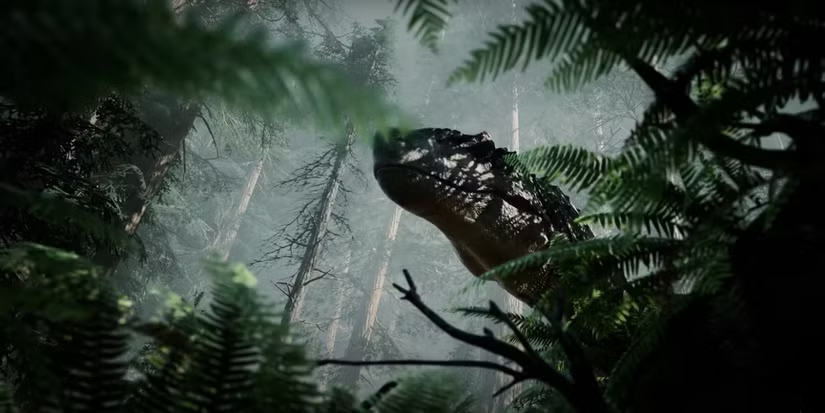
The Lost Wild is a first-person survival horror game centered on being hunted by intelligent dinosaurs in a dense, atmospheric wilderness environment. Unlike traditional action-heavy dinosaur games, it focuses on vulnerability, stealth, and survival instincts rather than combat dominance. Inspired heavily by Jurassic Park and the psychological tension of modern survival horror, the game emphasizes the feeling of being an intruder in a living ecosystem where humans are no longer at the top of the food chain. Instead of turning players into hunters, it turns them into prey navigating a hostile, unpredictable world.
The core premise revolves around a mysterious abandoned facility located on a remote island, where prehistoric creatures have reclaimed dominance. Players must uncover what happened while constantly avoiding encounters with apex predators that behave like real animals rather than scripted enemies. Unlike typical dinosaur games that lean into spectacle, The Lost Wild is designed to evoke fear through uncertainty, sound design, and environmental storytelling. Every step feels dangerous, every sound could attract attention, and every shadow could conceal something far deadlier than expected.

The Lost Wild Gameplay, Inspirations, Release Window, and Development Updates
The Lost Wild is built around tension-driven survival horror mechanics similar to Alien: Isolation, forcing players to rely on stealth, timing, and environmental awareness instead of direct confrontation. Players navigate semi-open environments filled with dense vegetation, abandoned research structures, and dynamic weather conditions, all while avoiding dinosaurs that patrol, hunt, and react to noise, movement, and, in some cases, scent. These predators are not static enemies, which means encounters are designed to feel unpredictable rather than scripted.
Stealth is the primary survival tool in The Lost Wild. Players must crouch through tall grass, hide behind debris, and use distractions to avoid detection. However, unlike many traditional stealth games, the predators are not fully predictable. They can abandon search patterns, double back unexpectedly, or respond to subtle environmental cues, making every encounter feel dangerous. The gameplay loop revolves around exploration, resource management, and avoidance, with no traditional combat systems that allow players to overpower dinosaurs. This reinforces the idea that survival depends on intelligence rather than strength.
The game also incorporates psychological pressure through limited visibility, reactive soundscapes, and unpredictable AI behavior. These elements create a constant sense of unease that mirrors the design philosophy of modern horror titles. The comparison between The Lost Wild, Jurassic Park, and Alien: Isolation comes from its unique fusion of thematic awe and mechanical tension. From Jurassic Park, the game inherits its ecological wonder and fear of uncontrolled nature, presenting dinosaurs not as monsters but as natural predators occupying their environment. This creates a sense of realism and respect for the creatures, even while they are actively hunting the player.
From Alien: Isolation, The Lost Wild takes the idea of an unstoppable, intelligent hunter that adapts to player behavior. Its AI-driven encounters are designed to feel organic rather than scripted, making each confrontation unique and unpredictable. Together, these influences create a hybrid experience where players feel both awe and terror. The world is beautiful but deadly, and every encounter reinforces the idea that survival is temporary and fragile. This combination is why The Lost Wild is often described as an utterly terrifying mix of cinematic dinosaur spectacle and claustrophobic survival horror design.
As of current development discussions, The Lost Wild is expected to release within a late development window that could fall between 2026 and 2027, depending on production milestones and optimization goals. The developers have emphasized that the game is being carefully built to ensure its AI systems, environmental interactions, and survival mechanics meet a high level of polish before release. This has contributed to speculation about a longer development cycle compared to typical indie horror titles.
Platform expectations include PC as the primary launch platform, with potential console releases following after optimization. The game’s technical demands, particularly its dynamic AI systems and dense environmental rendering, suggest that next-generation hardware will be the primary focus. Development updates highlight continued refinement of dinosaur behavior systems, improved stealth mechanics, and expanded environmental interactivity. The team has also been working on balancing realism with gameplay clarity so that encounters remain frightening but not unfair. While no exact release date has been confirmed, anticipation continues to grow as new footage and developer insights are periodically released.

The Lost Wild Story, Survival Mechanics, and AI-Driven Dinosaur Behavior
The story of The Lost Wild unfolds on a remote, isolated island where a once-advanced research facility has fallen into decay. The environment suggests a sudden collapse, leaving behind remnants of scientific experimentation and containment failure. Players assume the role of a lone survivor or investigator attempting to uncover what happened to the facility’s original occupants. Environmental storytelling plays a major role, with audio logs, scattered documents, and visual clues revealing fragments of the past.
The dinosaurs roaming the island are not random occurrences; they are the result of controlled experiments that spiraled out of control. The island itself becomes a character, reflecting both human ambition and ecological consequence. As players progress, they begin to understand that survival is not just about avoiding predators but also about uncovering the truth behind the catastrophe. The story blends mystery with horror, creating a layered experience where danger and curiosity constantly conflict.
The gameplay mechanics of The Lost Wild revolve around three core survival strategies: evasion, concealment, and psychological manipulation. Evasion is the most common method of survival, requiring players to move carefully through environments while avoiding detection. This means paying close attention to terrain, wind direction, and sound propagation. Hiding involves using environmental structures such as foliage, abandoned vehicles, and ruined buildings, but it does not always guarantee safety, as some predators can detect movement or a lingering presence.
Intimidation is a unique mechanic that allows players to influence dinosaur behavior without engaging in combat. Certain environmental tools or visual cues can momentarily deter predators, creating opportunities for escape. This system adds depth to encounters by introducing risk-reward decision-making. Together, these mechanics reinforce the game’s central philosophy: survival is about adaptation, not domination.
One of the most ambitious aspects of The Lost Wild is its use of AI-driven dinosaur behavior designed to mimic real animal instincts. Instead of following scripted patrol routes, dinosaurs react dynamically to stimuli in their environment. They respond to sound, movement, and environmental disturbances in unpredictable ways. Some may investigate cautiously, while others may charge aggressively or abandon pursuit entirely.
This creates a living ecosystem where predators behave more like wildlife than video game enemies. The unpredictability forces players to remain constantly alert, as no two encounters play out the same way. The AI also simulates hunting behavior, meaning dinosaurs may stalk players over time, learn patterns, and adjust their approach. This adds a psychological layer to gameplay, where players feel observed and pursued even when no immediate threat is visible.

The Lost Wild Compared to Jurassic Park Games and Alien: Isolation
Compared to traditional dinosaur games inspired by Jurassic Park, The Lost Wild takes a significantly darker and more grounded approach. Most Jurassic Park-based games focus on action, park management, or cinematic spectacle, while The Lost Wild removes empowerment entirely and replaces it with vulnerability. There are no weapons that allow players to dominate dinosaurs. Instead, the game emphasizes survival realism and environmental awareness, shifting the emotional tone from excitement to dread. The result is a new era of dinosaur horror where players are not observers of prehistoric life but participants in a fragile ecosystem where they are the weakest element.
The comparison with Alien: Isolation is rooted in structural design philosophy. Both games center on an overwhelming threat that cannot be easily defeated. In Alien: Isolation, the Xenomorph adapts to player behavior, creating an unpredictable and persistent danger. The Lost Wild applies a similar philosophy to dinosaurs, making them intelligent, reactive predators. Both games also emphasize stealth over combat, forcing players to rely on hiding, distraction, and careful movement rather than confrontation. The tension in both experiences comes from uncertainty, as players never fully understand where the threat is or when it will strike, creating sustained psychological pressure.
Early impressions of The Lost Wild suggest that it may become one of the most intense dinosaur horror experiences ever created. Its combination of realistic AI behavior, immersive environments, and survival-focused mechanics sets it apart from previous entries in the genre. The fear factor comes not from scripted jump scares but from sustained tension, with players reportedly feeling constantly watched even when no dinosaur is visible. The unpredictability of encounters amplifies this fear because dinosaurs do not follow fixed patterns, meaning every moment in the game carries potential danger. While “scariest” is subjective, The Lost Wild clearly positions itself as a serious contender in the survival horror space, particularly for fans of creature-based terror.

The Lost Wild’s Non-Combat Survival Horror, Gameplay Footage, and Alien: Isolation Influence
A defining feature of The Lost Wild is its commitment to non-combat survival horror. There are no traditional firearms or combat systems that allow players to kill or overpower dinosaurs. Instead, survival depends entirely on strategy, awareness, and environmental interaction. Players must think like prey, not predators, which reinforces the emotional tone of helplessness and vulnerability. This design choice also encourages deeper engagement with the environment, as every object and sound can become a tool for survival. By removing combat, the game heightens tension and ensures that every encounter feels meaningful and potentially deadly.
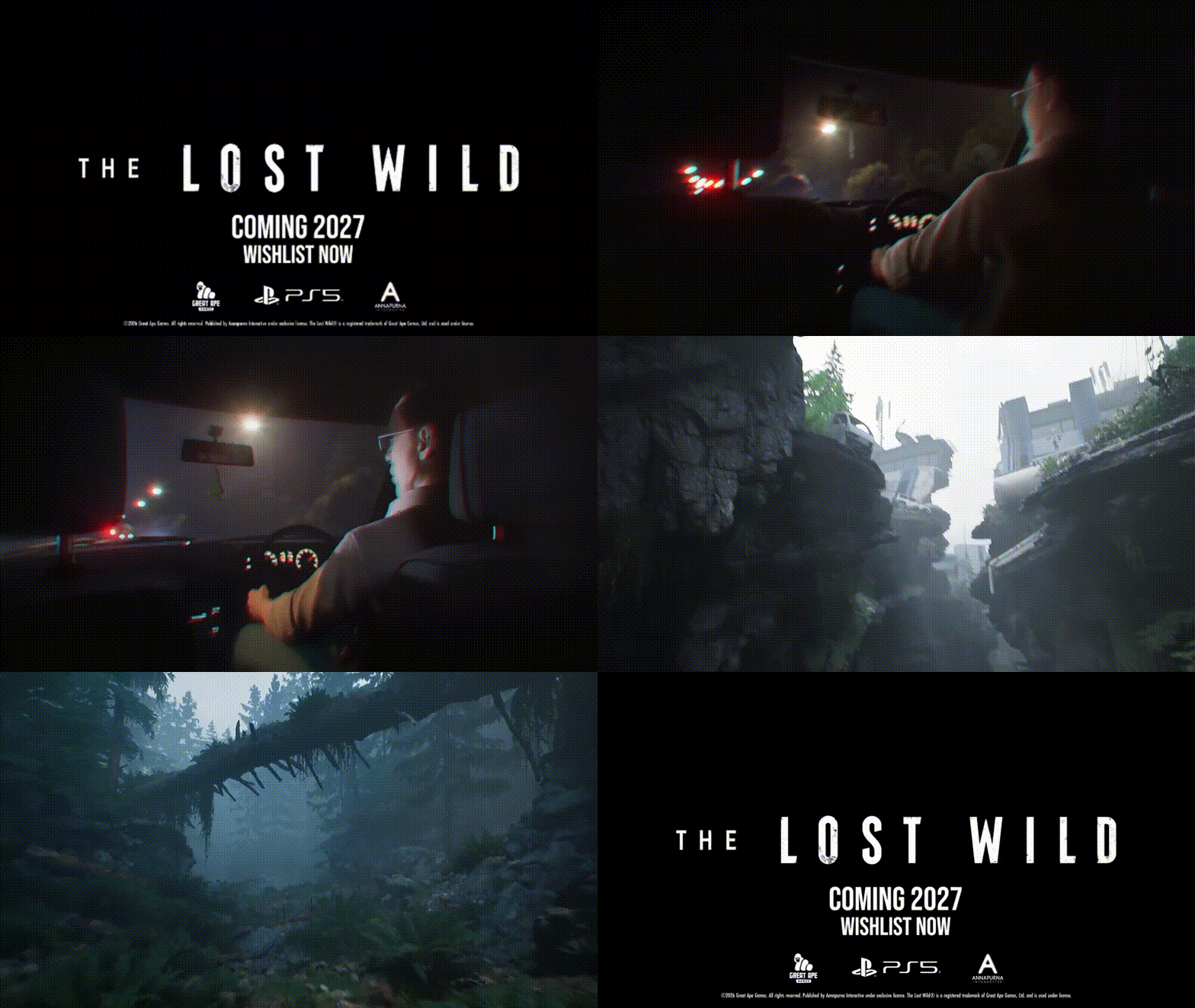
Recent trailers for The Lost Wild showcase dense jungle environments, abandoned research structures, and highly detailed dinosaur animations. The footage highlights the game’s emphasis on atmospheric tension rather than action, with long moments of silence interrupted by distant roars or sudden movement in the foliage. Dinosaurs appear to move with naturalistic behavior, scanning environments, reacting to sound, and interacting with terrain. The trailer also emphasizes stealth mechanics, showing the player crouching, hiding, and slowly navigating dangerous areas without direct confrontation. Overall, the footage reinforces the game’s identity as a slow-burn survival horror experience rather than a fast-paced action title.
Developers have openly acknowledged the influence of Alien: Isolation on The Lost Wild’s design philosophy. The key inspiration lies in creating a dominant threat that cannot be easily understood or overcome, forcing players to rely on observation and adaptation. The developers also draw from Alien: Isolation’s use of dynamic AI systems that create emergent gameplay moments rather than scripted sequences. However, The Lost Wild expands on this idea by introducing multiple predator types and a more open environmental structure, increasing both unpredictability and exploration depth.
Frequently Asked Questions (FAQs)
- What is The Lost Wild about?
The Lost Wild is a survival horror game set on a mysterious island where players are hunted by intelligent dinosaurs. The experience focuses on surviving in a dangerous environment where prehistoric predators are a constant threat. Rather than presenting dinosaurs as targets to defeat, the game places players in a vulnerable position, making exploration, awareness, and careful movement central to the experience. - Is The Lost Wild combat-based?
No, The Lost Wild is not built around traditional combat. Its main focus is stealth and survival, meaning players are expected to avoid danger rather than confront it directly. This creates a more tense style of gameplay where staying hidden, moving carefully, and making smart decisions are more important than fighting. - What inspired The Lost Wild?
The Lost Wild is inspired by Jurassic Park and Alien: Isolation. From Jurassic Park, it draws on the fear and awe of encountering dinosaurs in a dangerous setting. From Alien: Isolation, it takes influence from stealth-focused survival horror, especially the idea of being pursued by an intelligent and unpredictable threat. - When will The Lost Wild be released?
The Lost Wild is expected to release around 2026 to 2027, but no exact release date has been confirmed. This means the game currently has a broad release window rather than a specific launch day. Players following the game will need to wait for further official updates before a final date is announced. - What platforms will it be on?
The Lost Wild is primarily expected to release on PC. There may also be future console releases, but those have not been confirmed as the main launch focus. For now, PC is the main platform associated with the game, while console availability remains a possibility for later. - Are dinosaurs in The Lost Wild scripted?
No, the dinosaurs are not described as scripted enemies. They use dynamic AI behavior systems, which means their actions are designed to feel less predictable. This approach helps create tension because players cannot simply memorize fixed patterns and must instead react to how the dinosaurs behave in the moment. - Can you fight dinosaurs in the game?
No, the game does not center on fighting dinosaurs. Survival is based on avoidance and strategy, so players must focus on staying out of danger rather than overpowering predators. This makes careful planning, stealth, and environmental awareness essential parts of staying alive. - Is The Lost Wild open world?
The Lost Wild features semi-open environments with an exploration-based design. This means players can explore areas with some freedom, but the game is not described as a fully open-world experience. The structure supports discovery, tension, and survival while keeping the focus on dangerous encounters and atmospheric exploration. - How scary is The Lost Wild?
Early impressions suggest The Lost Wild is highly tense and psychologically immersive. Its horror comes from the feeling of being hunted, the uncertainty of dinosaur behavior, and the pressure of surviving without relying on combat. The atmosphere is designed to keep players alert and uneasy as they move through the island. - What makes it different from other dinosaur games?
The Lost Wild stands out because of its focus on realism, AI-driven predators, and non-combat survival mechanics. Instead of giving players power over dinosaurs, it emphasizes vulnerability and strategy. This makes the game feel more like a survival horror experience than a traditional dinosaur action game.

Conclusion
The Lost Wild represents a bold evolution in survival horror design by merging prehistoric awe with modern AI-driven terror. By removing traditional combat and emphasizing vulnerability, it creates a uniquely intense experience where players must survive against intelligent dinosaurs in an unpredictable ecosystem. Drawing inspiration from Jurassic Park and Alien: Isolation, it positions itself as one of the most ambitious dinosaur horror projects in recent years, redefining what it means to be hunted in a living, breathing world.
Sources and Citations
- Annapurna Interactive — The Lost Wild
https://www.annapurna.com/interactive/the-lost-wild - Steam — The Lost Wild
https://store.steampowered.com/app/1952620/The_Lost_Wild/ - PlayStation Blog — The Lost Wild Comes to PS5 in 2027
https://blog.playstation.com/2026/06/02/the-lost-wild-comes-to-ps5-in-2027/ - Gematsu — The Lost Wild Launches in 2027 for PS5 and PC
https://www.gematsu.com/2026/06/the-lost-wild-launches-in-2027-for-ps5-pc - Game Informer — The Lost Wild Resurfaces for Prehistoric Horror in 2027
https://gameinformer.com/state-of-play/2026/06/02/the-lost-wild-resurfaces-for-prehistoric-horror-in-2027 - GamesRadar+ — The Lost Wild and Alien: Isolation Design Influence
https://www.gamesradar.com/games/survival-horror/after-4-years-of-silence-dinosaur-survival-horror-game-the-lost-wild-emerges-with-a-promise-to-make-good-on-its-directors-alien-isolation-experience/ - GDC Vault — Building Fear in Alien: Isolation
https://gdcvault.com/play/1021852/Building-Fear-in-Alien - Game Developer — Revisiting the AI of Alien: Isolation
https://www.gamedeveloper.com/design/revisiting-the-ai-of-alien-isolation - GDC Vault — Alien: Isolation Narrative and Design Study
https://media.gdcvault.com/gdc2017/GameNarrativeReview/LeaTalbot_NarrativeReview_Alien.pdf - AI and Games — The AI of Alien: Isolation
https://www.youtube.com/watch?v=Nt1XmiDwxhY - AI and Games — Revisiting the AI of Alien: Isolation
https://www.youtube.com/watch?v=P7d5lF6U0eQ
Recommendations
- Suikoden Anime Trailer Breakdown: Suikoden: The Anime PV1 Reveals Cast, Story Clues, and October 2026 Release
- Tom Cruise’s Digger Could Finally Be the Oscar Movie He’s Been Chasing
- Stranger than Heaven Combat Explained: Why it Plays Nothing Like Yakuza (Full Breakdown of RGG’s New Fighting System)
- The 9th Dragon – Official Announcement Trailer Breakdown (Story, Setting, Gameplay, Platforms)
- Atelier Karia: The Night Kingdom & the Guide of Memories Official Reveal Trailer Explained
- Rogue Carrier, a New Simulation and Building Game, is Coming to PC
- Black Ops PS4 and PS5 Ports Are Full of Cheaters and Hackers
- Feed the Giants: Release Date, Gameplay, Demo, System Requirements and Beginner Guide
- Onimusha: Way of the Sword Producer Surprised by Packed September Release Window as Major Games Crowd 2026 Launch Schedule
- NVIDIA RTX PRO 6000 Blackwell Price Surges Past $13,000: Specs, Performance, and AI Demand Explained



































































































