









Trump’s emergency tariffs on imported goods – which drove up prices of consoles, games, and electronics – have been struck down by the U.S. Supreme Court. In a landmark 6–3 ruling, the Court found that President Trump exceeded his authority by using emergency powers to impose widespread import tariffs. The decision is poised to reverberate across the gaming industry, affecting everything from Nintendo Switch and PlayStation 5 prices to release schedules and hardware supply chains. Below, we break down the ruling and its impact on gaming, followed by FAQs and sources.
In This Article (22 sections)
Learning Resources, Inc. v. Trump Supreme Court ruling explained
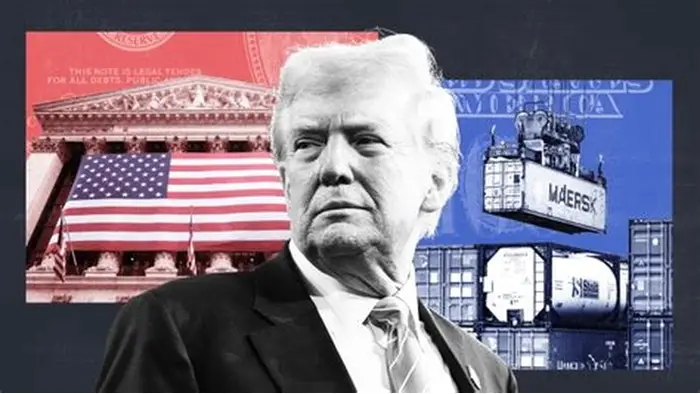
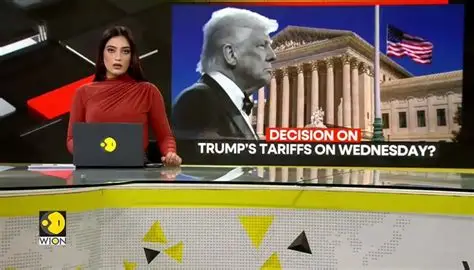
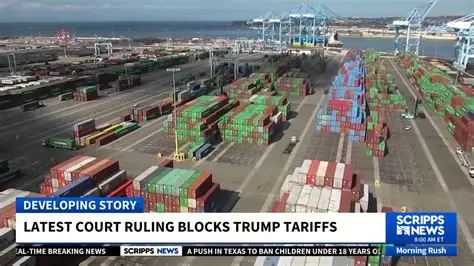
On February 20, 2026, the Supreme Court ruled in Learning Resources, Inc. v. Trump that sweeping tariffs imposed by executive order in 2025 were unlawful. Chief Justice John Roberts wrote that the International Emergency Economic Powers Act (IEEPA) does not grant the president the power to levy import taxes, as the Constitution assigns taxing power to Congress. The ruling invalidated all tariffs placed under IEEPA, including those on gaming consoles and accessories, but left tariffs enacted under other laws—such as the Trade Act of 1974 and the 1962 law on steel—in effect.

International Emergency Economic Powers Act tariffs decision (IEEPA)
The Court found that while IEEPA allows a president to regulate or ban imports during a national emergency, it contains no explicit authority to impose tariffs or taxes. Applying the “major questions” doctrine, the Court determined that such significant economic power requires clear authorization from Congress, which IEEPA lacks. The Court ruled 9-0 on the statutory grounds that IEEPA was inadequate to justify the tariffs, reining in executive emergency economic powers.
Why the Supreme Court ruled Trump’s “reciprocal tariffs” illegal
The Court rejected the administration’s “reciprocal tariffs,” which included a 10% baseline and rates up to 50% on specific countries. The justices ruled that trade deficits do not allow the executive to intrude on Congress’s exclusive power to tax. While the final vote was 6-3, the Court was unanimous in the view that IEEPA does not cover tariff powers. The majority emphasized that if Congress intended to delegate its taxing authority, it would have done so in express terms.

Drug trafficking tariffs on Canada, Mexico, and China struck down
The Court also invalidated “trafficking tariffs” of 25% imposed on Canada and Mexico, as well as increased duties on China, which had been justified by the opioid crisis. The justices ruled that the emergency did not empower the president to levy import taxes on unrelated goods via IEEPA. This reversal provided relief for industries dependent on North American supply chains, including auto parts, food, and video game manufacturing.
6–3 Supreme Court vote on Trump tariffs (who joined the majority)
Chief Justice Roberts was joined by the three liberal justices (Sotomayor, Kagan, and Jackson) and conservative justices Gorsuch and Barrett in the 6-3 decision. This cross-ideological majority focused on the separation of powers and executive overreach. Justices Thomas, Kavanaugh, and Alito dissented, arguing for greater presidential deference during emergencies, though Kavanaugh noted that billions in tariffs might now need to be refunded.

Nintendo Switch price hikes linked to Trump-era tariffs
Nintendo experienced direct impacts when its Vietnam-based manufacturing was hit by a 46% import tax. While Nintendo attempted to hold console prices steady by stockpiling inventory, it raised accessory prices, such as a $10 increase for the Switch dock and $1 for Joy-Con straps. Economists noted that these price adjustments were a direct result of the tariffs being passed on to consumers.
Nintendo Switch 2 price impact after the Supreme Court tariff ruling
The Switch 2 launched in June 2025 at $450–$500 during a 90-day tariff pause. Following the Supreme Court ruling, the 46% Vietnam tariff is voided, though a new 10% tariff under Section 122 remains. While the ruling prevented a projected $50 price hike, analysts expect Nintendo to maintain current prices to recoup costs and improve margins rather than offering immediate consumer discounts.
PlayStation 5 price increases and import tariffs
In August 2025, Sony raised the U.S. price of the PS5 by $50 (to $549) and the PS5 Pro to $749.99, citing tariff and supply chain costs. Microsoft followed with Xbox price hikes. Although the IEEPA tariffs are now overturned, manufacturers are unlikely to lower prices immediately, using the savings instead to offset other elevated shipping and manufacturing expenses.

Video game delays caused by tariffs (release schedules and manufacturing)
Tariff uncertainty caused several 2025 delays, including a brief pause on Nintendo Switch 2 pre-orders and a slip in the release of Grand Theft Auto VI. High import fees on physical media, such as game discs made in Mexico, led some publishers to delay projects or shift toward digital-only releases to avoid the 25% duties.
Terminator game delay caused by tariffs
Reef Entertainment delayed Terminator 2D: No Fate from October to November 2025, explicitly citing tariff-related disruptions. The developer struggled to secure components for physical editions due to shipments being caught in customs and rising costs. This delay served as a specific example of how global trade disputes reached niche collectors’ markets.
Analogue 3D delay and retro console supply chain issues
Analogue, a producer of high-end retro consoles, delayed the release of its modern Nintendo 64 remake, the Analogue 3D, due to shifting tariff policies in mid-2025. Originally set for earlier in the year, shipments were pushed to late August 2025 to avoid customers being hit with unexpected import fees. Analogue chose to absorb these costs rather than raise pre-order prices, a move that ate into their earnings but maintained customer goodwill. This situation highlighted the vulnerability of niche hardware firms with thin margins to sudden 10% or 25% cost increases. While the Supreme Court ruling came too late to prevent this specific delay, it provides future stability for production planning without the threat of unexpected emergency tariffs.
Combo Breaker tariffs impact on the fighting game community (FGC)
The major fighting game tournament Combo Breaker faced a financial crisis in 2025 when import tariffs on overseas merchandise increased by 49% to 104%. Tournament director Rick Thiher noted that retail prices for hoodies and shirts would have needed to triple to maintain margins, threatening a vital revenue stream used to fund venue costs and prize pools. While the event proceeded in May 2025, organizers had to absorb losses or find more expensive domestic suppliers. The Entertainment Software Association (ESA) and other groups argued that such tariffs unfairly punished grassroots gaming culture, though the subsequent “climb down” and Court ruling prevented the outright cancellation of such events.
Physical game releases at risk because of import fees
Enthusiasts feared the end of physical media as Trump’s emergency tariffs applied a 25% duty to game discs and cartridges, most of which are manufactured in Mexico. Industry analyst Mat Piscatella warned that publishers might shift to digital-only formats to avoid the added manufacturing costs and paperwork, especially for niche or indie titles with small profit margins. Limited Run Games also indicated that the economics of small-batch physical releases were becoming untenable. Although the Supreme Court ruling eventually lifted the 25% Mexico tariff, the scare underscored the fragility of the physical supply chain and may have accelerated the industry’s transition to digital distribution.
Anbernic retro handhelds and 8BitDo accessories paused US sales
In April and May 2025, Chinese boutique hardware makers Anbernic and 8BitDo suspended direct shipments to the U.S. from their China warehouses. The decision followed the implementation of a 145% combined tariff on Chinese electronics and the termination of the “de minimis” rule, which previously allowed packages under $800 to enter duty-free. Customers were urged to buy only from existing U.S. warehouse stock to avoid prohibitive customs fees. This disruption limited consumer choices and increased secondary market prices for popular retro handhelds and controllers. The Supreme Court’s invalidation of the IEEPA tariffs allows these companies to resume normal service without punitive costs.

Entertainment Software Association warning on video game tariffs
The ESA, representing major players like Sony, Microsoft, and Nintendo, campaigned heavily against the tariffs, claiming they would cause “significant harm” to the industry and consumers. ESA CEO Stanley Pierre-Louis argued that video games were being unfairly targeted despite having no connection to trade imbalances or drug trafficking. The group submitted amicus briefs in the Supreme Court case, warning that taxing semiconductors and electronics would raise retail prices for millions of Americans. Following the ruling, the ESA applauded the decision but cautioned that any future tariff measures should be carefully evaluated for their economic impact.
Tariff refunds after Supreme Court ruling (who gets paid back)
The Supreme Court ruling turned an estimated $175–200 billion in collected duties into “refundable overpayments.” However, these refunds will go to the importing companies—the “importers of record”—rather than individual consumers who may have paid higher prices. Law firms are advising businesses to file claims with U.S. Customs and Border Protection (CBP) to recover their money, a process that could take years of administrative and legal battles. While companies like Costco and Goodyear were among the successful challengers, the current administration may seek ways to minimize these massive payouts.
Why consumers may not see lower prices after tariffs are blocked
Despite the removal of the tariffs, several factors suggest consumer prices will not drop immediately:
- Many businesses that absorbed the initial costs or raised prices plan to keep current pricing to recoup losses and bolster margins.
- The refund process for importers is lengthy and uncertain, meaning companies do not have immediate cash to pass on to consumers.
- Trump replaced the invalidated IEEPA tariffs with a new 10% global tariff under Section 122, maintaining an elevated cost floor.
- The general inflationary environment and “sticky pricing” mean companies are reluctant to lower prices once the market has accepted them.
- Major console manufacturers lack strong competitive pressure to start a price war, as demand remains high even at elevated price points.
Can Trump replace the tariffs after the Supreme Court decision? Section 301, Section 232, and Section 122
The Supreme Court ruling limits the president’s ability to use emergency powers for tariffs, but other legal avenues remain:
- Section 122 of the Trade Act of 1974: Used to impose a 10% global tariff (capped at 15%) for 150 days to address balance-of-payments issues. This requires congressional approval to extend beyond five months.
- Section 301 of the Trade Act of 1974: Allows for tariffs in response to unfair trade practices. This authority covers the existing tariffs on Chinese goods and could be used for future targeted trade investigations.
- Section 232 of the Trade Expansion Act of 1962: Permits tariffs on national security grounds, currently used for steel and aluminum. This could potentially be applied to strategic tech sectors like semiconductors or electronics.
While these tools are more constrained than the blanket authority Trump claimed under IEEPA, they ensure that the trade conflict and its impact on the gaming industry are far from over. from the emergency approach, the administration and trading partners can negotiate solutions rather than escalating a tariff war that ultimately hits our wallets and our hobby.

Frequently Asked Question (FAQs)
- What exactly did the Supreme Court decide regarding Trump’s tariffs?
In the February 2026 ruling of Learning Resources, Inc. v. Trump, the Supreme Court ruled 6–3 that the President’s use of emergency powers to impose broad tariffs was illegal. The Court found that the International Emergency Economic Powers Act (IEEPA) does not grant the executive branch the authority to levy import taxes, a power the Constitution assigns to Congress. This decision invalidated the tariffs imposed via executive orders in 2025. - Why were Trump’s tariffs ruled illegal?
The Court ruled that the President exceeded his statutory authority. While the administration invoked IEEPA by declaring national emergencies over trade deficits and drug trafficking, the Court determined that the power to “regulate importation” does not include the power to impose tariffs. Since tariffs are considered taxes, the Court held that any such authority must be explicitly granted by Congress, which was not the case here. - Which tariffs are affected by the ruling, and which remain?
The ruling struck down the “reciprocal” and “trafficking” tariffs imposed under IEEPA in 2025 and 2026. However, tariffs enacted under other laws remain in place, including Section 301 tariffs on Chinese goods and Section 232 tariffs on steel and aluminum. Additionally, Trump immediately replaced the invalidated tariffs with a new 10% tariff under Section 122 of the Trade Act of 1974. - How did Trump’s tariffs impact the video game industry?
The tariffs caused significant price hikes and disruptions. Sony raised the U.S. price of the PS5 by $50, and Nintendo increased the cost of Switch accessories while delaying Switch 2 pre-orders. Physical game manufacturing was hindered by a 25% duty on Mexican imports, and retro hardware companies like Analogue and Anbernic paused U.S. shipments. Furthermore, gaming events like Combo Breaker faced massive increases in merchandise costs. - Will console and game prices drop now that the tariffs are overturned?
Prices are unlikely to drop immediately. Businesses often use tariff relief to recoup previous losses or to cover new costs, such as the 10% duty imposed under Section 122. While the ruling prevents future unpredictable spikes, manufacturers like Sony and Microsoft are expected to maintain current higher MSRPs rather than issuing price cuts. - Will consumers get refunds for the higher prices they paid during the tariff period?
No. Any refunds for “refundable overpayments” will be issued to the importers of record (the companies) who paid the duties to the government. There is no legal mechanism for these savings to be passed back to individual consumers who purchased goods at inflated retail prices. - What is the International Emergency Economic Powers Act (IEEPA) in simple terms?
IEEPA is a law that allows the President to regulate economic transactions or freeze assets during a declared national emergency involving a foreign threat. Historically used for sanctions, it had never been used to impose broad tariffs until 2025. The Supreme Court clarified that IEEPA provides emergency economic powers but does not offer a blank check to levy taxes. - How much money in tariffs was collected and what happens to it now?
Approximately $175–$200 billion was collected under the invalidated tariffs. This money is now considered overpayment. Importers must file claims with U.S. Customs and Border Protection to recover these funds, a process that may involve lengthy bureaucratic and legal challenges. - How did tariffs actually delay games and hardware?
Tariffs created supply chain friction and manufacturing uncertainty. For example, Terminator 2D: No Fate was delayed due to the high costs and shipping holdups of physical components. Analogue delayed its 3D console to avoid hitting customers with sudden fees. These tariffs forced companies to pause, re-route shipments, or delay launches to mitigate financial risks. - What can the President do now to impose tariffs after this ruling?
The President can still use other trade laws, such as Section 122 for temporary (150-day) global tariffs, Section 301 for unfair trade practices, and Section 232 for national security concerns. While these tools require more specific justifications and processes than IEEPA, they allow the administration to continue its tariff policy within a more constrained legal framework.
Conclusion
The Supreme Court’s ruling in Learning Resources, Inc. v. Trump is a landmark decision that reasserts Congressional authority over taxation and limits unilateral executive action. For the video game industry, the decision provides relief from unpredictable emergency duties that threatened to spike console prices by up to 50% and stall physical media production. While companies may now seek billions in refunds, the immediate benefit to the industry is increased stability and the removal of a major supply chain hurdle.
However, the trade war continues through different legal channels. By pivoting to Section 122 and other trade laws, the administration has maintained a baseline tariff level, even if the extreme IEEPA rates are gone. Gamers should expect prices to stabilize rather than drop, as companies navigate these replacement tariffs and seek to recover from the previous year’s economic volatility. Ultimately, while the rules of the trade game have been reset by the Court, the era of gaming tariffs is not entirely over.
Sources and Citations
- Supreme Court Opinion – Learning Resources, Inc. v. Trump, 607 U.S. ___ (2026)
- SCOTUSblog – Amy Howe: “Supreme Court strikes down Trump’s tariffs” (Feb. 20, 2026)
- SCOTUSblog – Case Summary: Learning Resources, Inc. v. Trump
- Sidley Austin – Tariff Decision Legal Update (Feb. 23, 2026)
- Brennan Center – Trump Tariffs Timeline / Background (Feb. 2026)
- Thomson Reuters Tax & Trade Blog – Tariff ruling impact / refunds analysis (Feb. 24, 2026)
- Reuters – “Sony hikes PS5 prices in US as tariff uncertainty weighs” (Aug. 21, 2025)
- Reuters – “Don’t bet on lower prices after tariffs shot down” (Feb. 24, 2026)
- The Guardian – “How Nintendo dodged Trump’s tariffs and saved the Switch 2 release” (June 5, 2025)
- The Game Business – Christopher Dring: “What do the US tariffs mean for video games?” (Apr. 15, 2025)
- GameDeveloper.com – Justin Carter: “ESA warns of ‘negative impact’ with Trump’s tariffs” (Feb. 3, 2025)
- GameSpot – Jason Fanelli: “Combo Breaker ‘Mortally Injured’ By Tariffs” (Apr. 9, 2025)
- GameSpot – Eddie Makuch: “New Terminator Game Delayed Due To Trump’s Tariffs” (Sep. 29, 2025)
- Tom’s Hardware – Mark Tyson: “Analogue 3D delayed again — tariffs blamed” (July 17, 2025)
- Tom’s Hardware – Kunal Khullar: “8BitDo backs down after blaming tariffs” (May 1, 2025)
- Nintendo Life – PJ O’Reilly: “8BitDo Suspends Shipping From China To US” (May 1, 2025)
- The Verge – Sean Hollister: “Game Boy clone maker Anbernic suspends all shipments to US” (Apr. 21, 2025)
- VGChartz – William D’Angelo: “Analyst: Trump Tariffs Could Lead to Fewer Physical Games” (Mar. 5, 2025)
Recommendations
- What Are Speed Skills in Forza Horizon 6?
- Can you have multiple cameras in one Blender scene?
- Paralives: How to Split a Household (step-by-Step Guide, Move Out & Manage Families Easily)
- Weddle Game: How to Play the NFL Wordle-Style Player Guessing Game (Daily, Unlimited & Hard Mode)
- Kingdom Hearts IV Gets Surprise New Gameplay Trailer: Everything Revealed From the Nintendo Direct 2026 Showcase
- Games Workshop Just Brought Back an Iconic Warhammer 40,000 Character With a Flashy New Trailer — Commissar Yarrick Returns to Armageddon
- Oblivion Remastered To Get Multiplayer Mods: ReadyM Co-Op, Servers, Release Window, and What Players Can Expect
- Mastering Customization of PixelHair Assets for Any 3D Character in Blender
- A Woman Is Suing MrBeast’s Company for Alleged Sexual Harassment and Verbal Abuse: Full Lawsuit Breakdown, Claims, and Reactions
- Mastering Lighting in Unreal Engine 5: Complete Guide to Realistic Game Illumination



































































































