




In This Article (7 sections)
Total War: Shogun 2 Complete Edition Pulled From Sale After Bugs and AI Artwork Backlash
Total War: Shogun 2 Complete Edition was pulled from sale following an October 15, 2026 announcement from Sega and Creative Assembly, just two days after its October 13 launch. The withdrawal followed widespread criticism involving technical problems, controversial changes to the original game, and artwork that players believed showed signs of AI assisted upscaling. Both companies acknowledged that the release had failed to meet expectations and confirmed that they were investigating the problems with their development partner.
The controversy requires an important distinction. Although concerns about AI assisted artwork became a prominent part of the backlash, Sega and Creative Assembly did not officially confirm that generative AI had been used to produce the disputed images. Players identified visual inconsistencies they believed resulted from automated upscaling, but those suspicions should not be presented as an admission by the publisher. The withdrawal itself was confirmed, while the specific production process behind the artwork remained unverified.
The incident also raised broader questions about what a modern edition of an established strategy game should preserve. Higher resolution assets, improved controls, and additional content can make an older game more accessible, but those changes must be balanced against reliability, mod compatibility, artistic consistency, and continued access to the original version. For a title with a recognizable visual identity and an established community, an update can become controversial when its improvements appear to compromise features players already value.
Sega and Creative Assembly announced the temporary withdrawal after acknowledging that the experience fell below the standards expected by players and the companies themselves. Their October 15 statement explained that they were working with platform holders to remove Complete Edition from sale, restore the original Shogun 2, and investigate the reported problems. Existing purchasers would retain access to the withdrawn edition.
The response addressed several complaints rather than one isolated defect. Players questioned the technical condition of the release, the quality of revised artwork, the treatment of the original game, and whether the new package offered sufficient value. Removing Complete Edition from sale prevented additional customers from purchasing an edition whose condition the publisher had publicly acknowledged was inadequate.
However, a temporary withdrawal is not equivalent to permanent cancellation. The companies described an investigation and planned improvements rather than announcing that Complete Edition had been abandoned. Nevertheless, the statement did not establish a specific relaunch date or guarantee which problems would be resolved before sales resumed.
The official name of the October 2026 release is Total War: Shogun 2 Complete Edition. Sega’s support documentation describes it as an updated and enhanced version developed by MATABOO, Creative Assembly, and Sega. Although some coverage uses the term Enhanced Edition, that is descriptive shorthand rather than the official subtitle.
The distinction is useful when examining announcements, troubleshooting instructions, and purchase records. Complete Edition was presented as both a consolidated package and an improved version of the original strategy game. These descriptions created expectations concerning included content, technical modernization, and the quality of the revised experience.
The AI artwork controversy became particularly visible through complaints about unit cards and other visual assets. Players identified images that appeared distorted or incorrectly reconstructed, leading to speculation that automated upscaling had been used without sufficient manual correction. TechSpot reported examples of confusing details, including artwork in which a character’s face appeared to merge with a helmet.
Upscaling is intended to increase image resolution, but different techniques can produce different results. Some methods enlarge existing information, while others estimate or reconstruct details that were not present in the original. In stylized artwork, automated reconstruction may misinterpret brushstrokes, facial features, clothing patterns, or other deliberate design elements.
This creates a potential conflict between visual sharpness and artistic accuracy. An image may contain more pixels while losing the qualities that made its original presentation effective. For a historical strategy game whose unit portraits and interface artwork contribute to its identity, such changes can affect more than appearance.
Unit cards serve practical functions during gameplay. They help players identify troops, distinguish military roles, and understand army composition quickly. If revised artwork makes those cards harder to recognize, the problem becomes one of interface readability as well as visual quality.
Returning players may also associate Shogun 2 with particular portraits, icons, menus, and loading screens. Changing those elements can alter the experience of revisiting the game even when its underlying strategy systems remain familiar. A successful remaster must therefore balance improved presentation with respect for the original artistic direction.
The main concerns surrounding the revised artwork involved:
- Distorted visual details: Players identified unusual facial features, clothing patterns, and other inconsistencies.
- Unit card readability: Some revised illustrations appeared less clear or recognizable than their original versions.
- Artistic consistency: Changes to established artwork raised concerns about preserving the game’s original style.
- Possible AI upscaling: Players suspected automated image processing, although the publisher did not confirm the specific methods used.
- Quality control: The disputed assets prompted questions about whether visual changes received sufficient inspection before release.
These concerns involve two separate questions. The first concerns how the assets were produced, while the second concerns whether their final appearance meets an acceptable standard. Even without confirmation of AI usage, visibly flawed artwork remains a legitimate quality concern. A meaningful response would involve inspecting the affected assets, correcting problematic details, and demonstrating improvements through clear comparisons.
Technical criticism extended beyond the artwork. Launch reporting described performance problems and other bugs that players believed should have been addressed in an updated edition. These reports contributed to the withdrawal, although they do not establish that every player experienced identical failures or that all hardware configurations were affected.
A strategy game presents several different performance challenges. Campaign processing, large real time battles, menus, save loading, and multiplayer systems can behave differently depending on the scenario and hardware. An edition that performs adequately during an early campaign may experience problems during larger engagements or more demanding late game situations.
Broad claims that Complete Edition performs worse than the original therefore require context. Graphics settings, resolution, hardware specifications, army sizes, and specific gameplay conditions can all influence performance. Player reports are valuable for identifying recurring problems, but controlled comparisons are necessary before establishing universal performance differences.
The distinction between newly introduced defects and unresolved problems inherited from the original game is also important. An issue may have existed for years without being caused by the revised release, but its continued presence can still disappoint customers expecting modernization. Detailed patch notes would help distinguish new regressions, longstanding limitations, and intentional design decisions.
Steam reviews reflected the extent of the dissatisfaction. VGC reported that Complete Edition had received an Overwhelmingly Negative rating before its withdrawal, with approximately 19% positive recommendations across more than 2,000 reviews. Those figures describe a launch period snapshot rather than a permanent review total.
The negative reception reflected several overlapping concerns. Some customers criticized technical problems, others objected to the altered artwork, while others questioned the decision to remove the original game from standalone sale. A player could enjoy Shogun 2 as a strategy game while still considering Complete Edition an unsatisfactory upgrade.
The criticism was also influenced by expectations about value. Existing owners were comparing the new package with a familiar version they already possessed, while newcomers were evaluating the experience offered at launch. These different perspectives contributed to dissatisfaction with the overall product rather than necessarily representing rejection of the original game.
Describing the entire response as review bombing would oversimplify the situation. Individual reviews may contain exaggerations, but a large volume of negative feedback does not automatically invalidate concerns about artwork, performance, compatibility, or purchasing arrangements. The most useful assessment examines the underlying complaints and identifies which can be independently reproduced.
Sega and Creative Assembly’s response acknowledged the need for improvement without publicly assigning detailed responsibility for individual problems. The release involved MATABOO alongside the publisher and Creative Assembly, but naming a development partner does not establish which team made every artistic, technical, or commercial decision. Development, quality assurance, marketing, and release approval can involve different responsibilities.
The decision to withdraw the edition was a concrete response, but rebuilding player confidence will require visible improvements. Corrected artwork, technical fixes, consistent performance testing, and clearer compatibility information would provide stronger evidence of progress than general assurances alone.
Ultimately, the backlash illustrates the difficulties involved in modernizing a game with an established identity. Players expected Complete Edition to improve accessibility and presentation without weakening the original experience. Instead, the launch raised concerns about whether the changes had been implemented carefully enough to justify the new release.

Shogun 2 Complete Edition vs Original Game: Features, Mod Support, Pricing, and Refunds
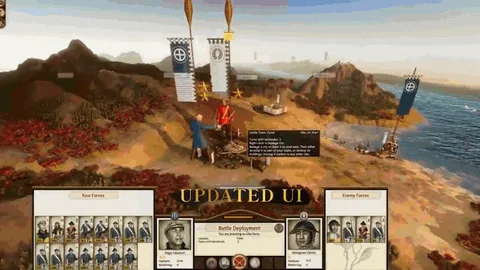
Total War: Shogun 2 Complete Edition was presented as a revised version of the original game rather than a new sequel. Sega’s official support documentation described several improvements intended to modernize the experience, including updated presentation, higher resolution interface support, revised controls, a 64 bit upgrade, additional playable minor factions, and integrated mod support.
These features addressed different needs. Improved interface scaling could make the game easier to read on modern displays, while updated controls could reduce friction for players familiar with newer strategy titles. Additional playable factions offered more campaign starting situations, and the 64 bit upgrade represented a technical modernization of the underlying application.
However, the existence of an advertised feature does not automatically establish that it has been implemented successfully. An improved interface can still contain awkward elements, updated controls may not suit every returning player, and additional content may provide limited value if technical problems disrupt the experience.
The main advertised improvements included:
- Updated presentation: Revised visual assets and other graphical changes intended to modernize the game.
- Higher resolution interface support: Improvements designed to make menus and interface elements more suitable for modern displays.
- Modernized controls: Changes intended to improve navigation and usability.
- 64 bit upgrade: Technical modernization of the game application.
- Additional playable minor factions: Expanded campaign options.
- Integrated mod support: A revised modification system using Mod.io.
- Consolidated content: A package intended to provide a more complete Shogun 2 experience.
The comparison with the original game depends heavily on player priorities. A newcomer may appreciate a consolidated package with modernized features, while a longtime player may prefer familiar controls, established performance characteristics, and existing community modifications.
The original also benefits from years of accumulated knowledge. Experienced players understand which settings work well on their computers, how the campaign systems behave, and which modifications support their preferred style of play. Moving to a revised edition can disrupt that familiarity, even when changes are intended to improve the experience.
Mod compatibility became an especially important point of criticism. Sega’s official FAQ confirmed that modifications created for the original Shogun 2 are not compatible with Complete Edition. The newer version uses integrated Mod.io support, while original game modifications remain unchanged.
This incompatibility was documented before launch rather than discovered only after players began reviewing the edition. Nevertheless, its practical consequences are significant because Shogun 2 has an established community of players who use modifications to adjust balance, expand campaign variety, change interfaces, or address behaviours they dislike.
A separate mod ecosystem means players cannot simply assume that their existing collections will transfer. Individual projects may require adaptation, and the amount of work involved depends on technical differences and decisions made by their creators.
The choice of distribution platform is not the only factor determining compatibility. Modifications may depend on game data formats, scripts, development tools, or internal systems that have changed in the newer executable. Switching to Mod.io alone does not explain every possible compatibility limitation.
For mod creators, useful documentation and appropriate tools are important because a built in browser does not automatically recreate the original community ecosystem. Long term value depends on whether creators can produce, distribute, and maintain the modifications players want.
The treatment of the original game created another controversy. Ahead of Complete Edition’s launch, the original Shogun 2 had stopped being available as a standalone Steam purchase. This meant that customers seeking the established version could be directed toward the newer package, even if they preferred the original presentation or depended on older mods.
Sega and Creative Assembly’s October 15 response included plans to restore the original game to sale. This reversed the earlier arrangement and provided customers with an alternative while Complete Edition remained withdrawn.
Restoring the original matters for both consumer choice and game preservation. Players can compare versions according to their preferences, while the established game and its community ecosystem remain accessible independently of the revised edition.
However, restoration does not guarantee that every storefront, region, historical bundle, or promotional price will return under identical conditions. Product availability, included content, and account entitlements still require attention to the relevant store listing.
The Complete Edition launch price was £34.99, €39.99, or $39.99, depending on the listed currency. Sega also advertised a limited 75% loyalty discount for eligible existing owners, originally scheduled to run from October 13 to November 12, 2026. These were the published launch terms, and the withdrawal should not automatically be interpreted as extending the promotional period.
The price controversy was not simply about the amount charged. Existing owners needed to decide whether revised graphics, modernized controls, additional factions, and consolidated content justified purchasing another version of a game they already owned.
A substantial discount could reduce the financial cost without resolving concerns about technical quality or compatibility. Conversely, a full price package might still offer value to newcomers if it provided a reliable introduction to the game. The problem arose because the new edition’s implementation and the original game’s availability complicated that comparison.
A future relaunch would benefit from clear information about pricing, loyalty terms, ownership entitlements, and any changes introduced after the withdrawal. Commercial transparency cannot repair defective artwork or performance problems, but it can prevent further confusion about what customers receive.
Sega’s original FAQ listed Steam, Epic Games Store, Microsoft Store, and GOG as PC storefronts for Complete Edition. The withdrawal announcement referred to working with platform holders to remove the product from sale, although that did not establish that every storefront and region disabled purchasing simultaneously.
Digital withdrawals can also involve different forms of availability. A store page may remain visible while its purchase button is disabled, and owners may continue accessing their accounts, community discussions, updates, and purchase records. The existence of a listing therefore does not prove that new purchases remain possible.
Third party retailers can introduce further uncertainty because their listings may involve previously distributed keys or stock arrangements not immediately reflected in the publisher’s announcement. Store specific availability must be distinguished from the general decision to withdraw the edition.
Existing owners were explicitly allowed to continue playing Complete Edition after its removal from sale. The companies did not describe the withdrawal as revoking completed purchases or disabling the game for those who had already bought it.
This distinction between sales availability and ownership access is important. A game can be unavailable to new buyers while remaining in existing customers’ libraries. However, continued access does not mean the reported problems have been corrected. Owners may still encounter the same technical or visual issues while waiting for future updates.
Access to the original version is a separate entitlement question. Sega’s launch documentation described differences between Steam purchases and purchases made through other stores. Steam purchases were described as including the original game and associated content, with a stated Blood Pack exception. Customers should therefore check the terms attached to their purchase rather than assume that every storefront provided identical entitlements.
For players dissatisfied with Complete Edition, refunds remain another consideration. Steam’s ordinary refund policy generally allows requests within 14 days of purchase when playtime is under two hours. Valve also states that customers can submit requests outside those conditions for review.
The standard Steam refund process involves:
- Opening Steam Support and locating the relevant purchase.
- Selecting Total War: Shogun 2 Complete Edition.
- Choosing the appropriate problem or refund option.
- Providing relevant details about the purchase or technical issue.
- Submitting the request for review.
The withdrawal did not automatically establish a special refund programme or guarantee approval for every customer. Eligibility depends on the seller’s rules and the circumstances of the transaction.
Players should also consider recorded playtime carefully. Leaving a game running during troubleshooting may affect the total shown by the platform, even when little active gameplay occurred. Purchases made through other storefronts must be handled according to those sellers’ policies.
Waiting for improvements can introduce another practical concern. A customer may want to see whether future patches resolve the issues but could move beyond the ordinary refund window while doing so. Promised improvements should not be treated as guaranteed outcomes, and refund eligibility should be assessed according to the applicable purchase terms.
The broader controversy demonstrates why access to the original and clear upgrade arrangements matter. A revised edition can offer worthwhile features without becoming the preferred choice for every player. Maintaining practical alternatives allows customers to evaluate modernization according to their own priorities rather than being forced toward one version.

Will Total War: Shogun 2 Complete Edition Return? Sega’s Plans, Remaining Problems, and Future Updates
Sega and Creative Assembly described the October 15, 2026 withdrawal as temporary and confirmed that they were investigating the problems with their development partner. The announcement indicated an intention to improve the edition, but it did not provide a confirmed return date or a complete list of planned changes.
A meaningful relaunch would require more than restoring the purchase option. The complaints that damaged confidence involved artwork, technical performance, compatibility, commercial arrangements, and the treatment of the original game. These problems require different responses and may not all be resolved through a single update.
Artwork concerns would benefit from visible corrections that preserve the original aesthetic while improving clarity on modern displays. Where players identified distorted details, corrected assets could be compared with their previous versions to demonstrate that the problems have been addressed.
Technical complaints require a different approach. Performance issues and bugs need to be reproduced, investigated, and tested across relevant gameplay situations and hardware configurations. A fix that improves menu responsiveness may not resolve large battle performance, while changes to rendering could introduce other issues.
Mod compatibility presents another challenge because the original and Complete Edition use different modification arrangements. Sega’s published FAQ established that older mods were incompatible, meaning the issue cannot be resolved merely by correcting graphics or performance. A future update would need to explain whether that limitation remains unchanged or whether any additional compatibility options have been introduced.
The remaining concerns can be grouped into several areas:
- Artwork quality: Addressing distorted or inconsistent assets, particularly frequently visible unit cards.
- Technical reliability: Investigating bugs, crashes, and other reported gameplay problems.
- Performance: Testing the revised edition across appropriate hardware and gameplay scenarios.
- Original game access: Ensuring the promised restoration provides a practical alternative for players.
- Mod compatibility: Clarifying which modifications are supported and whether existing limitations remain.
- Ownership entitlements: Explaining access to the original version and associated downloadable content.
- Pricing and discounts: Confirming commercial terms for any future relaunch.
- Existing purchasers: Communicating how owners receive improvements and whether their access changes.
The development process also requires distinguishing newly introduced problems from issues inherited from the original game. Both can disappoint customers, but their causes and solutions may differ. Detailed patch notes would help establish which problems have been corrected and which remain outside the scope of the updated edition.
Communication will play an important role in rebuilding trust. Sega and Creative Assembly acknowledged that Complete Edition failed to meet expectations, but that acknowledgement represents the beginning of the recovery process rather than proof that the issues have been resolved.
Players need clear information about the problems identified, changes being made, and any limitations that will remain. If certain compatibility restrictions cannot be removed or some improvements require additional time, explaining those boundaries would allow customers to assess the edition realistically.
The controversy also highlights the importance of quality assurance for modern versions of established games. Older strategy titles contain numerous interconnected systems, and changes to presentation or technical architecture can affect areas that initially appear unrelated. Interface changes may influence usability, graphical updates can alter performance requirements, and new modification systems may disrupt established community tools.
Testing therefore needs to reflect the variety of ways people actually use the game. Short demonstrations and early campaign scenarios may not reveal issues that emerge during large battles, extensive campaigns, modded sessions, or repeated menu interactions.
For a franchise such as Total War, players also value consistency. The underlying strategy experience may remain enjoyable, but changes to artwork, navigation, or compatibility can alter how returning players interact with familiar systems. A successful update should therefore balance modernization with preservation rather than assuming that newer technology automatically produces a better experience.
The launch reaction showed how quickly dissatisfaction can escalate when several concerns appear simultaneously. Negative screenshots, performance complaints, mod incompatibility, and the removal of the original from standalone sale reinforced one another, turning individual criticisms into broader questions about the release.
The October 15 withdrawal addressed the immediate purchasing situation by stopping new sales and restoring the original as an alternative. However, the lasting outcome will depend on the condition of Complete Edition if it returns.
The project remains distinct from a permanently cancelled release because Sega and Creative Assembly described continued investigation and improvements. Nevertheless, no specific relaunch date was confirmed in the available announcement, and the word temporary should not be interpreted as a guarantee that sales will resume within a particular period.
Existing owners retain access, while prospective buyers can consider the original version once restoration is reflected in their relevant storefront. The next important developments will involve official updates describing technical fixes, artwork revisions, compatibility details, and renewed availability.
Ultimately, Total War: Shogun 2 Complete Edition illustrates the challenge of modernizing a respected strategy game without weakening the elements that made it appealing. Its advertised improvements offered potential advantages, but the launch failed to meet player expectations across several important areas. The temporary withdrawal gives Sega and Creative Assembly an opportunity to address those problems, although the success of any future relaunch will depend on demonstrable improvements rather than the announcement alone.

Frequently Asked Questions (FAQs)
- Why was Total War: Shogun 2 Complete Edition pulled from sale?
Sega and Creative Assembly temporarily withdrew Total War: Shogun 2 Complete Edition after acknowledging that the October 2026 release failed to meet their quality expectations. Players had reported technical problems, criticized revised artwork, and raised concerns about the treatment of the original game. The companies announced that they would investigate the issues with their development partner while working with platform holders to stop new sales. Existing owners were allowed to retain access. - When did Shogun 2 Complete Edition launch?
Total War: Shogun 2 Complete Edition launched on October 13, 2026. Sega and Creative Assembly announced its temporary withdrawal on October 15, approximately two days later. The short period between launch and removal reflected how quickly criticism developed over technical problems, artwork changes, and the commercial handling of the original game. The companies subsequently committed to investigating the issues before any potential return to sale. - Is Enhanced Edition the official name?
No. The official title is Total War: Shogun 2 Complete Edition. Enhanced Edition is sometimes used descriptively because the release was marketed as an updated version of the original game. However, Sega’s official support materials, product information, and withdrawal announcement use Complete Edition. Using the official name helps distinguish the October 2026 release from earlier collections and makes it easier to identify relevant troubleshooting information. - Did Sega confirm that generative AI created the artwork?
No. Sega and Creative Assembly did not confirm in their withdrawal statement that generative AI had been used to produce the disputed artwork. Players and publications identified visual inconsistencies they believed resembled problems caused by AI assisted upscaling, including distorted facial features and other details. Those observations explain the backlash but do not independently establish the production method. The specific tools used remain separate from the confirmed quality concerns. - Can existing owners keep playing the withdrawn edition?
Yes. Sega and Creative Assembly explicitly stated that players who had already purchased Complete Edition would retain access after it was removed from sale. The withdrawal affected new purchases rather than revoking existing ownership. However, continued access does not mean that reported technical or visual problems have been resolved. Existing owners may still encounter those issues until any relevant improvements are released. - Will original Shogun 2 mods work in Complete Edition?
No. Sega’s official FAQ states that modifications created for the original Shogun 2 are incompatible with Complete Edition. The revised release uses integrated Mod.io support, while older modifications remain associated with the original game. Players should therefore look for versions specifically designed for Complete Edition rather than expecting existing mods to transfer automatically. Compatibility may depend on game files, scripts, tools, and other technical differences. - Does Complete Edition include access to the original game?
The published launch arrangements differed by storefront. Sega described Steam purchases as including the original Shogun 2 and associated content, with a stated exception involving the Blood Pack. However, customers should not assume that every storefront offered identical ownership entitlements. The withdrawal also included plans to restore the original game to sale separately, allowing prospective buyers to consider the established version without purchasing Complete Edition. - Was the upgrade free for existing owners?
No general free upgrade was announced. Sega advertised a limited 75% loyalty discount for eligible existing owners, originally scheduled from October 13 to November 12, 2026. The discount reduced the cost of Complete Edition but did not make it universally free. The temporary withdrawal also did not automatically establish an extension of the promotional period. Customers should distinguish the loyalty discount from separate arrangements involving access to the original game and downloadable content. - Can owners request a refund after the withdrawal?
Yes. Customers can submit refund requests through the retailer where they purchased Complete Edition. Steam’s standard policy generally covers purchases made within 14 days when recorded playtime is under two hours, although requests outside those conditions may still be reviewed. The withdrawal does not guarantee automatic refunds or approval for every customer. Purchases from other stores are subject to their respective policies, and players should check the conditions associated with their transactions. - Has a return date been confirmed?
No. Sega and Creative Assembly described the removal as temporary and said they would investigate the reported issues and make improvements. However, the October 15 announcement did not establish a specific relaunch date or confirm exactly which problems would be resolved before the edition returned. A future release schedule will require another official announcement. Until then, the confirmed status is that Complete Edition was withdrawn from new sales while existing purchasers retained access.

Conclusion
Total War: Shogun 2 Complete Edition was withdrawn after its launch failed to meet expectations, with complaints involving suspected AI assisted artwork, technical problems, mod compatibility, pricing, and the removal of the original game from sale. Sega and Creative Assembly confirmed the temporary withdrawal, allowed existing owners to retain access, and committed to investigating the issues while restoring the original version.
However, the companies have not confirmed the production methods behind the disputed artwork or announced a relaunch date. The controversy highlights the importance of preserving artistic quality, maintaining reliable performance, and providing meaningful improvements when modernizing classic games. Any successful return will depend on resolving the reported problems and demonstrating those improvements through the revised edition.
Sources and Citations
- Sega and Creative Assembly, October 15, 2026: Official statement confirming the temporary withdrawal of Total War Shogun 2 Complete Edition, restoration of the original game, continued access for existing owners and investigation of technical problems.
https://community.creative-assembly.com/total-war/total-war/forums/37-total-war/threads/16254-an-update-on-shogun-2-complete-edition - Sega Support, Total War Shogun 2 Complete Edition FAQs: Provides official information about the game’s release, launch pricing, supported storefronts, graphical improvements, included content and mod compatibility.
https://support.sega.com/hc/en-gb/articles/51849478783633–Total-War-SHOGUN-2-Complete-Edition-FAQs - Sega Corporation, October 14, 2026: Official launch announcement covering updated graphics, Japanese voice acting, modernized controls, 64-bit support and additional playable factions.
https://sega.co.jp/en/release/261014_1.html - Sega and Creative Assembly, Complete Edition Upgrades Revealed: Details enhanced textures, lighting, shadows, interface improvements, optional cinematics, upscaling features and modern PC compatibility.
https://sega.prezly.com/total-war-shogun-2-complete-edition-upgrades-revealed - Video Games Chronicle, October 15, 2026: Reports Sega’s decision to withdraw Total War Shogun 2 Complete Edition following technical complaints, disputed artwork, allegations involving AI upscaling and negative player reception.
https://www.videogameschronicle.com/news/sega-pulls-total-war-shogun-2-complete-edition-from-stores-over-bugs-and-ai-art/ - TechSpot, October 16, 2026: Examines the suspected AI-upscaled artwork controversy, visual inconsistencies, reported bugs, mod compatibility problems and overwhelmingly negative Steam reviews.
https://www.techspot.com/news/114226-sega-pulls-shogun-2-remaster-after-overwhelmingly-negative.html - Valve, Steam Refund Policy: Explains refund eligibility, standard 14-day purchase and two-hour playtime requirements, refund procedures and how requests outside normal conditions are reviewed.
https://store.steampowered.com/steam_refunds/
Recommendations
- Medieval Horse Dealer Simulator Releases August 17, 2026: Gameplay, Price, and PC Details
- The Sinking City 2 Survival Horror Pivot: Why Frogwares’ Sequel Feels Like a Genre Checklist Instead of a Fresh Lovecraft Game
- Dishonored Creator Raphael Colantonio Says GTA Is a “Stab in the Heart” for Immersive-Sim Fans
- Lego Batman: Legacy Of The Dark Knight Samurai Armor Explained
- The Animal Crossing Where Villagers Bully You Is Now (Unofficially) Available On PC: How It Works, Download Guide, and What’s Different
- How to Mark Geometry Points in Blender: Point Clouds, Point Selection, and Geometry Nodes
- Creating Fire in Blender: Complete Mantaflow Fire & Smoke Simulation Tutorial for Realistic VFX
- Chaos Releases V-Ray 7.4 for Maya: New Features, Performance Improvements, and Everything You Need to Know
- Bryson McBee’s Free Godot Node for Scattering MultiMeshInstances Along Path3D: Comparisons, Use Cases, and How it Helps
- South Park Season 29 Episode 3 review: ‘You Like That on Your Face’ (Oct 15)



































































































