












Vampire Crawlers launched initially on PC via Steam, quickly gaining traction among roguelite fans. Following its early success, the game expanded to consoles including Nintendo Switch, Xbox Series X|S, and PlayStation 5, ensuring accessibility across major platforms.
The staggered rollout allowed developers to refine performance and gameplay balance while scaling the player base globally. Early PC feedback played a crucial role in identifying balance issues, optimizing frame rates, and improving controller support before the console versions were finalized. This iterative launch strategy helped deliver a smoother experience across all platforms at release.
On Steam, the game benefited from early access visibility, wishlist momentum, and community-driven updates, which helped it climb charts quickly. Meanwhile, console releases introduced optimized UI layouts, controller-friendly mechanics, and platform-specific enhancements such as improved loading times and performance modes.
Cross-platform appeal also contributed to its success, as players across ecosystems could experience the same core gameplay loop with consistent content updates. This multi-platform approach ensured that Vampire Crawlers was not limited to a niche audience but instead reached a broad spectrum of players worldwide.
Why Vampire Crawlers hit one million players in one week
The game’s explosive growth crossing one million players in its first week can be attributed to several factors:
Strong association with Vampire Survivors’ popularity
Viral traction on streaming platforms and social media
Highly addictive gameplay loop with quick runs
Low barrier to entry combined with deep mechanics
Additionally, positive word-of-mouth and content creator coverage significantly accelerated adoption. Influencers and streamers showcased high-skill runs, unique builds, and unexpected strategies, creating a feedback loop of interest and discovery. Short-form content platforms amplified this even further, with clips highlighting chaotic enemy swarms, powerful card combos, and last-second victories.
Another major factor was the game’s pricing model and accessibility. With a relatively low cost compared to AAA titles, players were more willing to try it, especially given the strong comparisons to other successful roguelites. Frequent updates, transparent developer communication, and rapid patch cycles also built trust within the community.
Replayability played a critical role as well. Each run feels different due to procedural generation and randomized card draws, encouraging players to keep experimenting. Daily challenges, unlockable content, and progression systems ensured that players remained engaged beyond their initial sessions.
The combination of accessibility, depth, and viral exposure created a perfect launch window that allowed Vampire Crawlers to scale rapidly in a very short period.
Vampire Crawlers gameplay explained: turn-based deckbuilding dungeon crawler
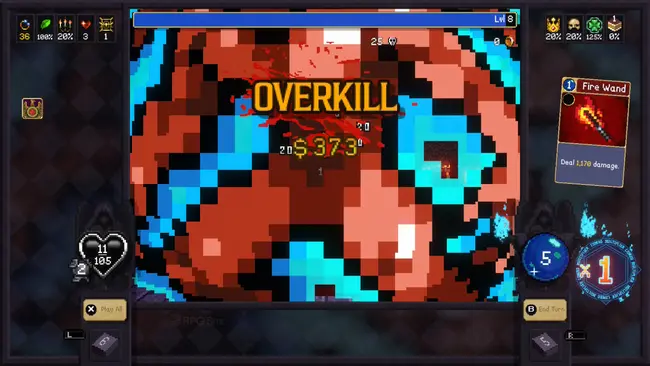
At its core, Vampire Crawlers is a turn-based deckbuilding dungeon crawler where players navigate procedurally generated maps while battling waves of enemies using cards.
Key gameplay elements include:
Deck construction and card upgrades
Turn-based combat with speed modifiers
Procedural dungeon exploration
Roguelite progression with persistent upgrades
Players begin each run with a basic deck and gradually acquire new cards through combat rewards, shops, and special events. These cards can represent attacks, defensive abilities, buffs, debuffs, or unique mechanics that drastically alter playstyle. Strategic deckbuilding is essential, as synergy between cards often determines success in later stages.
Combat operates on a turn-based system, but with dynamic speed modifiers that influence turn order and pacing. Some cards can accelerate actions, delay enemies, or manipulate timing, adding a layer of tactical depth beyond simple turn exchanges. This creates a hybrid feel where decision-making and tempo management are equally important.
Dungeon exploration is procedurally generated, meaning no two runs are identical. Players encounter branching paths, hidden rooms, elite enemies, and random events that can either help or hinder progress. Risk-reward decisions are constant, as choosing tougher encounters can yield better rewards but increase the chance of failure.
The roguelite progression system ensures long-term engagement. Even after losing a run, players retain certain upgrades, unlock new cards, and gain access to additional characters or abilities. This persistent progression allows players to gradually improve their chances while experimenting with different builds and strategies.
Advanced mechanics such as relics, passive bonuses, and combo chains further deepen the experience. Players can create powerful synergies by combining specific cards and upgrades, leading to highly varied playstyles—from defensive sustain builds to aggressive burst damage strategies.
Overall, Vampire Crawlers blends the strategic depth of deckbuilding games with the replayability of roguelites, delivering a gameplay loop that is easy to learn but difficult to master.
Each run is unique, encouraging experimentation and adaptability.

Vampire Crawlers TURBOTURNT system guide: how turn order and combos work
The TURBOTURNT system is the defining mechanic of Vampire Crawlers. It determines turn order based on speed stats and allows players to chain actions rapidly.
Core features:
Speed-based initiative system
Combo chaining through card interactions
Turn acceleration via buffs and abilities
Enemy interruption mechanics
Mastering TURBOTURNT enables players to dominate encounters by executing multiple actions before enemies can respond. Unlike traditional turn-based systems where actions alternate predictably, TURBOTURNT creates a fluid timeline where faster characters can act multiple times in succession. This means that speed is not just a stat—it is the backbone of offense, defense, and survival.
Every unit, including enemies, operates on an initiative timeline. When a player increases speed through cards or buffs, their position on this timeline shifts forward, allowing them to act again sooner. Skilled players learn to manipulate this system to “lap” enemies, effectively taking two or three turns before an opponent gets one.
Combo chaining is where the system truly shines. Certain cards trigger additional actions, reduce cooldowns, or generate energy when used in sequence. When combined correctly, these effects allow players to build long chains of uninterrupted actions. For example, a speed buff followed by a low-cost attack and then a combo extender can result in a full turn cycle where enemies never get a chance to respond.
Turn acceleration mechanics further enhance this strategy. Buffs such as haste, energy gain, or cooldown reduction can drastically increase the number of actions per turn. Some builds revolve entirely around stacking these effects to maintain near-constant action flow, essentially breaking the normal rhythm of combat.
Enemy interruption adds a defensive layer to TURBOTURNT. Certain cards or abilities can delay enemy turns, cancel actions, or apply status effects like stun or slow. These tools allow players to control not just their own timeline, but also disrupt enemy momentum. Against elite enemies and bosses, this becomes essential, as preventing a single powerful attack can determine the outcome of a run.
Advanced players often build entire decks around TURBOTURNT manipulation. By combining speed scaling, energy generation, and combo triggers, it is possible to create loops where turns chain endlessly until the encounter ends. Understanding when to prioritize speed over raw damage, and when to interrupt enemy actions, is the key to mastering this system.
Mastering TURBOTURNT enables players to dominate encounters by executing multiple actions before enemies can respond.
Vampire Crawlers beginner tips: best first-hour strategy
New players should focus on:
Building a balanced deck with attack and defense cards
Prioritizing speed upgrades early
Avoiding unnecessary fights to conserve resources
Learning enemy patterns before committing to aggressive strategies
The first hour is crucial for understanding synergy and pacing. Early decisions shape the trajectory of a run, and players who focus on fundamentals tend to progress faster and more consistently.
A balanced deck is essential at the start. While it may be tempting to stack offensive cards, survivability is just as important. Including defensive options such as shields, healing, or damage mitigation ensures that players can survive longer encounters and recover from mistakes. A well-rounded deck provides flexibility against different enemy types and scenarios.
Speed upgrades should be a top priority. Since the TURBOTURNT system revolves around initiative, even small increases in speed can have a significant impact. Acting before enemies allows players to eliminate threats early, reduce incoming damage, and maintain control of the battlefield.
Resource management is another critical aspect. Not every fight is worth taking, especially in the early game when decks are still weak. Avoiding unnecessary encounters helps preserve health and consumables, increasing the chances of reaching later stages where better rewards are available.
Learning enemy patterns is equally important. Each enemy type has distinct behaviors, attack timings, and weaknesses. Observing these patterns allows players to plan turns more effectively, counter specific threats, and avoid taking avoidable damage. Rushing into aggressive strategies without understanding enemies often leads to early failures.
Players should also experiment during the first hour. Trying different card combinations, testing new strategies, and adapting to random events helps build familiarity with the game’s systems. This experimentation phase is where players begin to understand synergy—how certain cards and effects work together to create powerful outcomes.
Best cards in Vampire Crawlers for early game runs
Some of the most effective early-game cards include:
Quick Strike (low cost, high efficiency)
Speed Boost (enhances turn frequency)
Shield Block (defensive stability)
Chain Attack (combo enabler)
Quick Strike is one of the most reliable early-game cards due to its low cost and consistent damage output. It allows players to maintain pressure without consuming too many resources, making it ideal for building early momentum.
Speed Boost is arguably one of the most valuable cards in the early stages. Increasing turn frequency directly impacts the TURBOTURNT system, enabling more actions and better control over combat flow. Even a single speed buff can shift the balance of a fight significantly.
Shield Block provides essential defensive stability. Early runs often fail due to lack of survivability, and having a dependable defensive card ensures that players can withstand enemy attacks while setting up their strategy. It pairs well with slower, more methodical builds.
Chain Attack serves as a foundation for combo-based strategies. By enabling follow-up actions or triggering additional effects, it helps players begin experimenting with combo chains early in the game. As decks evolve, this type of card becomes even more powerful when combined with other synergy pieces.
Beyond these core cards, players should look for upgrades and variations that enhance their chosen playstyle. Cards that generate energy, reduce cooldowns, or apply status effects can further strengthen early-game decks. The goal is to create a cohesive strategy rather than relying on isolated powerful cards.
As runs progress, these early-game staples often transition into more advanced builds. Understanding their value and how they interact with other mechanics sets the foundation for long-term success in Vampire Crawlers.
These cards help establish a reliable foundation for longer runs.

Best Vampire Crawlers deck synergies and combo builds
Successful decks rely on synergy. Popular builds include:
- Speed Combo Build: focuses on maximizing TURBOTURNT frequency
- Lifesteal Sustain Build: balances offense and healing
- AoE Burst Build: clears groups quickly
- Control Build: manipulates enemy turns and status effects
Experimentation is key to discovering powerful combinations.
Vampire Crawlers characters and progression systems explained
Players can unlock multiple characters, each with unique abilities and playstyles. Progression systems include:
- Character leveling
- Skill trees
- Unlockable cards and relics
- Permanent stat boosts
These systems encourage replayability and long-term engagement.
Vampire Crawlers maps and exploration tips for faster clears
Efficient exploration strategies include:
- Prioritizing high-reward nodes
- Avoiding unnecessary detours
- Managing resources between encounters
- Targeting elite enemies for better loot
Map awareness significantly impacts run success.
Vampire Crawlers roguelite meta progression: what carries over between runs
Between runs, players retain:
- Unlocked cards
- Permanent upgrades
- Character progression
- Certain relic bonuses
This meta progression reduces difficulty over time while maintaining challenge.

Vampire Crawlers Steam reviews: why it’s “Overwhelmingly Positive”
On Steam, Vampire Crawlers holds an “Overwhelmingly Positive” rating due to:
- Addictive gameplay loop
- Innovative mechanics
- Strong replay value
- Frequent updates and developer engagement
Players consistently praise its depth and originality.
Is Vampire Crawlers on Xbox Game Pass?
As of now, Vampire Crawlers is not available on Xbox Game Pass. However, given its popularity, future inclusion remains a possibility.
Vampire Crawlers roadmap: upcoming updates, features, and fixes
The developers have outlined a roadmap that includes:
- New characters and cards
- Additional maps and biomes
- Balance updates
- Performance improvements
- Community-requested features
Ongoing support is expected to sustain player interest.
Vampire Crawlers vs Vampire Survivors: what’s different and what’s the same
While both games share thematic similarities, key differences include:
Similarities:
- Roguelite structure
- Vampire-themed enemies
- Incremental progression
Differences:
- Turn-based vs real-time combat
- Deckbuilding vs weapon auto-attacks
- Strategic pacing vs chaotic action
Vampire Crawlers offers a more tactical experience compared to the fast-paced gameplay of Vampire Survivors.
Frequently Asked Questions (FAQs)
- What genre is Vampire Crawlers?
It is a turn-based deck building roguelite dungeon crawler. - Is Vampire Crawlers free to play?
No, it is a premium game with a one-time purchase. - How long is a typical run?
Runs usually last between 20 to 40 minutes. - Can you play Vampire Crawlers offline?
Yes, it supports offline play. - Are there multiplayer features?
Currently, it is a single-player experience. - How many characters are available?
Multiple characters are unlockable, with more planned. - Does the game support mods?
Mod support is limited but may expand in future updates. - Is it beginner-friendly?
Yes, though mastering mechanics takes time. - What makes TURBOTURNT unique?
It allows rapid turn chaining and strategic combos. - Will more content be added?
Yes, the roadmap confirms ongoing updates.

Conclusion
More than a million people have played Vampire Crawlers, and its rapid success highlights the demand for innovative twists on established genres. By combining deckbuilding strategy with roguelite progression and introducing the TURBOTURNT system, the game delivers a fresh yet familiar experience. Its strong community reception and ongoing development ensure that Vampire Crawlers will remain a standout title in the indie gaming space.
Sources and Citations
- Assuming this is for Deep Rock Galactic: Survivor:
- Steam Store / user reviews
https://store.steampowered.com/app/2321470/Deep_Rock_Galactic_Survivor/ - Steam Community reviews
https://steamcommunity.com/app/2321470/reviews/ - Steam community announcements
https://store.steampowered.com/news/app/2321470 - PC Gamer early access / Vampire Survivors comparison
https://www.pcgamer.com/deep-rock-galactics-first-spin-off-is-out-now-in-early-access-and-its-the-best-autobattler-since-vampire-survivors/ - Rogueliker early access impressions
https://rogueliker.com/deep-rock-galactic-survivor-early-access-review/ - GameSpot Xbox / Game Pass platform announcement
https://www.gamespot.com/articles/deep-rock-galactic-survivor-is-coming-to-xbox-and-game-pass-in-september/1100-6534187/ - Xbox Store page
https://www.xbox.com/en-US/games/store/deep-rock-galactic-survivor/9phgqprbbsxk/ - GamesRadar industry comparison with Vampire Survivors
https://www.gamesradar.com/games/action/vampire-survivors-kicked-off-a-game-development-gold-rush-but-has-a-legitimately-new-genre-emerged-between-the-cash-ins/
Recommended
- Autodesk releases MotionBuilder 2027: What’s New, System Requirements, Download, and Upgrade Notes
- Netflix’s Man on Fire Review: Yahya Abdul-Mateen II Reboots a Classic Vigilante Thriller With Grit, Grief, and Divisive Action
- Clayface Teaser Breakdown: DC’s Body Horror Take on the Shapeshifting Villain Explained + Fan Reactions
- Remedy new CEO former EA VP Jean-Charles Gaudechon: start date, background, and Remedy’s self-publishing plans
- Intergalactic: The Heretic Prophet – Release Date, Story, Cast, Gameplay, and Everything We Know
- PixelHair vs. Manual Hair Grooming in Blender: Which is Better?
- Live Link Face with Metahuman: How to Capture Real-Time Facial Animation in Unreal Engine 5
- Helldivers 2 Charity Challenge Leads To Death Threats After D10 Dev Challenge Spirals
- Marvel Confirms The Punisher: One Last Kill Special Presentation Release Date on Disney+
- Clair Obscur: Expedition 33 Wins Best Game at BAFTA 2026